Can Phytoprofen Support Cytokine Balance and Joint Health in Long COVID and ME/CFS?
March 6, 2026
PhytoprofenLong COVIDME/CFS
Share:
Disclaimer: The information provided here is for educational purposes only and is not intended as medical advice. It should not be used to diagnose, treat, cure, or prevent any medical condition. Instead, use it as a starting point for discussion with your healthcare provider. Always consult with a qualified healthcare provider before starting any new medication, supplement, device, or making changes to your health regimen.
Waking up with a body that feels like it has run a marathon while you were sleeping is a reality for many individuals living with complex chronic conditions. The heavy, aching joints, the profound muscle fatigue, and the pervasive brain fog are not just "tiredness"—they are the physical manifestations of a body locked in a state of chronic, systemic inflammation. For patients navigating Long COVID, myalgic encephalomyelitis/chronic fatigue syndrome (ME/CFS), dysautonomia, and mast cell activation syndrome (MCAS), this daily battle against an overactive immune system can be debilitating. When your body is constantly fighting an invisible war, finding targeted, clinically grounded support becomes essential for reclaiming your quality of life and maintaining your independence.
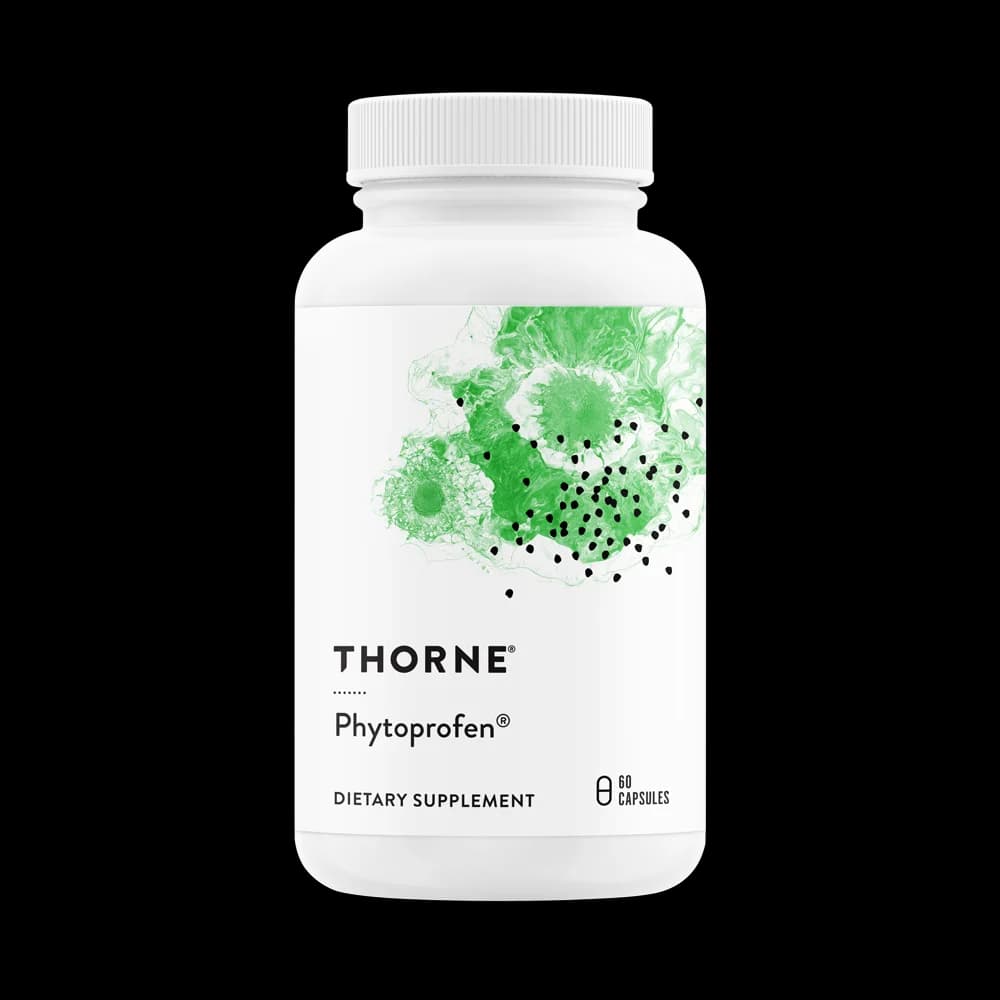
One of the most significant drivers of this systemic discomfort is a dysregulated cytokine response. Cytokines are the chemical messengers of the immune system, and when they become unbalanced, they can trigger widespread inflammation, tissue degradation, and severe post-exertional malaise (PEM). While conventional non-steroidal anti-inflammatory drugs (NSAIDs) are often the first line of defense for pain, they can come with significant gastrointestinal and cardiovascular side effects when used long-term, and they often only target a single inflammatory pathway. This is where specialized botanical formulations come into play. Phytoprofen® by Thorne is a synergistic blend of four powerful, well-researched ingredients—bromelain, curcumin phytosome, ginger, and Boswellia—designed to support a healthy cytokine balance, promote tissue healing, and manage the complex inflammatory cascades that drive chronic illness.
TL;DR
Phytoprofen is a botanical blend designed to support healthy inflammatory responses and cytokine balance.
It combines bromelain, curcumin, ginger, and Boswellia to target multiple inflammatory pathways simultaneously.
Research suggests these ingredients may help manage post-exertional malaise, joint pain, and fatigue.
Always consult a healthcare provider before use, especially if taking blood thinners or chemotherapy medications.
What is Phytoprofen?
A Synergistic Botanical Blend for Musculoskeletal Health
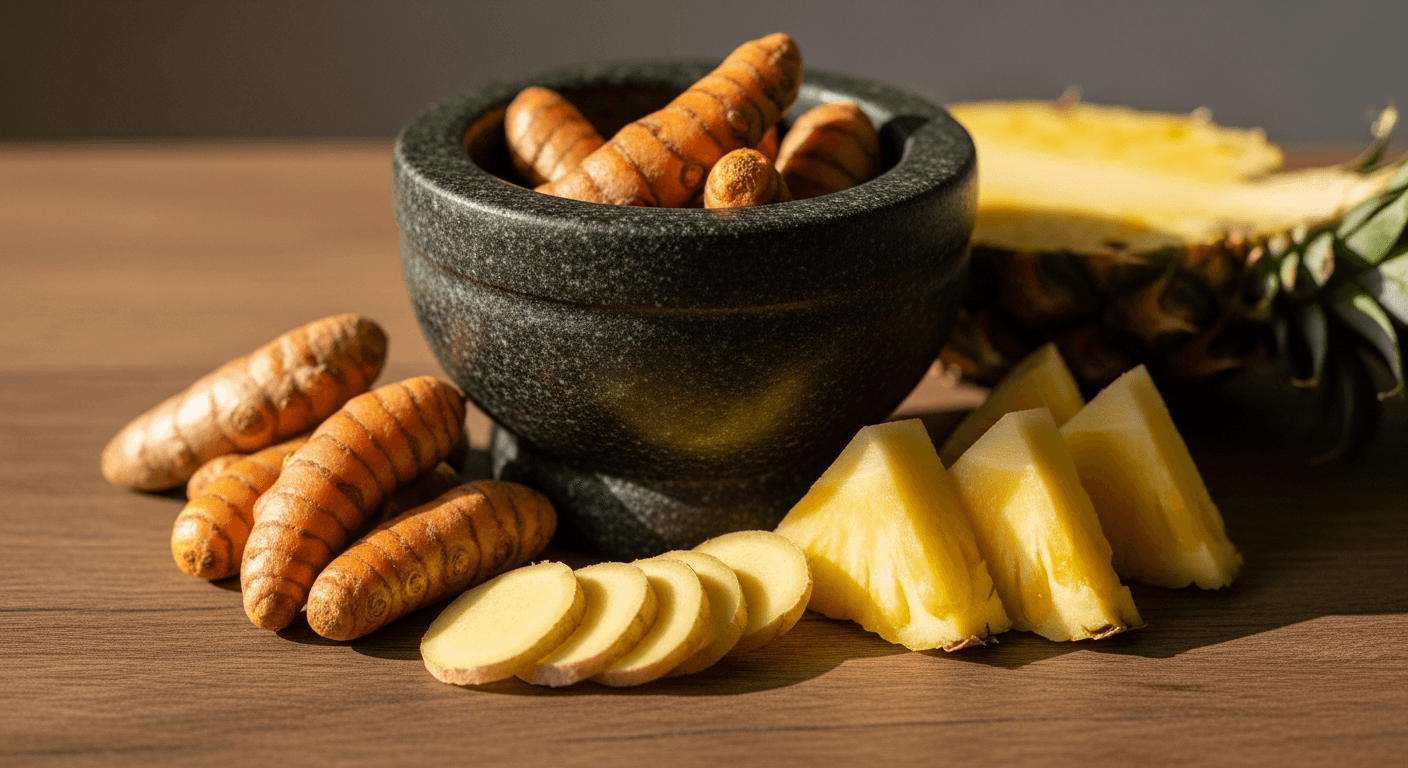
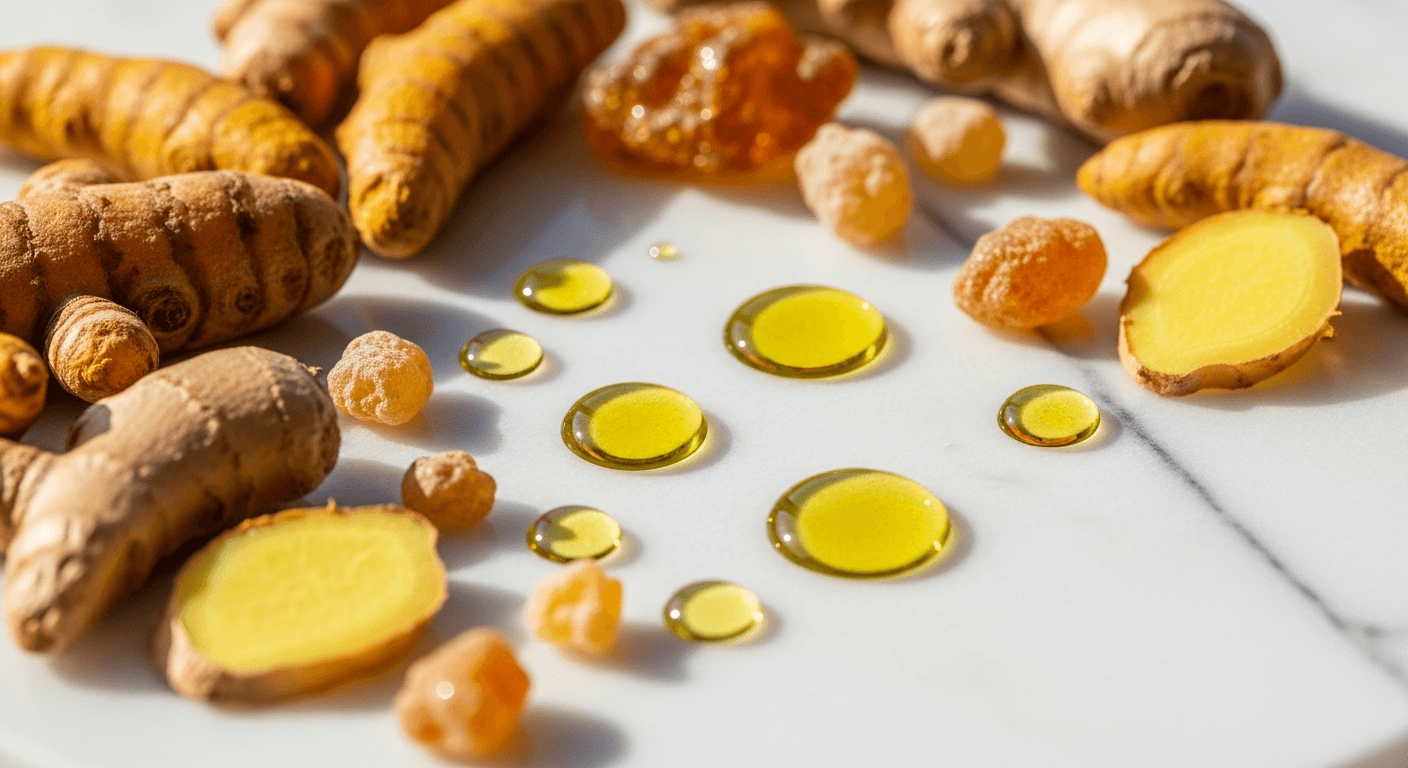
Phytoprofen is a comprehensive botanical and enzymatic formulation designed to support the body's natural inflammatory response and promote tissue healing. Unlike single-ingredient supplements, Phytoprofen combines four distinct compounds that work synergistically to target multiple inflammatory pathways simultaneously. The core ingredients include bromelain, a proteolytic enzyme complex derived from the stem and fruit of the pineapple plant (Ananas comosus); curcumin phytosome, a highly bioavailable form of the active polyphenol found in turmeric (Curcuma longa); ginger extract, derived from the root of Zingiber officinale; and Boswellia extract, a resinous botanical commonly known as Indian Frankincense derived from Boswellia serrata.
In a healthy body, these compounds serve to modulate the immune system rather than suppress it entirely. When an individual experiences an acute injury, surgery, or infection, the body initiates a localized inflammatory response to clear cellular debris and begin the healing process. However, in complex chronic illnesses, this response becomes sustained and systemic. The synergistic blend in Phytoprofen is specifically formulated to intervene in this chronic cycle. By combining ingredients that target different enzymatic pathways—such as cyclooxygenase (COX), lipoxygenase (LOX), and nuclear factor-kappa B (NF-κB)—the supplement provides a multi-pronged approach to managing inflammation that often rivals the efficacy of conventional treatments without the associated gastrointestinal toxicity.
This multi-targeted approach is particularly vital for individuals with conditions like Long COVID and ME/CFS, where inflammation is not confined to a single joint or tissue but is instead a systemic, whole-body phenomenon. By addressing the root biochemical cascades that produce pain, swelling, and fatigue, Phytoprofen supports the maintenance of healthy connective tissue, minimizes post-operative or post-injury bruising, and helps restore a balanced cytokine profile.
The Role of Cytokines in a Healthy Immune System
To understand how Phytoprofen works, it is essential to understand the natural function of cytokines. Cytokines are small, secreted proteins released by cells that have a specific effect on the interactions and communications between cells. They are the primary language of the immune system. In a healthy state, when a pathogen enters the body or tissue damage occurs, immune cells like macrophages and dendritic cells release pro-inflammatory cytokines—such as Interleukin-1 beta (IL-1β), Interleukin-6 (IL-6), and Tumor Necrosis Factor-alpha (TNF-α). These chemical messengers travel through the bloodstream, signaling other immune cells to migrate to the site of injury, dilating blood vessels to increase blood flow, and raising the body's temperature to create an inhospitable environment for viruses and bacteria.
Once the threat is neutralized and the tissue is repaired, the immune system must shut down this inflammatory cascade. It does this by releasing anti-inflammatory cytokines, such as Interleukin-10 (IL-10) and Transforming Growth Factor-beta (TGF-β). These molecules signal the immune cells to stand down, allowing the tissue to return to a state of homeostasis. This delicate balance between pro-inflammatory and anti-inflammatory signaling is crucial for survival. Without acute inflammation, wounds would never heal and infections would be fatal. However, when the "off switch" fails, the body enters a state of chronic inflammation, where the immune system begins to attack healthy tissues, degrading cartilage, damaging blood vessels, and exhausting cellular energy reserves.
In conditions characterized by immune dysregulation, the baseline levels of pro-inflammatory cytokines remain perpetually elevated. This constant state of high alert drains the body's resources, leading to the profound, unrefreshing sleep and debilitating fatigue that patients with ME/CFS and Long COVID experience daily. The botanical extracts in Phytoprofen are specifically researched for their ability to help the body downregulate the production of these pro-inflammatory cytokines, encouraging a return to immunological homeostasis.
The Arachidonic Acid Pathway and Inflammatory Mediators
Beyond cytokines, the body utilizes a complex biochemical cascade known as the arachidonic acid pathway to generate localized inflammation and pain. Every cell in the human body is encased in a phospholipid bilayer membrane. When a cell is damaged by trauma, oxidative stress, or viral infection, an enzyme called phospholipase A2 cleaves a fatty acid called arachidonic acid from the cell membrane. Once released into the cellular environment, arachidonic acid is rapidly metabolized by two primary families of enzymes: cyclooxygenases (COX) and lipoxygenases (LOX).
The COX enzymes (specifically COX-1 and COX-2) convert arachidonic acid into prostaglandins and thromboxanes. Prostaglandin E2 (PGE2) is a major lipid mediator that sensitizes nerve endings to pain, induces fever, and causes blood vessels to become leaky, leading to swelling and edema. Thromboxanes, on the other hand, promote platelet aggregation and blood clotting. Meanwhile, the 5-LOX enzyme converts arachidonic acid into leukotrienes. Leukotrienes are powerful chemoattractants that draw white blood cells into the tissue and cause severe bronchoconstriction and vascular permeability, heavily driving the symptoms of asthma, allergies, and systemic joint degradation.
Conventional NSAIDs, such as ibuprofen and celecoxib, work primarily by inhibiting the COX enzymes, thereby reducing prostaglandin production and alleviating pain. However, blocking the COX pathway can sometimes cause a "shunt" effect, where the accumulated arachidonic acid is forced entirely down the LOX pathway, leading to an overproduction of leukotrienes and exacerbating other inflammatory symptoms. The brilliance of the botanical combination in Phytoprofen lies in its ability to inhibit both the COX and LOX pathways simultaneously, providing comprehensive modulation of the arachidonic acid cascade without creating a biochemical bottleneck.
How Chronic Illness Impacts Inflammatory Pathways
The "Cytokine Storm" and Viral Persistence
Chronic illnesses like Long COVID and ME/CFS are increasingly recognized as conditions driven by profound immune dysregulation and chronic inflammation. In the case of Long COVID, the initial infection with the SARS-CoV-2 virus triggers a massive immune response, often referred to as a "cytokine storm." During this acute phase, the body produces overwhelming amounts of IL-6, TNF-α, and IL-1β to clear the virus. However, in individuals who develop Long COVID, this inflammatory response never fully resolves. Research suggests that viral persistence—where fragments of the virus or complete viral reservoirs remain hidden in tissues like the gut or nervous system—keeps the immune system in a perpetual state of activation.
Similarly, ME/CFS is frequently triggered by a viral infection, such as Epstein-Barr Virus (EBV). Recent studies indicate that latent EBV reactivation in genetically susceptible individuals can produce an acquired CD4 T-cell immunodeficiency. This permits the formation of ectopic lymphoid structures and chronic innate inflammation, leading to eventual immune exhaustion. The downstream consequences of this relentless immune activation include autoimmunity, oxidative stress, and a continuous overproduction of pro-inflammatory cytokines. This sustained cytokine elevation is directly responsible for the flu-like symptoms, swollen lymph nodes, and profound post-exertional malaise (PEM) that characterize a "crash" in these patient populations.
When the immune system is constantly churning out inflammatory mediators, it demands an enormous amount of cellular energy. Mitochondria, the powerhouses of the cells, are forced to divert their resources from producing adenosine triphosphate (ATP) for daily cellular functions to fueling the immune response. This "cell danger response" leads to the severe, debilitating fatigue that cannot be alleviated by rest. The botanical ingredients in Phytoprofen aim to interrupt this vicious cycle by dampening the signals that keep the immune system locked in this high-energy, high-inflammation state.
Endothelial Dysfunction and Microclots
The chronic inflammation seen in Long COVID and ME/CFS does not just cause pain and fatigue; it physically damages the cardiovascular system. The inner lining of the blood vessels, known as the endothelium, is highly sensitive to circulating cytokines. When exposed to continuous high levels of TNF-α and IL-6, the endothelial cells become activated and dysfunctional. They lose their ability to produce nitric oxide, a crucial molecule that tells blood vessels to dilate and relax. Instead, the vessels constrict, and the endothelial cells begin expressing adhesion molecules that cause white blood cells and platelets to stick to the vessel walls.
This endothelial inflammation is a primary driver of the fibrin amyloid microclots frequently observed in Long COVID patients. These microscopic clots, composed of misfolded fibrinogen and trapped inflammatory molecules, clog the tiny capillaries that deliver oxygen and nutrients to the muscles and brain. The result is severe tissue hypoxia (lack of oxygen). When muscles are deprived of oxygen during even mild exertion, they are forced to rely on anaerobic metabolism, rapidly producing lactic acid and triggering intense pain and early muscle fatigue. The proteolytic enzymes in Phytoprofen, particularly bromelain, are uniquely suited to address this specific pathology by supporting the breakdown of excess fibrin and promoting healthy blood flow.
Neuroinflammation and the Blood-Brain Barrier
Perhaps one of the most distressing symptoms of complex chronic illness is cognitive dysfunction, commonly referred to as "brain fog." This symptom is a direct manifestation of neuroinflammation. The brain is protected by the blood-brain barrier (BBB), a highly selective membrane that prevents toxins and pathogens from entering the central nervous system. However, chronic systemic inflammation and high levels of circulating cytokines can compromise the integrity of the BBB, making it "leaky." Once pro-inflammatory cytokines cross into the brain, they activate microglia, the resident immune cells of the central nervous system.
Activated microglia release their own localized inflammatory mediators, creating a state of chronic neuroinflammation. This disrupts neurotransmitter balance, impairs neuronal communication, and damages the autonomic nervous system, leading to conditions like dysautonomia and Postural Orthostatic Tachycardia Syndrome (POTS). Patients experience this as memory lapses, difficulty concentrating, word-finding difficulties, and severe sensory overload. To effectively manage brain fog, therapeutic interventions must be able to cross the blood-brain barrier and quiet the microglial activation. Compounds like curcumin phytosome have been specifically studied for their ability to penetrate the BBB and exert potent neuroprotective and anti-inflammatory effects directly within the central nervous system.
Phytoprofen: Supporting Cytokine Balance and Tissue Repair
Curcumin Phytosome and NF-κB Inhibition
The cornerstone of Phytoprofen's anti-inflammatory power is curcumin phytosome, often clinically researched under the patented name Meriva®. Curcumin exerts its effects at the very top of the inflammatory cascade by inhibiting Nuclear Factor-kappa B (NF-κB). NF-κB is a master transcription factor—a protein complex that resides in the cytoplasm of cells. When a cell is stimulated by stress, viruses, or free radicals, an enzyme complex called IKK is activated, which degrades the inhibitory protein bound to NF-κB. Once freed, NF-κB translocates into the cell nucleus, binds to specific DNA sequences, and triggers the genetic transcription of hundreds of inflammatory proteins, including COX-2, iNOS, and the cytokines IL-6, IL-1β, and TNF-α.
Curcumin acts as a potent epigenetic modulator by actively blocking the activation of the IKK complex, effectively trapping NF-κB in the cytoplasm and silencing the inflammatory genetic response. By shutting down this "master switch," curcumin drastically reduces the systemic levels of the exact cytokines implicated in Long COVID and ME/CFS. Furthermore, a clinical study demonstrated that 8 weeks of curcumin use significantly decreased CFS-related symptom scores, though the cited abstract does not specifically measure blood-brain barrier penetration or microglial activation. Its potent antioxidant properties also neutralize reactive oxygen species (ROS), preventing further oxidative damage to the delicate endothelial lining of blood vessels.
Boswellia Serrata and the 5-LOX Pathway
While curcumin handles the NF-κB pathway, Boswellia serrata (Indian Frankincense) provides highly targeted inhibition of the lipoxygenase pathway. The most powerful active compound in Boswellia is 3-O-acetyl-11-keto-beta-boswellic acid (AKBA). Research published in the American Physiological Society Journal highlights that AKBA is a specific, non-redox inhibitor of the 5-LOX enzyme. It binds directly to an allosteric site on the enzyme, preventing it from converting arachidonic acid into leukotrienes.
Leukotrienes are notorious for driving chronic, destructive inflammation. They act as powerful chemoattractants, drawing massive numbers of white blood cells into healthy tissues where they release tissue-destroying enzymes. By halting leukotriene production, AKBA aggressively protects the structural integrity of tissues, cartilage, and blood vessels. Additionally, AKBA inhibits matrix metalloproteinases (MMPs), which are enzymes that degrade the extracellular matrix. For patients with ME/CFS and Long COVID, suppressing this pathway acts as a systemic buffer against the post-exertion inflammatory spikes that trigger severe PEM crashes, protecting the microvascular blood flow from leukotriene-induced hyperpermeability.
Ginger's Dual COX/LOX Inhibition
Ginger extract (Zingiber officinale) brings a unique "dual inhibition" capability to the Phytoprofen formula. The primary bioactive compounds in ginger—gingerols and shogaols—are robust modulators of the arachidonic acid metabolism pathways. Unlike standard NSAIDs that generally only block the COX pathway, gingerols strongly inhibit the expression and activity of both COX-2 and 5-LOX enzymes. By blocking COX-2, ginger drastically reduces the synthesis of pro-inflammatory prostaglandins (such as PGE2), which are the primary mediators of joint pain, muscle aching, and fever.
This dual inhibition is highly beneficial because isolated COX-inhibition can sometimes shunt arachidonic acid entirely into the LOX pathway, worsening leukotriene-mediated inflammation. By blocking both pathways simultaneously, ginger shuts down the production of both prostaglandins and leukotrienes while avoiding NSAID-related gastrointestinal toxicity. Furthermore, gingerols have been shown to suppress the NLRP3 inflammasome, another critical intracellular sensor that detects cellular danger and triggers the release of IL-1β. This makes ginger a vital component in mitigating the precise biochemical cascades responsible for the debilitating fatigue and chronic pain observed in post-viral syndromes.
Bromelain for Tissue Healing and Edema
The final piece of the Phytoprofen puzzle is bromelain, a complex mixture of proteolytic (protein-digesting) enzymes. While the botanical extracts focus on halting the production of new inflammatory signals, bromelain excels at clearing out existing inflammatory debris and promoting tissue repair. Bromelain's primary mechanism of action is its fibrinolytic activity—it actively cleaves the peptide bonds in fibrinogen and fibrin, the proteins responsible for blood clotting and the formation of the extracellular matrix during swelling.
In the context of acute injury or surgery, bromelain rapidly breaks down the proteins that trap fluids in the tissues, significantly reducing post-operative bruising, edema, and tenderness. In the context of chronic illness like Long COVID, this fibrinolytic action is incredibly relevant. By supporting the breakdown of excess fibrin, bromelain may help manage the microvascular congestion and poor perfusion caused by fibrin amyloid microclots. Additionally, systematic reviews have shown that bromelain cleaves surface adhesion molecules (like CD44 and ICAM-1) on endothelial cells, physically preventing inflammatory leukocytes from tethering to blood vessel walls and migrating into inflamed tissues. This dual action of clearing fibrin and preventing leukocyte migration makes bromelain a powerful tool for restoring healthy microcirculation and accelerating tissue healing.
Symptoms Phytoprofen May Help Manage
Targeted Relief for Complex Conditions
Because Phytoprofen targets multiple, foundational inflammatory pathways, it can provide comprehensive support for a wide range of symptoms associated with chronic immune dysregulation and musculoskeletal stress. While it is not a cure for complex chronic illnesses, integrating this synergistic blend into a broader management protocol may help alleviate the following symptoms:
Post-Exertional Malaise (PEM) and Severe Fatigue: By inhibiting the NF-κB pathway and suppressing the production of IL-6 and TNF-α, curcumin and Boswellia act as a systemic buffer against the massive inflammatory spikes that occur after physical or cognitive exertion, potentially reducing the severity and duration of PEM crashes.
Chronic Joint and Muscle Pain (Myalgia): The dual inhibition of the COX-2 and 5-LOX pathways by ginger and Boswellia significantly reduces the production of pain-sensitizing prostaglandins and tissue-damaging leukotrienes, offering relief for the deep, aching musculoskeletal pain common in ME/CFS and Long COVID.
Brain Fog and Cognitive Dysfunction: Curcumin phytosome's unique ability to cross the blood-brain barrier allows it to directly modulate microglial activation, reducing the neuroinflammation that disrupts neurotransmitter function and causes memory lapses, poor concentration, and sensory overload.
Post-Operative or Injury Swelling and Bruising: Bromelain's potent proteolytic and fibrinolytic properties actively break down the proteins that cause fluid retention and blood pooling, rapidly accelerating the healing process and reducing visible edema and tenderness following trauma or surgery.
Microvascular Congestion and Poor Perfusion: By cleaving cellular adhesion molecules and supporting the breakdown of excess fibrin, bromelain helps maintain the integrity of the endothelial lining, promoting healthy blood flow and oxygen delivery to oxygen-starved tissues.
Gastrointestinal Discomfort and Dysbiosis: Unlike traditional NSAIDs that damage the stomach lining, the botanical extracts in Phytoprofen (particularly ginger and curcumin) have been shown to support a healthy gut microbiome and reduce localized enteric inflammation, which is crucial for patients dealing with post-viral gastrointestinal issues.
Practical Considerations: Forms, Dosing, and Absorption
The Power of Phytosome Technology
When evaluating botanical supplements, bioavailability—the amount of the active ingredient that actually enters systemic circulation—is the most critical factor. Standard, unformulated curcumin has famously poor water solubility and oral bioavailability. When consumed, it undergoes rapid "first-pass metabolism" in the liver, where it is quickly conjugated (via glucuronidation and sulfation) and excreted through the intestines and kidneys before it can reach therapeutic levels in the bloodstream. To overcome this massive biological hurdle, Phytoprofen utilizes Curcumin Phytosome (often researched as Meriva®).
Phytosome technology is a patented delivery system that binds the curcumin extract to phosphatidylcholine, a phospholipid derived from sunflower oil. Because human cell membranes and the lining of the gastrointestinal tract are primarily composed of phospholipids, this phytosome complex mimics the body's natural absorption process for dietary fats. Instead of being destroyed by the liver, the curcumin-phospholipid complex is absorbed through the intestinal wall and transported via the lymphatic system directly into systemic circulation. Pharmacokinetic studies have demonstrated that this phytosome formulation is up to 29 times more bioavailable than standard curcumin extracts, ensuring that the active polyphenols actually reach the tissues and cross the blood-brain barrier to exert their anti-inflammatory effects.
Dosing and Timing for Optimal Results
For optimal support of musculoskeletal health and cytokine balance, the suggested use for Phytoprofen is to take 2 capsules two to three times daily, or as recommended by a health-care practitioner. Because the curcumin is already bound to a phospholipid (fat) in the phytosome complex, it does not strictly require a high-fat meal for absorption like standard turmeric supplements do. However, taking the capsules with a light meal or snack can help minimize any potential, though rare, mild gastrointestinal upset from the ginger or bromelain.
When using Phytoprofen to manage acute post-operative swelling or injury recovery, practitioners often recommend starting the protocol a few days prior to the procedure (with surgical clearance) and continuing it through the acute healing phase to maximize bromelain's fibrinolytic benefits. For individuals managing chronic conditions like Long COVID or ME/CFS, consistency is key. It may take several weeks of continuous use for the botanical extracts to fully downregulate the NF-κB and LOX pathways and for patients to notice a significant reduction in baseline fatigue, joint pain, and the severity of PEM crashes.
Safety, Interactions, and Contraindications
While Phytoprofen is formulated with natural botanical extracts, its potent effects on biochemical pathways mean it must be used with appropriate caution, particularly for individuals with complex medical histories. Pregnancy: If pregnant, you must consult your health-care practitioner before using this product. Anticoagulant Therapy: Because bromelain has strong fibrinolytic effects that can potentially inhibit blood clotting, Phytoprofen should be used with extreme caution or avoided entirely in individuals taking prescription blood thinners (anticoagulants) or those with bleeding disorders.
Furthermore, curcumin has specific interactions with certain chemotherapeutic agents. Animal studies have shown that curcumin can reduce the therapeutic efficacy of cyclophosphamide (Cytoxan). In vitro research reveals that curcumin decreased camptothecin-induced death of cultured breast cancer cells, and it might also interfere with the absorption and efficacy of the chemotherapy drug irinotecan, used to treat colon cancer. The concurrent use of Phytoprofen with these agents should be strictly avoided. Finally, it is highly recommended not to remove the Phytoprofen powder from the capsule to take orally, as the concentrated bromelain and ginger extracts can be irritating to the oral mucosa and esophagus.
Follow the Science
Clinical Trials in ME/CFS and Long COVID
The individual ingredients in Phytoprofen have been the subject of rigorous clinical investigation, particularly regarding their efficacy in managing post-viral syndromes and chronic fatigue. A landmark open-label clinical trial published in the International Journal of Clinical Medicine investigated the use of Curcumin Phytosome (Meriva) specifically in ME/CFS patients. In this study, 52 patients participated, with 43 completing the trial after nine stopped due to side effects. They were given 500 mg of Curcumin Phytosome twice daily for 8 weeks. The researchers observed a statistically significant reduction in ME/CFS-specific symptomatology, measured via the CDC CFS symptom inventory. The authors hypothesized that curcumin has favorable effects on symptomatology due to its powerful anti-oxidative and anti-inflammatory properties.
Similarly, Boswellia serrata has shown remarkable promise in Long COVID populations. Ongoing registered clinical trials, such as NCT05150782, continue to evaluate the efficacy of micellized Boswellia and curcumin combinations for improving health-related quality of life and reducing severe fatigue in Post-Acute COVID-19 Syndrome.
Research on Bromelain and Ginger
The enzymatic and botanical components of Phytoprofen are equally well-supported by modern pharmacological research. A comprehensive 2024/2025 systematic review published in Natural Product Research confirmed bromelain's status as a highly effective immunomodulator. The review highlighted its universal ability to heavily downregulate the production of IL-1β, IL-6, and TNF-α while simultaneously accelerating macrophage-driven tissue healing and clearing inflammatory extracellular debris. This makes bromelain an invaluable tool not just for acute post-operative recovery, but for managing the chronic microvascular inflammation seen in complex chronic illnesses.
Ginger extract has also demonstrated significant clinical efficacy in managing chronic fatigue and pain. While much of the research stems from Traditional Chinese Medicine modalities, large-scale trials evaluating ginger's biological mediation in CFS have shown profound results. Studies have consistently demonstrated that ginger treatments lead to statistically significant improvements in Fatigue Severity Scale (FSS) scores, sleep quality, and psychological health. By acting as a dual inhibitor of both the COX and LOX pathways, ginger provides a foundational layer of systemic anti-inflammatory support that complements the targeted actions of curcumin, Boswellia, and bromelain, creating a truly comprehensive approach to musculoskeletal health and cytokine balance.
The Path Forward
A Comprehensive Approach to Inflammation
Living with a complex chronic condition like Long COVID, ME/CFS, or dysautonomia often feels like navigating a maze without a map. The invisible nature of systemic inflammation, the unpredictable severity of PEM crashes, and the profound exhaustion can take a massive toll on your physical and mental well-being. It is important to validate that your symptoms are real, they are rooted in complex physiological and biochemical disruptions, and you are not alone in this fight. While finding the right combination of therapies takes time and patience, understanding the underlying mechanisms of your symptoms is the first empowering step toward reclaiming your health.
It is crucial to remember that no single supplement is a magic cure for chronic illness. Phytoprofen is a powerful, clinically grounded tool designed to support healthy cytokine balance and manage inflammation, but it works best when integrated into a comprehensive, holistic management strategy. This includes rigorous pacing to avoid triggering the cell danger response, meticulous symptom tracking to identify your unique inflammatory triggers, prioritizing restorative sleep, and working closely with a medical team that understands the nuances of post-viral syndromes. You can learn more about building these foundational strategies in our guides on managing fatigue with Long COVID and How to Maintain Your Independence with Chronic Illness.
Next Steps in Your Healing Journey
If you are struggling with chronic joint pain, severe post-exertional malaise, brain fog, or are preparing for a surgical procedure and want to proactively manage tissue healing, Phytoprofen may offer the targeted, multi-pathway support your body needs. By combining the synergistic power of bromelain, highly bioavailable curcumin phytosome, ginger, and Boswellia, this formulation addresses inflammation at its biochemical roots. Always consult with your healthcare provider before introducing a new supplement, especially if you are taking prescription medications or managing a complex health history.