Can a Non-Fiber Prebiotic Like PhytoPre Manage SIBO and Gut Dysbiosis in Long COVID?
March 6, 2026
PhytoPreSIBOLong COVID
Share:
Disclaimer: The information provided here is for educational purposes only and is not intended as medical advice. It should not be used to diagnose, treat, cure, or prevent any medical condition. Instead, use it as a starting point for discussion with your healthcare provider. Always consult with a qualified healthcare provider before starting any new medication, supplement, device, or making changes to your health regimen.
For individuals living with complex chronic conditions like Long COVID, myalgic encephalomyelitis/chronic fatigue syndrome (ME/CFS), and dysautonomia, gastrointestinal distress is rarely just an uncomfortable side effect—it is often a central driver of the illness itself. Many patients find themselves trapped in a frustrating cycle: they experience severe bloating, abdominal pain, and unpredictable bowel habits, yet when they try to heal their gut with traditional fiber-based prebiotics or probiotics, their symptoms aggressively worsen. This paradoxical reaction is a hallmark of Small Intestinal Bacterial Overgrowth (SIBO), a condition where bacteria improperly colonize the small intestine, turning healthy, fiber-rich foods into a source of debilitating gas and systemic inflammation.
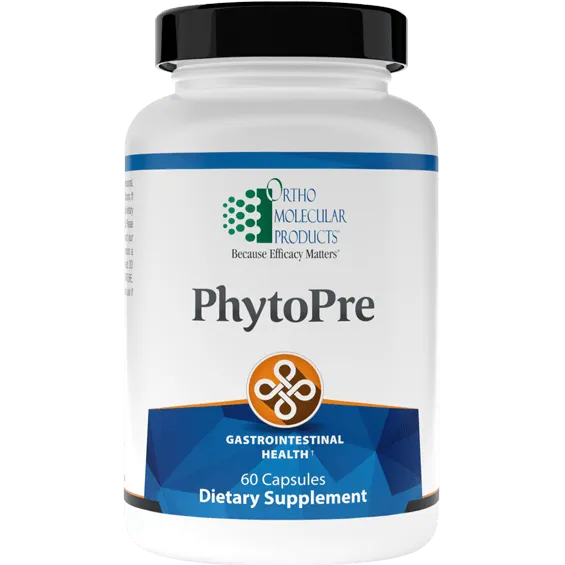
The challenge of managing SIBO in the context of post-viral illness is immense. How do you feed the beneficial bacteria in your colon—which desperately need fuel to support your gut lining and lower inflammation—without simultaneously feeding the overgrown bacteria in your small intestine? The answer lies in a paradigm shift in microbiome science: moving away from fermentable fibers and toward precision polyphenols. PhytoPre is a targeted, non-fiber prebiotic formulation designed specifically for this clinical dilemma. By utilizing highly researched botanical extracts like pomegranate and citrus bioflavonoids, it bypasses the small intestine to nourish the colon, offering a bloat-free pathway to reconditioning the gut terrain, restoring microbial diversity, and supporting the foundational immune health necessary for chronic illness recovery.
TL;DR
PhytoPre uses precision polyphenols to nourish beneficial gut bacteria without worsening SIBO symptoms like bloating.
It bypasses the small intestine to support colon health, helping maintain the gut lining and tight junctions.
Ingredients like pomegranate and citrus extracts may help manage brain fog, fatigue, and unpredictable bowel habits.
Always start with a low dose and consult your doctor when introducing new gut-targeted supplements.
What is PhytoPre?
The Shift from Fermentable Fiber to Precision Polyphenols
To understand how PhytoPre works, we must first understand the evolving definition of a "prebiotic." Historically, prebiotics were exclusively defined as non-digestible carbohydrate fibers, such as inulin, fructooligosaccharides (FOS), and galactooligosaccharides (GOS). While these fibers are excellent fuel for a healthy gut, they are highly fermentable. When they encounter bacteria, they are rapidly broken down, producing large amounts of hydrogen and methane gas as byproducts. For a healthy digestive tract, this gas is easily managed. However, for an individual with gastrointestinal symptoms seen with Long COVID or SIBO, this rapid fermentation occurs prematurely in the small intestine, leading to severe distension, pain, and an exacerbation of the bacterial overgrowth.
Recently, the scientific community expanded the definition of prebiotics to include polyphenols—complex, bioactive micronutrients found abundantly in colorful plants, berries, and citrus fruits. Unlike carbohydrate fibers, polyphenols are large, bulky molecules that resist rapid fermentation. In fact, research indicates that approximately 90% to 95% of dietary polyphenols pass through the stomach and small intestine completely unabsorbed. They travel safely down to the large intestine (the colon), where they act as a highly selective, non-gas-producing food source for beneficial bacteria. PhytoPre leverages this exact mechanism, utilizing a unique blend of two patented, polyphenol-rich botanical extracts: Pomanox® and MicrobiomeX®.
Pomanox®: The Power of Pomegranate Extract
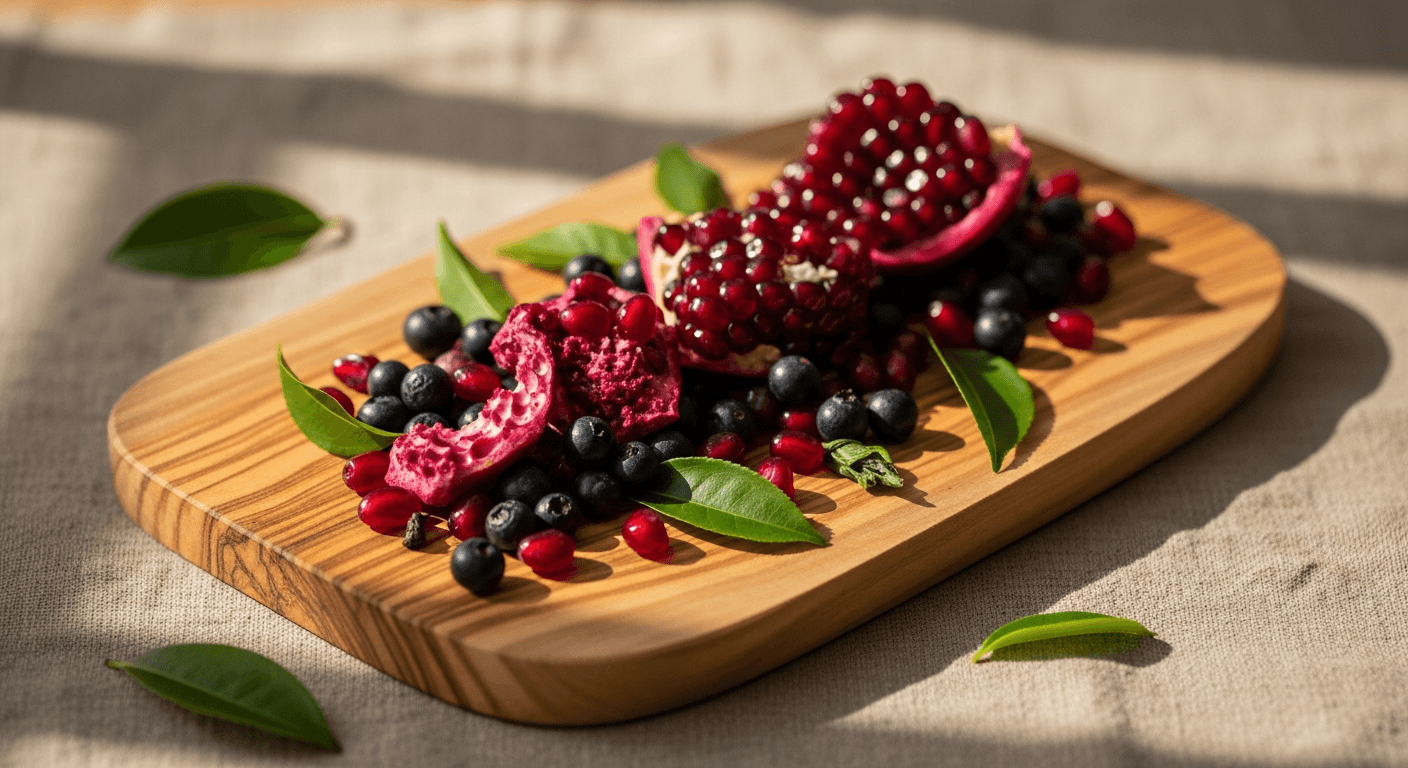
The first key ingredient in PhytoPre is Pomanox®, a premium, highly standardized extract derived from the fruit of the pomegranate (Punica granatum). Pomegranates have been revered for their medicinal properties for centuries, but modern clinical nutrition has isolated their most potent active compounds: punicalagins and ellagic acid. Pomanox® is extracted using a patented, eco-friendly water process that preserves these delicate, water-soluble polyphenols without the use of harsh chemical solvents, ensuring a high concentration of up to 30% total punicalagins.
At the molecular level, punicalagins are massive polyphenol structures. Because of their size, human digestive enzymes cannot break them down in the upper gastrointestinal tract. Instead, they journey to the colon, where specific strains of beneficial bacteria—most notably Bifidobacterium and Lactobacillus species—cleave and metabolize them. This interaction is deeply symbiotic. The bacteria use the punicalagins for energy to proliferate and crowd out pathogenic microbes. In return, the bacteria convert the punicalagins into highly bioavailable, secondary metabolites known as urolithins (specifically Urolithin A). As we will explore later, Urolithin A is a profound signaling molecule that enters the bloodstream and triggers cellular cleanup and mitochondrial repair throughout the entire body.
MicrobiomeX®: Citrus Bioflavonoids for Barrier Support
The second half of the PhytoPre formulation is MicrobiomeX®, a patented "flavobiotic" developed from a specific blend of Citrus sinensis (sweet orange) and Citrus paradisi (grapefruit) extracts. This complex is highly standardized to contain specific active citrus bioflavonoids, primarily hesperidin (typically making up 84% of the extract) and naringin. While vitamin C often takes the spotlight in citrus fruits, it is actually these bioflavonoids that provide the profound immunological and gut-healing properties associated with citrus consumption.
Like punicalagins, hesperidin and naringin are large polyphenol compounds that bypass the small intestine. When they reach the colon, they serve a very specific, clinically validated purpose: they selectively feed the bacteria responsible for producing short-chain fatty acids (SCFAs), with a heavy emphasis on butyrate production. Butyrate is the primary energy source for colonocytes (the epithelial cells that line the colon wall). By directly stimulating butyrate-producing bacteria, MicrobiomeX® provides the exact fuel the gut lining needs to support itself, synthesize protective mucus, and lower localized inflammation. Together, Pomanox® and MicrobiomeX® create a synergistic, non-fiber prebiotic that reconditions the gut terrain without the collateral damage of gas and bloating.
How SIBO and Gut Dysbiosis Impact Long COVID and ME/CFS
The Vagus Nerve and the Migrating Motor Complex
To understand why PhytoPre is so relevant for post-viral illnesses, we must examine how conditions like Long COVID and ME/CFS physically alter the gastrointestinal tract. The connection begins with the autonomic nervous system (ANS), which controls the body's involuntary functions, including digestion. The vagus nerve serves as the primary superhighway of the ANS, sending signals from the brain to the gut. In healthy individuals, the vagus nerve orchestrates the "migrating motor complex" (MMC)—a series of sweeping, electromechanical waves that move through the stomach and small intestine every 90 to 120 minutes during fasting periods (between meals and during sleep). The MMC acts as the gut's internal housekeeper, sweeping residual food, debris, and bacteria down into the large intestine where they belong.
However, what causes Long COVID and ME/CFS often involves profound neuroinflammation and viral damage to the vagus nerve, resulting in dysautonomia (autonomic nervous system dysfunction). When the vagus nerve is compromised, the migrating motor complex slows down or paralyzes entirely. Without this sweeping action, bacteria from the large intestine begin to back up and permanently colonize the small intestine, resulting in Small Intestinal Bacterial Overgrowth (SIBO). The small intestine is not designed to house large colonies of bacteria; its primary job is nutrient absorption. When SIBO develops, these displaced bacteria steal the nutrients from your food, ferment carbohydrates prematurely, and generate massive amounts of hydrogen, methane, and hydrogen sulfide gas, leading to severe bloating, pain, and altered bowel motility.
The Butyrate Deficit and the Breakdown of Tight Junctions
As SIBO takes hold in the small intestine, a parallel disaster unfolds in the large intestine: severe gut dysbiosis. Recent landmark studies, including research from Columbia University on ME/CFS, have revealed that post-viral patients suffer from a catastrophic depletion of beneficial, butyrate-producing bacteria, most notably Faecalibacterium prausnitzii. Because these patients often restrict their diets to manage SIBO symptoms—sometimes eliminating entire categories of plant foods—they inadvertently starve the remaining good bacteria in their colon.
This loss of butyrate is devastating for the gut barrier. The intestinal lining is only a single layer of cells thick, held together by proteins called "tight junctions." Butyrate is the primary fuel that keeps these colonocytes healthy and maintains the integrity of the tight junctions. When butyrate levels plummet, the colonocytes starve, the mucosal layer thins, and the tight junctions begin to pull apart. This phenomenon is clinically known as intestinal permeability, or "leaky gut." The physical barrier separating the massive microbial ecosystem of the gut from the sterile environment of the bloodstream is effectively breached.
The Toxin Spillover: LPS and Systemic Neuroinflammation
The consequences of a leaky gut extend far beyond digestive discomfort; they are a primary driver of the systemic symptoms seen in Long COVID and ME/CFS. As the intestinal barrier fails, structural components of pathogenic bacteria—most notably lipopolysaccharides (LPS), also known as endotoxins—spill out of the gut and into the systemic circulation. The immune system recognizes LPS as a severe threat and launches a massive inflammatory response, churning out cytokines like TNF-alpha and Interleukin-6.
This circulating LPS eventually reaches the blood-brain barrier, triggering the activation of microglia (the brain's resident immune cells). This results in profound neuroinflammation, which patients experience clinically as debilitating brain fog, cognitive impairment, and sensory overload. Furthermore, this systemic inflammation heavily triggers mast cells, leading to Mast Cell Activation Syndrome (MCAS) and widespread histamine release. The histamine causes vasodilation, which worsens the blood pooling and tachycardia associated with dysautonomia (POTS). The patient is now trapped in a vicious cycle: viral vagus nerve damage causes SIBO, SIBO and dysbiosis cause leaky gut, leaky gut causes LPS spillover, and LPS spillover drives the neuroinflammation that further damages the vagus nerve. Breaking this cycle requires a targeted intervention that can support the gut barrier without feeding the SIBO.
PhytoPre: Supporting Gut Restoration and Mucosal Immunity
Bypassing the Small Intestine to Starve SIBO
The primary therapeutic advantage of PhytoPre lies in its ability to break the vicious cycle of post-viral gut dysfunction by acting as a "stealth" nutrient delivery system. When a patient with SIBO consumes traditional fiber supplements (like inulin or chicory root), the overgrown bacteria in the small intestine immediately ferment the fiber. This not only causes agonizing gas and bloating but actively feeds and multiplies the pathogenic overgrowth. PhytoPre circumvents this entire process. Because the pomegranate punicalagins and citrus bioflavonoids are massive, complex polyphenol structures, they are completely ignored by the bacteria in the small intestine. They produce virtually zero fermentation gas, allowing them to pass safely through the SIBO zone without exacerbating the patient's symptoms.
By utilizing a polyphenol-based prebiotic instead of a fiber-based one, patients can effectively starve the overgrowth in the small intestine while simultaneously delivering fuel to the starving beneficial bacteria in the colon. This targeted delivery mechanism is why non-fiber prebiotics are becoming the gold standard in functional gastroenterology for patients with complex, sensitive guts. It allows patients to maintain the symptom relief of a low-fermentation or low-FODMAP diet without suffering the long-term microbiome starvation that typically accompanies strict dietary restrictions.
Restoring Butyrate and Rebuilding Tight Junctions
Once the MicrobiomeX® bioflavonoids reach the colon, they initiate a profound healing cascade. Clinical research demonstrates that these specific citrus polyphenols selectively stimulate the growth of SCFA-producing bacteria. As these bacteria metabolize the hesperidin and naringin, they churn out massive amounts of butyrate. This sudden influx of butyrate acts as a rescue mission for the starving colonocytes. The epithelial cells absorb the butyrate, using it to generate ATP (cellular energy), which allows them to rapidly support and synthesize new tight junction proteins like zonulin and occludin.
As the tight junctions are supported, the "leaky gut" is addressed. This may help reduce the translocation of lipopolysaccharides (LPS) and other bacterial endotoxins into the bloodstream. By halting the constant drip of toxins into the systemic circulation, PhytoPre helps lower the overall inflammatory burden on the immune system. Furthermore, the bioflavonoids in MicrobiomeX® have been shown to directly stimulate the secretion of Secretory IgA (sIgA) in the intestinal lumen. Secretory IgA is the gut's first line of immunological defense, acting like a protective paint that coats the mucosal lining and helps neutralize opportunistic viruses and pathogenic bacteria before they can attach to the intestinal wall.
Triggering Mitophagy with Urolithin A
While MicrobiomeX® focuses on barrier repair, the Pomanox® extract in PhytoPre offers a unique, systemic benefit that is highly relevant to managing fatigue with Long COVID. When the beneficial bacteria in the colon metabolize the pomegranate punicalagins, they produce a secondary metabolite called Urolithin A. Unlike the original polyphenols, Urolithin A is small enough to be absorbed through the colon wall and into the bloodstream, where it circulates throughout the body and enters our cells.
Once inside the cells, Urolithin A performs a miraculous function: it triggers a biological process called mitophagy. Mitophagy is the cellular equivalent of taking out the trash; it is the targeted degradation and clearance of old, damaged, or dysfunctional mitochondria. In post-viral conditions like ME/CFS and Long COVID, viral persistence and oxidative stress leave cells littered with broken mitochondria that produce very little ATP (energy) but generate massive amounts of inflammatory free radicals. By stimulating mitophagy, Urolithin A clears out these broken power plants, making room for the biogenesis of fresh, highly efficient mitochondria. This gut-metabolite pathway directly links the restoration of the microbiome to the recovery of cellular energy production and the alleviation of post-exertional malaise (PEM).
Symptoms PhytoPre May Help Manage
Severe Bloating and Gas (SIBO): Unlike traditional fiber prebiotics that ferment in the small intestine and cause painful distension, PhytoPre's polyphenol structure bypasses the small bowel. This allows patients to feed their microbiome without triggering the gas production associated with bacterial overgrowth.
Brain Fog and Cognitive Impairment: By increasing butyrate production and supporting the intestinal tight junctions, PhytoPre helps address a "leaky gut." This may help prevent bacterial endotoxins (LPS) from spilling into the bloodstream and crossing the blood-brain barrier, thereby reducing the neuroinflammation that drives brain fog.
Post-Exertional Malaise (PEM) and Severe Fatigue: The pomegranate extract (Pomanox) is converted by gut bacteria into Urolithin A, a powerful signaling molecule that triggers mitophagy. By clearing out damaged mitochondria and promoting the growth of new ones, it supports cellular energy (ATP) production and helps raise the patient's baseline energy envelope.
Food Sensitivities and Histamine Intolerance: Leaky gut and systemic LPS heavily trigger mast cells, leading to Mast Cell Activation Syndrome (MCAS) and new food allergies. By fortifying the mucosal barrier and increasing Secretory IgA, PhytoPre helps calm the localized immune response, reducing the constant activation of mast cells in the gut lining.
Unpredictable Bowel Motility (Diarrhea/Constipation): Gut dysbiosis and inflammation disrupt the osmotic balance and motility of the colon. By restoring a healthy balance of Bifidobacterium and Lactobacillus and lowering fecal calprotectin (a marker of gut inflammation), PhytoPre helps normalize stool consistency and transit time.
Practical Considerations: Forms, Dosing, and Absorption
Optimal Dosing and Timing
The suggested use for PhytoPre is 2 capsules daily, or as recommended by your healthcare professional. Because polyphenols are not stimulants or sedatives, the timing of the dose is highly flexible. However, many functional medicine practitioners recommend taking polyphenol prebiotics with or immediately after a meal. Taking them alongside food helps mimic the natural digestive process, as polyphenols in nature are always bound within the food matrix. Furthermore, taking them with a meal that contains healthy fats (like olive oil or avocado) can gently stimulate bile flow, which aids in the overall digestive process and helps move the bulky polyphenol molecules efficiently down the gastrointestinal tract toward the colon.
When starting any new gut-targeted supplement, especially for individuals with severe dysbiosis or SIBO, it is often wise to practice a "low and slow" approach. While PhytoPre is specifically designed to avoid the bloating associated with fiber, suddenly introducing a high dose of potent polyphenols to a starved microbiome can cause temporary shifts in bowel habits as the bacterial colonies begin to rapidly rebalance. Starting with one capsule a day for the first week before titrating up to the full two-capsule dose allows the gastrointestinal terrain to adapt smoothly to the new influx of nutrients.
The Importance of the Gut-Metabolite Pathway
It is crucial to understand that the benefits of PhytoPre are entirely dependent on the gut-metabolite pathway. The supplement itself does not directly heal the body; rather, it provides the raw materials (punicalagins and bioflavonoids) that your existing gut bacteria must metabolize into active supportive compounds (butyrate and Urolithin A). Because of this, the timeline for noticing clinical improvements is different from fast-acting symptom relievers like antacids or antihistamines. It typically takes several weeks of consistent daily use for the beneficial bacterial colonies to proliferate, shift the SCFA profile, and begin supporting the mucosal barrier. Patients should view PhytoPre as a long-term foundational tool for reconditioning the gut terrain, rather than a quick fix.
Diet Synergy: Low-FODMAP and Polyphenols
PhytoPre is exceptionally synergistic with the dietary strategies often required for SIBO and Long COVID management. Many patients are forced to adopt a low-FODMAP diet (reducing fermentable oligosaccharides, disaccharides, monosaccharides, and polyols) to control their bloating and gas. While effective for symptom management, long-term low-FODMAP diets are notoriously detrimental to the microbiome because they starve the gut of essential prebiotics. PhytoPre acts as the perfect bridge in this scenario. It allows patients to maintain a strict, low-fermentation diet to keep their SIBO symptoms at bay, while simultaneously providing a concentrated, SIBO-safe polyphenol source to ensure their colon microbiome continues to thrive and produce barrier-healing butyrate.
Follow the Science
Clinical Trials on MicrobiomeX® and Butyrate Production
The efficacy of citrus bioflavonoids as a non-fiber prebiotic is heavily supported by recent clinical data. In a landmark 2023 randomized, double-blind, placebo-controlled clinical trial published in the journal Foods, researchers at Maastricht University evaluated the effects of MicrobiomeX® on the human gut microbiome. The study involved 50 subjects who were given 500 mg of MicrobiomeX® daily for 12 weeks. The results demonstrated a statistically significant shift in the short-chain fatty acid (SCFA) profile, actively increasing the proportion of butyrate (p=0.022) compared to the placebo group. Furthermore, the researchers observed a strong trend toward the reduction of fecal calprotectin, a primary clinical biomarker for intestinal inflammation, suggesting the extract's ability to support the mucosal lining while boosting SCFA production.
Pomanox® and Microbiome Proliferation
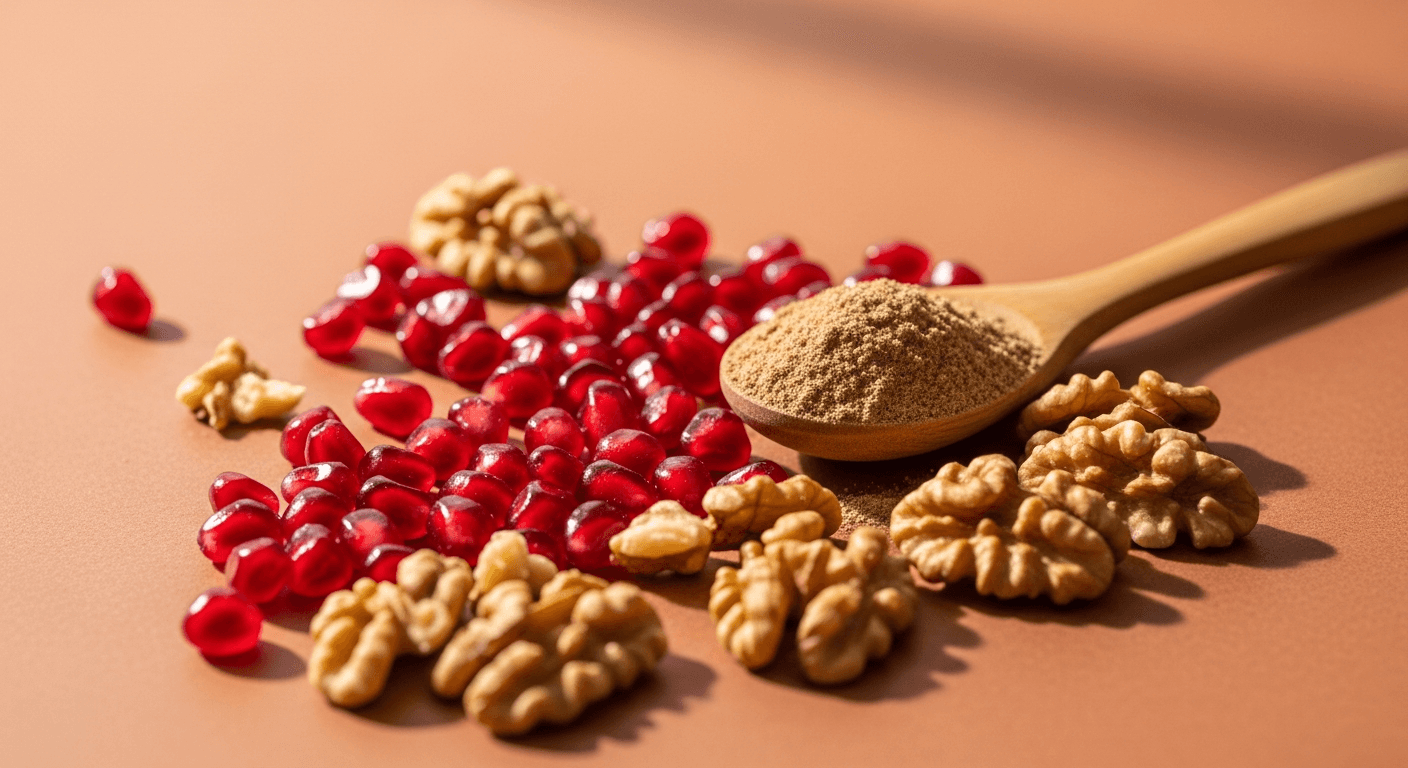
The pomegranate extract Pomanox® has also undergone rigorous clinical and in vitro testing to validate its prebiotic capabilities. According to research data on Pomanox, human clinical trials have shown profound shifts in bacterial proliferation. In one study, subjects supplementing with 575 mg of Pomanox for 28 days experienced an 83.3% increase in beneficial bacteria, specifically Bifidobacterium species. This massive proliferation of beneficial flora creates healthy competition in the gut, physically crowding out pathogenic and gas-producing strains without causing adverse gastrointestinal side effects. Additional exploratory trials dosing Pomanox over four weeks confirmed positive fecal microbiota shifts and the successful conversion of polyphenols into the mitochondrial-repairing metabolite, Urolithin A.
The Long COVID and ME/CFS Microbiome Connection
The necessity of targeting butyrate production in post-viral illness is underscored by extensive microbiome mapping. A pivotal 2023 study by Columbia University analyzing the microbiomes of ME/CFS patients revealed a severe, systemic depletion of butyrate-producing bacteria, specifically Faecalibacterium prausnitzii. The researchers noted that the lower the levels of these specific bacteria, the more severe the patient's fatigue and systemic symptoms. Similarly, data from the NIH's RECOVER Initiative has repeatedly demonstrated that Long COVID patients exhibit high levels of "zonulin" (a marker of leaky gut) and microbial translocation in their blood, directly linking gut barrier failure to systemic neuroinflammation. By utilizing polyphenol prebiotics to restore butyrate and seal the tight junctions, therapies like PhytoPre directly address the root pathophysiological mechanisms identified in these landmark post-viral studies.
The Path Forward
Breaking the Vicious Cycle of Gut Dysfunction
Living with the overlapping complexities of Long COVID, ME/CFS, SIBO, and dysautonomia is an exhausting and often isolating experience. When your gut reacts violently to the very foods and supplements that are supposed to heal it, it is easy to feel entirely stuck. It is important to validate that your gastrointestinal symptoms are not just "IBS" or anxiety; they are the result of profound, measurable physiological changes—from vagus nerve impairment to the catastrophic loss of butyrate-producing bacteria. Understanding this how does a doctor diagnose Long COVID and its related gut pathologies is the first step toward reclaiming your health. You are dealing with a complex web of neuroinflammation, leaky gut, and microbial imbalance, and it requires a highly targeted, scientifically grounded approach to unravel.
Comprehensive Care at RTHM
While supplements like PhytoPre offer a powerful, bloat-free mechanism for reconditioning the gut terrain and restoring the mucosal barrier, they are most effective when integrated into a comprehensive management strategy. Managing post-viral SIBO and dysbiosis requires a multi-faceted approach that may include vagus nerve stimulation to support gut motility, mast cell stabilization, pacing to manage energy envelopes, and personalized dietary modifications. At RTHM, we understand the intricate connections between the gut, the brain, and the immune system, and we are dedicated to providing the nuanced, empathetic care required to navigate these invisible illnesses. By combining cutting-edge polyphenol interventions with holistic medical support, we can help you break the cycle of systemic inflammation and move toward a more stable, resilient baseline.
Disclaimer: This content is for educational purposes only and is not intended as medical advice. Always consult your healthcare provider before starting any new supplement, especially if you have a complex chronic condition, are taking prescription medications, or are pregnant or nursing.
Sources
NutraIngredients: BioActor study supports microbial benefits of MicrobiomeX
Euromed: Boosting Gut Health: The Power of Pomegranate Extract
NIH RECOVER Initiative: Researching COVID to Enhance Recovery
Mast Cell Action: Symptoms of mast cell activation syndrome in functional gastrointestinal disorders
Mast Cell Action: Mast Cell Activation Disease and Microbiotic Interactions
NCBI: Efficacy and safety of a proprietary Punica granatum extract in skin health and gut microbiome