Can PhytoBiome™ Support Gut Health and Inflammation in Long COVID and ME/CFS?
March 6, 2026
PhytoBiomeGut HealthLong COVID
Share:
Disclaimer: The information provided here is for educational purposes only and is not intended as medical advice. It should not be used to diagnose, treat, cure, or prevent any medical condition. Instead, use it as a starting point for discussion with your healthcare provider. Always consult with a qualified healthcare provider before starting any new medication, supplement, device, or making changes to your health regimen.
Months or even years after an initial viral infection, many individuals find themselves battling a complex web of debilitating symptoms. Whether diagnosed with Long COVID, myalgic encephalomyelitis/chronic fatigue syndrome (ME/CFS), or mast cell activation syndrome (MCAS), the daily reality often involves unpredictable fatigue, severe brain fog, and systemic inflammation. While the medical community continues to unravel the exact mechanisms driving these conditions, one biological system has emerged as a central player in post-viral illness: the gut microbiome.
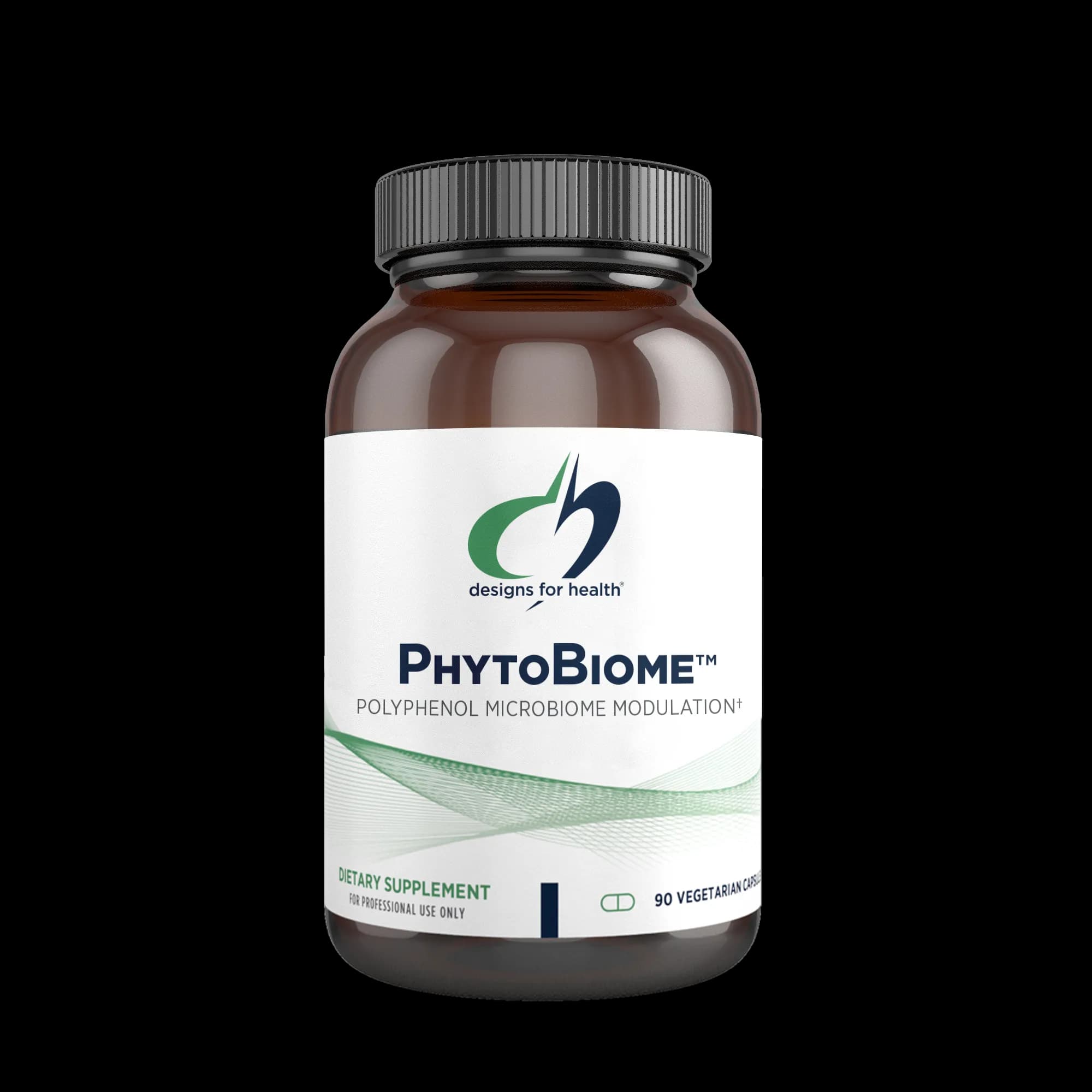
When the delicate balance of bacteria in our gastrointestinal tract is disrupted—a state known as dysbiosis—it can trigger a cascade of systemic issues, from "leaky gut" to neuroinflammation. Repairing this foundational system is critical, but traditional interventions like harsh probiotics or fermentable prebiotics can sometimes worsen symptoms for sensitive patients. Enter PhytoBiome™ by Designs for Health. This unique supplement takes a different approach, utilizing a highly concentrated, diverse blend of plant-based polyphenols to gently modulate the gut microbiome, stabilize mast cells, and neutralize oxidative stress at the cellular level.
TL;DR
Gut dysbiosis is a key driver of systemic inflammation in Long COVID and ME/CFS.
PhytoBiome™ uses plant-based polyphenols to gently support gut microbiome diversity without causing bloating.
Ingredients like quercetin and sulforaphane may help stabilize mast cells and reduce oxidative stress.
Targeted botanical blends offer a comprehensive approach to managing complex chronic conditions.
What is PhytoBiome™?
The Power of Dietary Polyphenols
PhytoBiome™ is a specialized gastrointestinal support supplement designed to promote a healthy and diverse gut microbiome without relying on live bacterial strains (probiotics) or traditional fermentable fibers. Instead, its primary mechanism of action revolves around polyphenols. Polyphenols are a massive category of over 8,000 bioactive micronutrients naturally found in brightly colored fruits, vegetables, seeds, and spices. In a healthy body, these compounds act as the plant kingdom's natural defense system against environmental stressors, UV radiation, and pathogens. When consumed by humans, they offer profound antioxidant and anti-inflammatory benefits.
However, the true magic of polyphenols lies in their relationship with our gastrointestinal tract. The vast majority of dietary polyphenols are not immediately absorbed in the upper digestive system. Instead, they travel down to the large intestine, where they are actively metabolized by our resident gut bacteria. In this way, polyphenols act as highly selective prebiotics. They specifically feed and stimulate the growth of beneficial, health-promoting bacterial strains while simultaneously inhibiting the proliferation of harmful, pro-inflammatory pathogens.
A Prebiotic Without the Bloat
For many patients dealing with chronic illness, traditional prebiotics—such as inulin, fructooligosaccharides (FOS), or galactooligosaccharides (GOS)—can be highly problematic. While these fermentable fibers are excellent at feeding gut bacteria, their rapid fermentation often produces excessive gas. In patients with compromised gut motility, small intestinal bacterial overgrowth (SIBO), or severe dysbiosis, this rapid fermentation can lead to painful bloating, cramping, and a worsening of gastrointestinal symptoms seen with Long COVID.
PhytoBiome™ bypasses this issue entirely. Because polyphenols are metabolized differently than fermentable starches and fibers, they do not produce the same volume of gas. This makes polyphenol-based microbiome support an ideal, gentle alternative for individuals who desperately need to rebuild their gut diversity but cannot tolerate standard prebiotic supplements or high-FODMAP diets. By delivering targeted amounts of polyphenols, PhytoBiome™ helps repair the gut environment without triggering severe digestive distress.
The Unique Botanical Matrix
What sets PhytoBiome™ apart from standard antioxidant blends is its highly curated, clinically backed matrix of ingredients. Rather than using generic fruit powders, the formula relies on specific, patented extracts that have been rigorously studied for their bioavailability and cellular impact. The blend includes a 200 mg Wild Blueberry Blend, 200 mg of Cranberry Extract (Exocyan™), and 200 mg of Pomegranate Polyphenol Extract (Pomma+®)—all of which are rich in anthocyanins and ellagitannins known to support gut barrier integrity.
Beyond these foundational berries, PhytoBiome™ incorporates powerful targeted compounds. It features 200 mg of Quercetin, a renowned bioflavonoid crucial for immune regulation. It also utilizes TrueBroc® broccoli seed extract paired with mustard powder to deliver potent sulforaphane, Vinia® red grape powder for highly soluble piceid resveratrol, and DeltaGold® tocotrienols derived from the annatto plant. Together, these ingredients create a synergistic effect, addressing not just gut bacteria, but the systemic inflammation and oxidative stress that plague patients with complex chronic conditions.
How Chronic Illness Impacts the Gut Microbiome
The Loss of Microbial Diversity and Butyrate
To understand why a polyphenol blend like PhytoBiome™ is so critical, we must first examine how conditions like Long COVID and ME/CFS physically alter the gastrointestinal tract. Emerging research has consistently identified that persistent gut dysbiosis is a hallmark of post-viral syndromes. Following an acute viral infection, the immune system's inflammatory response can decimate the delicate ecosystem of the gut. Studies consistently show a marked reduction in microbial diversity in both Long COVID and ME/CFS patients.
Specifically, there is a severe depletion of bacteria responsible for producing butyrate, a critical short-chain fatty acid (SCFA). Butyrate is the primary fuel source for the cells lining the colon (colonocytes). It is responsible for maintaining the tight junctions of the intestinal wall, regulating deep sleep cycles, and keeping local immune responses in check. When butyrate-producing bacteria (like Faecalibacterium prausnitzii) are wiped out, the gut lining begins to starve and degrade, setting the stage for chronic, systemic health issues.
"Leaky Gut" and Metabolic Endotoxemia
As the gut lining degrades due to low butyrate and high viral-induced inflammation, the intestinal barrier becomes overly permeable—a condition commonly referred to as "leaky gut." In a healthy state, the gut lining acts as a highly selective filter, allowing nutrients to pass into the bloodstream while keeping bacteria, toxins, and undigested food particles safely contained within the digestive tract. When this barrier is compromised, toxins such as lipopolysaccharides (LPS) leak into the systemic circulation.
This leakage triggers a phenomenon known as metabolic endotoxemia. The immune system detects these foreign toxins in the blood and mounts a massive, continuous inflammatory response. For patients with mast cell activation syndrome (MCAS), this constant influx of gut-derived toxins keeps mast cells in a state of hyper-reactivity, leading them to inappropriately release histamine and other inflammatory mediators throughout the body. This creates a vicious cycle: gut permeability drives systemic inflammation, which in turn causes further damage to the gut lining.
The Gut-Brain Axis and Neuroinflammation
The consequences of gut dysbiosis do not remain confined to the digestive tract; they heavily impact the central nervous system via the gut-brain axis. The systemic inflammation generated by a leaky gut can compromise the blood-brain barrier. When inflammatory cytokines and gut-derived toxins reach the brain, they trigger the activation of microglia, the brain's resident immune cells. This state of neuroinflammation is widely believed to be the primary driver behind the severe cognitive dysfunction, or "brain fog," experienced by patients with Long COVID and ME/CFS.
Furthermore, the gut microbiome is responsible for producing or regulating a significant portion of the body's neurotransmitters, including serotonin and dopamine. When the microbiome is in a state of dysbiosis, the tryptophan metabolic pathways are often disrupted, leading to a depletion of serotonin and an accumulation of neurotoxic byproducts. This biochemical imbalance further exacerbates the profound fatigue, mood disturbances, and post-exertional malaise (PEM) that characterize these complex chronic conditions. Repairing the gut is therefore not just about improving digestion; it is a vital step in resolving neurological and systemic symptoms.
PhytoBiome™: Supporting Gut Repair and Cellular Defense
Quercetin and Mast Cell Stabilization
One of the most critical components of PhytoBiome™ is Quercetin, a powerful bioflavonoid that acts as a frontline defense against immune dysregulation. For patients with MCAS or Long COVID-induced histamine intolerance, mast cells become highly unstable, degranulating and releasing inflammatory chemicals at the slightest trigger. Quercetin is widely recognized in functional medicine as a potent, natural mast cell stabilizer. It works at the cellular level by inhibiting the PLCγ-IP3R signaling pathway, which blocks the influx of cytosolic calcium into the mast cell. Without this calcium surge, the mast cell cannot receive the signal required to degranulate and release histamine.
Beyond blocking histamine, quercetin profoundly impacts broader inflammatory cascades. In vitro studies have demonstrated that quercetin inhibits the nuclear factor-kappa B (NF-κB) pathway, halting the genetic transcription of pro-inflammatory cytokines like IL-6 and TNF-α. Furthermore, quercetin directly inhibits the release of tryptase, an enzyme produced by mast cells that degrades connective tissue. This makes it particularly valuable for patients who suffer from hypermobility spectrum disorders or Ehlers-Danlos Syndrome (EDS) alongside their post-viral symptoms, as it helps protect the structural integrity of their tissues from chronic inflammatory damage.
TrueBroc® Sulforaphane and the Nrf2 Pathway
PhytoBiome™ features TrueBroc®, a patented extract derived from broccoli seeds that delivers highly concentrated glucoraphanin. By itself, glucoraphanin is inactive, but when combined with the myrosinase enzyme (provided in this formula via mustard seed powder), it converts into sulforaphane within the digestive tract. Sulforaphane is one of the most potent naturally occurring activators of the Nrf2 pathway. Nrf2 is a master regulatory protein that, when activated, enters the cell nucleus and turns on the body's innate antioxidant and detoxification genes, providing cellular protection that can last for up to 72 hours.
In the context of gut health, sulforaphane is a game-changer. It actively repairs the intestinal mucosal barrier, tightening the junctions to prevent the leakage of lipopolysaccharides (LPS) into the bloodstream. Research indicates that broccoli bioactives like sulforaphane interact with gut microbiota to help reduce inflammation, particularly in conditions like inflammatory bowel disease. By lowering oxidative stress and neutralizing gut-derived toxins, TrueBroc® helps break the cycle of metabolic endotoxemia that drives the systemic symptoms of ME/CFS and Long COVID.
VINIA® Piceid Resveratrol and Cardiovascular Health
Vascular health and endothelial function are heavily compromised in post-viral dysautonomia and Long COVID. PhytoBiome™ addresses this through VINIA®, a cutting-edge red grape cell powder cultivated in sterile bioreactors. Unlike standard resveratrol, which has notoriously poor absorption, VINIA delivers piceid resveratrol. This form has a glucoside (sugar) molecule attached to its structure, making it highly water-soluble and allowing it to easily absorb through the gastrointestinal tract and into the bloodstream.
Once in the blood, VINIA works a dual-action mechanism to support the endothelium (the lining of the blood vessels). In vitro studies demonstrate that it increases Nitric Oxide (NO) by 120%, which relaxes and widens blood vessels, while simultaneously decreasing Endothelin-1 (ET-1) by 50%, a peptide that constricts vessels. By improving flow-mediated dilation (FMD), VINIA enhances the delivery of oxygen and vital nutrients to the brain and muscle tissues. This improved microcirculation is vital for combating the severe physical fatigue and cognitive deficits associated with dysautonomia and POTS.
DeltaGold® Tocotrienols and Oxidative Stress
The final pillar of PhytoBiome's cellular defense is DeltaGold®, a patented extract of tocotrienols derived from the Amazonian annatto plant. Tocotrienols are a highly potent form of Vitamin E. Unlike standard Vitamin E supplements that rely on alpha-tocopherol, DeltaGold is composed of 90% delta-tocotrienol and 10% gamma-tocotrienol, completely free of tocopherols. This is crucial because clinical evidence suggests that alpha-tocopherol can actually interfere with the absorption and therapeutic benefits of tocotrienols.
Because of their shorter, unsaturated structural tail, delta-tocotrienols can rapidly penetrate cell membranes to neutralize free radicals. Clinical trials have shown that DeltaGold significantly lowers Malondialdehyde (MDA), a primary biomarker for lipid peroxidation and cellular damage. By downregulating the NF-κB inflammatory pathway, these tocotrienols protect the liver, cardiovascular system, and neurological tissues from the chronic oxidative stress that perpetuates the cycle of post-viral illness.
Symptoms PhytoBiome™ May Help Manage
Gastrointestinal and Systemic Symptoms
Because PhytoBiome™ targets the foundational mechanisms of gut dysbiosis, mast cell instability, and oxidative stress, it may help manage a wide array of interconnected symptoms experienced by patients with complex chronic conditions:
Gastrointestinal Distress: By acting as a gentle, non-fermentable prebiotic, the polyphenol blend helps restore beneficial bacteria without causing the painful bloating or gas associated with traditional fiber supplements, supporting more regular and comfortable digestion.
Allergic Flares and Histamine Intolerance: The inclusion of 200 mg of Quercetin acts as a natural mast cell stabilizer, helping to block the release of histamine and pro-inflammatory cytokines, which may reduce the frequency and severity of MCAS-related flushing, itching, and food sensitivities.
Brain Fog and Cognitive Dysfunction: By tightening the gut barrier with TrueBroc® sulforaphane, the formula helps prevent metabolic endotoxemia (toxins leaking into the blood). This reduces the systemic inflammation that crosses the blood-brain barrier, potentially alleviating neuroinflammation and improving mental clarity.
Severe Fatigue and Post-Exertional Malaise (PEM): The antioxidant power of DeltaGold® tocotrienols helps neutralize the massive oxidative stress that damages mitochondria during exertion. By protecting cellular energy production, it may help raise the baseline threshold before a crash occurs.
Poor Circulation and Dysautonomia: VINIA® piceid resveratrol actively increases Nitric Oxide production, dilating blood vessels and improving endothelial function. This enhanced blood flow ensures better oxygen delivery to tissues, which is critical for managing the vascular symptoms of POTS and dysautonomia.
Joint and Tissue Pain: By inhibiting the NF-κB inflammatory pathway and halting the release of mast cell tryptase, the combined ingredients help protect connective tissues from chronic degradation, potentially easing widespread musculoskeletal pain.
Practical Considerations: Forms, Dosing, and Absorption
Bioavailability Breakthroughs
When evaluating any supplement, the actual ingredients matter far less than their bioavailability—the proportion of the substance that successfully enters the circulation and has an active effect. Many traditional botanical supplements fail because the body simply cannot absorb them. PhytoBiome™ was specifically engineered to overcome these pharmacokinetic hurdles by utilizing patented, highly bioavailable forms of its active compounds.
For example, standard trans-resveratrol is notoriously insoluble in water, leading to less than 1% oral bioavailability. The VINIA® red grape powder used in PhytoBiome™ provides piceid resveratrol, which is 82% soluble in the gastrointestinal tract. Furthermore, pharmacokinetic data shows that VINIA creates a "dual-peak" in the bloodstream—peaking at 1 hour and again at 5 hours—allowing it to remain bioactive in the plasma for up to 12 hours. Similarly, the DeltaGold® tocotrienols lack the bulky tail of standard tocopherols, allowing them to rapidly slip into cell membranes where they are needed most.
The Importance of Myrosinase
Another critical design feature of PhytoBiome™ is how it handles sulforaphane delivery. The TrueBroc® extract provides a highly standardized dose of glucoraphanin (the precursor to sulforaphane). However, human stomachs lack the enzyme required to make this conversion. If a person consumes glucoraphanin alone, they must rely entirely on their gut microbiome to convert it—a highly unreliable process for patients who already suffer from severe dysbiosis.
To guarantee efficacy, PhytoBiome™ includes mustard seed powder directly in the formula. Mustard seed naturally contains high levels of the myrosinase enzyme. By pairing the TrueBroc® glucoraphanin with myrosinase, the supplement ensures that the compound is efficiently and reliably hydrolyzed into active sulforaphane within the digestive tract, regardless of the current state of the patient's gut microbiome.
Optimal Dosing and Timing
The suggested use for PhytoBiome™ is to take 3 capsules per day. Because many of the active compounds, particularly the DeltaGold® tocotrienols and quercetin, are fat-soluble, it is highly recommended to take these capsules alongside a meal that contains healthy fats (such as olive oil, avocado, or nuts). Consuming the supplement with dietary fat triggers the release of bile acids, which significantly enhances the intestinal absorption of these lipophilic nutrients.
Patients with sensitive systems or severe MCAS should always start low and go slow. Your healthcare provider may recommend beginning with just 1 capsule per day to monitor for any localized die-off reactions (Herxheimer reactions) as the gut microbiome begins to shift and harmful bacteria are reduced. As tolerance builds, the dose can be titrated up to the full 3 capsules daily. Always consult with your medical team before introducing a new multi-ingredient botanical blend, especially if you are taking prescription blood thinners, as compounds like resveratrol and Vitamin E can have mild anticoagulant properties.
Follow the Science
Clinical Trials on Polyphenols and Post-Viral Fatigue
The therapeutic use of polyphenols for post-viral syndromes is rapidly gaining traction in the scientific community. Because conditions like Long COVID and ME/CFS are driven by persistent viral reservoirs, immune exhaustion, and gut dysbiosis, single-target pharmaceuticals often fall short. Researchers are increasingly looking at complex botanical matrices that can modulate multiple pathways simultaneously.
Recent clinical investigations have highlighted the power of these compounds. For instance, recent reviews on the impact of nutrition highlight that dietary interventions, including phytochemicals and polyphenols, may play a significant role in managing Long COVID symptoms and supporting overall well-being. This underscores the systemic impact that repairing the gut-brain axis can have on debilitating fatigue.
Validating the Branded Ingredients
The specific patented ingredients within PhytoBiome™ also boast robust clinical backing. Research on broccoli sprout bioactives highlights their ability to interact with the gut microbiota to reduce inflammation, as seen in studies on inflammatory bowel diseases. Similarly, quercetin has been extensively studied for its mast cell stabilizing properties. In vitro studies comparing quercetin to Cromolyn Sodium found that quercetin was actually more effective at inhibiting the release of inflammatory cytokines like IL-8 and TNF-α from human mast cells.
The cardiovascular benefits of the formula are supported by trials on VINIA® and DeltaGold®. A 12-week clinical study on VINIA's red grape cell powder demonstrated statistically significant improvements in flow-mediated dilation (FMD), proving it successfully improved the elasticity and flexibility of blood vessels. Meanwhile, a 30-week dose-escalation trial on DeltaGold® found that doses of 250 mg/day optimally reduced inflammatory biomarkers and oxidative stress parameters (like Malondialdehyde) in human subjects. Together, this body of research validates the multi-targeted approach of PhytoBiome™.
The Path Forward
Rebuilding the Foundation
Living with a complex chronic condition like Long COVID, ME/CFS, or dysautonomia often feels like trying to build a house on a shifting foundation. When the gut microbiome is in a state of severe dysbiosis, the resulting systemic inflammation, mast cell reactivity, and neuroinflammation can make any other treatments less effective. Acknowledging the profound impact of the gut-brain axis is a validating step forward in understanding why these invisible illnesses cause such widespread, unpredictable symptoms.
A Comprehensive Approach to Healing
While there is no single miracle cure for post-viral syndromes, strategically rebuilding the gut environment is a critical piece of the puzzle. PhytoBiome™ offers a scientifically grounded, gentle approach to microbiome modulation. By utilizing highly bioavailable polyphenols, mast cell stabilizers, and potent antioxidants, it helps repair the intestinal barrier and reduce the oxidative burden on the body without the digestive distress often caused by traditional prebiotics.
However, supplements should always be viewed as one component of a broader, comprehensive management strategy. Pacing to avoid post-exertional crashes, tracking your symptoms, optimizing your diet, and working closely with a knowledgeable medical team are all essential for long-term improvement. If you are struggling with gut dysfunction, systemic inflammation, or mast cell reactivity, talk to your healthcare provider about whether a targeted polyphenol blend might be a valuable addition to your healing protocol.
Sources
Towards a Better Understanding of the Complexities of ME/CFS and Long COVID
Quercetin Is More Effective than Cromolyn in Blocking Human Mast Cell Cytokine Release
TrueBroc: Glucoraphanin conversion into sulforaphane and related compounds
The effect of sulforaphane on markers of inflammation and metabolism
Impact of δ-Tocotrienol on Inflammatory Biomarkers and Oxidative Stress
NutraIngredients: Annatto-tocotrienol and Alpha-Tocopherol Interference