Can PharmaGABA® Help Calm an Overactive Nervous System in Long COVID and ME/CFS?
March 6, 2026
PharmaGABALong COVIDME/CFS
Share:
Disclaimer: The information provided here is for educational purposes only and is not intended as medical advice. It should not be used to diagnose, treat, cure, or prevent any medical condition. Instead, use it as a starting point for discussion with your healthcare provider. Always consult with a qualified healthcare provider before starting any new medication, supplement, device, or making changes to your health regimen.
Living with complex chronic conditions like Long COVID, myalgic encephalomyelitis/chronic fatigue syndrome (ME/CFS), and dysautonomia often feels like being trapped in a body that has forgotten how to rest. Patients frequently describe a paradoxical state of "tired but wired"—a profound, crushing exhaustion coupled with an overactive nervous system that refuses to power down. This relentless state of hyperarousal can manifest as racing thoughts, sudden heart palpitations, sensory overload, and severe insomnia, making the essential process of restorative sleep feel entirely out of reach. When the autonomic nervous system is locked in a perpetual "fight-or-flight" response, the body's natural healing mechanisms are severely compromised, leaving patients searching for ways to signal to their brain that it is safe to relax.
In the search for tools to calm this neurological storm, researchers and clinicians have increasingly turned their attention to the body's own inhibitory pathways. At the center of this research is gamma-aminobutyric acid, widely known as GABA, the primary neurotransmitter responsible for putting the brakes on an overstimulated nervous system. While traditional synthetic GABA supplements have long been debated regarding their absorption and efficacy, a specialized, naturally fermented form known as PharmaGABA® has emerged as a compelling option. By leveraging the gut-brain axis rather than relying solely on crossing the blood-brain barrier, PharmaGABA® offers a unique mechanism for supporting relaxation, managing occasional stress, and helping patients reclaim a sense of neurological balance.
TL;DR
PharmaGABA® is a naturally fermented supplement that may help calm an overactive nervous system.
It supports the gut-brain axis, promoting relaxation without needing to cross the blood-brain barrier.
Research suggests it may help manage occasional anxiety, sleep disruption, and sensory overload.
Consult your healthcare provider before adding PharmaGABA® to your chronic illness management plan.
What is PharmaGABA®?
The Primary Inhibitory Neurotransmitter
To understand how PharmaGABA® functions, it is essential to first understand the role of gamma-aminobutyric acid (GABA) in a healthy human body. GABA is the most abundant inhibitory neurotransmitter in the central nervous system. In the complex electrochemical environment of the brain, neurons communicate by releasing neurotransmitters that either stimulate (excite) or inhibit (calm) neighboring cells. While neurotransmitters like glutamate act as the brain's accelerator, promoting alertness and neural firing, GABA acts as the crucial braking system. Without adequate GABA activity, the brain would remain in a constant state of hyperexcitability, leading to severe anxiety, restlessness, and neurological burnout.
At the molecular level, GABA exerts its calming effects by binding to specific transmembrane proteins known as GABA receptors, primarily the GABA-A and GABA-B receptors. When GABA binds to a GABA-A receptor on a neuron, it triggers the opening of ion channels that allow negatively charged chloride ions to flood into the cell. This influx of negative charge hyperpolarizes the neuron, meaning the internal environment of the cell becomes significantly more negative compared to the outside. This hyperpolarization raises the threshold required for the neuron to fire an action potential, effectively silencing overactive neural circuits and inducing a state of physiological and psychological calm.
The Unique Fermentation Process of PharmaGABA®
While the biological importance of GABA is well-established, not all GABA supplements are created equal. Standard, over-the-counter GABA is typically chemically synthesized in laboratory settings. This synthetic process often utilizes industrial solvents, such as pyrrolidinone, to isolate the GABA molecule. While this results in a highly purified chemical compound, many functional medicine practitioners and researchers argue that isolated, synthetic GABA lacks the necessary co-factors for optimal absorption and biological utilization in the human body, leading to mixed clinical results.
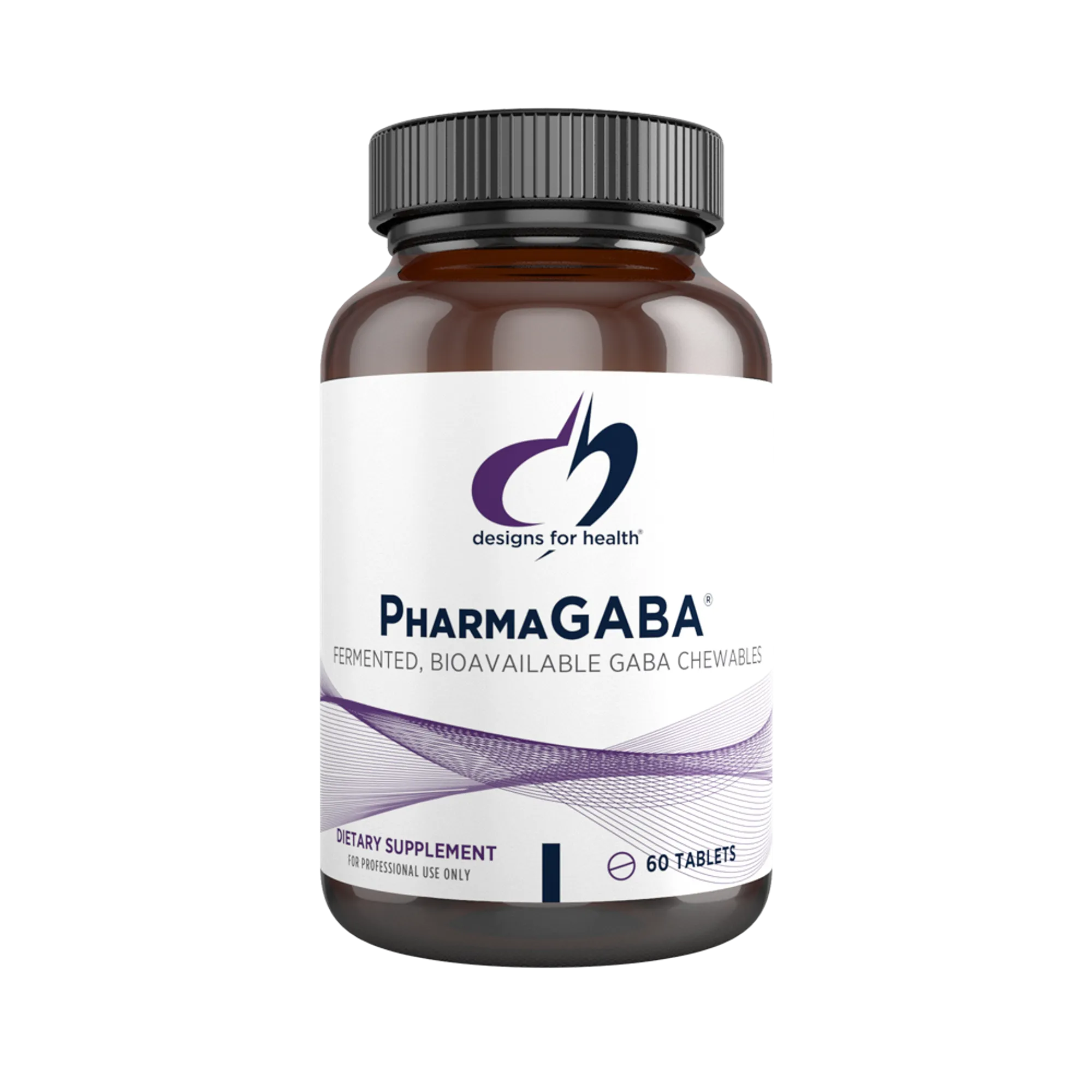
In contrast, PharmaGABA® is a naturally sourced, bioidentical form of GABA produced through a specialized fermentation process. It is manufactured using Lactobacillus hilgardii (specifically strain K-3), a beneficial lactic acid bacterium that has been used for centuries to ferment traditional foods, most notably Korean kimchi. During this manufacturing process, the Lactobacillus hilgardii bacteria are introduced to a nutrient broth containing L-glutamic acid (glutamate). Through natural enzymatic catalysis, the bacteria convert the excitatory glutamate into calming GABA.
Beyond Synthetic Isolation
The resulting fermented product is then carefully filtered, vacuum-concentrated, and spray-dried. Because PharmaGABA® is derived from a whole-food fermentation process rather than chemical synthesis, it is not an entirely isolated molecule. It is typically standardized to contain highly concentrated, pure GABA, but it also retains trace amounts of natural fermentation byproducts, including specific amino acids, bio-active peptides, and nucleic acids. These naturally occurring co-factors are believed to act synergistically, enhancing the bioavailability and physiological integration of the GABA molecule.
This natural sourcing makes PharmaGABA® a bioidentical match to the GABA produced endogenously within the human body. By utilizing a form of GABA that the body recognizes as natural, patients may experience a more efficient interaction with peripheral GABA receptors. This distinction is particularly important for individuals with complex chronic illnesses, whose systems are often highly sensitive to synthetic compounds and require the most bioavailable, gentle interventions possible to support their fragile nervous systems.
How Chronic Illness Impacts the Nervous System
Neuroinflammation and the Glutamate-GABA Imbalance
In conditions like Long COVID, ME/CFS, and mast cell activation syndrome (MCAS), the nervous system undergoes profound pathological changes driven by chronic systemic inflammation. When the body is fighting a persistent viral reservoir or dealing with immune dysregulation, it produces high levels of pro-inflammatory cytokines, such as interleukin-6 (IL-6) and tumor necrosis factor-alpha (TNF-alpha). These inflammatory molecules can cross the blood-brain barrier, activating the brain's resident immune cells, known as microglia. Once activated, microglia release further inflammatory mediators, creating a localized state of neuroinflammation that fundamentally disrupts normal neurotransmitter synthesis and balance.
One of the most significant consequences of this neuroinflammation is the disruption of the glutamate-glutamine cycle, a process heavily managed by specialized glial cells called astrocytes. In a healthy brain, astrocytes carefully clear excess excitatory glutamate from the synapses and convert it into glutamine, which is then used to synthesize calming GABA. Post-viral neuroinflammation is thought to impair astrocyte function, leading to a dangerous buildup of excitatory glutamate (causing excitotoxicity) and a simultaneous, severe depletion of inhibitory GABA. The brain becomes flooded with excitatory signals while simultaneously losing its ability to apply the brakes.
Cortical Hyperexcitability in Chronic Illness
This neurochemical imbalance creates a state known as "cortical hyperexcitability," which is increasingly recognized as a core driver of Long COVID and ME/CFS symptoms. Furthermore, chronic inflammation upregulates an enzyme called indoleamine 2,3-dioxygenase (IDO). The IDO enzyme actively shunts essential amino acids away from the production of calming neurotransmitters (like serotonin and GABA) and forces them down the kynurenine pathway. This pathway produces neurotoxic metabolites that further overstimulate NMDA receptors, locking the brain into a state of hyperarousal and sensory sensitivity.
Direct evidence of this phenomenon has been documented using Proton Magnetic Resonance Spectroscopy (1H-MRS) neuroimaging. Researchers measured the neurochemical levels in the brains of patients suffering from ME/CFS and found significantly lower cortical GABA levels compared to healthy controls. This measurable GABA depletion strongly correlated with the patients' clinical symptoms, including severe insomnia, brain fog, and mental health challenges like depression and anxiety, validating the physiological origin of these debilitating neurological symptoms.
Dysautonomia and the Loss of Vagal Tone
The impact of GABA depletion extends far beyond the brain, heavily influencing the autonomic nervous system. Dysautonomia, including Postural Orthostatic Tachycardia Syndrome (POTS), is characterized by the body's inability to automatically regulate heart rate, blood pressure, and digestion. The autonomic nervous system is controlled by specific brainstem regions, including the Nucleus Tractus Solitarius (NTS), which rely heavily on GABAergic signaling to maintain balance between the sympathetic (fight-or-flight) and parasympathetic (rest-and-digest) branches.
When GABA levels are depleted due to chronic illness, the parasympathetic nervous system—primarily governed by the vagus nerve—loses its inhibitory tone. Without GABA to suppress sympathetic outflow, the body becomes trapped in a state of chronic sympathetic overdrive. This unopposed adrenaline release drives the rapid heart rates, blood pooling, adrenaline dumps, and severe post-exertional malaise (PEM) that patients experience after minimal exertion. Restoring GABAergic signaling is therefore a critical target for calming the autonomic nervous system and managing dysautonomia.
PharmaGABA®: Supporting the Gut-Brain Axis and Autonomic Function
The Enteric Nervous System and Vagus Nerve Signaling
A historical point of controversy in neuroscience has been how oral GABA supplements can be effective if the GABA molecule is generally considered too large to easily cross the blood-brain barrier (BBB). However, modern research into the gut-brain axis has revealed that PharmaGABA® does not necessarily need to enter the brain tissue directly to exert profound neurological effects. Instead, its primary mechanism of action occurs within the gastrointestinal tract, which houses the Enteric Nervous System (ENS)—a complex network of millions of neurons often referred to as the body's "second brain."
The ENS is rich in GABA receptors and is in constant, bidirectional communication with the central nervous system via the vagus nerve. When PharmaGABA® is ingested, it travels to the gut and binds to these peripheral enteric GABA receptors. This binding event initiates a signaling cascade that stimulates the afferent (upward-traveling) fibers of the vagus nerve. The vagus nerve then acts as a superhighway, transmitting these calming, inhibitory signals directly to the brainstem and higher cortical centers. This indirect, gut-mediated pathway allows PharmaGABA® to effectively instruct the brain to downshift into a relaxed state without the molecule itself having to penetrate the BBB.
Exosomes and Cellular Communication
Recent breakthrough physiological studies have provided even deeper mechanistic insight into exactly how this gut-to-brain communication occurs at a cellular level. Researchers investigating the effects of fermented GABA hypothesized that the gut-brain interaction must be mediated by specific secretory factors. To test this, they treated human intestinal epithelial cells (Caco-2 cells) with PharmaGABA® and observed the cellular response.
The investigation revealed that the GABA-treated intestinal cells began secreting tiny extracellular vesicles known as exosomes. When these specific, gut-derived exosomes were then introduced to neuronal cells (SH-SY5Y cells), they actively stimulated and activated the neurons. This discovery demonstrated that exosomes secreted from GABA-activated gut cells are capable of communicating with and influencing the central nervous system, elegantly explaining how oral PharmaGABA® can modulate brain activity and promote relaxation entirely through peripheral gut interactions.
Shifting from Sympathetic to Parasympathetic Dominance
By leveraging this vagal and exosomal signaling, PharmaGABA® serves as a powerful tool for shifting the autonomic nervous system out of sympathetic overdrive. When the vagus nerve delivers these GABA-initiated signals to the brainstem, it promotes an increase in parasympathetic tone. This physiological shift is essential for patients with Long COVID and dysautonomia, as the parasympathetic state is the only state in which the body can perform deep cellular repair, digest food properly, and regulate heart rate variability.
Furthermore, this peripheral activation helps to buffer the endocrine system against acute stressors. By promoting parasympathetic dominance, PharmaGABA® helps to suppress the excessive secretion of cortisol and adrenaline from the adrenal glands. This reduction in stress hormones not only alleviates the immediate sensations of anxiety and panic but also helps to break the vicious cycle of chronic inflammation and immune dysregulation that is perpetuated by constant physiological stress, offering a comprehensive approach to nervous system support.

Symptoms PharmaGABA® May Help Manage
Targeting the Overactive Nervous System
Because PharmaGABA® acts as a broad-spectrum inhibitory agent, it can help manage a wide variety of symptoms associated with central nervous system hyperexcitability and autonomic dysfunction. By restoring the brakes to an overstimulated system, patients may find relief from several debilitating aspects of chronic illness.
Symptoms related to an overactive nervous system that PharmaGABA® may help manage include:
Occasional Anxiety and Hyperarousal: By increasing alpha brain waves and decreasing beta waves, PharmaGABA® helps quiet racing thoughts and reduces the physical sensation of internal tremors or being "wired," promoting a state of calm focus.
Dysautonomia and Palpitations: By stimulating the vagus nerve and increasing parasympathetic tone, GABAergic signaling can help counteract the sympathetic adrenaline dumps that drive rapid heart rates and orthostatic intolerance in POTS patients.
Sensory Overload: In a state of cortical hyperexcitability, normal sights, sounds, and lights can feel painful or overwhelming. By hyperpolarizing neurons via chloride ion channels, GABA raises the threshold for sensory activation, helping to dampen sensory hypersensitivity.
Cognitive Fatigue (Brain Fog): Chronic stress and neuroinflammation deplete the brain's energy reserves. By reducing unnecessary neural firing and shifting the brain out of a stressed state, PharmaGABA® may help conserve cognitive energy, potentially improving focus and mental clarity.
Addressing Sleep Architecture Disruption
Sleep dysfunction is one of the most universally reported and debilitating symptoms of ME/CFS and Long COVID. The inability to achieve restorative sleep prevents the body from repairing cellular damage and clearing neurotoxic waste. PharmaGABA® targets the specific neurological pathways required for healthy sleep architecture.
Sleep-related symptoms that PharmaGABA® may help manage include:
Sleep Onset Insomnia: The transition from wakefulness to sleep requires a massive release of GABA in the hypothalamus to inhibit wake-promoting centers. Supplementing with PharmaGABA® can help facilitate this transition, significantly reducing sleep latency (the time it takes to fall asleep).
Unrefreshing Sleep: Patients often wake feeling just as exhausted as when they went to bed due to a lack of deep, slow-wave sleep. Clinical studies suggest that GABA supplementation can enhance the quality of non-REM sleep, leading to improved feelings of restfulness upon waking.
Nocturnal Adrenaline Surges: Many patients experience sudden awakenings accompanied by a racing heart and panic, driven by nighttime sympathetic spikes. The sustained parasympathetic support from evening GABA supplementation can help buffer the nervous system against these disruptive adrenaline surges.
Practical Considerations: Forms, Dosing, and Absorption
The Blood-Brain Barrier Debate and Peripheral Absorption
When considering GABA supplementation, the most frequent clinical question revolves around bioavailability and the blood-brain barrier (BBB). Traditional pharmacological dogma stated that the GABA molecule was entirely unable to cross the BBB, leading to skepticism about oral supplements. However, modern research has nuanced this view. While large quantities of GABA do not freely cross the BBB, emerging evidence suggests that specialized active transport systems, such as the GAT2/BGT-1 transporters, may shuttle trace amounts of GABA into the brain under certain physiological conditions.
More importantly, as discussed earlier, the clinical efficacy of PharmaGABA® does not rely on BBB permeability. Its high bioavailability in the gastrointestinal tract allows it to bind rapidly to enteric GABA receptors. Because PharmaGABA® is naturally fermented and retains synergistic co-factors, manufacturers and clinical researchers suggest it binds more effectively to these peripheral receptors than highly purified, synthetic pyrrolidinone-derived GABA. This efficient peripheral binding is what triggers the rapid vagal nerve response, making the BBB debate largely secondary to its actual mechanism of action.
Optimal Dosing and Timing for Efficacy
Understanding the pharmacokinetics—how the body absorbs and processes the supplement—is crucial for achieving optimal results. Human pharmacokinetic studies indicate that orally administered PharmaGABA® is rapidly absorbed into the bloodstream. Blood levels of GABA typically reach their peak concentration (Tmax) approximately 30 to 60 minutes after ingestion, with an elimination half-life of roughly 5 hours. Because of this rapid onset, the timing of the dose can be tailored to the patient's specific needs.
For managing acute, occasional stress or sensory overload during the day, a standard clinical dose of 100 mg to 200 mg can be taken 30 minutes before a known stressor or exertional event. For patients utilizing PharmaGABA® primarily to combat sleep onset insomnia and nocturnal hyperarousal, taking 100 mg to 200 mg approximately 30 to 60 minutes before bedtime aligns the peak plasma concentration with the desired transition into sleep. The chewable tablet delivery system of PharmaGABA® further enhances this rapid absorption by initiating assimilation through the oral mucosa before it even reaches the stomach.
Safety Profile and Potential Interactions
PharmaGABA® is designated as GRAS (Generally Recognized As Safe) by the U.S. FDA and is generally very well tolerated, even by individuals with sensitive systems. Because it is naturally sourced and bioidentical, it avoids many of the harsh side effects associated with synthetic central nervous system depressants. It does not typically cause next-day grogginess or chemical dependency, making it a sustainable option for long-term nervous system support.
However, because GABA acts as an inhibitory neurotransmitter and promotes parasympathetic activity, it can cause transient, mild reductions in blood pressure. Therefore, patients who already suffer from severe hypotension (low blood pressure) or those who are taking prescription antihypertensive medications should use PharmaGABA® with caution and under the supervision of a healthcare provider to avoid compounding blood pressure drops. Additionally, while it is generally safe, it should not be combined with high doses of prescription sedatives, benzodiazepines, or alcohol, as these substances also act on GABA receptors and could lead to excessive central nervous system depression.

Follow the Science
EEG Studies on Brain Waves and Relaxation
The clinical efficacy of oral GABA supplementation, particularly naturally fermented forms, is supported by a robust body of physiological research. One of the primary ways researchers measure the relaxing effects of GABA is through Electroencephalography (EEG), which tracks real-time changes in brain wave activity. A relaxed, wakeful, and focused state is characterized by an increase in alpha brain waves, while a stressed, scattered, or highly alert state is dominated by beta brain waves.
In a foundational clinical trial published in BioFactors, researchers administered 100 mg of GABA, L-theanine, or a water placebo to healthy volunteers and monitored their EEGs. Within 60 minutes of ingestion, the group that received GABA demonstrated a statistically significant increase in calming alpha waves and a corresponding decrease in stress-associated beta waves compared to the placebo group. This improved alpha-to-beta ratio provided objective, quantifiable evidence that oral GABA successfully induces a state of physiological relaxation and mental calmness without causing sedation.
Mitigating the Physiological Impact of Stress
Beyond brain waves, researchers have investigated how GABA supplementation buffers the body against acute physical and psychological stress. In a fascinating stress-test study, subjects with a documented fear of heights were asked to cross a 150-foot-high suspended bridge. Half the group received 200 mg of PharmaGABA®, while the other half received a placebo. Researchers measured salivary levels of Secretory IgA (sIgA), an immune marker that typically plummets during acute stress, and chromogranin A, a biomarker of adrenal stress.
The results were striking. The placebo group experienced a sharp decline in immune sIgA and a 20% increase in the adrenal stress marker. In contrast, the group taking PharmaGABA® maintained robust sIgA levels and actually experienced a 20% decrease in chromogranin A at the halfway point of the bridge. This data suggests that PharmaGABA® not only alters subjective feelings of anxiety but actively intercepts the autonomic nervous system's physiological stress response, protecting the immune and endocrine systems from the damaging effects of acute hyperarousal.
Emerging Research on Neuroinflammation and GABA Depletion
More recently, the scientific focus has shifted toward understanding GABA's role in complex post-viral syndromes. A comprehensive 2020 systematic review published in Frontiers in Neuroscience analyzed 14 placebo-controlled human trials, confirming that GABA effectively stabilizes cortisol levels and prevents autonomic shifts toward the fight-or-flight response. While the review noted that larger sample sizes are needed to fully standardize subjective stress reporting, the physiological markers of relaxation (like heart rate variability and EEG data) were consistently positive.
Furthermore, 1H-MRS neuroimaging studies demonstrating severe cortical GABA depletion in ME/CFS patients have cemented the clinical relevance of GABAergic support. By proving that neuroinflammation actively destroys the brain's natural inhibitory pathways, this research validates the use of targeted supplements like PharmaGABA® to help restore the excitation-inhibition balance, offering a scientifically grounded approach to managing the neurological sequelae of chronic immune dysfunction.
The Path Forward
Validating the Chronic Illness Experience
Living with a nervous system that is constantly locked in a state of hyperarousal is an exhausting and deeply frustrating experience. If you are battling the "tired but wired" reality of Long COVID, ME/CFS, or dysautonomia, it is crucial to understand that your symptoms are not a sign of weakness or anxiety—they are the result of measurable physiological imbalances, neuroinflammation, and neurotransmitter depletion. Validating this biological reality is the first step toward finding effective, compassionate management strategies.
While there is no single cure for these complex conditions, restoring the body's natural inhibitory pathways is a powerful intervention. By utilizing naturally sourced, bioidentical interventions like PharmaGABA®, you can help provide your nervous system with the specific neurochemical signals it needs to downshift, rest, and begin the slow process of cellular repair.
A Comprehensive Approach to Nervous System Regulation
It is important to remember that supplements are most effective when integrated into a comprehensive, holistic management plan. PharmaGABA® should be used alongside other foundational strategies, such as strict pacing to avoid post-exertional malaise, vagus nerve stimulation exercises, gentle somatic tracking, and a nutrient-dense diet designed to lower systemic inflammation. Healing a dysregulated nervous system requires patience, consistency, and a multi-faceted approach.
If you are struggling with severe insomnia, dysautonomia, or the relentless hyperarousal of chronic illness, discuss PharmaGABA® with your healthcare provider to see if it is a safe and appropriate addition to your protocol. By taking proactive steps to support your gut-brain axis and restore your inhibitory neurotransmitters, you can help guide your body back toward a state of balance and resilience.