Can PharmaGABA Support Sleep and Calm Hyperarousal in Long COVID?
March 6, 2026
PharmaGABALong COVIDSleep Support
Share:
Disclaimer: The information provided here is for educational purposes only and is not intended as medical advice. It should not be used to diagnose, treat, cure, or prevent any medical condition. Instead, use it as a starting point for discussion with your healthcare provider. Always consult with a qualified healthcare provider before starting any new medication, supplement, device, or making changes to your health regimen.
Months or even years after a mild viral infection, many patients with Long COVID, Myalgic Encephalomyelitis/Chronic Fatigue Syndrome (ME/CFS), and dysautonomia find themselves trapped in a paradoxical state. They are profoundly, debilitatingly exhausted, yet their bodies refuse to rest. This phenomenon, often described as feeling "tired but wired," is a hallmark of autonomic nervous system dysfunction and neuroinflammation. When the body is locked in a perpetual state of "fight or flight," restorative sleep becomes elusive, cognitive function fragments into brain fog, and the physical toll of chronic illness compounds daily. For many, this hyperaroused state is not merely a psychological reaction to the stress of being sick; it is a deeply physiological disruption rooted in the brain's neurochemistry.
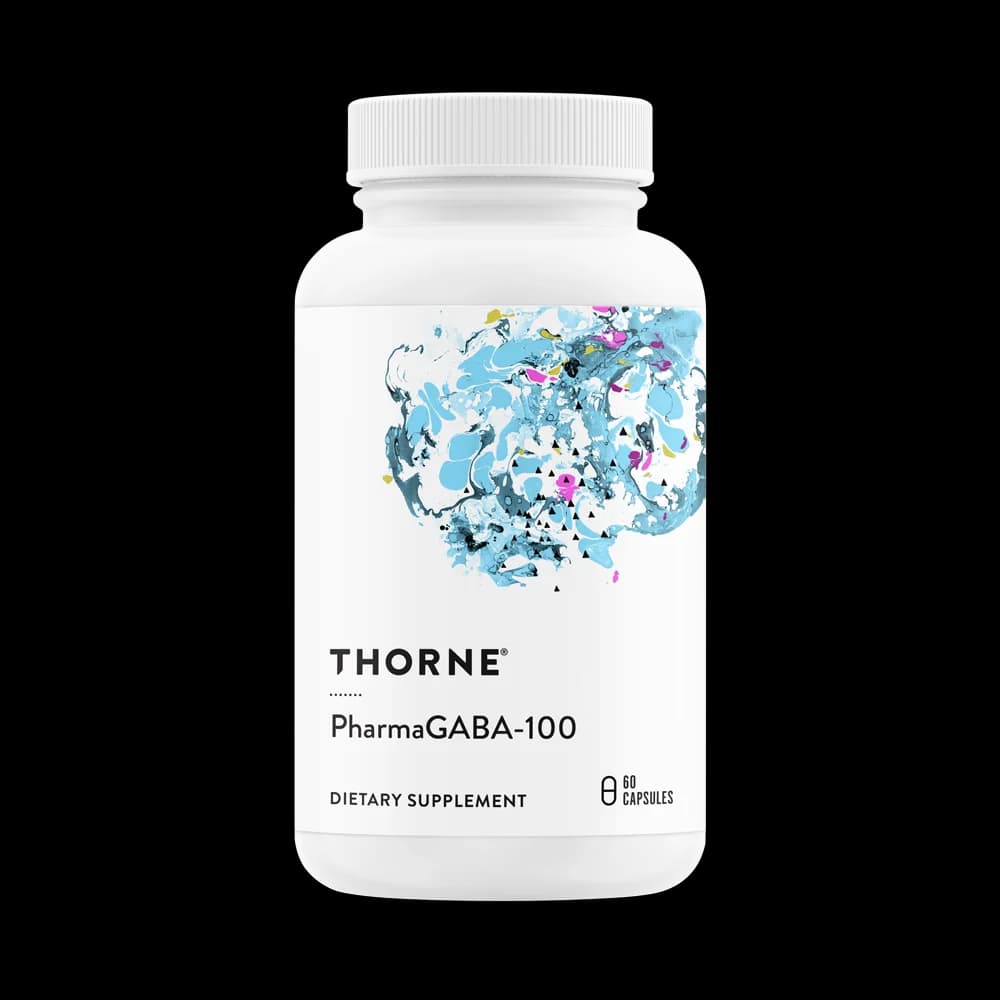
At the center of this neurological storm is a critical molecule called Gamma-Aminobutyric Acid, or GABA. As the central nervous system's primary inhibitory neurotransmitter, GABA is the biological mechanism responsible for hitting the "brakes" on an overactive nervous system. However, emerging research suggests that complex chronic conditions like Long COVID can severely deplete the body's GABA reserves, leaving excitatory pathways unchecked. In the search for targeted, science-backed support, PharmaGABA-100 has emerged as a unique, naturally fermented form of GABA designed to help restore this delicate balance. By understanding how natural GABA interacts with the gut-brain axis, patients and practitioners can better navigate the complex landscape of hyperarousal, sleep disturbances, and autonomic dysfunction.
TL;DR
Long COVID and ME/CFS can deplete GABA, causing a "tired but wired" state of hyperarousal.
PharmaGABA is a naturally fermented supplement that supports the gut-brain axis to promote relaxation.
Research suggests PharmaGABA may help improve sleep quality, reduce stress hormones, and support autonomic balance.
Always consult your doctor before starting new supplements, especially if you have POTS or dysautonomia.
What is PharmaGABA?
The Brain's Primary "Brakes"
To understand the profound impact of PharmaGABA-100, we must first explore the role of endogenous Gamma-Aminobutyric Acid (GABA) in a healthy human body. GABA is the most abundant inhibitory neurotransmitter in the mammalian central nervous system. Its primary function is to dampen neuronal excitability, essentially acting as the neurological "brakes" that prevent the brain from becoming overstimulated. In a balanced system, GABA works in direct, constant opposition to glutamate, the brain's primary excitatory neurotransmitter. While glutamate acts as the accelerator, promoting alertness and cellular signaling, GABA ensures that this excitation does not spiral into neurotoxicity or chronic hyperarousal.
At the molecular level, GABA exerts its calming effects by binding to specific receptor sites on the surface of neurons, primarily the GABA-A and GABA-B receptors. When GABA binds to the ionotropic GABA-A receptor, it triggers the opening of ion channels that allow negatively charged chloride ions (Cl⁻) to rush into the neuron. This sudden influx of negative ions increases the negative charge inside the cell, a process known as hyperpolarization. Because the inside of the neuron is now significantly more negative than its resting state, it becomes vastly more difficult for the neuron to reach the electrical threshold required to fire an action potential. This hyperpolarizing action effectively silences the neuron, halting the cascade of excitatory signals that drive stress, panic, and physical tension.
Simultaneously, GABA binds to metabotropic GABA-B receptors, which are G-protein-coupled receptors. The activation of these receptors modulates potassium channels, causing positively charged potassium ions to exit the cell, further contributing to hyperpolarization. It also blocks calcium channels, which inhibits the release of additional excitatory neurotransmitters into the synaptic cleft. Through these dual mechanisms, GABA swiftly and efficiently orchestrates a state of profound physical and mental relaxation, lowering heart rate, reducing muscle tension, and preparing the brain for restorative sleep.
The Fermentation Difference: Natural vs. Synthetic GABA
While the biological importance of GABA is undisputed, the source of supplemental GABA heavily dictates its efficacy. The vast majority of commercially available GABA supplements are synthetically manufactured in laboratories, often derived from an industrial solvent called pyrrolidinone. Clinical evidence suggests that these synthetic forms often struggle to bind effectively to human GABA receptors or initiate the desired parasympathetic response. In contrast, PharmaGABA is a proprietary, naturally sourced form of the neurotransmitter that is produced through a highly controlled bio-fermentation process.
This unique production method utilizes Lactobacillus hilgardii, the exact same beneficial strain of lactic acid bacteria used to ferment cabbage in the preparation of kimchi, a traditional Korean dish. During this fermentation process, the bacteria naturally convert glutamic acid into highly pure, bioavailable GABA. Because this natural fermentation process mirrors the biological synthesis of GABA in the human gut, the resulting compound is structurally identical to the GABA produced by our own bodies. In head-to-head, double-blind trials comparing natural PharmaGABA to synthetic GABA, the synthetic versions consistently failed to produce the same autonomic nervous system responses—such as beneficial changes in brain waves and heart rate—that PharmaGABA achieved.
The Gut-Brain Connection and the Enteric Nervous System
One of the most persistent debates in neurology is whether orally ingested GABA can cross the blood-brain barrier (BBB) to exert its effects. The BBB is a highly selective semipermeable border that prevents large molecules from entering the brain's extracellular fluid. While large systemic quantities of GABA may not freely cross the BBB, recent scientific consensus has revealed that PharmaGABA does not necessarily need to enter the brain to profoundly alter neurochemistry. Instead, it leverages the microbiome-gut-brain axis and the Enteric Nervous System (ENS).
The ENS is an extensive, web-like network of millions of neurons governing the gastrointestinal tract, frequently referred to as the body's "second brain." A robust GABAergic system exists within this enteric network. When PharmaGABA is ingested, it exhibits excellent bioavailability in the gastrointestinal tract, binding directly to peripheral GABA receptors in the gut. These enteric receptors then relay calming signals up the vagus nerve, the primary neural superhighway connecting the gut to the brain. By stimulating the vagus nerve, gut-derived GABA activates the parasympathetic nervous system, indirectly altering brain chemistry to induce relaxation, lower stress hormones, and modulate brain waves without ever needing to cross the blood-brain barrier.
How Long COVID and Chronic Illness Impact the Nervous System
The Glutamate-GABA Imbalance and Hyperarousal
For individuals living with complex chronic conditions, the nervous system is often locked in a state of profound dysregulation. When exploring what causes Long COVID and ME/CFS, researchers consistently point to a fundamental imbalance between excitatory and inhibitory neurotransmitters. Specifically, these post-viral syndromes are characterized by an excess of excitatory glutamate and a severe deficiency in inhibitory GABA. This neurochemical mismatch creates a state of "cortical hyperarousal," where the brain is perpetually overstimulated, unable to transition into the restorative parasympathetic "rest and digest" state.
This hyperarousal is driven by chronic neuroinflammation. Pro-inflammatory cytokines, such as Interleukin-6 (IL-6) and Tumor Necrosis Factor-alpha (TNF-α), are generated during the acute phase of a viral infection and can persist for months or years. These inflammatory markers cross the blood-brain barrier and activate microglia, the brain's resident immune cells. Once activated, microglia release massive amounts of glutamate while simultaneously downregulating the enzyme glutamic acid decarboxylase (GAD), which is responsible for synthesizing GABA. As GABA levels plummet and glutamate levels soar, the brain becomes highly reactive to even minor stimuli, leading to severe sensory overload, cognitive dysfunction, and the debilitating post-exertional malaise (PEM) seen when understanding the connection between Long COVID and ME/CFS.
Sympathetic Overdrive in Dysautonomia and POTS
This neurochemical imbalance extends far beyond the brain, wreaking havoc on the autonomic nervous system. In conditions like Postural Orthostatic Tachycardia Syndrome (POTS) and general dysautonomia, patients experience a phenomenon known as sympathetic overdrive. When a healthy person stands up, the autonomic nervous system makes minor, unnoticeable adjustments to heart rate and blood vessel constriction to ensure blood reaches the brain. In POTS, this system is broken. Blood pools in the lower extremities, and the body overcompensates by dumping massive amounts of catecholamines—like norepinephrine and epinephrine (adrenaline)—into the bloodstream.
In a healthy nervous system, GABA acts in the brainstem and the paraventricular nucleus of the hypothalamus to suppress this excessive sympathetic outflow, essentially hitting the brakes on the adrenaline dump. However, because GABA signaling is deficient in many dysautonomia patients, the excitatory neural pathways are left unchecked. This absence of central restraint sustains the "fight or flight" response, resulting in the rapid heart rate (tachycardia), tremors, chest pain, and severe anxiety that characterize a POTS flare. The body is desperately trying to stabilize itself, but it lacks the inhibitory neurotransmitters required to calm the cardiovascular response.
Neuroinflammation and Sleep Disruption
Perhaps the most devastating consequence of this GABA depletion is the profound disruption of sleep architecture. Managing sleep changes with Long COVID is notoriously difficult because the hyperaroused brain physically cannot initiate the transition into deep, slow-wave sleep. Advanced brain imaging studies using Proton Magnetic Resonance Spectroscopy (1H-MRS) have shown significantly reduced cortical GABA levels and abnormally high levels of glutamate in Long COVID patients suffering from severe insomnia.
Without sufficient GABA to hyperpolarize neurons and quiet the mind, patients experience prolonged sleep latency (taking hours to fall asleep), frequent nighttime awakenings, and a complete lack of restorative Non-Rapid Eye Movement (NREM) sleep. This creates a vicious, self-perpetuating cycle: the lack of deep sleep prevents the brain from clearing neurotoxic waste and repairing cellular damage, which in turn worsens neuroinflammation, further depletes GABA, and exacerbates the hyperaroused state the following day. Breaking this cycle requires targeted interventions that can bypass the inflamed central nervous system and signal the body to finally rest.
PharmaGABA: Supporting Sleep and Autonomic Balance
Modulating Brain Waves for Relaxed Focus
By providing a highly bioavailable, naturally fermented source of this critical neurotransmitter, PharmaGABA-100 offers a targeted mechanism to support the dysregulated nervous system. One of the most profound ways PharmaGABA supports neurological health is by actively modulating brain wave patterns. Brain waves are electrical impulses categorized by their frequency, corresponding to specific mental states. Beta waves (typically over 13 Hz) are associated with active, busy, or anxious thinking, and are often dominant in the hyperaroused brains of chronic illness patients. Alpha waves (8–13 Hz), conversely, are generated during states of relaxed, effortless alertness and calm focus.
Clinical studies utilizing electroencephalography (EEG) have demonstrated that oral administration of PharmaGABA can physically shift the brain's electrical activity. Within 60 minutes of ingestion, natural PharmaGABA has been shown to decrease stress-related beta waves by over 50% while simultaneously increasing the production of calming alpha waves by a similar margin. This significant increase in the alpha-to-beta brainwave ratio allows the nervous system to exit the "fight or flight" state, creating a profound sense of physical relaxation. Crucially, because it increases alpha waves rather than delta waves (which induce deep sleep), PharmaGABA can promote a focused state of mind during the day without causing the heavy drowsiness associated with synthetic sedatives or antihistamines.
Blunting the Cortisol and Stress Response
Beyond electrical brain activity, PharmaGABA actively intervenes in the body's biochemical stress response. When the brain perceives stress—whether from a viral infection, physical exertion, or emotional strain—the hypothalamic-pituitary-adrenal (HPA) axis triggers the release of cortisol and other stress biomarkers. While cortisol is necessary for survival, chronically elevated levels suppress immune function, disrupt blood sugar, and degrade cognitive health. In patients with ME/CFS and Long COVID, the HPA axis is often deeply dysfunctional, leading to inappropriate cortisol spikes that exacerbate the "wired" sensation.
PharmaGABA supplementation has been clinically shown to blunt this biochemical cascade. By binding to enteric receptors and signaling the vagus nerve, it activates the parasympathetic nervous system, which directly opposes the HPA axis. Studies assessing acute psychological stress have found that individuals given PharmaGABA prior to a stressful event showed heavily suppressed levels of salivary cortisol compared to placebo groups. Furthermore, PharmaGABA reduces the secretion of Chromogranin A (CgA), a salivary protein that acts as a primary biomarker for acute adrenal stress. By keeping these stress hormones in check, PharmaGABA helps protect the body from the exhausting physiological toll of chronic hyperarousal.
Enhancing Sleep Architecture and Latency
The ability of PharmaGABA to lower cortisol and increase alpha waves translates directly into improved sleep architecture, making it a vital tool for those struggling with post-viral insomnia. Sleep is not a uniform state; it is divided into distinct cycles, including light sleep, deep Non-Rapid Eye Movement (NREM) sleep, and REM sleep. In chronic illness, the transition from wakefulness to stage 1 sleep is often delayed (high sleep latency), and the time spent in restorative NREM sleep is severely reduced.
By hyperpolarizing excitatory neurons and calming the autonomic nervous system, PharmaGABA acts as a natural bridge into sleep. Clinical research indicates that natural GABA supplementation can significantly reduce sleep latency, helping patients fall asleep faster by quieting racing thoughts and reducing physical restlessness. More importantly, EEG studies have shown that PharmaGABA increases the total time spent in deep, slow-wave NREM sleep. This is the critical phase of sleep where the body repairs tissues, synthesizes proteins, and clears neurotoxins from the brain, making it essential for recovery from conditions like Long COVID.
Supporting Muscle Mass and Physical Recovery
An unexpected but highly beneficial mechanism of PharmaGABA is its impact on physical recovery and muscle mass. Patients with ME/CFS and Long COVID often suffer from severe muscle deconditioning and post-exertional malaise, making it incredibly difficult to maintain lean muscle tissue. Interestingly, a recent clinical study evaluated the effect of nutrient supplementation on muscle mass in males participating in twice-weekly resistance training. The group given 10 grams of whey protein combined with 100 mg of PharmaGABA daily experienced a significantly greater increase in total body lean muscle mass compared to the group taking whey protein alone. While the exact mechanism is still being explored, researchers hypothesize that GABA's ability to enhance deep sleep naturally promotes the nocturnal release of human growth hormone (HGH), which is vital for muscle synthesis and cellular repair.

Symptoms PharmaGABA May Help Manage
Targeted Symptom Relief
Because GABA receptors are distributed throughout both the central and enteric nervous systems, restoring GABA levels can have a widespread impact on the multifaceted symptoms of chronic illness. While it is not a cure for complex conditions, PharmaGABA may help manage the following specific symptoms:
Prolonged Sleep Latency: By increasing calming alpha brain waves and reducing excitatory beta waves, PharmaGABA helps quiet the racing mind, significantly reducing the time it takes to transition from wakefulness to sleep.
"Tired But Wired" Hyperarousal: By acting as the nervous system's primary inhibitory neurotransmitter, it blunts the excessive release of glutamate, helping to calm the persistent feeling of internal vibration, restlessness, and nervous energy.
Elevated Stress and Anxiety: By suppressing the secretion of salivary cortisol and Chromogranin A (CgA) during stressful events, PharmaGABA helps physically blunt the body's biochemical stress response, promoting a focused, relaxed state of mind without causing heavy drowsiness.
Poor Sleep Quality and Frequent Awakenings: Clinical EEG studies show that natural GABA supplementation increases the duration of deep, slow-wave NREM sleep, which is critical for cellular repair, immune function, and waking up feeling refreshed rather than exhausted.
Muscle Tension and Poor Recovery: By promoting deep sleep and potentially supporting the natural release of growth hormone, PharmaGABA, especially when paired with adequate protein, can support lean muscle mass maintenance and aid in physical recovery after exertion.
Autonomic Nervous System Dysregulation: By interacting with enteric receptors in the gut and signaling the vagus nerve, PharmaGABA helps activate the parasympathetic "rest and digest" system, providing a counterbalance to the sympathetic overdrive often seen in dysautonomia.
Practical Considerations: Forms, Dosing, and Absorption
Navigating the Blood-Brain Barrier and Bioavailability
When incorporating PharmaGABA-100 into a chronic illness management protocol, understanding how it is absorbed and utilized by the body is crucial for maximizing its benefits. As discussed, the scientific community widely acknowledges that large systemic doses of GABA do not easily cross the blood-brain barrier. However, PharmaGABA bypasses this limitation through its high bioavailability in the gastrointestinal tract. Because it is naturally fermented using Lactobacillus hilgardii, its molecular structure is readily recognized by the enteric nervous system.
To optimize this gut-brain signaling pathway, absorption is key. PharmaGABA is water-soluble and is generally well-absorbed when taken on an empty stomach, as food can sometimes compete for amino acid transporters in the gut lining. Once ingested, clinical studies indicate that PharmaGABA reaches its peak concentration in the bloodstream within 30 to 60 minutes. Because of this rapid absorption profile, it is highly effective when used as a targeted, fast-acting intervention for acute stress or immediately prior to bedtime.
Optimal Dosing and Timing
The clinical trials demonstrating the efficacy of PharmaGABA typically utilize dosages ranging from 100 mg to 250 mg per administration. PharmaGABA-100 provides 100 mg of natural GABA per capsule, allowing for flexible, titrated dosing. For patients seeking daytime support for mental focus and the reduction of hyperarousal, taking one capsule (100 mg) during periods of heightened stress can help shift the brain into an alpha-wave dominant state without inducing drowsiness. Because it is non-habit forming, it can be taken one to three times daily as needed.
For patients primarily utilizing PharmaGABA to combat post-viral insomnia and sleep disturbances, timing is critical. It is generally recommended to take 100 mg to 200 mg approximately 30 to 60 minutes before bed. This allows the supplement to reach peak systemic concentration exactly as the patient is attempting to initiate sleep. Additionally, because the body requires specific cofactors to synthesize and utilize its own endogenous GABA, practitioners often recommend ensuring adequate intake of Vitamin B6 (specifically the active P5P form) and Magnesium, which act as essential catalysts in the glutamate-to-GABA conversion pathway.
Safety, Interactions, and POTS Considerations
PharmaGABA is generally recognized as safe (GRAS) and is well-tolerated by most individuals. Because it is a natural fermentation product, it does not carry the risks of dependency, tolerance, or severe withdrawal associated with synthetic GABAergic pharmaceutical drugs (such as benzodiazepines). However, it is contraindicated in individuals with a history of hypersensitivity to any of its ingredients, and pregnant or nursing women should avoid use unless directed by a physician.
Crucially, patients with Postural Orthostatic Tachycardia Syndrome (POTS) and severe dysautonomia must approach GABA supplementation with careful observation. While GABA is excellent for calming sympathetic overdrive, it is also a natural hypotensive (blood pressure-lowering) agent. In patients with hypovolemic POTS (low blood volume), lowering blood pressure further can inadvertently trigger a phenomenon called reflex tachycardia. If blood pressure drops too low, the brain will signal the heart to beat even faster to ensure adequate cerebral blood flow, potentially exacerbating a dysautonomic crash. Therefore, POTS patients should start with the lowest possible dose (such as a single 100 mg capsule) and closely monitor their heart rate and blood pressure responses, ideally under the guidance of a healthcare practitioner familiar with how doctors diagnose Long COVID and dysautonomia.

Follow the Science
Clinical Trials on Brain Waves and Stress
The efficacy of PharmaGABA is supported by a robust body of clinical research that distinctly separates it from synthetic alternatives. A landmark, double-blind, placebo-controlled human clinical trial published in the journal BioFactors by Abdou et al. (2006) provided the foundational evidence for PharmaGABA's effect on brain waves. Researchers administered 100 mg of PharmaGABA, L-theanine, or a water placebo to 13 healthy subjects and monitored their neurological activity via continuous electroencephalograms (EEG). The data revealed that within 60 minutes, the PharmaGABA group experienced a highly significant, approximate 50% increase in relaxed alpha waves and a corresponding 50% decrease in stress-related beta waves, proving its ability to rapidly alter states of hyperarousal.
Further research by Kanehira et al. (2011) evaluated the biochemical markers of stress. In this study, participants were subjected to a highly stressful arithmetic task. The group given 50 mg of PharmaGABA prior to the task demonstrated heavily suppressed levels of salivary cortisol and Chromogranin A (CgA) compared to the placebo group. The PharmaGABA group also reported significantly less psychological fatigue following the stressor, highlighting its protective role against the physical toll of adrenaline and cortisol spikes.
Sleep Quality and Immune Protection
In the realm of sleep architecture, a double-blind EEG study by Yamatsu et al. (2016) analyzed the sleep patterns of subjects taking 100 mg of PharmaGABA. The findings were twofold: PharmaGABA decreased sleep latency by an average of 5 minutes and increased the total time spent in deep, non-REM sleep by roughly 20%. This objective measurement of sleep architecture confirms patient reports of waking up feeling more rested and less physically tense.
Additionally, the second phase of the 2006 Abdou study tested PharmaGABA's ability to protect the immune system during acute stress. Researchers had subjects with a severe fear of heights cross a 150-foot suspended bridge. In the placebo group, secretory Immunoglobulin A (IgA)—a vital antibody for mucosal immune defense—plummeted due to the extreme stress. Conversely, the group given 100 mg of PharmaGABA successfully maintained their IgA levels, and actually saw an increase upon completing the crossing. This demonstrates that by calming the nervous system, PharmaGABA actively protects the immune system from stress-induced suppression, a critical benefit for patients managing post-viral syndromes.
Emerging Research in Post-Viral Syndromes
While direct trials of PharmaGABA on Long COVID patients are still emerging, the broader scientific understanding of GABAergic dysfunction in post-viral illness is rapidly expanding. Recent neurophysiological studies utilizing Transcranial Magnetic Stimulation (TMS) on Long COVID patients have identified a marked reduction in Long-Interval Intracortical Inhibition (LICI), a direct biological marker of GABA-B receptor activity. This confirms that Long COVID patients are suffering from significant intracortical GABAergic dysfunction and cortical hyperexcitability. As researchers continue to explore living with long-term COVID, targeted interventions that support the gut-brain axis and restore GABA signaling are becoming a central focus of neuro-rehabilitation protocols.
The Path Forward
A Comprehensive Approach to Nervous System Regulation
Living with the relentless hyperarousal, sleep deprivation, and autonomic dysfunction of Long COVID, ME/CFS, or dysautonomia is an incredibly isolating and exhausting experience. It is deeply validating to understand that the sensation of feeling "tired but wired" is not a failure of willpower or a psychological manifestation; it is a documented, physiological disruption of your brain's delicate neurochemistry. When neuroinflammation and gut dysbiosis strip the body of its primary inhibitory neurotransmitters, the nervous system simply loses its ability to hit the brakes.
While no single supplement is a cure for these complex conditions, targeted nutritional support can play a vital role in restoring equilibrium. PharmaGABA-100 offers a scientifically backed, naturally fermented tool to help bypass the inflamed central nervous system, leveraging the gut-brain axis to signal safety to a body locked in "fight or flight." By modulating brain waves, suppressing stress hormones, and bridging the gap into deep sleep, it addresses the biological roots of hyperarousal.
Finding Your Balance
However, true nervous system regulation requires a comprehensive, multi-layered approach. Supplements are most effective when utilized alongside aggressive pacing to prevent post-exertional malaise, dietary interventions to support the gut microbiome, and therapies aimed at calming the vagus nerve. As always, because chronic illness impacts every individual differently, it is essential to consult with your healthcare provider before introducing new supplements, especially if you are managing severe dysautonomia or taking prescription medications.