Can Fava Bean Peptides Support Muscle Recovery in Long COVID and ME/CFS?
March 6, 2026
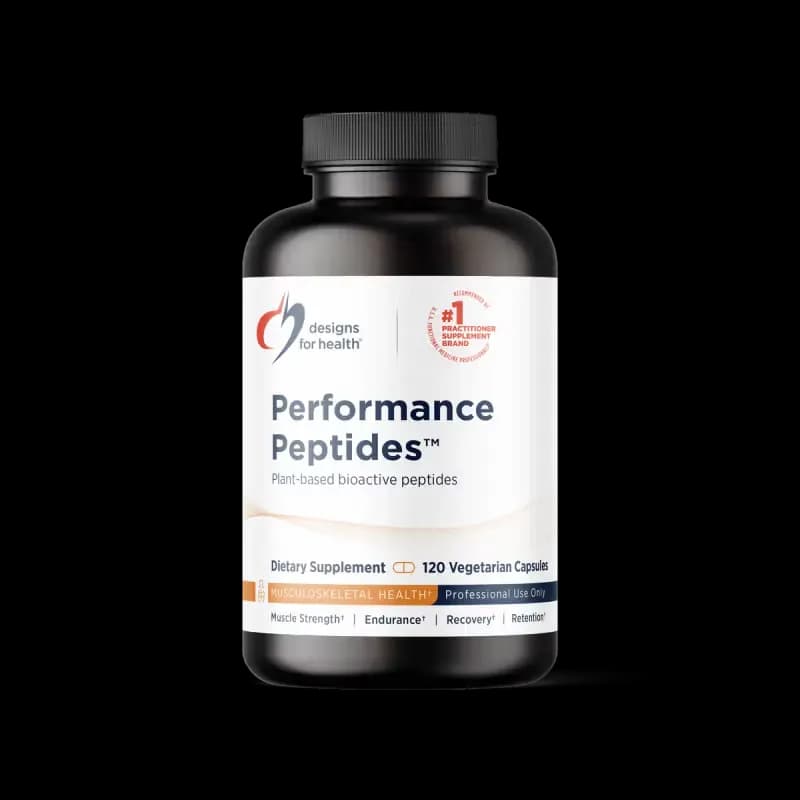
Performance PeptidesPeptiStrongLong COVID
Share:
Disclaimer: The information provided here is for educational purposes only and is not intended as medical advice. It should not be used to diagnose, treat, cure, or prevent any medical condition. Instead, use it as a starting point for discussion with your healthcare provider. Always consult with a qualified healthcare provider before starting any new medication, supplement, device, or making changes to your health regimen.
Months or even years after an initial viral infection, many individuals living with complex chronic conditions find themselves battling a profound, paralyzing physical weakness that goes far beyond ordinary tiredness. For patients with Long COVID, myalgic encephalomyelitis/chronic fatigue syndrome (ME/CFS), and dysautonomia, the simple act of walking up a flight of stairs or carrying groceries can trigger days of debilitating muscle pain and exhaustion. In fact, learning how to maintain your independence with chronic illness often hinges on managing this severe physical limitation, which was historically dismissed by medical professionals as mere "deconditioning" or a psychological fear of exercise. However, groundbreaking new research has definitively proven that the muscle dysfunction seen in these conditions is a distinct, biologically driven myopathy characterized by cellular damage, metabolic failure, and accelerated muscle loss.
As the medical community races to understand the precise mechanisms driving this muscular breakdown, innovative nutritional interventions are emerging from the intersection of biotechnology and nature. One of the most promising developments is the discovery of specific bioactive peptides derived from the fava bean (Vicia faba). Identified through advanced artificial intelligence, these plant-based signaling molecules—commercially known as PeptiStrong™—have demonstrated a remarkable ability to stimulate muscle protein synthesis, reduce muscle breakdown, and accelerate recovery. For aging adults and those navigating the complex muscular symptoms of chronic illness, understanding how these targeted peptides interact with cellular pathways offers a new, science-backed avenue for supporting lean body mass and maintaining physical independence.
What are Fava Bean Peptides (PeptiStrong™)?
The AI-Driven Discovery of Bioactive Peptides
The journey to isolating the specific bioactive compounds found in Performance Peptides represents a massive leap forward in nutritional science and biotechnology. For decades, researchers have understood that certain foods contain hidden health benefits locked within their complex protein structures. However, manually identifying which specific amino acid sequences provide these benefits is incredibly time-consuming. To solve this, the biotechnology company Nuritas utilized a cutting-edge artificial intelligence (AI) platform to scan trillions of plant-based protein sequences. Their goal was to find natural molecules that could effectively combat age-related muscle loss and support overall muscle homeostasis without the need for massive doses of traditional animal proteins.
Through this advanced machine learning process, researchers identified a highly specific network of bioactive peptides hidden within the fava bean (Vicia faba). Peptides are essentially short chains of amino acids—the building blocks of proteins—but their specific sequence determines how they interact with the human body. The AI platform pinpointed two specific peptide sequences, known scientifically as HLPSYSPSPQ and TIKIPAGT, which demonstrated an extraordinary ability to survive human digestion and interact directly with the cellular machinery responsible for muscle growth and repair. This proprietary fava bean protein hydrolysate was subsequently trademarked as PeptiStrong™.
Beyond Basic Protein: Peptides as Cellular Messengers
To understand how fava bean peptides work, it is crucial to distinguish them from traditional dietary proteins like whey, casein, or standard plant-based protein powders. When you consume a traditional protein shake, your digestive system breaks down the large protein molecules into individual amino acids. These amino acids are then absorbed into the bloodstream and used as the raw physical "building blocks" to construct new muscle tissue. While essential, simply providing the body with building blocks is often not enough to overcome the severe muscle wasting (sarcopenia) or metabolic dysfunction seen in aging populations and chronic illness cohorts.
In contrast, the bioactive peptides in PeptiStrong act as highly specialized cellular messengers or signaling molecules. Because of their unique structural sequence, these peptides do not just provide raw material; they actively communicate with the body's DNA and cellular receptors. When they enter the bloodstream, they bind to specific receptors on skeletal muscle cells and essentially "flip the switch" that tells the body to initiate muscle protein synthesis and halt muscle breakdown. This signaling mechanism allows these peptides to exert profound biological effects at very low doses (typically around 2.4 grams), whereas traditional proteins require doses of 20 to 30 grams to mechanically force a similar, often less efficient, anabolic response.
The Unique Profile of Vicia faba Hydrolysate
The specific fava bean hydrolysate used in Performance Peptides is created through a precise enzymatic hydrolysis process. This means that enzymes are used to carefully cleave the fava bean proteins at exact locations, releasing the active peptide sequences while discarding the unnecessary components. This process effectively "pre-digests" the protein, ensuring that the fragile signaling molecules are not destroyed by the harsh acidic environment of the human stomach.
Once absorbed, these specific Vicia faba peptides have a highly targeted biological agenda. They are engineered to optimize muscle homeostasis, which is the delicate physiological balance between muscle protein synthesis (building up) and muscle protein breakdown (tearing down). In a healthy body, this continuous cycle of renewal keeps muscles strong and metabolically active. However, in the presence of chronic inflammation, viral persistence, or advanced age, this balance heavily shifts toward breakdown. By acting as potent signaling levers, fava bean peptides help restore this critical equilibrium, promoting the maintenance of lean body mass and supporting a healthy basal metabolism.
How Long COVID and ME/CFS Impact Muscle Health
The Myth of Deconditioning and the Reality of Sarcopenia
For years, patients with Long COVID and myalgic encephalomyelitis/chronic fatigue syndrome (ME/CFS) have been told that their profound physical weakness is simply the result of prolonged inactivity or "deconditioning." However, a rapidly growing body of clinical evidence has thoroughly debunked this narrative. Sarcopenia, defined as the progressive loss of skeletal muscle mass and strength, is typically associated with aging, but it is heavily accelerated by severe viral infections. A 2022 systematic review and meta-analysis revealed that acute sarcopenia has a pooled prevalence of nearly 48.7% during acute COVID-19 infection, and this muscle loss persists in roughly 23.5% of Long COVID patients. This is not mere tiredness; it is a measurable, physical loss of structural muscle tissue.
This functional weakness is starkly evident in clinical testing. A study published in the Journal of Applied Physiology compared Long COVID patients with healthy controls and found that the Long COVID group showed significantly reduced maximal grip strength and leg extension strength. Crucially, the researchers determined that up to 52% of this weakness was directly mediated by a reduction in Appendicular Lean Mass Index (ALMI). This confirms that the severe exercise intolerance experienced by these patients is fundamentally driven by a biological loss of muscle mass, compounded by systemic inflammation and immune dysregulation.
Mitochondrial Dysfunction and Metabolic Exhaustion
At the cellular level, the muscle dysfunction in Long COVID and ME/CFS is deeply tied to mitochondrial failure. Mitochondria are the powerhouses of the cells, responsible for converting oxygen and nutrients into adenosine triphosphate (ATP), the primary energy currency of the body. Recent research into skeletal muscle adaptations reveals that muscle biopsies from Long COVID and ME/CFS patients show significant structural damage to these mitochondria, alongside impaired oxidative phosphorylation and a loss of vital enzymatic activity. Because the muscles cannot efficiently use oxygen to create ATP, the body is forced to rely on anaerobic glycolysis, a highly inefficient energy pathway.
This metabolic shift has devastating consequences for physical function. When the muscles rely on anaerobic glycolysis, they rapidly accumulate lactic acid and other metabolic byproducts, leading to early intracellular acidosis. This explains why patients experience extreme muscle burning, heaviness, and fatigue during even minor physical exertion, such as taking a shower or standing to cook a meal. Furthermore, biopsies show a pathological shift in muscle fiber types in these patients: they have fewer slow-twitch (endurance) fibers and an abnormally high proportion of easily fatigable fast-twitch fibers, completely undermining their physical stamina.
Capillary Rarefaction and Calcium-Induced Tissue Necrosis
Perhaps the most groundbreaking discovery regarding muscle health in chronic illness comes from a landmark 2025 study led by movement scientist Rob Wüst. The researchers compared muscle biopsies of Long COVID and ME/CFS patients to healthy individuals who had undergone 60 days of strict bed rest. They found that while the healthy bed-rest group developed classic structural atrophy, the Long COVID and ME/CFS patients exhibited severe micro-structural and metabolic abnormalities that could not be explained by inactivity alone. Their muscles fundamentally functioned differently, characterized by significant capillary rarefaction—a severe reduction in the tiny blood vessels that feed oxygen to the muscle tissue.
This localized hypoxia (lack of oxygen) triggers a devastating biological cascade. According to a leading pathophysiological model proposed by Dr. Carmen Scheibenbogen and colleagues, the lack of oxygen and ATP impairs the sodium-potassium pump in the muscle cells. This causes excessive sodium to build up, forcing the cellular machinery to reverse its transport mode and draw vast amounts of calcium into the cell. This resulting calcium overload is highly toxic; it directly damages the mitochondria, induces massive oxidative stress, and ultimately leads to localized muscle tissue necrosis (cell death). This process perfectly explains the biological reality of post-exertional malaise (PEM), where exertion causes literal micro-damage and cellular death in the muscle tissue, leading to days or weeks of severe symptom exacerbation.
PeptiStrong: Supporting Muscle Homeostasis and Recovery
Activating the mTORC1 Pathway for Protein Synthesis
To combat the severe muscle wasting and metabolic dysfunction seen in aging and chronic illness, therapeutic interventions must target the body's foundational growth pathways. The bioactive fava bean peptides in Performance Peptides are specifically engineered to interact with the mammalian target of rapamycin (mTOR) signaling pathway. In skeletal muscle, the activation of the mTORC1 complex serves as the master biological switch for Muscle Protein Synthesis (MPS). When this pathway is activated, it signals the cellular ribosomes to begin translating genetic code into new structural muscle proteins, effectively rebuilding damaged tissue.
Extensive research into fava bean hydrolysate demonstrates that these specific peptides significantly upregulate mTOR and its downstream target, the S6 ribosomal protein (phosphorylated-S6). In conditions like Long COVID and ME/CFS, where chronic inflammation and mitochondrial dysfunction heavily suppress natural protein synthesis, this targeted activation is crucial. By acting as direct signaling molecules, fava bean peptides can bypass some of the metabolic roadblocks that prevent these patients from utilizing traditional dietary proteins efficiently. This allows for the stimulation of muscle repair and hypertrophy independent of massive caloric intake or strenuous physical exercise, which is often contraindicated due to post-exertional malaise (PEM).
Downregulating Myostatin to Remove the Brakes on Growth
While stimulating protein synthesis is half the battle, preventing muscle breakdown is equally important. This is where fava bean peptides exhibit a truly unique, dual-action mechanism. The human body naturally produces a myokine (muscle protein) called myostatin, which acts as a physiological "brake" to inhibit excessive muscle growth. In states of chronic illness, prolonged inactivity, or advanced age, myostatin levels often become elevated, aggressively halting muscle repair and accelerating sarcopenia. High myostatin levels create a hostile environment for muscle recovery, making it incredibly difficult for patients to regain lost strength.
Clinical data has shown that the specific peptide network in PeptiStrong directly suppresses the expression of myostatin. In a randomized, double-blind trial published in Nutrients, researchers found that participants supplementing with fava bean hydrolysate experienced a significant downregulation of plasma myostatin levels following muscle-damaging exercise. By actively inhibiting myostatin while simultaneously turning on the mTOR pathway, these peptides create a highly favorable, anabolic biological environment. They effectively remove the physiological brakes on muscle growth, allowing the body's natural regenerative processes to operate at maximum efficiency, which is vital for patients struggling to maintain their lean body mass.
Suppressing Atrophy Genes and Inflammatory Cytokines
The systemic inflammation inherent in Long COVID, ME/CFS, and mast cell activation syndrome (MCAS) heavily contributes to muscle catabolism (breakdown). Pro-inflammatory cytokines, such as TNF-α and IL-6, generate excessive reactive oxygen species that damage mitochondrial membranes and actively trigger the breakdown of muscle tissue. To counter this, the body relies on specific genetic pathways to regulate muscle degradation. Unfortunately, chronic illness often upregulates genes associated with muscle wasting, specifically Atrogin-1 and Murf-1.
The bioactive peptides in Performance Peptides have been shown to modulate these exact genetic pathways. Pre-clinical and clinical analyses indicate that specific peptides within the fava bean network (such as TIKIPAGT) can downregulate the expression of Atrogin-1 and Murf-1, effectively slowing the rate of muscle breakdown at the genetic level. Furthermore, these peptides exhibit localized anti-inflammatory properties, helping to reduce the presence of TNF-α in the muscle tissue. By mitigating this inflammatory damage and suppressing atrophy genes, fava bean peptides help protect the fragile muscle tissue of chronic illness patients from further degradation, supporting overall muscle homeostasis and a healthier basal metabolism.

Symptoms Fava Bean Peptides May Help Manage
Addressing Core Muscular Symptoms
The targeted biological mechanisms of fava bean peptides translate into specific, measurable improvements for individuals dealing with muscle dysfunction, sarcopenia, and the physical toll of chronic illness. By modulating protein synthesis and reducing inflammatory markers, Performance Peptides may help manage the following core symptoms:
Accelerated Muscle Loss (Sarcopenia): By actively upregulating the mTORC1 pathway and downregulating muscle-wasting genes like Atrogin-1, fava bean peptides directly stimulate the creation of new muscle proteins, helping to mitigate the rapid loss of lean body mass often seen during prolonged viral illness or aging.
Severe Muscular Fatigue: The peptides help reduce the accumulation of metabolic waste products and support localized tissue repair, which can significantly decrease the sensation of profound muscle heaviness and rapid fatigability experienced after minimal exertion.
Prolonged Recovery Times: By significantly suppressing myostatin (the protein that halts muscle growth), these signaling molecules create an anabolic environment that drastically shortens the time it takes for muscle tissue to repair micro-tears and recover its baseline strength following physical activity.
Exercise-Induced Muscle Pain (DOMS): The localized anti-inflammatory properties of the peptide network help reduce the severity of delayed onset muscle soreness, making the necessary activities of daily living less physically punishing for those with compromised muscular health.
Supporting Broader Physical Function
Beyond direct muscle tissue repair, the systemic effects of improved muscle homeostasis can positively impact broader aspects of physical health and metabolic stability:
Reduced Basal Metabolic Rate: Skeletal muscle is highly metabolically active tissue. By preserving lean body mass, fava bean peptides help maintain a healthy basal metabolism, which is often severely compromised in patients who have lost significant muscle volume due to chronic illness.
Physical Weakness and Grip Strength: Clinical trials have demonstrated that these specific peptides can significantly enhance upper and lower body strength over time, directly addressing the measurable deficits in grip strength and leg extension power frequently documented in Long COVID cohorts.
Decreased Bone Mineral Density: Because muscle and bone health are intimately connected through mechanical loading and shared signaling pathways, the improvement in muscle strength facilitated by these peptides has been associated with positive increases in overall bone mineral content, offering secondary support for skeletal health.
Practical Considerations: Forms, Dosing, and Absorption
The Bioavailability and Stability of PeptiStrong
When evaluating any nutritional supplement, bioavailability—the proportion of the active ingredient that successfully enters the systemic circulation to have an active effect—is paramount. This is especially critical for peptide supplements. Many traditional, orally consumed peptides are highly fragile; they are rapidly degraded by the harsh stomach acids and digestive proteases in the gastrointestinal tract before they can ever reach the muscle tissue. If a peptide cannot survive digestion, it simply becomes expensive, broken-down amino acids, losing its unique signaling capabilities.
The AI-driven discovery of PeptiStrong specifically prioritized digestive resistance. The specific fava bean peptide sequences (such as HLPSYSPSPQ) were selected precisely because of their robust structural integrity. Bioaccessibility studies conducted by Nuritas demonstrate that these bioactive molecules effectively survive upper gut digestion, transport successfully across the intestinal epithelial barrier, and maintain notable stability once in the human bloodstream. In fact, clinical pharmacokinetic data shows that the key protein-synthesizing peptide in this network has an impressive human plasma half-life of 65.79 minutes. This extended stability provides the signaling molecules with ample time to circulate, bind to target receptors on skeletal muscle cells, and initiate the mTOR anabolic response.
Optimal Dosing and Timing for Muscle Support
Because fava bean peptides act as potent signaling levers rather than simple macronutrient building blocks, they are highly effective at surprisingly low doses. Traditional whey or plant protein powders typically require servings of 20 to 30 grams to mechanically stimulate muscle protein synthesis. In stark contrast, the clinically validated dosage for PeptiStrong is just 2.4 grams per day. This low-dose efficacy makes it an incredibly efficient and convenient option for patients who may struggle with the digestive burden or sheer volume of consuming large amounts of traditional protein powders, a common issue for those with dysautonomia or gastrointestinal dysmotility (often seen in conditions like postural orthostatic tachycardia syndrome (POTS)).
For optimal results, the suggested use for Performance Peptides is typically 4 capsules per day, which delivers the full 2.4-gram clinical dose of the Vicia faba protein hydrolysate. While timing can be flexible, many practitioners recommend taking the supplement in divided doses (e.g., two capsules in the morning and two in the evening) to maintain consistent peptide signaling in the bloodstream. For individuals who are able to engage in light, paced physical activity, taking a dose roughly 30 to 60 minutes prior to exertion may help prime the cellular machinery for optimal recovery and minimize post-activity muscle damage. Always consult with your healthcare provider to determine the best dosing schedule for your specific metabolic needs.
Safety Profile and Potential Interactions
The safety profile of Performance Peptides is highly favorable, largely owing to its natural, food-derived origin. The ingredient holds self-affirmed Generally Recognized as Safe (GRAS) status and has received a Letter of No Objection from the FDA (GRN No. 1166) for use in dietary supplements. Across multiple double-blind, placebo-controlled human clinical trials utilizing the standard 2.4-gram daily dose, no significant adverse side effects have been reported. Unlike some synthetic muscle-building compounds that can cause severe gastrointestinal distress, liver toxicity, or hormonal imbalances, fava bean peptides are noted for being exceptionally gentle on the stomach and systemic organs.
Currently, there are no major drug interactions reported in the scientific literature regarding fava bean protein hydrolysate. Because it is essentially a highly refined, pre-digested plant protein, it does not carry the interaction risks associated with synthetic pharmaceuticals. However, patients with known severe allergies to legumes or specific sensitivities to fava beans should exercise caution. Furthermore, individuals taking immunosuppressants, prescription blood thinners, or medications that directly alter muscle metabolism (such as high-dose corticosteroids) should consult their prescribing physician before introducing any new bioactive supplement into their regimen.

Follow the Science: Clinical Trials on PeptiStrong
The Immobilization and Muscle Preservation Trial
The clinical efficacy of fava bean peptides has been rigorously tested in several recent human trials, moving the ingredient far beyond theoretical AI predictions. One of the most compelling studies regarding muscle preservation was published in The Journal of Nutrition in 2023. This randomized, double-blind clinical trial investigated 30 healthy young men who were subjected to seven days of single-legged knee immobilization via a cast. This protocol was designed to intentionally induce severe muscle atrophy (sarcopenia), mimicking the muscle loss seen during prolonged bed rest or severe viral illness. Participants were supplemented with either fava bean peptides or a high-quality, animal-derived Milk Protein Concentrate (MPC) control.
The results during the subsequent 14-day recovery (remobilization) phase were striking. While both groups lost a similar amount of muscle size during the casting phase, the fava bean peptide group significantly outperformed the milk protein group in rebuilding tissue. The daily Myofibrillar Protein Synthesis (MPS) rate for the peptide group was measured at 1.53% per day, compared to just 1.23% for the animal protein group (a statistically significant difference, p = 0.027). This trial definitively proved that these specific plant-based signaling molecules could drive muscle protein synthesis and facilitate recovery more effectively than traditional, high-dose animal proteins, offering immense hope for patients struggling to rebuild atrophied muscle.
Exercise Recovery and Myostatin Reduction Studies
A second major clinical trial focused on the peptides' ability to mitigate muscle damage and accelerate strength recovery. Published in the journal Nutrients in 2023, this randomized, double-blind, placebo-controlled study involved 30 healthy males who were subjected to intense resistance exercise designed to induce severe Delayed Onset Muscle Soreness (DOMS). The participants were given the standard clinical dose of 2.4 grams per day of the fava bean peptide network (NPN_1) or a placebo. Researchers closely monitored their strength recovery, subjective fatigue, and specific blood biomarkers over a 72-hour period.
The data revealed profound differences in recovery trajectories. At 48 hours post-exercise, the placebo group experienced a significant drop in strength, whereas the peptide group maintained their baseline power. By 72 hours, the peptide group had actually achieved a significant increase in strength, while the placebo group remained in a functional deficit. Furthermore, the peptide group reported a 47% reduction in muscular fatigue. Crucially, blood analysis confirmed the mechanism of action: the fava bean peptides significantly suppressed the expression of plasma myostatin (p = 0.006), proving that the supplement actively removes the biological brakes on muscle recovery and repair.
Long-Term Strength and Bone Density Findings
The most recent clinical investigations have expanded to look at the long-term benefits of fava bean peptides across broader demographics. A 56-day randomized, double-blind, placebo-controlled trial conducted by KGK Science evaluated 72 healthy men and women taking 2.4 grams per day of the peptides alongside a standardized resistance training program. This longer duration allowed researchers to measure sustained changes in overall body composition, muscular endurance, and skeletal health.
By the end of the 8-week study, the peptide group experienced a 19.7% greater increase in overall upper and lower body strength compared to the placebo group. Their muscular endurance—measured by the ability to perform repetitions to failure—more than doubled compared to the control. Unexpectedly, the comprehensive physiological support provided by the peptide matrix also yielded a 0.7% to 1% increase in overall bone mineral content (BMC) and density. These findings highlight the multifaceted benefits of fava bean peptides, demonstrating their potential not just for acute muscle recovery, but for long-term structural support, healthy aging, and the maintenance of vital physical independence.
The Path Forward
Validating the Physical Reality of Chronic Fatigue
Living with the severe muscular symptoms of Long COVID, ME/CFS, dysautonomia, or MCAS is an incredibly isolating experience. For too long, the profound physical weakness and post-exertional crashes experienced by patients have been minimized by a medical system that lacked the tools to measure them. However, as the latest research on mitochondrial failure, capillary rarefaction, and calcium-induced tissue necrosis proves, your symptoms are not in your head—they are rooted in complex, measurable biological dysfunction. Validating this physical reality is the first and most crucial step toward finding effective, targeted management strategies. You are dealing with a distinct myopathy, and it requires a sophisticated, science-backed approach to care.
Integrating Peptides into a Comprehensive Pacing Strategy
While the clinical data surrounding fava bean peptides is highly promising, it is important to remember that no single supplement is a cure for complex chronic illness. Performance Peptides should be viewed as one powerful tool within a broader, comprehensive management strategy. For patients dealing with PEM, this means integrating targeted nutritional support alongside strict activity pacing, heart rate monitoring, and adequate rest. This is especially important during high-stress periods; for example, utilizing tips for surviving the holidays with a chronic illness can help you avoid massive post-exertional crashes. By utilizing bioactive peptides to support muscle protein synthesis and reduce inflammatory breakdown at the cellular level, you may be able to slowly improve your baseline muscle homeostasis, making your necessary daily activities slightly less taxing on your fragile metabolic system.
Next Steps for Your Muscle Health
As we continue to learn more about the profound impact of chronic illness on skeletal muscle, innovative solutions like PeptiStrong offer a beacon of hope for preserving lean body mass and supporting healthy aging. If you are struggling with accelerated muscle loss, severe fatigue, or prolonged recovery times, targeted peptide therapy may help provide the cellular signaling your body needs to begin repairing damaged tissue. Always consult with your healthcare provider before starting any new supplement to ensure it aligns with your specific medical history and current treatment plan.
Sources
Prevalence and prognosis of sarcopenia in acute COVID-19 and long COVID: a meta-analysis
Reduced muscle strength in patients with long-COVID-19 syndrome is mediated by limb muscle mass
Skeletal muscle adaptations and post-exertional malaise in long COVID
Skeletal muscle properties in long COVID and ME/CFS differ from those induced by bed rest
Key Pathophysiological Role of Skeletal Muscle Disturbance in Post COVID and ME/CFS