Can Paracid Forte Support Gut Health and Immune Balance in Long COVID and ME/CFS?
March 6, 2026
Paracid ForteGut HealthLong COVID
Share:
Disclaimer: The information provided here is for educational purposes only and is not intended as medical advice. It should not be used to diagnose, treat, cure, or prevent any medical condition. Instead, use it as a starting point for discussion with your healthcare provider. Always consult with a qualified healthcare provider before starting any new medication, supplement, device, or making changes to your health regimen.
The gastrointestinal tract is often referred to as the body's "second brain" and the headquarters of the immune system. For individuals living with complex chronic conditions like Long COVID, myalgic encephalomyelitis/chronic fatigue syndrome (ME/CFS), and mast cell activation syndrome (MCAS), the gut is frequently a site of profound dysfunction. Patients often experience a frustrating constellation of symptoms—ranging from severe bloating and unpredictable bowel habits to systemic issues like brain fog and debilitating fatigue. This is not a coincidence; emerging research continually highlights the intricate connection between gut microbiome dysbiosis, persistent viral infections, and chronic immune dysregulation.
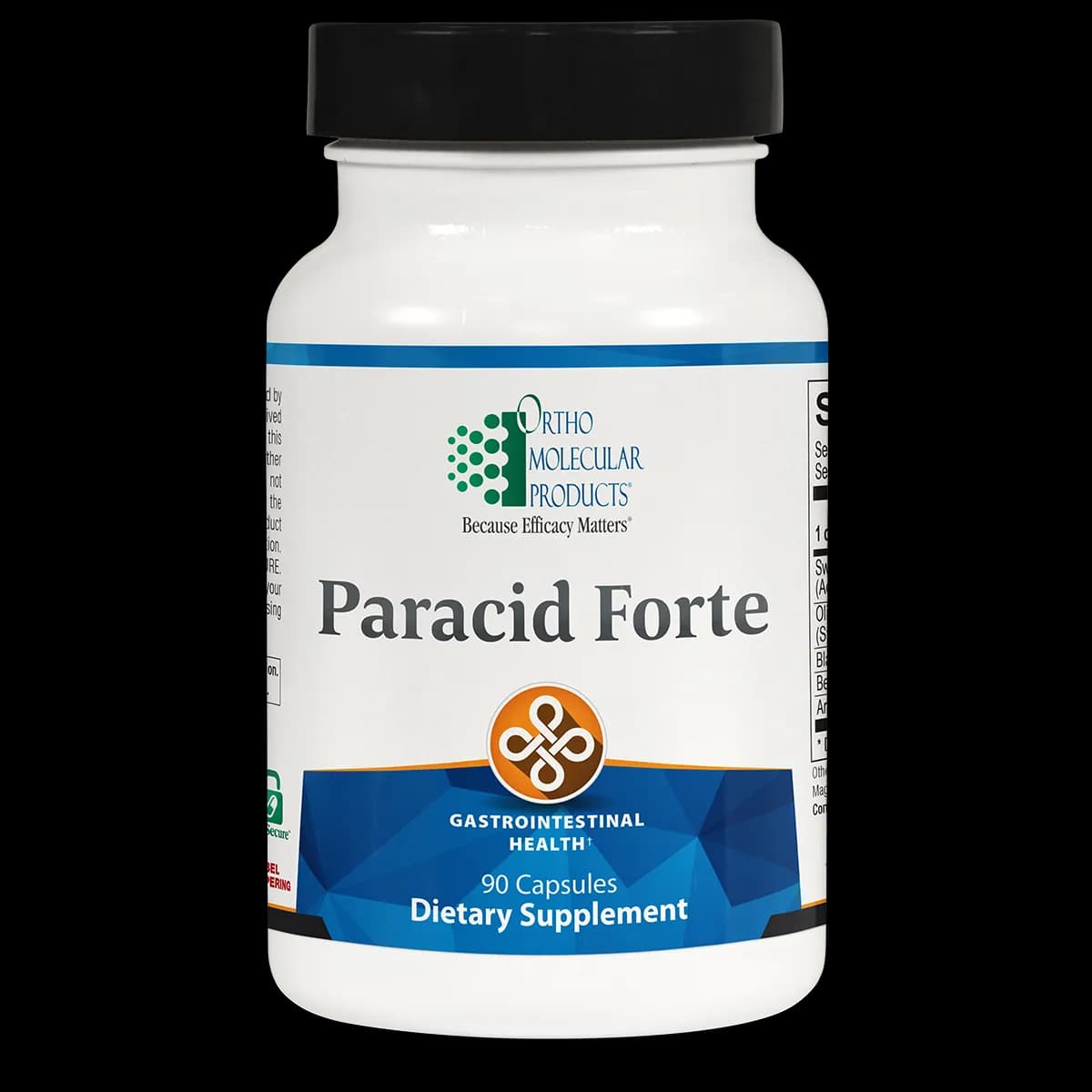
When the delicate balance of the colonic environment is disrupted by viral remnants, chronic stress, or poor diet, pathogenic microbes can overgrow, leading to intestinal permeability (leaky gut) and systemic inflammation. Restoring this balance requires a targeted, multifaceted approach. Paracid Forte by Ortho Molecular Products is formulated with potent botanical extracts—including berberine, sweet wormwood (artemisinin), olive leaf extract, and black walnut hulls—designed to support microbial balance, enhance antioxidant defenses, and promote optimal immune function. In this comprehensive guide, we will explore the deep cellular mechanisms behind these botanical compounds and how they may offer crucial support for those navigating the complexities of post-viral and chronic illnesses.
What is Paracid Forte?
A Botanical Approach to Microbial Balance
Paracid Forte is a specialized botanical supplement formulated to support gastrointestinal health and promote a healthy microbial balance within the gut. In a healthy individual, the gastrointestinal tract hosts trillions of microorganisms, collectively known as the gut microbiome. These microbes live in a symbiotic relationship with the host, aiding in digestion, synthesizing essential vitamins, producing short-chain fatty acids (SCFAs) like butyrate, and training the immune system to differentiate between harmless antigens and dangerous pathogens. When this delicate ecosystem is balanced, it maintains the integrity of the intestinal mucosal barrier, preventing toxins and undigested food particles from entering the bloodstream.
However, modern environmental factors—such as exposure to environmental toxins, diets high in refined carbohydrates and low in fiber, and chronic psychological or physiological stress—can severely alter the colonic environment. This disruption leads to dysbiosis, a state where beneficial, commensal bacteria are depleted, and opportunistic, pathogenic microbes (including harmful bacteria, yeast, and parasites) are allowed to proliferate. Paracid Forte utilizes a synergistic blend of natural antimicrobial and immunomodulatory compounds to selectively target these pathogenic overgrowths while preserving and supporting the beneficial flora required for optimal digestive and systemic health.
The Synergy of Key Botanical Extracts
The efficacy of Paracid Forte lies in its specific combination of highly researched botanical extracts, each targeting different aspects of microbial and immune dysfunction. The formula includes Berberine Hydrochloride Hydrate (75 mg), a powerful isoquinoline alkaloid extracted from plants like Coptis chinensis. Berberine is renowned for its broad-spectrum antimicrobial properties and its unique ability to reshape the gut microbiome by suppressing pathogenic Gram-negative bacteria while promoting beneficial strains like Akkermansia muciniphila. This bidirectional interaction with the microbiome is central to its therapeutic potential in metabolic and inflammatory conditions.
Additionally, the supplement contains Sweet Wormwood (150 mg) and its active derivative Artemisinin (25 mg). Derived from the Artemisia annua plant, artemisinin is a potent immunomodulator that has gained significant attention for its ability to suppress hyper-inflammatory cytokine responses and combat viral persistence. By targeting host dependency pathways, artemisinin helps prevent viruses from hijacking cellular machinery. The formula is further fortified with Olive Leaf Extract (100 mg, standardized to 20% Oleuropein), which provides profound antioxidant protection by activating the Nrf2 pathway, and Black Walnut Hulls (85 mg), which contain juglone, a compound that disrupts the metabolic processes of parasitic and fungal invaders.
Targeting the Gut-Immune Axis
The gastrointestinal tract houses approximately 70% of the body's immune cells, making the gut-immune axis a critical focal point for overall health. The mucosal lining of the gut is constantly surveying the environment, utilizing pattern recognition receptors (PRRs) like Toll-like receptors (TLRs) to detect microbial threats. In a state of dysbiosis, the overgrowth of pathogenic bacteria leads to an accumulation of lipopolysaccharides (LPS), which are endotoxins found in the outer membranes of Gram-negative bacteria. When LPS binds to TLR4 on immune cells, it triggers the NF-κB signaling pathway, unleashing a cascade of pro-inflammatory cytokines (such as TNF-α, IL-6, and IL-1β) that drive systemic inflammation.
The botanical ingredients in Paracid Forte work synergistically to interrupt this inflammatory cascade at multiple levels. By reducing the population of LPS-producing bacteria, berberine and black walnut hulls decrease the initial inflammatory trigger. Simultaneously, artemisinin and oleuropein actively downregulate the NF-κB pathway, calming the immune response and preventing the chronic, low-grade inflammation that characterizes many complex chronic illnesses. This dual-action approach—addressing both the microbial imbalance and the resulting immune hyperactivation—makes these botanical compounds highly relevant for patients struggling with post-viral syndromes and immune dysregulation.
How Long COVID and ME/CFS Impact the Gut Microbiome
Viral Persistence and Gut Dysbiosis
In conditions like Long COVID and myalgic encephalomyelitis/chronic fatigue syndrome (ME/CFS), the gut microbiome undergoes profound and sustained alterations. Research has consistently demonstrated that acute viral infections, such as SARS-CoV-2, do not merely affect the respiratory system; they actively infect the gastrointestinal tract. The virus binds to ACE2 receptors, which are highly expressed on the enterocytes lining the intestines. This direct viral invasion disrupts the local microbiome, leading to a significant reduction in microbial diversity and a depletion of beneficial, SCFA-producing bacteria like Bifidobacterium and Faecalibacterium prausnitzii.
Even after the acute phase of the infection has passed, many patients experience viral persistence, where viral RNA or proteins remain hidden in tissue reservoirs, including the gut. This persistent viral presence acts as a continuous irritant to the gut-associated lymphoid tissue (GALT), keeping the local immune system in a state of chronic activation. The resulting dysbiosis is not just a symptom of the disease; it becomes a driving factor. Studies have shown that the severity of gut microbiome alterations in COVID-19 patients closely correlates with the severity of their disease and the likelihood of developing long-term symptoms, highlighting the critical need to address gastrointestinal symptoms seen with Long COVID.
Leaky Gut and Systemic Inflammation
The chronic inflammation driven by viral persistence and dysbiosis inevitably damages the intestinal mucosal barrier, leading to a condition known as increased intestinal permeability, or "leaky gut." The tight junction proteins (such as ZO-1 and occludin) that normally seal the gaps between intestinal epithelial cells become compromised. This breakdown allows endotoxins (like LPS), undigested food proteins, and even translocating bacteria to escape the confines of the gut and enter the systemic circulation. This phenomenon, known as metabolic endotoxemia, is a major driver of the systemic symptoms seen in Long COVID and ME/CFS.
Once these microbial antigens enter the bloodstream, they trigger a widespread immune response, activating macrophages and microglia (the resident immune cells of the central nervous system). This systemic and neuroinflammatory response is heavily implicated in the pathogenesis of debilitating symptoms like brain fog, severe cognitive impairment, and post-exertional malaise (PEM). Furthermore, the leakage of antigens can contribute to autoimmunity and immune dysregulation in Long COVID, as the immune system may begin to cross-react with the body's own tissues in a process known as molecular mimicry.
The Vicious Cycle of Immune Dysregulation
The interplay between gut dysbiosis, leaky gut, and systemic inflammation creates a vicious cycle that is incredibly difficult to break. The chronic immune activation depletes the body's antioxidant reserves, leading to severe oxidative stress. This oxidative stress further damages the intestinal lining and impairs mitochondrial function, exacerbating the profound fatigue characteristic of ME/CFS and Long COVID. Additionally, the constant state of inflammation can trigger mast cell activation, linking these gut issues to the complex systemic reactions seen in patients with mast cell activation syndrome (MCAS).
Moreover, recent research has identified a pronounced CD8+ T-cell dysfunction in both ME/CFS and Long COVID patients. These critical immune cells, responsible for clearing viral infections, become exhausted and produce markedly less antiviral cytokines like IFN-γ. The gut microbiome plays a vital role in training and supporting these T-cells. When the microbiome is dysbiotic, it fails to provide the necessary metabolic signals (like SCFAs) to sustain T-cell function, allowing viral reservoirs to persist and the cycle of chronic illness to continue unabated. Breaking this cycle requires interventions that can simultaneously restore microbial balance, repair the gut barrier, and modulate the immune response.
Paracid Forte: Supporting Gut and Immune Function
Berberine's Role in Microbiome Reshaping
Berberine is a cornerstone of botanical gut therapies due to its profound ability to reshape the microbial landscape. Despite having remarkably poor oral bioavailability (with less than 1% absorbed systemically), berberine concentrates in the gastrointestinal tract, where it exerts its primary therapeutic effects. It acts as a selective antimicrobial, directly damaging the cell membranes of harmful Gram-negative bacteria like Escherichia coli and Klebsiella pneumoniae. More importantly, berberine significantly enriches the abundance of beneficial, commensal strains, particularly Akkermansia muciniphila. Akkermansia is critical for degrading mucin to feed other beneficial bacteria and is heavily involved in maintaining the integrity of the gut lining.
Beyond altering the composition of the microbiome, berberine fundamentally changes the metabolic output of these bacteria. It enriches SCFA-producing bacteria, specifically promoting the synthesis of butyrate via the acetyl-CoA-butyryl-CoA-butyrate pathway. Butyrate is the primary energy source for colonocytes and is essential for lowering intestinal pH, which prevents pathogen overgrowth. Furthermore, berberine alters bile acid metabolism by reducing the activity of bacterial Bile Salt Hydrolase (BSH). This leads to an accumulation of conjugated bile acids like taurocholic acid (TCA), which activates the intestinal Farnesoid X Receptor (FXR) and TGR5 pathways, profoundly regulating lipid metabolism and reducing systemic inflammation.
Artemisinin and Viral Persistence
Artemisinin, derived from sweet wormwood, offers a unique mechanism of action that is highly relevant for post-viral syndromes. Viruses often trigger severe hyper-inflammatory states and evade host immune responses to establish long-term persistence. Artemisinin addresses both issues by acting as a powerful host-directed immunomodulator. It exerts profound anti-inflammatory effects by suppressing major inflammatory pathways, predominantly the NF-κB, PI3K/Akt/mTOR, and Jak/STAT signaling pathways. By systematically downregulating pro-inflammatory cytokines such as TNF-α, IL-6, and crucially, TGF-β, artemisinin helps prevent the tissue fibrosis and chronic inflammation that often follow severe viral infections.
In the context of viral persistence, artemisinin actively disrupts the mechanisms viruses use to maintain latency. Unlike traditional antivirals that target rapidly mutating viral proteins, artemisinin targets the host cell's central regulatory processes. By blocking the metabolic and transcriptomic requirements that viruses need to replicate, it effectively starves the virus. Studies have shown that artemisinin derivatives can physically block the interaction between viral spike proteins and human receptors, and they are highly effective against persistent infections by interfering with viral entry and transcription pathways. This dual action of starving viral replication while calming hyper-inflammation makes it a vital tool for immune recovery.
Olive Leaf Extract for Antioxidant Defense
Olive leaf extract (OLE) and its primary bioactive compound, oleuropein, provide critical antioxidant support to counteract the severe oxidative stress seen in chronic illness. Oleuropein is a remarkably potent antioxidant, with research indicating it possesses up to 2.5 times higher antioxidant activity than Vitamins C and E. It acts as a powerful free-radical scavenger, directly neutralizing oxidative stress before it can damage human cells, lipids, and DNA. Furthermore, oleuropein activates the Nrf2 pathway, a genetic transcription factor that stimulates the body's own intracellular antioxidant enzymes, such as catalase, and increases the concentration of vital cellular protectors like glutathione.
In the gut, oleuropein acts as a gastrointestinal protector. It exhibits prebiotic-like effects, modulating the fecal microbiota during fermentation in the large intestine to promote the growth of beneficial Lactobacillus species. It also heavily targets intestinal inflammation; clinical tissue studies demonstrate that OLE reduces the infiltration of immune cells and the production of pro-inflammatory cytokines (like IL-17 and COX-2) in the intestinal lining. By mitigating oxidative damage and reducing mucosal inflammation, olive leaf extract helps repair the leaky gut barrier and supports a robust, localized immune defense.
Black Walnut Hulls for Pathogen Control
Black walnut hulls contain juglone, a highly active phenolic compound that serves as a natural defense mechanism against pathogens. Juglone exerts strong inhibitory effects against both Gram-positive and Gram-negative bacteria, as well as fungal and parasitic invaders. Proteomic studies reveal that juglone inhibits critical bacterial proteins involved in the tricarboxylic acid (TCA) cycle, effectively disrupting the energy metabolism of these pathogens. It also increases cellular oxidoreductase activity, creating a highly peroxidative environment that damages bacterial cell walls and increases membrane permeability, leading to pathogen cell death.
The antifungal action of juglone relies on "redox cycling," generating reactive oxygen species (ROS) that induce severe oxidative stress within fungal cells, making it highly effective against overgrowths like Candida albicans. By acting as an "antimicrobial weeder," black walnut hulls remove pathogenic overgrowth, clearing the way for healthy gut flora to re-establish itself. Additionally, the hulls contain ellagitannins, which healthy gut microbiota metabolize into urolithins—compounds known for their high antioxidant, anti-inflammatory, and neuroprotective benefits. This comprehensive pathogen control is essential for resolving the deep-seated dysbiosis often found in complex chronic conditions.
Symptoms Paracid Forte May Help Manage
While Paracid Forte is not a cure for any disease, its targeted support of the gut microbiome and immune system may help manage several debilitating symptoms associated with chronic illnesses:
Gastrointestinal Distress (Bloating, Gas, Irregularity): By utilizing berberine and black walnut hulls to suppress pathogenic bacteria and yeast overgrowth, this formula helps correct the dysbiosis that drives excessive fermentation, gas production, and unpredictable bowel habits.
Brain Fog and Cognitive Impairment: Gut dysbiosis leads to the systemic release of endotoxins (LPS), which cross the blood-brain barrier and trigger neuroinflammation. By repairing the gut barrier and reducing LPS-producing bacteria, these botanicals help lower the neuroinflammatory burden that causes brain fog.
Severe Fatigue and Post-Exertional Malaise (PEM): Chronic immune activation and viral persistence drain cellular energy reserves. Artemisinin's ability to modulate the immune response and oleuropein's potent antioxidant protection help reduce the metabolic drain of chronic inflammation, supporting better overall energy production.
Immune Dysregulation and Frequent Infections: A compromised gut microbiome impairs the function of T-cells and mucosal immunity. By promoting beneficial, SCFA-producing bacteria and upregulating localized secretory IgA, this botanical blend helps train and support a more resilient, balanced immune system.
Histamine Intolerance and MCAS Symptoms: Pathogenic gut bacteria can produce excess histamine, exacerbating mast cell issues. By clearing these problematic microbes and soothing intestinal inflammation with sweet wormwood and olive leaf, the formula helps reduce the overall histamine burden in the gut.
Practical Considerations: Forms, Dosing, and Absorption
Bioavailability of Botanical Extracts
When utilizing botanical supplements like Paracid Forte, understanding bioavailability is crucial. Many potent plant compounds, particularly berberine, have notoriously low systemic absorption. Less than 1% of orally ingested berberine enters the bloodstream. However, this "poor" absorption is actually a therapeutic advantage when targeting gastrointestinal health. Because it remains concentrated in the lumen of the intestines, berberine can directly interact with the gut microbiota, exerting its powerful antimicrobial and microbiome-reshaping effects exactly where they are needed most. Interestingly, the gut microbiota also metabolizes berberine into more absorbable forms, such as dihydroberberine, highlighting a bidirectional relationship between the supplement and the microbiome.
Similarly, the active compounds in sweet wormwood (artemisinin) and olive leaf extract (oleuropein) undergo significant transformation in the gut. Oleuropein is metabolized by beneficial gut bacteria into hydroxytyrosol, a smaller molecule with exceptional antioxidant capacity that can easily cross the intestinal barrier and exert systemic anti-inflammatory effects. To maximize the absorption and efficacy of these fat-soluble and complex phenolic compounds, it is often recommended to take botanical antimicrobials with a small amount of healthy dietary fat, which stimulates bile release and aids in the emulsification and uptake of the active constituents.
Dosing Strategies and Timing
The suggested use for Paracid Forte is typically 1 capsule three times per day, or as recommended by a healthcare professional. Because botanical antimicrobials are potent and can cause "die-off" reactions (known as a Herxheimer reaction) as pathogens are destroyed and release endotoxins, many practitioners recommend a "low and slow" approach. Starting with one capsule a day and gradually increasing to the full dose allows the body's detoxification pathways (liver, kidneys, and lymphatic system) to clear the metabolic waste without overwhelming the patient, which is especially important for those with ME/CFS or Long COVID who already have compromised detox capacities.
Timing is also an important consideration. Taking the supplement shortly before or during meals can help mitigate any potential gastric upset, which is sometimes associated with strong herbal extracts like black walnut and wormwood. Furthermore, because these botanicals act as "weeders" to clear out pathogenic overgrowth, practitioners often recommend following up a course of antimicrobial therapy with targeted probiotics and prebiotics to "reseed" and "fertilize" the newly cleared gastrointestinal tract, ensuring a robust and healthy microbiome takes root.
Safety, Contraindications, and Interactions
While natural, the botanical extracts in Paracid Forte are highly bioactive and must be used with care. Berberine can interact with the cytochrome P450 enzyme system in the liver, potentially altering the metabolism of various prescription medications, including immunosuppressants, statins, and certain cardiovascular drugs. Black walnut hulls contain tannins and juglone, which are powerful but require hepatic processing; therefore, individuals with compromised liver or kidney function should consult their doctor before use. Additionally, black walnut should be avoided by those with severe tree-nut allergies.
Due to the potent nature of artemisinin and berberine, this supplement is generally contraindicated for pregnant or nursing women. Furthermore, botanical antimicrobial protocols are typically designed for short-term, targeted use (e.g., 4 to 8 weeks) rather than indefinite daily supplementation. Prolonged, unmonitored use of broad-spectrum herbal antimicrobials could potentially disrupt the balance of beneficial flora over time. Always work closely with a healthcare provider to determine the appropriate duration of use and to monitor liver enzymes and overall metabolic function during the protocol.
Follow the Science
Clinical Evidence for Berberine and Gut Health
The scientific literature surrounding berberine's impact on the gut microbiome is extensive and rapidly growing. A landmark multi-omics study published in BMC Microbiology utilized germ-free mice colonized with a human bacterial consortium to track berberine's effects. The researchers found that berberine significantly increased cecal bile acid concentrations (such as deoxycholic acid) and caused a massive functional shift in the bacteria's transcriptome. It upregulated carbohydrate metabolism and cell wall repair mechanisms, proving that berberine forcefully alters the metabolic function of the microbiome, not just its composition.
Further research utilizing single-cell RNA sequencing in colitis models has demonstrated berberine's ability to repair the intestinal barrier. Recent studies in Theranostics revealed that berberine specifically suppresses fibroblast-to-lymphatic transformation and blocks IL-1β production in myeloid cells. Fecal 16S rRNA sequencing in these models consistently shows that berberine specifically enriches Akkermansia muciniphila, a keystone species for gut barrier integrity. These clinical insights validate berberine's role in reversing dysbiosis and healing the leaky gut architecture that plagues many chronic illness patients.
Artemisinin's Antiviral and Anti-Inflammatory Potential
Artemisinin and its derivatives have been extensively studied beyond their traditional antimalarial use, particularly for their antiviral and immunomodulatory properties. Research published in Frontiers in Immunology highlights artemisinin's ability to bridge innate and adaptive immunity. The data shows that artemisinin systematically downregulates pro-inflammatory cytokines like TNF-α and IL-6 by inhibiting the NF-κB and PI3K/Akt/mTOR signaling pathways, effectively calming the hyper-inflammatory "cytokine storms" associated with severe viral infections.
In the context of viral persistence, studies in the Journal of Ethnopharmacology have demonstrated that Artemisia extracts inhibit viral replication by interfering with viral entry and the host pathways required for viral transcription. Furthermore, in silico and clinical studies regarding SARS-CoV-2 have shown that artemisinin can physically bind to viral target proteins and mitigate TGF-β-mediated inflammatory lung damage. This dual action of starving viral reservoirs while preventing fibrotic tissue damage makes artemisinin a highly compelling compound for Long COVID research.
Olive Leaf and Microbiome Modulation
The clinical efficacy of olive leaf extract (OLE) and oleuropein is heavily supported by research into its antioxidant and prebiotic capabilities. Research has highlighted that the concentration of oleuropein in olive leaf products can reach up to 134 mg/g, vastly outperforming the concentrations found in high-quality olive oil. This high concentration allows OLE to act as a profound intracellular antioxidant via the Nrf2 pathway.
Regarding gut health, clinical tissue samples from patients with inflammatory bowel disease (IBD) have shown that treatment with olive leaf extract significantly reduces the infiltration of immune cells and the production of pro-inflammatory cytokines in the intestinal lining. Additionally, human trials have demonstrated that the ingestion of olive phenolic compounds increases the production of fecal immunoglobulin A (IgA), heightening the mucosal immune response. This evidence firmly establishes OLE as a vital component in restoring gut-immune homeostasis.
The Path Forward
Integrating Botanicals into a Comprehensive Plan
Navigating the complexities of Long COVID, ME/CFS, and dysautonomia requires immense patience and a multifaceted approach to healing. The gastrointestinal tract is a central hub for immune regulation and systemic inflammation, making gut health a critical priority. Botanical formulations like Paracid Forte offer a scientifically grounded way to address underlying dysbiosis, combat persistent pathogens, and modulate hyperactive immune responses. By leveraging the synergistic power of berberine, artemisinin, olive leaf, and black walnut, patients can actively support their body's natural mechanisms for restoring microbial balance and repairing the intestinal barrier.
However, it is essential to remember that supplements are just one piece of the puzzle. True recovery involves integrating targeted botanicals with comprehensive lifestyle management. This includes strict pacing to avoid post-exertional malaise, nervous system regulation techniques to calm the autonomic nervous system, and dietary modifications to support a healthy microbiome. Working with a knowledgeable healthcare provider who understands the intricacies of how a doctor diagnoses Long COVID and manages complex chronic illnesses ensures that your protocol is safe, personalized, and effective.
Listening to Your Body
Living with an invisible, unpredictable chronic illness is incredibly validating when you finally understand the physiological mechanisms driving your symptoms. The brain fog, the GI distress, and the profound fatigue are not in your head; they are the result of complex biochemical disruptions, viral persistence, and immune dysregulation. As you explore new therapeutic avenues, always listen to your body. Track your symptoms, start new supplements slowly to monitor for die-off reactions, and celebrate the small victories along your healing journey.
Disclaimer: This content is for educational purposes only and is not intended to diagnose, treat, cure, or prevent any disease. Always consult your healthcare provider before starting any new supplement, especially if you have underlying health conditions or are taking prescription medications.
Sources
Berberine alters gut microbial function through modulation of bile acids - BMC Microbiology
Artemisinins in Combating Viral Infections - Frontiers in Plant Science
Immunoregulation by Artemisinin and Its Derivatives - Frontiers in Immunology
Artemisia extracts inhibit HIV-1 replication - Journal of Ethnopharmacology
Juglone in Oxidative Stress and Cell Signaling - National Institutes of Health
Mechanisms of long COVID and the path toward therapeutics - Cell