Can Pancreatic Enzymes Help Manage Gastrointestinal Symptoms in Long COVID and Dysautonomia?
March 6, 2026
Pancreatic EnzymesLong COVIDGastrointestinal Health
Share:
Disclaimer: The information provided here is for educational purposes only and is not intended as medical advice. It should not be used to diagnose, treat, cure, or prevent any medical condition. Instead, use it as a starting point for discussion with your healthcare provider. Always consult with a qualified healthcare provider before starting any new medication, supplement, device, or making changes to your health regimen.
Months or even years after an acute infection, many individuals living with complex chronic conditions find themselves battling a new, deeply frustrating front: their own digestive system. For patients with Long COVID, myalgic encephalomyelitis/chronic fatigue syndrome (ME/CFS), dysautonomia, and mast cell activation syndrome (MCAS), eating a simple meal can trigger a cascade of debilitating symptoms. Severe bloating, unpredictable bowel habits, profound post-meal fatigue, and a sensation that food is simply sitting like a rock in the stomach are incredibly common, yet frequently dismissed by standard medical evaluations as generic irritable bowel syndrome (IBS). However, emerging clinical research points to a much more specific, physiological root cause for these symptoms: a disruption in the body's ability to produce and secrete essential digestive enzymes.
When the autonomic nervous system is dysregulated or when viral persistence causes localized inflammation, the pancreas—the body's primary enzyme factory—can struggle to meet the demands of digestion. This leads to a state known as exocrine pancreatic insufficiency (EPI), where fats, proteins, and carbohydrates pass through the gut partially undigested. This not only causes immediate gastrointestinal distress but also starves the body of vital cellular nutrients, perpetuating the vicious cycle of chronic fatigue and immune dysfunction. In this comprehensive guide, we will explore the intricate biology of pancreatic enzymes, how complex chronic illnesses disrupt their production, and how targeted supplementation can help restore digestive function, enhance nutrient absorption, and improve your overall quality of life.
What are Pancreatic Enzymes and How Do They Function?
The pancreas is a remarkable, dual-function organ nestled behind the stomach, playing an indispensable role in both the endocrine and exocrine systems. While its endocrine function—producing insulin to regulate blood sugar—is widely known, its exocrine function is equally vital for human survival. The exocrine tissue of the pancreas, composed of specialized clusters called acinar cells, acts as a massive biological factory. Every day, a healthy pancreas synthesizes and secretes up to three liters of a powerful, enzyme-rich fluid into the duodenum, the first section of the small intestine. This pancreatic juice is the primary catalyst that breaks down the complex macronutrients in our food into microscopic, absorbable molecules that our cells can actually use for energy, repair, and immune defense.
The secretion of these enzymes is a highly orchestrated, multi-step process governed by both the nervous system and hormonal signals. When partially digested food, known as chyme, exits the highly acidic stomach and enters the small intestine, the intestinal mucosa detects the presence of fats and proteins. In response, it releases two critical hormones: cholecystokinin (CCK) and secretin. Secretin prompts the pancreas to release copious amounts of bicarbonate, an alkaline compound that rapidly neutralizes the harsh stomach acid. This neutralization is an absolute biological necessity, as pancreatic enzymes require a specific alkaline environment (a pH of 5.5 or higher) to activate and function. Simultaneously, CCK signals the acinar cells to release the heavy payload of digestive enzymes. Without this precise hormonal and pH coordination, digestion grinds to a halt.
To protect the pancreas from digesting its own tissues—a dangerous condition known as autodigestion—the most destructive enzymes are secreted in an inactive state called zymogens or proenzymes. They remain locked and harmless while traveling through the pancreatic ducts. It is only when they reach the safety of the intestinal lumen, and interact with specific activating enzymes embedded in the gut lining, that they "turn on" and begin dismantling the food we have eaten. This elegant system ensures that the breakdown of nutrients occurs exactly where it is supposed to: in the small intestine, where specialized cells are ready to absorb the resulting molecules into the bloodstream.
The pancreatic juice is a complex cocktail, but its digestive power relies primarily on three classes of enzymes, each uniquely designed to target a specific macronutrient. The first is lipase, the enzyme responsible for fat digestion. Dietary fats primarily exist as large, complex triglycerides, which are entirely unabsorbable by the human gut. Pancreatic lipase catalyzes the hydrolysis of these triglycerides, cleaving them into smaller monoglycerides and free fatty acids. However, lipase cannot work efficiently on its own. Because fats are not water-soluble, they clump together in the watery environment of the gut. To solve this, the liver produces bile salts, which emulsify the large fat globules into tiny droplets, vastly increasing their surface area. The pancreas also secretes a co-enzyme called colipase, which acts as a molecular anchor, binding the water-soluble lipase to the lipid-water interface of the fat droplets, allowing the enzyme to perform its crucial work.
The second major enzyme is amylase, which is dedicated to carbohydrate digestion. While carbohydrate breakdown begins briefly in the mouth with salivary amylase, the vast majority of the work is done by pancreatic amylase in the small intestine. Amylase specifically targets and cleaves the alpha-1,4 glycosidic bonds found in complex carbohydrates, starches, and glycogen. Through this enzymatic action, massive chains of carbohydrates are rapidly reduced into simpler sugars, such as maltose and maltotriose. These smaller sugars are then further broken down by brush-border enzymes on the intestinal wall into single glucose molecules, which are actively transported into the bloodstream to serve as the primary fuel source for cellular respiration and mitochondrial ATP production.
The third crucial component is the protease family, which includes powerful enzymes like trypsin, chymotrypsin, and elastase. These enzymes are responsible for dismantling complex dietary proteins into smaller oligopeptides and individual amino acids. Because proteases are capable of destroying human tissue, they are secreted as inactive zymogens (e.g., trypsinogen). Once in the duodenum, an enzyme called enterokinase converts trypsinogen into active trypsin, which then acts as a master switch, activating all the other proteases. Beyond simply providing the building blocks for muscle and neurotransmitter synthesis, proteases play a critical role in immune tolerance. By thoroughly dismantling large, potentially antigenic protein molecules, proteases prevent the immune system from identifying undigested food particles as foreign invaders, a process essential for preventing food allergies and systemic inflammation.
The entire enzymatic process is exquisitely sensitive to the pH of the gastrointestinal tract. As mentioned, the stomach is highly acidic, often resting at a pH of 1.5 to 3.0 to sterilize food and begin the preliminary breakdown of proteins via the enzyme pepsin. However, if this highly acidic chyme enters the small intestine and is not immediately neutralized by pancreatic bicarbonate, the consequences are severe. Pancreatic lipase, amylase, and protease are biologically designed to operate in an alkaline environment. If the intestinal pH remains too low, these enzymes become permanently denatured—their three-dimensional protein structures unfold, rendering their active sites completely useless.
This pH dependency is a frequent point of failure in complex chronic illnesses. If the autonomic nervous system fails to properly signal the pancreas to release bicarbonate, or if chronic inflammation impairs the secretory capacity of the pancreatic ducts, the small intestine remains too acidic. Even if the pancreas manages to secrete the correct amount of digestive enzymes, they will be instantly destroyed by the acidic environment before they can break down a single molecule of food. This highlights why digestion is not just about having the right enzymes, but about maintaining the precise biochemical environment required for those enzymes to survive and function.
How Long COVID, ME/CFS, and Dysautonomia Impact Digestive Enzymes
To understand why gastrointestinal symptoms are so prevalent in complex chronic illnesses, we must look at the autonomic nervous system (ANS). The ANS controls all involuntary bodily functions, including heart rate, blood pressure, and digestion. It is divided into two main branches: the sympathetic nervous system (responsible for the "fight-or-flight" response) and the parasympathetic nervous system (responsible for the "rest-and-digest" state). The vagus nerve, a primary component of the parasympathetic system, directly innervates the stomach, intestines, and pancreas. In a healthy body, the act of eating stimulates the vagus nerve, which releases acetylcholine to trigger stomach acid production, intestinal motility, and the massive release of pancreatic enzymes.
However, in conditions like dysautonomia and Postural Orthostatic Tachycardia Syndrome (POTS), this delicate balance is shattered. Due to blood pooling in the lower extremities and impaired vascular constriction, the body is forced into a state of chronic sympathetic overdrive just to maintain blood pressure to the brain. This constant "fight-or-flight" state actively suppresses the vagus nerve. The body perceives a state of emergency, and as a result, blood flow is aggressively shunted away from the splanchnic (abdominal) organs. Without adequate blood flow and vagal stimulation, the pancreas simply does not receive the neurological signal to secrete its enzymes. This leads to a functional state of exocrine pancreatic insufficiency, where the hardware of the pancreas is intact, but the software running it has crashed. You can learn more about the broader implications of this in our guide on What Causes Long COVID?.
In the context of Long COVID, the disruption of pancreatic enzymes goes beyond neurological misfiring; it often involves direct cellular injury. The SARS-CoV-2 virus gains entry into human cells by binding to the ACE2 (Angiotensin-Converting Enzyme 2) receptor. ACE2 receptors are heavily expressed in the pancreas, particularly in the islet cells and the exocrine acinar cells. During the acute phase of infection, the virus can directly infiltrate the pancreas, triggering a fierce localized inflammatory response. This viral invasion and subsequent immune battle can cause significant collateral damage to the enzyme-producing tissues.
Some research has suggested that acute COVID-19 infection may increase the risk of acute pancreatitis compared to non-infected controls. While not every patient develops full-blown pancreatitis, this data clearly demonstrates the virus's affinity for pancreatic tissue. In Long COVID, it is hypothesized that viral persistence—where fragments of the virus or active reservoirs remain in the gut and surrounding tissues—maintains a state of chronic, low-grade inflammation. This ongoing inflammatory stress impairs the acinar cells' ability to synthesize and secrete adequate levels of lipase, amylase, and protease, leading to long-term malabsorption and the myriad of Gastrointestinal Symptoms Seen with Long COVID.
When pancreatic enzyme production drops, whether from autonomic failure or viral injury, the downstream effects on the gut microbiome and immune system are catastrophic. Without sufficient lipase, amylase, and protease, large quantities of undigested fats, carbohydrates, and proteins travel deep into the lower intestines. This undigested food becomes a massive, unintended food source for pathogenic bacteria and yeast residing in the gut. As these microbes feast on the unabsorbed nutrients, they ferment them, producing excessive amounts of gas, toxic byproducts, and D-lactic acid. This process, known as gut dysbiosis, creates severe bloating, motility issues, and localized inflammation that physically damages the delicate intestinal lining, leading to increased intestinal permeability, or "leaky gut."
This is where Mast Cell Activation Syndrome (MCAS) enters the picture. Mast cells are immune sentinels heavily concentrated in the gut lining, designed to detect threats. When the intestinal barrier becomes permeable, large, undigested protein molecules (which should have been dismantled by pancreatic proteases) slip through the gut lining and interact directly with the immune system. The mast cells identify these massive protein macromolecules as dangerous foreign invaders. In response, they degranulate, releasing a flood of histamine, tryptase, and inflammatory cytokines. This localized allergic reaction causes severe abdominal pain, sudden diarrhea, and visceral hypersensitivity. The histamine release further disrupts gut motility and exacerbates the leaky gut, creating a relentless, self-perpetuating cycle of malabsorption, bacterial overgrowth, and immune hyperactivation.
Pancreatic Enzymes: Supporting Digestion and Nutrient Absorption
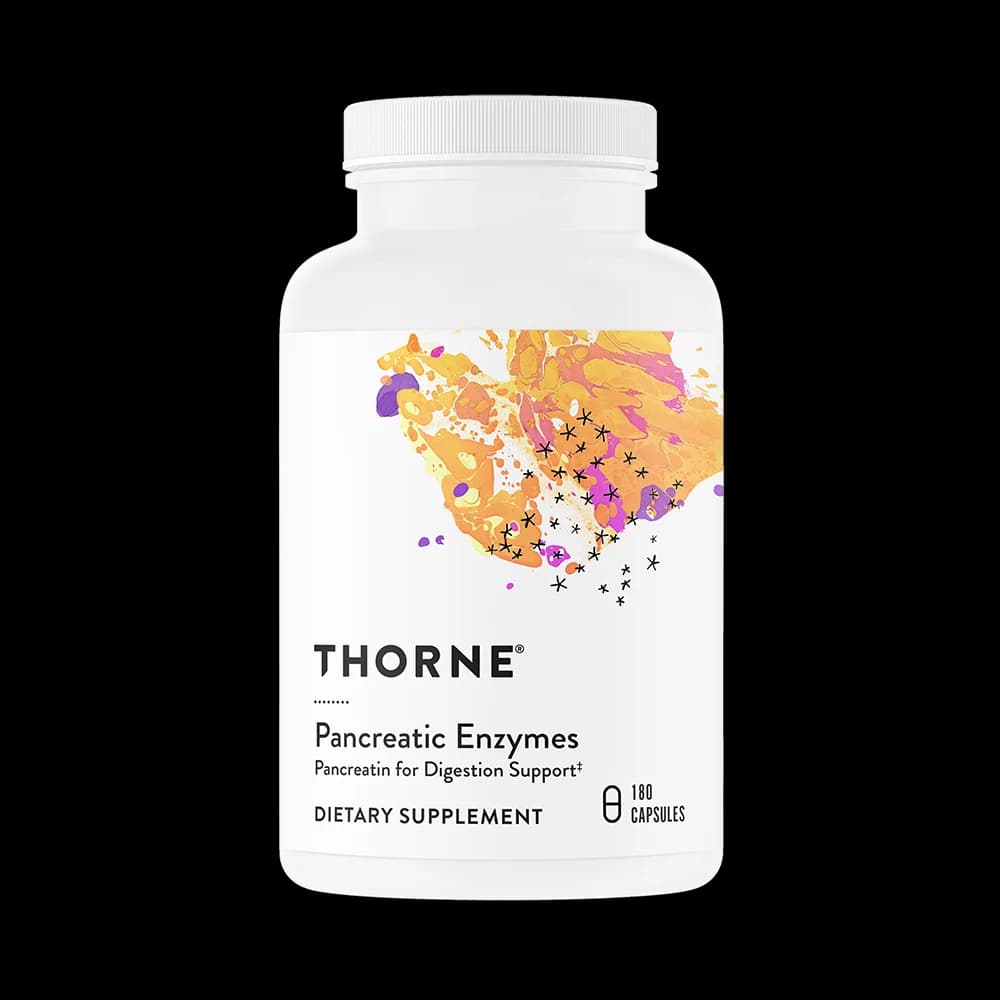
When the body's endogenous enzyme production is compromised by chronic illness, supplementing with exogenous Pancreatic Enzymes can serve as a profound therapeutic intervention. The primary mechanism of action is straightforward but highly impactful: oral enzyme therapy mechanically replaces the missing lipases, amylases, and proteases directly in the gastrointestinal lumen. By taking a comprehensive enzyme blend like Thorne's Pancreatic Enzymes right at the start of a meal, you provide the digestive tract with the exact biochemical tools it needs to dismantle food. The enteric-coated or highly stable enzymes mix with the chyme as it enters the small intestine, immediately initiating the hydrolysis of complex macronutrients.
This mechanical breakdown is the crucial first step in halting the cascade of gastrointestinal distress. By ensuring that carbohydrates are cleaved into simple sugars, proteins into amino acids, and fats into absorbable fatty acids, the supplement prevents these large molecules from traveling further down the digestive tract. This effectively starves the pathogenic, gas-producing bacteria in the lower intestine of their food source. As a result, the rapid fermentation process that causes severe post-meal bloating, distension, and flatulence is significantly curtailed. For many patients, restoring this basic mechanical digestion is the key to regaining the ability to eat a diverse diet without debilitating fear of the immediate aftermath.
Beyond alleviating immediate digestive discomfort, pancreatic enzyme supplementation plays a critical, life-sustaining role in systemic nutrition. In conditions like ME/CFS and Long COVID, profound cellular fatigue and mitochondrial dysfunction are hallmark symptoms. The mitochondria require specific, high-quality nutrients to produce ATP (cellular energy), many of which are fat-soluble. When pancreatic lipase is deficient, dietary fats are not emulsified or absorbed, leading to a condition called steatorrhea (fatty stools). More importantly, this fat malabsorption means that crucial fat-soluble vitamins—Vitamins A, D, E, and K—as well as essential fatty acids (like Omega-3s) and vital mitochondrial cofactors like CoQ10, are completely lost in the stool.
Supplementing with lipase-rich pancreatic enzymes directly rescues these vital nutrients. By successfully breaking down dietary fats into absorbable micelles, the enzymes allow the intestinal lining to capture and transport Vitamins D and E, which are critical for immune modulation and antioxidant defense, respectively. Furthermore, the enhanced absorption of Omega-3 fatty acids provides the body with the necessary building blocks to resolve systemic inflammation and repair damaged neuronal myelin sheaths. By restoring the influx of these essential, fat-soluble mitochondrial fuels, enzyme therapy addresses the nutritional starvation at the cellular level, which is a critical step in managing the profound exhaustion and post-exertional malaise seen in these patient populations. You can explore the interconnected nature of these symptoms in our article, Can Long COVID Trigger ME/CFS? Unraveling the Connection.
The therapeutic benefits of pancreatic enzymes extend even further into the realm of immune regulation and intestinal barrier repair. As discussed, undigested proteins are a primary trigger for mast cell degranulation and localized gut inflammation. By introducing high levels of exogenous proteases, the supplement ensures that complex, highly antigenic dietary proteins are thoroughly dismantled into harmless, single amino acids before they can interact with the gut-associated lymphoid tissue (GALT). This aggressive protein breakdown significantly reduces the antigenic load on the immune system, helping to stabilize hyperactive mast cells and calm the systemic histamine response that drives MCAS flares.
Furthermore, emerging research suggests that pancreatic enzymes, particularly amylase, play a direct role in maintaining the structural integrity of the gut lining. Amylase supplementation in enzyme-deficient models has been reported to significantly maintain intestinal wall architecture, increase the thickness of the protective brush-border, and regulate healthy enterocyte (intestinal cell) turnover. By preventing the buildup of toxic, fermenting food mass and actively supporting the physical structure of the intestinal villi, pancreatic enzyme therapy helps heal "leaky gut." This restoration of the gut barrier prevents the systemic translocation of bacterial endotoxins (LPS) into the bloodstream, thereby reducing the systemic neuroinflammation that drives brain fog and cognitive dysfunction in Long COVID and ME/CFS.

Symptoms Pancreatic Enzymes May Help Manage
When the pancreas fails to produce adequate enzymes, the immediate fallout is felt throughout the digestive tract. Supplementing with a comprehensive blend of lipase, amylase, and protease can directly target and alleviate these localized symptoms by ensuring food is properly broken down before it can cause mechanical or bacterial disruption.
Post-Meal Bloating and Severe Gas: By breaking down complex carbohydrates and starches early in the small intestine, amylase prevents these sugars from reaching the colon, where they would otherwise be fermented by bacteria into large volumes of painful gas.
Steatorrhea (Fatty, Floating Stools): A hallmark of enzyme deficiency is pale, foul-smelling, oily stools that are difficult to flush. Supplemental lipase breaks down dietary triglycerides, allowing fats to be absorbed rather than excreted, which restores normal stool consistency and color.
Occasional Indigestion and "Heavy" Stomach: Patients often describe a sensation of food sitting like a rock in their stomach for hours after eating. Proteases and lipases accelerate the breakdown of dense proteins and heavy fats, facilitating smoother and more comfortable gastric emptying.
Unpredictable Diarrhea: Undigested food particles draw excess water into the intestines via osmosis, leading to sudden, watery diarrhea. By ensuring complete molecular breakdown of chyme, enzyme therapy normalizes the osmotic balance of the gut, reducing urgency and loose stools.
The consequences of malabsorption extend far beyond the gut. When nutrients pass through the body unabsorbed, it leads to a state of cellular starvation that exacerbates the systemic symptoms of chronic illness. Pancreatic enzymes help resolve these downstream effects by restoring the flow of vital fuel to the body.
Severe Post-Prandial Fatigue (Food Coma): Digesting food requires massive amounts of energy. When the digestive system is struggling due to enzyme deficiency, the body diverts excessive energy to the gut, leaving the patient profoundly exhausted after meals. Supplying exogenous enzymes reduces the metabolic burden of digestion, preserving energy for the rest of the body.
Unexplained Weight Loss or Muscle Wasting: Despite eating adequate calories, patients with exocrine pancreatic insufficiency may lose weight or struggle to maintain muscle mass because they cannot absorb amino acids and fats. Protease and lipase restore the bioavailability of these fundamental building blocks.
Fat-Soluble Vitamin Deficiencies (A, D, E, K): Chronic low levels of Vitamin D (crucial for immunity) or Vitamin E (a potent antioxidant) are common in chronic illness. Lipase ensures that the dietary fats carrying these vitamins are properly emulsified and absorbed into the bloodstream.
MCAS-Related Food Reactions: Undigested proteins act as triggers for mast cells in the gut lining. By utilizing proteases to completely dismantle these proteins into non-reactive amino acids, enzyme therapy can help reduce the frequency and severity of histamine-driven food reactions.
Practical Considerations: Forms, Dosing, and Absorption
When selecting a pancreatic enzyme supplement, the source and formulation of the enzymes are critical factors that dictate clinical efficacy. The gold standard for Pancreatic Enzyme Replacement Therapy (PERT), both in prescription and high-quality nutraceutical forms, is porcine pancreatin. Extracted from the pancreas of pigs, porcine pancreatin is highly favored because the digestive physiology of pigs is remarkably similar to that of humans. This biological similarity ensures that the ratios and specific functional characteristics of the lipases, amylases, and proteases closely mimic what a healthy human pancreas would naturally secrete. Plant-based enzymes (like bromelain or papain) can be helpful for general digestion, but they often lack the dense, high-potency lipase activity required to manage true fat malabsorption and exocrine pancreatic insufficiency.
Furthermore, the purity of the formulation is especially important for the chronic illness community. Many commercial pancreatic enzyme products use lactose as a cheap diluent or filler to bulk up the capsules. However, patients with Long COVID, ME/CFS, and MCAS frequently suffer from secondary lactose intolerance due to brush-border damage in the gut, or they may experience mast cell flares from dairy derivatives. Thorne's Pancreatic Enzymes are specifically formulated to be completely free of lactose and undiluted, providing pure, highly concentrated enzymatic activity. This clean formulation minimizes the risk of triggering secondary food sensitivities while delivering the maximum digestive support.
The clinical success of pancreatic enzymes relies almost entirely on the precise timing of administration. The goal of oral enzyme therapy is to perfectly replicate the natural physiological process, where enzymes mix seamlessly with food as it enters the small intestine. Therefore, pancreatic enzymes must be taken immediately before or during a meal. If you take the capsules on an empty stomach an hour before eating, the enzymes will pass harmlessly through the digestive tract with nothing to act upon. Conversely, if you take them an hour after you finish eating, the food bolus will have already moved past the duodenum, leaving the enzymes behind and resulting in continued malabsorption.
For optimal mixing, especially during larger, complex meals, many practitioners recommend a split-dosing strategy. This involves taking one capsule with the very first bite of food, and a second capsule halfway through the meal. This ensures that the enzymes are evenly distributed throughout the chyme, maximizing their contact with fats, proteins, and carbohydrates. It is also crucial to swallow the capsules whole. You must never crush, chew, or break open pancreatic enzyme capsules. The enzymes are incredibly potent, and if released in the mouth or esophagus, they can cause severe irritation and ulceration of the mucous membranes.
While pancreatic enzymes act locally in the gut and are not systemically absorbed into the bloodstream, their powerful digestive action can interact with certain medications and nutrients. Because porcine pancreatin contains high levels of amylase, it can directly antagonize the effects of acarbose, an antidiabetic medication designed to inhibit amylase and prevent carbohydrate breakdown. Taking them together will render the acarbose ineffective, leading to unexpected blood sugar spikes. Additionally, because enzyme therapy rapidly restores the absorption of carbohydrates and fats, patients with diabetes or insulin resistance may experience sudden changes in their blood glucose dynamics and should monitor their levels closely when initiating therapy.
There are also important nutrient interactions to consider. Long-term use of high-dose pancreatic enzymes has been reported to form insoluble complexes with folic acid (Vitamin B9) in the gut, potentially reducing its absorption. Patients on long-term therapy may need to monitor their folate levels and supplement away from their enzyme doses. Similarly, enzymes can occasionally reduce the absorption of oral iron supplements. Finally, because the active ingredients are derived directly from porcine sources, this product is strictly contraindicated for any individual with a known history of severe hypersensitivity or allergy to pork proteins. Always consult with your healthcare provider to ensure enzyme therapy is safe and appropriate for your specific medical profile.

Follow the Science: Clinical Evidence for Pancreatic Enzymes
The scientific understanding of gastrointestinal dysfunction in post-viral syndromes has expanded dramatically in recent years, shedding light on why pancreatic enzyme therapy is becoming a cornerstone of management. Historically, Exocrine Pancreatic Insufficiency (EPI) was viewed strictly through the lens of primary organ failure, such as in cystic fibrosis or chronic pancreatitis. However, recent clinical investigations have revealed that viral infections, particularly SARS-CoV-2, can induce significant pancreatic impairment, potentially increasing the risk of pancreatic injury and setting the stage for long-term exocrine dysfunction. This viral tropism for the pancreas helps explain the profound malabsorption and steatorrhea frequently observed in Long COVID clinics.
Furthermore, case series published in the wake of the pandemic have documented specific instances of severe diarrhea due to SARS-CoV-2-related exocrine pancreatic insufficiency. In these documented cases, patients presenting with relentless gastrointestinal distress post-infection were found to have critically low levels of Fecal Elastase-1, the primary biomarker for pancreatic enzyme output. When these patients were treated with Pancreatic Enzyme Replacement Therapy (PERT), their symptoms of diarrhea, bloating, and rapid weight loss resolved, providing clear clinical evidence that replacing missing lipases and proteases is a highly effective intervention for post-viral gut dysfunction. For more context on how these post-viral mechanisms are evaluated, see our guide on How Does a Doctor Diagnose Long COVID?.
Beyond post-viral applications, the broader scientific literature robustly supports the use of porcine pancreatin for resolving malabsorption and localized gut inflammation. The National Institutes of Health (NIH) and major gastroenterological associations recognize PERT as the gold-standard treatment for reversing malnutrition caused by enzyme deficiency. Clinical trials consistently demonstrate that administering adequate units of lipase with meals significantly improves the coefficient of fat absorption (CFA), directly rescuing fat-soluble vitamins (A, D, E, K) from being lost in the stool and restoring normal body weight and energy availability.
Moreover, recent studies have highlighted the role of enzyme therapy in managing inflammatory bowel conditions, which share many overlapping pathophysiological features with MCAS and ME/CFS gut dysbiosis. A recent prospective randomized trial investigated the use of PERT for Crohn's disease patients suffering from exclusive enteral nutrition-related diarrhea. The study found that supplementing with PERT vastly improved clinical outcomes, notably reducing daily bowel movements by over five times and significantly improving stool consistency. This suggests that by ensuring the complete mechanical breakdown of nutrients, enzyme therapy reduces the osmotic load and bacterial fermentation that drive chronic, inflammatory diarrhea.
Perhaps the most exciting frontier in pancreatic enzyme research is their role in actively maintaining and repairing the intestinal barrier. For decades, enzymes were viewed purely as digestive scissors. However, emerging research has evaluated the regulatory role of pancreatic enzymes on the small intestinal structure, finding that microbial-derived amylase supplementation in subjects with enzyme deficiency did more than just break down carbohydrates; it significantly maintained the physical architecture of the intestinal wall, increased the thickness of the protective brush-border, and regulated healthy enterocyte turnover.
This data is highly relevant for patients with ME/CFS and Long COVID, where "leaky gut" and the subsequent systemic translocation of bacterial endotoxins are known drivers of neuroinflammation and severe fatigue. By actively supporting the structural integrity of the gut lining, pancreatic enzymes may offer a dual therapeutic benefit: mechanically preventing the fermentation that causes bloating, while simultaneously reinforcing the physical barrier that keeps the immune system calm. As research continues to evolve, the integration of targeted enzyme therapy is becoming an increasingly validated approach in the complex landscape of What Drugs Are Used for COVID Long Haulers?.
The Path Forward: Reclaiming Your Digestive Health
Living with severe, unpredictable gastrointestinal symptoms on top of the profound fatigue and autonomic dysfunction of Long COVID, ME/CFS, or dysautonomia can feel incredibly isolating. It is exhausting to fear food, to meticulously track every bite, and to still experience debilitating bloating, pain, or sudden crashes after a meal. If you have been told that your severe digestive distress is "just IBS" or simply a byproduct of stress, it is vital to know that your experience is real, valid, and deeply rooted in physiological changes. The failure of the autonomic nervous system to signal digestion, combined with potential viral injury to the pancreas, creates a very real state of exocrine pancreatic insufficiency that demands targeted, physiological support.
Acknowledging the mechanical breakdown of your digestive process is the first step toward reclaiming your quality of life. You are not failing at your diet; your body is simply missing the biochemical tools required to process the fuel you are giving it. By understanding the intricate roles of lipase, amylase, and protease, you can begin to shift the narrative from frustration to proactive management, addressing the root cause of malabsorption rather than just masking the downstream symptoms.
While Pancreatic Enzymes are a powerful tool for restoring digestive function and nutrient absorption, they are most effective when integrated into a comprehensive, holistic management strategy. Enzyme therapy should be viewed as a foundational pillar that supports other critical interventions. For instance, successfully breaking down your food with enzymes will yield the best results when combined with nervous system regulation techniques to improve vagal tone, careful pacing to manage post-exertional malaise, and a diet tailored to your specific mast cell triggers. Tracking your symptoms, meal timing, and enzyme dosages in a dedicated journal can provide invaluable data to help you and your healthcare team fine-tune your approach.
As you navigate this complex journey, remember that healing the gut and restoring cellular energy is a marathon, not a sprint. It takes time for the intestinal lining to repair and for systemic nutritional deficiencies to resolve once absorption is restored. Be patient with your body as it recalibrates. If you are ready to explore how targeted digestive support can fit into your protocol, Explore Pancreatic Enzymes. Always consult with your healthcare provider before starting any new supplement, especially to ensure it aligns safely with your current medications and specific medical history. For more insights on navigating the daily realities of chronic illness, read our guide on How Can You Live with Long-Term COVID.