Can PaleoFiber® RS Support Gut Health and Immunity in Long COVID and ME/CFS?
March 6, 2026
PaleoFiber RSGut HealthLong COVID
Share:
Disclaimer: The information provided here is for educational purposes only and is not intended as medical advice. It should not be used to diagnose, treat, cure, or prevent any medical condition. Instead, use it as a starting point for discussion with your healthcare provider. Always consult with a qualified healthcare provider before starting any new medication, supplement, device, or making changes to your health regimen.
Months, and sometimes years, after the acute phase of a viral infection has passed, many individuals find themselves battling a complex web of debilitating symptoms. Whether diagnosed with Long COVID, myalgic encephalomyelitis/chronic fatigue syndrome (ME/CFS), or dysautonomia, the daily reality often involves severe fatigue, brain fog, unpredictable immune responses, and profound gastrointestinal distress. For many patients, the search for answers leads them down countless clinical avenues, often wondering how long does Long COVID last? or what underlying mechanisms are driving their suffering. Emerging science is increasingly pointing toward a foundational system that governs our overall health: the gut microbiome.
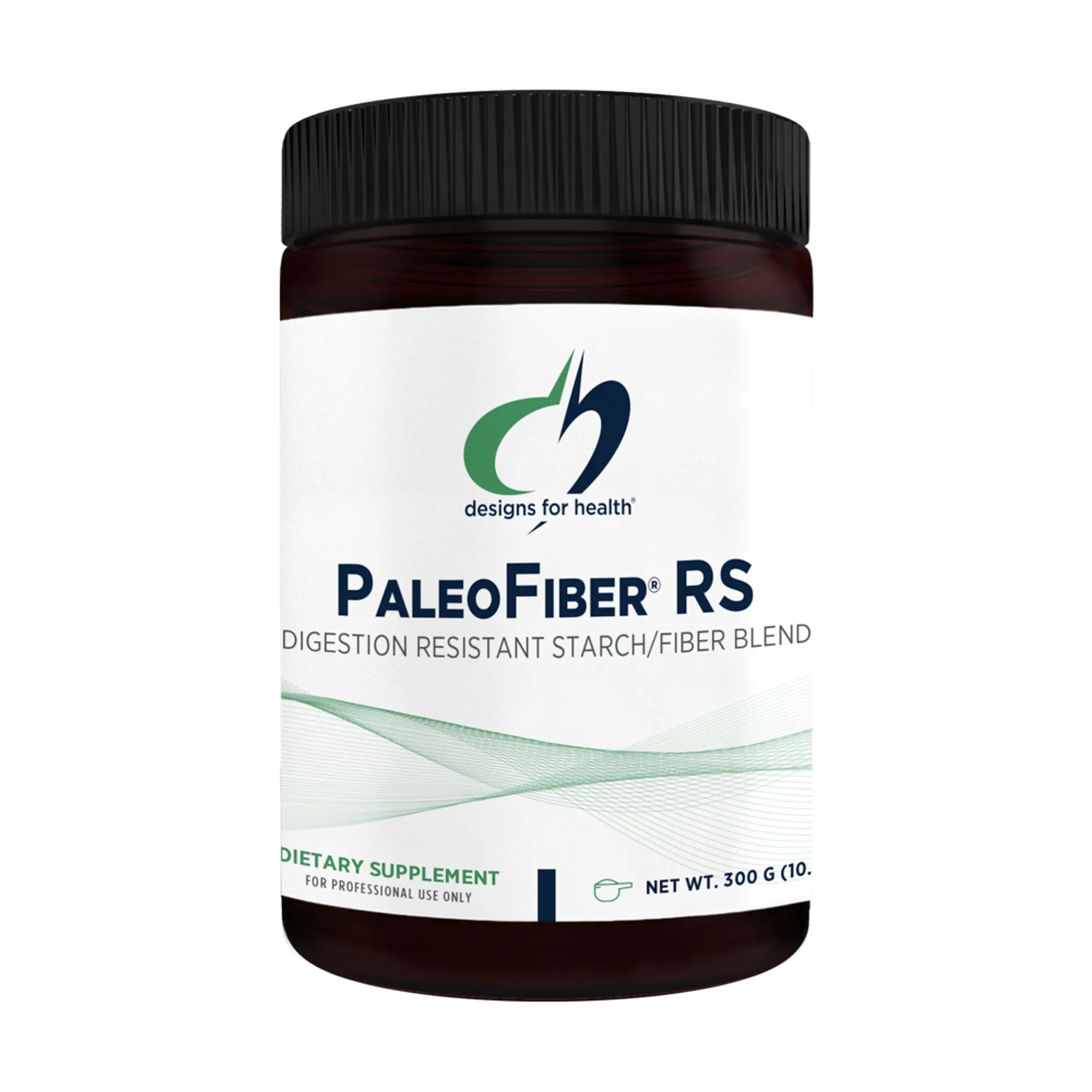
In the wake of the COVID-19 pandemic, researchers have discovered that chronic, complex illnesses are intimately linked to severe disruptions in our intestinal flora. When the delicate balance of beneficial bacteria is lost, it triggers a cascade of systemic inflammation, compromised immune function, and metabolic dysfunction. This is where targeted nutritional interventions can play a pivotal role. PaleoFiber® RS by Designs for Health is a specialized gastrointestinal support supplement designed to address these exact root-cause imbalances. By delivering a precise blend of resistant starch and prebiotic fibers, it aims to nourish the microbiome, repair the gut barrier, and modulate the immune system. In this comprehensive guide, we will explore the intricate biochemistry behind PaleoFiber® RS, examine how chronic illness disrupts the gut, and detail the clinical evidence supporting its use in complex condition management.
TL;DR
Gut microbiome dysbiosis is a key driver of systemic inflammation in Long COVID and ME/CFS.
PaleoFiber® RS provides resistant starch to feed beneficial, butyrate-producing bacteria in the gut.
Restoring butyrate helps seal the gut barrier, reducing systemic inflammation and neuroinflammation.
Start with a low dose and gradually titrate up to minimize gastrointestinal discomfort.
What is PaleoFiber® RS?
The Power of Resistant Starch Type II
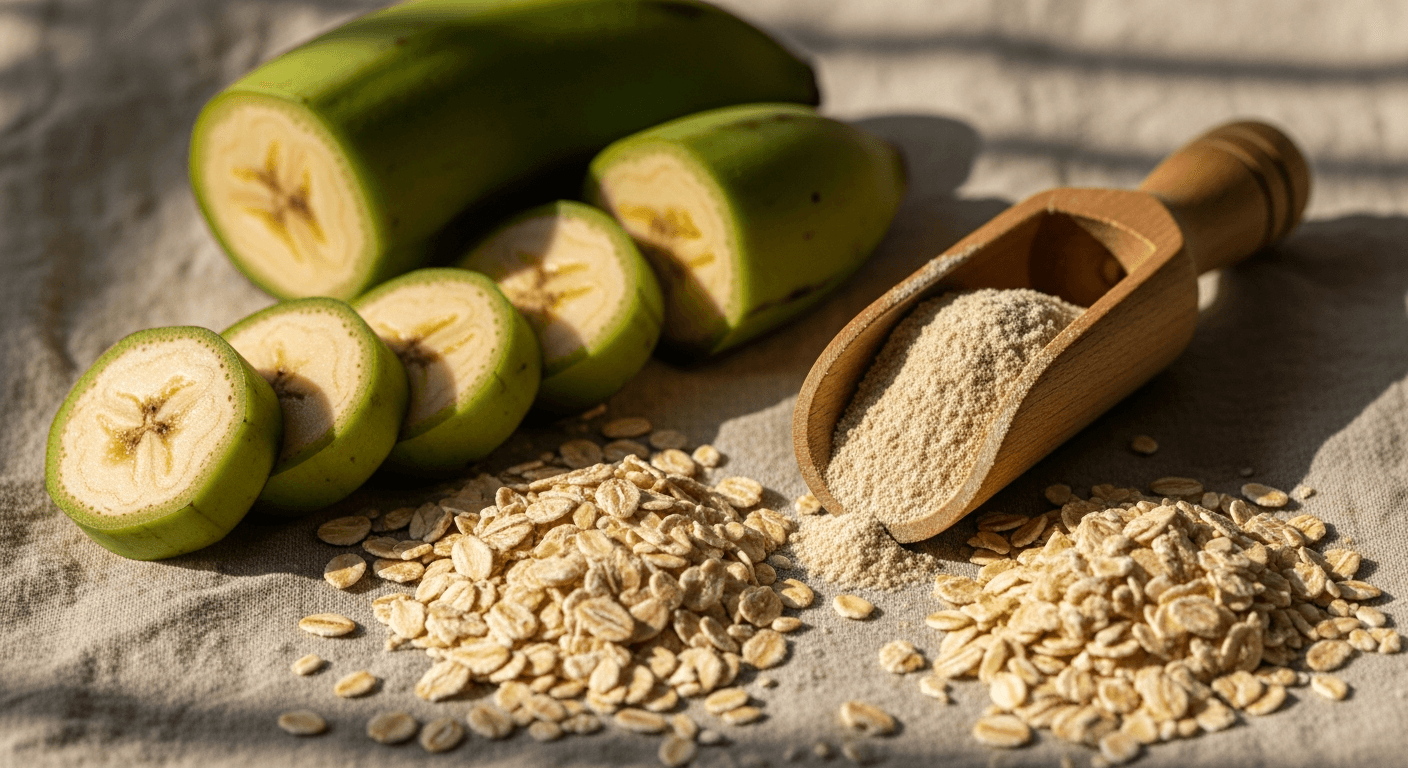
To understand how PaleoFiber® RS works, we must first look at its primary ingredients: organic green banana flour and organic potato starch powder. These ingredients are rich sources of Resistant Starch Type II (RS2). Unlike standard dietary carbohydrates that are rapidly broken down by amylase enzymes in the stomach and small intestine, resistant starch features a highly compact, crystalline molecular structure. This unique architecture allows it to completely evade human digestion. Instead of being absorbed as glucose in the upper gastrointestinal (GI) tract, RS2 travels intact all the way to the large intestine.
Once RS2 reaches the colon, it ceases to act as a human nutrient and instead becomes a premium, highly fermentable fuel source for our resident gut microbiota. However, breaking down raw RS2 granules is a complex task that requires specialized microbial machinery. Only a select few keystone bacteria, such as Ruminococcus bromii and Bifidobacterium adolescentis, possess the specific enzymatic complexes—known as amylasomes—required to attach to and degrade these tough crystalline structures. As these primary degraders ferment the resistant starch, they release intermediate metabolites, setting off a vital biological chain reaction.
Arabinogalactan and Immune Modulation
Alongside resistant starch, PaleoFiber® RS contains arabinogalactan, a highly branched, water-soluble polysaccharide sourced from the North American Larch tree (Larix laricina). In clinical nutrition, larch arabinogalactan is celebrated for its dual functionality as both a powerful prebiotic fiber and a targeted immune system modulator. Like resistant starch, arabinogalactan resists degradation by salivary and small intestinal enzymes, arriving in the colon ready to be fermented.
In the large intestine, arabinogalactan specifically stimulates the proliferation of beneficial Bifidobacteria and Lactobacilli species. But its influence extends far beyond simple bacterial growth. The gut houses approximately 70% of the body's immune system within the Gut-Associated Lymphoid Tissue (GALT). Research suggests that intact arabinogalactan molecules can interact directly with specialized immune transport cells, known as M-cells, located in the Peyer’s patches of the intestinal lining. By engaging with these cells, arabinogalactan helps "train" the immune system, enhancing the activity of macrophages and natural killer (NK) cells without overstimulating an already inflamed system.
The Synergy of the Proprietary Blend
The true efficacy of PaleoFiber® RS lies in the synergistic action of its proprietary blend. By combining RS2 from green bananas and potatoes with larch arabinogalactan and Creafibe cellulose, the formula provides a multi-tiered approach to gastrointestinal health. The total carbohydrate content is 8 grams per serving, yielding 5 grams of dietary fiber and a guaranteed 4 grams of total resistant starch. This specific ratio is designed to maximize microbial fermentation while minimizing the rapid gas production often associated with simpler prebiotic fibers like inulin.
Together, these ingredients facilitate a process known as microbial cross-feeding. The primary degraders break down the complex fibers into smaller molecules like acetate and lactate. These byproducts are then consumed by secondary fermenters—the crucial butyrate-producing bacteria. This collaborative microbial effort is essential for generating the short-chain fatty acids (SCFAs) that dictate the health of the intestinal lining, regulate systemic inflammation, and influence everything from blood sugar metabolism to neurological function.
How Long COVID and ME/CFS Impact the Gut Microbiome
Viral Infection and ACE2 Downregulation
To appreciate why a supplement like PaleoFiber® RS is relevant for patients with complex chronic illnesses, we must examine what causes Long COVID and how these conditions fundamentally alter the gastrointestinal landscape. The connection between a respiratory viral infection and chronic gut dysfunction begins at the cellular receptor level. The SARS-CoV-2 virus enters human cells by binding to Angiotensin-Converting Enzyme 2 (ACE2) receptors. While commonly associated with the lungs, ACE2 receptors are actually highly abundant in the epithelial cells lining the intestines, where they play a critical role in maintaining gut homeostasis and regulating amino acid transport.
When the virus binds to these receptors, it downregulates ACE2 expression, triggering a severe disruption in the gut's delicate ecosystem. This viral interference leads to profound gut microbiome dysbiosis, which is a key driver behind the gastrointestinal symptoms seen with Long COVID. The environment becomes hostile to beneficial, health-promoting bacteria, allowing opportunistic pathogens and pro-inflammatory microbes to overgrow and dominate the intestinal tract.
The Loss of Butyrate-Producing Bacteria
One of the most consistent and devastating findings in both Long COVID and ME/CFS research is the massive depletion of specific bacteria responsible for producing short-chain fatty acids (SCFAs). Landmark 2023 NIH-funded studies analyzing the microbiomes of ME/CFS patients revealed a severe deficiency in key butyrate-producing species, most notably Faecalibacterium prausnitzii and Eubacterium rectale. Similarly, meta-analyses of Long COVID patients have confirmed a pooled depletion of these exact same beneficial microbes.
This loss is catastrophic for systemic health. Butyrate is the primary energy source for colonocytes—the cells that line the colon. It provides up to 70% of their cellular energy requirements. Without a steady supply of butyrate generated by these specific bacteria, the colonocytes literally begin to starve. This energy crisis at the cellular level compromises the structural integrity of the entire gastrointestinal tract, setting the stage for cascading systemic failures.
Leaky Gut and Systemic Inflammation
When colonocytes are deprived of butyrate, the tight junction proteins (such as zonulin, occludin, and claudin) that normally seal the gaps between intestinal cells begin to degrade. This results in increased intestinal permeability, commonly referred to as "leaky gut." A compromised intestinal barrier allows bacterial endotoxins, such as lipopolysaccharides (LPS), and fungal components like beta-glucans, to translocate from the gut lumen directly into the systemic bloodstream.
Once these microbial toxins enter the blood, they bind to immune receptors (like TLR4) throughout the body, triggering a relentless release of pro-inflammatory cytokines, including IL-6 and TNF-alpha. This persistent, systemic immune activation is a core driver of the debilitating symptoms seen in Long COVID and ME/CFS. Furthermore, circulating endotoxins can cross the blood-brain barrier, leading to neuroinflammation that manifests clinically as severe brain fog, cognitive impairment, and disrupted sleep cycles. The gut dysfunction effectively creates a vicious cycle of inflammation that sustains the chronic illness.
PaleoFiber® RS: Supporting Gut Barrier and Immune Function
Fueling the Cross-Feeding Microbial Network
PaleoFiber® RS intervenes directly in this cycle of dysbiosis and inflammation by providing the exact substrates needed to rebuild a healthy microbiome. When the resistant starch from green bananas and potatoes enters the dysbiotic colon, it acts as a highly selective fertilizer. Because it requires specific enzymatic machinery to break down, it selectively feeds the primary degrading bacteria. As these bacteria thrive and multiply, they produce the intermediate metabolites (acetate, lactate, and oligosaccharides) required by the secondary fermenters.
This cross-feeding mechanism is crucial for patients navigating post-viral illness, especially when exploring can Long COVID trigger ME/CFS? Unraveling the connection. By supplying the foundational fuel, PaleoFiber® RS helps coax the depleted populations of butyrate-producing bacteria, like Faecalibacterium prausnitzii, back into abundance. As these secondary fermenters consume the intermediate metabolites, they resume the robust synthesis of butyrate, effectively restoring the gut's natural SCFA production factory that was dismantled by the initial viral infection or chronic stressor.
Restoring the Intestinal Barrier with Butyrate
The restoration of butyrate production is the linchpin of gastrointestinal healing. As butyrate levels rise, it is rapidly absorbed by the colonocytes via monocarboxylate transporters (MCTs). This influx of energy allows the intestinal cells to repair and upregulate the expression of tight junction proteins. By physically tightening the gaps between cells, butyrate effectively seals the "leaky gut," halting the translocation of bacterial endotoxins and fungal beta-glucans into the bloodstream.
Furthermore, butyrate exerts powerful localized anti-inflammatory effects. It lowers the pH of the colonic lumen, creating an acidic environment that naturally inhibits the growth of pathogenic bacteria like Enterococcus spp. and Desulfovibrio. It also stimulates the secretion of mucin, reinforcing the protective mucus layer that coats the intestinal lining. By securing the barrier and neutralizing local inflammation, PaleoFiber® RS helps cut off the systemic supply of pro-inflammatory triggers at their source.
Direct Immune Training via the GALT
While the resistant starch focuses on barrier repair and butyrate production, the arabinogalactan in PaleoFiber® RS actively modulates the immune response. Through its direct interaction with the Gut-Associated Lymphoid Tissue (GALT), arabinogalactan influences the behavior of dendritic cells and macrophages. This interaction promotes a balanced, adaptive immune response rather than a hyperactive, inflammatory one.
Clinical studies have demonstrated that larch arabinogalactan can significantly enhance the body's adaptive immune capacity, such as increasing IgG antibody responses to specific bacterial challenges, while simultaneously reducing the incidence of opportunistic upper respiratory infections. For patients with Long COVID or ME/CFS who often experience immune exhaustion or frequent secondary infections, this gentle, targeted immune support is invaluable.
Calming Mast Cells and Systemic Inflammation
Many individuals with complex chronic conditions also suffer from mast cell activation syndrome (MCAS), where immune cells inappropriately release histamine and other inflammatory mediators. Emerging research indicates that dietary fiber and its SCFA metabolites play a significant role in stabilizing these volatile cells. Butyrate has been shown to inhibit mast cell proliferation and reduce cytokine production by modulating the MAPK signaling pathway and altering histone deacetylase activity. By increasing colonic butyrate, PaleoFiber® RS may offer a downstream stabilizing effect on hyperactive mast cells, helping to reduce systemic allergic and inflammatory responses.
Symptoms PaleoFiber® RS May Help Manage
Because gut health is intimately connected to systemic immune and neurological function, restoring the microbiome with PaleoFiber® RS can have far-reaching effects. Patients dealing with Long COVID, ME/CFS, dysautonomia, and MCAS may find support for the following symptoms:
Severe Brain Fog and Cognitive Impairment: By sealing the gut barrier and preventing the translocation of bacterial endotoxins (LPS) into the bloodstream, resistant starch helps reduce the neuroinflammation that directly drives cognitive dysfunction and brain fog.
Post-Exertional Malaise (PEM) and Fatigue: Restoring butyrate-producing bacteria helps regulate systemic energy metabolism and reduces the chronic inflammatory burden that constantly drains cellular ATP, potentially raising the baseline threshold for exertion.
Gastrointestinal Distress (Bloating, Altered Motility): By lowering colonic pH and promoting beneficial flora, PaleoFiber® RS helps crowd out gas-producing pathogenic bacteria, supporting more regular, comfortable bowel movements and reducing visceral hypersensitivity.
Frequent Secondary Infections: The arabinogalactan component directly interacts with the GALT to enhance the phagocytic capacity of macrophages and boost adaptive immune responses, helping to support immune defense against opportunistic colds and infections.
Blood Sugar Dysregulation: Resistant starch slows the absorption of glucose in the GI tract and improves systemic insulin sensitivity (by lowering inflammatory cytokines like TNF-alpha), helping to stabilize the energy crashes associated with erratic blood sugar swings.
Histamine Intolerance and MCAS Flares: The increased production of butyrate exerts epigenetic controls (via histone deacetylase inhibition) that help stabilize mast cells, potentially reducing the severity and frequency of inappropriate histamine release.
Practical Considerations: Forms, Dosing, and Absorption
The Importance of Titration
When introducing a powerful prebiotic and resistant starch blend like PaleoFiber® RS, the most critical practical consideration is the concept of titration. Because the gut microbiomes of patients with Long COVID and ME/CFS are often severely depleted of the bacteria required to ferment these fibers, introducing a large dose immediately can overwhelm the system. If the primary degrading bacteria are scarce, the unfermented starch can cause temporary bloating, gas, and abdominal discomfort.
To avoid these side effects, it is highly recommended to start with a fraction of the suggested dose. The standard serving size is 10 grams (approximately one scoop) per day. However, sensitive patients should consider starting with just 1/4 or 1/2 of a scoop daily. Remain at this lower dose for several days to a week, allowing the populations of Ruminococcus bromii and Bifidobacteria time to multiply and adapt. As your tolerance improves and GI symptoms remain stable, gradually titrate up to the full 10-gram serving over the course of two to four weeks.
Mixing and Consumption Best Practices
PaleoFiber® RS is a versatile powder that can be easily incorporated into your daily routine. Because resistant starch type II maintains its structure best when it is not exposed to high heat, it is optimal to consume this supplement in cold or room-temperature preparations. Baking or cooking with the powder can alter the crystalline structure of the starch, potentially reducing its resistance to upper GI digestion and diminishing its prebiotic benefits.
For the best absorption and texture, mix the powder into a liquid using a blender or a shaker bottle to prevent clumping. It blends well into smoothies, almond milk, or water. Alternatively, it can be stirred into cold, soft foods such as dairy-free yogurt, applesauce, or gluten-free cereal. Taking the supplement alongside a meal that contains healthy fats and proteins can further support stable blood sugar metabolism and slow gastric emptying.
Expected Timeline and Biomarker Tracking
Modulating the gut microbiome is a gradual process that requires consistency. While some patients may notice improvements in bowel regularity or mild shifts in energy within the first two weeks, significant changes in systemic inflammation, brain fog, and immune resilience typically take 8 to 12 weeks of continuous use. This timeline aligns with the biological reality of cellular turnover and the time required to permanently shift microbial populations.
For patients working closely with a healthcare provider, tracking specific biomarkers can help quantify the supplement's impact. Advanced comprehensive stool analyses can monitor the recovery of butyrate-producing species like Faecalibacterium prausnitzii and measure fecal secretory IgA levels. Blood tests evaluating Zonulin-1 (a marker of leaky gut), lipopolysaccharide (LPS), and inflammatory cytokines (like hs-CRP and IL-6) can provide objective data on the restoration of the intestinal barrier and the reduction of systemic inflammation.
Follow the Science
Landmark 2023 ME/CFS Microbiome Studies
The scientific understanding of the microbiome's role in chronic fatigue was fundamentally transformed by two landmark, NIH-funded studies published simultaneously in Cell Host & Microbe in February 2023. The first study by researchers at Columbia University analyzed the microbiomes of 106 ME/CFS patients and found a profound, widespread deficiency in the microbial capacity to synthesize butyrate. They observed a direct inverse correlation between the abundance of Faecalibacterium prausnitzii and fatigue severity—meaning the lower the levels of this specific bacterium, the more severe the patient's daily fatigue.
The second study by The Jackson Laboratory categorized 154 ME/CFS patients by disease duration. They discovered that patients in the first four years of their illness exhibited the most severe gut microbiome dysbiosis, characterized by a drastic loss of microbial diversity and depleted butyrate producers. These studies firmly established that restoring SCFA-producing bacteria is not merely a supportive measure, but a critical therapeutic target for addressing the core pathophysiology of ME/CFS and related post-viral conditions.
Clinical Trials on Resistant Starch and Metabolism
Recent clinical trials have provided robust evidence for the metabolic and anti-inflammatory benefits of resistant starch type II. A highly cited 2024 randomized controlled trial published in Nature Metabolism evaluated the impact of 40 grams per day of RS2 on overweight adults over 8 weeks. The intervention group demonstrated significant improvements in glucose tolerance and insulin sensitivity. Crucially, the researchers linked these metabolic improvements directly to the reshaping of the gut microbiota, specifically noting a massive proliferation of beneficial Bifidobacterium adolescentis.
Furthermore, this trial revealed that alongside metabolic improvements, participants exhibited significantly lower levels of systemic pro-inflammatory cytokines, specifically serum tumor necrosis factor-alpha (TNF-α) and interleukin-1 beta (IL-1β). By healing the gut barrier and suppressing these inflammatory markers, resistant starch combats the systemic immune activation that exacerbates the symptoms of complex chronic illnesses.
Arabinogalactan and Adaptive Immunity
The immune-modulating properties of larch arabinogalactan have been rigorously tested in human clinical trials. A randomized, double-blind, placebo-controlled trial involving 199 healthy adults evaluated the impact of 4.5 grams of arabinogalactan per day over 12 weeks. The study found that the group taking the supplement experienced a statistically significant 23% decrease in the incidence of common cold episodes compared to the placebo group, demonstrating its ability to enhance frontline immune defenses.
In more targeted immune challenge models, researchers have investigated arabinogalactan's effect on adaptive immunity. A 2010 pilot study administered 4.5 grams of arabinogalactan daily to healthy adults prior to receiving a 23-valent pneumococcal vaccine. The supplemented group demonstrated a statistically significant increase in specific IgG antibody responses compared to the placebo group. This indicates that arabinogalactan directly interacts with the immune system to promote a more robust, targeted, and efficient adaptive response to pathogens.
The Path Forward
Rebuilding from the Inside Out
Living with the unpredictable and debilitating symptoms of Long COVID, ME/CFS, dysautonomia, or MCAS can often feel like fighting a battle on multiple fronts. When brain fog clouds your thinking, profound fatigue limits your mobility, and unpredictable GI distress dictates your diet, it is easy to feel overwhelmed by the sheer complexity of your illness. However, the emerging science surrounding the gut microbiome offers a profoundly validating and hopeful perspective: these symptoms are not in your head; they are rooted in measurable, physiological disruptions that can be targeted and supported.
A Comprehensive Approach to Chronic Illness
When navigating a complex illness, understanding how does a doctor diagnose Long COVID? is just the first step in a long journey. By focusing on foundational systems like the gut barrier and the microbiome, we can begin to address the root causes of systemic inflammation and immune dysregulation. PaleoFiber® RS offers a scientifically grounded tool to help rebuild this critical internal ecosystem. By providing the specific resistant starches and prebiotic fibers needed to fuel butyrate production, seal leaky gut, and modulate immune responses, it supports the body's innate capacity for healing and homeostasis.
It is important to remember that supplements are most effective when integrated into a comprehensive, holistic management strategy. Rebuilding the microbiome works best alongside careful symptom tracking, aggressive pacing to manage post-exertional malaise, and a nutrient-dense diet tailored to your specific tolerances. Always consult with your healthcare provider before introducing new supplements, especially if you have severe gastrointestinal conditions or are navigating complex medication regimens. By taking a patient, step-by-step approach to gut health, you can lay a stronger foundation for your overall recovery journey.