Can PaleoCleanse Plus™ Support Liver Detoxification in Long COVID and ME/CFS?
March 6, 2026
PaleoCleanse PlusLiver DetoxificationLong COVID
Share:
Disclaimer: The information provided here is for educational purposes only and is not intended as medical advice. It should not be used to diagnose, treat, cure, or prevent any medical condition. Instead, use it as a starting point for discussion with your healthcare provider. Always consult with a qualified healthcare provider before starting any new medication, supplement, device, or making changes to your health regimen.
When you live with a complex chronic illness like Long COVID, myalgic encephalomyelitis/chronic fatigue syndrome (ME/CFS), or mast cell activation syndrome (MCAS), your body is constantly fighting a battle on a microscopic level. The profound exhaustion, relentless brain fog, and unpredictable symptom flares aren't just "in your head"—they are the result of profound cellular stress and systemic metabolic dysfunction. One of the primary battlegrounds in this fight is your liver, the body's master detoxification organ. When the liver's intricate waste-removal systems become overwhelmed by viral debris, chronic inflammation, and oxidative stress, toxins build up, energy production plummets, and a vicious cycle of debilitating symptoms begins.
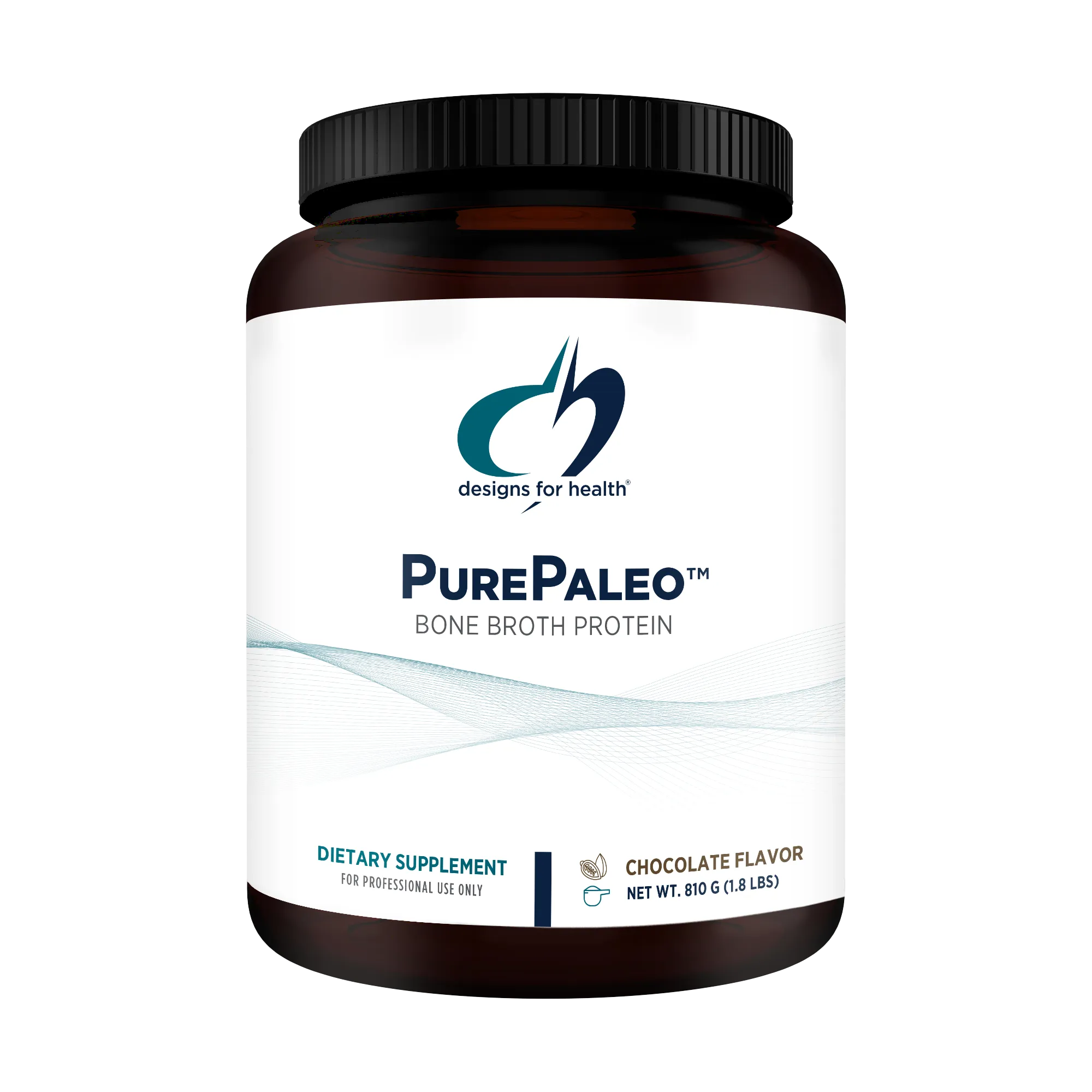
Understanding how to support your body's natural detoxification pathways can be a vital piece of the chronic illness management puzzle. PaleoCleanse Plus™ Chocolate 14 Day Detox Program by Designs for Health is a comprehensive functional food powder designed to provide the exact macro- and micronutrients, amino acids, and botanical extracts your liver needs to safely process and eliminate metabolic waste. In this article, we will explore the fascinating biochemistry of liver detoxification, how chronic post-viral illness disrupts these critical pathways, and how the targeted ingredients in PaleoCleanse Plus™ may help restore balance, reduce oxidative stress, and support your overall well-being.
TL;DR
Liver detoxification pathways can become overwhelmed by chronic illness, viral debris, and severe oxidative stress.
Recent studies show elevated oxidative stress and altered glutathione levels in ME/CFS and Long COVID patients.
PaleoCleanse Plus™ provides targeted amino acids and botanicals that may help synchronize liver detoxification phases.
Supporting the liver and gut microbiome may help manage fatigue, brain fog, and chemical sensitivities.
What is Liver Detoxification?
The liver is the body's primary filtration system, responsible for neutralizing and eliminating everything from environmental pollutants and medications to endogenous metabolic waste and excess hormones. Because most of these toxic substances are lipophilic (fat-soluble), they cannot be easily excreted in urine or bile. To safely remove them, the liver relies on a highly coordinated, energy-intensive enzymatic system divided into three primary phases: Phase 1 (Functionalization), Phase 2 (Conjugation), and Phase 3 (Elimination).
Phase 1: The Sorting and Modification Department
Phase 1 is the first line of defense, governed primarily by the Cytochrome P450 (CYP450) superfamily of enzymes located in the endoplasmic reticulum of hepatocytes (liver cells). The goal of Phase 1 is to chemically modify a fat-soluble toxin by adding or unmasking a reactive functional group, such as a hydroxyl (-OH), carboxyl (-COOH), or amino (-NH2) group. This process slightly increases the water solubility of the compound but, more importantly, provides a "chemical handle" for Phase 2 enzymes to grab onto.
However, this process creates a dangerous paradox: the intermediate metabolites produced in Phase 1 are often more chemically reactive and highly toxic than the original parent compound. Furthermore, CYP450 reactions inherently generate large amounts of reactive oxygen species (ROS), or free radicals. If these highly reactive intermediates are not rapidly processed by the next phase, they can cause severe oxidative stress, damaging cellular membranes, proteins, and mitochondrial DNA. To function safely, Phase 1 requires specific nutritional cofactors, including B vitamins (like riboflavin and niacin) and a robust supply of antioxidants (such as vitamins A, C, E, zinc, and selenium) to neutralize the free radicals generated during the modification process.
Phase 2: The Packaging and Conjugation Department
Phase 2 acts as the cleanup crew. It involves conjugation—the attachment of a bulky, highly water-soluble endogenous molecule to the reactive "handle" created in Phase 1. This neutralizes the toxic intermediate and dramatically increases its hydrophilicity (water solubility), tagging it for safe excretion. Phase 2 is highly energy-dependent, requiring significant ATP (cellular energy) to function, which is why mitochondrial health is so closely tied to liver function.
There are several major Phase 2 pathways, including glucuronidation, sulfation, methylation, acetylation, and glutathione conjugation. These pathways rely entirely on the availability of specific dietary substrates and amino acids to perform their jobs. For example, glutathione conjugation requires the body's master antioxidant, glutathione, to neutralize highly dangerous electrophilic intermediates. If the body is depleted of these essential building blocks—like sulfur-containing amino acids, glycine, or taurine—Phase 2 stalls. When Phase 2 cannot keep up with Phase 1, the toxic intermediates build up, leading to systemic inflammation, tissue damage, and profound fatigue.
Phase 3: The Transport and Elimination Network
While historically focused only on Phase 1 and 2, modern biochemistry now acknowledges Phase 3, which utilizes antiporter proteins (like P-glycoprotein) to actively pump the newly conjugated, water-soluble toxins out of the liver cells. These toxins are pumped either into the bile canaliculi to be sent to the intestines or into the bloodstream for eventual excretion by the kidneys.
Phase 3 requires a healthy gastrointestinal tract to function properly. If the gut microbiome is severely dysbiotic or if there is insufficient dietary fiber to bind the toxins in the bile, these conjugated toxins can be deconjugated by harmful gut bacteria and reabsorbed into the bloodstream—a process known as enterohepatic recirculation. This places the burden right back on the liver, creating an endless loop of toxicity.
How Chronic Illness Impacts Detoxification Pathways
In healthy individuals, Phase 1 and Phase 2 pathways remain perfectly synchronized. However, in post-viral and complex chronic illnesses, this delicate balance is often shattered. A central, interconnected theme in both Long COVID and ME/CFS is the triad of mitochondrial oxidative stress, liver dysfunction, and overwhelmed detoxification pathways.
The Burden of Oxidative Stress and Viral Debris
At the core of these conditions is profound mitochondrial dysfunction. Damaged mitochondrial electron transport chains "leak" electrons, causing the spurious reduction of molecular oxygen into highly toxic reactive oxygen species (ROS). This massive oxidative load alters the body's natural antioxidant reserves. Recent research shows elevated glutathione levels in ME/CFS and Long COVID patients, indicating the body is mounting a massive response to ongoing oxidative stress and lipid damage. When the liver's Phase 2 conjugation pathways cannot keep up with the toxic intermediates being produced by Phase 1 or the ongoing viral debris (such as persistent spike proteins) circulating in the body, a dangerous bottleneck occurs.
A landmark ME/CFS and Long COVID study found signs of elevated oxidative stress, including elevated glutathione levels and decreases in mitochondrial superoxide dismutase. This suggests that the body is under immense oxidative stress and experiencing glutathione peroxidase 4 mediated lipid oxidative damage. The liver is desperately trying to clear toxins, but without adequate energy and antioxidant reserves, it begins to fail at a cellular level.
Urea Cycle Disruption and Neurotoxicity
Another critical aspect of liver dysfunction in chronic illness is the disruption of the urea cycle. The urea cycle is a liver-dependent pathway responsible for detoxifying nitrogen and ammonia. Metabolomic studies in ME/CFS show elevated Ornithine-to-Citrulline and Arginine-to-Citrulline ratios, indicating profound urea cycle disruption.
When the urea cycle is impaired, the liver cannot properly clear ammonia. Ammonia is a potent neurotoxin that crosses the blood-brain barrier, contributing heavily to the severe brain fog, cognitive dysfunction, and neurological fatigue experienced by many patients. This highlights how liver dysfunction directly translates to neurological symptoms in post-viral syndromes.
The Gut-Liver Axis and Systemic Endotoxemia
The burden on the liver is heavily exacerbated by the gastrointestinal system. Both Long COVID and ME/CFS are frequently associated with pronounced intestinal dysbiosis and "leaky gut" (intestinal permeability). When the gut barrier is compromised, bacterial endotoxins (like lipopolysaccharides or LPS) and inflammatory metabolites leak directly into the portal circulation, traveling straight to the liver.
This constant influx of endotoxins forces the liver into overdrive, triggering an immune response within the liver itself via Kupffer cells (specialized liver macrophages). This localized inflammation further suppresses the expression of critical Phase 1 and Phase 2 detox enzymes. When the liver's detox pathways are overwhelmed by this "double hit" of mitochondrial oxidative stress and gut-derived endotoxemia, toxins recirculate systemically, driving the chronic immune activation characteristic of these debilitating illnesses.
PaleoCleanse Plus™: Supporting Comprehensive Detoxification
PaleoCleanse Plus™ Chocolate is formulated to address the specific bottlenecks that occur when detoxification pathways are overwhelmed. By providing a comprehensive blend of macro- and micronutrients, amino acids, and targeted botanicals, it aims to synchronize Phase 1 and Phase 2, ensuring that toxins are safely neutralized and eliminated rather than recirculating and causing cellular damage.
Modulating Phase 1 with Targeted Botanicals
One of the primary goals of clinical detoxification support is to prevent Phase 1 from outpacing Phase 2. PaleoCleanse Plus™ includes Green Tea Extract (standardized to 45% EGCG) and Quercetin, two potent plant polyphenols known as "dual-phase optimizers." Research demonstrates that EGCG and Quercetin can mildly inhibit specific overactive Phase 1 CYP450 enzymes, such as CYP1A1 and CYP3A4. By gently slowing down the "sorting department," these botanicals prevent the liver from being flooded with highly reactive, toxic intermediates, easing the oxidative burden.
Simultaneously, these polyphenols act as powerful free-radical scavengers, neutralizing the oxidative stress generated during Phase 1. They also activate the Nrf2 pathway, a master transcription factor that binds to the Antioxidant Response Element (ARE) in the DNA. This effectively "turns on" the genes responsible for producing Phase 2 detox enzymes and endogenous antioxidants, preparing the liver for the next step of the process.
Supercharging Phase 2 Conjugation with Amino Acids
To ensure Phase 2 can efficiently process the intermediates handed off by Phase 1, the liver requires specific amino acids. PaleoCleanse Plus™ provides a robust profile of these essential building blocks, including Glycine (750 mg), Taurine (100 mg), and L-Cysteine (via 75 mg of N-Acetyl-L-Cysteine or NAC). Clinical trials have shown that NAC is the direct, rate-limiting precursor to glutathione, the body's master antioxidant. By supplying NAC and L-Glutathione directly, this formula replenishes the depleted reserves necessary for glutathione conjugation, a critical pathway for neutralizing heavy metals and post-viral oxidative stress.
Furthermore, Taurine is vital for binding to bile acids and neutralizing harmful free radicals. Recent metabolomic profiling has identified low plasma taurine as a biomarker in ME/CFS and Long COVID, linking it to severe neurocognitive symptoms. By supplying Taurine alongside Glycine, the formula ensures the liver has the exact substrates needed to make toxins water-soluble for safe excretion. The inclusion of L-Methionine and Methylsulfonylmethane (MSM) further supports the sulfation and methylation pathways, which are critical for clearing excess histamine and neurotransmitters.
Hepatoprotection and Phase 3 Elimination
To protect the liver cells themselves, the formula includes Milk Thistle Extract (standardized to 80% silymarin). Extensive pharmacological studies show that silymarin stabilizes the outer membrane of liver cells, preventing toxins from penetrating the interior. It also aggressively neutralizes the reactive oxygen species produced during Phase 1 and drastically boosts hepatic glutathione levels by increasing the availability of cysteine.
Finally, to support Phase 3 (elimination), the inclusion of Glucomannan (500 mg)—a highly viscous, soluble dietary fiber derived from the konjac root—acts as a bulk-forming binder in the gut. Once the liver deposits processed toxins into the bile, Glucomannan traps these toxins and excess cholesterol in the digestive tract. This ensures they are safely eliminated in bowel movements rather than being reabsorbed through a "leaky gut." This comprehensive approach ensures that toxins are cleared from the body entirely.

Symptoms PaleoCleanse Plus™ May Help Manage
When liver detoxification pathways are overwhelmed, the resulting systemic toxicity and oxidative stress can drive a wide array of debilitating symptoms. Supporting these pathways with the specific nutrients in PaleoCleanse Plus™ may help manage several key issues associated with chronic illness:
Targeting Severe Fatigue and PEM
Severe fatigue and post-exertional malaise (PEM) are hallmark symptoms of both Long COVID and ME/CFS. These symptoms are driven by mitochondrial failure. By supplying L-Carnitine (500 mg), the formula helps transport long-chain fatty acids into failing mitochondria. This supports the cellular ATP energy production required by the liver to carry out energy-intensive Phase 2 conjugation, ultimately reducing physical exhaustion and metabolic bottlenecks.
Alleviating Brain Fog and Neuroinflammation
Cognitive dysfunction, often described as "brain fog," is frequently linked to neuroinflammation and the buildup of neurotoxic ammonia due to urea cycle disruption. Ingredients like NAC and Taurine help replenish brain glutathione levels, providing neuroprotection against oxidative stress. Furthermore, by supporting the liver's ability to clear ammonia and other metabolic waste, these amino acids may help alleviate neuroinflammation and improve mental clarity.
Managing Chemical and Food Sensitivities
Many patients with complex chronic illnesses develop secondary conditions like mast cell activation syndrome (MCAS), leading to severe chemical and food sensitivities. A sluggish Phase 2 pathway can lead to the buildup of histamine and environmental toxins. Providing the specific amino acids needed for conjugation (like Glycine, Methionine, and Cysteine) helps the liver clear these triggers more efficiently, potentially reducing the severity of allergic-type reactions.
Supporting the Gut-Liver Axis
Gastrointestinal distress is incredibly common in post-viral syndromes. The prebiotic fiber Glucomannan helps bind toxins in the gut for elimination while simultaneously feeding beneficial microbiome flora. This dual action supports the repair of the gut-liver axis, reducing the amount of endotoxins that leak into the portal vein and easing the localized inflammation within the liver itself.
Practical Considerations: Forms, Dosing, and Absorption
When utilizing a comprehensive functional food powder like PaleoCleanse Plus™ Chocolate, understanding how to incorporate it effectively is key to maximizing its benefits while minimizing potential discomfort. Because detoxification is a powerful physiological process, it must be approached with care, especially in sensitive patient populations.
Dosing and Preparation Guidelines
PaleoCleanse Plus™ is designed as a 14-day program. Because it contains a robust 18 grams of protein alongside 110 calories per serving, it is often used as a meal replacement or a substantial nutritional shake. The powder should be mixed thoroughly with water or a non-dairy milk alternative. Because it contains Glucomannan, a highly viscous fiber that rapidly absorbs water, it is crucial to drink the shake immediately after mixing. Furthermore, you must consume plenty of additional water throughout the day to prevent gastrointestinal blockages and ensure smooth bowel elimination of the bound toxins.
Bioavailability and Nutrient Forms
Designs for Health utilizes highly bioavailable forms of micronutrients in this formula to ensure optimal absorption, even in individuals with compromised digestion or genetic polymorphisms. For example, it includes Quatrefolic® (methylated folate) and Methylcobalamin (methylated B12), which are essential for the methylation Phase 2 pathway and bypass common MTHFR genetic mutations. The minerals, such as magnesium, zinc, and copper, are provided as TRAACS® bisglycinate chelates, which are bound to amino acids to enhance their transport across the intestinal wall and minimize gastric upset.
Timing, Pacing, and Potential Interactions
Detoxification programs should be approached carefully, especially for those with severe ME/CFS or Long COVID. Mobilizing toxins too quickly can sometimes trigger a temporary exacerbation of symptoms, often called a Herxheimer reaction or a "detox crash." It is highly recommended to start with a partial dose (e.g., a quarter or half scoop) to assess tolerance before working up to the full recommended serving.
Additionally, because ingredients like Milk Thistle (Silymarin) and Green Tea Extract can mildly modulate CYP450 enzymes, they may alter the metabolism of certain pharmaceutical medications. Always consult your healthcare provider before beginning a detox program, especially if you are taking prescription drugs with a narrow therapeutic index, to ensure there are no contraindications.

Follow the Science
The scientific rationale for supporting liver detoxification in chronic post-viral illnesses is robust and rapidly expanding. Researchers are increasingly recognizing that addressing oxidative stress, mitochondrial failure, and metabolic bottlenecks is crucial for recovery.
Evidence for Amino Acid Support in Chronic Illness
The use of targeted amino acids to restore Phase 2 conjugation is a major focus of current research. A Phase 2 clinical trial at Cornell University is currently investigating the use of high-dose NAC (up to 3,600 mg/day) in ME/CFS patients. The trial uses advanced MRI and Magnetic Resonance Spectroscopy (MRS) imaging to measure whether NAC can successfully restore cortical glutathione levels in the brain and lower systemic markers of oxidative stress.
Similarly, a major clinical trial funded by the Canadian Institutes of Health Research is testing high-dose Taurine supplementation (1,350 mg daily) for Long COVID. This trial is based on metabolomic data showing a decreasing trajectory of taurine levels in Long COVID patients, where depleted taurine correlates strongly with severe neurocognitive issues, vascular dysfunction, and fatigue.
Evidence for Botanical Modulators and Hepatoprotection
The hepatoprotective effects of botanicals like Silymarin (Milk Thistle) are well-documented in clinical literature. A narrative review has discussed how silymarin can support liver health by acting as a free radical scavenger and potentially reducing elevated liver enzymes (ALT and AST) while halting hepatocellular damage.
Furthermore, the combination of Quercetin and EGCG has been shown in in vivo studies to effectively suppress overactive Phase 1 enzymes (like CYP2E1 and CYP3A) while upregulating Phase 2 GST and UGT enzymes. This provides a scientifically validated mechanism for their inclusion in detox protocols, as they act as the "factory managers" that slow down the sorting of toxins while speeding up their safe packaging and elimination.
Evidence for Mitochondrial and Energy Support
Finally, the inclusion of L-Carnitine is supported by its role in mitochondrial and energy support. L-Carnitine is traditionally used to restore the transport of long-chain fatty acids into the mitochondria. This addresses the profound energy deficit at the cellular level, providing the liver with the ATP it desperately needs to carry out Phase 2 conjugation.
The Path Forward
Living with the relentless fatigue, cognitive dysfunction, and unpredictable flares of Long COVID, ME/CFS, or MCAS is an exhausting reality. When your body's natural systems are overwhelmed, it is completely validating to recognize that your symptoms are rooted in profound physiological and biochemical stress—not a lack of willpower. Supporting your liver's intricate detoxification pathways is a tangible, science-backed way to help your body clear the metabolic debris and oxidative stress that drive these conditions.
A Holistic Approach to Recovery
While no single supplement is a cure for complex chronic illness, providing your body with the exact macro- and micronutrients, amino acids, and botanical modulators it needs can be a powerful component of a comprehensive management strategy. Detoxification support works best when integrated into a broader protocol. Alongside meticulous pacing to avoid post-exertional malaise, symptom tracking, and targeted medical care, optimizing your detox pathways may help restore cellular energy and improve your daily quality of life.
Consulting Your Care Team
Because chronic illnesses are highly individualized, what works for one person may need to be adjusted for another. Working closely with a healthcare provider who understands the nuances of post-viral syndromes and functional medicine is essential. They can help you determine the right dosage, monitor your progress, and ensure that a comprehensive detox program like PaleoCleanse Plus™ fits safely into your unique treatment plan.
Disclaimer: This information is for educational purposes only and is not intended to diagnose, treat, cure, or prevent any disease. Always consult your healthcare provider before starting any new supplement or detoxification program, especially if you have a complex chronic condition or are taking prescription medications.