Can OsteoPrev Support Bone Density for Long COVID and ME/CFS Patients?
March 6, 2026
OsteoPrevLong COVIDBone Health
Share:
Disclaimer: The information provided here is for educational purposes only and is not intended as medical advice. It should not be used to diagnose, treat, cure, or prevent any medical condition. Instead, use it as a starting point for discussion with your healthcare provider. Always consult with a qualified healthcare provider before starting any new medication, supplement, device, or making changes to your health regimen.
Months or even years after recovering from an acute SARS-CoV-2 infection, many people find themselves fighting a complex web of debilitating symptoms known as Long COVID. While profound fatigue, brain fog, and autonomic dysfunction often dominate the clinical picture, a silent but equally devastating consequence is frequently overlooked: the rapid deterioration of bone mineral density. What was initially recognized as a respiratory virus is now understood to cause long-term, systemic inflammation that directly disrupts the skeletal system, leaving many patients vulnerable to unexplained bone pain and an accelerated risk of osteoporosis.
For individuals living with complex chronic conditions like Long COVID, myalgic encephalomyelitis/chronic fatigue syndrome (ME/CFS), and dysautonomia, the skeletal system faces a "perfect storm" of viral inflammation, nutritional depletion, and the unavoidable physical immobility that accompanies severe post-exertional malaise (PEM). When the body is locked in a state of chronic immune activation, the delicate balance between bone breakdown and bone formation is shattered. Addressing this hidden structural decline requires more than just standard calcium supplements; it requires a comprehensive, highly bioavailable approach to skeletal remodeling.
What is OsteoPrev?
A Comprehensive Approach to Skeletal Strength
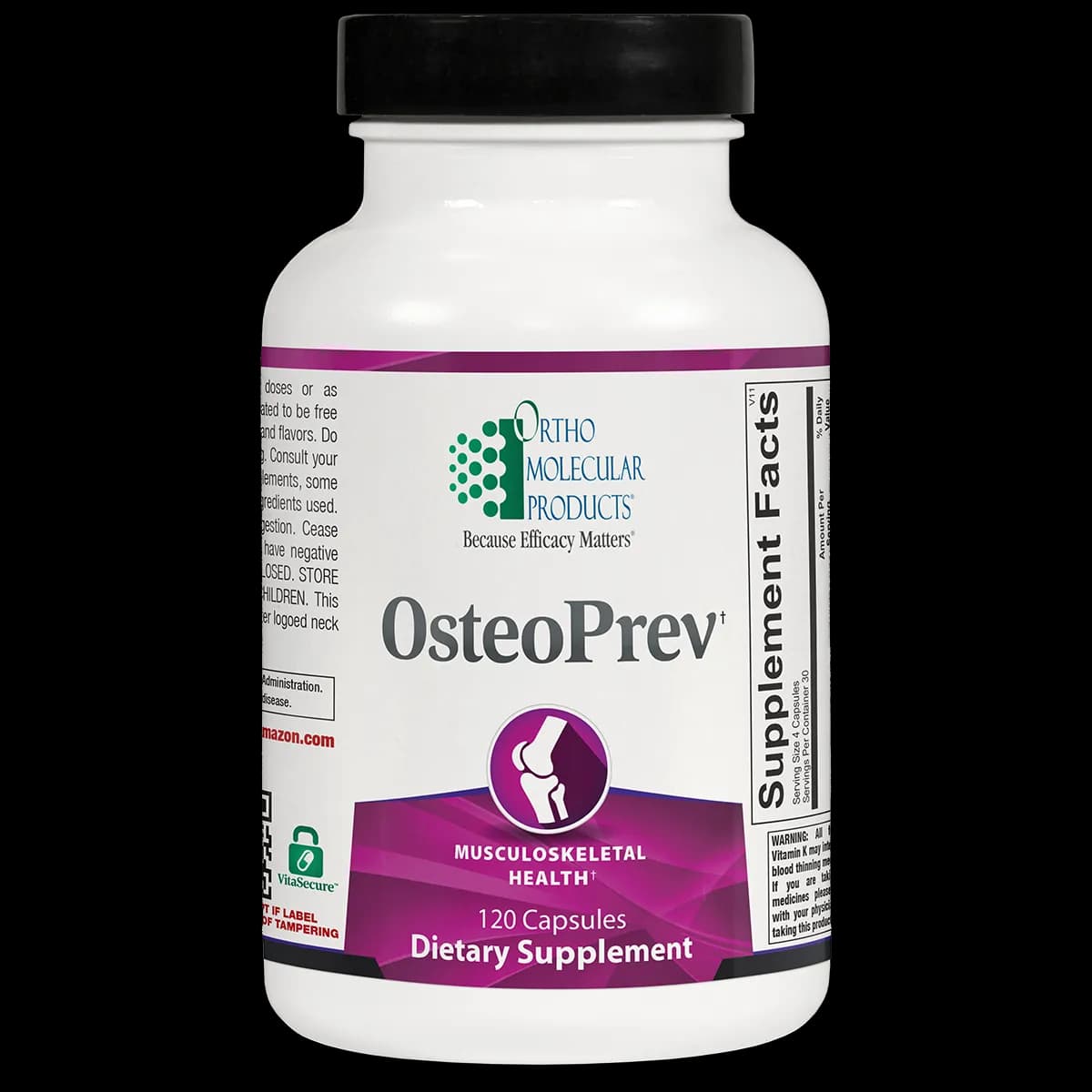
OsteoPrev is an advanced, targeted nutritional formulation specifically designed to help maintain and support healthy bone mineral density (BMD) and overall skeletal strength. Unlike conventional, single-ingredient bone supplements that rely on poorly absorbed rock salts, OsteoPrev provides a complex matrix of vitamins, phytonutrients, and fully reacted chelated minerals. This comprehensive approach mirrors the biological complexity of human bone tissue, which requires a precise symphony of cofactors to rebuild its structural matrix and maintain its mechanical elasticity.
At the core of this formulation is a robust mineral profile featuring highly bioavailable forms of calcium, phosphorus, and magnesium. Bone is a dynamic, living tissue that constantly undergoes a process called remodeling, where old bone is broken down and replaced with new tissue. To support this continuous cycle, OsteoPrev supplies Calcium Hydroxyapatite and Dicalcium Malate, alongside Phosphorus, which together form the primary mineral crystals that give bone its rigid strength. Furthermore, it includes a sophisticated magnesium blend—featuring DiMagnesium Malate, Magnesium Citrate, and Magnesium Lysinate Glycinate—to ensure optimal cellular energy production and structural integrity.
Beyond its foundational minerals, OsteoPrev is engineered to address the enzymatic and hormonal pathways that dictate where these minerals are deposited. It includes essential trace minerals like selenium, copper, manganese, and molybdenum, which act as critical cofactors for the enzymes responsible for synthesizing the bone's collagen matrix. This multi-tiered approach ensures that the body not only has the raw materials needed to build bone but also the biological signals required to utilize them effectively.
The Power of Chelated Minerals
One of the most defining features of OsteoPrev is its utilization of Albion® TRAACS® chelated minerals. TRAACS stands for The Real Amino Acid Chelate System, a patented manufacturing process that chemically bonds elemental minerals to amino acids, typically glycine. This process creates a "fully reacted" bisglycinate chelate, a stable, neutrally charged organic molecule with a very low molecular weight. By wrapping the mineral in amino acids, the TRAACS technology essentially disguises the mineral as a protein, allowing it to bypass the harsh, competitive environment of the digestive tract.
Conventional inorganic mineral salts, such as calcium carbonate or magnesium oxide, carry an electrical charge that makes them highly susceptible to binding with dietary "anti-nutrients" like phytates (found in grains) and oxalates (found in leafy greens). Once bound, these minerals form insoluble complexes that are excreted from the body rather than absorbed. Because Albion chelated minerals are neutrally charged, they do not react with these dietary blockers, ensuring that a significantly higher percentage of the mineral actually reaches the bloodstream.
Furthermore, these chelated minerals utilize dedicated amino acid transport channels (such as the PEPT1 dipeptide transporter) in the intestinal wall. This prevents different minerals from competing for the same absorption pathways, a common issue in multi-mineral supplements. The result is unparalleled bioavailability and a dramatic reduction in the gastrointestinal distress—such as bloating, constipation, or diarrhea—that frequently accompanies standard mineral supplementation.
Synergistic Vitamins and Phytonutrients
To orchestrate the proper utilization of these minerals, OsteoPrev includes highly active forms of essential bone-building vitamins. It features Vitamin D3 (Cholecalciferol), which is absolutely vital for the intestinal absorption of calcium, alongside a potent dose of Vitamin K2 as Menaquinone-7 (MenaQ7®PRO). While Vitamin D ensures calcium enters the bloodstream, Vitamin K2 acts as the biological traffic cop, directing that calcium into the bone matrix and keeping it out of soft tissues and arterial walls.
The formulation is further enhanced by the inclusion of Ipriflavone, a synthetic isoflavone derived from natural plant compounds, which has been studied for its ability to modulate the bone remodeling process. Additionally, it contains Boron, a trace mineral that plays a profound role in extending the biological half-life of Vitamin D and supporting steroid hormone regulation. Finally, the inclusion of Quatrefolic®, a highly bioavailable form of folate, supports healthy methylation pathways, which are essential for managing homocysteine levels—a known risk factor for bone degradation.
How Long COVID and Chronic Illness Impact Bone Health
The Viral Inflammatory Storm and Bone Resorption
To understand why a respiratory virus can cause profound skeletal damage, we must look at the emerging field of osteoimmunology—the study of the intricate crosstalk between the immune system and bone metabolism. When an individual contracts SARS-CoV-2, the immune system often launches a hyperactive response, flooding the body with pro-inflammatory cytokines such as Interleukin-6 (IL-6) and Tumor Necrosis Factor-alpha (TNF-α). In patients who develop Long COVID, this inflammatory storm fails to resolve, leaving the body in a state of chronic, low-grade immune activation.
This persistent systemic inflammation directly disrupts the RANKL/OPG signaling pathway, which is the master regulator of bone remodeling. RANKL is a protein that stimulates the formation and activity of osteoclasts, the cells responsible for breaking down and resorbing old bone tissue. Conversely, OPG (osteoprotegerin) acts as a decoy receptor that neutralizes RANKL, protecting the bone. The chronic inflammation seen in Long COVID heavily skews this ratio, causing a massive surge in osteoclast activity while simultaneously suppressing the osteoblasts that build new bone.
Recent research from the Cleveland Clinic has also identified that a specific SARS-CoV-2 viral protein, known as ORF8, directly triggers this harmful skeletal inflammation. By mimicking natural immune signals, the ORF8 protein accelerates the differentiation of osteoclasts, leading to rapid, systemic bone breakdown. This virally induced osteoclast surge explains why up to 25% of individuals living with Long COVID report persistent, deep bone pain and why clinical studies show a steadily increasing risk of osteoporosis in the years following infection.
The Compounding Effects of PEM and Immobility
Beyond direct viral inflammation, the defining symptoms of Long COVID and ME/CFS create a secondary crisis for the skeletal system. One of the hallmark features of these conditions is post-exertional malaise (PEM), a severe and prolonged exacerbation of symptoms following even minor physical or cognitive exertion. Because pushing through fatigue can trigger debilitating crashes, patients are often forced into periods of prolonged bed rest and drastically reduced physical activity.
Bone is a mechanically responsive tissue that requires regular weight-bearing stress to maintain its density and strength—a principle known as Wolff's Law. When the mechanical loading of daily activity is removed due to chronic illness, the body quickly begins to dismantle the skeletal matrix, a process known as disuse osteopenia. This lack of physical stress signals the osteocytes (the bone's mechanosensor cells) to increase the production of sclerostin, a protein that aggressively halts new bone formation.
This immobility is frequently accompanied by sarcopenia, the rapid loss of muscle mass and function. Because muscles attach directly to bones, the loss of muscle strength further reduces the mechanical tension exerted on the skeleton. For patients living with Long-Term COVID, this creates a vicious cycle: viral inflammation breaks the bone down from the inside, while the lack of physical movement strips it of the mechanical signals needed to rebuild.
Corticosteroids and Secondary Bone Loss
Another critical factor contributing to bone density loss in the chronic illness community is the history of medical treatments used during the acute phase of the infection. High-dose corticosteroids, such as dexamethasone, were widely utilized as life-saving interventions for severe COVID-19 cases to suppress the acute inflammatory storm. While highly effective for lung function, these medications are notoriously toxic to bone tissue.
Glucocorticoid-induced osteoporosis is a well-documented phenomenon characterized by a rapid and profound decrease in bone formation. Steroids directly trigger the apoptosis (programmed cell death) of bone-building osteoblasts and osteocytes, while simultaneously decreasing the intestinal absorption of calcium. For patients who required these treatments, the skeletal damage inflicted during the acute infection can continue to manifest as severe fragility and bone density loss years into their Long COVID journey.
OsteoPrev: Supporting Bone Density and Cellular Function
Vitamin K2 (MK-7) and Osteocalcin Activation
To counteract the rapid bone resorption driven by chronic inflammation, OsteoPrev utilizes Vitamin K2 as Menaquinone-7 (MK-7), a nutrient that operates at the very core of bone mineralization. While osteoblasts produce the structural matrix of the bone, they also secrete a crucial vitamin K-dependent protein called osteocalcin. When first synthesized, osteocalcin is in an inactive, "uncarboxylated" state, meaning it lacks the chemical ability to bind to calcium ions in the bloodstream.
Vitamin K2 acts as an essential enzymatic cofactor for the enzyme gamma-glutamyl carboxylase. This enzyme facilitates a process called gamma-carboxylation, which converts glutamic acid (Glu) residues on the osteocalcin molecule into gamma-carboxyglutamic acid (Gla) residues. This molecular transformation activates the osteocalcin, giving it a high affinity for calcium. Once activated, osteocalcin acts like a biological claw, grabbing calcium from the blood and physically anchoring it into the hydroxyapatite matrix of the bone.
The MK-7 form of Vitamin K2 used in OsteoPrev is particularly critical because of its exceptional pharmacokinetics. Unlike Vitamin K1, which has a half-life of only 1 to 2 hours and is rapidly cleared by the liver, MK-7 has a much longer carbon side chain, granting it a biological half-life of 2 to 3 days. This prolonged circulation allows MK-7 to accumulate steadily in extrahepatic tissues like bone, providing continuous, round-the-clock activation of osteocalcin and ensuring that calcium is directed into the skeleton rather than calcifying in the arteries.
The Synergistic Dance of Vitamin D3 and Boron
While Vitamin K2 directs calcium into the bone, Vitamin D3 (Cholecalciferol) is responsible for ensuring that calcium enters the body in the first place. Vitamin D acts as a secosteroid hormone, binding to receptors in the intestinal lining to dramatically upregulate the active transport of dietary calcium into the bloodstream. However, in patients with chronic inflammatory conditions, Vitamin D metabolism is frequently dysregulated, leading to persistent deficiencies despite standard supplementation.
To address this, OsteoPrev includes the trace mineral Boron, which plays a profound and scientifically validated role in extending the biological half-life of Vitamin D. In the human body, Vitamin D is naturally broken down and deactivated by a microsomal enzyme known as 24-hydroxylase. Research indicates that boron actively inhibits the activity of 24-hydroxylase, effectively slowing down the catabolism of Vitamin D and allowing its active form, 25-hydroxyvitamin D3, to remain in the bloodstream significantly longer.
By suppressing this degradation pathway, boron essentially amplifies the efficacy of the Vitamin D3 provided in the formulation. Furthermore, boron directly induces the mineralization activity of osteoblasts and reduces the urinary excretion of calcium and magnesium. This synergistic relationship ensures that the body maintains the optimal serum levels of bone-building hormones and minerals required to combat the osteopenic effects of prolonged immobility and viral inflammation.
Magnesium's Role in Cellular Energy and Bone Matrix
Magnesium is an absolute prerequisite for skeletal health, as approximately 60% of the body's total magnesium is stored within the bone tissue itself, where it contributes to the structural integrity of the hydroxyapatite crystals. However, for patients diagnosed with Long COVID or ME/CFS, magnesium serves a dual purpose: it is not only a structural mineral but also the master cofactor for cellular energy production. Magnesium is required for the synthesis of adenosine triphosphate (ATP), the fundamental energy currency of the cell.
OsteoPrev features a sophisticated blend of magnesium forms, including DiMagnesium Malate. This specific chelate combines magnesium with malic acid, a critical intermediate compound in the Krebs cycle (Citric Acid Cycle). Because mitochondrial dysfunction and faulty ATP production are primary drivers of the severe fatigue and brain fog seen in ME/CFS, supplying malic acid directly fuels the mitochondrial pathways responsible for generating cellular energy. This dual-action approach helps address systemic fatigue while simultaneously restoring the mineral density of the bone.
The formulation also includes Magnesium Citrate and Magnesium Lysinate Glycinate. Dysautonomia, a malfunctioning of the autonomic nervous system, is highly prevalent in Long COVID, frequently resulting in delayed gastric emptying and chronic constipation. The citrate form gently supports gastrointestinal motility by drawing water into the intestines, while the glycinate form provides a highly absorbable, calming effect on the central nervous system. Importantly, magnesium is also required to activate Vitamin D; without sufficient intracellular magnesium, high doses of Vitamin D remain inert and cannot fulfill their bone-building functions.
Ipriflavone and the Bone Remodeling Process
To further support the delicate balance of bone remodeling, OsteoPrev includes Ipriflavone, a synthetic isoflavone derived from naturally occurring plant compounds like daidzein. Ipriflavone was specifically developed to help modulate the activity of the cells responsible for bone turnover. At the cellular level, it has been shown to interfere with the signaling pathways that promote the survival and function of osteoclasts, thereby helping to slow down the aggressive bone resorption that characterizes chronic inflammatory states.
Simultaneously, Ipriflavone and its metabolites help to stimulate the differentiation and proliferation of osteoblasts, enhancing the expression of the matrix proteins necessary for new bone formation. While it is derived from phytoestrogens, Ipriflavone possesses no intrinsic estrogenic activity, meaning it does not bind directly to estrogen receptors or cause systemic hormonal side effects. By acting as a targeted modulator of bone cell activity, it provides an additional layer of defense against the rapid skeletal degradation triggered by the underlying causes of Long COVID.

Symptoms OsteoPrev May Help Manage
Targeted Symptom Relief
While OsteoPrev is primarily designed to support structural bone health, its comprehensive blend of chelated minerals, energy-producing intermediates, and active vitamins can help manage a variety of systemic symptoms frequently experienced by patients with Long COVID, ME/CFS, and dysautonomia:
Deep Bone and Joint Pain: By addressing the virally induced surge in osteoclast activity and supporting the structural integrity of the bone matrix, OsteoPrev may help alleviate the persistent, deep-seated skeletal aches often reported by Long COVID patients.
Severe Fatigue and Brain Fog: The inclusion of DiMagnesium Malate directly supplies malic acid to the Krebs cycle, supporting mitochondrial ATP production and helping to combat the profound cellular energy deficits characteristic of ME/CFS.
Muscle Cramps and Spasms: Highly bioavailable magnesium and calcium work synergistically to regulate neuromuscular transmission, reducing the frequency and severity of the painful muscle fasciculations and cramps associated with mineral depletion.
Gastrointestinal Sluggishness: For patients dealing with dysautonomia-induced gastroparesis or chronic constipation, the gentle osmotic effect of Magnesium Citrate helps support healthy bowel motility without causing severe irritation.
Nervous System Hyperactivity: The glycine amino acids provided by the Albion TRAACS chelates act as inhibitory neurotransmitters in the central nervous system, helping to calm the heightened sympathetic "fight or flight" response often seen in POTS and dysautonomia.
Long-Term Structural Support
Beyond immediate symptom management, the primary goal of OsteoPrev is the long-term preservation of mechanical bone strength. By providing the exact cofactors needed for gamma-carboxylation and collagen synthesis, it helps ensure that the skeletal system remains resilient against the compounding effects of chronic inflammation and prolonged physical immobility.
This proactive approach is especially critical for patients navigating the complex reality of whether Long COVID is considered a disability. Protecting bone density is not just about preventing fractures; it is about maintaining the structural foundation necessary for physical rehabilitation and eventual recovery. By halting the progression of disuse osteopenia, OsteoPrev helps patients maintain their physical independence and quality of life.
Practical Considerations: Forms, Dosing, and Absorption
The Albion TRAACS Bioavailability Advantage
The clinical efficacy of any mineral supplement is entirely dependent on its bioavailability—the proportion of the nutrient that actually enters the systemic circulation and reaches the target tissues. Standard mineral supplements often have shockingly low absorption rates; for example, magnesium oxide is notoriously poorly absorbed, with some studies suggesting an uptake of only 7 to 15%. OsteoPrev bypasses this limitation entirely by utilizing Albion® TRAACS® fully reacted amino acid chelates.
Because the TRAACS minerals are chemically bonded to glycine amino acids, they form a stable, neutrally charged ring structure that protects the mineral ion from the harsh acidic environment of the stomach. More importantly, this structure prevents the mineral from prematurely interacting with dietary inhibitors like phytates and oxalates. In a widely cited clinical trial evaluating calcium absorption, researchers found that Albion's Calcium Bisglycinate Chelate achieved an exceptional 44% absorption rate, vastly outperforming standard calcium carbonate and calcium citrate.
Furthermore, these chelated molecules are small enough to be absorbed intact through the intestinal wall via specialized dipeptide transport channels (PEPT1), rather than relying on the easily saturated ion channels used by standard minerals. This active transport mechanism ensures a steady, efficient uptake of calcium, magnesium, and trace minerals directly into the bloodstream, maximizing their therapeutic impact on bone remodeling while virtually eliminating the risk of unabsorbed minerals causing gastrointestinal distress.
Dosing and Daily Integration
The suggested use for OsteoPrev is 4 capsules per day in divided doses, or as recommended by your healthcare professional. Dividing the dose (e.g., taking two capsules in the morning and two in the evening) is highly recommended, as it prevents the saturation of intestinal transport channels and ensures a steady, continuous supply of bone-building nutrients to the bloodstream throughout the day and night.
Because OsteoPrev contains fat-soluble vitamins (Vitamin D3 and Vitamin K2), it is best absorbed when taken alongside a meal that contains healthy dietary fats, such as avocado, olive oil, or nuts. The presence of fat stimulates the release of bile acids, which are necessary for the emulsification and intestinal absorption of these critical vitamins. Taking the supplement on an empty stomach may significantly reduce the uptake of the MenaQ7®PRO and Cholecalciferol.
Patients should also be mindful of potential interactions. While the TRAACS chelates do not compete with dietary anti-nutrients, high doses of calcium and magnesium can interfere with the absorption of certain medications, including thyroid hormone replacements (like levothyroxine) and specific classes of antibiotics (such as fluoroquinolones and tetracyclines). It is generally advised to separate the intake of OsteoPrev from these medications by at least two to four hours and to always consult with a healthcare provider before integrating a new supplement into a complex chronic illness protocol.

Follow the Science
Long COVID and Osteoporosis Risk Data
The connection between SARS-CoV-2 infection and accelerated bone density loss is becoming increasingly well-documented in the medical literature. A massive 2024 multi-institutional retrospective cohort study analyzed over 327,000 matched pairs of patients to evaluate the long-term skeletal impacts of COVID-19. The researchers found that a history of COVID-19 infection was independently associated with a highly elevated risk of developing clinical osteoporosis.
Crucially, the study demonstrated that this risk compounds over time. The Hazard Ratio (HR) for developing osteoporosis increased from 1.212 at one year post-infection to a staggering 1.884 at four years post-infection, remaining significantly elevated for up to six years. This data highlights that the skeletal damage inflicted by the virus is not merely an acute phenomenon but a progressive, long-term deterioration that requires proactive, sustained management, particularly for patients dealing with the compounding effects of PEM and immobility.
Further supporting this, a 2024 systematic review published in the journal Viruses analyzed bone biomarkers and DEXA scans across multiple global studies. The review confirmed a consistent, significant reduction in BMD following COVID-19 infection, with blood panels showing heavily skewed bone regulatory markers indicative of suppressed bone formation and hyperactive bone resorption.
Clinical Evidence for Vitamin K2 and Chelated Minerals
The efficacy of the specific ingredients in OsteoPrev is supported by robust clinical trials. The 3-year MenaQ7 trial, a landmark double-blind, placebo-controlled study published by Knapen et al., followed 244 healthy postmenopausal women taking 180 µg/day of MK-7. The study found that the MK-7 group experienced a significantly slower decline in lumbar spine and femoral neck BMD compared to the placebo group. Furthermore, bone compression and impact strength at the femoral neck statistically improved, confirming that MK-7 enhances the mechanical quality of the bone matrix.
The superiority of the Albion TRAACS minerals has also been extensively validated. In a clinical study published in the Journal of Parenteral and Enteral Nutrition (Schuette et al., 1994), researchers tested patients who had undergone intestinal resections, severely compromising their digestive capabilities. The study found that Albion's magnesium bisglycinate was absorbed significantly more efficiently than magnesium oxide, proving its high bioavailability even in heavily compromised gastrointestinal systems—a finding highly relevant for Long COVID patients with severe dysautonomia and gastroparesis.
Additionally, research on the trace mineral boron has demonstrated its profound ability to support Vitamin D status. In a highly controlled USDA depletion-repletion study, subjects placed on a low-boron diet who were subsequently supplemented with just 3 mg/day of boron experienced a 39% increase in their serum 25(OH)D3 levels. This confirms boron's critical role in inhibiting the enzymatic degradation of Vitamin D, ensuring optimal hormonal support for bone mineralization.
The Path Forward
Building a Foundation for Recovery
Living with a complex, invisible illness like Long COVID, ME/CFS, or dysautonomia is an exhausting, unpredictable journey. When you are already battling debilitating fatigue, cognitive dysfunction, and autonomic instability, the hidden threat of bone density loss can feel like an overwhelming addition to an already heavy burden. It is entirely valid to feel frustrated by the physical toll these conditions take on your body, especially when the damage occurs silently beneath the surface.
However, understanding the mechanisms behind this structural decline provides a clear, actionable path forward. By recognizing how viral inflammation and prolonged immobility disrupt the bone remodeling process, you can take proactive steps to protect your skeletal health. While supplements alone cannot cure these complex conditions, providing your body with highly bioavailable, targeted nutrients like those found in OsteoPrev can help halt the progression of disuse osteopenia and restore the foundational strength of your skeletal system.
Remember that managing chronic illness requires a comprehensive, multi-disciplinary approach. Supplementation should always be paired with careful symptom tracking, aggressive pacing to avoid PEM crashes, and ongoing collaboration with a medical team that understands the nuances of post-viral syndromes. Protecting your bone density today ensures that your body has the structural resilience needed to support your physical rehabilitation tomorrow.
Next Steps in Your Journey
If you are concerned about the impact of prolonged immobility or viral inflammation on your bone health, discuss your risk factors and the potential need for a DEXA scan with your healthcare provider. Together, you can determine if a comprehensive bone support formulation is the right addition to your management protocol.
Sources
Molecular Pathways and Roles for Vitamin K2-7 as a Health-Beneficial Nutraceutical
Up-regulatory impact of boron on vitamin D function -- does it reflect inhibition of 24-hydroxylase?
Multi-Institutional Retrospective Cohort Study on COVID-19 and Osteoporosis
Systematic Review: Bone Mineral Density Following COVID-19 Infection