Can Osteoben® Support Bone Density and Strength in Long COVID and ME/CFS?
March 6, 2026
OsteobenBone HealthLong COVID
Share:
Disclaimer: The information provided here is for educational purposes only and is not intended as medical advice. It should not be used to diagnose, treat, cure, or prevent any medical condition. Instead, use it as a starting point for discussion with your healthcare provider. Always consult with a qualified healthcare provider before starting any new medication, supplement, device, or making changes to your health regimen.
Living with a complex chronic illness like Long COVID, myalgic encephalomyelitis/chronic fatigue syndrome (ME/CFS), or dysautonomia often feels like a daily battle against invisible symptoms. While debilitating fatigue, brain fog, and autonomic dysfunction take center stage, a silent but equally devastating process may be occurring beneath the surface: the accelerated loss of bone mineral density. For many patients, the combination of systemic inflammation, viral pathology, and the inability to engage in weight-bearing exercise creates a perfect storm for osteopenia and osteoporosis, long before these conditions would typically appear in a healthy population.
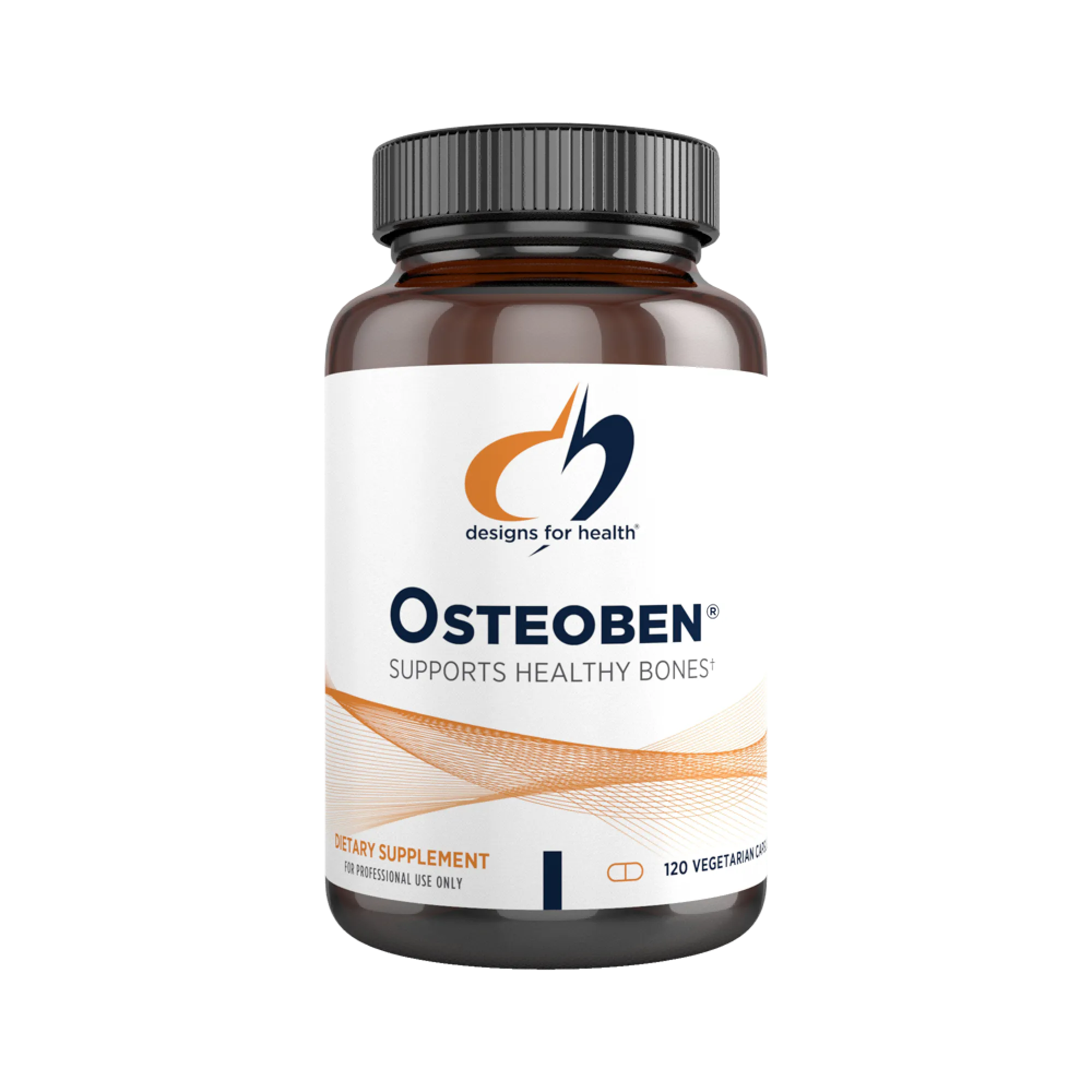
When a standard medical appointment barely allows enough time to discuss your most immediate, life-altering symptoms, preventative bone health is frequently overlooked. Yet, preserving your skeletal integrity is absolutely vital for maintaining your long-term independence and quality of life. This is where targeted, scientifically formulated nutritional support becomes essential. Osteoben® by Designs for Health is a comprehensive blend of highly bioavailable vitamins, minerals, and the phytoestrogen genistein, specifically designed to support bone remodeling, enhance calcium utilization, and maintain structural strength in the face of chronic health challenges.
What is Osteoben®?
A Comprehensive Approach to Bone Architecture
To understand how Osteoben® works, we must first understand that human bone is not a static, lifeless scaffold. It is a highly dynamic, living tissue that undergoes a continuous process of breakdown and renewal known as bone remodeling. In a healthy body, this delicate balance is maintained by two primary types of cells: osteoclasts, which resorb or break down old, damaged bone tissue, and osteoblasts, which synthesize and mineralize new bone matrix to replace it. When this tightly regulated cycle is disrupted by chronic illness, aging, or hormonal shifts, bone resorption outpaces bone formation, leading to a porous, fragile skeletal structure.
Osteoben® is formulated to address this complex remodeling process from multiple biochemical angles simultaneously. Rather than simply flooding the body with a single mineral, it provides a synergistic blend of the exact structural components and signaling molecules required to build and maintain healthy bone tissue. This multi-nutrient approach acknowledges that bone health relies on a sophisticated interplay of vitamins, minerals, and hormonal signals, all of which must be present in the correct forms and ratios to be effective.
By supplying highly bioavailable forms of calcium, magnesium, zinc, vitamin D3, and vitamin K, alongside the unique plant-derived compound genistein, Osteoben® targets both sides of the bone remodeling equation. It provides the raw materials necessary for the physical structure of the bone matrix while simultaneously delivering the biological instructions needed to ensure those materials are utilized correctly. This comprehensive strategy is particularly crucial for individuals whose bodies are already burdened by the physiological stress of chronic conditions.
The Role of Phytoestrogens in Skeletal Maintenance
One of the defining features of Osteoben® is the inclusion of genistein, a powerful phytoestrogen derived from Japanese sophora extract (a non-soy plant source). Phytoestrogens are naturally occurring plant compounds that structurally resemble 17β-estradiol, the primary estrogen hormone produced in the human body. Because of this structural similarity, genistein can bind to estrogen receptors on human cells, acting as a natural Selective Estrogen Receptor Modulator (SERM). This allows it to mimic the bone-protecting effects of estrogen without triggering the unwanted proliferative effects in other tissues.
At the cellular level, genistein exhibits a remarkably high affinity for Estrogen Receptor Beta (ERβ), which is abundantly expressed in human bone cells. When genistein binds to these receptors, it initiates a cascade of intracellular signals that actively promote bone health. Research indicates that this interaction directly stimulates osteoblast differentiation and activity, encouraging the cells to produce more of the collagen matrix that forms the foundation of new bone. Simultaneously, genistein helps to suppress the formation and activity of bone-destroying osteoclasts, effectively uncoupling the bone remodeling process to favor net bone growth.
The inclusion of a non-soy source of genistein in Osteoben® is particularly advantageous for patients with complex chronic illnesses. Many individuals with conditions like mast cell activation syndrome (MCAS) or severe food sensitivities struggle to tolerate soy-based products, which are the most common dietary sources of genistein. By utilizing Japanese sophora extract, Osteoben® delivers the profound skeletal benefits of this well-researched phytoestrogen in a highly purified, hypoallergenic format that is accessible to a wider range of sensitive patients.
Essential Minerals for the Structural Matrix
While signaling molecules like genistein direct the bone-building process, the physical construction of the skeleton relies on an adequate supply of essential minerals. Calcium is the most abundant mineral in the human body, and the vast majority of it is stored within the bones and teeth, providing structural rigidity and strength. However, simply consuming calcium is not enough; it must be absorbed through the gastrointestinal tract and delivered to the skeletal tissue. Osteoben® utilizes di-calcium malate, a specialized, patented form of calcium bound to malic acid, which significantly enhances its bioavailability and gastric tolerance compared to standard, poorly absorbed forms like calcium carbonate.
Magnesium is equally critical for skeletal integrity, acting as a vital cofactor in over 300 enzymatic reactions, including those responsible for synthesizing the bone matrix and regulating calcium transport. Approximately 60% of the body's magnesium is stored in the bones, where it contributes to the structural lattice and influences the activity of both osteoblasts and osteoclasts. Osteoben® provides magnesium in the form of di-magnesium malate, which not only ensures superior cellular uptake but also provides malic acid, an essential intermediate in the Krebs cycle that supports cellular energy production—a crucial benefit for those battling debilitating fatigue.
Zinc, provided in Osteoben® as highly absorbable zinc bisglycinate chelate, is the third structural pillar in this mineral triad. Zinc is an essential trace element required for the synthesis of collagen, the primary protein framework upon which calcium and phosphorus are deposited during bone mineralization. Furthermore, zinc plays a regulatory role in bone homeostasis by stimulating osteoblast proliferation and inhibiting osteoclast-mediated bone resorption. The chelated form ensures that this critical nutrient survives the acidic environment of the stomach and is efficiently absorbed into the bloodstream.
The Vitamin Directors: D3 and K1/K2
Minerals cannot build bone in isolation; they require the precise biological direction provided by specific fat-soluble vitamins. Vitamin D3 (cholecalciferol) acts as the primary gatekeeper for calcium absorption in the gut. When Vitamin D3 is synthesized in the skin or ingested, it undergoes conversion in the liver and kidneys to its active hormonal form, calcitriol. Calcitriol then binds to receptors in the intestinal lining, dramatically upregulating the expression of calcium-binding proteins that actively transport calcium from the digestive tract into the bloodstream. Without adequate Vitamin D3, even the most bioavailable calcium supplement will largely pass through the body unabsorbed.
Once calcium is successfully absorbed into the bloodstream, it must be directed to the skeletal tissue rather than being deposited in soft tissues like the arteries or kidneys. This critical routing function is performed by Vitamin K, specifically Vitamin K2 (menaquinone-4 or MK-4). Vitamin K2 acts as an essential cofactor for the enzyme gamma-glutamyl carboxylase, which is responsible for activating a bone-building protein called osteocalcin. Only in its activated, carboxylated state can osteocalcin successfully bind to circulating calcium and integrate it into the hydroxyapatite lattice of the bone matrix.
Osteoben® includes a strategic combination of Vitamin K1 (phytonadione) and Vitamin K2 (MK-4) to ensure comprehensive support for both blood coagulation pathways and bone mineralization. By pairing highly bioavailable minerals with the exact vitamins required for their absorption and utilization, Osteoben® creates a closed-loop system that maximizes the physiological impact of every ingredient. This synergy is what separates a truly clinical-grade bone support formula from a standard, single-nutrient supplement.
How Chronic Illness Impacts Bone Health
The Hidden Toll of Long COVID on Bone Density
Emerging research from the Cleveland Clinic has revealed that SARS-CoV-2 is not merely a respiratory pathogen, but a systemic virus that can trigger profound, long-lasting damage to the skeletal system. Up to 25% of individuals living with Long COVID report persistent bone pain and measurable decreases in bone mineral density. This pathological bone loss is driven by a specific viral protein known as ORF8, which triggers severe, chronic inflammation long after the acute infection has cleared. This inflammatory cascade drastically elevates the production of proteins that stimulate osteoclasts, the cells responsible for breaking down bone tissue.
Furthermore, a 2024 cohort study tracking hospitalized COVID-19 patients demonstrated a consistent, long-term declining trend in bone mineral density following discharge. The systemic cytokine storms associated with severe viral infections disrupt the delicate balance of bone remodeling, pushing the body into a state of accelerated bone resorption. When the immune system is locked in a state of chronic hyper-activation, it prioritizes immediate defense mechanisms over long-term structural maintenance, effectively starving the skeletal system of the resources it needs to rebuild.
The medical treatments often required during acute COVID-19 infections further compound this risk. The widespread use of systemic corticosteroids, while life-saving for severe respiratory distress, is notoriously detrimental to bone health. Corticosteroids directly inhibit osteoblast function, decrease intestinal calcium absorption, and increase renal calcium excretion. When combined with the viral-induced up-regulation of osteoclasts, patients are left highly vulnerable to rapid-onset osteopenia and osteoporosis during their Long COVID recovery phase.
ME/CFS, Post-Exertional Malaise, and Mechanical Unloading
For patients living with myalgic encephalomyelitis/chronic fatigue syndrome (ME/CFS), the threat to bone health is largely driven by the defining symptom of the disease: post-exertional malaise (PEM). PEM is a severe exacerbation of symptoms following even minor physical or cognitive exertion, often forcing patients to remain bedbound or housebound for extended periods. Because healthy bone remodeling requires the mechanical stress of gravity and movement—a process known as mechanical unloading—the profound immobility associated with severe ME/CFS leads to rapid skeletal demineralization.
The clinical consequences of this forced inactivity are stark. A landmark 2014 nationwide cohort study analyzed thousands of patients and found that individuals with ME/CFS have a statistically significant, higher incidence rate of bone fractures compared to healthy controls. Strikingly, even ME/CFS patients who had not been formally diagnosed with osteoporosis exhibited a higher risk of fracture, suggesting that the frailty and structural degradation in this population involves complex mechanisms that go beyond standard age-related bone loss.
Standard medical advice for preventing osteoporosis centers heavily on weight-bearing exercises like walking, jogging, or resistance training. However, for an ME/CFS patient in a crash, attempting these exercises can trigger severe neuro-immune relapses. This creates a devastating paradox: the very treatment required to save their bones actively worsens their primary disease. Consequently, patients with ME/CFS must rely heavily on targeted nutritional interventions, like highly bioavailable calcium and vitamin D supplementation, to mitigate the skeletal damage caused by unavoidable mechanical unloading. You can learn more about managing these complex dynamics in our guide on How to Maintain Your Independence with Chronic Illness.
Mast Cell Activation Syndrome (MCAS) and Histamine's Effect on Bone
Mast cell activation syndrome (MCAS) is a frequent comorbidity of both Long COVID and ME/CFS, characterized by the inappropriate and excessive release of inflammatory mediators from mast cells. While MCAS is typically associated with allergic-type reactions, gastrointestinal distress, and autonomic instability, its impact on the skeletal system is profound and often overlooked. Mast cells are physically present within the bone marrow and play a direct role in regulating bone metabolism through the release of potent signaling molecules.
When mast cells degranulate, they release massive quantities of histamine, heparin, and various cytokines directly into the surrounding tissue. Research has shown that histamine directly stimulates the proliferation and activity of osteoclasts while simultaneously suppressing the bone-building function of osteoblasts. This means that patients suffering from frequent MCAS flares are experiencing recurrent biochemical signals that actively instruct their bodies to break down their own bone matrix, accelerating the path toward osteoporosis.
Additionally, the dietary restrictions often required to manage severe MCAS can severely limit a patient's intake of essential bone-building nutrients. Many high-calcium and high-magnesium foods may trigger mast cell reactions, leaving patients nutritionally depleted. Furthermore, the chronic gastrointestinal inflammation caused by mast cell activation impairs the mucosal lining of the gut, drastically reducing the body's ability to absorb whatever minerals are successfully consumed. This highlights the critical need for highly bioavailable, hypoallergenic supplements that can bypass these compromised digestive pathways.
The Vicious Cycle of "Inflammaging" and Nutrient Malabsorption
The intersection of chronic viral persistence, immune dysregulation, and autonomic dysfunction creates a systemic state often referred to as "inflammaging"—a chronic, low-grade inflammation that accelerates the biological aging process of cells and tissues. In the context of bone health, inflammaging maintains a constant, elevated level of pro-inflammatory cytokines like Interleukin-6 (IL-6) and Tumor Necrosis Factor-alpha (TNF-α). These cytokines are potent stimulators of bone resorption, ensuring that the osteoclasts remain hyperactive long after the initial trigger has passed.
This chronic inflammatory state also wreaks havoc on the gastrointestinal tract, leading to a condition known as leaky gut or intestinal permeability. When the gut lining is inflamed and compromised, the active transport mechanisms required to absorb large mineral molecules like calcium and magnesium begin to fail. Even if a patient is consuming adequate amounts of standard mineral supplements, the systemic inflammation prevents those nutrients from ever reaching the bloodstream, resulting in functional deficiencies despite adequate intake.
Breaking this vicious cycle requires a multi-faceted approach. It is not enough to simply suppress the inflammation; the body must be supplied with the specific biochemical tools needed to repair the gut lining, absorb essential nutrients, and actively signal the osteoblasts to resume bone formation. Formulations that utilize advanced delivery mechanisms, such as organic acid mineral bonds and targeted phytoestrogens, are essential for overcoming the profound physiological barriers erected by complex chronic illnesses.
Osteoben®: Supporting Skeletal Strength and Remodeling
Genistein's Dual Action on Bone Remodeling
The inclusion of genistein in Osteoben® provides a sophisticated, targeted intervention for the disrupted bone remodeling cycle seen in chronic illness. As a highly selective agonist for Estrogen Receptor Beta (ERβ), genistein operates at the genetic level to actively reverse bone loss. When genistein binds to ERβ on the surface of osteoblasts, it upregulates the expression of RUNX2, a master transcription factor that drives the differentiation and maturation of these bone-building cells. This genetic signaling effectively commands the body to increase the production of new bone matrix, countering the suppressive effects of chronic inflammation.
Simultaneously, genistein exerts a powerful inhibitory effect on bone resorption. It achieves this by suppressing the NF-κB signaling pathway, which is heavily involved in cellular inflammatory responses. By dampening this pathway, genistein reduces the production of Interleukin-6 (IL-6), a cytokine that typically drives osteoclast formation. Furthermore, genistein increases the production of osteoprotegerin (OPG), a decoy receptor that binds to and neutralizes the signals that activate osteoclasts. This dual-action mechanism—stimulating osteoblasts while starving osteoclasts of their activation signals—is what makes genistein such a potent tool for skeletal support.
The clinical efficacy of this mechanism is well-documented. A landmark 24-month randomized controlled trial evaluating postmenopausal women demonstrated that daily supplementation with 54 mg of genistein aglycone (the exact dose found in Osteoben®) resulted in a highly significant increase in bone mineral density at both the lumbar spine and the femoral neck. Unlike traditional hormone replacement therapy, genistein achieved these profound skeletal benefits without increasing endometrial thickness or stimulating uterine tissue, highlighting its safety and selective action.
Superior Mineral Delivery via Di-Malate Bonds
To physically construct the new bone matrix stimulated by genistein, Osteoben® utilizes di-calcium malate and di-magnesium malate, forms specifically engineered to overcome the absorption issues prevalent in chronic illness. Traditional inorganic mineral supplements, such as calcium carbonate or magnesium oxide, require massive amounts of stomach acid to dissociate into free ions. In patients with dysautonomia or chronic inflammation, gastric acid production is often impaired, leaving these standard supplements unabsorbed, where they pool in the intestines and cause severe gas, bloating, and osmotic diarrhea.
Di-calcium and di-magnesium malate bypass this problematic ion competition entirely by utilizing an organic acid absorption pathway. Because two molecules of the mineral are tightly bound to one molecule of malic acid, the complex survives the stomach environment intact. It is then transported into the small intestine, where the malic acid escorts the minerals through the intestinal walls with remarkable efficiency. A FASEB Journal study demonstrated that di-calcium malate possesses a significantly longer half-life in the bloodstream compared to calcium carbonate, providing a sustained release of essential minerals to the skeletal tissue.
Beyond superior mineral delivery, the malic acid component of these complexes offers a profound secondary benefit for patients with ME/CFS and Long COVID. Malic acid is a critical intermediate in the Citric Acid Cycle (Krebs Cycle), the primary metabolic pathway responsible for generating adenosine triphosphate (ATP) within the mitochondria. By delivering minerals bound to malic acid, Osteoben® actively provides the biochemical substrates needed to support cellular energy production, helping to combat the debilitating fatigue and muscle weakness that characterize these complex conditions.
Activating Osteocalcin with Vitamin K2 (MK-4)
The final, critical step in the bone-building process is the physical integration of calcium into the skeletal lattice, a process entirely dependent on Vitamin K2. Osteoben® utilizes Menaquinone-4 (MK-4), the most biologically active form of Vitamin K2 for bone metabolism. Osteoblasts naturally produce a protein called osteocalcin, but they produce it in an inactive state known as undercarboxylated osteocalcin (ucOC). In this inactive form, osteocalcin cannot bind to calcium, rendering it useless for bone mineralization.
MK-4 acts as the essential cofactor for the enzyme gamma-glutamyl carboxylase, which converts inactive ucOC into active, carboxylated osteocalcin (cOC). Once activated, osteocalcin acts like a biological magnet, pulling circulating calcium out of the bloodstream and securely locking it into the hydroxyapatite structure of the bone. Clinical trials have consistently shown that MK-4 rapidly and significantly reduces serum levels of inactive ucOC, confirming its direct and immediate impact on bone metabolism and structural integrity.
This mechanism is particularly vital for patients utilizing high-dose Vitamin D and calcium supplements. Without adequate Vitamin K2 to direct the calcium into the bones, the body risks depositing that calcium into soft tissues, such as the arterial walls or the kidneys, leading to dangerous calcification. By including a clinical dose of MK-4, Osteoben® ensures that the highly bioavailable calcium it provides is safely and effectively routed precisely where it is needed most, protecting cardiovascular health while maximizing bone density.
Synergistic Support for the Immune-Skeletal Axis
Osteoben® rounds out its comprehensive formula with targeted doses of Vitamin D3 and Zinc Bisglycinate Chelate, both of which play crucial roles in the immune-skeletal axis. Vitamin D3 is absolutely essential for the intestinal absorption of calcium, but it also acts as a potent immunomodulator. In patients with Long COVID and ME/CFS, optimal Vitamin D levels help to regulate the hyperactive immune response, dampening the systemic inflammation that drives osteoclast activity and bone destruction.
Zinc, provided in a highly absorbable chelated form, is essential for the synthesis of the collagen matrix that forms the flexible scaffolding of the bone. Without adequate zinc, the bone matrix becomes brittle and prone to micro-fractures, regardless of how much calcium is present. Furthermore, zinc is a critical nutrient for maintaining the integrity of the gut lining and supporting healthy immune cell function. By addressing both the structural requirements of the skeleton and the underlying immune dysregulation common in chronic illness, Osteoben® provides truly holistic support.

Symptoms Osteoben® May Help Manage
Targeted Musculoskeletal Relief
Osteoben® is formulated to address a wide range of structural and systemic symptoms associated with bone degradation and mineral depletion. By providing highly bioavailable nutrients and targeted phytoestrogens, it may help manage the following specific musculoskeletal issues:
Deep Bone Pain and Aching: By suppressing the chronic inflammation that drives excessive osteoclast activity, genistein and optimal Vitamin D levels can help alleviate the deep, persistent bone pain frequently reported by Long COVID patients.
Accelerated Osteopenia and Osteoporosis: The synergistic combination of genistein, di-calcium malate, and Vitamin K2 (MK-4) actively stimulates osteoblasts and carboxylates osteocalcin, directly supporting the maintenance and improvement of bone mineral density to combat illness-induced osteoporosis.
Muscle Cramping and Spasms: The highly bioavailable di-magnesium malate provides the magnesium necessary to regulate muscle contractions and nerve transmission, significantly reducing the frequency and severity of painful muscle spasms common in dysautonomia and ME/CFS.
Elevated Fracture Risk: By ensuring that calcium is properly directed into the bone matrix via Vitamin K2, and by supporting the flexible collagen scaffolding with zinc, Osteoben® helps maintain the structural integrity and resilience of the skeleton, mitigating the increased fracture risk associated with mechanical unloading.
Impaired Fracture Healing: For patients who have already experienced a break, the comprehensive blend of structural minerals and bone-stimulating phytoestrogens provides the exact raw materials and biological signals required to accelerate the formation of new, healthy bone tissue.
Secondary Systemic Benefits
Beyond its primary role in structural maintenance, the specific biochemical forms of the ingredients in Osteoben® offer several secondary benefits that are highly relevant to the complex symptom profiles of chronic illness:
Debilitating Fatigue and PEM: The malic acid component of the di-calcium and di-magnesium malate bonds acts as a direct intermediate in the Krebs cycle, providing vital biochemical substrates to support mitochondrial ATP production and combat severe cellular energy deficits.
Menopausal Hot Flashes and Vasomotor Symptoms: As a potent phytoestrogen, genistein has been clinically shown to significantly reduce the frequency and severity of hot flashes and night sweats in postmenopausal women, providing systemic hormonal support alongside its bone-building effects.
Gastrointestinal Distress from Supplements: By utilizing organic acid mineral complexes that bypass the standard ion-competition pathways, Osteoben® eliminates the severe gas, bloating, and osmotic diarrhea typically caused by standard calcium carbonate and magnesium oxide supplements.
Immune Dysregulation: The inclusion of Vitamin D3 and highly absorbable zinc bisglycinate chelate provides essential support for modulating the immune system, helping to calm the chronic inflammatory states that drive systemic tissue damage in Long COVID and MCAS.
Practical Considerations: Forms, Dosing, and Absorption
Understanding the Bioavailability of Di-Malate Minerals
When selecting a bone support supplement, the chemical form of the minerals is arguably more important than the total dosage. Standard over-the-counter supplements typically rely on inorganic mineral salts like calcium carbonate and magnesium oxide because they are inexpensive to produce. However, these forms have notoriously poor bioavailability, often absorbing at rates as low as 4% to 15%. They require massive amounts of stomach acid to break down, and the unabsorbed remnants pool in the gastrointestinal tract, drawing in water via osmosis to cause severe cramping, bloating, and diarrhea—symptoms that patients with dysautonomia or MCAS simply cannot tolerate.
Osteoben® circumvents these issues by utilizing di-calcium malate and di-magnesium malate. In these patented forms, two mineral molecules are tightly bound to one molecule of malic acid. This organic acid complex survives the harsh environment of the stomach and is transported directly into the small intestine, where it utilizes specific organic acid absorption pathways. This mechanism completely bypasses the standard ion-competition bottlenecks that limit the absorption of cheaper minerals. The result is a dramatically higher rate of cellular uptake and a complete elimination of the osmotic laxative effect, ensuring that the minerals actually reach your bloodstream and skeletal tissue without causing digestive distress.
Furthermore, the "di-mineral" structure provides a significantly higher yield of elemental calcium and magnesium per capsule compared to other highly absorbable forms like citrates or glycinates. This allows Osteoben® to deliver clinical-grade dosages of essential structural minerals without requiring patients to swallow an excessive number of pills each day. The sustained release profile of the malate bond also ensures that blood serum levels of these minerals remain stable over a longer period, providing continuous support for bone remodeling and muscle function.
Dosing Strategies and Timing
The suggested use for Osteoben® is four capsules per day, or as directed by your healthcare practitioner. Because the body can only absorb a certain amount of calcium at one time, it is highly recommended to split this dosage throughout the day. Taking two capsules in the morning and two capsules in the evening ensures a steady, continuous supply of minerals and signaling molecules to the osteoblasts, maximizing the efficiency of the bone remodeling process.
Timing your dosage with meals can also significantly enhance the efficacy of the supplement. Osteoben® contains the fat-soluble vitamins D3, K1, and K2. Fat-soluble vitamins require the presence of dietary fats to stimulate the release of bile acids, which are necessary for their absorption through the intestinal wall. Taking your divided doses alongside meals that contain healthy fats—such as avocados, olive oil, nuts, or fatty fish—will ensure that these critical "director" vitamins are fully absorbed and available to route the calcium into your skeletal tissue.
It is also important to consider the timing of Osteoben® in relation to other supplements or medications you may be taking. While the di-malate forms are highly bioavailable, large doses of calcium and magnesium can still potentially interfere with the absorption of certain prescription medications, particularly thyroid hormones (like levothyroxine) and certain classes of antibiotics (like tetracyclines or fluoroquinolones). As a general rule, it is best to separate the intake of Osteoben® from these specific medications by at least two to four hours to prevent any unwanted interactions.
Potential Interactions and Contraindications
While Osteoben® is formulated with highly tolerated ingredients, the inclusion of the phytoestrogen genistein requires specific clinical consideration. Genistein is a Selective Estrogen Receptor Modulator (SERM) that binds primarily to Estrogen Receptor Beta (ERβ), providing bone benefits without stimulating the uterine lining. However, because it does interact with estrogen pathways, individuals with a personal or strong family history of hormone-receptor-positive cancers (such as certain types of breast or endometrial cancer) should exercise caution and consult closely with their oncology team before initiating supplementation.
Additionally, patients who are currently taking prescription blood thinners, such as Warfarin (Coumadin), must be mindful of the Vitamin K content in Osteoben®. Vitamin K1 plays a direct role in the blood coagulation cascade, and sudden changes in Vitamin K intake can alter the efficacy of these specific anticoagulant medications. While Vitamin K2 (MK-4) is primarily focused on bone metabolism, it is still crucial to discuss any new Vitamin K supplementation with your prescribing physician to ensure your medication dosing remains accurately calibrated.
Tracking Progress with Biomarkers
Because bone remodeling is a slow, continuous process, it typically takes several months of consistent supplementation to observe measurable changes in bone density. However, you and your healthcare provider can track the biochemical efficacy of Osteoben® much sooner by monitoring specific blood biomarkers. Testing for serum levels of undercarboxylated osteocalcin (ucOC) can reveal how effectively the Vitamin K2 (MK-4) is activating the bone-building proteins. A significant drop in ucOC levels indicates that the supplement is successfully directing calcium into the bone matrix.
Other valuable biomarkers include bone-specific alkaline phosphatase (a marker of osteoblast activity and bone formation) and serum Vitamin D levels (to ensure adequate baseline absorption). For long-term structural tracking, Dual-Energy X-ray Absorptiometry (DEXA) scans remain the gold standard. By establishing a baseline DEXA scan before starting Osteoben® and repeating the scan every 12 to 24 months, you can objectively measure changes in your bone mineral density and adjust your comprehensive management strategy accordingly.

Follow the Science
Clinical Evidence for Genistein in Bone Density
The use of the phytoestrogen genistein for the prevention and treatment of bone loss is supported by robust, high-quality clinical data. The most definitive evidence comes from a landmark 24-month, randomized, double-blind, placebo-controlled trial published in the Annals of Internal Medicine. This study evaluated 389 postmenopausal women with established osteopenia. The participants were given 54 mg of genistein aglycone daily—the exact dosage utilized in Osteoben®—alongside standard calcium and Vitamin D supplementation, while the control group received a placebo with calcium and Vitamin D.
The results of this two-year trial were profound. Women taking genistein experienced a highly significant increase in bone mineral density (BMD) at both the lumbar spine and the femoral neck (hip). Specifically, the genistein group saw their lumbar spine BMD increase by 0.049 g/cm², while the placebo group continued to lose bone, decreasing by 0.053 g/cm². Furthermore, biochemical markers of bone formation (like bone-specific alkaline phosphatase) significantly increased in the genistein group, while markers of bone resorption decreased. Crucially, the study confirmed that 24 months of genistein therapy did not increase endometrial thickness, validating its safety profile as a selective estrogen receptor modulator.
A subsequent post-hoc analysis of this same trial looked specifically at a sub-cohort of women who were already classified as fully osteoporotic at baseline. Over the two years, the BMD at the femoral neck in the genistein group increased substantially. By the end of the study, the prevalence of osteoporosis in the genistein group had dropped dramatically to just 12%, whereas the placebo group saw no improvement in their osteoporosis status. This data strongly supports genistein's ability to not only halt bone loss but actively reverse it in vulnerable populations.
The Efficacy of Di-Calcium and Di-Magnesium Malate
The superior bioavailability of the specific mineral forms used in Osteoben® has been validated through rigorous pharmacokinetic studies. A study published in the FASEB Journal compared the absorption rates of di-calcium malate against standard calcium carbonate and calcium amino acid chelates. The researchers found that while all forms initially increased serum calcium levels, di-calcium malate possessed a significantly longer half-life. It maintained elevated, stable serum calcium levels for a much longer period compared to calcium carbonate, ensuring a sustained delivery of the mineral to the skeletal tissue. Furthermore, the study noted that di-calcium malate did not cause the gastric foaming and gas production associated with calcium carbonate.
Similarly, the clinical efficacy of di-magnesium malate was demonstrated in the Scottsdale Magnesium Study, a placebo-controlled trial evaluating 91 adults taking 500 mg of timed-release di-magnesium malate daily. Over 90 days, participants experienced a remarkable 30% increase in red blood cell (RBC) magnesium levels, indicating excellent cellular uptake that bypassed the standard intestinal saturation limits. Clinically, the participants reported a 63% improvement in overall symptoms of magnesium deficiency, and an impressive 91% of participants tolerated the supplement flawlessly without experiencing the osmotic diarrhea typically caused by standard magnesium supplements.
Vitamin K2 (MK-4) and Osteocalcin Activation
The critical role of Vitamin K2, specifically Menaquinone-4 (MK-4), in bone mineralization is firmly established in the scientific literature. MK-4 acts as the essential cofactor to convert inactive undercarboxylated osteocalcin (ucOC) into the active form required to bind calcium into the bone matrix. A 2003 randomized controlled trial evaluated elderly women with established osteoporosis and found that MK-4 supplementation significantly reduced serum ucOC levels within just two weeks, rapidly correcting the biochemical markers of poor bone metabolism.
More recently, comprehensive meta-analyses have confirmed the long-term clinical endpoints of this mechanism. A 2022 systematic review and meta-analysis published in Frontiers in Public Health analyzed 16 randomized controlled trials involving over 6,400 subjects. The analysis concluded that Vitamin K2 supplementation significantly maintained and improved Lumbar Spine BMD in postmenopausal women while significantly reducing fracture incidence and serum ucOC levels. This robust body of evidence underscores why a high-quality bone support formula must include targeted Vitamin K2 alongside calcium and Vitamin D.
Chronic Illness and Osteoporosis Risk Data
The urgency of utilizing these advanced nutritional interventions is highlighted by the growing body of research linking chronic post-infectious illnesses to accelerated bone loss. The 2024 Journal of Global Health cohort study tracking hospitalized COVID-19 patients confirmed a consistent, long-term declining trend in bone mineral density post-infection, driven by severe systemic inflammation. Similarly, the 2014 nationwide cohort study published in QJM demonstrated that patients with ME/CFS have a statistically significant, higher incidence rate of bone fractures compared to healthy controls, driven by the unavoidable mechanical unloading caused by post-exertional malaise. These studies validate the profound, structural impact of these invisible illnesses and emphasize the critical need for proactive skeletal support.
The Path Forward
Validating the Complexity of Chronic Illness
Living with a complex chronic condition like Long COVID, ME/CFS, or dysautonomia is an exercise in managing the unpredictable. When you are already fighting daily battles against profound fatigue, cognitive dysfunction, and autonomic instability, learning that your illness may also be silently degrading your bone density can feel incredibly overwhelming. It is completely valid to feel frustrated by the sheer number of bodily systems impacted by these conditions. Acknowledging the reality of this invisible structural damage is not about creating fear; it is about empowering you with the knowledge needed to protect your long-term independence.
The medical system often struggles to address preventative care when acute, debilitating symptoms are present. Standard recommendations like "exercise more to build bone" can be actively harmful for patients who experience post-exertional malaise (PEM). Understanding that your inability to exercise is a physiological reality of your disease—not a personal failure—is crucial. By shifting the focus to targeted, scientifically validated nutritional interventions, you can take proactive steps to safeguard your skeletal health without triggering neuro-immune crashes or exacerbating your primary symptoms.
A Comprehensive Approach to Management
Osteoben® offers a sophisticated, multi-faceted approach to skeletal support, but it is most effective when integrated into a comprehensive, holistic management strategy. Protecting your bone health requires addressing the systemic inflammation and immune dysregulation that drive bone resorption. This means prioritizing aggressive rest, meticulous pacing to avoid PEM, and identifying and avoiding triggers that exacerbate mast cell activation or autonomic flares. Every step you take to calm your nervous system and reduce systemic inflammation indirectly supports your osteoblasts in their vital work of rebuilding your bone matrix.
Nutrition also plays a foundational role. While Osteoben® provides highly bioavailable clinical doses of essential structural nutrients, supporting your gut health is critical for ensuring those nutrients are properly absorbed. Working with a knowledgeable healthcare provider to address intestinal permeability, optimize your diet for anti-inflammatory support, and manage any underlying gastrointestinal comorbidities will maximize the efficacy of your supplementation. Remember that healing is not linear, and protecting your structural integrity is a long-term investment in your future mobility and quality of life. For more strategies on navigating the complexities of chronic illness, read our guide on 5 Tips for Surviving the Holidays with a Chronic Illness.
Next Steps in Your Health Journey
If you are concerned about your bone mineral density, elevated fracture risk, or the long-term musculoskeletal impacts of your chronic illness, Osteoben® may provide the targeted, highly bioavailable support your body requires. However, because complex conditions involve intricate biochemical pathways and potential medication interactions, it is essential to discuss any new supplement regimen with your medical team. They can help you establish baseline biomarkers, monitor your progress, and ensure that your approach to bone health is safely integrated into your broader treatment plan.