Can OsteoBase Support Bone Health and Immune Function in Long COVID and ME/CFS?
March 6, 2026
OsteoBaseBone HealthLong COVID
Share:
Disclaimer: The information provided here is for educational purposes only and is not intended as medical advice. It should not be used to diagnose, treat, cure, or prevent any medical condition. Instead, use it as a starting point for discussion with your healthcare provider. Always consult with a qualified healthcare provider before starting any new medication, supplement, device, or making changes to your health regimen.
For individuals living with complex, chronic conditions like myalgic encephalomyelitis/chronic fatigue syndrome (ME/CFS), Long COVID, and dysautonomia, the daily reality often involves navigating profound fatigue, autonomic dysfunction, and unpredictable symptom flares. When managing these immediate, debilitating symptoms, it is incredibly easy to overlook the silent, systemic toll that chronic illness takes on the body's foundational structures—specifically, the skeletal and cardiovascular systems. Being housebound or completely bedbound strips the body of the mechanical loading and sunlight exposure required to maintain bone density and immune regulation, leading to a cascade of hidden nutrient deficiencies.
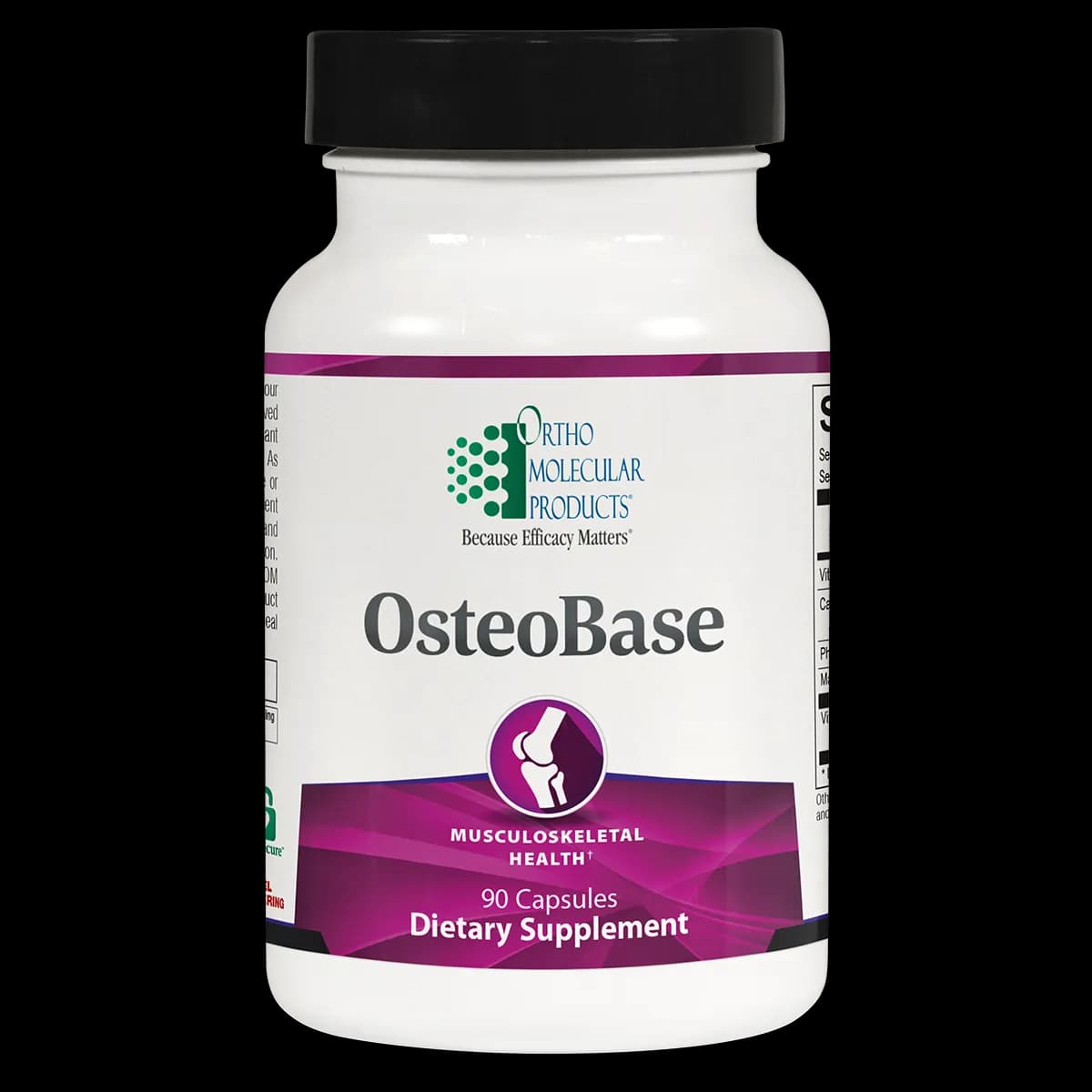
Epidemiologic studies reveal a staggering reality: 70% of the US population does not meet the estimated average requirement for Vitamin D, 60% falls short on magnesium, and one-third lacks adequate Vitamin K. For patients with chronic illness, these deficiencies are not just statistics; they are active drivers of disease pathology. Viral infections aggressively deplete magnesium stores, while a lack of Vitamin D leaves mast cells unregulated and hyper-reactive. OsteoBase by Ortho Molecular is designed to address this exact crisis. By providing targeted, highly bioavailable doses of Vitamin D3, DiMagnesium Malate, Vitamin K2 (MK-7), and Calcium Hydroxyapatite, OsteoBase offers a comprehensive, synergistic approach to supporting foundational bone health, stabilizing immune function, and fueling cellular energy in the face of complex chronic illness.
What Are the Foundational Nutrients in OsteoBase?
The Biochemical Synergy of Vitamin D3 and Magnesium
To understand the clinical power of OsteoBase, we must first examine the intricate biochemical relationship between Vitamin D3 and magnesium. Vitamin D is not merely a standard vitamin; it is a powerful, steroid-like prohormone that regulates over 1,000 different genes in the human body, influencing everything from bone density to immune system modulation. When you consume Vitamin D3 (cholecalciferol), it is biologically inactive. It must undergo two specific enzymatic conversions to become the active hormone calcitriol: first in the liver via the enzyme 25-hydroxylase, and then in the kidneys via 1-alpha-hydroxylase. Crucially, both of these enzymatic processes are entirely dependent on adequate intracellular magnesium.
Without sufficient magnesium, Vitamin D remains stored and inactive, unable to bind to the Vitamin D Receptors (VDRs) located on nearly every immune and tissue cell. Furthermore, magnesium is required for the transport of Vitamin D through the bloodstream via the Vitamin D binding protein. In clinical practice, administering high doses of Vitamin D to a patient who is already deficient in magnesium can trigger a dangerous physiological phenomenon known as the "triage effect." The body will aggressively pull remaining free magnesium from the muscles and nervous system to process the newly introduced Vitamin D, paradoxically worsening symptoms like muscle cramps, palpitations, brain fog, and severe fatigue.
By including 300 mg of elemental magnesium (as DiMagnesium Malate) alongside 25 mcg of high-quality Vitamin D3, OsteoBase ensures that this critical biochemical synergy is perfectly maintained. This precise, balanced formulation prevents the triage effect from occurring. It allows the body to efficiently convert and utilize Vitamin D for immune modulation and calcium absorption without depleting the nervous system's vital magnesium reserves, making it exceptionally safe for patients with highly sensitive neuroimmune systems.
The Calcium Paradox and Vitamin K2 (MK-7)
The second foundational pillar of OsteoBase addresses a widespread medical phenomenon known as the "Calcium Paradox." Millions of people take standard calcium and Vitamin D supplements for bone health. Vitamin D helps the body efficiently absorb calcium from the digestive tract into the bloodstream. However, without adequate Vitamin K2, the body lacks the physiological "traffic cop" required to guide that calcium out of the blood and into the bones. As a result, the calcium accumulates as dangerous plaque in the arteries, soft tissues, and heart valves, increasing cardiovascular risk while leaving the skeletal system vulnerable to osteoporosis.
Vitamin K2, specifically the highly bioavailable menaquinone-7 (MK-7) form found in OsteoBase, solves this paradox through a chemical process called gamma-carboxylation. MK-7 acts as an essential cofactor that activates specific Vitamin K-Dependent Proteins (VKDPs) in the body. The first is osteocalcin, a protein found in the skeletal system that acts like biological glue, locking calcium and minerals securely into the bone matrix. The second is Matrix Gla Protein (MGP), which is found in the heart and blood vessel walls. When activated by MK-7, MGP binds to free-floating calcium in the bloodstream and escorts it away from the arterial walls, preventing vascular calcification and preserving cardiovascular elasticity.
The Superiority of Calcium Hydroxyapatite
The final foundational component of OsteoBase is its highly specialized form of calcium. Most over-the-counter supplements utilize calcium carbonate, an isolated, inorganic salt that requires high amounts of stomach acid for absorption and is notorious for causing severe gastrointestinal side effects like bloating and constipation. More concerningly, calcium carbonate can cause sharp, rapid spikes in blood calcium levels, which has been linked in some clinical research to an increased risk of arterial calcification and cardiovascular events.
OsteoBase utilizes Calcium Hydroxyapatite (also known as microcrystalline hydroxyapatite or MCHA), a natural, organic calcium complex derived from whole bone. MCHA provides calcium and phosphorus in their exact physiological ratio of 2:1, which is identical to the matrix of human bone. Furthermore, MCHA contains intact bone proteins, including type I collagen, ossein, and vital growth factors. These organic components act as the biological scaffolding upon which new bone minerals can be deposited. Clinical studies consistently demonstrate that MCHA is far more effective at halting bone loss and maintaining bone density than calcium carbonate, and it achieves these results without causing dangerous spikes in serum calcium levels.
How Chronic Illness Impacts Bone Density and Nutrient Stores
Immobilization-Induced Bone Resorption in ME/CFS
For individuals living with severe myalgic encephalomyelitis/chronic fatigue syndrome (ME/CFS) or Long COVID, the hallmark symptom of post-exertional malaise (PEM) often makes traditional weight-bearing exercise impossible. Bone is a dynamic, living tissue that relies heavily on mechanical loading—the physical stress of movement and gravity—to signal osteoblasts (bone-building cells) to maintain and increase bone mineral density. When patients become housebound or completely bedbound due to severe chronic illness, the lack of mechanical loading triggers a rapid, aggressive acceleration of bone breakdown, a process clinically known as immobilization-induced bone resorption.
The clinical data surrounding prolonged bed rest and skeletal health is deeply concerning. Studies indicate that patients who are completely bedbound can lose up to 1% of their vertebral bone mineral density per week. This rate of bone loss is nearly fifty times faster than normal, age-related osteoporosis. Over months or years of severe illness, the interior cancellous tissue of the bones becomes spongy, porous, and highly fragile, leading to early-onset osteopenia. For these patients, standard medical advice to "walk more" or "lift weights" is actively harmful due to the severe metabolic consequences of PEM, making targeted, highly absorbable nutritional intervention the only viable strategy to preserve skeletal integrity and prevent fragility fractures.
The Triage Effect and Viral Depletion
Beyond physical immobility, the profound physiological stress of chronic viral infections actively depletes the body's foundational nutrient stores. Recent epidemiological studies have shown that acute and lingering SARS-CoV-2 infections aggressively consume intracellular magnesium and Vitamin D as the immune system mounts its prolonged defense. A 2023 clinical analysis demonstrated that patients with low admission magnesium levels had a staggering 114% higher risk of developing persistent Long COVID symptoms, highlighting the critical role this mineral plays in post-viral recovery.
This viral nutrient depletion creates a devastating vicious cycle. As magnesium levels drop, the body loses its ability to synthesize ATP (cellular energy) efficiently, worsening the debilitating fatigue and brain fog seen in Long COVID and ME/CFS. Simultaneously, the depleted magnesium prevents the activation of whatever limited Vitamin D the patient might be synthesizing from their restricted, indoor sunlight exposure. This dual deficiency leaves the immune system completely dysregulated and the autonomic nervous system hyper-excitable, laying the biological groundwork for severe dysautonomia, chronic pain, and prolonged recovery times.
Mast Cell Activation and Systemic Inflammation
Complex chronic illness is frequently accompanied by mast cell activation syndrome (MCAS), a condition where immune cells inappropriately release massive cascades of inflammatory mediators like histamine, tryptase, and cytokines. This chronic, systemic inflammation has a direct, highly detrimental impact on bone health. Pro-inflammatory cytokines, specifically interleukin-1-beta (IL-1β) and tumor necrosis factor-alpha (TNF-α), actively stimulate the production and activity of osteoclasts—the specialized cells responsible for breaking down and resorbing bone tissue.
In a healthy, balanced body, the breakdown and rebuilding of bone is perfectly synchronized. However, in the highly inflamed, hyper-reactive environment of MCAS and Long COVID, osteoclast activity vastly outpaces osteoblast activity, leading to rapid bone density loss. Furthermore, a severe deficiency in Vitamin D removes the body's natural "brakes" on mast cell degranulation, allowing the inflammatory cycle to continue unchecked. Addressing this complex pathophysiology requires a comprehensive approach that not only provides the raw materials for bone repair but also actively modulates the underlying immune dysfunction driving the inflammation.
OsteoBase: Supporting Bone Matrix, Energy, and Immune Regulation
Rebuilding the Skeletal Framework Safely
The primary therapeutic goal of OsteoBase is to provide the exact physiological materials required to rebuild the skeletal framework safely and efficiently. By utilizing Calcium Hydroxyapatite (MCHA), OsteoBase delivers a natural, organic calcium complex that perfectly mimics the matrix of human bone. Because MCHA contains intact bone proteins like type I collagen and ossein, it provides the biological scaffolding upon which new bone minerals can be deposited. This makes it vastly superior to isolated calcium salts, which often fail to integrate properly into the skeletal structure.
When combined with the high-quality Vitamin K2 (MK-7) in OsteoBase, this calcium is directed precisely where it belongs. MK-7 activates osteocalcin, the critical protein responsible for acting like a biological glue. Once activated, osteocalcin locks the calcium and phosphorus securely into the teeth and skeletal matrix. This synergistic action actively improves bone mineral density, halts immobilization-induced bone resorption, and completely eliminates the risk of ectopic calcification (calcium depositing in soft tissues), ensuring that the skeletal system is fortified without compromising cardiovascular safety.
Stabilizing Mast Cells with Vitamin D3
Beyond its well-known role in bone health, the high-quality Vitamin D3 in OsteoBase serves as a potent immunomodulator, which is particularly vital for patients battling mast cell activation syndrome (MCAS) and severe allergies. Almost all immune cells, including mast cells, contain Vitamin D Receptors (VDRs). When Vitamin D3 binds to these specific receptors, it fundamentally alters the gene expression of the mast cell, signaling it to downregulate the production of pro-inflammatory mediators and shift the immune system toward a calmer, anti-inflammatory state.
At a molecular level, Vitamin D acts as a profound mast cell stabilizer. It actively limits the influx of calcium into the mast cells—a biochemical process that is the primary trigger for degranulation. By inhibiting this calcium influx and suppressing inflammatory signaling pathways like MAPK and NF-κB, Vitamin D prevents the inappropriate, runaway release of histamine, tryptase, and inflammatory cytokines. Clinical research on mast cell stabilization confirms that this stabilization is absolutely crucial for reducing the systemic allergic responses, skin rashes, and chronic inflammation that drive debilitating MCAS flares.
Fueling Cellular Energy with DiMagnesium Malate
Profound fatigue and post-exertional malaise (PEM) are arguably the most debilitating symptoms of ME/CFS and Long COVID, stemming directly from severe mitochondrial dysfunction and impaired energy metabolism. OsteoBase addresses this core issue by utilizing DiMagnesium Malate, a highly bioavailable form of magnesium bound to malic acid. Magnesium is an absolute biological prerequisite for the synthesis of adenosine triphosphate (ATP), the primary energy currency of every cell in the body. Without adequate intracellular magnesium, the mitochondria simply cannot produce enough ATP to meet the body's baseline demands, leading to severe cellular exhaustion.
The addition of malic acid in this specific formulation provides a unique, highly synergistic benefit for energy production. Malic acid is a key intermediate compound in the Krebs cycle (also known as the citric acid cycle), the complex series of chemical reactions that generate energy within the mitochondria. By supplying both magnesium and malic acid simultaneously, DiMagnesium Malate directly feeds the cellular energy pathways. This helps to clear lactic acid buildup in the tissues, alleviating the profound muscle weakness, myalgia, and neurological fatigue experienced by patients with complex chronic illnesses.
Cardiovascular Protection and Dysautonomia Support
Patients managing dysautonomia and POTS frequently struggle with terrifying cardiovascular symptoms, including severe tachycardia, heart palpitations, and blood pooling. The precise combination of Vitamin K2 and magnesium in OsteoBase provides targeted, highly effective support for the cardiovascular and autonomic nervous systems. Magnesium acts as a natural calcium channel blocker, helping to regulate the electrical impulses of the heart and calm the hyper-excitable sympathetic nervous system. This gentle regulation can significantly reduce the frequency and severity of adrenaline surges and palpitations.
Simultaneously, Vitamin K2 (MK-7) provides unparalleled, long-term protection for the vascular system. By activating Matrix Gla Protein (MGP), which is widely considered the most potent known biological inhibitor of vascular calcification, MK-7 ensures that calcium remains in the bones and out of the delicate arterial walls. This preservation of vascular elasticity and arterial compliance is absolutely critical for maintaining healthy blood flow, preventing blood pooling, and supporting overall blood pressure regulation in patients struggling with severe autonomic dysfunction.

Symptoms OsteoBase May Help Manage
Skeletal and Muscular Symptoms
Early-Onset Osteopenia and Osteoporosis: By providing Calcium Hydroxyapatite and Vitamin K2, OsteoBase supplies the exact 2:1 ratio of calcium to phosphorus needed to rebuild the skeletal matrix. It simultaneously activates osteocalcin to lock these minerals securely into the bone tissue, effectively halting immobilization-induced bone resorption in bedbound patients.
Chronic Muscle Cramps and Spasms: The 300 mg of elemental magnesium helps regulate neuromuscular transmission. Magnesium acts as a potent natural relaxant by counteracting calcium's excitatory effect on muscle fibers, significantly reducing the painful cramps, fasciculations, and twitching often seen in dysautonomia and ME/CFS.
Myalgia and Fibromyalgia-Like Pain: The malic acid in DiMagnesium Malate feeds directly into the Krebs cycle, dramatically improving mitochondrial ATP production. This enhanced cellular energy helps clear lactic acid buildup in the muscles, alleviating the deep, aching tissue pain and heavy limbs associated with chronic fatigue syndromes.
Systemic and Immune Symptoms
Mast Cell Flares and Histamine Intolerance: The high-quality Vitamin D3 acts as a potent immunomodulator, binding to Vitamin D Receptors (VDRs) on mast cells. This binding inhibits the influx of calcium into the cell, actively preventing the degranulation process and stopping the runaway release of histamine and inflammatory cytokines.
Post-Exertional Malaise (PEM) and Severe Fatigue: By preventing the "triage effect" and supplying vital cofactors for mitochondrial function, the synergistic blend of magnesium and Vitamin D supports the body's baseline energy production. This helps to stabilize the patient's energy envelope and reduce the severity and duration of post-exertional crashes.
Palpitations and Autonomic Dysregulation: Magnesium calms the hyper-excitable sympathetic nervous system and regulates cardiac electrical impulses, while Vitamin K2 (MK-7) activates Matrix Gla Protein (MGP) to preserve vascular elasticity, offering comprehensive, foundational support for patients managing POTS and dysautonomia.
Practical Considerations: Forms, Dosing, and Absorption
Maximizing Bioavailability and Absorption
To achieve the profound clinical benefits of OsteoBase, proper absorption is absolutely critical. Because Vitamin D3 and Vitamin K2 are fat-soluble vitamins, they require the presence of dietary fat to be properly absorbed through the intestinal wall and into the bloodstream. For maximum bioavailability, it is highly recommended to take OsteoBase alongside a meal that contains healthy fats, such as avocados, olive oil, nuts, or fatty fish. Taking these fat-soluble vitamins on an empty stomach can significantly reduce their absorption rate, limiting their systemic efficacy.
The inclusion of DiMagnesium Malate in this formula also plays a major role in its overall tolerability and absorption. Many over-the-counter magnesium supplements, such as magnesium oxide or magnesium citrate, are poorly absorbed and pull massive amounts of water into the intestines, leading to severe diarrhea and gastrointestinal distress. DiMagnesium Malate, however, is a highly stable, chelated form of magnesium that survives the acidic environment of the stomach. It is exceptionally gentle on the GI tract, making it the ideal choice for patients with irritable bowel syndrome (IBS) or the sensitive digestive systems often seen in MCAS and dysautonomia.
The Safety Profile of Calcium Hydroxyapatite
When considering calcium supplementation, cardiovascular safety must be a primary concern. Traditional calcium carbonate supplements digest rapidly, causing immediate, unnatural spikes in blood calcium levels. These rapid spikes overwhelm the body's regulatory systems and have been associated with an increased risk of arterial calcification and heart disease. This is a major reason why many functional medicine practitioners have historically cautioned against high-dose calcium supplementation for chronic illness patients.
OsteoBase circumvents this danger entirely by utilizing Calcium Hydroxyapatite (MCHA). Because MCHA is a complex, whole-bone matrix containing proteins and collagen, it digests much more slowly and naturally than isolated calcium salts. A 2019 prospective comparative study demonstrated that MCHA provides equivalent or superior bone-building benefits compared to calcium carbonate, but it does so without causing aggressive spikes in serum calcium. This slow, steady release ensures that the calcium is safely utilized by the skeletal system rather than accumulating in the bloodstream.
Dosing Guidelines and Potential Interactions
The suggested use for OsteoBase is 3 capsules per day, or as recommended by your healthcare professional. Because the formula contains 300 mg of elemental magnesium, some patients with severe chronic fatigue or highly sensitive nervous systems may prefer to split the dose throughout the day (e.g., one capsule with breakfast, lunch, and dinner) to ensure steady ATP support and avoid any mild digestive upset. Splitting the dose also maximizes the absorption efficiency of the calcium hydroxyapatite.
While OsteoBase is generally exceptionally safe and well-tolerated, there are important contraindications to consider. Because Vitamin K2 plays a role in blood coagulation pathways, patients taking prescription blood thinners, specifically Warfarin (Coumadin), must consult their cardiologist or primary care provider before starting OsteoBase. Vitamin K can directly interfere with the efficacy of Warfarin, requiring close monitoring of INR levels. Additionally, patients with hypercalcemia or severe kidney disease should always seek medical guidance before initiating any supplement containing calcium or Vitamin D.

Follow the Science
Clinical Evidence for Post-Viral Nutrient Depletion
The intersection of viral infections, post-viral syndromes, and severe nutritional deficiencies has become a major focal point in modern medical research. Recent clinical trials have undeniably linked the depletion of magnesium and Vitamin D to the onset and severity of Long COVID and ME/CFS. For instance, a 2023 clinical analysis of hospitalized adults found that serum magnesium levels measured within the first four days of admission were highly predictive of long-term outcomes. Patients with lower magnesium levels had a massive 114% increased risk of developing persistent Long COVID symptoms compared to those with optimal levels, underscoring the mineral's critical role in immune recovery.
Similarly, a 2023 study published in MDPI tracked 170 COVID-19 patients and measured their Vitamin D levels. The multivariable analysis revealed that patients with a Vitamin D deficiency were 5.80 times more likely to experience lingering Long COVID signs and symptoms, including severe fatigue, memory loss, and joint pain. These findings are further supported by a breakthrough 2026 open-label randomized controlled trial evaluating ME/CFS patients. The trial demonstrated that guided Vitamin D replacement therapy resulted in highly significant symptom remission, with a substantial portion of the intervention group no longer meeting the diagnostic criteria for ME/CFS by the 12-week mark.
The Cardiovascular and Bone Data for K2 and Hydroxyapatite
The clinical evidence supporting the use of Vitamin K2 (MK-7) for cardiovascular protection is robust and highly compelling. The landmark Rotterdam Study, which followed subjects over a 10-year period, revealed that individuals with high dietary intakes of Vitamin K2 experienced a 50% reduction in arterial calcification and a 50% reduction in cardiovascular death risk. This observational data was later confirmed by a double-blind, placebo-controlled trial (Knapen et al., 2015), which demonstrated that 180 mcg of MK-7 daily over three years successfully halted age-related arterial stiffening and significantly improved vascular elasticity in postmenopausal women.
Regarding skeletal health in chronically ill populations, the data strongly favors the use of whole-bone extracts over isolated salts. A nationwide prospective cohort study published in the QJM highlighted that ME/CFS patients have a significantly higher risk of suffering bone fractures compared to healthy controls, urging clinicians to prioritize fracture prevention. To address this, studies comparing calcium sources show clear winners. A 3-year real-world efficacy trial comparing Calcium Hydroxyapatite (OHC) to Calcium Carbonate found that women taking OHC maintained completely stable bone density (0.00% change), while those taking a higher dose of calcium carbonate experienced a -3.1% decrease in bone mineral density, proving the superior integration of the hydroxyapatite matrix.
The Path Forward
A Comprehensive Approach to Healing
Living with a complex chronic illness like Long COVID, ME/CFS, or dysautonomia is an incredibly arduous journey that requires immense resilience. It is entirely valid to feel overwhelmed by the sheer number of symptoms you are managing daily, from debilitating fatigue to terrifying autonomic flares. While no single supplement is a miracle cure for these deeply complex neuroimmune conditions, addressing foundational nutrient deficiencies is a critical, non-negotiable step in stabilizing your body's baseline function and preventing long-term complications like severe osteoporosis.
OsteoBase provides a powerful, scientifically backed combination of nutrients that work synergistically to rebuild your skeletal framework, modulate your hyper-reactive immune system, and fuel your depleted cellular energy pathways. However, supplementation is most effective when integrated into a broader, holistic management strategy. We highly encourage combining targeted nutritional support with aggressive pacing, autonomic rehabilitation, and careful symptom tracking. For more practical advice on navigating daily life, explore our resources on managing your independence with chronic illness and surviving the holidays with a chronic illness.
Next Steps for Your Health
If you are housebound, bedbound, or struggling with the systemic impacts of post-viral fatigue and mast cell activation, fortifying your foundational health is paramount. Always consult with your primary care provider or a functional medicine specialist before introducing new supplements to ensure they align perfectly with your unique medical history and current medication regimen. By taking proactive steps to support your bone density, cardiovascular elasticity, and immune regulation, you are laying the vital groundwork for long-term healing and an improved quality of life.
Sources
GrassrootsHealth: 114% Higher Risk of Long COVID with Lower Magnesium Levels
MDPI: Association Between Vitamin D Levels and Long COVID Signs and Symptoms
NIH / PMC: The Dual Role of Vitamin K2 in Bone-Vascular Crosstalk (Rotterdam Study Reference)
MenaQ7: Knapen et al. 3-Year RCT on Vitamin K2 and Arterial Stiffness
Taylor & Francis: Efficacy and safety of ossein-hydroxyapatite complex versus calcium carbonate
QJM: Chronic fatigue syndrome is associated with the risk of fracture: a nationwide cohort study
NIH / PMC: Vitamin D Influences the Activity of Mast Cells in Allergic Manifestations