Can OsteoBalance Support Bone Health in Long COVID and ME/CFS?
March 5, 2026
OsteoBalanceBone HealthLong COVID
Share:
Disclaimer: The information provided here is for educational purposes only and is not intended as medical advice. It should not be used to diagnose, treat, cure, or prevent any medical condition. Instead, use it as a starting point for discussion with your healthcare provider. Always consult with a qualified healthcare provider before starting any new medication, supplement, device, or making changes to your health regimen.
Months or even years after a viral infection, individuals living with complex chronic conditions often face a hidden but profound challenge: the silent deterioration of bone health. When you are navigating the daily realities of Long COVID or myalgic encephalomyelitis/chronic fatigue syndrome (ME/CFS), your focus is understandably on managing debilitating fatigue, brain fog, and autonomic dysfunction. Yet, beneath the surface, chronic inflammation, restricted mobility, and malabsorption can quietly erode your skeletal foundation, increasing the risk of osteopenia and osteoporosis.
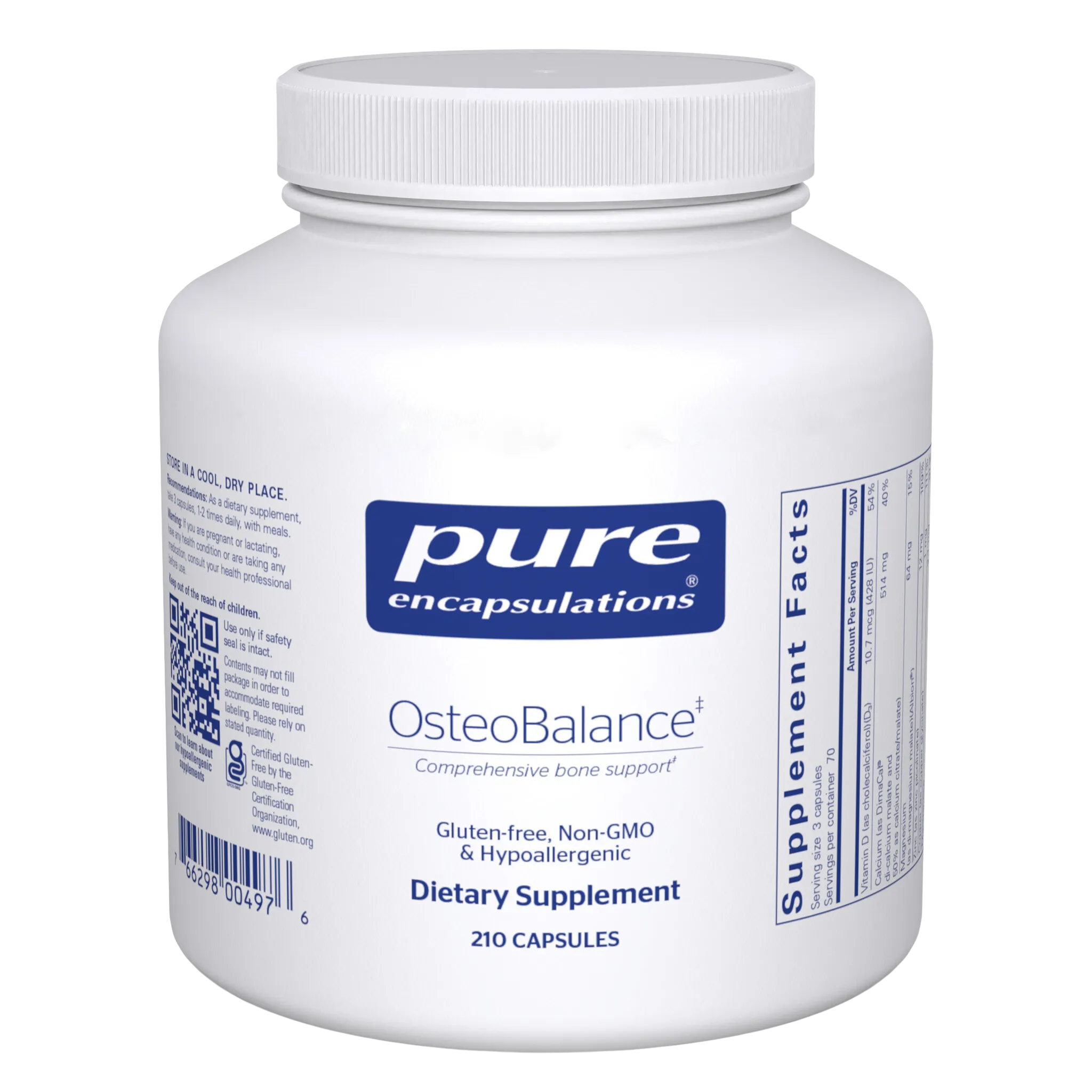
OsteoBalance by Pure Encapsulations is a comprehensive bone support formula designed to address these exact vulnerabilities. Rather than relying on poorly absorbed, basic calcium, this formulation provides a synergistic blend of highly bioavailable calcium citrate/malate, di-calcium malate, vitamin D3, and a precise ensemble of essential trace minerals. In this article, we will explore the intricate biochemistry of bone metabolism, how chronic illness disrupts this delicate balance, and how the targeted nutrients in OsteoBalance can help support long-term skeletal strength and resilience.
What is OsteoBalance?
Beyond Basic Calcium
When we think of the human skeleton, it is easy to imagine a static, unchanging structure of hard minerals. However, from a biological perspective, bone is a highly dynamic, living tissue that is constantly undergoing a process known as remodeling. This lifelong process relies on a delicate, tightly regulated balance between two primary types of bone cells: osteoclasts, which break down and resorb old or damaged bone tissue, and osteoblasts, which synthesize and lay down new bone matrix. In a healthy body, this continuous cycle of resorption and formation ensures that the skeleton remains resilient, repairs micro-damage from daily physical stress, and maintains optimal bone mineral density. When this balance is disrupted—whether by aging, hormonal shifts, or chronic systemic inflammation—osteoclast activity outpaces osteoblast activity, leading to a net loss of bone mass, osteopenia, and eventually osteoporosis.
Many conventional approaches to supporting bone health rely almost exclusively on high doses of basic calcium, such as calcium carbonate. While calcium is undeniably the primary mineral component of the skeletal system, simply flooding the digestive tract with poorly absorbed calcium is biologically insufficient for rebuilding bone. Without the proper biochemical cofactors, unabsorbed calcium can cause significant gastrointestinal distress, including constipation and bloating, and may even deposit into soft tissues rather than being integrated into the skeletal matrix. This is where advanced, comprehensive formulations like OsteoBalance become clinically relevant. By utilizing highly bioavailable forms of calcium—specifically calcium citrate/malate and di-calcium malate—this supplement bypasses the digestive limitations of standard calcium, ensuring that the mineral actually reaches the bloodstream.
Furthermore, OsteoBalance recognizes that building resilient bone requires far more than just calcium. The formulation includes a precisely calibrated ensemble of essential trace minerals, including magnesium, zinc, copper, manganese, boron, and silica from bamboo extract. These nutrients act as mandatory enzymatic cofactors in the complex biochemical pathways that construct the bone matrix. Together with vitamin D3, which acts as the hormonal key to unlock intestinal calcium absorption, this comprehensive blend supports not just the mineral density of the bone, but its structural flexibility, collagen cross-linking, and overall metabolic health.
The Role of Trace Minerals in the Bone Matrix
To truly understand how OsteoBalance works, we must look at the microscopic architecture of bone. Bone tissue is essentially a two-part composite material. The first part is the organic matrix, known as the osteoid, which is primarily composed of Type I collagen fibers. This collagen web provides the bone with its tensile strength and flexibility, allowing it to absorb physical impact without snapping. The second part is the inorganic mineral phase, primarily composed of hydroxyapatite crystals (a complex of calcium and phosphate), which embed themselves into the collagen web to provide rigidity and structural hardness.
While calcium is the raw material for hydroxyapatite, the body cannot construct the underlying collagen web without trace minerals. Zinc, copper, manganese, and silica are the cellular architects that direct the formation of the osteoid. For example, copper is a required cofactor for an enzyme called lysyl oxidase, which creates the chemical cross-links that weave individual collagen fibers into a strong, cohesive network. Without adequate copper, the collagen web remains weak and disorganized, meaning that no matter how much calcium you consume, the bone will lack the structural integrity needed to prevent fractures.
Similarly, silica (provided in OsteoBalance via bamboo extract) is essential for the early stages of bone formation. Research indicates that silica actively stimulates the proliferation of osteoblasts and drives the synthesis of the collagen matrix. By providing these trace minerals alongside calcium, OsteoBalance ensures that the body has both the structural scaffolding and the mineral hardening agents required for complete, healthy bone remodeling.
The Synergy of Vitamin D3 and Boron
The final critical component of the OsteoBalance formulation is the synergistic relationship between vitamin D3 (cholecalciferol) and the trace mineral boron. Vitamin D3 is a fat-soluble vitamin that functions as a powerful steroid hormone within the body. Its primary role in bone health is to upregulate the expression of calcium-binding proteins in the intestinal lining. Without adequate vitamin D3, the gastrointestinal tract can only absorb a fraction of the calcium consumed through diet or supplementation, prompting the parathyroid glands to release hormones that strip calcium away from the skeleton to maintain blood levels.
However, vitamin D3 does not operate in a vacuum. Once activated by the liver and kidneys into its hormonal form (calcitriol), it has a limited biological half-life before it is broken down by an enzyme called 24-hydroxylase. This is where boron becomes crucial. Boron acts as a potent inhibitor of 24-hydroxylase, effectively extending the lifespan and activity of vitamin D3 in the bloodstream. By slowing down the degradation of this vital hormone, boron amplifies the body's ability to absorb calcium over a longer period.
Additionally, boron plays a direct role in mineral retention by interacting with the kidneys. Clinical studies have demonstrated that boron supplementation significantly reduces the urinary excretion of both calcium and magnesium. By keeping these essential minerals circulating in the body rather than being flushed out, the combination of vitamin D3 and boron in OsteoBalance creates a highly efficient, closed-loop system that maximizes the utilization of every milligram of calcium ingested.
How Chronic Illness Impacts Bone Health
Long COVID, Inflammation, and Osteoclast Activation
The intersection of complex chronic illness and bone health is an emerging and deeply concerning area of medical research. In the context of Long COVID, the SARS-CoV-2 virus has been shown to directly and indirectly disrupt the delicate balance of bone metabolism. An estimated 25% of individuals living with Long COVID report persistent bone-related symptoms, such as deep bone pain and accelerated density loss, lasting for months or years after the initial acute infection. This is not merely a secondary consequence of being unwell; it is a direct result of profound immune dysregulation and systemic inflammation.
At the cellular level, chronic inflammation creates a highly toxic environment for bone tissue. When the immune system is locked in a state of hyperactivation, it produces elevated levels of pro-inflammatory cytokines, such as Interleukin-6 (IL-6) and Tumor Necrosis Factor-alpha (TNF-alpha). These inflammatory signaling molecules heavily skew the bone remodeling process by overstimulating the production and activity of osteoclasts—the cells responsible for breaking down bone. A 2024 study by the Cleveland Clinic identified that a specific SARS-CoV-2 viral protein, known as ORF8, triggers harmful inflammation that directly drives osteoclast proliferation, leading to rapid bone resorption.
This virus-induced osteoclast activation is particularly devastating for patients who already have underlying autoimmune conditions or systemic inflammation. Furthermore, the use of high-dose corticosteroids during the acute phase of a severe COVID-19 infection is a well-documented cause of glucocorticoid-induced osteoporosis. The combination of viral proteins, cytokine storms, and necessary medical interventions creates a perfect storm that rapidly strips calcium and structural minerals from the skeletal matrix, making targeted supplementation with formulas like OsteoBalance critical for recovery.
ME/CFS, Mobility, and the Silent Progression of Bone Loss
For individuals living with myalgic encephalomyelitis/chronic fatigue syndrome (ME/CFS), the threat to bone health is often described as a "silent progression." Research indicates that patients with ME/CFS have a statistically significant higher risk of developing osteopenia, osteoporosis, and suffering from bone fractures compared to the general population. This heightened risk is driven by a complex interplay of physiological dysfunction and the severe lifestyle limitations imposed by the illness.
One of the hallmark symptoms of ME/CFS is post-exertional malaise (PEM), a severe and debilitating exacerbation of systemic symptoms following even minor physical or cognitive exertion. Because of PEM, traditional medical advice for maintaining bone density—which heavily relies on weight-bearing exercises like walking, jogging, or weightlifting—is often completely inaccessible or actively harmful. Without the mechanical stress of weight-bearing movement, the osteoblasts in the bone lack the necessary physical signaling to lay down new bone tissue, leading to rapid demineralization, particularly in the lower extremities and spine.
Beyond mobility issues, ME/CFS involves deep cellular and metabolic dysfunctions that directly impact calcium utilization. Some researchers hypothesize that deregulation of the antiviral RNase L pathway—a common finding in ME/CFS—increases the cellular demand for calcium. To meet this demand, the body may begin to reabsorb calcium directly from the skeletal system. Additionally, decreased levels of insulin-like growth factor I (IGF-I), which is critical for the proliferation of bone-building osteoblasts, have been observed in ME/CFS patients. This shifts the metabolic balance heavily toward bone breakdown, necessitating comprehensive nutritional support to halt the decline.
Malabsorption and Gastrointestinal Distress
Another major factor compromising bone health in chronic illness is gastrointestinal dysfunction and malabsorption. Conditions like dysautonomia (including Postural Orthostatic Tachycardia Syndrome, or POTS) and mast cell activation syndrome (MCAS) frequently co-occur with Long COVID and ME/CFS. These conditions often manifest with severe gastrointestinal symptoms, including altered gut motility, chronic nausea, and profound food intolerances. Over time, these gastrointestinal challenges severely impair the body's ability to extract and absorb essential nutrients from food.
In MCAS, for example, patients are often forced onto highly restricted diets to avoid triggering mast cell degranulation and allergic responses. These restricted diets frequently eliminate dairy, certain vegetables, and fortified foods, leading to chronic deficiencies in calcium, magnesium, and vitamin D. Furthermore, chronic inflammation of the gut lining (leaky gut) damages the delicate microvilli responsible for absorbing fat-soluble vitamins like vitamin D3. Without adequate vitamin D3 absorption, intestinal calcium uptake plummets, regardless of how much dietary calcium is consumed.
This creates a vicious cycle: chronic illness causes gut dysfunction, which leads to malabsorption of calcium and vitamin D, which in turn triggers the body to break down bone tissue to maintain serum calcium levels. Breaking this cycle requires a highly bioavailable supplement that does not rely on perfect digestive function. The chelated minerals and specialized calcium forms in OsteoBalance are specifically designed to bypass these common absorption hurdles, ensuring that vital bone-building nutrients reach the systemic circulation even in the presence of gastrointestinal distress.
OsteoBalance: Supporting Bone Matrix and Metabolism
Highly Bioavailable Calcium: Citrate Malate and Di-Calcium Malate
The cornerstone of OsteoBalance is its sophisticated approach to calcium delivery. Standard calcium supplements, primarily calcium carbonate, are notoriously difficult for the body to process. Calcium carbonate is highly insoluble and requires a highly acidic stomach environment to be broken down into absorbable calcium ions. For patients with chronic illness, who often suffer from low stomach acid (hypochlorhydria) or take acid-reducing medications (like PPIs or H2 blockers for MCAS), calcium carbonate is largely useless and often results in severe gastrointestinal discomfort, gas, and constipation.
OsteoBalance circumvents this issue by utilizing calcium citrate/malate (CCM) and di-calcium malate (DimaCal®). These are specialized, water-soluble forms of calcium created by binding calcium to citric acid and malic acid. Because they are pH-independent, they do not require high levels of stomach acid to dissolve. When CCM enters the digestive tract, it readily dissociates into calcium ions and a calcium-citrate complex. The calcium ions are actively transported across the intestinal lining, while the citrate complex is absorbed via a paracellular pathway (slipping between the cells of the intestinal wall). This dual-pathway absorption makes CCM exceptionally bioavailable.
Di-calcium malate takes this efficiency a step further. It is a patented chelate consisting of two molecules of calcium bonded to one molecule of malic acid. This unique double-calcium bond allows it to deliver a very high concentration of elemental calcium (29%) in a highly stable form. Bioavailability studies have shown that di-calcium malate maintains an elevation in serum calcium for a significantly longer period compared to standard forms. This extended half-life means that the calcium is delivered to the bone matrix in a steady, sustained manner, preventing the sudden spikes in blood calcium that can lead to arterial calcification or kidney stones.
Magnesium and Boron: The Mineral Retention Duo
While calcium provides the raw material for bone, it cannot be properly utilized without magnesium and boron. OsteoBalance features di-magnesium malate, a highly absorbable form of magnesium that plays a direct regulatory role in bone metabolism. Approximately 60% of the body's magnesium is stored within the skeletal system, where it helps to stabilize the hydroxyapatite crystals and maintain the structural integrity of the bone lattice. Furthermore, magnesium is a mandatory cofactor for the enzymes that convert vitamin D into its active, hormonal form (calcitriol). Without adequate magnesium, vitamin D remains inactive, and calcium absorption halts.
Boron, included as boron glycinate, acts as the ultimate synergist in this formulation. As a trace mineral, boron has a profound impact on mineral retention. It actively reduces the urinary excretion of both calcium and magnesium, ensuring that these hard-won minerals remain in the body to be utilized by the osteoblasts. By interacting with renal pathways, boron essentially plugs the leaks in the body's mineral reserves, which is especially critical for patients experiencing chronic inflammation or taking medications that increase mineral wasting.
Beyond mineral retention, boron is a powerful modulator of steroid hormones. It helps to synthesize and extend the biological half-life of estrogen (17β-estradiol) and vitamin D3. Estrogen is a critical hormone for protecting bone density, as it induces apoptosis (programmed cell death) in bone-destroying osteoclasts. By naturally supporting the longevity of circulating estrogen and vitamin D3, boron provides a powerful, multi-tiered defense against bone demineralization, particularly in postmenopausal women and those with complex chronic illnesses.
Silica, Zinc, Copper, and Manganese: The Collagen Architects
The true brilliance of the OsteoBalance formula lies in its inclusion of the trace minerals required to build the organic bone matrix. Before calcium can be deposited, osteoblasts must first spin a web of Type I collagen. Silica, sourced from bamboo extract, is a foundational element in this process. Silica actively stimulates the synthesis of collagen and promotes the proliferation of osteoblasts. It acts as a biological glue, ensuring that the collagen fibers are dense, organized, and ready to receive mineral deposits.
Once the collagen is synthesized, it must be cross-linked to provide tensile strength. This is where copper and zinc step in. Copper is the essential cofactor for lysyl oxidase, the enzyme responsible for weaving individual collagen strands into a resilient, cross-linked network. Zinc, provided as highly absorbable zinc picolinate, upregulates the gene expression of crucial bone proteins, including alkaline phosphatase and osteocalcin, while simultaneously inhibiting the formation of bone-resorbing osteoclasts.
Finally, manganese is required for the synthesis of proteoglycans and chondroitin sulfate, which are vital structural components of bone cartilage and the internal bone matrix. Manganese also positively modulates the RANKL/OPG signaling pathway, which is the primary communication system that dictates the balance between bone formation and bone breakdown. By providing these four trace minerals in highly bioavailable forms, OsteoBalance ensures that the skeletal system has all the necessary tools to construct a flexible, resilient, and deeply mineralized bone matrix.

Symptoms OsteoBalance May Help Manage
Osteopenia and Bone Density Loss: By providing highly bioavailable calcium citrate/malate and di-calcium malate, this formula directly supplies the raw materials needed to rebuild hydroxyapatite crystals, helping to halt the progression of osteopenia and support overall bone mineral density.
Deep Bone and Joint Aching: Chronic inflammation and rapid bone turnover can cause deep, aching pain in the skeletal system. The inclusion of vitamin D3 and magnesium helps regulate calcium homeostasis, potentially alleviating the structural stress and inflammation associated with rapid bone demineralization.
Muscle Cramps and Spasms: Magnesium is critical for muscle relaxation and nerve transmission. The di-magnesium malate in this formula helps counteract the muscle cramping, twitching, and spasms frequently experienced by patients with dysautonomia and ME/CFS.
Slow Recovery from Micro-Fractures: The trace minerals zinc, copper, manganese, and silica are essential for collagen synthesis and cross-linking. By supporting the organic bone matrix, these nutrients help accelerate the healing of micro-fractures and improve the overall tensile strength of the skeleton.
Nutrient Wasting and Frequent Urination: Patients with autonomic dysfunction often struggle with fluid and mineral balance. Boron actively reduces the urinary excretion of calcium and magnesium, helping to retain these vital minerals within the body despite systemic dysregulation.
Gastrointestinal Distress from Standard Supplements: Because the calcium and magnesium in OsteoBalance are bound to malic and citric acids, they do not require high stomach acid for absorption. This minimizes the bloating, gas, and constipation typically caused by standard calcium carbonate supplements.
Practical Considerations: Forms, Dosing, and Absorption
Why Chelation Matters for Absorption
When selecting a bone support supplement, the chemical form of the minerals is just as important as the dosage. Many over-the-counter supplements use inorganic mineral salts, such as calcium carbonate, magnesium oxide, or zinc sulfate. These forms are inexpensive to produce but are notoriously difficult for the human digestive tract to break down and absorb. They often pass through the gastrointestinal system largely unabsorbed, pulling water into the bowel and causing significant osmotic diarrhea, or conversely, causing severe constipation.
OsteoBalance utilizes a process called chelation to overcome these absorption barriers. Chelation involves binding a mineral molecule to an organic compound, such as an amino acid or an organic acid (like malic acid or citric acid). For example, the zinc in this formula is bound to picolinic acid (zinc picolinate), and the copper is bound to glycine (copper glycinate). This organic bonding essentially disguises the mineral, allowing it to be actively transported across the intestinal lining using the body's natural amino acid absorption pathways.
This chelated delivery system is particularly vital for individuals with Long COVID, ME/CFS, or MCAS, who frequently suffer from compromised gut integrity, leaky gut, or low stomach acid. By utilizing chelated and acid-independent forms like di-calcium malate and di-magnesium malate, OsteoBalance ensures that the essential bone-building nutrients are efficiently absorbed into the bloodstream, maximizing therapeutic efficacy while minimizing gastrointestinal side effects.
Timing and Dietary Considerations
To maximize the absorption and utilization of OsteoBalance, strategic timing and dosing are important. The suggested use is to take 3 capsules one to two times daily with meals. Taking the supplement with food is highly recommended, as the presence of dietary fats will significantly enhance the absorption of the fat-soluble vitamin D3 included in the formula. Furthermore, taking minerals with a meal slows down their transit time through the digestive tract, providing a longer window for intestinal absorption.
Because the body can only absorb a limited amount of calcium at one time (typically around 500 mg per dose), it is crucial to split the dosage if you are taking the maximum recommended amount. For example, taking 3 capsules with breakfast and 3 capsules with dinner ensures that the calcium transport mechanisms in the gut are not overwhelmed, allowing for steady, sustained absorption throughout the day. This split dosing strategy also helps maintain stable blood calcium levels, preventing the sharp spikes that can lead to excessive urinary excretion.
It is also important to be mindful of dietary interactions. While the chelated forms in OsteoBalance are highly bioavailable, consuming them alongside foods exceptionally high in phytic acid (such as raw bran or unsoaked legumes) or oxalic acid (such as raw spinach or rhubarb) can slightly inhibit mineral absorption. However, because the minerals in this formula are already bound to organic acids, they are far more resistant to these dietary inhibitors than standard mineral salts.
Potential Interactions and Contraindications
While OsteoBalance is generally well-tolerated, calcium and trace mineral supplementation can interact with certain prescription medications. Calcium can bind to certain classes of antibiotics, specifically tetracyclines and fluoroquinolones, significantly reducing their absorption and effectiveness. If you are prescribed these antibiotics, it is standard medical practice to separate the doses by at least two to four hours.
Additionally, calcium supplements can interfere with the absorption of levothyroxine (thyroid hormone replacement therapy), which is commonly prescribed for patients with Hashimoto's thyroiditis or general hypothyroidism—conditions that frequently overlap with complex chronic illnesses. Patients taking thyroid medication should generally wait at least four hours before taking any calcium-containing supplement.
Finally, for patients who have been prescribed bisphosphonates (medications used to treat severe osteoporosis), calcium supplementation is often a mandatory part of the treatment protocol. However, the calcium must be taken at a completely different time of day than the bisphosphonate to prevent binding in the digestive tract. Always consult with your prescribing physician or a knowledgeable healthcare provider to establish a safe and effective dosing schedule tailored to your specific medication regimen.

Follow the Science
Calcium Citrate Malate and Bone Accrual
The scientific literature robustly supports the use of calcium citrate malate (CCM) and di-calcium malate for improving bone mineral density. A landmark three-year, double-blind study published in the New England Journal of Medicine investigated the effects of CCM supplementation on prepubertal identical twins. The researchers found that the twins receiving CCM showed significantly greater increases in bone mineral density compared to the placebo group, including a 5.1% increase in the midshaft radius and a 2.8% increase in the lumbar spine. This study powerfully demonstrated CCM's ability to drive active bone accrual.
In older populations, the evidence is equally compelling. A rigorous three-year trial by Dawson-Hughes et al. examined men and women over the age of 65 who were given 500 mg of CCM combined with 700 IU of vitamin D3. The group taking the CCM and vitamin D3 combination significantly moderated bone loss in the femoral neck, spine, and total body. More crucially, the supplementation vastly reduced the incidence of non-vertebral fractures, with only 11 fractures occurring in the treatment group compared to 26 in the placebo group, highlighting the profound clinical impact of highly bioavailable calcium.
Furthermore, comparative studies have consistently shown that CCM outperforms standard calcium carbonate. Clinical fractional absorption studies indicate that the body absorbs up to 42% of the calcium from calcium citrate malate, compared to as little as 22% from calcium carbonate. In postmenopausal women, those taking CCM experienced a 60% decrease in spinal bone loss, whereas those taking calcium carbonate only saw a 15% decrease, proving that the chemical form of the mineral dictates its therapeutic success.
The Impact of Trace Minerals on Bone Metabolism
The inclusion of trace minerals in OsteoBalance is not merely theoretical; it is backed by specific clinical trials demonstrating their synergistic effect on bone metabolism. A pivotal two-year, double-blind, placebo-controlled trial investigated the concomitant supplementation of trace minerals—specifically zinc, copper, and manganese—alongside calcium citrate malate in postmenopausal subjects. The study results indicated that the combination of calcium and these specific trace minerals was significantly more effective at promoting healthy bone metabolism and arresting spinal bone loss than calcium supplementation alone.
This clinical outcome aligns perfectly with our understanding of bone biochemistry. Studies have shown that the mean concentrations of serum zinc are significantly lower in osteoporotic women compared to those with healthy bones. By providing zinc to stimulate osteoblast gene expression, copper to cross-link collagen via lysyl oxidase, and manganese to synthesize proteoglycans, the trace mineral ensemble provides the necessary biological scaffolding that allows the calcium to be effectively integrated into the skeletal matrix.
Silica, provided in this formula via bamboo extract, also has strong epidemiological backing. Research linking dietary silicon intake to bone health has shown that higher silicon consumption is associated with significantly higher bone mineral density in the hip and spine of premenopausal women and postmenopausal women on hormone replacement therapy. This reinforces silica's role as a critical architect of the bone's collagen framework.
Vitamin D3 and Boron Synergy
The synergistic relationship between vitamin D3 and boron is one of the most well-documented phenomena in nutritional science. A landmark 1985 study by the US Department of Agriculture (USDA) placed postmenopausal women on a low-boron diet, followed by a 3 mg/day boron supplement. The researchers discovered that boron supplementation dramatically reduced the daily urinary excretion of calcium by 44%, proving that boron actively prevents the body from flushing out bone-building minerals.
Further clinical trials have demonstrated boron's ability to extend the life of vitamin D3. In a study by Nielsen et al., individuals placed on a 3 mg/day boron supplement saw their serum levels of 25-hydroxyvitamin D3 rise significantly—an average increase of 39%—simply by adding boron to their regimen. By inhibiting the 24-hydroxylase enzyme that breaks down vitamin D, boron ensures that the hormonal key required for calcium absorption remains active in the bloodstream for a much longer duration.
This synergy is particularly vital for patients with chronic illness who suffer from systemic inflammation. Research shows that boron supplementation can result in a rapid and significant decrease in inflammatory markers, including a 50% decrease in C-reactive protein (CRP) and a 40% reduction in Interleukin-6 (IL-6). By lowering systemic inflammation, boron not only supports vitamin D3 and calcium retention but also directly suppresses the inflammatory cytokines that trigger osteoclast-mediated bone breakdown.
The Path Forward
A Comprehensive Approach to Bone Health
Living with a complex chronic illness like Long COVID, ME/CFS, or dysautonomia is an exhausting, multi-system battle. When you are already managing debilitating fatigue, autonomic dysfunction, and severe post-exertional malaise, the invisible threat of bone density loss can feel like an overwhelming addition to an already heavy burden. It is entirely valid to feel frustrated by the physical limitations that prevent you from engaging in the traditional weight-bearing exercises recommended for bone health. However, it is crucial to remember that you are not powerless in this fight.
Protecting your skeletal system requires a comprehensive, biologically targeted approach. While pacing and symptom tracking remain the foundation of managing your daily energy envelope, providing your body with the precise biochemical tools it needs to maintain its structural integrity is equally important. Supplements like OsteoBalance are not miracle cures, but they are powerful, science-backed interventions designed to support your body's natural remodeling processes. By delivering highly bioavailable calcium, essential trace minerals, and synergistic vitamins, this formulation helps bridge the nutritional gaps caused by malabsorption, restricted diets, and systemic inflammation.
Consulting Your Care Team
Because bone loss is often a silent progression, proactive monitoring is essential. If you have been living with a chronic illness, experiencing prolonged periods of immobility, or taking medications like corticosteroids, it is highly recommended to discuss a DEXA (Dual-Energy X-ray Absorptiometry) scan with your healthcare provider to establish a baseline for your bone mineral density. Additionally, comprehensive lab testing to check your serum vitamin D, magnesium, and calcium levels can help guide your nutritional strategy.
Always consult with your medical team before introducing a new supplement into your regimen, especially if you are taking prescription medications like antibiotics, thyroid hormones, or bisphosphonates. Together with your provider, you can integrate targeted nutritional support into a broader, holistic management plan that honors your body's unique needs and limitations.