Can Orthomega® V Support Inflammatory Balance in Long COVID and ME/CFS?
March 6, 2026
Orthomega VLong COVIDME/CFS
Share:
Disclaimer: The information provided here is for educational purposes only and is not intended as medical advice. It should not be used to diagnose, treat, cure, or prevent any medical condition. Instead, use it as a starting point for discussion with your healthcare provider. Always consult with a qualified healthcare provider before starting any new medication, supplement, device, or making changes to your health regimen.
In the wake of the COVID-19 pandemic, millions of individuals are navigating the complex, unpredictable terrain of Long COVID, myalgic encephalomyelitis/chronic fatigue syndrome (ME/CFS), and dysautonomia. These invisible illnesses often leave patients battling debilitating symptoms like profound brain fog, unyielding fatigue, and erratic heart rates, all while searching for validating, science-backed management strategies. One of the most heavily researched areas in post-viral recovery and chronic illness management is the role of systemic inflammation and the critical need for cellular repair. This brings us to the importance of essential fatty acids, specifically Omega-3s, which serve as foundational building blocks for resolving inflammation and supporting neurological health.
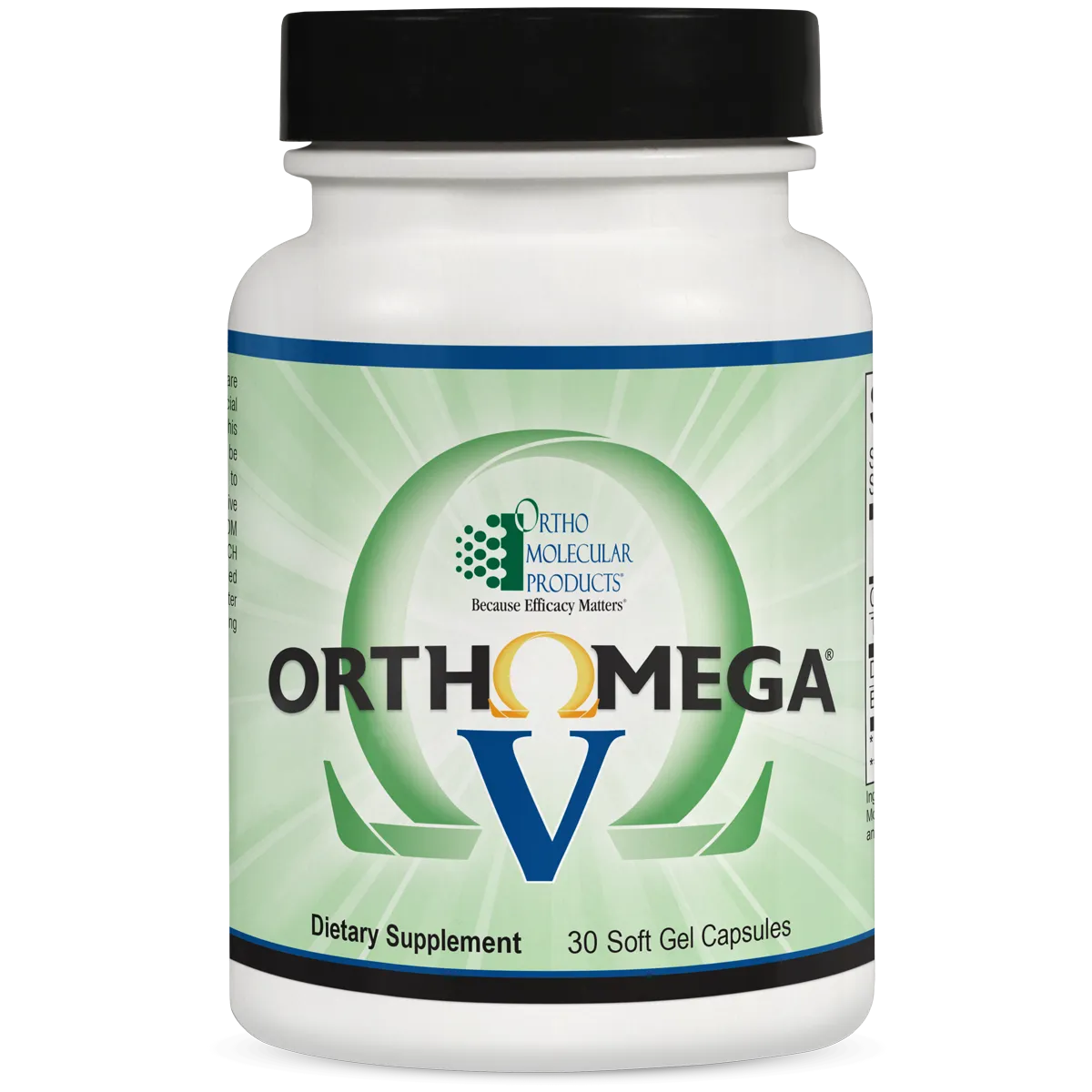
However, for patients with complex chronic conditions, particularly those dealing with mast cell activation syndrome (MCAS) or histamine intolerance, traditional fish oil supplements can sometimes do more harm than good. Rancid or low-quality fish oils can trigger severe histamine reactions, leaving patients frustrated and symptomatic. Enter Orthomega® V, a highly purified, plant-based formula that provides high-concentration omega-3 fatty acids sourced directly from algae. By delivering potent doses of docosahexaenoic acid (DHA) and eicosapentaenoic acid (EPA) in a highly bioavailable re-esterified triglyceride form, Orthomega® V offers a unique, histamine-friendly alternative to traditional fish oil. In this comprehensive guide, we will explore the deep molecular mechanisms of Omega-3s and how they may support patients living with Long COVID, ME/CFS, and dysautonomia.
TL;DR
Omega-3s may support cellular repair and help manage inflammation in Long COVID, ME/CFS, and dysautonomia.
Orthomega® V is a plant-based, algae-sourced Omega-3, offering a histamine-friendly option for MCAS patients.
The re-esterified triglyceride (rTG) form supports efficient absorption without requiring high-fat meals.
Always consult your healthcare provider before starting high-dose Omega-3 supplementation.
What is Orthomega® V?
The Essential Nature of Omega-3 Fatty Acids
Omega-3 fatty acids are polyunsaturated fats that are deemed "essential" cornerstones of human nutrition because the human body cannot synthesize them on its own. We must obtain these critical molecules through our diet or targeted supplementation. The two most biologically active and heavily researched Omega-3s are eicosapentaenoic acid (EPA) and docosahexaenoic acid (DHA). In a healthy body, these fatty acids are incorporated directly into the phospholipid bilayer of every cell membrane, where they dictate membrane fluidity, cellular signaling, and receptor function. Without adequate levels of EPA and DHA, cell membranes become rigid and dysfunctional, impairing everything from neurotransmitter release in the brain to the flexibility of red blood cells traveling through microscopic capillaries.
At a molecular level, EPA and DHA play profoundly different but complementary roles. DHA is highly concentrated in the central nervous system and the retina, making up a significant portion of the brain's structural lipids. It is crucial for maintaining the integrity of the blood-brain barrier and supporting the growth of new synaptic connections. EPA, on the other hand, is a metabolic powerhouse that heavily influences systemic inflammation and cardiovascular tone. It acts as a direct competitor to pro-inflammatory Omega-6 fatty acids, specifically arachidonic acid, competing for the same enzymatic pathways (such as cyclooxygenase and lipoxygenase) to reduce the production of inflammatory prostaglandins and leukotrienes. Together, they orchestrate a delicate balance between initiating necessary immune responses and resolving them once the threat has passed.
The Algae Advantage for Purity and Histamine Sensitivity
Traditionally, the most common source of EPA and DHA has been marine fish oil. However, fish do not actually produce Omega-3s themselves; they accumulate them by consuming microalgae in the ocean. Orthomega® V bypasses the fish entirely, sourcing its high-concentration Omega-3s directly from these primary plant-based producers. This algae-sourced approach is not only environmentally sustainable but also offers profound clinical advantages for patients with complex chronic illnesses. Marine fish oils are highly susceptible to oxidation, and as they degrade, they can accumulate high levels of histamine and other biogenic amines. For patients with mast cell activation syndrome (MCAS) or histamine intolerance, consuming even slightly oxidized fish oil can trigger a massive inflammatory cascade.
By utilizing a vegan, algae-derived source, Orthomega® V provides a pristine, ultra-pure alternative that inherently carries a significantly lower risk of histamine contamination. Furthermore, the formula includes Vitamin E (as mixed tocopherols) and rosemary extract. These natural antioxidants are not merely inactive fillers; they are carefully selected to protect the fragile double bonds within the EPA and DHA molecules from oxidative damage. This ensures maximum purity and freshness from the moment the capsule is manufactured until it is absorbed in the digestive tract, preventing the lipid peroxidation that can turn a beneficial supplement into a source of free radical stress.
Re-esterified Triglycerides (rTG) vs. Ethyl Esters (EE)
The chemical structure of an Omega-3 supplement dictates how efficiently the body can absorb and utilize it. In nature, Omega-3s exist as natural triglycerides, but to achieve the high concentrations of EPA (225 mg) and DHA (450 mg) found in Orthomega® V, the oil must be purified. Many standard supplements on the market stop at the "ethyl ester" (EE) phase of purification, where the fatty acids are attached to an ethanol backbone. The human digestive system struggles to break down ethyl esters efficiently, requiring the presence of a high-fat meal to stimulate enough pancreatic enzymes for proper absorption. If taken on an empty stomach, the bioavailability of EE Omega-3s plummets significantly.
Orthomega® V utilizes the premium re-esterified triglyceride (rTG) form. In this advanced manufacturing process, enzymes are used to strip away the ethanol and re-attach the highly concentrated EPA and DHA molecules back to a natural glycerol backbone. This structural mimicry allows the digestive system to recognize the fats immediately. rTG forms are generally intended to ensure that therapeutic fatty acids reach the bloodstream and tissues efficiently, rather than being excreted as waste.
How Chronic Illness Impacts Cellular and Systemic Health
The Arachidonic Acid (AA) to EPA Ratio and Systemic Inflammation
In complex chronic conditions like Long COVID and ME/CFS, the body's inflammatory response becomes trapped in a vicious, self-perpetuating cycle. A critical biomarker for this systemic dysfunction is the ratio of Arachidonic Acid (AA) to Eicosapentaenoic Acid (EPA) in the blood. Arachidonic acid is an Omega-6 fatty acid that serves as the primary building block for pro-inflammatory signaling molecules. During an acute viral infection, the immune system heavily relies on AA to generate the inflammation necessary to fight off the pathogen. However, once the virus is cleared, the body requires adequate levels of EPA to signal the immune system to stand down. In many chronic illness patients, this ratio is severely skewed toward AA, leaving the immune system in a perpetual state of high alert.
When the AA:EPA ratio remains elevated, macrophages—the white blood cells responsible for engulfing cellular debris—remain locked in their aggressive, classically activated "M1" state. They continuously pump out inflammatory cytokines like Interleukin-6 (IL-6) and Tumor Necrosis Factor-alpha (TNF-α), which circulate throughout the body, causing widespread tissue damage and profound fatigue. This sustained systemic inflammation exhausts the body's metabolic resources and prevents the transition to the "M2" healing state. Without sufficient Omega-3s to act as a biochemical brake, the inflammatory cascade continues unabated, driving the multi-systemic symptoms that characterize Long COVID and related post-viral syndromes.
Endothelial Dysfunction and Microclotting in Long COVID
One of the most devastating pathophysiological mechanisms identified in Long COVID is widespread endothelial dysfunction. The endothelium is the delicate inner lining of our blood vessels, responsible for regulating blood flow, blood pressure, and coagulation. The SARS-CoV-2 virus directly attacks these cells via the ACE2 receptor, leaving the blood vessels inflamed and damaged. This damage triggers a phenomenon known as "immunothrombosis," where hyperactive immune cells and damaged vascular walls continuously activate the body's clotting cascade. The result is the formation of persistent, microscopic blood clots (microclots) that clog the capillary networks, starving tissues and muscles of vital oxygen and nutrients.
This microvascular starvation is a primary driver of the debilitating fatigue and post-exertional malaise (PEM) seen in Long COVID and ME/CFS. When patients attempt to exert themselves, their muscles cannot receive the oxygen required for aerobic energy production, forcing the cells into inefficient anaerobic metabolism. This leads to a rapid buildup of lactic acid and a subsequent metabolic "crash." The depletion of Omega-3 fatty acids exacerbates this endothelial dysfunction, as the body lacks the raw materials needed to produce nitric oxide—a crucial vasodilator that helps keep blood vessels open and flexible. Without intervention, this vascular compromise severely limits a patient's functional capacity and quality of life.
Oxidative Stress and Mitochondrial Dysfunction in ME/CFS
Myalgic encephalomyelitis/chronic fatigue syndrome (ME/CFS) is heavily characterized by severe mitochondrial dysfunction and rampant oxidative stress. Mitochondria are the powerhouses of our cells, responsible for generating adenosine triphosphate (ATP), the energy currency of the body. In ME/CFS, the mitochondrial electron transport chain becomes highly inefficient, leaking reactive oxygen species (free radicals) into the cellular environment. This creates a state of high oxidative stress, where the free radicals begin to attack and damage the cell's own structures, a process known as lipid peroxidation. The delicate phospholipid membranes of the mitochondria are particularly vulnerable to this oxidative damage, further impairing their ability to produce energy.
Research indicates that ME/CFS patients often have significantly depleted levels of natural antioxidants and essential fatty acids, leaving their cells defenseless against this oxidative onslaught. According to recent literature, ME/CFS and Long COVID patients exhibit signs of elevated oxidative stress, including aberrations in ROS clearance pathways and lipid oxidative damage. The persistent viral infections or immune stressors that trigger ME/CFS may also inhibit the specific enzymes required to convert dietary fats into active EPA and DHA. This enzymatic blockade leaves cell membranes rigid and dysfunctional, disrupting neurotransmitter signaling in the brain and perpetuating the cycle of neuroinflammation and profound exhaustion that defines the illness.
Orthomega® V: Supporting Inflammatory Resolution and Autonomic Function
Specialized Pro-resolving Mediators (SPMs) and Neuroinflammation
The therapeutic power of Orthomega® V lies in its ability to actively resolve, rather than just passively suppress, chronic inflammation. When high concentrations of EPA and DHA are introduced into the body, they are metabolized by specific enzymes into a class of signaling molecules known as Specialized Pro-resolving Mediators (SPMs). These include resolvins, protectins, and maresins. Unlike traditional anti-inflammatory drugs that simply block the initial inflammatory pathways, SPMs actively instruct the immune system to begin the cleanup and repair process. They signal polymorphonuclear leukocytes to stop infiltrating tissues, promote the clearance of dead cellular debris (efferocytosis), and initiate tissue regeneration in the central nervous system.
This active resolution is particularly critical for combating the neuroinflammation that drives the cognitive dysfunction, or "brain fog," seen in Long COVID and ME/CFS. Chronic systemic inflammation frequently breaches the blood-brain barrier, activating microglial cells—the resident immune cells of the brain. When microglia become hyperactive, they release neurotoxic cytokines that impair synaptic transmission and degrade white matter integrity. The DHA provided by Orthomega® V is specifically converted into neuroprotectin D1, an SPM that directly suppresses microglial activation and protects neuronal survival. Omega-3s are generally thought to help restore normal neurotransmission, alleviating mood disorders and cognitive deficits associated with neuroinflammation.
Mast Cell Stabilization and the IgE Receptor Pathway
For patients battling mast cell activation syndrome (MCAS), Omega-3 fatty acids offer a profound, natural mechanism for cellular stabilization. Mast cells are the immune system's first responders, packed with granules containing histamine, leukotrienes, and inflammatory cytokines. In MCAS, these cells become hyper-reactive, degranulating inappropriately in response to minor triggers. Omega-3s target this dysfunction at the molecular level by physically incorporating themselves into the mast cell's lipid membrane. This structural alteration disrupts the clustering of the high-affinity IgE receptors (FcεRI) on the cell surface, effectively blocking the downstream signaling cascade (involving proteins like Lyn and Syk) that tells the mast cell to degranulate.
Furthermore, EPA and DHA directly compete with pro-inflammatory arachidonic acid for access to the cyclooxygenase (COX) and lipoxygenase (LOX) enzymes. By displacing arachidonic acid, Omega-3s drastically reduce the mast cell's ability to synthesize highly inflammatory lipid mediators like Prostaglandin D2 and leukotrienes. A guide on food intolerances discusses managing MCAS through diet, though it does not specifically detail a 2013 study on GATA-1 and GATA-2 suppression. Because Orthomega® V is sourced from ultra-pure algae rather than potentially oxidized fish oil, it provides these stabilizing benefits without introducing the exogenous histamine that often triggers MCAS flares.
Vagal Tone, HRV, and Dysautonomia Support
Dysautonomia, including Postural Orthostatic Tachycardia Syndrome (POTS), is characterized by a severe imbalance in the autonomic nervous system, often presenting as sympathetic overactivation ("fight or flight") and parasympathetic withdrawal. Omega-3 fatty acids are highly concentrated in cardiac tissue and the vagus nerve, allowing them to directly modulate autonomic control. EPA and DHA influence the heart's pacemaker cells and enhance vagal tone, which physically slows the electrical conduction in the heart. This parasympathetic enhancement helps naturally lower resting heart rates and mitigate the severe tachycardic spikes that POTS patients experience upon standing.
A key clinical marker of autonomic health is Heart Rate Variability (HRV), which measures the variation in time between consecutive heartbeats. A higher HRV indicates a flexible, resilient nervous system capable of adapting to stress. Clinical studies have consistently shown that high-dose Omega-3 supplementation significantly increases HRV, indicating a favorable shift toward parasympathetic dominance. Additionally, by activating endothelial nitric oxide synthase (eNOS), Omega-3s promote vasodilation and improve blood flow, counteracting the severe vasoconstriction and blood pooling that often exacerbate dysautonomia symptoms. This dual action on both the nervous system and the vascular endothelium makes Omega-3s a cornerstone of integrative POTS management.

Symptoms Orthomega® V May Help Manage
Neurological and Cognitive Symptoms
The brain is composed of nearly 60% fat, making it highly responsive to lipid-based interventions. By actively resolving neuroinflammation and supporting neurotransmitter function, Orthomega® V targets several debilitating cognitive symptoms:
Brain Fog and Cognitive Impairment: DHA is essential for synaptic plasticity and neuronal communication. By reducing microglial activation and promoting the clearance of neurotoxic debris via SPMs, Omega-3s help restore mental clarity, focus, and memory retention.
Depression and Anxiety: Neuroinflammation disrupts the synthesis of serotonin and dopamine. EPA regulates the HPA axis and stabilizes neuronal membranes, which has been shown to significantly reduce the risk of post-viral psychiatric sequelae and stabilize mood.
Insomnia and Sleep Disturbances: Chronic sympathetic nervous system overactivation prevents restorative sleep. By enhancing vagal tone and lowering systemic inflammation, Omega-3s help calm the nervous system, promoting deeper, more restful sleep cycles.
Cardiovascular and Autonomic Symptoms
The cardiovascular system relies heavily on the anti-inflammatory and vasodilatory properties of Omega-3s to maintain proper blood flow and autonomic regulation. Supplementation may help manage:
Tachycardia and Palpitations: In conditions like POTS, the heart races inappropriately. EPA and DHA directly modulate the heart's pacemaker cells and increase parasympathetic vagal tone, helping to lower resting heart rates and blunt orthostatic spikes.
Fatigue and Post-Exertional Malaise (PEM): Microclots and endothelial dysfunction starve muscles of oxygen, leading to rapid exhaustion. Omega-3s activate eNOS to improve vasodilation and reduce platelet aggregation, enhancing microvascular blood flow and cellular oxygen delivery.
Blood Pooling and Dizziness: By improving overall vascular tone and endothelial health, Omega-3s support the body's ability to properly constrict and dilate blood vessels, reducing the severity of orthostatic intolerance and dizziness upon standing.
Immunological and Inflammatory Symptoms
By shifting the immune system from a state of chronic activation to one of resolution, Orthomega® V addresses the systemic symptoms driven by immune dysregulation:
Joint and Muscle Pain (Myalgia): High levels of circulating cytokines and inflammatory prostaglandins cause widespread tissue pain. EPA competes with arachidonic acid to drastically reduce the production of these pain-inducing molecules.
MCAS Flares and Allergic Reactions: Hyper-reactive mast cells release cascades of histamine and leukotrienes. Omega-3s incorporate into the mast cell membrane, disrupting the IgE receptor pathways and acting as natural mast cell stabilizers to reduce the frequency and severity of flares.
General Systemic Inflammation: A skewed AA:EPA ratio keeps the body in a perpetual state of stress. Supplementing with high-dose Omega-3s lowers this ratio, signaling macrophages to transition from an aggressive inflammatory state to a tissue-healing state.
Practical Considerations: Forms, Dosing, and Absorption
The Bioavailability of Re-esterified Triglycerides (rTG)
When selecting an Omega-3 supplement, the chemical form is just as important as the dosage. As previously discussed, Orthomega® V utilizes the premium re-esterified triglyceride (rTG) form. This is crucial for patients with chronic illnesses who may already suffer from gastrointestinal dysfunction or malabsorption issues. Because the rTG form mimics the natural structure of dietary fats, it is easily recognized and cleaved by pancreatic lipases in the digestive tract. This results in rapid and efficient absorption across the intestinal wall. In contrast, cheaper ethyl ester (EE) forms require additional enzymatic steps to remove the ethanol backbone, a process that is often inefficient and can lead to gastrointestinal distress or "fish burps."
The superior bioavailability of rTG means that patients can achieve therapeutic blood levels of EPA and DHA more quickly and reliably. Clinical studies have demonstrated that rTG forms raise the "Omega-3 Index"—a measure of the amount of EPA and DHA incorporated into red blood cell membranes—significantly faster than EE forms over a 3-to-6-month period. For patients dealing with severe neuroinflammation or dysautonomia, rapidly elevating this cellular index is vital for initiating the production of Specialized Pro-resolving Mediators (SPMs) and beginning the tissue repair process.
Dosing Guidelines and the "Meal Factor"
Achieving clinical benefits from Omega-3s requires appropriate dosing. While general wellness doses often hover around 1,000 mg per day, functional medicine protocols for complex chronic conditions like Long COVID, ME/CFS, and POTS typically recommend higher therapeutic ranges, often between 2,000 mg to 4,000 mg of combined EPA and DHA daily. Orthomega® V provides a potent 675 mg of combined EPA/DHA per soft gel, allowing patients to reach these therapeutic targets efficiently. However, it is essential to start slowly and titrate the dose upward to monitor for gastrointestinal tolerance and ensure the body adapts to the increased lipid load.
The timing and context of supplementation also play a critical role in absorption. While the rTG form in Orthomega® V is far less dependent on dietary fat for absorption than ethyl esters, taking the supplement with a fat-containing meal is still highly recommended. Dietary fat stimulates the release of bile salts from the gallbladder and lipases from the pancreas, creating an optimal environment for lipid emulsification and absorption. Taking Omega-3s with meals containing healthy fats—such as avocados, olive oil, or nuts—can maximize the amount of EPA and DHA that successfully enters the systemic circulation.
Histamine Intolerance and the Vegan Algae Solution
For the subset of chronic illness patients dealing with Mast Cell Activation Syndrome (MCAS) or severe histamine intolerance, traditional fish oil can be a minefield. As marine oils oxidize, they develop high levels of biogenic amines, including histamine, which can trigger severe allergic-type reactions, flushing, and tachycardia. This is where the plant-based nature of Orthomega® V becomes a game-changer. By sourcing the Omega-3s directly from microalgae, the formula completely bypasses the marine food chain and the associated risks of histamine accumulation and heavy metal contamination (like mercury or PCBs).
Furthermore, the inclusion of natural antioxidants like Vitamin E (mixed tocopherols) and rosemary extract ensures that the delicate polyunsaturated fats remain stable and unoxidized throughout their shelf life. Patients with MCAS should always introduce new supplements cautiously, but an ultra-pure, algae-sourced, rTG Omega-3 is widely considered the safest and most effective way to achieve mast cell stabilization without triggering a histamine response. As always, it is crucial to consult with a healthcare provider to determine the optimal dosage and ensure there are no contraindications, particularly if you are taking prescription blood thinners, as high-dose Omega-3s have mild antithrombotic effects.

Follow the Science
Recent Trials on Long COVID and Neuropsychiatric Outcomes
The scientific community has increasingly focused on Omega-3 fatty acids as a biologically plausible intervention for Long COVID, given their profound immunomodulatory properties. A major retrospective cohort study reported in 2024 analyzed health data from over 33,000 adults who contracted COVID-19. The researchers found that regular use of Omega-3 supplements was strongly associated with a 20% lower overall risk of developing post-COVID psychiatric sequelae. Specifically, the Omega-3 cohort experienced a 32% lower risk of insomnia and a 17% lower risk of both depression and anxiety compared to non-users. This massive dataset underscores the neuroprotective effects of EPA and DHA in preventing the long-term central nervous system damage caused by viral neuroinflammation.
In a more targeted clinical setting, a 2024 randomized controlled trial evaluated the feasibility of Omega-3 supplementation compared to placebo in the management of Long COVID symptoms among healthcare workers. This highlights the ongoing research into how high-dose Omega-3s might successfully alter the inflammatory lipid profile in Long COVID patients, setting the stage for cellular repair.
Clinical Evidence in POTS and Dysautonomia
The cardiovascular and autonomic benefits of Omega-3s are well-documented, particularly concerning Heart Rate Variability (HRV) and tachycardia. A recent study published in MDPI analyzed adolescents who developed Postural Orthostatic Tachycardia Syndrome (POTS) and Inappropriate Sinus Tachycardia (IST) following COVID-19 infection. Patients were treated with 1 to 2 grams of Omega-3s daily. The researchers found that Omega-3 supplementation significantly decreased the abnormal heart rate spikes during active standing tests. In fact, the standing heart rate increase was reduced to 25.6 bpm, performing nearly as well as prescription beta-blockers and ivabradine.
These findings are supported by earlier randomized controlled trials on cardiac autonomic dysfunction. A 2018 trial published in Nutrients studied 85 patients with severe autonomic impairment. Those receiving 2 grams of marine Omega-3 PUFAs daily for three months showed significantly improved vagal modulation of the heart, increased HRV, and a reduction in resting heart rate by an average of 2.5 bpm. This robust clinical evidence highlights Omega-3s as a critical tool for stabilizing the autonomic nervous system and managing the erratic cardiovascular symptoms of dysautonomia.
Research on ME/CFS and Oxidative Stress
In the realm of ME/CFS, research has long pointed to lipid membrane dysfunction and oxidative stress as core drivers of the illness. Research continues to explore how highly purified EPA can yield notable improvements in symptomatology, particularly cognitive "brain fog."
More recently, a study involving 15 ME/CFS and 15 Long COVID patients demonstrated that these conditions share characteristics of elevated oxidative stress and lipid oxidative damage, highlighting the need for interventions that support antioxidant defenses. By repairing the structural integrity of cellular membranes and boosting antioxidant capacity, Omega-3s may address the fundamental metabolic deficits that perpetuate ME/CFS fatigue and post-exertional malaise.
The Path Forward
Integrating Omega-3s into a Comprehensive Protocol
Living with complex chronic conditions like Long COVID, ME/CFS, and dysautonomia is an arduous journey that requires immense patience and a multifaceted management approach. While the scientific evidence supporting Omega-3 fatty acids is robust, it is important to remember that no single supplement is a magic cure. Orthomega® V is best utilized as a foundational component of a broader, integrative protocol. By actively lowering systemic inflammation, stabilizing mast cells, and supporting autonomic function, Omega-3s help create a more resilient cellular environment. This biological stabilization can make other interventions—such as pacing strategies, metabolic support, and prescribed medications—significantly more effective.
Because Orthomega® V is sourced from ultra-pure, vegan algae and formulated as highly bioavailable re-esterified triglycerides, it is uniquely suited for patients with sensitive systems, particularly those navigating histamine intolerance or MCAS. The high concentrations of EPA and DHA provide the necessary building blocks for Specialized Pro-resolving Mediators (SPMs), actively instructing your immune system to move from a state of chronic alarm into a phase of tissue repair and healing. This shift is essential for reclaiming cognitive clarity, stabilizing erratic heart rates, and improving overall energy metabolism.
Tracking Your Progress and Biomarkers
When introducing a powerful anti-inflammatory agent like Orthomega® V, tracking your symptoms and biomarkers is crucial for evaluating its efficacy. Because Omega-3s must physically incorporate into your cell membranes to exert their full effects, it typically takes 8 to 12 weeks of consistent daily supplementation to notice significant clinical changes. During this time, we encourage you to maintain a detailed symptom journal. Track variables such as the frequency of your brain fog, the severity of your post-exertional malaise crashes, your resting heart rate, and the intensity of your MCAS flares.
For a more objective measure of your progress, you may want to discuss specific lab tests with your healthcare provider. Testing your Omega-3 Index can reveal the exact percentage of EPA and DHA in your red blood cell membranes, ensuring you are reaching therapeutic levels. Additionally, measuring your Arachidonic Acid to EPA (AA:EPA) ratio can provide a clear picture of your systemic inflammatory burden. Watching this ratio drop over time is a powerful indicator that your body is successfully shifting toward inflammatory resolution, validating the invisible healing occurring at the cellular level.
Next Steps for Your Healing Journey
At RTHM, we deeply understand the frustration of living with invisible illnesses and the exhaustion of searching for answers. Your symptoms are real, they are physiologically based, and there is profound hope in the emerging science of cellular repair and inflammatory resolution. By choosing high-quality, targeted nutritional support, you are taking an active, empowering step toward stabilizing your biology and improving your quality of life.
Before starting any new supplement regimen, especially at therapeutic doses, it is vital to consult with your healthcare provider to ensure it aligns with your specific medical history and current medications. If you and your doctor determine that high-concentration, plant-based Omega-3s are right for you, we invite you to explore how Orthomega® V can support your recovery.
Sources
Post-COVID Psychiatric Outcomes and Omega-3 Cohort Study (Dr. Devin Wilson)
Main Contributors to Long COVID: Inflammation, Immune Dysregulation, and Autoimmunity
Oxidative stress is a shared characteristic of ME/CFS and Long COVID (PNAS / PubMed)
Omega-3 polyunsaturated fatty acids and heart rate variability (Frontiers in Physiology)
Therapeutic Approaches to Dysautonomia in Childhood, with a Special Focus on Long COVID (MDPI)
An Update on Omega-3 Polyunsaturated Fatty Acids and Cardiovascular Health (MDPI)
Pilot Study of Omega-3 Supplementation in Healthcare Workers with Long COVID (Cureus)