Can EPA Fish Oil Support Brain Fog and Inflammation in Long COVID?
March 6, 2026
EPALong COVIDME/CFS
Share:
Disclaimer: The information provided here is for educational purposes only and is not intended as medical advice. It should not be used to diagnose, treat, cure, or prevent any medical condition. Instead, use it as a starting point for discussion with your healthcare provider. Always consult with a qualified healthcare provider before starting any new medication, supplement, device, or making changes to your health regimen.
Living with complex chronic conditions like Long COVID, myalgic encephalomyelitis/chronic fatigue syndrome (ME/CFS), and dysautonomia often feels like navigating a labyrinth with no clear exit. You might experience days where debilitating brain fog makes simple conversations exhausting, or where unexplained joint pain and cardiovascular symptoms leave you bedbound. These invisible symptoms are frequently dismissed by traditional medical paradigms, leaving patients frustrated and searching for scientifically grounded answers. If you have been told your lab results are "normal" despite feeling fundamentally unwell, your experience is entirely valid. The medical community is increasingly recognizing that these post-viral syndromes are rooted in profound physiological disruptions, particularly involving systemic inflammation and vascular dysfunction.
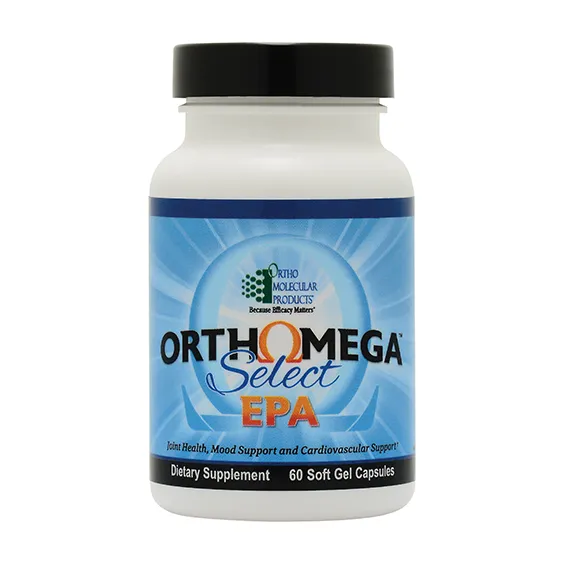
In the search for targeted therapeutic support, researchers are turning their attention to specific nutritional interventions that address these underlying mechanisms. One such intervention is eicosapentaenoic acid (EPA), a highly potent omega-3 fatty acid. While general fish oil supplements have been popular for decades, emerging clinical evidence highlights the unique, targeted benefits of high-concentration EPA for neuroinflammation, endothelial health, and mood regulation. Products like Orthomega® Select EPA are designed to deliver intensive nutritional support, utilizing the highly bioavailable triglyceride form to maximize absorption. In this comprehensive guide, we will explore the intricate biochemistry of EPA, how chronic illness depletes this essential nutrient, and how targeted supplementation may help you manage the complex symptoms of Long COVID and ME/CFS.
What is EPA (Eicosapentaenoic Acid)?
The Essential Nature of Omega-3 Fatty Acids
To understand the therapeutic potential of Orthomega® Select EPA, we must first explore the fundamental role of omega-3 polyunsaturated fatty acids (PUFAs) in human biology. Eicosapentaenoic acid (EPA) is a long-chain omega-3 fatty acid predominantly found in cold-water marine sources, such as wild-caught fish and microalgae. Unlike certain other fats that the body can synthesize from scratch, EPA is considered an essential nutrient. While humans possess enzymes capable of converting plant-based alpha-linolenic acid (ALA) into EPA, this conversion process is notoriously inefficient, often yielding less than 5% conversion rates. Consequently, direct dietary intake or supplementation is necessary to maintain optimal cellular levels.
At the cellular level, EPA is a critical structural component of the phospholipid bilayer—the protective membrane that surrounds every cell in your body. The presence of EPA in these membranes dictates their fluidity, flexibility, and overall integrity. A fluid cell membrane is essential for the proper functioning of embedded proteins, including ion channels and hormone receptors. When cell membranes are rich in EPA, cells can communicate more effectively, absorb nutrients more efficiently, and expel metabolic waste with greater ease. This structural role is particularly vital in highly active tissues, such as the endothelium (the lining of your blood vessels) and the central nervous system.
Beyond its structural role, EPA serves as a dynamic signaling molecule. It is continuously mobilized from cell membranes in response to physiological stress, injury, or infection. Once released, EPA interacts with complex enzymatic pathways to regulate the body's immune response, vascular tone, and neurological function. Its ability to modulate these systems makes it a cornerstone of cellular defense and systemic homeostasis, particularly in the face of environmental stressors and viral pathogens.
The Omega-3 vs. Omega-6 Tug-of-War
To fully grasp how EPA exerts its anti-inflammatory effects, we must examine its relationship with its metabolic rival: arachidonic acid (AA). Arachidonic acid is an omega-6 fatty acid that is highly prevalent in the modern Western diet, primarily sourced from vegetable oils, grain-fed meats, and processed foods. While a certain amount of AA is necessary for initiating acute immune responses, an excess of AA creates a highly pro-inflammatory environment. When the body encounters a stressor, enzymes known as cyclooxygenase (COX) and lipoxygenase (LOX) metabolize AA into potent pro-inflammatory signaling molecules called eicosanoids, specifically prostaglandin E2 (PGE2) and leukotriene B4 (LTB4).
This is where EPA steps in as a critical metabolic regulator. EPA directly competes with arachidonic acid for access to the catalytic sites of the COX and LOX enzymes. By displacing AA, EPA shifts the metabolic output away from highly inflammatory mediators. Instead of producing PGE2 and LTB4, the enzymes metabolize EPA into 3-series prostaglandins and 5-series leukotrienes, which are significantly less inflammatory. Research shows that EPA competitively inhibits the production of inflammatory eicosanoids with remarkable efficiency, effectively starving the body's inflammatory cascade of its primary fuel source.
In a healthy individual, the ratio of omega-6 to omega-3 fatty acids should ideally be around 2:1 or 4:1. However, due to dietary habits and chronic illness, many patients exhibit ratios as skewed as 20:1. This severe imbalance leaves the body locked in a state of chronic, low-grade inflammation. By introducing high-concentration EPA through targeted supplementation, patients can drive down the AA-to-EPA ratio, restoring biochemical balance and mitigating the relentless production of inflammatory cytokines.
Active Resolution Through Specialized Pro-Resolving Mediators (SPMs)
For decades, scientists believed that the resolution of inflammation was a passive process—that inflammation simply "fizzled out" once the immune threat was neutralized. We now know this is entirely incorrect. The resolution of inflammation is a highly active, tightly orchestrated biochemical process driven by molecules known as Specialized Pro-resolving Mediators (SPMs). EPA is a direct precursor to a specific class of these SPMs called E-series Resolvins, including RvE1, RvE2, and RvE3.
Rather than just passively blocking the initiation of inflammation, these EPA-derived resolvins actively signal the immune system to stand down. Resolvin E1, for example, specifically suppresses the NF-κB transcription pathway, which is responsible for the release of pro-inflammatory cytokines like interleukin-6 (IL-6) and tumor necrosis factor-alpha (TNF-α). Furthermore, resolvins halt the infiltration of neutrophils (white blood cells that can cause collateral tissue damage) and promote the phagocytosis—or cellular "cleanup"—of debris by macrophages.
This active resolution phase is crucial for patients with complex chronic conditions. In post-viral syndromes, the immune system often becomes stuck in a hyperactive state, unable to complete the inflammatory cycle. By supplying the body with the raw materials needed to generate resolvins, EPA helps bridge the gap between chronic immune activation and tissue healing, promoting a return to systemic homeostasis.
How Long COVID and ME/CFS Impact Endothelial and Neurological Function
The Endothelial Assault and Microclotting
To understand why EPA is so relevant to post-viral syndromes, we must examine What Causes Long COVID and ME/CFS at the vascular level. A growing consensus among medical researchers points to endothelial dysfunction as a primary driver of these conditions. The endothelium is the delicate, single-cell layer that lines your entire vascular system, regulating blood flow, immune cell transport, and coagulation. During an acute SARS-CoV-2 infection, the virus directly attacks the endothelium via ACE2 receptors, triggering widespread vascular inflammation. Similarly, ME/CFS is frequently triggered by viral infections (such as Epstein-Barr virus) that establish reservoirs, chronically irritating the vascular lining.
When the endothelium is damaged, it loses its ability to produce adequate nitric oxide, a crucial molecule that tells blood vessels to relax and dilate. This leads to vasoconstriction and a prothrombotic (clot-promoting) state. Researchers like Resia Pretorius have identified the presence of amyloid microclots in the blood of Long COVID and ME/CFS patients. These microscopic clots trap inflammatory molecules and physically block the tiny capillaries responsible for delivering oxygen to tissues. This resulting systemic hypoxia (oxygen starvation) is a major reason why patients experience debilitating fatigue, muscle pain, and post-exertional malaise (PEM).
Neuroinflammation and the Glial Cell Response
The vascular damage seen in these conditions does not stop at the neck; it profoundly impacts the central nervous system. The blood-brain barrier (BBB), which normally protects the brain from systemic toxins and immune cells, is composed of endothelial cells. When endothelial dysfunction compromises the BBB, systemic inflammatory cytokines can cross into the brain, triggering a localized immune response known as neuroinflammation. This process is heavily mediated by microglia, the resident immune cells of the brain.
In a healthy state, microglia act as gentle caretakers, pruning synapses and clearing cellular waste. However, when exposed to chronic inflammatory signals, they shift into an aggressive "M1 phenotype." In this state, microglia release neurotoxic chemicals and inflammatory cytokines that disrupt neurotransmitter function and impair neuronal communication. This neuroinflammatory cascade is the physiological root of "brain fog," cognitive impairment, memory loss, and the severe mood dysregulation frequently reported by patients navigating How Can You Live with Long-Term COVID.
The Systemic Depletion of Omega-3 Reserves
Fighting a chronic, multisystemic illness requires a massive amount of metabolic resources. As the body continuously attempts to quell systemic inflammation and repair endothelial damage, it rapidly burns through its reserves of anti-inflammatory molecules, including EPA. This creates a vicious cycle: the chronic immune response depletes EPA, and the resulting EPA deficiency allows the inflammation to rage unchecked, further exacerbating the disease state.
Clinical data strongly supports this phenomenon. A recent study examining the erythrocyte PUFA status in ME/CFS patients found that a staggering 92.6% of the sample had an abnormally low mean Omega-3 index of just 5.75%. This severe depletion was inversely correlated with a highly pro-inflammatory AA-to-EPA ratio. When the body lacks sufficient EPA, it cannot generate the resolvins necessary to heal the endothelium or calm overactive microglia, leaving patients trapped in a state of persistent symptom exacerbation.
Orthomega Select EPA: Supporting Vascular and Neurological Health
Silencing the Inflammatory Cascade
Supplementing with a high-concentration formula like Orthomega® Select EPA provides the targeted nutritional support needed to interrupt the vicious cycles of chronic illness. By flooding the system with highly bioavailable EPA, the body can begin to correct the skewed arachidonic acid ratio. At the molecular level, this influx of EPA competitively inhibits the COX and LOX enzymes, drastically reducing the production of pain-inducing and inflammatory eicosanoids. This mechanism is particularly beneficial for managing the widespread joint pain, muscle aches, and systemic hyperalgesia (increased sensitivity to pain) that plague many patients.
Furthermore, the robust supply of EPA allows the body to resume the production of E-series resolvins. These Specialized Pro-resolving Mediators actively signal the immune system to transition from an aggressive attack phase to a tissue-repair phase. By promoting the clearance of cellular debris and halting the influx of neutrophils, EPA helps to cool the systemic inflammatory fire, providing a biochemical foundation for symptom stabilization and recovery.
Restoring Endothelial Function and Blood Flow
One of the most critical therapeutic angles of EPA supplementation is its profound impact on vascular health. EPA has been shown to enhance the activity of endothelial nitric oxide synthase (eNOS), the enzyme responsible for producing nitric oxide. By increasing nitric oxide bioavailability, EPA promotes vasodilation—the relaxation and widening of blood vessels. This improved vascular tone helps restore healthy blood flow to oxygen-starved tissues, directly addressing the hypoperfusion that drives fatigue and cognitive dysfunction in Long COVID and ME/CFS.
In addition to promoting vasodilation, EPA exerts potent anti-thrombotic effects. It alters the phospholipid membrane of platelets, reducing their tendency to stick together and form clots. By acting on specific enzymatic pathways (COX-1 and 12-LOX), EPA lowers the release of thromboxane, a lipid that induces platelet aggregation. This mechanism is vital for combating the microclotting pathology observed in post-viral syndromes, helping to clear the capillary blockages and improve microcirculation throughout the body.
Calming Neuroinflammation via GPR120 and VNUT
EPA's ability to cross the blood-brain barrier allows it to directly address neuroinflammation. Recent research has uncovered fascinating molecular targets for EPA within the central nervous system. EPA acts as a direct ligand for the G protein-coupled receptor GPR120, which is highly expressed on microglial cells. When EPA binds to GPR120, it inhibits the polarization of microglia into the aggressive M1 phenotype and suppresses the activation of the NLRP3 inflammasome, effectively silencing the release of neurotoxic cytokines.
Even more remarkably, a breakthrough 2022 study published in PNAS identified the Vesicular Nucleotide Transporter (VNUT) as a direct molecular target of EPA. VNUT is responsible for packaging ATP into secretory vesicles. When released extracellularly, ATP acts as a potent "danger signal" that triggers severe inflammatory and neuropathic pain via purinergic receptors. EPA acts as an allosteric modulator, blocking VNUT-mediated ATP uptake with an incredibly potent IC50 of 67 nM. By preventing the release of this danger signal, EPA fundamentally silences neuropathic pain pathways without affecting normal sensory perception, offering profound relief for patients with central sensitization.
Why EPA Over DHA for Mood and Inflammation?
While both EPA and DHA are essential omega-3s, they serve very different primary functions. DHA is primarily a structural fat, making up a significant portion of the brain's physical architecture. EPA, on the other hand, is the primary driver of active inflammatory resolution and mood regulation. A landmark 2019 meta-analysis of 26 clinical trials demonstrated that omega-3 supplements containing predominantly EPA significantly offset symptoms of depression, whereas DHA-dominant supplements failed to show the same efficacy.
This is why Orthomega® Select EPA is formulated with a highly targeted ratio, delivering 660 mg of EPA and only 60 mg of DHA per soft gel. For patients dealing with the intense neuroinflammation, mood instability, and systemic immune dysregulation characteristic of Long COVID and ME/CFS, high-intensity EPA provides the specific biochemical tools needed to calm the brain and resolve active inflammatory states.

Symptoms EPA May Help Manage
Targeted Symptom Relief
Based on its mechanisms of action, high-concentration EPA supplementation may help manage a variety of complex symptoms associated with post-viral syndromes:
Brain Fog and Cognitive Impairment: By crossing the blood-brain barrier and activating GPR120 receptors on microglia, EPA helps calm neuroinflammation, supporting clearer thinking, improved memory retrieval, and better focus.
Debilitating Fatigue and PEM: By enhancing endothelial nitric oxide production and reducing microclot formation, EPA improves microcirculation and oxygen delivery to tissues, potentially raising the threshold for post-exertional malaise.
Neuropathic and Joint Pain: Through the competitive inhibition of COX/LOX enzymes and the direct blockade of the VNUT danger signal pathway, EPA reduces systemic hyperalgesia and improves joint mobility.
Mood Instability and Depression: As a potent precursor to anti-inflammatory resolvins, EPA has been clinically shown to promote a positive mental outlook and exert a significant calming effect on the brain, mitigating the psychiatric manifestations of neuroinflammation.
Cardiovascular Dysregulation: By supporting endothelial health and lowering serum triglycerides without raising LDL cholesterol, EPA helps stabilize the vascular system, which may assist in managing the rapid heart rate and blood pressure fluctuations seen in POTS and dysautonomia.
Practical Considerations: Forms, Dosing, and Absorption
The Triglyceride Advantage for Superior Absorption
When selecting an omega-3 supplement, the chemical form of the oil is just as important as the dosage. In the supplement industry, highly concentrated EPA is typically available in two forms: Ethyl Esters (EE) and Natural/Re-esterified Triglycerides (rTG). To concentrate EPA to high levels, manufacturers use molecular distillation, which replaces the natural glycerol backbone of the fat with an ethanol molecule, creating an ethyl ester. While this process is cheap, the human digestive system struggles to process ethyl esters efficiently.
Orthomega® Select EPA utilizes the premium triglyceride form. In this form, the concentrated EPA is enzymatically reattached to a natural glycerol backbone, mimicking the structure of fats found in nature. Landmark clinical studies, such as those by Dyerberg et al., have demonstrated that the relative bioavailability of the triglyceride form is approximately 70% higher than the ethyl ester form. Because your pancreatic enzymes easily recognize the triglyceride structure, the EPA is rapidly cleaved and absorbed into the intestinal wall, ensuring you actually receive the therapeutic benefits of the supplement.
Dosing Strategies and Meal Timing
The suggested use for Orthomega® Select EPA is typically 1 soft gel capsule per day, which delivers a robust 660 mg of EPA. However, practitioners managing complex chronic conditions may recommend higher, targeted doses based on individual clinical presentations and Omega-3 Index lab results. It is crucial to work with your healthcare provider to determine the optimal dosage for your specific needs, particularly if you are trying to address severe neuroinflammation or cardiovascular risk factors.
While the triglyceride form absorbs significantly better than ethyl esters on an empty stomach, it is still highly recommended to take your EPA supplement alongside a meal that contains healthy fats (such as avocado, olive oil, or nuts). Dietary fat stimulates the release of bile salts and pancreatic lipase, which further optimizes the breakdown and assimilation of the omega-3 fatty acids. Taking the supplement with food also drastically minimizes the likelihood of gastrointestinal discomfort or "fish burps."
Safety, Interactions, and Precautions
EPA is among the most researched natural ingredients available and has a long history of safety and efficacy. However, because it actively modulates vascular tone and platelet aggregation, there are important safety considerations. Omega-3 fatty acids possess a mild blood-thinning (anticoagulant) effect. If you are taking prescription blood thinners (like Warfarin or Plavix), or frequent over-the-counter NSAIDs, combining them with high-dose EPA can increase the risk of excessive bleeding.
Furthermore, if you have an upcoming surgery or invasive dental procedure, medical guidelines strongly advise discontinuing fish oil supplementation one to two weeks prior to reduce bleeding risks. Finally, because Orthomega® Select EPA is sourced from marine life (anchovies), it is strictly contraindicated for individuals with severe fish or shellfish allergies. Always consult your healthcare provider before introducing a new supplement into your regimen, especially if you are managing comorbid conditions like Diabetes and Long COVID: A Pandemic Within a Pandemic.

Follow the Science
EPA Depletion in ME/CFS Patients
The scientific literature increasingly supports the use of targeted lipid therapies for post-viral syndromes. A critical piece of evidence comes from studies analyzing the lipid profiles of patients with chronic fatigue conditions. Research investigating the erythrocyte PUFA status in ME/CFS revealed profound metabolic abnormalities. The study found that over 90% of the ME/CFS cohort suffered from severe omega-3 depletion, characterized by an abnormally high arachidonic acid to EPA ratio. This data firmly establishes the physiological basis for EPA supplementation, highlighting it not just as a general wellness tool, but as a necessary intervention to correct a specific, disease-driven nutritional deficit.
The VASCEPA-COVID-19 Trial and Vascular Inflammation
The therapeutic power of high-dose, purified EPA was put to the test during the acute phase of the pandemic. The VASCEPA-COVID-19 (CardioLink-9) trial evaluated the use of icosapent ethyl (a highly purified prescription EPA) in outpatients with acute COVID-19. Participants received a heavy loading dose of EPA to combat virus-induced vascular inflammation. After 14 days, the EPA group demonstrated a statistically significant 25% reduction in high-sensitivity C-reactive protein (hs-CRP)—a primary biomarker of systemic and endothelial inflammation—compared to the usual care group. This trial provided vital proof-of-concept that EPA can actively mitigate the vascular damage that often precedes Long COVID.
Large-Scale Patient Outcomes in Post-Viral Syndromes
Because randomized controlled trials for Long COVID and ME/CFS are still catching up to the scale of the crisis, researchers are heavily analyzing large-scale patient outcome data, including outcomes from nearly 4,000 patients suffering from ME/CFS and Long COVID. This data suggests that while many traditional neuropsychiatric medications failed to yield significant overall benefits, treatments utilizing highly purified EPA exhibited significant positive effects, with over 44% of patients reporting noticeable symptom improvement. This real-world data underscores the clinical relevance of EPA in managing the complex neuro-immune overlaps of these conditions.
The Path Forward
A Comprehensive Approach to Healing
Navigating the complexities of Long COVID, ME/CFS, and dysautonomia requires immense resilience. It is important to remember that while the symptoms you experience are profound and life-altering, they are rooted in tangible physiological processes—like endothelial dysfunction and neuroinflammation—that science is beginning to understand and target. Supplements like Orthomega® Select EPA offer a scientifically grounded way to support your body's natural resolution pathways, helping to calm the inflammatory storm and restore cellular balance.
However, no single supplement is a cure-all. Healing from a post-viral syndrome requires a comprehensive, multi-modal approach. Targeted nutritional support should be integrated alongside aggressive rest, strict pacing to avoid post-exertional malaise, nervous system regulation, and careful symptom tracking. By combining high-quality, bioavailable interventions with holistic management strategies, you can begin to rebuild your baseline and improve your overall quality of life.
Partnering with Your Care Team
As you explore new therapeutic options, it is vital to work collaboratively with a medical professional who understands the nuances of complex chronic illness. They can help you navigate proper dosing, monitor your inflammatory biomarkers, and ensure that your supplement regimen safely complements your overall treatment plan. If you are ready to explore how high-concentration EPA might support your vascular and neurological health, Explore Orthomega Select EPA and discuss it with your healthcare provider today.
Sources
References
Eicosapentaenoic acid competitively inhibits the production of inflammatory eicosanoids
Erythrocyte polyunsaturated fatty acid status in ME/CFS and Long COVID
GPR120 activation by EPA inhibits microglial M1 polarization and neuroinflammation
Vesicular nucleotide transporter (VNUT) as a direct molecular target of EPA for neuropathic pain
Meta-analysis of EPA vs DHA in the treatment of clinical depression
The VASCEPA-COVID-19 (CardioLink-9) trial: Icosapent ethyl for acute viral vascular inflammation
Absorption of EPA and DHA from ethyl esters vs triglycerides in relation to meal fat content