Can High-Concentration DHA Support Cognitive Function and Autonomic Balance in Long COVID and Dysautonomia?
March 6, 2026
Orthomega Select DHALong COVIDDysautonomia
Share:
Disclaimer: The information provided here is for educational purposes only and is not intended as medical advice. It should not be used to diagnose, treat, cure, or prevent any medical condition. Instead, use it as a starting point for discussion with your healthcare provider. Always consult with a qualified healthcare provider before starting any new medication, supplement, device, or making changes to your health regimen.
Months or even years after recovering from an initial viral infection, many individuals find themselves fighting a relentless battle against debilitating symptoms. The profound exhaustion, the unpredictable racing of the heart upon standing, and the dense, suffocating brain fog are hallmarks of complex chronic conditions like Long COVID, myalgic encephalomyelitis/chronic fatigue syndrome (ME/CFS), and dysautonomia. For those living with these invisible illnesses, the search for validating answers and scientifically grounded management strategies is often exhausting. When the body’s fundamental systems are caught in a loop of chronic inflammation and immune dysregulation, restoring cellular health becomes a critical priority.
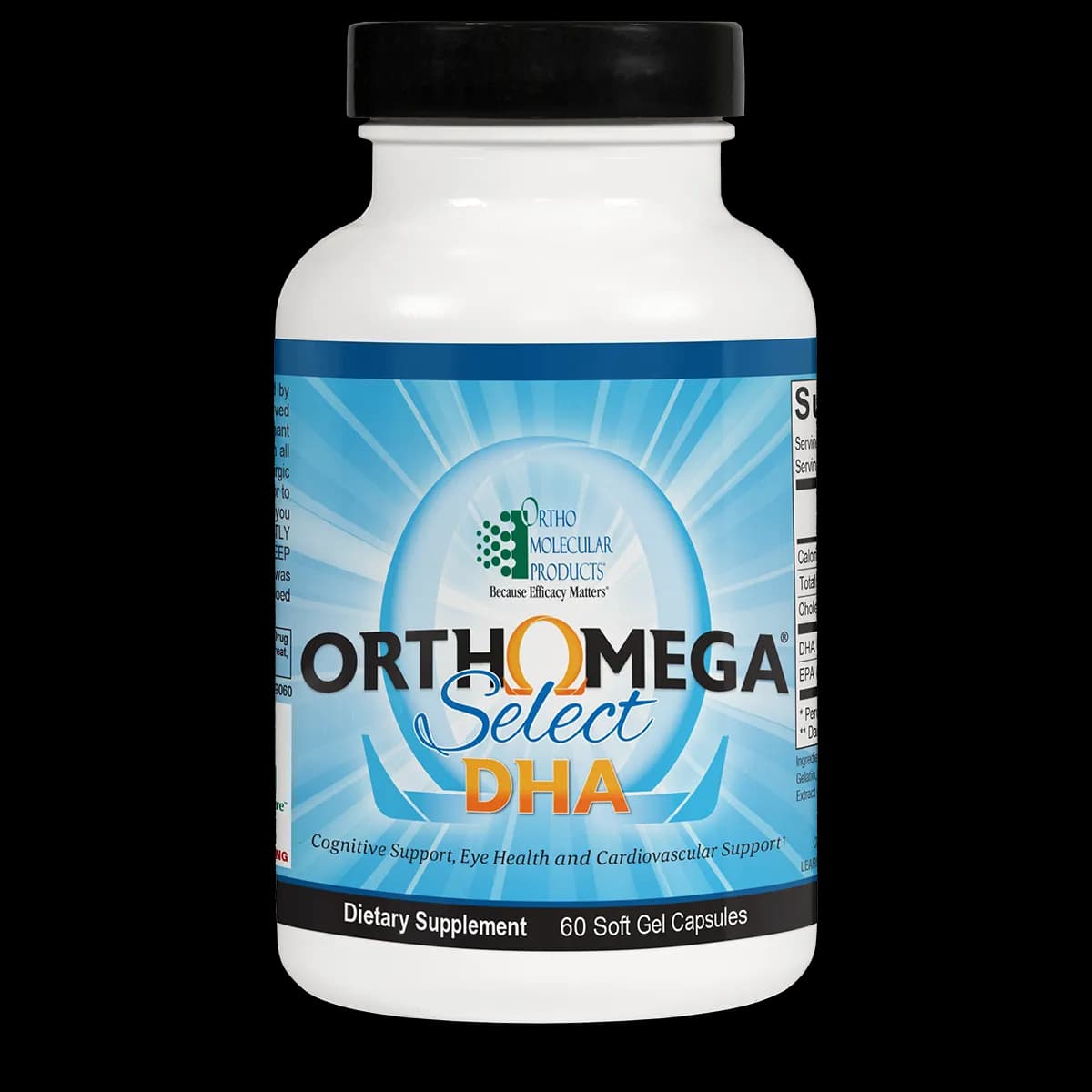
In the landscape of nutritional support for neuroinflammation and autonomic dysfunction, high-concentration omega-3 fatty acids have emerged as a foundational tool. Specifically, Docosahexaenoic Acid (DHA) plays an irreplaceable role in the structural integrity of the brain, the regulation of the autonomic nervous system, and the stabilization of hyperactive immune cells. Orthomega® Select DHA offers an intensive, highly purified dose of this essential fatty acid. By delivering 580 mg of DHA in its natural triglyceride form, it provides the raw materials necessary to support cognitive function, modulate heart rate variability, and actively resolve systemic inflammation at the molecular level.
What is Orthomega® Select DHA?
To understand the profound impact of Orthomega® Select DHA, we must first examine the fundamental biology of human cell membranes. Docosahexaenoic Acid (DHA) and Eicosapentaenoic Acid (EPA) are long-chain, polyunsaturated fatty acids (PUFAs). Structurally, they consist of extended hydrocarbon chains punctuated by multiple double bonds. In a healthy body, these fatty acids are actively incorporated into the phospholipid bilayer that forms the outer membrane of every single cell. This structural role is particularly critical in the central nervous system. Remarkably, DHA makes up over 90% of the omega-3 fatty acids in the brain and accounts for up to 20% of the brain's total lipid mass, making it an indispensable building block for neurological architecture.
The physical presence of DHA in the cell membrane dictates how the cell functions. The multiple double bonds in DHA's chemical structure create physical "kinks" in the fatty acid chain. These kinks keep the membrane lipids from packing too tightly together, thereby maintaining optimal membrane fluidity. This fluidity is absolutely essential for the proper functioning of embedded membrane proteins, including ion channels, neurotransmitter receptors, and transport enzymes. When neural cell membranes lack adequate DHA, they become rigid and dysfunctional, severely impairing cellular communication, synaptic plasticity, and the rapid signal transduction required for clear cognitive processing and memory recall.
Beyond their structural role, cell membranes serve as a dynamic reservoir for potent signaling molecules. When a cell experiences stress, injury, or infection, an enzyme known as phospholipase A2 cleaves fatty acids from the membrane bilayer. If the membrane is predominantly composed of omega-6 arachidonic acid—which is common in standard Western diets—enzymes like cyclooxygenase (COX) and lipoxygenase (LOX) convert that arachidonic acid into highly inflammatory signaling molecules called prostaglandins and leukotrienes. These molecules are the primary drivers of systemic pain, swelling, and chronic inflammatory cascades.
EPA and DHA actively compete in this exact same enzymatic pathway. When you supplement with a high-concentration formula like Orthomega Select DHA, these omega-3s physically displace arachidonic acid from the cell membranes. Consequently, when phospholipase A2 cleaves the membrane lipids, the COX and LOX enzymes act upon the EPA and DHA instead. This biochemical reaction produces significantly less inflammatory eicosanoids, such as Prostaglandin E3. This competitive inhibition is the fundamental mechanism by which omega-3 fatty acids exert their baseline, systemic anti-inflammatory effects across all bodily tissues, effectively turning down the volume on chronic immune activation.
Perhaps the most groundbreaking discovery in modern immunology regarding omega-3s is their role in the active resolution of inflammation. Historically, the medical community believed that inflammation simply "fizzled out" or passively dissipated over time once a threat was neutralized. However, recent scientific literature establishes that the resolution of inflammation is a highly coordinated, active biochemical process. This process is driven by unique lipid metabolites derived almost exclusively from EPA and DHA, collectively known as Specialized Pro-Resolving Mediators (SPMs), which include resolvins, protectins, and maresins.
Instead of merely blocking inflammatory signals, SPMs actively orchestrate the cleanup and repair of damaged tissues. They recruit specialized immune cells, like macrophages, to the site of inflammation to phagocytize (engulf and clear away) cellular debris, dead neutrophils, and accumulated neurotoxic proteins. Furthermore, SPMs limit further neutrophil infiltration and promote the restoration of cellular homeostasis. In complex chronic illnesses, this critical resolution pathway is often broken or stalled. Providing the body with an intensive dose of highly purified DHA ensures that the immune system has the essential raw materials required to synthesize these vital resolving molecules and finally turn off the chronic inflammatory alarm.
How Complex Chronic Illness Impacts Lipid Metabolism and Inflammation
The pathophysiology of conditions like Long COVID and myalgic encephalomyelitis/chronic fatigue syndrome (ME/CFS) is deeply intertwined with severe lipid dysregulation and chronic immune activation. Following an initial viral infection, many patients experience viral persistence or lingering viral fragments that continuously trigger the immune system. This results in a sustained cytokine storm, characterized by elevated levels of pro-inflammatory cytokines such as Interleukin-6 (IL-6) and Tumor Necrosis Factor-alpha (TNF-α). As detailed in our exploration of What Causes Long COVID?, this relentless immune response generates massive amounts of reactive oxygen species (ROS), plunging the body into a state of severe oxidative stress.
This oxidative stress is catastrophic for cellular lipids. The highly reactive ROS specifically attack the vulnerable double bonds of polyunsaturated fatty acids in cell membranes—a destructive process known as lipid peroxidation. This literally degrades the structural integrity of the cell, leading to profound mitochondrial dysfunction. When the mitochondria—the energy-producing powerhouses of the cell—are compromised by damaged lipid membranes, they cannot produce adequate adenosine triphosphate (ATP). This energy failure at the cellular level is a primary driver of the debilitating, whole-body exhaustion and post-exertional malaise (PEM) that patients experience. Furthermore, the rapid depletion of healthy DHA from neural membranes directly fuels the cognitive dysfunction and brain fog that so often accompany these post-viral syndromes.
Dysautonomia, particularly Postural Orthostatic Tachycardia Syndrome (POTS), represents a profound disruption in the autonomic nervous system—the network responsible for regulating unconscious bodily functions like heart rate, blood pressure, and digestion. In a healthy individual, there is a delicate balance between the sympathetic nervous system (the "fight or flight" response) and the parasympathetic nervous system (the "rest and digest" response, heavily governed by the vagus nerve). In POTS and Long COVID, this balance is shattered, resulting in severe sympathetic overdrive and diminished vagal tone, causing the heart to race uncontrollably upon standing.
This autonomic misfire is heavily influenced by chronic neuroinflammation. When the brainstem—specifically the autonomic control centers like the medulla oblongata—is inflamed, it cannot accurately process baroreceptor signals or regulate vascular constriction. Additionally, systemic inflammation alters the electrophysiology of cardiac myocytes (heart muscle cells). Without the stabilizing presence of DHA in their cell membranes, these cardiac cells become highly excitable and prone to erratic electrical signaling. This cellular instability makes the heart far more susceptible to the exaggerated tachycardic spikes and palpitations that define the daily reality of living with dysautonomia.
Mast Cell Activation Syndrome (MCAS) is another frequent, debilitating comorbidity in the chronic illness spectrum. Mast cells are immune sentinels packed with granules containing histamine, tryptase, and other potent inflammatory mediators. In MCAS, these cells become hyper-reactive, inappropriately degranulating (bursting open) in response to minor environmental triggers, foods, or even physical stress. This degranulation process requires a rapid influx of intracellular calcium and is heavily dictated by the lipid composition of the mast cell's outer membrane. When the membrane is saturated with inflammatory arachidonic acid, the mast cell exists on a hair-trigger, ready to flood the body with histamine at the slightest provocation.
This creates a cruel paradox for MCAS patients trying to obtain omega-3s through their diet, often referred to as the "histamine trap." While EPA and DHA are essential for stabilizing mast cell membranes, their primary natural source—seafood—poses a severe risk. Fish naturally contain high levels of the amino acid histidine. The moment a fish is caught and dies, bacteria begin converting that histidine into histamine. Consuming standard, store-bought fish can trigger violent allergic flares and anaphylactic-like responses in MCAS patients. This makes highly purified, vacuum-distilled supplements like Orthomega Select DHA an absolute medical necessity, as they deliver the critical, mast-cell-stabilizing fatty acids without the dangerous histamine burden associated with whole-food seafood.
Orthomega® Select DHA: Supporting Cellular Recovery and Autonomic Balance
Orthomega Select DHA provides a targeted, mechanistic intervention to manage the neuroinflammation that drives cognitive dysfunction and brain fog. In the brain, specialized immune cells called microglia act as the primary defenders. Under chronic stress or post-viral conditions, these microglia become locked in an "M1" phenotype, which is highly pro-inflammatory and neurotoxic. They continuously secrete cytokines that damage surrounding neurons and impair synaptic transmission. Research published in the journal Nutrients demonstrates that DHA actively blocks the activation of NF-κB, a master transcription factor that drives this inflammatory state.
By inhibiting NF-κB, high-concentration DHA facilitates a crucial biological pivot: it shifts the microglia from the destructive M1 phenotype to the "M2" phenotype, which is anti-inflammatory and tissue-repairing. Furthermore, DHA supplementation enhances the synthesis of Brain-Derived Neurotrophic Factor (BDNF). BDNF binds to specific receptors (TrKB) on neurons, activating intracellular pathways that promote neurogenesis, cell survival, and the strengthening of neural connections in the hippocampus. This dual action—calming the microglial attack while simultaneously stimulating neuronal repair—is how DHA actively supports memory, focus, and the clearing of post-viral brain fog.
For patients battling MCAS and severe histamine intolerance, the EPA and DHA found in Orthomega act as profound, natural mast cell stabilizers. Rather than merely blocking histamine receptors after the fact (which is how over-the-counter antihistamines function), omega-3 fatty acids alter the fundamental cellular architecture to inhibit histamine release from occurring in the first place. As DHA incorporates into the mast cell's lipid bilayer, it physically displaces inflammatory arachidonic acid, structurally reinforcing the cell membrane and making it significantly more resistant to rupture.
At a molecular level, DHA exerts precise control over the mast cell's internal signaling cascades. When an allergen binds to the IgE receptor (FcεRI) on the surface of a mast cell, it normally triggers a chain reaction involving specific kinase enzymes (Lyn, Fyn, and Syk) that open calcium channels. Immunological studies indicate that DHA and its downstream metabolites directly block these kinases, effectively halting the influx of intracellular calcium. Without that calcium surge, the mast cell cannot degranulate. Additionally, DHA is converted into Protectin D1, a specialized mediator that has been shown to dose-dependently inhibit IgE-mediated allergic reactions, actively calming the systemic allergic response.
The cardiovascular benefits of Orthomega Select DHA extend far beyond basic heart health; they directly address the autonomic instability seen in dysautonomia and POTS. Because cardiac cells and central nervous system tissues are highly enriched with omega-3s, supplementing with high-dose DHA profoundly influences electrophysiological function. Once integrated into the cardiac myocyte membranes, DHA modulates the function of sodium and calcium ion channels, naturally lowering the resting membrane potential of the heart cells. This stabilizing effect makes the heart less prone to the erratic, rapid electrical firing that characterizes inappropriate sinus tachycardia and POTS flares.
Crucially, DHA actively enhances parasympathetic nervous system activity. Clinical reviews in Frontiers in Physiology highlight that omega-3 supplementation directly increases vagal tone, which is the influence of the vagus nerve over the heart. By strengthening vagal tone, DHA significantly improves Heart Rate Variability (HRV)—a key biomarker of autonomic health. A higher HRV indicates that the nervous system can smoothly transition between states of arousal and rest, actively counteracting the sympathetic "fight or flight" dominance that leaves dysautonomia patients feeling perpetually wired, anxious, and physically exhausted.

Symptoms Orthomega® Select DHA May Help Manage
Brain Fog and Cognitive Fatigue: By shifting microglia away from a neurotoxic state and promoting the synthesis of Brain-Derived Neurotrophic Factor (BDNF), DHA helps restore clear thinking, processing speed, and mental stamina.
Memory Impairment: DHA structurally reinforces the neural membranes in the hippocampus, enhancing the synaptic plasticity required for short-term memory formation and recall.
Poor Concentration and Focus: By improving membrane fluidity and facilitating more efficient neurotransmitter receptor function, DHA supports sustained attention and mental clarity.
Postural Tachycardia (Racing Heart): DHA modulates cardiac ion channels and lowers the resting membrane potential of heart cells, making them less susceptible to the rapid electrical spikes seen upon standing in POTS.
Palpitations and Arrhythmias: By increasing parasympathetic vagal tone and improving Heart Rate Variability (HRV), omega-3s help stabilize erratic heart rhythms and calm sympathetic nervous system overdrive.
Poor Circulation and Endothelial Dysfunction: EPA and DHA promote the production of nitric oxide, encouraging vasodilation and improving peripheral and cerebral blood flow.
Histamine Reactions and Flushing: By displacing arachidonic acid in mast cell membranes, DHA acts as a structural stabilizer, inhibiting the calcium influx required for histamine degranulation.
Systemic Inflammation and Joint Pain: High-concentration omega-3s competitively inhibit the COX and LOX enzymes, reducing the production of inflammatory prostaglandins that drive widespread pain and swelling.
Unpredictable Allergic Flares: DHA serves as the direct precursor to Specialized Pro-Resolving Mediators (SPMs) like Protectin D1, which actively turn off IgE-mediated allergic signaling cascades.
Anxiety and Nervous System Overwhelm: By regulating the hypothalamic-pituitary-adrenal (HPA) axis, DHA helps blunt excessive cortisol production, reducing the physiological sensation of panic and stress.
Depressive Symptoms: EPA is a highly potent systemic anti-inflammatory that crosses the blood-brain barrier to reduce neuro-inflammatory cytokines (like IL-1β) that are heavily correlated with mood disorders and post-viral depression.
Practical Considerations: Forms, Dosing, and Absorption
When selecting an omega-3 supplement, the chemical form of the oil is just as critical as the dosage. Orthomega Select DHA delivers its fatty acids in the natural triglyceride (TG) form, which is the exact molecular structure found in wild fish and human cells. This consists of three fatty acids attached to a glycerol backbone. In contrast, many cheaper, highly processed supplements use an ethyl ester (EE) form, where the natural glycerol backbone has been chemically replaced with ethanol to artificially concentrate the oil. The human digestive system, equipped with specific pancreatic lipases, recognizes and cleaves the natural triglyceride structure with remarkable efficiency, allowing for rapid absorption through the intestinal wall.
The clinical difference in bioavailability between these two forms is staggering. The landmark Dyerberg study published in Prostaglandins, Leukotrienes and Essential Fatty Acids compared the absorption rates of various omega-3 formulations over a two-week period. The researchers found that the triglyceride form produced plasma concentrations of EPA and DHA that were 50% to 70% higher than the ethyl ester oils. The ethyl ester form requires a much slower digestive process involving a specific enzyme called carboxyl ester lipase and heavy bile salt production, creating a severe metabolic bottleneck that limits how much DHA actually reaches your bloodstream and brain.
Each soft gel of Orthomega Select DHA provides a highly concentrated dose of 580 mg of DHA and 130 mg of EPA. For general cognitive and cardiovascular maintenance, one soft gel per day is often sufficient. However, for patients actively battling severe neuroinflammation, dysautonomia, or MCAS, functional medicine practitioners frequently titrate the dosage higher—often recommending 2 to 4 grams of combined omega-3s daily to force the necessary cellular membrane remodeling and SPM production. It is crucial to work alongside a healthcare provider to determine the precise dosage required to address your specific inflammatory burden and clinical presentation.
Meal timing plays a pivotal role in maximizing the efficacy of your supplement. While the triglyceride form in Orthomega is vastly superior to ethyl esters, all omega-3 fatty acids are fat-soluble and require dietary fat to trigger the release of bile salts for optimal absorption. Classic pharmacokinetic studies have demonstrated that taking omega-3s on an empty stomach drastically reduces their absorption rate—sometimes down to just 20%. To ensure you are extracting the maximum therapeutic benefit from Orthomega Select DHA, always take your soft gel alongside a meal that contains healthy, dense fats, such as avocados, olive oil, nuts, or eggs.
The purity and stability of a fish oil supplement are paramount, particularly for patients with chronic illnesses who are already dealing with severe oxidative stress. Cheap, poorly processed fish oils are highly volatile and prone to rapid oxidation when exposed to heat or light, leading to rancidity. Consuming oxidized lipids introduces harmful free radicals into the body, which can actively exacerbate systemic inflammation and trigger MCAS flares. Orthomega Select DHA is rigorously purified and vacuum-distilled to remove heavy metals, pesticides, and polychlorinated biphenyls (PCBs) to undetectable levels, ensuring a pristine, stable product that supports recovery rather than hindering it.
From a safety perspective, it is critical to understand that high doses of EPA and DHA possess natural antithrombotic (anti-clotting) properties. By decreasing the synthesis of thromboxane A2, omega-3s reduce platelet aggregation, effectively "thinning" the blood. While this is highly beneficial for cardiovascular health and may help address the microvascular issues seen in Long COVID, it presents a significant interaction risk for patients taking prescription blood thinners. If you are currently prescribed anticoagulants (like Warfarin or Eliquis), antiplatelet medications (like Plavix), or frequent NSAIDs, you must consult your cardiologist or primary care physician before initiating high-dose DHA therapy to safely monitor your bleeding risk.

Follow the Science: Clinical Trials and Research Findings
The scientific community has rigorously investigated the potential of high-dose omega-3s to manage the profound inflammation associated with post-viral syndromes. A robust 2024 randomized controlled trial published in Cureus evaluated 100 healthcare workers suffering from Long COVID. Participants were given 2,100 mg of combined EPA and DHA daily for 12 weeks. The results demonstrated a massive physiological shift: the patients' Omega-3 Index significantly increased, and their Arachidonic Acid to EPA (AA:EPA) ratio—a primary marker of systemic inflammation—plummeted from 23.1 down to 11.8. This proved that high-dose omega-3s successfully penetrate the cells and drastically reduce the biochemical drivers of inflammation in Long COVID patients.
However, the trial also highlighted the complex reality of post-viral recovery. Despite these profound improvements in inflammatory biomarkers, the researchers noted that the 12-week intervention did not result in an immediate, statistically significant resolution of fatigue or brain fog compared to the placebo group. This clinical disconnect underscores a critical finding in modern research: while DHA is absolutely essential for lowering systemic inflammation and providing the raw materials for cellular repair, it is not a standalone solution that can instantly dissolve the complex microclots or reverse deep-seated mitochondrial damage overnight. It must be utilized as a foundational piece of a broader, comprehensive recovery protocol.
In the realm of autonomic dysfunction, targeted omega-3 therapy has yielded highly promising, quantifiable clinical results. A 2023 study published in the journal Children investigated the use of EPA and DHA supplementation in adolescents suffering from Postural Orthostatic Tachycardia Syndrome (POTS) and Inappropriate Sinus Tachycardia (IST), including cases triggered by COVID-19. The patients were treated with a protocol that included at least 800 mg of EPA/DHA per day alongside standard lifestyle interventions like increased hydration and sodium intake.
The clinical findings were remarkable. For the POTS patients, omega-3 supplementation resulted in a statistically significant reduction in the severe postural heart rate spikes that characterize the condition. In a highlighted subset of patients, the average heart rate increase upon standing dropped from a debilitating 44.0 beats per minute (bpm) before treatment to a much more manageable 25.6 bpm after integrating the omega-3 therapy. Furthermore, for patients with IST, the supplementation successfully lowered both resting and standing heart rates, providing concrete evidence that DHA actively modulates cardiac electrophysiology and enhances the parasympathetic vagal tone necessary to stabilize the autonomic nervous system.
The neuroprotective capabilities of DHA have been extensively validated in large-scale cognitive trials. A massive 2025 meta-analysis published in Nutrients reviewed 14 randomized controlled trials involving over 26,000 participants. The comprehensive data concluded that EPA and DHA supplementation provides a statistically significant, consistent improvement in cognitive function and memory scores, particularly in patients dealing with mild cognitive impairment and early-stage neuroinflammation. The researchers identified that an optimal dosage range for mitigating cognitive decline sits between 1,000 mg and 2,500 mg per day, perfectly aligning with the high-concentration profile of Orthomega Select DHA.
Crucially, clinical evidence from studies like the OmegAD trial emphasizes the importance of early and consistent intervention. Patients who received targeted DHA and EPA supplementation showed measurable cognitive benefits primarily when the intervention was introduced during the early, mild stages of neuroinflammatory decline. Once severe, late-stage neurodegeneration had occurred, the omega-3s were less effective at reversing the damage. This highlights that for patients experiencing post-viral brain fog or the early cognitive impacts of ME/CFS, proactively saturating the brain's lipid membranes with high-quality DHA is a vital strategy for preserving neurological integrity and mitigating further cognitive deterioration.
The Path Forward
Living with the unpredictable, multi-systemic symptoms of Long COVID, ME/CFS, dysautonomia, and MCAS is an incredibly heavy burden. The exhaustion of trying to explain your racing heart, profound fatigue, and cognitive fog to a medical system that often lacks clear answers can be just as draining as the illnesses themselves. If you are struggling to find a baseline of stability, please know that your symptoms are real, they are rooted in complex physiological disruptions, and your frustration is entirely valid. Learning how to live with long-term COVID requires immense patience, self-compassion, and a commitment to addressing health at the deepest cellular level.
While there are no overnight fixes for post-viral syndromes, restoring the fundamental building blocks of your cells is a powerful step forward. By replenishing your body with high-concentration DHA, you are actively giving your brain, heart, and immune system the exact molecular tools they need to rebuild damaged membranes, calm hyperactive mast cells, and begin the active resolution of chronic inflammation.
It is essential to view Orthomega Select DHA not as a magic bullet, but as a critical, foundational pillar within a broader, holistic management strategy. True recovery and symptom stabilization require a multi-faceted approach. This includes meticulous symptom tracking, strict adherence to pacing to avoid post-exertional crashes, optimizing your diet to avoid histamine triggers, and working closely with a medical team that understands the nuances of neuroimmune conditions. Understanding how a doctor diagnoses and manages Long COVID can help you build a comprehensive care plan tailored to your unique needs.
As you navigate your path toward better health, always consult with your primary care physician or a dysautonomia specialist before introducing high-dose omega-3s, especially if you are taking blood thinners or managing complex medication regimens. With the right clinical guidance and targeted nutritional support, you can actively support your body's innate capacity for repair and work toward reclaiming your cognitive clarity and autonomic balance.
Sources
n-3 Polyunsaturated Fatty Acids and Their Derivates Reduce Neuroinflammation during Aging (MDPI)
Omega 3 Fatty Acids: Novel Neurotherapeutic Targets for Cognitive Dysfunction (NCBI)
Science Review: Specialized Pro-Resolving Mediators (Metagenics Institute)
Omega-3 Polyunsaturated Fatty Acids and Heart Rate Variability (Frontiers in Physiology)
Bioavailability of marine n-3 fatty acid formulations (PubMed)
Human absorption of fish oil fatty acids as triacylglycerols, free acids, or ethyl esters (PubMed)
Therapeutic Approaches to Dysautonomia in Childhood, with a Special Focus on Long COVID (MDPI)