Can Omega-3s Resolve Inflammation and Support Brain Fog in Long COVID and ME/CFS?
March 6, 2026
Orthomega 820Omega-3sLong COVID
Share:
Disclaimer: The information provided here is for educational purposes only and is not intended as medical advice. It should not be used to diagnose, treat, cure, or prevent any medical condition. Instead, use it as a starting point for discussion with your healthcare provider. Always consult with a qualified healthcare provider before starting any new medication, supplement, device, or making changes to your health regimen.
Months after recovering from the initial SARS-CoV-2 infection, many people still fight debilitating symptoms with what we call Long COVID. For others, a severe viral illness triggered a cascade of autonomic dysfunction, leading to the rapid heart rates of postural orthostatic tachycardia syndrome (POTS) or the profound, crushing exhaustion of myalgic encephalomyelitis/chronic fatigue syndrome (ME/CFS). When navigating these invisible, complex illnesses, patients are often told that their lab results are "normal," even as they experience daily brain fog, joint pain, and post-exertional malaise (PEM). This disconnect can be incredibly frustrating, leaving many searching for validating, science-backed answers to explain what is happening at the cellular level.
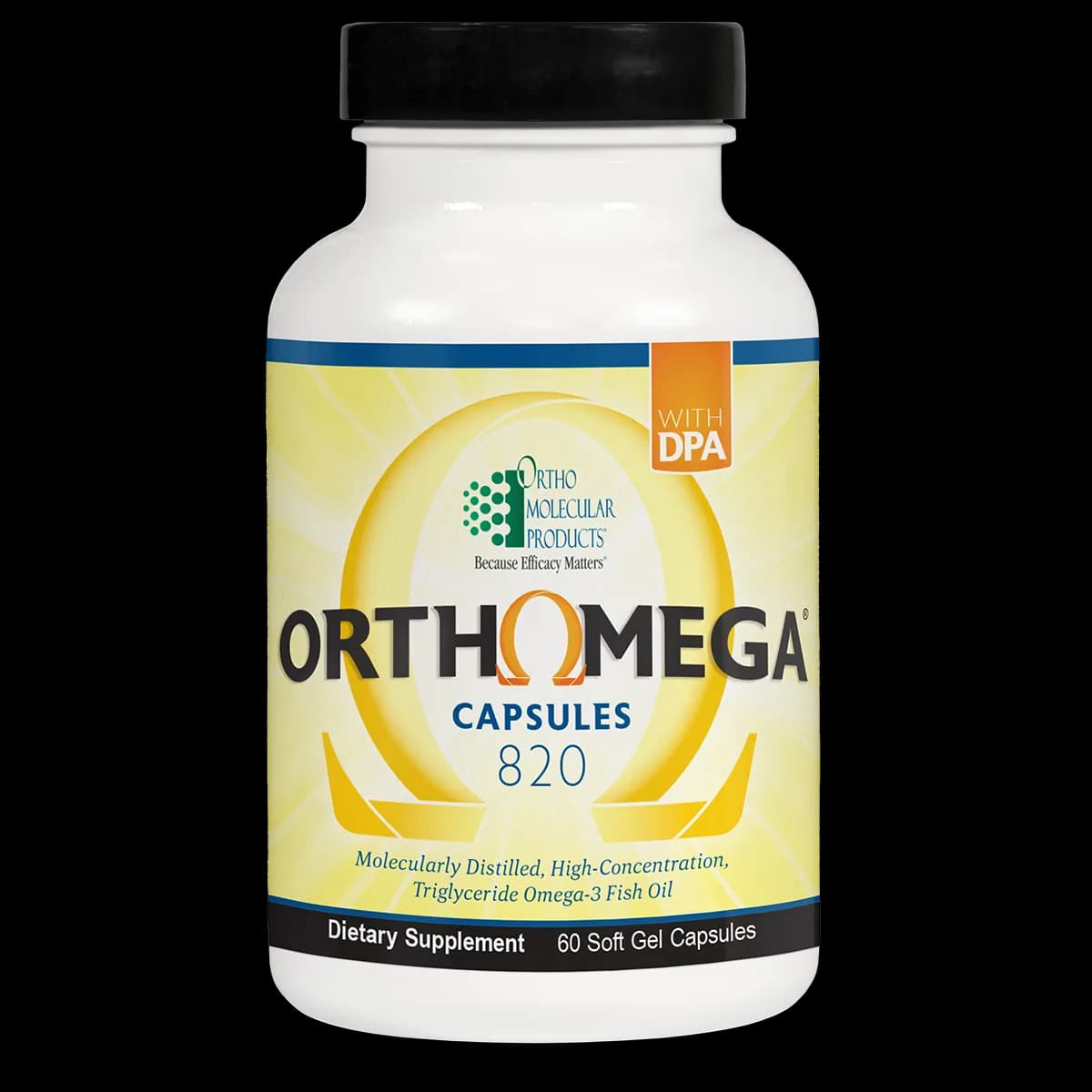
One of the most critical areas of emerging research in post-viral syndromes and chronic illness is the role of systemic inflammation and lipid dysfunction. In a healthy body, inflammation is a necessary response to injury or infection, but in conditions like Long COVID and ME/CFS, the immune system fails to receive the biological "stop signal." This is where essential fatty acids come into play. Orthomega® 820 is a highly concentrated, purified fish oil supplement that provides therapeutic doses of Eicosapentaenoic Acid (EPA), Docosahexaenoic Acid (DHA), and the lesser-known Docosapentaenoic Acid (DPA). By supplying the foundational building blocks for inflammation resolution, these specific omega-3 fatty acids offer a biologically plausible strategy for supporting cardiovascular health, repairing cellular damage, and calming an overactive immune system.
TL;DR
Omega-3s like EPA, DHA, and DPA may help resolve chronic inflammation in complex illnesses.
These fatty acids support cellular repair, autonomic function, and mast cell stabilization.
High-quality, bioavailable supplements may help manage brain fog, fatigue, and erratic heart rates.
Always consult your healthcare provider to find the right dosage and form for your symptoms.
What is Orthomega 820 and Omega-3 Fatty Acids?
The Essential Nature of EPA, DHA, and DPA
Omega-3 fatty acids are a class of polyunsaturated fats that are deemed "essential" because the human body cannot synthesize them from scratch; they must be obtained through diet or targeted supplementation. The most biologically active and clinically relevant forms are Eicosapentaenoic Acid (EPA), Docosahexaenoic Acid (DHA), and Docosapentaenoic Acid (DPA). At the molecular level, these long-chain fatty acids are integral structural components of the phospholipid bilayer—the protective membrane that surrounds every single cell in your body. When you consume high-quality omega-3s, they physically incorporate into these cell membranes, increasing cellular fluidity, improving receptor function, and facilitating the efficient transport of nutrients and waste products across the cellular barrier.
While EPA and DHA are widely recognized for their roles in cardiovascular and cognitive health, DPA is an often-overlooked intermediate fatty acid that plays a highly specialized role. DPA acts as a biological "reservoir" or metabolic stepping stone within the body. Depending on the immediate physiological needs of your tissues, the body can elongate DPA into DHA to support brain function or retro-convert it back into EPA to manage acute inflammation. DPA is incorporated into human plasma and red blood cell lipids at a significantly faster rate than EPA, making it a highly efficient and crucial component of comprehensive lipid support.
The Shift from Passive to Active Inflammation Resolution
For decades, the medical community viewed the resolution of inflammation as a passive process. It was assumed that once an infection was cleared or an injury healed, pro-inflammatory signals simply diluted and dissipated over time, allowing the body to return to homeostasis. However, pioneering research over the last twenty years has completely overturned this paradigm. We now know that the resolution of inflammation is a highly active, biochemically orchestrated process that requires specific raw materials to execute. If the body lacks these materials, inflammation becomes chronic, leading to the persistent symptoms seen in complex chronic conditions.
EPA and DHA serve as the crucial foundational substrates for a superfamily of bioactive signaling molecules known as Specialized Pro-resolving Mediators (SPMs). During an inflammatory event, enzymes in the body (such as lipoxygenases and cyclooxygenases) undergo a "lipid mediator class switch." Instead of producing pro-inflammatory molecules from omega-6 fatty acids, they begin converting local EPA and DHA into SPMs, which include resolvins, protectins, and maresins. These SPMs act as active "stop signals" for the immune system, instructing white blood cells to cease their attack, clear away cellular debris, and begin the process of tissue regeneration.
The Biochemical Cascade of Resolvins and Protectins
To truly understand how omega-3s function, it is helpful to look at the specific families of SPMs they generate. Resolvins are derived from both EPA (E-series resolvins) and DHA (D-series resolvins). E-series resolvins are particularly effective at inhibiting the infiltration of polymorphonuclear neutrophils—the white blood cells that swarm to an injury site and cause swelling and tissue damage when overactive. D-series resolvins heavily promote macrophage phagocytosis, a process where immune cells act like microscopic vacuum cleaners to clear out dead cells and viral debris without causing collateral damage to healthy tissue.
Protectins, on the other nuanced hand, are synthesized primarily from DHA. When produced in neural tissues, they are referred to as Neuroprotectin D1 (NPD1). Protectins have profound neuroprotective effects, playing a critical role in mitigating neuroinflammation, protecting against oxidative stress in the brain, and supporting cognitive function. By supplying the body with adequate levels of EPA and DHA, you are essentially stocking the biochemical armory required to actively dismantle chronic inflammation at the cellular level.
How Chronic Illness Impacts Lipid Balance and Inflammation
Endothelial Dysfunction and Micro-Clotting in Long COVID
In the context of Long COVID, the virus that causes COVID-19 (SARS-CoV-2) is known to directly target endothelial cells—the delicate layer of cells that line the inside of your blood vessels. This viral attack, combined with a hyperactive immune response, leads to widespread endothelial dysfunction. When the endothelium is damaged, it loses its ability to properly regulate blood flow and vascular tone, leading to a state of persistent cellular hypoxia (oxygen starvation). This is why so many Long COVID patients experience profound fatigue, exercise intolerance, and shortness of breath even when their lung function tests appear normal.
Furthermore, this endothelial damage triggers prolonged platelet activation and enhanced thrombin generation, creating a pro-thrombotic or "sticky blood" environment. Recent clinical investigations have highlighted the presence of persistent micro-clots in the bloodstream of Long COVID patients. These microscopic clots trap inflammatory molecules and block the tiny capillaries responsible for delivering oxygen to muscle tissues and the brain, perpetuating a vicious cycle of inflammation, tissue starvation, and debilitating fatigue that characterizes the condition.
The Omega-6 to Omega-3 Imbalance in ME/CFS
Myalgic encephalomyelitis/chronic fatigue syndrome (ME/CFS) is increasingly recognized as a neuro-immune disorder driven by profound oxidative stress and mitochondrial dysfunction. A core feature of ME/CFS pathophysiology is an imbalance in the body's lipid profile. Studies have consistently shown that patients with ME/CFS often have significantly elevated levels of pro-inflammatory omega-6 fatty acids (such as arachidonic acid) and severely depleted levels of anti-inflammatory omega-3 fatty acids. This skewed ratio correlates directly with the severity of symptoms, including muscle aches, joint pain, and cognitive impairment.
This lipid imbalance is exacerbated by a process called lipid peroxidation. In ME/CFS, chronically elevated reactive oxygen species (free radicals) attack and damage the lipid-rich cell membranes. This strips the membranes of their flexibility and integrity, impairing the function of the mitochondria housed within the cells. Additionally, viral infections—which frequently trigger ME/CFS—are known to suppress the activity of the delta-6-desaturase enzyme, which is required to convert plant-based fats into long-chain EPA and DHA. This enzymatic blockade means that relying on dietary seeds and nuts is often insufficient for ME/CFS patients, making direct supplementation with pre-formed EPA and DHA a biological necessity.
The "Histamine Catch-22" in MCAS
Mast cell activation syndrome (MCAS) is a condition where the body's mast cells become hyper-reactive, inappropriately releasing massive amounts of histamine and other inflammatory mediators in response to minor triggers. This flood of histamine causes systemic symptoms ranging from flushing and hives to severe gastrointestinal distress and tachycardia. To manage these unpredictable flares, many MCAS patients are placed on strict low-histamine diets, which require the elimination of aged, fermented, and highly perishable foods.
This creates a profound nutritional paradox. The richest dietary sources of EPA and DHA are oily fish and seafood. However, fish naturally accumulates histamine rapidly after being caught due to bacterial breakdown, making it one of the most common and potent dietary triggers for people with MCAS and histamine intolerance. Because MCAS patients must strictly avoid seafood, they frequently become severely deficient in omega-3 fatty acids. Clinical literature indicates that this deficiency allows pro-inflammatory omega-6 fatty acids to dominate their cell membranes, which ironically makes their mast cells even more volatile and reactive, perpetuating a vicious cycle of allergic reactivity and systemic inflammation.
Orthomega 820: Supporting Cellular Repair and Autonomic Function
Orchestrating the "Stop Signal" with SPMs
Supplementing with a high-concentration fish oil like Orthomega 820 provides the body with the exact molecular substrates needed to restore disrupted inflammatory pathways. When EPA and DHA are introduced into the system, they actively compete with omega-6 arachidonic acid for access to the cyclooxygenase (COX) and lipoxygenase (LOX) enzymes. By displacing the omega-6s, EPA and DHA deprive these enzymes of the raw materials needed to produce highly pro-inflammatory eicosanoids. This substrate competition is the first step in dampening the systemic inflammation that drives the debilitating fatigue and pain in Long COVID and ME/CFS.
More importantly, the body utilizes these omega-3s to generate Specialized Pro-resolving Mediators (SPMs). These resolvins and protectins bind to highly specific G-protein-coupled receptors (GPCRs) on the surface of immune cells. This interaction actively halts the continuous swarming of white blood cells to tissues, stimulates the clearance of viral debris, and promotes the regeneration of damaged epithelial and endothelial barriers. Unlike conventional non-steroidal anti-inflammatory drugs (NSAIDs) or corticosteroids that broadly and bluntly suppress the immune system, SPMs restore homeostasis without causing immunosuppression, making them incredibly valuable for patients with dysregulated immune responses.
Stabilizing Mast Cells and Dampening Histamine
For individuals navigating the unpredictable flares of MCAS, EPA and DHA act as natural mast cell stabilizers. Mast cells are triggered when an allergen or stressor binds to the FcεRI receptor on the cell's surface. Omega-3 fatty acids physically incorporate into the lipid rafts of the mast cell membrane, altering its structural integrity. This disruption interferes with the localization of the FcεRI receptor and reduces the phosphorylation of key internal signaling proteins. Essentially, EPA and DHA make the mast cell "harder to trigger."
In vitro studies on human mast cell lines have demonstrated that while omega-6 fatty acids drastically increase the release of inflammatory mediators, both EPA and DHA effectively suppress the generation of reactive oxygen species and prominently inhibit the secretion of inflammatory cytokines like IL-4 and IL-13. Furthermore, specific EPA metabolites, such as 15-HEPE, have been shown to directly inhibit mast cell degranulation, reducing the overall burden of histamine released into the bloodstream and alleviating systemic allergic symptoms.
Restoring Vagal Tone in POTS and Dysautonomia
Dysautonomia, particularly postural orthostatic tachycardia syndrome (POTS), is characterized by a dysfunction of the autonomic nervous system, leading to rapid heart rate spikes upon standing, dizziness, and blood pooling. Cardiovascular autonomic function is heavily reliant on the health of the vagus nerve and the balance between the sympathetic (fight-or-flight) and parasympathetic (rest-and-digest) nervous systems. In POTS, patients often experience a "vagal collapse," allowing the sympathetic nervous system to run unchecked.
EPA and DHA directly support cardiovascular autonomic function by boosting vagal tone and modulating this sympatho-vagal balance. The myelin sheath, which insulates nerves and ensures rapid, smooth signaling across the autonomic nervous system, is heavily reliant on dietary fats. High concentrations of DHA and EPA help repair neuronal pathways misfiring between the brainstem and the cardiovascular system. Additionally, by improving endothelial function and regulating vascular tone, omega-3s help improve blood circulation back to the heart and brain, directly addressing the physiological mechanisms that cause dizziness and palpitations in dysautonomia patients.

Symptoms Omega-3s May Help Manage
Neurological and Cognitive Symptoms
The neuroprotective properties of EPA and DHA make them particularly well-suited for addressing the cognitive and psychological symptoms associated with post-viral syndromes. By crossing the blood-brain barrier and reducing neuroinflammation, omega-3s target the root causes of cognitive dysfunction.
Brain Fog and Cognitive Dysfunction: DHA is a primary structural component of the brain's cellular membranes. By enhancing synaptic plasticity and neurotransmitter function, DHA helps alleviate the severe cognitive impairment, memory lapses, and lack of focus frequently reported in ME/CFS and Long COVID.
Depression and Mood Instability: Chronic neuroinflammation disrupts the metabolism of neurotransmitters like serotonin and dopamine. EPA helps regulate the Hypothalamus-Pituitary-Adrenal (HPA) axis, modulating the body's stress response and significantly reducing symptoms of depression and anxiety triggered by chronic illness.
Sensory Overload: By stabilizing neuronal membranes and supporting the myelin sheath, omega-3s can help calm an overstimulated central nervous system, reducing sensitivities to light, sound, and environmental stimuli.
Cardiovascular and Autonomic Symptoms
For patients dealing with the cardiovascular complications of diabetes and Long COVID or the erratic heart rates of dysautonomia, the endothelial and autonomic support provided by omega-3s can be highly beneficial.
Tachycardia and Palpitations: By improving vagal tone and modulating the sympatho-vagal balance, EPA and DHA help stabilize erratic heart rhythms and suppress the exaggerated heart rate spikes seen upon standing in POTS patients.
Dizziness and Blood Pooling: Omega-3s improve endothelial function and arterial compliance, promoting better vascular tone. This may help reduce blood pooling in the lower extremities, ensuring adequate blood flow returns to the brain to help minimize lightheadedness and syncope (fainting).
Exercise Intolerance: By supporting mitochondrial health and reducing the micro-clotting that blocks oxygen delivery to muscle tissues, omega-3s help improve cellular energetics, potentially increasing the threshold for physical exertion.
Immunological and Inflammatory Symptoms
The active resolution of inflammation through the production of SPMs directly addresses the systemic pain and allergic reactivity that plague patients with complex chronic conditions.
Post-Exertional Malaise (PEM): PEM, or "crashing," is driven by mitochondrial failure and an explosion of oxidative stress following exertion. By neutralizing free radicals and repairing lipid peroxidation damage, omega-3s help protect cells from this exertion-induced inflammatory cascade.
Joint and Muscle Pain: The E-series resolvins derived from EPA actively halt the infiltration of neutrophils into joint and muscle tissues, significantly reducing the systemic aches, morning stiffness, and widespread pain associated with chronic inflammation.
Histamine Reactions and Hives: By incorporating into mast cell membranes and disrupting the FcεRI receptor, EPA and DHA act as natural mast cell stabilizers, reducing the spontaneous degranulation of histamine that causes flushing, hives, and gastrointestinal distress in MCAS.
Practical Considerations: Forms, Dosing, and Absorption
The Bioavailability Gap: Triglycerides vs. Ethyl Esters
When choosing an omega-3 supplement, the chemical form of the oil is just as important as the dosage. The two most common forms on the market are Triglycerides (TG)—along with their concentrated counterpart, Re-esterified Triglycerides (rTG)—and Ethyl Esters (EE). Triglycerides are the natural form of fat found in fish and the human body. Because it is the natural form, the human digestive system, utilizing pancreatic lipases, is highly efficient at breaking it down and absorbing it into the bloodstream.
Conversely, Ethyl Esters are a semi-synthetic, lab-processed form created to cheaply purify and concentrate fish oil by replacing the natural glycerol backbone with an ethanol molecule. The body requires a completely different enzyme (bile salt-dependent carboxyl ester lipase) to process EE forms, a process that is highly dependent on the presence of dietary fat. A benchmark 2010 study by Dr. Jørn Dyerberg demonstrated that the re-esterified triglyceride form (used in Orthomega 820) is approximately 70% more bioavailable than the ethyl ester form. Furthermore, if an EE supplement is taken on an empty stomach, absorption can plummet to as low as 20%, whereas TG forms maintain strong absorption regardless of meal timing.
Sourcing, Purity, and Oxidation Risks
Bioavailability is not the only concern; chemical stability and purity are critical, especially for patients with MCAS or sensitive immune systems. Omega-3 fatty acids are highly prone to oxidation, meaning they can easily go rancid. Research assessing the oxidation kinetics of DHA has demonstrated that the EE form is highly reactive and oxidizes much faster than the TG form, leading to harmful oxidation products and the dreaded "fish burps."
Orthomega 820 utilizes a high-concentration fish oil sourced from the cold, unindustrialized waters off the Chilean coast. The oil is purified and vacuum-distilled to remove heavy metals, pesticides, and polychlorinated biphenyls (PCBs) to undetectable levels. For MCAS patients, this hyper-distillation is vital, as poorly processed or oxidized fish oils can contain remnant biogenic amines or trace histamine that will trigger a severe mast cell flare. The inclusion of natural Vitamin E (mixed tocopherols) and rosemary extract in the formulation further protects the delicate lipids from oxidation, ensuring maximum potency and safety.
Dosing Strategies and Synergistic Support
While the suggested use for Orthomega 820 is typically 1 soft gel capsule per day (providing 950 mg of total omega-3s), functional medicine protocols for chronic inflammation, dysautonomia, or severe histamine overload often recommend higher therapeutic doses. Clinical trials evaluating autonomic dysfunction frequently utilize between 1,000 mg to 3,000 mg (1–3 grams) of combined EPA/DHA daily to achieve a "cell flooding" effect that rapidly saturates starving neurological tissues. Always consult with your healthcare provider to determine the optimal dosage for your specific symptom profile.
Because oxidative stress and mitochondrial failure are multifaceted, omega-3s are rarely used as a standalone supportive therapy. To fully combat oxidative stress, EPA and DHA are almost always combined with synergistic antioxidants that support ATP production and neutralize free radicals. Common synergistic supplements include Coenzyme Q10 (CoQ10) to support mitochondrial energy, N-acetylcysteine (NAC) to boost glutathione production, and targeted metabolic support like 7-Keto DHEA. This comprehensive approach ensures that while omega-3s repair the cellular structure, other nutrients can optimize the internal cellular machinery.
Follow the Science
Clinical Trials on Dysautonomia and POTS
The clinical application of omega-3s for autonomic dysfunction is supported by compelling recent data. A notable 2023 retrospective study published in the journal Children (MDPI) investigated the use of EPA and DHA supplementation in patients with dysautonomia, specifically POTS and Inappropriate Sinus Tachycardia (IST), many of whom developed the condition post-COVID. Patients were given baseline lifestyle interventions combined with omega-3 supplementation (typically 800 mg to 2 grams daily).
The findings were highly significant. For a clinical diagnosis of POTS, a patient must exhibit a sustained heart rate increase of >35–40 beats per minute (bpm) upon standing. After omega-3 supplementation, the average heart rate increase upon standing was significantly suppressed to 25.6 ± 8.4 bpm, effectively pulling many patients below the POTS diagnostic threshold. In patients with IST, supplementation significantly lowered both the resting lying heart rate and the standing heart rate, establishing EPA and DHA as highly effective standalone or adjunct therapies for managing tachycardia and stabilizing the autonomic nervous system.
Evidence for Neuroinflammation and ME/CFS
The historical and modern literature surrounding ME/CFS heavily supports the use of essential fatty acids to combat neuroinflammation. In a foundational 1990 placebo-controlled trial conducted by Professor Peter Behan, 63 patients with post-viral fatigue syndrome were given high doses of an essential fatty acid supplement containing EPA and DHA. After 3 months, 85% of the patients taking the supplement reported significant clinical improvements in fatigue, muscle pain, and concentration, compared to only 17% in the placebo group.
More recently, advanced brain scanning techniques (proton neurospectroscopy) utilized in trials by Dr. Basant Puri revealed that ME/CFS patients exhibit structural chemical imbalances in the brain, indicating that vital lipids are not being properly incorporated into cellular phospholipids. Following targeted EPA supplementation, follow-up MRI scans noted structural changes in the brains of patients, correlating with significant clinical improvements in "brain fog" and cognitive function within 8 to 12 weeks, proving that these fatty acids actively repair neurological architecture.
Cardiovascular and Endothelial Research
In the context of COVID-19 and its long-term sequelae, omega-3s have demonstrated a profound ability to mitigate systemic damage. A randomized, double-blind clinical trial evaluating hospitalized adults found that short-term supplementation of 1.4 g/day of omega-3 fatty acids significantly improved metabolic profiles. The intervention attenuated well-established markers of inflammation and tissue damage, notably reducing absolute neutrophil counts, D-dimer (a marker of clotting), and Lactate Dehydrogenase (LDH). This data underscores the vital role of EPA and DHA in repairing the endothelial damage and micro-clotting that drive the cardiovascular symptoms of Long COVID.
The Path Forward
Validating the Invisible Struggle
Living with a complex chronic condition like Long COVID, ME/CFS, dysautonomia, or MCAS is an exhausting, often isolating experience. The unpredictable nature of the symptoms—where a seemingly "good" day can be followed by a debilitating crash—takes a profound physical and emotional toll. When standard blood panels return "normal" and medical professionals dismiss your lived experience, it is easy to feel hopeless. However, the emerging science surrounding endothelial dysfunction, neuroinflammation, and specialized pro-resolving mediators validates what you already know: your symptoms are rooted in real, measurable physiological disruptions at the cellular level.
Building a Comprehensive Management Strategy
While the clinical data supporting EPA, DHA, and DPA is highly encouraging, it is important to remember that no single supplement is a miracle solution for complex chronic illness. Can Long COVID trigger ME/CFS? Yes, and managing these interconnected conditions requires a multifaceted approach. Omega-3 supplementation should be viewed as one vital piece of a broader management strategy that includes aggressive pacing to avoid post-exertional malaise, meticulous symptom tracking to identify triggers, dietary modifications, and targeted medical care. By providing your body with the structural building blocks it needs to actively resolve inflammation, you are laying a stable foundation upon which other therapies can build.
Next Steps for Your Health Journey
If you are struggling with brain fog, erratic heart rates, or systemic inflammation, restoring your lipid balance may be a critical step forward. Orthomega 820 offers a highly purified, exceptionally bioavailable triglyceride form of essential fatty acids, complete with the unique reservoir benefits of DPA, designed to support your body's natural healing pathways without triggering histamine responses or causing gastrointestinal distress. Always consult with your healthcare provider before beginning any new supplement regimen to ensure it aligns with your specific medical needs and current medications.