Can Ortho Spore IG Repair the Gut Microbiome in Long COVID and ME/CFS?
March 6, 2026
Ortho Spore IGGut HealthLong COVID
Share:
Disclaimer: The information provided here is for educational purposes only and is not intended as medical advice. It should not be used to diagnose, treat, cure, or prevent any medical condition. Instead, use it as a starting point for discussion with your healthcare provider. Always consult with a qualified healthcare provider before starting any new medication, supplement, device, or making changes to your health regimen.
Months or even years after an initial viral infection, many individuals continue to battle a complex web of debilitating symptoms that disrupt every facet of daily life. While profound fatigue, post-exertional malaise (PEM), and autonomic nervous system dysfunction often dominate the clinical picture, a hidden battleground lies within the gastrointestinal tract. Patients frequently report unpredictable bloating, chronic diarrhea, new and severe food sensitivities, and persistent abdominal pain. These are not isolated complaints; they are glaring signals of a profoundly disrupted gut microbiome and a compromised intestinal barrier.
This gastrointestinal disruption is not merely a localized issue, but rather a systemic driver of chronic illness that fuels widespread inflammation and immune dysregulation. Emerging research reveals that gut dysbiosis and increased intestinal permeability—commonly referred to as "leaky gut"—play a central, unifying role in the pathophysiology of complex chronic conditions. For those navigating these invisible illnesses, finding targeted, science-backed interventions to restore gastrointestinal integrity is a crucial step toward systemic recovery. Ortho Spore IG® emerges as a uniquely formulated therapeutic tool designed to address these exact gastrointestinal vulnerabilities, combining the potent antigen-binding capacity of serum-derived immunoglobulins with the unparalleled resilience of spore-based probiotics.
TL;DR
Gut dysbiosis and increased intestinal permeability are central drivers of systemic inflammation in complex chronic conditions.
Ortho Spore IG combines serum-derived immunoglobulins and spore-based probiotics to support gastrointestinal integrity.
Immunoglobulins help neutralize harmful endotoxins, while resilient Bacillus spores promote a healthier microbial balance.
Targeted gut support may help manage gastrointestinal distress, brain fog, and systemic inflammation.
What is Ortho Spore IG?
The Dual-Action Gut Restorer
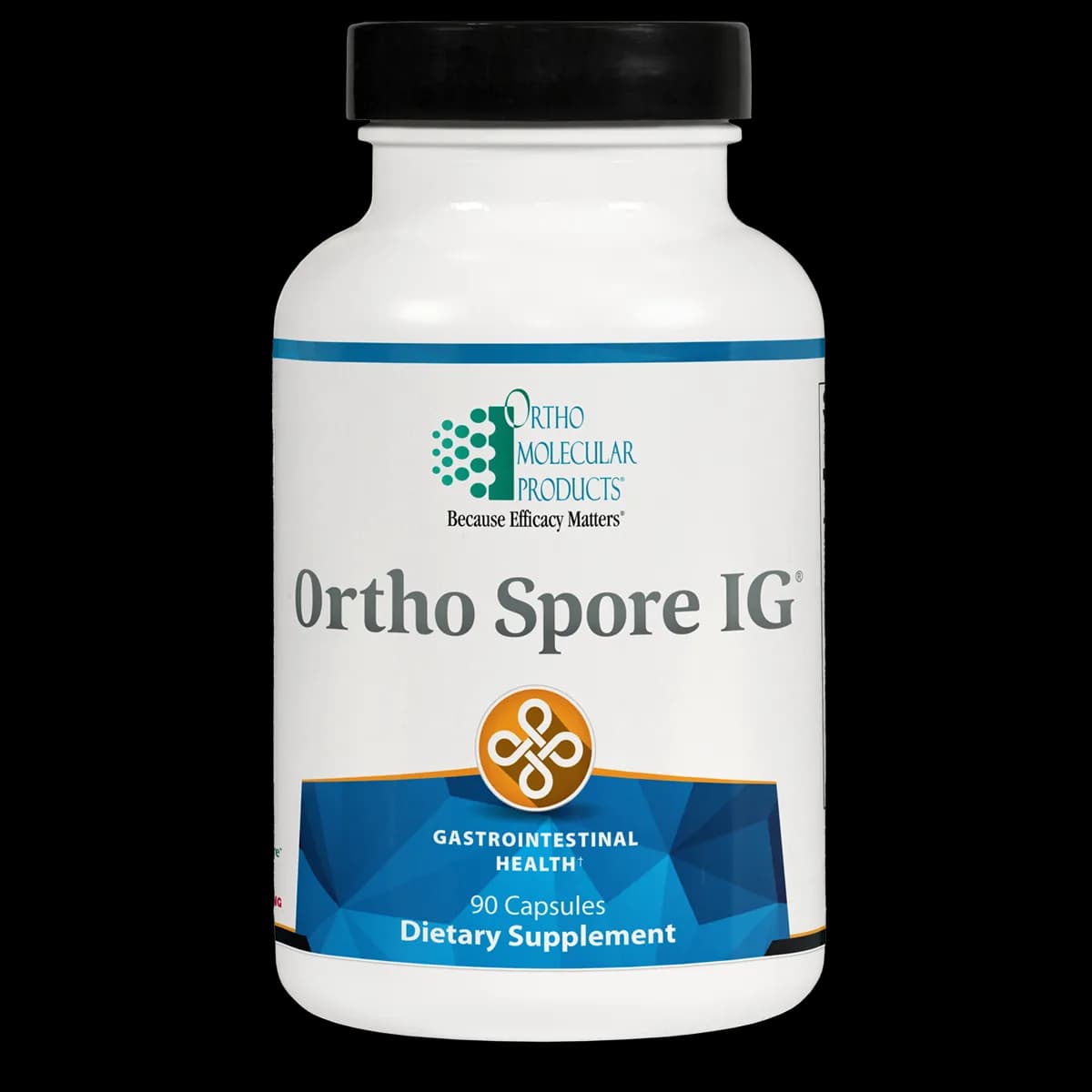
Ortho Spore IG is a specialized, dual-action dietary supplement formulated to aggressively target gastrointestinal dysfunction at the mucosal level. Unlike standard probiotic blends that merely attempt to introduce beneficial bacteria into the gut, this formulation takes a comprehensive approach by simultaneously neutralizing harmful pathogens and actively rebuilding the microbiome. The health of the small intestine relies on a delicate, highly regulated balance of microbiota, immune signaling, and structural integrity. When this balance is shattered by acute viral infections, chronic stress, or prolonged antibiotic use, the resulting dysbiosis creates a hostile environment that perpetuates systemic illness. Ortho Spore IG intervenes by deploying two distinct but highly synergistic components: a robust blend of spore-forming probiotics and a concentrated dose of serum-derived bovine immunoglobulins.
This dual-action mechanism is specifically designed to alter the intestinal environment, optimizing pH levels, enhancing organism diversity, and modulating localized immune responses. The immunoglobulins act as a biological sponge, binding to and neutralizing a broad spectrum of microbial toxins and antigens before they can trigger an inflammatory cascade. Simultaneously, the spore-based probiotics act as transient colonizers, or "gut gardeners," actively reshaping the microbial landscape and repairing the physical damage to the intestinal lining. By addressing both the toxic burden and the microbial imbalance, Ortho Spore IG provides a foundational reset for the gastrointestinal tract, which is essential for patients battling systemic, immune-mediated conditions.
The Power of Serum-Derived Bovine Immunoglobulins (SBI)
The cornerstone of Ortho Spore IG is ImmunoLin®, a highly concentrated, dairy-free protein isolate derived from bovine blood serum. This isolate is composed of over 90% protein, of which more than 50% is Immunoglobulin G (IgG), alongside smaller amounts of IgA and IgM. Immunoglobulins are specialized Y-shaped proteins produced by the immune system to identify and neutralize foreign objects such as bacteria, viruses, and endotoxins. In a healthy human gut, the mucosal immune system secretes massive amounts of immunoglobulins (primarily sIgA) to maintain a peaceful coexistence with the trillions of microbes residing in the lumen. However, in states of chronic illness, this localized immune defense is often overwhelmed, depleted, or dysfunctional, allowing opportunistic pathogens to thrive and damage the delicate single-cell-thick epithelial lining.
By supplementing with a massive dose of exogenous IgG via ImmunoLin, patients can artificially bolster this critical first line of defense. According to research published in Nutrients, serum-derived bovine immunoglobulins work entirely within the lumen of the gastrointestinal tract and are not absorbed into the systemic bloodstream. Instead, they provide steric hindrance—physically blocking antigens and lipopolysaccharides (LPS) from binding to the epithelial cells and crossing the gut barrier. This targeted neutralization prevents the activation of Toll-like receptors (TLRs) on the intestinal cells, effectively shutting down the localized production of pro-inflammatory cytokines like TNF-α and IL-6. This mechanism is profoundly important for patients experiencing the severe gastrointestinal symptoms seen with Long COVID, as it directly addresses the root cause of mucosal inflammation.
The Resilience of Spore-Based Probiotics
The second pillar of Ortho Spore IG is its proprietary blend of spore-forming probiotics, specifically Bacillus coagulans, Bacillus clausii, and Bacillus subtilis. Traditional vegetative probiotics, such as Lactobacillus and Bifidobacterium, are highly sensitive to environmental stressors. They frequently perish when exposed to the harsh, highly acidic environment of the stomach or the detergent-like action of bile salts in the upper duodenum, meaning only a fraction of the ingested dose actually reaches the large intestine alive. In stark contrast, Bacillus species possess the unique biological ability to form a highly resilient endospore—a tough, metabolically dormant outer shell composed of cross-linked proteins and peptidoglycan. This spore coat acts as biological body armor, allowing the bacteria to survive extreme heat, desiccation, and gastric acid with near 100% viability.
Once these spores safely navigate the hostile upper gastrointestinal tract and reach the favorable, nutrient-rich, and pH-neutral environment of the small and large intestines, they undergo a rapid process of germination. They shed their protective coats and transform into active, vegetative cells capable of profound metabolic activity. As detailed in a meta-analysis on COVID-19 gut dysbiosis, addressing microbial imbalance is key, and these Bacillus strains act as transient modulators, actively consuming excess oxygen to create an optimal anaerobic environment, secreting antimicrobial peptides to suppress pathogenic overgrowth, and producing vital short-chain fatty acids (SCFAs) to nourish the colonic epithelial cells. Once their work is done, they re-sporulate and are naturally excreted, leaving behind a fundamentally healthier and more diverse microbial ecosystem.
How Long COVID and ME/CFS Impact the Gut Microbiome
Viral Persistence and Gut Dysbiosis
To understand why a targeted intervention like Ortho Spore IG is necessary, we must first examine how complex chronic illnesses devastate the gastrointestinal ecosystem. In conditions like Long COVID, researchers have identified that the initial SARS-CoV-2 infection can trigger a profound and long-lasting disruption of the gut microbiome, a state known as dysbiosis. A landmark study by the Chinese University of Hong Kong revealed that patients suffering from Long COVID exhibit significantly reduced microbial diversity compared to healthy individuals, with this dysbiosis persisting for many months post-recovery. The virus can directly infect the enterocytes (intestinal cells) via the ACE2 receptor, which is highly expressed in the gut, leading to localized viral persistence, chronic immune activation, and the systematic eradication of beneficial, commensal bacteria.
This viral-induced dysbiosis creates a vicious cycle that echoes the pathophysiology seen in Myalgic Encephalomyelitis/Chronic Fatigue Syndrome (ME/CFS). When exploring what causes Long COVID, the "gut-lung axis" and the "gut-brain axis" emerge as critical pathways. The depletion of beneficial microbes allows opportunistic pathogens, particularly Proteobacteria and inflammatory strains like Streptococcus vestibularis, to proliferate unchecked. These pathogens produce toxic metabolites that continuously irritate the mucosal lining, keeping the local immune system in a state of hyper-vigilance. This chronic, low-grade inflammation in the gut serves as a systemic anchor, preventing the body from returning to a state of homeostasis and driving the relentless fatigue and autonomic dysfunction that characterize these post-viral syndromes.
The Loss of Butyrate and the "Leaky Gut" Cycle
One of the most catastrophic consequences of this microbiome shift is the severe depletion of butyrate-producing bacteria, such as Faecalibacterium prausnitzii. Butyrate is a short-chain fatty acid (SCFA) created when beneficial bacteria ferment dietary fiber. It is the primary and preferred fuel source for colonocytes (the cells lining the colon) and is absolutely essential for maintaining the structural integrity of the intestinal barrier. When butyrate levels plummet due to dysbiosis, the colonocytes literally begin to starve, leading to a breakdown in the tight junction proteins—such as zonulin, occludin, and claudins—that normally glue the intestinal cells together. This structural degradation results in increased intestinal permeability, universally known as "leaky gut."
As the tight junctions fail, the gut barrier loses its selective permeability. Instead of only allowing fully digested nutrients and water to pass into the bloodstream, the compromised barrier permits the leakage of undigested food particles, bacterial endotoxins, and intact microbes into the systemic circulation. This phenomenon, known as microbial translocation, is a hallmark of both Long COVID and ME/CFS. In fact, NIH-funded microbiome studies have found that microbiome changes may be a signature for ME/CFS. The leaky gut cycle ensures that the immune system is constantly bombarded by foreign antigens, leading to systemic exhaustion.
Microbial Translocation and Systemic Inflammation
Once these bacterial endotoxins—most notably lipopolysaccharides (LPS) from the cell walls of Gram-negative bacteria—breach the intestinal barrier and enter the bloodstream, they trigger a massive, systemic inflammatory response. LPS is a highly potent endotoxin that binds to Toll-like receptor 4 (TLR4) on immune cells, particularly macrophages and microglia in the brain. This binding activates the NF-κB pathway, unleashing a storm of pro-inflammatory cytokines, including Interleukin-6 (IL-6), Interleukin-1 beta (IL-1β), and Tumor Necrosis Factor-alpha (TNF-α). This systemic endotoxemia is a primary driver of the debilitating neuroinflammation and severe brain fog reported by patients, illustrating how a gut-level problem rapidly becomes a neurological crisis.
Furthermore, this constant influx of LPS and antigens into the bloodstream is a major trigger for mast cell activation syndrome (MCAS), a condition frequently comorbid with Long COVID and dysautonomia. Mast cells, which are heavily concentrated in the gastrointestinal mucosa and surrounding blood vessels, become hyper-sensitized by the continuous presence of translocated endotoxins. They degranulate inappropriately, releasing massive amounts of histamine, tryptase, and leukotrienes into the surrounding tissues. This histamine dump further increases intestinal permeability, alters gastrointestinal motility, and causes systemic symptoms ranging from tachycardia to severe allergic reactions. Breaking this cycle of microbial translocation and subsequent systemic inflammation is paramount when considering how you can live with long-term COVID.
Ortho Spore IG: Supporting the Intestinal Barrier and Microbiome
ImmunoLin's Antigen-Binding Mechanism
Ortho Spore IG directly intercepts the catastrophic cycle of leaky gut and systemic endotoxemia through the powerful antigen-binding capabilities of ImmunoLin. When the serum-derived bovine immunoglobulins (SBI) enter the gastrointestinal tract, they act as a highly targeted, localized defense force. The massive concentration of IgG molecules physically binds to a broad spectrum of pathogenic antigens, including lipopolysaccharides (LPS), C. difficile toxins, and components of opportunistic fungi like Candida albicans. This binding process, known as steric hindrance, creates a bulky complex that is physically incapable of passing through the compromised tight junctions or interacting with the epithelial cell receptors. By trapping these inflammatory triggers within the gut lumen, ImmunoLin ensures they are safely excreted in the stool rather than absorbed into the bloodstream.
This immediate neutralization of endotoxins provides profound relief to the localized immune system of the gut. Because the epithelial cells are no longer being constantly bombarded by LPS, the activation of the inflammatory TLR4/NF-κB pathway is halted. Ex vivo evaluations in human adults have shown that SBI promotes barrier integrity and lowers inflammation, allowing the damaged tight junction proteins to begin the process of repair and regeneration. As the localized cytokine storm subsides, the enterocytes can re-establish their structural integrity, effectively resealing the "leaky gut." This reduction in microbial translocation is the critical first step in lowering systemic inflammation, calming hyperactive mast cells, and reducing the neuroinflammatory burden that drives severe brain fog and fatigue.
Bacillus coagulans and Tight Junction Repair
Working in tandem with the immunoglobulins, the spore-based probiotic Bacillus coagulans (specifically the clinically validated LactoSpore® strain) provides active, metabolic support for gut barrier restoration. B. coagulans is highly unique among soil-based organisms because it is a potent producer of L(+)-lactic acid. Once the spores germinate in the small intestine, they begin fermenting carbohydrates to produce this beneficial lactic acid, which gently lowers the localized pH of the gut. This slightly acidic environment is highly hostile to opportunistic, inflammatory pathogens like E. coli and Salmonella, but it creates the perfect conditions for the host's native, beneficial flora—such as Bifidobacteria and Akkermansia muciniphila—to flourish and repopulate.
Beyond pH modulation, B. coagulans directly interacts with the intestinal epithelium to reinforce structural integrity. Research indicates that this specific strain actively upregulates the genetic expression of crucial tight junction proteins, specifically ZO-1, occludin, and claudin-1. By stimulating the production of these "cellular glues," B. coagulans accelerates the repair of the mucosal barrier, working synergistically with ImmunoLin's protective effects. Furthermore, it produces powerful antimicrobial peptides called bacteriocins, which act as highly targeted natural antibiotics, selectively eliminating pathogenic bacteria without harming the delicate, recovering commensal microbiome. This targeted antimicrobial action is essential for clearing out the dysbiotic overgrowth that frequently follows acute viral infections.
Bacillus clausii, Bacillus subtilis, and Immune Priming
The inclusion of Bacillus clausii (CSI08) and Bacillus subtilis (DE111®) completes the comprehensive microbiome rehabilitation provided by Ortho Spore IG. Bacillus clausii is renowned in the scientific community for its exceptional, natural resistance to multiple classes of antibiotics, making it an invaluable tool for patients whose dysbiosis was triggered or exacerbated by heavy antibiotic use. Once active in the gut, B. clausii secretes specific peptide antibiotics, such as clausin, which aggressively target Gram-positive pathogens. Additionally, it possesses profound immunomodulatory capabilities, interacting with the Gut-Associated Lymphoid Tissue (GALT) to shift the immune response from a hyper-allergic, Th2-dominant state toward a more balanced, virus-fighting Th1 polarization. This immune recalibration is vital for patients struggling with post-viral immune exhaustion.
Meanwhile, Bacillus subtilis acts as the ultimate biological architect of the gut environment. Its primary mechanism of action involves aggressive oxygen scavenging. The human colon is designed to be a strict anaerobic (oxygen-free) environment, but chronic inflammation and tissue damage often introduce oxygen into the lumen, which fuels the growth of inflammatory, aerobic pathogens. B. subtilis rapidly consumes this free oxygen, restoring the strict anaerobic conditions required for beneficial, butyrate-producing bacteria to thrive. Furthermore, studies on Bacillus subtilis demonstrate that it secretes quorum-sensing molecules that interact directly with human intestinal cells, inducing the synthesis of Heat Shock Proteins (Hsps). These protective proteins shield the delicate intestinal lining from oxidant-induced injury, ensuring that the newly repaired gut barrier remains resilient against future stressors.
Symptoms Ortho Spore IG May Help Manage
Gastrointestinal Distress and SIBO
Chronic Diarrhea and Loose Stools: By neutralizing inflammatory endotoxins and repairing the tight junctions, ImmunoLin significantly reduces the mucosal irritation that drives rapid gastrointestinal transit and fluid secretion, leading to firmer, more regular bowel movements.
Abdominal Pain and Cramping: The reduction of localized pro-inflammatory cytokines (like TNF-α) by the immunoglobulins calms the hyper-sensitized enteric nervous system, alleviating the severe visceral hypersensitivity and cramping common in post-viral IBS.
Bloating and SIBO Symptoms: The spore-based probiotics, particularly Bacillus subtilis, aggressively compete for nutrients and secrete antimicrobial peptides that help suppress the abnormal overgrowth of bacteria in the small intestine (SIBO), directly reducing the fermentation that causes severe, painful bloating.
Systemic Inflammation and Brain Fog
Severe Brain Fog and Cognitive Dysfunction: By halting the leakage of lipopolysaccharides (LPS) into the bloodstream, Ortho Spore IG cuts off the supply of endotoxins that cross the blood-brain barrier and trigger microglial activation, thereby reducing the neuroinflammation responsible for cognitive impairment.
Profound Fatigue and PEM: Systemic endotoxemia forces the immune system into a constant, energy-draining state of activation. By sealing the gut and neutralizing these triggers, the supplement helps conserve cellular ATP, potentially raising the threshold for post-exertional malaise (PEM) in ME/CFS patients.
Joint and Muscle Pain: The systemic reduction in circulating inflammatory cytokines (such as IL-6 and IL-1β) achieved by restoring the gut barrier can lead to a noticeable decrease in the widespread, migrating musculoskeletal pain frequently reported by Long COVID long-haulers.
Mast Cell Activation and Food Sensitivities
New and Severe Food Sensitivities: Leaky gut allows undigested food proteins to enter the bloodstream, where they are flagged as foreign invaders by the immune system. By repairing the tight junctions with Bacillus coagulans, the supplement prevents these proteins from triggering systemic allergic responses.
Histamine Intolerance: Dysbiotic bacteria often produce excess histamine in the gut lumen. The spore probiotics help crowd out these histamine-producing strains, while the restoration of the mucosal barrier prevents excess histamine from leaking into systemic circulation.
Mast Cell Hyper-Reactivity: By trapping LPS and other potent mast cell triggers within the gut lumen via ImmunoLin's steric hindrance, the supplement removes the constant biological stressors that cause mast cells to inappropriately degranulate, helping to stabilize MCAS symptoms.
Practical Considerations: Forms, Dosing, and Absorption
Spore Survivability vs. Traditional Probiotics
When evaluating probiotic interventions, bioavailability and survivability are the most critical factors determining clinical efficacy. Traditional vegetative probiotics (like standard Lactobacillus blends found in yogurt or refrigerated capsules) are notoriously fragile. Clinical data suggests that up to 90% of these vegetative cells are destroyed by the highly acidic pH of the stomach (often around pH 1.5 to 2.0) and the emulsifying bile salts in the duodenum. Consequently, patients often require massive, continuous doses just to achieve a minimal, temporary effect. Ortho Spore IG bypasses this fundamental flaw entirely by utilizing Bacillus endospores. These spores are naturally encased in a highly durable, multi-layered protein coat that renders them virtually impervious to gastric acid, digestive enzymes, and extreme temperature fluctuations.
Because of this biological armor, the Bacillus coagulans, Bacillus clausii, and Bacillus subtilis in Ortho Spore IG boast a near 100% survivability rate through the upper GI tract. They do not require refrigeration, making them highly stable and convenient for daily use. Once they reach the favorable, nutrient-rich environment of the small intestine, the spores detect specific amino acids and rapidly germinate, shedding their protective coats to become metabolically active vegetative cells. This guaranteed delivery system ensures that the precise, clinical dose listed on the bottle is exactly what arrives at the site of inflammation, maximizing the therapeutic impact on the compromised microbiome.
Optimal Dosing and Timing
The suggested use for Ortho Spore IG is 3 capsules per day, or as recommended by your healthcare professional. This dosage provides a clinically relevant 1 gram of ImmunoLin (yielding 480 mg of active IgG) alongside a potent 4 billion CFU blend of the three Bacillus strains. Because the immunoglobulins work by binding to dietary antigens, microbial toxins, and inflammatory triggers within the gut lumen, many functional medicine practitioners recommend taking the capsules with meals. Taking the supplement alongside food ensures that the immunoglobulins are present in the digestive tract exactly when the highest load of potential dietary antigens and endotoxins are being processed, allowing for immediate neutralization and steric hindrance.
For patients dealing with severe dysbiosis or SIBO, the introduction of potent spore-based probiotics can occasionally trigger a temporary "die-off" reaction, medically known as a Herxheimer reaction. As the Bacillus strains begin to crowd out pathogenic bacteria and fungi, these dying microbes release a sudden burst of endotoxins. While the ImmunoLin in the formulation is specifically designed to bind and neutralize these exact toxins, highly sensitive patients—particularly those exploring what drugs are used for COVID long haulers—may still experience mild, transient increases in bloating, gas, or fatigue during the first week of use. To mitigate this, practitioners often advise starting with a lower dose (e.g., 1 capsule daily) and gradually titrating up to the full 3-capsule dose over the course of two weeks.
Safety Profile and Contraindications
Ortho Spore IG boasts an exceptionally strong safety profile, largely because its active ingredients function entirely within the gastrointestinal lumen and are not absorbed into the systemic bloodstream. The ImmunoLin component is derived from bovine blood serum, not milk, meaning it is 100% free of lactose, casein, and whey. This makes it a highly effective and safe alternative to bovine colostrum for patients with severe dairy allergies or intolerances. Furthermore, the Bacillus strains used are universally recognized as safe (GRAS) and have been extensively utilized in clinical settings for decades without significant adverse events. The transient nature of these spores ensures they do not permanently alter the host's genetic microbial fingerprint, but rather facilitate a natural, self-guided recovery of the native flora.
However, there are specific contraindications to consider. Because ImmunoLin is a bovine-derived protein isolate, Ortho Spore IG is strictly contraindicated for individuals with a true, IgE-mediated beef allergy. Additionally, while spore-based probiotics are generally well-tolerated, patients with severely compromised immune systems (such as those undergoing active chemotherapy or individuals with advanced HIV/AIDS) should exercise caution and consult their primary care provider before introducing any live microbial supplements. As with any comprehensive management strategy for complex chronic illnesses, it is crucial to work collaboratively with a knowledgeable healthcare provider to ensure the supplement aligns with your broader treatment protocols and specific metabolic needs.
Follow the Science
Clinical Efficacy of ImmunoLin in IBS and Enteropathy
Validating its role in repairing structural gut damage, a rigorous study published in Pathogens and Immunity investigated the effects of SBI on persons with HIV and enteropathy on suppressive ART. After 24 weeks of targeted SBI supplementation, the researchers documented a statistically significant decrease in circulating levels of Intestinal Fatty Acid Binding Protein (I-FABP) and zonulin—two of the most reliable and premier clinical biomarkers for intestinal epithelial damage. Alongside this structural healing, the patients exhibited a profound drop in systemic inflammatory markers, specifically Interleukin-6 (IL-6). This data demonstrates that SBI actively facilitates the physical regeneration of the mucosal barrier and helps halt the systemic inflammatory cascade.
Spore-Based Probiotics and Endotoxemia Reduction
The clinical validation for spore-based probiotics is equally compelling, particularly regarding their ability to combat systemic endotoxemia—a primary driver of post-viral fatigue and neuroinflammation. A pivotal clinical trial evaluating a multi-strain Bacillus probiotic blend (featuring the same Bacillus subtilis and Bacillus coagulans strains found in Ortho Spore IG) focused on dietary endotoxemia. In this study, patients were subjected to a high-fat, high-calorie meal designed to trigger a massive influx of lipopolysaccharides (LPS) into the bloodstream via a compromised gut barrier. The results were striking: after just 30 days of daily Bacillus spore supplementation, the patients demonstrated a massive, statistically significant reduction in post-prandial circulating endotoxins compared to the placebo group.
This reduction in circulating LPS was accompanied by a corresponding drop in systemic inflammatory cytokines and a noticeable decrease in post-meal metabolic dysfunction. The researchers concluded that the transient colonization of the Bacillus spores actively repaired the tight junctions and profoundly altered the microbial landscape, preventing the endotoxins from breaching the intestinal wall. This specific mechanism—halting microbial translocation—is exactly why spore-based probiotics are becoming a frontline recommendation for patients exploring if Long COVID can trigger ME/CFS, as it directly addresses the shared pathophysiology of leaky gut and systemic immune hyper-activation that links these debilitating conditions.
Emerging Research on the Gut-Brain Axis in Post-Viral Syndromes
The scientific understanding of how gut health dictates neurological function is rapidly expanding, bringing profound implications for the treatment of post-viral syndromes. Recent NIH-funded microbiome research has found that microbiome changes may be a signature for ME/CFS. By utilizing Ortho Spore IG to neutralize inflammatory endotoxins and create an anaerobic environment where native butyrate-producers can recover, patients are directly intervening in this critical gut-brain feedback loop.
Furthermore, a comprehensive meta-analysis on COVID-19 gut dysbiosis confirmed that the quantitative reduction in microbial diversity seen in Long COVID patients is a primary driver of prolonged symptom duration. The analysis highlighted that interventions aimed at restoring this diversity—such as targeted prebiotics, specific probiotic strains, and mucosal healers—are essential for achieving full systemic recovery. As the clinical evidence continues to mount, it is becoming undeniably clear that healing the gastrointestinal tract is not a peripheral concern in the management of Long COVID, ME/CFS, and dysautonomia; it is a central, non-negotiable pillar of restoring cellular energy, calming the nervous system, and reclaiming a baseline of health.
The Path Forward
Validating the Complexity of Gut-Driven Symptoms
Living with a complex chronic illness like Long COVID, ME/CFS, or MCAS is an exhausting, unpredictable journey. When profound systemic symptoms like debilitating brain fog, migrating joint pain, and severe post-exertional malaise are driven by invisible dysfunction within the gastrointestinal tract, it can be incredibly frustrating to seek answers. Many patients are told their symptoms are purely psychological or are offered superficial treatments that fail to address the root cause. It is vital to validate that your symptoms are real, they are physiologically grounded in measurable immune and microbial dysfunction, and they are intimately connected to the health of your gut barrier. Understanding this gut-brain connection is the first empowering step toward reclaiming your health and finding targeted, effective management strategies.
A Comprehensive Approach to Healing
While Ortho Spore IG offers a powerful, scientifically validated mechanism for neutralizing endotoxins and repairing the intestinal barrier, it is important to remember that true healing requires a comprehensive, multi-faceted approach. Supplements are most effective when utilized as one piece of a broader management strategy that includes aggressive pacing, nervous system regulation, targeted dietary modifications, and continuous symptom tracking. Rebuilding a devastated microbiome takes time, patience, and consistency. By combining the dual-action support of serum-derived immunoglobulins and resilient spore-based probiotics with compassionate, individualized medical care, you can begin to break the vicious cycle of leaky gut and systemic inflammation, paving the way for profound, systemic recovery.
Exploring Your Options
If you are struggling with persistent gastrointestinal distress, severe food sensitivities, or the systemic inflammation characteristic of post-viral syndromes, targeted mucosal support may be a critical missing piece in your protocol. Always consult with your primary healthcare provider or a functional medicine specialist before introducing new supplements, especially if you are managing a complex, multi-system condition or are currently taking immunosuppressive medications. Together, you can determine if this dual-action gut restorer is the right fit for your unique biochemical needs.