Can Spore-Based Probiotics Like Ortho Spore Complete Support Gut Health in Long COVID and ME/CFS?
March 6, 2026
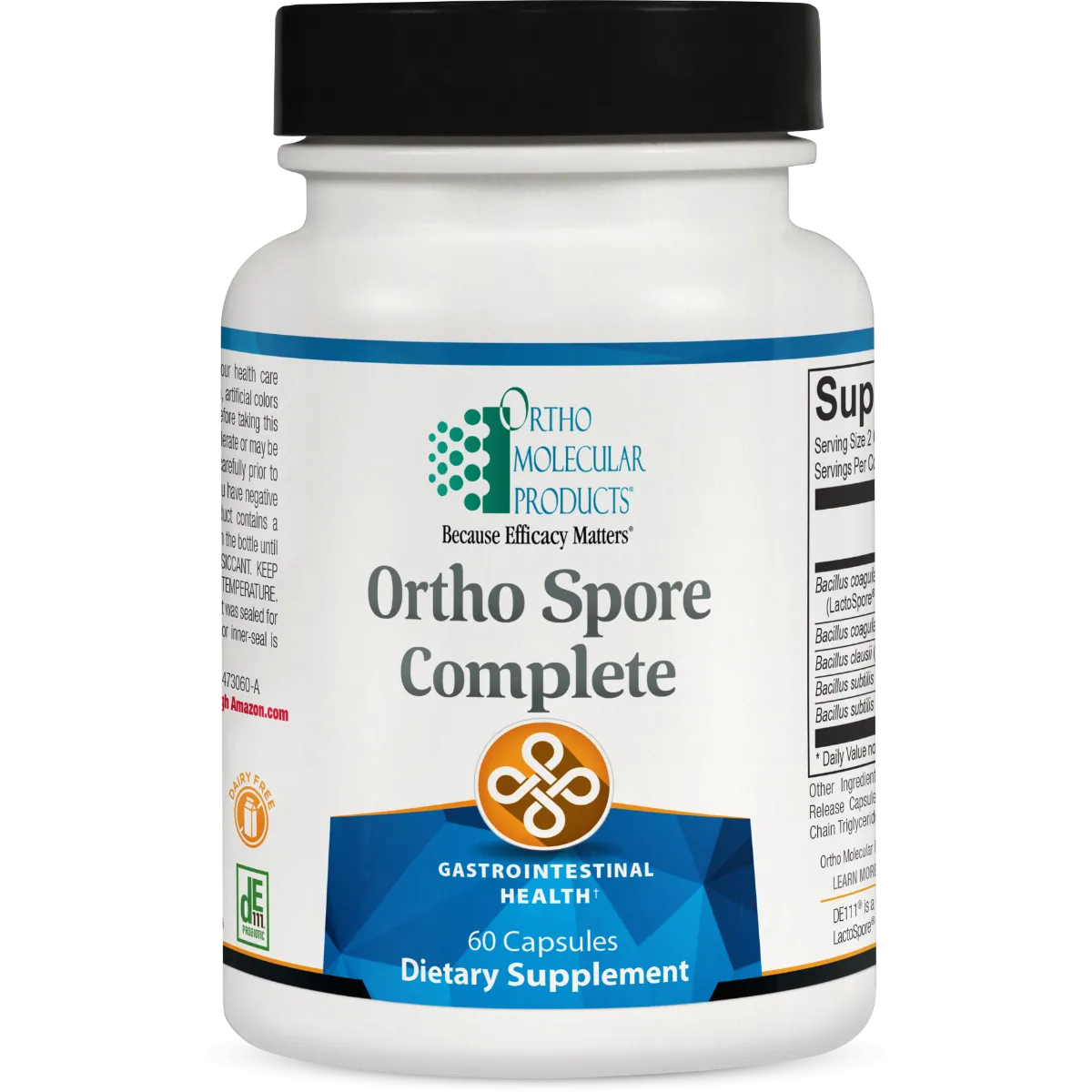
Ortho Spore CompleteSpore-Based ProbioticsGut Microbiome
Share:
Disclaimer: The information provided here is for educational purposes only and is not intended as medical advice. It should not be used to diagnose, treat, cure, or prevent any medical condition. Instead, use it as a starting point for discussion with your healthcare provider. Always consult with a qualified healthcare provider before starting any new medication, supplement, device, or making changes to your health regimen.
Months or even years after an initial viral infection, many individuals living with complex chronic conditions like Long COVID, myalgic encephalomyelitis/chronic fatigue syndrome (ME/CFS), and dysautonomia find themselves battling a relentless array of gastrointestinal symptoms. Severe bloating, unpredictable bowel habits, profound food intolerances, and a persistent, heavy brain fog often become daily realities. For many patients, the standard medical advice to "take a probiotic" only leads to more frustration. Traditional lactic-acid-based probiotics can sometimes exacerbate symptoms, triggering histamine cascades, feeding small intestinal bacterial overgrowth (SIBO), and leaving patients feeling significantly worse. This paradoxical reaction highlights a critical truth: the post-viral gut is a highly sensitive, profoundly altered ecosystem that requires a much more sophisticated approach than simply flooding it with conventional bacteria.
Enter spore-based probiotics, a unique class of resilient, soil-based organisms that are fundamentally changing how functional medicine approaches severe gut dysbiosis. Supplements like Ortho Spore Complete by Ortho Molecular Products utilize dormant Bacillus endospores that survive the harsh environment of the stomach to perform targeted, therapeutic work directly in the intestines. By acting as "microbial gardeners" rather than permanent colonizers, these specialized strains help eradicate pathogenic overgrowths, repair the degraded intestinal barrier, and modulate the hyperactive immune responses that drive systemic chronic illness. In this comprehensive guide, we will explore the intricate biological mechanisms behind Ortho Spore Complete, examining how its specific Bacillus strains interact with the gut-brain axis, support mitochondrial function, and offer a science-backed pathway toward stabilizing the microbiome in the face of complex chronic disease.
What is Ortho Spore Complete?
The Biology of Spore-Forming Bacteria
Ortho Spore Complete is a highly specialized, broad-spectrum probiotic formulation designed to recondition the gut microbiome, particularly in individuals recovering from severe dysbiosis or small intestinal bacterial overgrowth (SIBO). Unlike traditional probiotic supplements, which primarily rely on fragile Lactobacillus and Bifidobacterium species, this formula is built entirely on soil-based organisms (SBOs) from the Bacillus genus. In a healthy, ancestral human environment, these bacteria were naturally ingested through close contact with soil and unwashed, organic root vegetables. Biologically, Bacillus species possess a remarkable survival mechanism: a two-phase life cycle. When faced with environmental stress, starvation, or extreme temperatures, these bacteria encase their DNA and essential cellular machinery within a highly durable, multi-layered outer shell known as an endospore.
This endospore acts as a biological suit of armor. It renders the dormant bacteria virtually impervious to ultraviolet radiation, desiccation, extreme heat, and, most importantly for human digestion, the highly acidic environment of the stomach and the caustic bile salts of the upper duodenum. Traditional vegetative probiotics often suffer massive die-offs during digestion, meaning only a fraction of the advertised colony-forming units (CFUs) ever reach the large intestine alive. In contrast, the spores in Ortho Spore Complete remain entirely dormant and protected until they sense the specific nutrient-rich, hospitable environment of the distal small intestine and colon. Only then do they shed their protective shells, germinate, and enter their active, vegetative state to begin their therapeutic work.
The Five-Strain Bacillus Consortium
The clinical efficacy of Ortho Spore Complete is driven by its meticulously selected consortium of five distinct Bacillus strains, yielding a potent 5 billion CFUs per two-capsule serving. The first key player is Bacillus coagulans, represented by the heavily researched MTCC 5856 (LactoSpore®) and BCP92 strains. B. coagulans is unique because it bridges the gap between spore-formers and traditional probiotics by producing copious amounts of L(+) lactic acid upon germination. This specific isomer of lactic acid gently lowers the ambient pH of the intestinal lumen, creating an acidic microenvironment that is highly hostile to opportunistic pathogens but deeply supportive of the host's native, beneficial flora. Furthermore, B. coagulans is a prolific producer of short-chain fatty acids (SCFAs), which are vital for cellular energy and mucosal repair.
The formula also includes two specialized strains of Bacillus subtilis (DE111® and HU58). B. subtilis is a robust commensal organism historically consumed in traditional fermented foods like Japanese natto. At the molecular level, B. subtilis is an immunological powerhouse. It secretes a vast array of antimicrobial peptides and lipopeptides, such as surfactin, which actively dismantle the protective biofilms created by pathogenic bacteria and yeast. Finally, the inclusion of Bacillus clausii (CS108) provides a critical defense mechanism against antibiotic-induced damage. B. clausii is intrinsically resistant to several classes of common antibiotics and is renowned for its ability to upregulate the expression of tight junction proteins, the microscopic cellular "glue" that prevents intestinal permeability, commonly known as leaky gut.
A Paradigm Shift: Reconditioning Over Colonization
To understand how Ortho Spore Complete functions, it is essential to discard the outdated "seeding" model of probiotics. For decades, the prevailing theory was that taking a probiotic involved planting new bacteria in the gut to permanently colonize the tissue. However, modern microbiome research reveals that the adult gut is a fiercely competitive, fully occupied ecosystem. Dropping a few billion Lactobacillus cells into a gut containing trillions of established microbes is akin to throwing a handful of seeds into a dense, overgrown jungle; they simply cannot compete for space or resources.
Spore-based probiotics operate on a completely different paradigm known as competitive exclusion and reconditioning. When the Bacillus strains in Ortho Spore Complete germinate, they do not attempt to take up permanent residence. Instead, they act as transient visitors or "microbial managers." Over their 21-to-28-day lifecycle within the human GI tract, they actively patrol the mucosal lining. They read the local microbial environment through a biochemical communication system called quorum sensing, identify pathogenic overgrowths, and deploy targeted antimicrobial compounds to clear out the "weeds." Simultaneously, they secrete metabolites that act as fertilizer for the host's native, keystone bacterial species, such as Akkermansia muciniphila and Faecalibacterium prausnitzii. Once their work is done, the Bacillus bacteria re-sporulate and are naturally excreted, leaving behind a healthier, more diverse, and self-sustaining microbiome.
How Long COVID, ME/CFS, and Dysautonomia Impact the Gut Microbiome
Viral Persistence and the Breakdown of the Intestinal Barrier
The connection between complex chronic illnesses and severe gastrointestinal dysfunction is no longer a fringe theory; it is a well-documented clinical reality. In conditions like Long COVID, researchers have discovered that the gut often serves as a primary reservoir for the virus. Studies indicate that SARS-CoV-2 RNA and viral proteins can persist in the intestinal tissue for months or even years after the acute infection has resolved. This viral persistence triggers a continuous, localized immune response. The intestinal epithelial cells, which are lined with ACE2 receptors, become chronically inflamed. This inflammation degrades the delicate mucosal layer and disrupts the tight junction proteins (such as zonulin and occludin) that normally keep the intestinal wall sealed.
When these tight junctions fail, a condition known as intestinal permeability, or "leaky gut," develops. Microscopic gaps allow undigested food particles, bacterial endotoxins like lipopolysaccharides (LPS), and viral debris to escape the confines of the digestive tract and enter the systemic bloodstream. The immune system, detecting these foreign invaders in the blood, launches a massive, systemic inflammatory cascade. This endotoxemia is a primary driver of the profound, body-wide inflammation seen in post-viral syndromes, directly contributing to the debilitating muscle pain, joint aches, and crushing fatigue that patients experience daily. Understanding what causes Long COVID requires looking closely at this persistent gut-based immune activation.
The Gut-Brain Axis and Autonomic Dysfunction
The systemic inflammation born in the gut does not stay confined to the body; it readily crosses the blood-brain barrier, leading to severe neuroinflammation. This neuroinflammatory state directly impairs the function of the vagus nerve, the massive cranial nerve that serves as the primary bidirectional communication highway between the brain and the enteric nervous system of the gut. The vagus nerve is the master controller of the parasympathetic nervous system, responsible for the "rest and digest" state. When vagal tone is suppressed by chronic inflammation, the autonomic nervous system becomes deeply dysregulated, leading to dysautonomia and conditions like Postural Orthostatic Tachycardia Syndrome (POTS).
This creates a devastating, self-perpetuating vicious cycle. A damaged vagus nerve cannot properly signal the stomach to produce adequate stomach acid, nor can it stimulate the Migrating Motor Complex (MMC), the mechanical sweeping motion that moves food and bacteria through the digestive tract. Without adequate stomach acid to kill incoming pathogens, and without the MMC to sweep the small intestine clean, bacteria begin to stagnate and ferment in the upper GI tract. This stagnation is the primary root cause of Small Intestinal Bacterial Overgrowth (SIBO), a condition heavily correlated with the gastrointestinal symptoms seen with Long COVID. The resulting SIBO produces even more gas, bloating, and endotoxins, further damaging the vagus nerve and deepening the dysautonomia.
The Histamine and MCAS Complication
To complicate matters further, the specific type of dysbiosis found in ME/CFS and Long COVID often involves an overgrowth of histamine-producing bacteria and a severe depletion of the beneficial microbes that degrade histamine. This microbial imbalance is a major trigger for Mast Cell Activation Syndrome (MCAS), a condition where the body's immune mast cells become hyper-reactive, inappropriately releasing massive amounts of histamine and other inflammatory mediators in response to minor triggers, including food.
This is precisely why standard probiotic supplements often fail—and sometimes actively harm—patients with these complex conditions. Many over-the-counter probiotics are packed with Lactobacillus strains (such as L. casei or L. bulgaricus) that naturally produce histamine and D-lactic acid as metabolic byproducts. For a healthy person, this is harmless. But for a patient with MCAS, unraveling the connection between Long COVID and ME/CFS reveals that introducing more histamine-producing bacteria into an already overflowing "histamine bucket" can trigger severe allergic reactions, exacerbate brain fog, and induce crippling neurological fatigue. A fundamentally different approach is required to heal the post-viral gut without triggering these sensitive pathways.
Ortho Spore Complete: Supporting Gut Health and Systemic Recovery
Eradicating Pathogens and Dismantling Biofilms
The therapeutic power of Ortho Spore Complete lies in its ability to actively remodel the gut environment at the molecular level. When dealing with stubborn conditions like SIBO or chronic yeast overgrowth, one of the greatest hurdles is the presence of biofilms. Pathogenic bacteria and fungi (like Candida albicans) secrete a thick, protective extracellular polymeric substance (EPS)—a slimy matrix that shields them from the immune system, herbal antimicrobials, and even powerful prescription antibiotics. This is why SIBO relapse rates are notoriously high; the underlying biofilm is rarely addressed.
The Bacillus subtilis strains (DE111® and HU58) in Ortho Spore Complete are master biofilm disruptors. Upon germination, they secrete a potent lipopeptide called surfactin. Surfactin acts as a biological detergent, breaking down the lipid structures within the pathogenic biofilms, effectively stripping the harmful bacteria of their armor. Once the biofilm is compromised, B. subtilis deploys a suite of nearly a dozen distinct antimicrobial peptides (bacteriocins), including subtilin and coagulin. These compounds act as highly targeted, localized antibiotics, actively lysing (bursting) the cell walls of opportunistic pathogens while leaving the host's beneficial bacteria entirely unharmed.
Restoring the Intestinal Barrier and Quelling Inflammation
While B. subtilis clears out the overgrowth, Bacillus clausii and Bacillus coagulans focus on repairing the structural damage to the gut lining. B. clausii physically interacts with the intestinal epithelial cells, initiating a signaling cascade that upregulates the transcription of genes responsible for producing claudins and occludins—the essential proteins that make up the tight junctions. By increasing the production of these proteins, B. clausii helps "zip up" the leaky gut, halting the flow of endotoxins into the bloodstream and cutting off the primary source of systemic neuroinflammation.
Simultaneously, B. coagulans acts as a metabolic engine for the gut lining. It ferments dietary fibers into short-chain fatty acids (SCFAs), most notably butyrate. Butyrate is the primary and preferred energy source for colonocytes (the cells lining the colon). At a molecular level, butyrate acts as a histone deacetylase (HDAC) inhibitor, a process that profoundly suppresses inflammatory signaling pathways within the gut tissue. By binding to specific G-protein coupled receptors (GPR43 and GPR109A) on immune cells, butyrate promotes the differentiation of regulatory T cells (Tregs), which act as the "brakes" of the immune system, calming the hyperactive mast cells and reducing the production of pro-inflammatory cytokines like Interleukin-6 (IL-6) and Tumor Necrosis Factor-alpha (TNF-α).
Fibrinolytic Action and Microclot Breakdown
One of the most groundbreaking discoveries in recent Long COVID and ME/CFS research is the presence of fibrinaloid microclots—amyloid-like blood clots that trap inflammatory molecules and block the microscopic capillaries, preventing oxygen from reaching the muscles and brain. This cellular hypoxia is a major driver of post-exertional malaise (PEM) and severe cognitive fatigue. Remarkably, the Bacillus genus offers a direct, enzymatic intervention for this vascular pathology.
Bacillus subtilis is the very same bacterium used to ferment soybeans into natto, a process that yields the powerful systemic enzyme nattokinase. When B. subtilis colonizes the gut, it secretes nattokinase and other potent proteolytic enzymes directly into the intestinal lumen, where they can be absorbed into the bloodstream. Nattokinase exhibits profound fibrinolytic activity, meaning it actively cleaves and dissolves the tough cross-linked fibrin proteins that form the structural backbone of these abnormal microclots. By assisting in the breakdown of these vascular blockages, the enzymes produced by B. subtilis help restore microcirculation, alleviate the autonomic stress on the heart, and improve oxygen delivery to oxygen-starved tissues.
A Histamine-Neutral, Non-Fermenting Solution
Crucially for patients with MCAS and severe food intolerances, the Bacillus strains in Ortho Spore Complete are uniquely suited for highly sensitive systems. Unlike standard Lactobacillus species, these spore-forming bacteria do not produce histamine as a metabolic byproduct. Furthermore, strains like B. subtilis and B. clausii do not produce D-lactic acid, a compound that can accumulate in patients with impaired gut motility, leading to D-lactic acidosis—a condition characterized by severe neurological impairment, slurred speech, and profound brain fog.
Because they do not ferment carbohydrates in the small intestine, these spores do not feed the bacterial overgrowth that drives SIBO. Instead, they pass quietly through the upper GI tract, only becoming active where they are needed, making them an incredibly safe and tolerable option for patients who have historically reacted poorly to every other probiotic on the market.

Symptoms Ortho Spore Complete May Help Manage
Targeted Relief for Complex GI and Systemic Issues
Severe Bloating and Abdominal Distension: By actively suppressing the gas-producing bacteria responsible for SIBO and refusing to ferment carbohydrates in the small intestine, the Bacillus strains help dramatically reduce the painful trapping of gas and visible abdominal swelling.
Unpredictable Bowel Habits (Diarrhea and Constipation): Bacillus coagulans produces L(+) lactic acid, which helps regulate the pH of the colon, improving the osmotic balance and restoring normal gut motility, thereby alleviating both diarrhea-predominant and constipation-predominant IBS symptoms.
Brain Fog and Cognitive Fatigue: By repairing the tight junctions and sealing the "leaky gut," Ortho Spore Complete halts the systemic spread of lipopolysaccharides (LPS), directly reducing the neuroinflammation that impairs cognitive processing, memory, and focus.
Post-Exertional Malaise (PEM) and Physical Exhaustion: The production of short-chain fatty acids (SCFAs) provides a vital energy source for cellular mitochondria, while the fibrinolytic enzymes secreted by B. subtilis help dissolve microclots, restoring oxygen delivery to muscles and reducing the severity of post-exertional crashes.
Food Sensitivities and Histamine Reactions: Because these specific Bacillus strains are histamine-neutral and do not produce D-lactic acid, they help stabilize the gut environment without triggering mast cell degranulation, allowing patients to gradually expand their incredibly restricted diets.
Antibiotic-Associated Dysbiosis: The natural antibiotic resistance of Bacillus clausii makes it an ideal protective agent during and after necessary antibiotic treatments, preventing the catastrophic loss of beneficial flora and the opportunistic overgrowth of yeast or C. difficile.
Practical Considerations: Forms, Dosing, and Absorption
Unmatched Survivability and Bioavailability
When discussing the "bioavailability" of a probiotic, we are not referring to its absorption into the bloodstream—which would constitute a dangerous infection—but rather its survivability. The true measure of a probiotic's efficacy is the percentage of live organisms that successfully navigate the perilous journey from the mouth to the large intestine. In this regard, the spore-forming bacteria in Ortho Spore Complete are virtually unmatched.
Because the Bacillus strains are encased in their natural, calcified endospores, they do not require specialized enteric-coated capsules, nor do they need to be kept in the refrigerator. In vitro studies testing the resilience of Bacillus spores against extreme upper digestive conditions (including a highly acidic pH of 3.0 and exposure to harsh bile salts) demonstrate survival rates exceeding 90%. This means that nearly the entirety of the 5 billion CFUs listed on the label will arrive intact and ready to germinate in the lower GI tract, providing a highly predictable and potent therapeutic dose.
Optimal Timing and Dietary Synergies
While the robust nature of spores means they can technically be taken at any time, clinical data suggests there is an optimal window for ingestion to maximize their therapeutic potential. It is highly recommended to take Ortho Spore Complete with a meal, ideally the largest meal of the day. The presence of food serves multiple critical functions. First, it acts as a natural pH buffer, temporarily reducing the acidity of the stomach to provide an even smoother transit for the spores.
More importantly, the presence of dietary nutrients—specifically carbohydrates, amino acids, and healthy fats—acts as the biological trigger that tells the dormant spores it is time to "wake up." When the spores detect these nutrients in the small intestine, they initiate the germination process, shedding their protective shells and entering their active, vegetative state. Taking the supplement alongside a meal containing a small amount of healthy fat (such as olive oil, avocado, or grass-fed butter) has been shown to significantly enhance this germination rate, ensuring the bacteria are fully active by the time they reach the colon.
Safety, Contraindications, and Interactions
For the vast majority of patients, including those with highly sensitive systems, Ortho Spore Complete is exceptionally safe and well-tolerated. Several of the specific strains, including Bacillus coagulans and Bacillus subtilis, hold "Generally Recognized as Safe" (GRAS) status from the FDA. However, because these are highly robust, live microorganisms, there are strict contraindications for specific vulnerable populations. Spore-based probiotics should never be taken by individuals who are severely immunocompromised (such as those undergoing active chemotherapy or advanced HIV patients), critically ill patients in the ICU, or individuals with indwelling central venous catheters or artificial heart valves, due to a documented risk of the bacteria translocating into the bloodstream and causing bacteremia.
Regarding drug interactions, navigating probiotics while on prescription medications requires strategic timing. If you are exploring what drugs are used for COVID long haulers, you may be on a protocol that includes broad-spectrum antibiotics. While Bacillus clausii is intrinsically resistant to many antibiotics, the general best practice is to separate the administration of Ortho Spore Complete from any antibiotic dose by at least two hours. This ensures that the antibiotic does not inadvertently neutralize the B. coagulans or B. subtilis strains during their vulnerable, vegetative phase. Always consult with your prescribing physician before introducing a new biological agent into your treatment regimen.

Follow the Science
Clinical Efficacy in IBS and SIBO Eradication
The use of spore-based probiotics is supported by a robust and rapidly growing body of clinical literature, particularly concerning their efficacy in treating functional gastrointestinal disorders. A landmark 90-day randomized, double-blind, placebo-controlled trial published in the Nutrition Journal investigated the effects of Bacillus coagulans MTCC 5856 on patients with diarrhea-predominant irritable bowel syndrome (IBS-D). The researchers found that patients receiving a daily dose of 2 billion CFUs experienced a profound reduction in clinical symptoms. By the end of the trial, instances of diarrhea had decreased by an astonishing 90%, and cumulative symptom scores for abdominal pain, bloating, and gas plummeted, indicating massive, statistically significant relief compared to the placebo group.
Furthermore, clinical data supports the use of spore probiotics as an adjunct therapy for SIBO. A prospective, randomized controlled trial compared the efficacy of the leading SIBO antibiotic (Rifaximin) followed by a low-FODMAP diet against a multi-strain Bacillus spore probiotic blend. The results demonstrated that the spore-based probiotic reduced the IBS severity score to a degree similar to the potent antibiotic treatment, but resulted in a statistically significant, superior improvement in the patients' overall Quality of Life (QoL), highlighting the gentle, restorative nature of the spores compared to the "scorched earth" approach of traditional antibiotics.
Immune Modulation and Cytokine Reduction
The immunomodulatory capabilities of Bacillus subtilis have been thoroughly documented in human trials. A 2017 clinical study investigating the HU58 strain tracked healthy volunteers taking the spore probiotic over an 8-week period. The immunological blood panels revealed remarkable systemic effects: participants experienced a 45% reduction in Interleukin-6 (IL-6) and a 55% reduction in Tumor Necrosis Factor-alpha (TNF-α).
Both IL-6 and TNF-α are major pro-inflammatory cytokines that are deeply implicated in the cytokine storms and chronic inflammatory states seen in Long COVID, ME/CFS, and autoimmune diseases. By significantly downregulating the production of these inflammatory markers at the gut level, B. subtilis demonstrates a profound ability to quiet the systemic immune response, providing a biological mechanism for the reduction of widespread body pain and neuroinflammation.
Systemic Fatigue and Post-Viral Recovery
Perhaps the most exciting clinical development for the chronic illness community is the direct application of Bacillus strains in post-viral fatigue syndromes. A randomized controlled trial published in the peer-reviewed journal Medicines tested a specific combination of Bacillus coagulans, Bacillus subtilis, and Bacillus clausii alongside systemic enzymes for patients suffering from severe post-COVID fatigue.
The results were staggering. By day 14 of the protocol, 91% of the patients receiving the Bacillus and enzyme formulation experienced a complete resolution of their physical and mental fatigue, compared to only 15% in the placebo group. The treatment group showed rapid, statistically significant improvements across all time points measured by the Chalder Fatigue Scale (CFQ-11), a standard diagnostic tool used globally for ME/CFS and Long COVID. This data strongly suggests that by addressing the gut microbiome and utilizing the enzymatic properties of Bacillus strains, profound systemic recovery is possible.
The Path Forward
Integrating Spore Probiotics into Your Care Plan
Living with the unpredictable, debilitating symptoms of Long COVID, ME/CFS, or dysautonomia is an exhausting journey. When every meal feels like a gamble and your digestive system seems entirely disconnected from the rest of your body, it is easy to feel overwhelmed and discouraged. It is vital to remember that your symptoms are real, they are rooted in profound biological dysfunction, and they are not your fault. Healing a post-viral gut is not about finding a single miracle cure; it is about consistently applying targeted, science-backed tools that respect the complexity of your altered microbiome.
Ortho Spore Complete offers a sophisticated, deeply researched mechanism for reconditioning the gut environment. By utilizing resilient Bacillus strains that survive digestion, dismantle pathogenic biofilms, and repair the intestinal barrier without triggering histamine cascades, it provides a crucial foundational step in systemic recovery. However, supplements are most effective when integrated into a comprehensive management strategy. We encourage you to continue learning how you can live with long-term COVID through radical pacing, nervous system regulation, and careful symptom tracking. Always consult with your primary care provider or a functional medicine specialist before introducing new supplements, especially if you have a complex medical history.
Sources
MDPI: Bacillus spp. Spores—A Promising Treatment Option for Patients with Irritable Bowel Syndrome
PMC: The effects of Bacillus coagulans MTCC 5856 on functional gas and bloating in adults
MDPI: In Vitro Analysis of an Alkalihalobacillus clausii Spore-Based Probiotic
Medicines: Efficacy and Safety of a Probiotic-Enzyme Complex in Resolving Post-COVID-19 Fatigue
Translational Medicine: The potential therapeutic approaches targeting gut health in ME/CFS