Can Ortho Biotic® R Reset the Microbiome in Long COVID and ME/CFS?
March 6, 2026
Ortho Biotic RLong COVIDME/CFS
Share:
Disclaimer: The information provided here is for educational purposes only and is not intended as medical advice. It should not be used to diagnose, treat, cure, or prevent any medical condition. Instead, use it as a starting point for discussion with your healthcare provider. Always consult with a qualified healthcare provider before starting any new medication, supplement, device, or making changes to your health regimen.
For many individuals living with complex chronic conditions like Long COVID, Myalgic Encephalomyelitis/Chronic Fatigue Syndrome (ME/CFS), and Mast Cell Activation Syndrome (MCAS), the journey to finding relief often leads directly to the gut. You might have tried standard probiotics, hoping to soothe gastrointestinal distress or clear the persistent brain fog, only to find that your symptoms didn't improve—or perhaps they even worsened. This frustrating experience is incredibly common and entirely valid. It often points to what clinicians call a "resistor" microbiome: a deeply entrenched state of gut dysbiosis that stubbornly resists standard interventions.
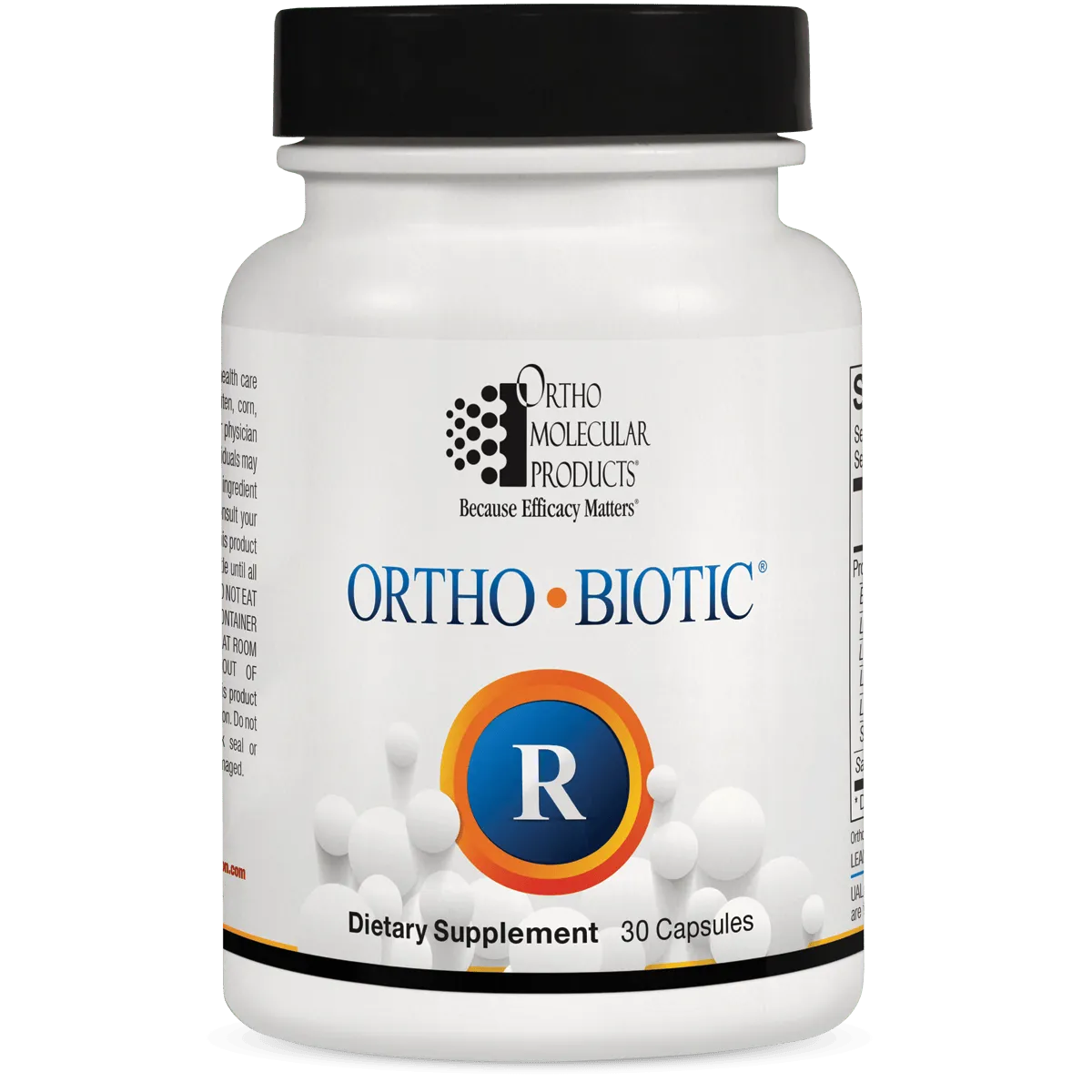
The gut is not just a digestive organ; it is the headquarters of your immune system, the primary site of neurotransmitter production, and a critical barrier protecting your bloodstream from toxins. When viral infections, chronic inflammation, or heavy antibiotic use decimate this delicate ecosystem, it requires more than a generic probiotic to recover. It requires a targeted reset. This is where specialized formulations like Ortho Biotic® R come into play. By combining the resilient, non-pathogenic yeast Saccharomyces boulardii with a proprietary blend of heavily researched bacterial strains like Lactobacillus acidophilus DDS-1™ and Bifidobacterium lactis UABla-12®, this formulation aims to break the cycle of dysbiosis, support ecosystem stability, and help manage the systemic symptoms of chronic illness.
What is Ortho Biotic® R and the "Resistor" Microbiome?
### The Concept of a "Resistor" Microbiome
In a healthy body, the gastrointestinal tract is home to trillions of microorganisms that live in a delicate, symbiotic balance. These microbes perform essential biochemical functions: they ferment dietary fibers into energy-yielding short-chain fatty acids (SCFAs), synthesize vital vitamins, and actively communicate with the host's immune system. However, in patients with chronic illnesses, this ecosystem often shifts into a state of profound dysbiosis. A "resistor" microbiome occurs when opportunistic, pro-inflammatory bacteria establish a dominant foothold, creating a hostile environment that prevents standard, over-the-counter probiotic strains from surviving or colonizing. This entrenched imbalance is notoriously difficult to correct because the pathogenic bacteria actively secrete antimicrobial peptides and alter the gut's pH to defend their territory.
To overcome a resistor microbiome, a different approach is necessary. Rather than simply flooding the gut with standard lactic acid bacteria, the environment itself must be altered. This requires strains that can survive harsh conditions, aggressively compete for resources, and dismantle the defenses of opportunistic pathogens. Ortho Biotic® R is specifically designed for this clinical scenario. It utilizes a rotational approach, introducing a unique combination of microorganisms intended to "reset" the gut environment, thereby paving the way for a return to microbial diversity and ecosystem stability.
### The Unique Role of Saccharomyces boulardii
A cornerstone of the Ortho Biotic® R formula is Saccharomyces boulardii, which is fundamentally different from most probiotics because it is a non-pathogenic yeast, not a bacterium. This biological distinction is crucial. Because it is a yeast, S. boulardii is naturally resistant to antibacterial medications, making it an invaluable tool for patients who have undergone heavy antibiotic treatments that typically decimate the bacterial microbiome. When ingested, S. boulardii acts as a transient colonizer; it does not take up permanent residence in the gut but rather exerts powerful therapeutic effects as it passes through the gastrointestinal tract over a period of 3 to 5 days.
At the molecular level, S. boulardii performs several critical functions. It secretes specific proteases—enzymes that break down proteins—which actively degrade toxins produced by harmful bacteria like Clostridioides difficile. Furthermore, it acts as a "microbial vacuum cleaner" for pathogens. The cell wall of S. boulardii is rich in mannose, a sugar that naturally binds to the surface appendages (pili) of pathogenic bacteria like E. coli and Salmonella. By binding to these pathogens, S. boulardii prevents them from attaching to the intestinal wall, allowing them to be safely flushed out of the body. Additionally, research indicates that this yeast stimulates the host's production of secretory IgA (sIgA), the primary antibody responsible for neutralizing threats in the mucosal lining of the gut.
### The Proprietary Bacterial Blend
Working in tandem with S. boulardii is a 20 Billion CFU proprietary blend of highly researched bacterial strains, including Lactobacillus acidophilus (DDS-1™) and Bifidobacterium lactis (UABIa-12®). These strains are specifically selected for their exceptional survivability against harsh stomach acids and bile salts, ensuring they reach the lower intestine intact. Once in the colon, these bacteria engage in cross-feeding, a metabolic process where the byproducts of one strain serve as food for another. For example, Bifidobacteria produce acetate and lactate during the fermentation of carbohydrates. These specific organic acids are then consumed by other keystone species in the gut to produce butyrate, the most critical SCFA for human health.
The inclusion of the DDS-1™ strain is particularly notable for its immune-modulating properties. In vitro studies have demonstrated that L. acidophilus DDS-1™ actively upregulates the production of Interleukin-10 (IL-10), a potent anti-inflammatory cytokine, while simultaneously downregulating pro-inflammatory markers like Tumor Necrosis Factor-alpha (TNF-α). By shifting the cytokine profile toward an anti-inflammatory state, this bacterial blend helps to calm the hyperactive immune responses frequently seen in patients with complex chronic conditions, facilitating a true reset of the gut-immune axis.
How Long COVID, ME/CFS, and MCAS Impact the Gut Microbiome
### Viral Persistence and the Gut-Lung Axis
To understand why a targeted microbiome reset is necessary, we must look at how conditions like Long COVID fundamentally alter gut biology. During an acute SARS-CoV-2 infection, the virus binds to ACE2 receptors, which are highly expressed not only in the lungs but also along the entire lining of the small intestine. This viral infiltration disrupts intestinal homeostasis, leading to severe inflammation and the shedding of beneficial microbes. Recent clinical analyses have revealed that many Long COVID patients harbor viral RNA in their gut tissue for months, or even years, after their initial infection. This phenomenon, known as viral persistence, keeps the local immune system in a state of chronic, low-grade activation.
This persistent gut inflammation has systemic consequences due to the gut-lung and gut-brain axes. When the gut microbiome is depleted of beneficial, anti-inflammatory species, it can no longer effectively regulate the immune cells that travel to other organs. Patients often experience a vicious cycle: viral persistence causes dysbiosis, which weakens the immune system, which in turn allows the virus to continue hiding in the gut tissue. This is why Gastrointestinal Symptoms Seen with Long COVID are so prevalent and why addressing the microbiome is a critical step in breaking the cycle of post-viral illness.
### The Depletion of Butyrate Producers in ME/CFS
In Myalgic Encephalomyelitis/Chronic Fatigue Syndrome (ME/CFS), the microbiome signature is strikingly similar to that of Long COVID, characterized by a profound lack of microbial diversity. Landmark research has identified a specific depletion of butyrate-producing bacteria, such as Faecalibacterium prausnitzii, in the guts of ME/CFS patients. Butyrate is a short-chain fatty acid that serves as the primary energy source for colonocytes (the cells lining the colon). When butyrate levels plummet, these cells literally starve, leading to the breakdown of the intestinal barrier—a condition commonly known as "leaky gut" or intestinal permeability.
When the gut barrier becomes permeable, structural components of Gram-negative bacteria, known as Lipopolysaccharides (LPS), leak into the bloodstream. The immune system recognizes LPS as a severe threat, triggering a massive inflammatory cascade. This systemic inflammation crosses the blood-brain barrier, activating microglial cells in the brain and causing the debilitating neuroinflammation and brain fog that patients experience. Furthermore, the lack of butyrate impairs mitochondrial function. Because butyrate normally enters the mitochondria to fuel the Tricarboxylic Acid (TCA) cycle and generate ATP (cellular energy), its absence directly contributes to the profound cellular energy deficits and post-exertional malaise (PEM) that define ME/CFS. Understanding this pathway highlights Can Long COVID Trigger ME/CFS? Unraveling the Connection at a deeply mechanistic level.
### Mast Cell Activation and the Histamine Cycle
Mast Cell Activation Syndrome (MCAS) is intimately tied to gut health. Mast cells are the immune system's sentinels, stationed heavily along the mucosal lining of the gastrointestinal tract. In a healthy gut, regulatory T-cells (Tregs) keep mast cells calm and prevent them from degranulating inappropriately. However, the dysbiosis seen in Long COVID and ME/CFS strips away these protective mechanisms. Without adequate SCFAs to promote Treg development, mast cells become hypersensitive. When LPS leaks through the compromised gut barrier, it binds to Toll-Like Receptor 4 (TLR4) on the surface of mast cells, triggering them to aggressively release histamine, tryptase, and inflammatory cytokines.
This creates a devastating histamine cycle. To make matters worse, many opportunistic bacteria that overgrow during dysbiosis naturally produce histidine decarboxylase, an enzyme that converts dietary histidine into even more histamine. If the patient also has a deficiency in Diamine Oxidase (DAO)—the enzyme responsible for breaking down histamine in the gut—the "histamine bucket" quickly overflows. This systemic histamine overload drives symptoms ranging from hives and tachycardia to severe gastrointestinal cramping and food reactivities, illustrating the complex web of Autoimmunity and Immune Dysregulation in Long COVID.
Ortho Biotic® R: Supporting Gut Barrier and Immune Function
### Healing the Leaky Gut via Tight Junctions
Ortho Biotic® R addresses the root causes of systemic inflammation by directly supporting the integrity of the intestinal barrier. The epithelial cells lining the gut are held together by complex protein structures known as tight junctions (including proteins like zonulin, occludin, and claudin). When dysbiosis occurs, these proteins degrade, causing leaky gut. The specific bacterial strains in Ortho Biotic® R, particularly Lactobacillus acidophilus DDS-1™ and Bifidobacterium lactis UABIa-12®, have been shown to promote the expression of these tight junction proteins. By physically adhering to the mucosal lining, these probiotics create a protective biofilm that shields the epithelial cells from inflammatory toxins and opportunistic pathogens.
Furthermore, by producing organic acids like acetate and lactate, these strains lower the pH of the colon. This slightly acidic environment is highly inhospitable to pathogenic bacteria but perfectly suited for the proliferation of native, butyrate-producing keystone species. As butyrate levels begin to rise, the colonocytes receive the ATP energy they need to repair the damaged cellular matrix. This restoration of the gut barrier halts the translocation of Lipopolysaccharides (LPS) into the bloodstream, effectively cutting off the primary fuel source for systemic inflammation and neuroinflammation.
### Modulating the Immune System with Treg Cells
Beyond physical barrier repair, Ortho Biotic® R acts as a profound immunomodulator. The gut-associated lymphoid tissue (GALT) houses approximately 70% of the body's immune cells. The probiotic strains in this formula interact directly with dendritic cells in the GALT, which are responsible for presenting antigens to the immune system. When dendritic cells sample the beneficial compounds produced by Bifidobacterium lactis and Saccharomyces boulardii, they are signaled to promote the differentiation of naive T-cells into Regulatory T-cells (Tregs).
Tregs are the peacekeepers of the immune system. They travel throughout the body, releasing anti-inflammatory cytokines like IL-10 and TGF-beta, which instruct hyperactive immune cells to stand down. For patients dealing with the overactive immune responses characteristic of Long COVID and ME/CFS, increasing Treg activity is essential for achieving immune tolerance. This mechanism helps explain why targeted microbiome support is often used alongside mast cell stabilizers like Ketotifen: Unveiling Relief for the Hidden Battles of MCAS, Long COVID, ME/CFS, and Dysautonomia to calm systemic reactivity.
### Upregulating DAO and Managing Histamine
For patients with MCAS and Histamine Intolerance, Ortho Biotic® R offers a uniquely supportive profile. Many standard, off-the-shelf probiotics contain strains (such as Lactobacillus casei or Lactobacillus bulgaricus) that actively produce histamine during fermentation, which can trigger severe MCAS flares. In contrast, the primary strains in this formula, including DDS-1™ and UABIa-12®, are widely recognized in clinical literature as being histamine-neutral; they do not possess the enzymatic ability to convert histidine into histamine.
Even more importantly, Saccharomyces boulardii provides an active defense against histamine overload. Clinical research suggests that this beneficial yeast helps to upregulate the activity of Diamine Oxidase (DAO) in the intestinal brush border. By enhancing the body's natural DAO production, S. boulardii assists in the rapid degradation of exogenous (food-derived) histamine before it can cross into the bloodstream and trigger mast cell degranulation. Additionally, by aggressively competing against Candida and other fungal overgrowths—which are known to secrete gliotoxins that directly stimulate mast cells—S. boulardii removes a major hidden trigger for MCAS patients.

Symptoms Ortho Biotic® R May Help Manage
### Targeted Symptom Relief
Persistent Bloating and Abdominal Pain: By crowding out gas-producing pathogenic bacteria and reducing visceral hypersensitivity, the strains in Ortho Biotic® R help calm the inflamed enteric nervous system, alleviating chronic cramping and distension.
Food Sensitivities and Histamine Reactions: By upregulating DAO enzyme activity via Saccharomyces boulardii and repairing the leaky gut barrier, this formula helps reduce the systemic immune reactivity that causes sudden food intolerances and histamine flares.
Brain Fog and Cognitive Dysfunction: By sealing the tight junctions in the gut, the supplement prevents neurotoxic Lipopolysaccharides (LPS) from entering the bloodstream and crossing the blood-brain barrier, thereby reducing the microglial activation that drives brain fog.
Post-Exertional Malaise (PEM) and Fatigue: By fostering an environment that supports butyrate-producing bacteria, the microbiome can resume its role in providing essential short-chain fatty acids that fuel the mitochondrial TCA cycle, supporting cellular energy production.
Unpredictable Bowel Habits (Diarrhea/Constipation): The combination of transient yeast (S. boulardii) and colonizing bacteria (B. lactis) helps normalize intestinal transit times, adding bulk to stool while soothing the mucosal lining to prevent rapid, inflammatory emptying.
Post-Antibiotic Dysbiosis: Because S. boulardii is naturally resistant to antibiotics, it actively prevents the devastating overgrowth of opportunistic pathogens (like C. diff or Candida) that frequently occurs during and after heavy antibiotic protocols.
Practical Considerations: Forms, Dosing, and Absorption
### The Advantage of Lyophilized Strains
When considering probiotic supplementation, bioavailability and survivability are just as important as the specific strains included. The microorganisms in Ortho Biotic® R are lyophilized, a sophisticated freeze-drying process that puts the bacteria and yeast into a state of suspended animation. This process protects the delicate cellular membranes of the microbes from environmental degradation, ensuring that the product maintains its promised potency of 20 Billion CFU (plus 3 Billion CFU of S. boulardii) without requiring constant refrigeration.
Upon ingestion, these lyophilized microbes remain dormant as they pass through the highly acidic environment of the stomach. It is only when they reach the warmer, more alkaline environment of the small and large intestines, and are rehydrated by the body's natural fluids, that they awaken and begin their metabolic activities. This targeted delivery system ensures that the probiotics deploy exactly where they are needed most—in the lower gastrointestinal tract—rather than being destroyed by gastric juices.
### Timing and Food Interactions
To maximize the absorption and efficacy of Ortho Biotic® R, timing is an important practical consideration. Generally, bacterial probiotics like Lactobacillus and Bifidobacterium exhibit the highest survival rates when taken on an empty stomach, approximately 30 minutes before a meal. Taking the capsule with a glass of water on an empty stomach allows it to move rapidly through the gastric chamber, minimizing its exposure to harsh stomach acids.
However, the Saccharomyces boulardii component is exceptionally robust and can survive regardless of food intake. If taking the supplement on an empty stomach causes mild nausea—a common sensitivity in patients with severe dysautonomia or gastroparesis—it is perfectly acceptable to take it with a small, light meal. The most critical factor is daily consistency. Because S. boulardii is a transient yeast that does not permanently colonize the gut, it must be introduced daily to maintain its therapeutic presence and continue its work of competitive exclusion against pathogens.
### Navigating Antibiotics, Antifungals, and the Rotational Approach
Managing interactions with other medications is vital for patients with complex chronic illnesses. Because Ortho Biotic® R contains both live bacteria and yeast, it requires careful timing if you are on antimicrobial therapies. If you are taking prescription antibiotics, the bacterial strains (DDS-1™ and UABIa-12®) will be killed if taken simultaneously. You must space your probiotic dose at least 2 to 3 hours away from your antibiotic dose. Conversely, if you are taking prescription antifungals (like Nystatin or Fluconazole) or potent natural antifungals (like oregano oil or caprylic acid), these will eradicate the S. boulardii yeast. In this case, the supplement should be heavily spaced out or paused entirely until the antifungal protocol is complete.
Finally, Ortho Biotic® R is specifically designed for a "rotational approach." In functional medicine, practitioners often recommend rotating different probiotic formulas every few months. This prevents the microbiome from becoming overly adapted to a single set of strains and continuously challenges the gut ecosystem to diversify. For patients who have hit a plateau with standard probiotics, rotating to a "resistor" formula like Ortho Biotic® R can provide the novel microbial footprint needed to break through the stagnation and trigger a deeper level of gut healing.
Follow the Science: Clinical Evidence for These Strains
### Trials on S. boulardii and Post-Viral Recovery
The scientific community has increasingly focused on the gut microbiome as a primary therapeutic target for post-viral syndromes. Recent clinical trials have demonstrated the profound efficacy of Saccharomyces boulardii in managing the gastrointestinal and systemic fallout of COVID-19. In studies evaluating patients with post-acute sequelae of SARS-CoV-2 (Long COVID), interventions utilizing S. boulardii alongside specific bacterial strains resulted in dramatic improvements. Patients in the probiotic intervention groups achieved up to a 60% reduction in Gastrointestinal Symptom Rating Scale (GSRS) scores, significantly outperforming placebo groups.
Remarkably, the benefits extended beyond the gut. These same clinical evaluations noted significant improvements in neurological and mental health outcomes, including a 44% improvement in anxiety and irritability scores. This data strongly validates the existence of the gut-brain axis, proving that by reducing intestinal permeability and lowering systemic inflammation with strains like S. boulardii, we can actively mitigate the neuroinflammatory symptoms that plague Long COVID and ME/CFS patients.
### DDS-1 and UABla-12 in IBS and Visceral Hypersensitivity
The specific bacterial strains in Ortho Biotic® R are backed by robust, double-blind, placebo-controlled trials. A landmark 2020 study published in Nutrients (Martoni et al.) investigated the standalone and combined effects of Lactobacillus acidophilus DDS-1™ and Bifidobacterium lactis UABla-12® on 330 adults suffering from Irritable Bowel Syndrome (IBS). Over a 6-week period, patients receiving these specific strains experienced highly statistically significant reductions in abdominal pain severity and overall symptomology compared to the placebo group.
The study also highlighted the strains' ability to normalize bowel habits, with over 80% of the DDS-1™ group experiencing a return to normal stool consistency as measured by the Bristol Stool Scale. This is particularly relevant for MCAS and dysautonomia patients, who frequently suffer from visceral hypersensitivity—an extreme sensitivity to normal gut functioning caused by localized mast cell degranulation. By proving that these strains can soothe the enteric nervous system and reduce pain signaling, the research underscores their utility in managing complex, immune-mediated gut disorders.
### The Future of Microbiome Modulation in Chronic Illness
As our understanding of the microbiome deepens, it is becoming clear that generalized probiotics are insufficient for treating the profound dysbiosis seen in chronic illness. Emerging research on aging and metabolic profiles demonstrates that strains like DDS-1™ can actually reverse age-related and stress-induced microbiome degradation, restoring well-connected microbial networks and metabolic homeostasis. This is a critical finding for ME/CFS patients, whose cellular metabolism is fundamentally stalled.
By utilizing targeted, clinically validated strains that promote butyrate production, upregulate anti-inflammatory cytokines, and actively dismantle pathogenic biofilms, we are moving toward a new era of precision microbiome therapy. While more research is needed to fully map the microbiome-gut-brain axis in post-infectious diseases, the current clinical data strongly supports the use of specialized, rotational formulas like Ortho Biotic® R to help patients rebuild their foundational health from the inside out.
The Path Forward
### Validating the Gut-Body Connection
Living with Long COVID, ME/CFS, dysautonomia, or MCAS often means navigating a labyrinth of unpredictable, debilitating symptoms that traditional medicine struggles to explain. If you have been told that your severe gastrointestinal distress, profound fatigue, or sudden food reactions are "just anxiety" or "all in your head," it is crucial to know that the science says otherwise. Your symptoms are rooted in measurable, physiological disruptions, and the state of your gut microbiome plays a massive role in driving them. A "resistor" microbiome is a real, clinical challenge, but it is not an insurmountable one.
Healing a deeply entrenched state of dysbiosis takes time, patience, and the right tools. It is not about finding a single miracle cure, but rather about assembling a comprehensive management strategy. By introducing targeted, resilient strains like Saccharomyces boulardii, Lactobacillus acidophilus DDS-1™, and Bifidobacterium lactis UABIa-12®, you are actively changing the environment of your gut. You are reinforcing the barrier, calming the hyperactive mast cells, and providing your body with the microbial allies it needs to begin the slow process of restoring immune and metabolic homeostasis.
### A Comprehensive Management Strategy
Supplements like Ortho Biotic® R are most effective when used as part of a broader, holistic approach to chronic illness management. This includes pacing to manage post-exertional malaise, identifying and avoiding specific histamine or mast cell triggers, and working closely with a healthcare provider who understands the complexities of post-viral syndromes. If you are curious about how your symptoms are evaluated, you can learn more about How Does a Doctor Diagnose Long COVID? to better advocate for your care.
Always consult with your healthcare provider before starting any new supplement regimen, especially if you are severely immunocompromised or currently taking prescription antibiotics or antifungals. With the right guidance and a targeted, rotational approach to microbiome health, you can take meaningful steps toward reclaiming your ecosystem and improving your quality of life.