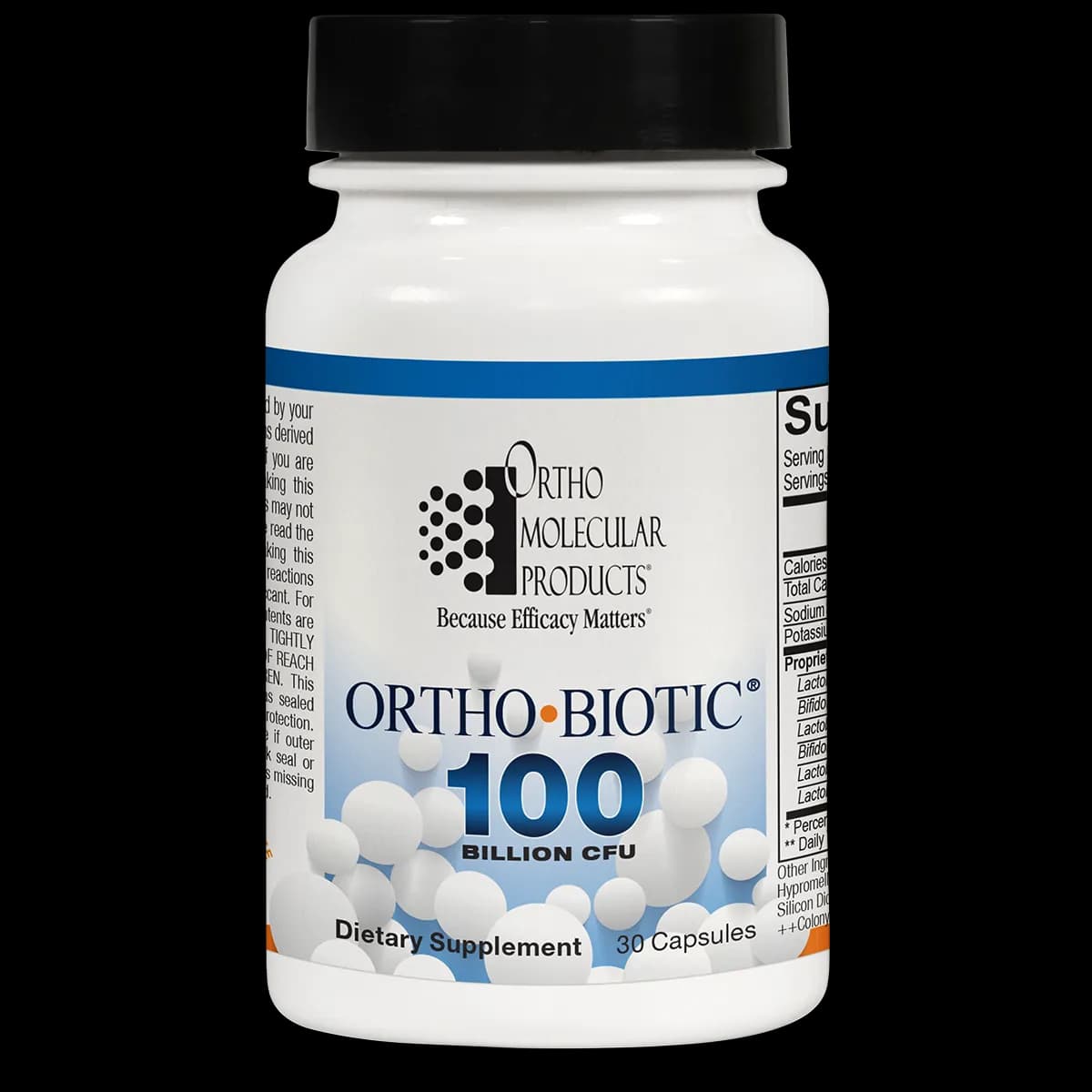
Can Ortho Biotic® 100 Support Gut Health and Immunity in Long COVID and ME/CFS?
March 6, 2026
Ortho Biotic 100ProbioticsLong COVID
Share:
Disclaimer: The information provided here is for educational purposes only and is not intended as medical advice. It should not be used to diagnose, treat, cure, or prevent any medical condition. Instead, use it as a starting point for discussion with your healthcare provider. Always consult with a qualified healthcare provider before starting any new medication, supplement, device, or making changes to your health regimen.
In the wake of a viral infection, many patients find themselves battling a bewildering array of lingering symptoms that seem to defy explanation. You might be experiencing profound fatigue that worsens after minimal exertion, a persistent "brain fog" that makes concentrating impossible, or sudden, unpredictable digestive distress that makes eating feel like navigating a minefield. For individuals living with complex chronic conditions like Long COVID, myalgic encephalomyelitis/chronic fatigue syndrome (ME/CFS), dysautonomia, and mast cell activation syndrome (MCAS), these symptoms are not just frustrating—they are deeply debilitating. Often, patients are told their lab results look "normal," leaving them feeling invalidated and desperate for answers. However, emerging clinical research is increasingly pointing to a critical, often overlooked epicenter of chronic illness: the gastrointestinal microbiome.
The gut is not merely a digestive organ; it is the command center of the human immune system, housing roughly 70 to 80 percent of our immune cells. When the delicate balance of this microbial ecosystem is shattered by viral infections, chronic stress, or medications, it can trigger a cascade of systemic inflammation, immune dysregulation, and neurological dysfunction. Restoring this balance requires more than just a standard, over-the-counter supplement. It requires targeted, high-dose, clinical-grade interventions. Ortho Biotic® 100 has emerged as a powerful tool in functional medicine, featuring a highly concentrated, diverse blend of proven probiotic strains designed to restore the natural microbiome, repair the gut-immune barrier, and support systemic health. In this comprehensive guide, we will explore the intricate science behind Ortho Biotic 100, its specific mechanisms of action, and how it may help manage the complex symptoms of post-viral and chronic illnesses.
What is Ortho Biotic® 100?
The Foundation of the Human Microbiome
To understand the profound impact of Ortho Biotic 100, we must first explore the natural function of the gastrointestinal (GI) tract in a healthy body. The human gut is a finely balanced, highly complex micro-environment where roughly 500 different strains of bacteria, fungi, and viruses constantly interact and compete for space and nutrients. In a state of health, known as eubiosis, these commensal (beneficial) microbes live in harmony with the host. They perform essential biochemical functions that the human body cannot execute on its own, such as synthesizing essential vitamins (like Vitamin K and B vitamins), breaking down complex dietary fibers, and producing vital metabolic byproducts. This symbiotic relationship is the bedrock of human metabolism and immune surveillance.
At the cellular level, the microbiome acts as an active endocrine and immune organ. Beneficial bacteria constantly communicate with the gut-associated lymphoid tissue (GALT), a vast network of immune cells embedded in the intestinal lining. Through the release of specific signaling molecules, these microbes educate our immune system, teaching it to distinguish between harmless dietary antigens and dangerous invading pathogens. When eubiosis is maintained, the gut lining remains robust, inflammation is kept in check, and few, if any, gastrointestinal or systemic symptoms exist. However, when this balance is disrupted—a state known as dysbiosis—opportunistic, potentially harmful organisms can proliferate, leading to widespread physiological dysfunction.
The Power of High-Dose Clinical Probiotics
While the market is flooded with low-dose probiotic supplements, clinical research indicates that severe dysbiosis, particularly in the context of chronic illness, requires a much more robust intervention. Going beyond the threshold of traditional probiotic support, high-dose probiotics influence gut health and immunity in ways that lower-dose formulations simply cannot. Ortho Biotic 100 is specifically formulated to deliver a massive payload of 100 billion colony-forming units (CFUs) per capsule. This high concentration is not arbitrary; it is designed to ensure that a therapeutically significant number of live organisms survive the harsh journey through the digestive tract to successfully colonize the lower intestines.
At this elevated dosage, probiotics cross a critical therapeutic threshold. Scientific studies have shown that high-dose, multi-strain probiotics can activate over 1,700 specific genes involved in immune and inflammatory signaling. This profound genetic modulation allows the probiotics to actively rewrite the immune system's response, downregulating hyperactive inflammatory pathways and upregulating the body's natural defense mechanisms. By delivering such a dense concentration of beneficial microbes, Ortho Biotic 100 can rapidly outcompete pathogenic bacteria for physical adhesion sites on the intestinal wall, a process known as competitive exclusion. This aggressive repopulation is essential for patients whose microbiomes have been severely depleted by illness or medical treatments.
The Specific Strains in Ortho Biotic 100
The efficacy of a probiotic is entirely dependent on the specific strains it contains. Ortho Biotic 100 features a proprietary blend of six rigorously researched, proven strains, each selected for its unique biochemical properties and ability to survive the GI environment. The formulation includes Lactobacillus acidophilus (La-14), a highly resilient strain that produces lactic acid to lower the gut's pH, creating an inhospitable environment for pathogens. It also features Lactobacillus rhamnosus GG, one of the most extensively studied probiotics in the world, renowned for its unique hair-like appendages (pili) that allow it to anchor securely to the intestinal mucosa and exert long-lasting immune-modulating effects.
Additionally, the blend incorporates Bifidobacterium bifidum (Bb-02) and Bifidobacterium lactis (Bl-04), which are foundational colonizers of the large intestine. These Bifidobacteria are master fermenters, breaking down complex carbohydrates to produce short-chain fatty acids (SCFAs) that nourish the cells lining the colon. Rounding out the formula are Lactobacillus plantarum (Lp-115) and Lactobacillus paracasei (Lpc-37), strains highly regarded for their ability to support the gut-brain axis, reduce localized tissue inflammation, and stimulate the production of essential mucosal antibodies. Together, these six strains create a synergistic powerhouse that targets multiple facets of gastrointestinal and systemic health.
How Chronic Illness Impacts the Gut-Immune Axis
Viral Persistence and Microbiome Depletion in Long COVID
To comprehend why a high-dose probiotic like Ortho Biotic 100 is so vital, we must examine how complex chronic illnesses dismantle the gut-immune axis. In the context of Long COVID, researchers have discovered that the SARS-CoV-2 virus can profoundly alter the composition of the gut microbiome. The virus binds to ACE2 receptors, which are highly expressed on the enterocytes (cells) lining the small intestine. This direct viral invasion triggers massive localized inflammation, leading to the rapid depletion of keystone beneficial bacteria, particularly Bifidobacteria and Faecalibacterium prausnitzii. These specific bacteria are the body's primary producers of anti-inflammatory short-chain fatty acids.
When these beneficial populations are wiped out, a vacuum is created, allowing opportunistic, pro-inflammatory pathogens to overgrow. This viral-induced dysbiosis creates a vicious cycle. The overgrowth of pathogens drives continuous systemic inflammation, which in turn prevents the beneficial bacteria from repopulating. Furthermore, emerging evidence suggests that SARS-CoV-2 viral reservoirs may persist in the gut tissue for months or even years after the acute infection has cleared. This persistent viral presence continually aggravates the local immune system, driving the relentless fatigue, immune dysregulation, and systemic symptoms characteristic of Long COVID.
Intestinal Hyperpermeability (Leaky Gut) in ME/CFS
In patients with myalgic encephalomyelitis/chronic fatigue syndrome (ME/CFS), gut dysfunction is a nearly universal finding. A hallmark of ME/CFS pathophysiology is the breakdown of the intestinal epithelial barrier, commonly referred to as "leaky gut." The intestinal lining is only one cell thick, and these cells are held together by complex protein structures called tight junctions. Chronic stress, viral infections, and dysbiosis can cause these tight junctions to loosen, increasing intestinal permeability. Recent studies have shown that patients with ME/CFS have significantly elevated circulating markers of intestinal barrier dysfunction, such as zonulin-1 (ZO-1).
When the gut barrier becomes hyperpermeable, microscopic particles that should remain safely contained within the digestive tract—such as undigested food proteins, bacterial toxins, and lipopolysaccharides (LPS)—leak into the systemic bloodstream. The immune system recognizes these translocated particles as dangerous invaders and mounts a massive, systemic inflammatory response. This phenomenon, known as bacterial translocation, drives widespread neuroinflammation. The circulating inflammatory cytokines cross the blood-brain barrier, activating microglial cells in the brain, which directly contributes to the severe post-exertional malaise (PEM), cognitive impairment, and autonomic dysfunction seen in ME/CFS and dysautonomia.
Mast Cell Activation and the Histamine Connection
The disruption of the gut microbiome also plays a critical role in mast cell activation syndrome (MCAS), a condition frequently comorbid with Long COVID and ME/CFS. Mast cells are highly concentrated in the mucosal lining of the gastrointestinal tract, where they act as environmental sensors. In a dysbiotic gut, the constant barrage of pathogenic bacteria and translocated toxins keeps these mast cells in a state of hyper-vigilance. They begin to degranulate inappropriately, releasing massive amounts of histamine, tryptase, and other inflammatory mediators into the surrounding tissue and bloodstream.
Compounding this issue, many opportunistic bacteria actually produce histamine as a metabolic byproduct. Simultaneously, the damaged intestinal lining loses its ability to produce diamine oxidase (DAO), the primary enzyme responsible for breaking down dietary histamine. This creates a perfect storm: the body is producing excess histamine, the gut bacteria are adding to the histamine load, and the body has lost its ability to clear it. This systemic histamine overload drives a myriad of symptoms, including severe food intolerances, flushing, tachycardia, and profound neurological distress. Breaking this cycle requires targeted microbiome modulation to soothe the mast cells and restore enzymatic function.
Ortho Biotic 100: Supporting Gut Repair and Immune Signaling
Upregulating Tight Junctions and Barrier Integrity
Ortho Biotic 100 is engineered to directly counteract the physiological damage caused by post-viral syndromes and chronic inflammation. One of its most critical mechanisms of action is the restoration of the intestinal epithelial barrier. The specific strains in this formulation, particularly Lactobacillus acidophilus (La-14) and Lactobacillus paracasei (Lpc-37), have been shown in clinical literature to actively upregulate the expression of essential tight junction proteins. At the molecular level, these probiotics secrete soluble metabolites that signal the epithelial cells to increase the production of Zonula Occludens-1 (ZO-1) and Claudin-4.
By stimulating the synthesis of these structural proteins, the probiotics effectively "tighten" the gaps between the intestinal cells, sealing the leaks in the gut barrier. This physically halts the translocation of lipopolysaccharides (LPS) and bacterial toxins into the bloodstream. As the influx of these inflammatory triggers is cut off, the systemic immune system is finally allowed to stand down. This reduction in circulating endotoxins is a crucial step in lowering neuroinflammation, thereby helping to alleviate the brain fog and neurological fatigue that plague patients with ME/CFS and Long COVID.
Activating Immune Genes and Secretory IgA
Beyond physical barrier repair, the high-dose concentration of 100 billion CFUs in Ortho Biotic 100 exerts a profound immunomodulatory effect. As noted in the product's clinical data, this specific high-dose threshold is shown to activate over 1,700 genes involved in immune and inflammatory signaling. When these probiotic strains interact with the dendritic cells in the gut-associated lymphoid tissue, they trigger a cascade of genetic transcription that shifts the immune system away from a hyperactive, autoimmune-like state and toward a state of balanced tolerance.
A key outcome of this gene activation is the massive stimulation of Secretory Immunoglobulin A (sIgA) production. Secretory IgA is the predominant antibody found in the mucosal secretions of the respiratory and gastrointestinal tracts. It acts as the body's first line of defense, binding to viral particles and pathogenic bacteria to neutralize them before they can attach to the intestinal lining. By boosting sIgA levels, Ortho Biotic 100 enhances the gut's ability to clear lingering viral reservoirs and suppress opportunistic pathogens, maintaining a healthy, resilient gut-immune barrier.
Modulating Systemic Inflammation via SCFAs
The Bifidobacterium strains in Ortho Biotic 100, specifically Bb-02 and Bl-04, are critical for modulating systemic inflammation through the production of short-chain fatty acids (SCFAs). When these bacteria ferment dietary fibers in the colon, they produce copious amounts of acetate, propionate, and butyrate. Butyrate, in particular, is a miraculous molecule; it serves as the primary energy source for colonocytes, ensuring the rapid repair and turnover of damaged intestinal tissue.
More importantly, SCFAs act as powerful signaling molecules that circulate throughout the body. They bind to specific G-protein coupled receptors on immune cells, directly inhibiting the production of pro-inflammatory cytokines such as Interleukin-6 (IL-6) and Tumor Necrosis Factor-alpha (TNF-α). By suppressing these specific inflammatory markers, the SCFAs produced by the probiotics in Ortho Biotic 100 help to extinguish the systemic "cytokine storms" that drive the debilitating symptoms of post-viral fatigue, joint pain, and autonomic dysfunction.
The Importance of Low-Histamine, D-Lactate-Free Strains
For patients with MCAS or severe ME/CFS, taking a generic, off-the-shelf probiotic can often be a disastrous experience. Many common probiotic strains, such as Lactobacillus bulgaricus or Streptococcus thermophilus, naturally produce histamine and D-lactic acid during fermentation. In a patient with compromised enzymatic function, these strains can trigger severe histamine storms, flushing, and D-lactic acidosis, which manifests as profound cognitive impairment and neurological crashing.
This is where the specific strain selection in Ortho Biotic 100 becomes clinically vital. The strains utilized in this formulation, such as Lactobacillus rhamnosus GG and Bifidobacterium lactis, are widely recognized in functional medicine as low-histamine, D-lactate-free organisms. They provide all the profound immune-modulating, barrier-repairing, and anti-inflammatory benefits of a high-dose probiotic intervention without the risk of triggering mast cell degranulation or exacerbating neurocognitive symptoms. This makes Ortho Biotic 100 a uniquely safe and powerful option for highly sensitive, complex chronic illness patients.
Symptoms Ortho Biotic 100 May Help Manage
Targeting Systemic and Gastrointestinal Symptoms
Because the gut microbiome is deeply interconnected with the immune, nervous, and endocrine systems, repairing dysbiosis can have far-reaching effects on the body. While Ortho Biotic 100 is not a cure for complex chronic illnesses, its ability to modulate inflammation, repair the intestinal barrier, and support immune signaling may help manage a wide array of debilitating symptoms.
By addressing the root causes of gut-driven systemic inflammation, patients may experience improvements in both localized digestive issues and broader neurological and immunological complaints. Here are specific symptoms that the targeted, high-dose probiotic strains in Ortho Biotic 100 may help alleviate:
Severe Brain Fog and Cognitive Impairment: By repairing the intestinal barrier (leaky gut) and halting the translocation of lipopolysaccharides (LPS) into the bloodstream, the supplement reduces the systemic endotoxemia that drives neuroinflammation and microglial activation in the brain.
Post-Exertional Malaise (PEM) and Fatigue: The Bifidobacterium strains produce short-chain fatty acids (SCFAs) that suppress pro-inflammatory cytokines like IL-6 and TNF-α, which are known to interfere with mitochondrial energy production and drive post-viral exhaustion.
Gastrointestinal Distress (Bloating, Diarrhea, Constipation): By aggressively outcompeting opportunistic pathogens and restoring a healthy balance of commensal flora (eubiosis), the 100 billion CFUs help normalize bowel motility and reduce localized intestinal inflammation.
Food Sensitivities and Histamine Reactions: The specific low-histamine strains in the formulation help soothe hyperactive mast cells in the gut lining, while the repair of the epithelial barrier supports the natural production of the DAO enzyme, improving the body's ability to tolerate dietary histamine.
Immune Dysregulation and Frequent Infections: By activating over 1,700 immune-signaling genes and stimulating the production of Secretory IgA (sIgA), the probiotics enhance the body's first line of mucosal defense, helping to clear lingering viral fragments and protect against secondary infections.
Autonomic Dysfunction and Palpitations: By lowering systemic inflammation and reducing the burden of circulating bacterial toxins, the supplement helps calm the overstimulated vagus nerve, which serves as the primary communication highway between the gut and the autonomic nervous system.
Practical Considerations: Forms, Dosing, and Absorption
The Challenge of Probiotic Survivability
One of the greatest challenges in functional medicine is ensuring that probiotic supplements actually work as intended. Because probiotics are live, sensitive microorganisms, they are highly vulnerable to environmental degradation. Exposure to ambient moisture, heat, light, and oxygen during manufacturing, shipping, or storage can rapidly kill the bacteria, rendering a supplement useless before you even open the bottle. Furthermore, even if the bacteria survive on the shelf, they face a brutal gauntlet once ingested. The human stomach is a highly acidic environment designed to destroy incoming microbes, and many standard probiotic capsules dissolve too quickly, resulting in the complete destruction of the beneficial strains by gastric acid and bile salts.
For a probiotic to be clinically effective, it must overcome these immense hurdles. It must remain shelf-stable through its expiration date, survive the harsh acidic environment of the stomach, and be precisely delivered to the alkaline environment of the intestinal tract, where it can successfully colonize and exert its maximum therapeutic benefit. This requires sophisticated manufacturing and delivery mechanisms that go far beyond standard encapsulation.
BioShield® Encapsulation Technology
To solve these complex delivery challenges, Ortho Molecular developed its proprietary BioShield® technology, an innovative manufacturing process that ensures consistent and reliable probiotic delivery. During this advanced process, the live microorganisms in Ortho Biotic 100 are meticulously protected, sealed, and freeze-dried in a highly controlled environment completely devoid of moisture, heat, light, and oxygen. This extreme freeze-drying process puts the bacteria into a state of suspended animation, allowing them to remain completely dormant and highly stable while in the capsule.
The brilliance of BioShield® technology lies in its targeted release mechanism. The advanced encapsulation protects the dormant, freeze-dried bacteria from the destructive forces of stomach acid. The capsule is specifically engineered to remain intact until it reaches the targeted pH and moisture levels of the gastrointestinal tract. Only upon reaching the intestines are the bacteria exposed to moisture, which "wakes them up" from their dormant state. This ensures that the massive 100 billion CFU payload is released exactly where it is needed, on-target, for maximum clinical benefit and colonization.
Dosing Strategies and Timing
The suggested use for Ortho Biotic 100 is typically one capsule per day, or as recommended by a healthcare professional. Because of the BioShield® technology, the supplement is highly resilient, but optimal timing can still enhance its efficacy. Many functional medicine practitioners recommend taking high-dose probiotics either first thing in the morning on an empty stomach or right before bed, when stomach acid production is naturally lower and gastric emptying is faster, further ensuring the safe passage of the capsule into the intestines.
When integrating a high-dose, 100 billion CFU probiotic into a protocol for complex chronic illness, it is important to start slowly. Some patients with severe dysbiosis or Long COVID may experience a temporary "die-off" reaction (Herxheimer reaction) as the massive influx of beneficial bacteria begins to aggressively outcompete and eradicate pathogenic organisms. This can temporarily cause mild bloating or changes in bowel habits. Working closely with a healthcare provider allows for proper pacing and symptom tracking to ensure the microbiome is rebuilt safely and effectively.
Follow the Science
High-Dose Probiotics in Post-Viral Recovery
The clinical evidence supporting the use of high-dose, multi-strain probiotics for post-viral syndromes is rapidly expanding. A landmark area of research involves the use of massive CFU dosages to combat the specific dysbiosis caused by SARS-CoV-2. In highly publicized clinical trials, such as the SIM01 studies out of Hong Kong, researchers administered a gut microbiota-derived synbiotic formula delivering exactly 100 billion CFUs per day to COVID-19 patients. The results were profound. Patients receiving the high-dose intervention showed significantly reduced plasma levels of major pro-inflammatory markers, specifically Interleukin-6 (IL-6) and Tumor Necrosis Factor-alpha (TNF-α), compared to the control group.
Furthermore, comprehensive reviews synthesizing evidence on ME/CFS and Long COVID highlight that these conditions are post-stressor syndromes characterized by chronic systemic inflammation, neuroinflammation, and severe gut microbiome disturbances. These reviews emphasize that therapeutic interventions targeting microbiome modulation and gut barrier repair are among the most promising paths forward. By suppressing opportunistic pathogens and restoring the production of anti-inflammatory short-chain fatty acids, high-dose probiotic protocols are shown to be a critical step in preventing delayed post-viral complications and systemic immune dysregulation.
Strain-Specific Clinical Trials
The individual strains within Ortho Biotic 100 are backed by extensive, rigorous clinical data. Lactobacillus rhamnosus GG (LGG), for example, has been the subject of numerous post-viral studies. A recent randomized clinical trial evaluated the daily use of LGG given within 7 days of viral exposure. The study found that LGG significantly altered the overall structure of the gut microbiome, providing robust protection against the development of symptomatic disease by massively increasing the abundance of beneficial L. rhamnosus in the gut.
Similarly, Lactobacillus paracasei Lpc-37 has been extensively studied for its impact on the gut-brain axis. In a randomized, double-blind, placebo-controlled trial known as the Sisu Study (NCT03494725), 120 adults were given high doses of Lpc-37 daily for 5 weeks. The researchers found that the strain significantly reduced perceived psychological stress and profound exhaustion, while successfully normalizing evening cortisol levels. By mitigating systemic stress hormones, Lpc-37 indirectly protects the delicate tight junctions of the gut barrier from stress-induced hyperpermeability, offering a dual mechanism of action for patients battling chronic neurological fatigue.
The Gut-Brain Axis and Neurocognitive Function
The connection between the gut microbiome and neurological function is one of the most exciting frontiers in chronic illness research. Studies investigating synbiotic formulations containing L. rhamnosus, L. plantarum, and B. lactis—all key strains in Ortho Biotic 100—have demonstrated remarkable neurocognitive benefits. In trials lasting up to 3 months, post-viral patients taking these specific multi-strain blends experienced a significant reduction in fatigue and post-exertional malaise.
Crucially, these clinical interventions resulted in an increased concentration of vital neurotransmitters in key brain regions, including the thalamus and frontal lobes. This suggests that by repairing the gut barrier, lowering systemic endotoxemia, and producing neuro-active metabolites, these specific probiotic strains can directly influence brain chemistry. For patients suffering from the debilitating, cognitive "brain fog" associated with ME/CFS and Long COVID, this research provides a clear, mechanistic validation of their symptoms and a scientifically grounded pathway toward neurocognitive recovery.
The Path Forward
A Holistic Approach to Microbiome Repair
Living with a complex chronic illness like Long COVID, ME/CFS, or MCAS can often feel like an endless, exhausting battle against your own body. The unpredictable nature of gastrointestinal distress, profound fatigue, and cognitive dysfunction can strip away your sense of control. It is vital to recognize that these symptoms are not in your head; they are the result of profound, measurable physiological disruptions, particularly within the gut-immune axis. Understanding the intricate science of the microbiome provides not only validation but also a targeted roadmap for recovery.
While Ortho Biotic 100 offers a powerful, clinical-grade tool for repairing the intestinal barrier, modulating systemic inflammation, and restoring immune signaling, it is important to remember that no single supplement is a magic cure. Healing the microbiome requires a comprehensive, holistic management strategy. This includes radical pacing to manage post-exertional malaise, identifying and removing dietary triggers, supporting the nervous system, and working closely with a knowledgeable healthcare provider who understands the nuances of post-viral syndromes and whether Long COVID can trigger ME/CFS.
Validating Your Healing Journey
Rebuilding a depleted microbiome takes time, patience, and consistency. By utilizing advanced, high-dose formulations backed by BioShield® technology, you are providing your body with the foundational building blocks it needs to shift from a state of chronic alarm back to a state of balanced eubiosis. Every step you take to support your gut health is a step toward reclaiming your systemic vitality and improving your overall quality of life.
If you are ready to support your gut-immune axis with a clinical-grade, high-dose probiotic formulation, you can Explore Ortho Biotic 100 to learn more about its specific strains and benefits. As always, please consult with your healthcare provider before introducing any new supplement into your regimen, especially when navigating the complexities of chronic illness and severe dysbiosis.