Can a B Complex Supplement Relieve Brain Fog and Fatigue in Long COVID?
March 6, 2026
Ortho B ComplexLong COVIDME/CFS
Share:
Disclaimer: The information provided here is for educational purposes only and is not intended as medical advice. It should not be used to diagnose, treat, cure, or prevent any medical condition. Instead, use it as a starting point for discussion with your healthcare provider. Always consult with a qualified healthcare provider before starting any new medication, supplement, device, or making changes to your health regimen.
Months or even years after recovering from an acute viral infection, many individuals find themselves trapped in a relentless cycle of profound exhaustion, cognitive dysfunction, and unpredictable autonomic symptoms. For patients navigating the complexities of Long COVID, myalgic encephalomyelitis/chronic fatigue syndrome (ME/CFS), and dysautonomia, this is not merely "tiredness." It is a systemic breakdown of cellular energy production and neurological regulation. When you are struggling to find the energy to perform basic daily tasks, or when a dense "brain fog" makes simple conversations feel like monumental hurdles, it is easy to feel overwhelmed and dismissed by traditional medical paradigms that lack clear answers.
However, emerging clinical research is shedding light on the precise biochemical mechanisms driving these debilitating symptoms. Scientists are increasingly discovering that viral infections can act as massive metabolic stressors, rapidly depleting the body's essential micronutrient reserves. At the center of this metabolic crisis is the severe depletion of B-complex vitamins. These vital nutrients are the non-negotiable chemical catalysts required for your mitochondria to generate energy, for your brain to clear neurotoxic inflammation, and for your nervous system to maintain autonomic balance. Understanding how a comprehensive, highly bioavailable supplement like Ortho B Complex supports these critical pathways offers a validating, science-backed avenue for managing chronic post-viral symptoms and reclaiming your quality of life.
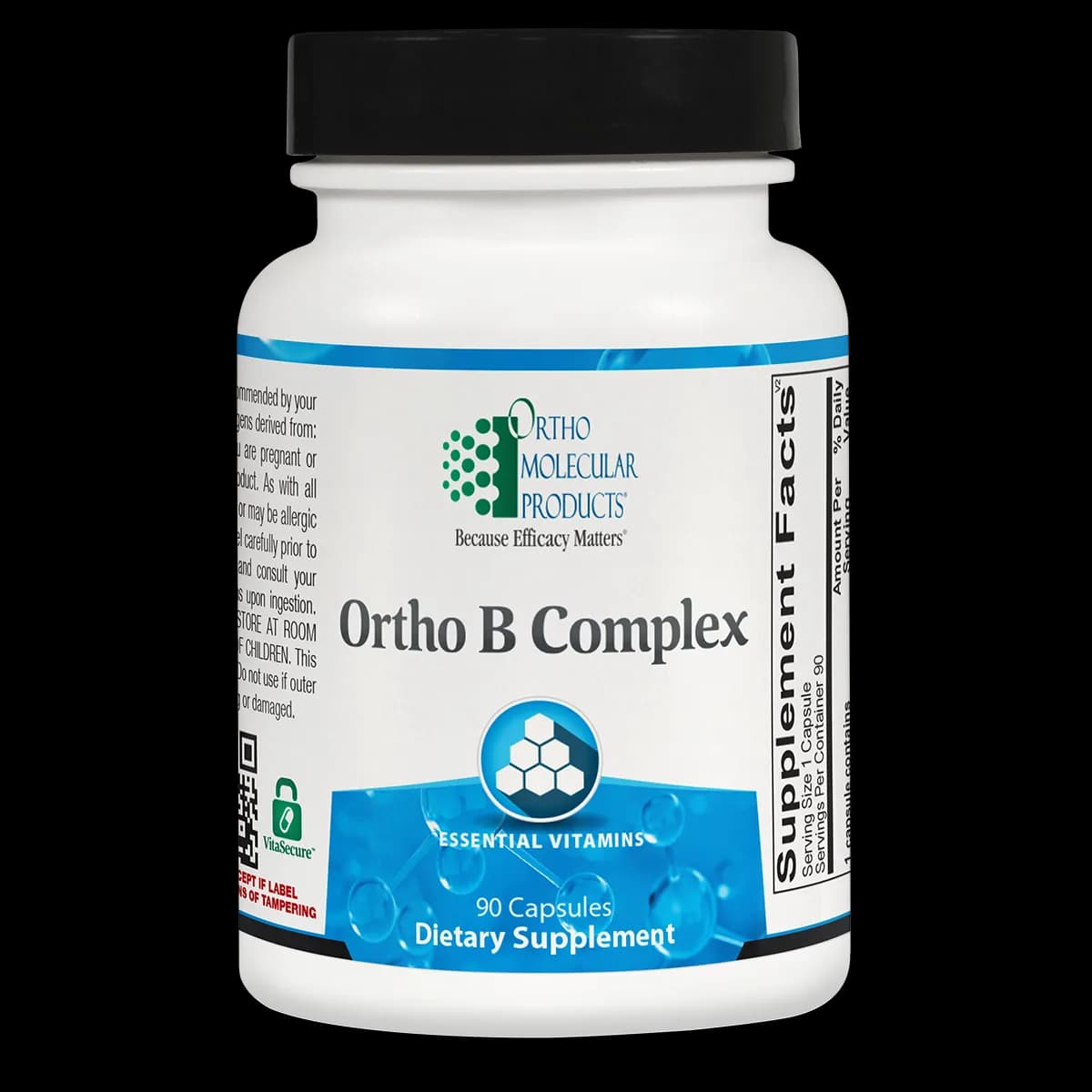
What is Ortho B Complex?
The Essential Spark Plugs of Cellular Energy
The B-complex family consists of eight distinct, water-soluble vitamins that work in a highly coordinated, synergistic manner to sustain human life at the microscopic level. In a healthy body, these vitamins function as primary coenzymes—molecules that bind to enzymes to trigger essential chemical reactions. One of their most critical roles is facilitating the Krebs cycle (also known as the citric acid cycle), which takes place inside the mitochondria, the powerhouses of our cells. When you consume carbohydrates, fats, and proteins, your body cannot use them directly for energy. Instead, these macronutrients must be broken down and fed into the Krebs cycle, where a series of complex enzymatic reactions strips them of electrons.
This intricate process is entirely dependent on the continuous presence of specific B vitamins. For example, Vitamin B1 (Thiamine) acts as a rate-limiting cofactor for the pyruvate dehydrogenase complex, the enzyme responsible for allowing glucose derivatives to enter the mitochondria in the first place. Without adequate thiamine, the gateway to energy production is effectively locked. Once inside the cycle, Vitamin B2 (Riboflavin) and Vitamin B3 (Niacin) are utilized to create FAD and NAD+, respectively. These crucial molecules act as cellular shuttles, carrying the stripped electrons directly into the electron transport chain, where they are ultimately used to manufacture adenosine triphosphate (ATP)—the universal currency of cellular energy. Furthermore, Pantothenic Acid (Vitamin B5) is required to synthesize Coenzyme A, a molecule that initiates the entire Krebs cycle sequence.
The Methylation Cycle and Homocysteine Regulation
Beyond energy production, a separate subset of B vitamins is responsible for driving the methylation cycle, a biochemical process that occurs billions of times per second in every cell of your body. Methylation involves the transfer of a "methyl group" (one carbon atom attached to three hydrogen atoms) from one molecule to another. This transfer acts as a biological switch, turning genes on or off, synthesizing neurotransmitters like serotonin and dopamine, and facilitating the repair of damaged DNA. The primary drivers of this cycle are Folate (Vitamin B9), Vitamin B12 (Cobalamin), and Vitamin B6 (Pyridoxine).
A critical function of the methylation cycle is the neutralization and recycling of homocysteine, a naturally occurring but highly toxic amino acid metabolite. When the methylation cycle is functioning optimally, Folate and Vitamin B12 work together to convert dangerous homocysteine back into methionine, a benign and useful amino acid. Methionine is then used to produce S-adenosylmethionine (SAMe), the body's universal methyl donor. If this cycle stalls due to a deficiency in active B vitamins, homocysteine rapidly accumulates in the bloodstream. Elevated homocysteine is a known driver of severe vascular inflammation, oxidative stress, and neurotoxicity, making proper methylation an absolute requirement for maintaining long-term mental and physical health.
Choline and Inositol for Nervous System Support
Ortho B Complex goes beyond the standard eight B vitamins by including Choline and Inositol, two essential nutrients that are structurally similar to B vitamins and heavily involved in neurological health. Choline is a direct precursor to acetylcholine, the primary neurotransmitter utilized by the parasympathetic nervous system and the vagus nerve. Acetylcholine is responsible for signaling the body to "rest and digest," regulating heart rate, reducing systemic inflammation, and promoting healthy gastrointestinal motility. In conditions characterized by autonomic dysfunction, maintaining adequate choline levels is vital for supporting vagal tone.
Inositol, sometimes historically referred to as Vitamin B8, plays a critical role in cellular signaling and membrane integrity. It is a major component of cellular lipid bilayers and acts as a secondary messenger for major neurotransmitters, including serotonin and insulin. By facilitating clear communication between cells and their external environment, inositol helps regulate mood stability, metabolic function, and the cellular response to stress. Together, the inclusion of choline and inositol ensures that the nervous system has the structural and chemical building blocks necessary to maintain resilience in the face of chronic physiological stressors.
How Long COVID and ME/CFS Impact B Vitamin Pathways
The Viral "Methyl-Group Assault"
To understand why patients with Long COVID, ME/CFS, and mast cell activation syndrome (MCAS) experience such profound neurological and physical symptoms, we must examine how chronic illness disrupts foundational biochemistry. During an acute SARS-CoV-2 infection, the virus rapidly replicates by hijacking the host's cellular machinery. In a foundational medical hypothesis termed the "methyl-group assault", researchers proposed that the virus consumes massive amounts of the host's methyl groups to cap its own viral RNA and evade the immune system. This immense viral demand effectively drains the body's stores of active Vitamin B12 and Folate.
When these specific B vitamins are depleted, the host's methylation cycle collapses. The immediate consequence is a dangerous spike in homocysteine levels. Because the body can no longer convert homocysteine back into methionine, this toxic metabolite floods the vascular system. Elevated homocysteine damages the delicate endothelial lining of blood vessels, contributing to the micro-clotting and poor tissue perfusion frequently observed in Long COVID. Furthermore, a stalled methylation cycle halts the production of glutathione, the body's master antioxidant, leaving cells entirely defenseless against the rampant oxidative stress generated by the immune system's inflammatory response.
Mitochondrial Dysfunction and the Broken Krebs Cycle
The profound, crushing fatigue and post-exertional malaise (PEM) experienced by ME/CFS and Long COVID patients are direct results of acquired mitochondrial dysfunction. When the immune system fights a severe or lingering infection, it requires astronomical amounts of cellular energy, rapidly burning through intracellular stores of NAD+ (derived from Vitamin B3) and Thiamine (Vitamin B1). As these vital coenzymes are exhausted, the Krebs cycle begins to stutter and fail. The mitochondria can no longer efficiently process glucose and oxygen to create ATP, leading to a catastrophic drop in cellular energy reserves.
Without the ability to run the Krebs cycle, cells are forced to rely on an inefficient, emergency backup system called anaerobic glycolysis. This pathway produces a fraction of the necessary ATP and generates toxic lactic acid as a byproduct. When a patient with ME/CFS or Long COVID attempts even mild physical or cognitive exertion, their cells quickly resort to this anaerobic pathway. The resulting buildup of lactic acid and the sudden depletion of remaining energy stores trigger the severe, days-long crashes known as PEM. Additionally, damaged mitochondria begin leaking reactive oxygen species (mtROS), creating a vicious cycle of structural cellular damage and systemic inflammation that further suppresses energy production.
Dysautonomia and the Vagus Nerve Connection
The autonomic nervous system, which controls involuntary functions like heart rate and blood pressure, is highly vulnerable to B vitamin depletion. The control centers for the autonomic nervous system are located in the brainstem, a region with exceptionally high metabolic demands. When thiamine (Vitamin B1) levels drop due to viral consumption or chronic stress, the brainstem experiences localized energy failure. This metabolic starvation mimics a condition known as early-stage Beriberi, which researchers now believe is functionally identical to modern forms of dysautonomia and Postural Orthostatic Tachycardia Syndrome (POTS).
Furthermore, thiamine is an absolute requirement for the synthesis of acetylcholine, the neurotransmitter used by the vagus nerve. The vagus nerve acts as the braking system for the body's fight-or-flight response. When thiamine deficiency impairs acetylcholine production, vagal tone plummets, and the sympathetic nervous system runs unchecked. This sympathetic overdrive is responsible for the racing heart rates, severe anxiety, dizziness, and gastrointestinal paralysis (gastroparesis) that plague patients with complex post-viral syndromes. The inability to properly digest and absorb nutrients further exacerbates the underlying vitamin deficiencies, locking the patient into a downward spiral of declining health.
Ortho B Complex: Supporting Energy and Cognitive Function
Restoring the Krebs Cycle for ATP Production
Supplementing with a comprehensive, high-quality formula like Ortho B Complex aims to directly address the metabolic bottlenecks caused by chronic illness. By flooding the cells with bioavailable forms of Thiamine, Riboflavin, Niacin, and Pantothenic Acid, the supplement provides the exact chemical catalysts required to restart a stalled Krebs cycle. When the pyruvate dehydrogenase complex receives adequate thiamine, it can once again allow glucose to enter the mitochondria. Simultaneously, replenished NAD+ and FAD molecules can resume their roles as electron shuttles, restoring the flow of the electron transport chain.
This restoration of aerobic metabolism is critical for alleviating post-exertional malaise. As the mitochondria regain their ability to produce abundant ATP without resorting to anaerobic glycolysis, the production of toxic lactic acid decreases. Patients may find that their baseline energy levels slowly begin to rise, and their "energy envelope"—the amount of activity they can tolerate before crashing—gradually expands. Clinical trials utilizing synergistic B-vitamin therapies have demonstrated that providing the full spectrum of these coenzymes can increase intracellular vitamin levels by up to 40%, directly translating to measurable improvements in physical stamina and cellular respiration.
Clearing Neurotoxic Homocysteine
For patients suffering from severe cognitive dysfunction or "brain fog," supporting the methylation cycle is paramount. Ortho B Complex contains robust doses of Folate and Vitamin B12 (as Methylcobalamin), the two primary drivers of homocysteine recycling. By providing these nutrients in their active forms, the supplement bypasses potential genetic bottlenecks and immediately begins converting accumulated homocysteine back into harmless methionine. This process rapidly lowers the systemic burden of oxidative stress and vascular inflammation.
As homocysteine levels drop, the neurotoxic effects on the central nervous system begin to lift. High levels of circulating homocysteine are known to cross into the brain through Circumventricular Organs (CVOs), triggering severe neuroinflammation that manifests as memory loss, poor concentration, and word-finding difficulties. By clearing this toxic metabolite and simultaneously restoring the body's ability to produce the antioxidant glutathione, active B vitamins help to extinguish the inflammatory fires in the brain. This mechanism is strongly supported by recent clinical data linking high homocysteine directly to lower cognitive scores in Long COVID patients.
Synthesizing Acetylcholine for Vagal Tone
The inclusion of Choline and high-dose Thiamine in Ortho B Complex provides targeted support for patients battling dysautonomia and POTS. By supplying the direct precursors and necessary enzymatic cofactors, this formulation supports the robust synthesis of acetylcholine. Increased acetylcholine availability directly enhances vagal signaling, helping to strengthen the parasympathetic nervous system's ability to regulate erratic autonomic functions. Over time, improved vagal tone can help stabilize heart rate fluctuations, reduce inappropriate sympathetic fight-or-flight responses, and calm central nervous system hyperarousal.
Additionally, restoring vagus nerve function has profound implications for gastrointestinal health. Because the vagus nerve controls gut motility and the release of digestive enzymes, enhanced vagal signaling helps to reverse the sluggish digestion often seen in chronic illness. By promoting proper gastric emptying and intestinal peristalsis, the body becomes more efficient at absorbing nutrients from food, thereby naturally rebuilding the micronutrient reserves that were depleted during the initial viral infection. This comprehensive approach addresses both the neurological and metabolic roots of post-viral syndromes.

Symptoms Ortho B Complex May Help Manage
Targeted Relief for Complex Chronic Illness
Because B vitamins are foundational to nearly every metabolic and neurological process in the body, a high-quality B complex can help manage a wide array of interconnected symptoms. Patients dealing with Long COVID, ME/CFS, and dysautonomia may find support for the following specific challenges:
Severe Fatigue and Post-Exertional Malaise (PEM): By providing the essential coenzymes (B1, B2, B3, B5) required to run the mitochondrial Krebs cycle, B vitamins help restore aerobic ATP production, reducing the cellular reliance on lactic-acid-producing anaerobic pathways that trigger crashes.
Cognitive Dysfunction ("Brain Fog"): Active Folate and Vitamin B12 drive the methylation cycle, clearing neurotoxic homocysteine from the bloodstream and brain, which directly reduces the neuroinflammation responsible for memory issues and poor concentration.
Peripheral Neuropathy: Vitamin B12 is physiologically required for the synthesis and maintenance of the myelin sheath, the protective coating around nerves. Replenishing B12 can help repair damaged nerve fibers, alleviating the burning, tingling, and numbness often experienced in the extremities.
Tachycardia and Autonomic Instability: Thiamine (B1) and Choline are mandatory for the production of acetylcholine, the primary neurotransmitter of the vagus nerve. Supporting vagal tone helps rein in sympathetic overdrive, stabilizing erratic heart rates and blood pressure fluctuations seen in POTS.
Mood Instability and Anxiety: Vitamin B6 (Pyridoxine) is a necessary cofactor for the synthesis of major neurotransmitters, including serotonin, dopamine, and GABA. Ensuring adequate B6 levels helps stabilize mood and reduce the severe anxiety that often accompanies chronic physiological stress.
Practical Considerations: Forms, Dosing, and Absorption
The Importance of Active and Methylated Forms
When selecting a B-vitamin supplement, the specific chemical form of the nutrients dictates whether the product will be therapeutic or entirely ineffective. Because B vitamins are water-soluble, they are not easily stored in the body and must be replenished daily. However, when you consume synthetic, inactive B vitamins—such as standard folic acid or cyanocobalamin—your liver and kidneys must undergo complex enzymatic processes to convert them into their biologically active "coenzyme" forms before your cells can actually use them. For individuals with chronic illness, compromised gut health, or liver burden, this conversion process is highly inefficient, resulting in poor absorption and minimal clinical benefit.
Ortho B Complex utilizes highly bioavailable, active forms of these crucial nutrients. By providing Vitamin B12 as Methylcobalamin rather than synthetic cyanocobalamin, the supplement bypasses the liver's conversion bottleneck entirely. Methylcobalamin is the bio-identical form utilized directly by the cells for methylation and nerve repair. Similarly, the inclusion of high-quality USP-grade B vitamins ensures that the nutrients meet rigorous scientific standards for identity, strength, quality, and purity. This commitment to bioavailability means that the vitamins remain in the body longer, absorb more efficiently into the bloodstream, and are immediately available to support mitochondrial and neurological function.
Bypassing the MTHFR Genetic Mutation
The distinction between synthetic and active forms is particularly critical for the estimated 30% to 65% of the population who carry a variation in the MTHFR gene. This gene provides the instructions for making the enzyme responsible for converting synthetic folic acid and dietary folate into its active, methylated form (5-MTHF). Individuals with an MTHFR polymorphism have a significantly impaired ability to perform this conversion. When they consume synthetic folic acid, it cannot be processed efficiently, leading to a dangerous accumulation of unmetabolized folic acid in the blood and a severe bottleneck in the methylation cycle.
This genetic bottleneck is a primary reason why many patients with Long COVID and ME/CFS struggle to clear neurotoxic homocysteine. Ortho B Complex addresses this issue by providing Folate in a form that bypasses the MTHFR enzyme entirely. By delivering the nutrient in a state that is ready to immediately enter the methylation cycle, the supplement ensures that even patients with significant genetic variations receive the full biochemical benefits required for DNA repair, neurotransmitter synthesis, and cardiovascular protection.
Dosing, Timing, and The "Paradox" Reaction
The suggested use for Ortho B Complex is one or more capsules per day, or as recommended by your healthcare professional. Because B vitamins are deeply involved in energy production, it is generally optimal to take them in the morning or early afternoon with a meal. Taking them too close to bedtime may cause unwanted alertness or disrupt sleep architecture in sensitive individuals. Additionally, taking the supplement with food can help mitigate any mild gastrointestinal upset that sometimes occurs when introducing highly concentrated vitamins to an empty stomach.
Patients dealing with severe dysautonomia or profound mitochondrial dysfunction should be aware of a phenomenon often referred to by functional medicine practitioners as the "thiamine paradox" or "refeeding syndrome" on a microscopic scale. When highly depleted cells are suddenly flooded with the active coenzymes they have been starving for, the rapid awakening of mitochondrial metabolic pathways can temporarily cause an exacerbation of symptoms, such as increased fatigue or transient nerve pain. This is a normal physiological response as the body shifts out of emergency anaerobic metabolism and attempts to rebuild its aerobic machinery. Working closely with a healthcare provider can help you navigate dosing strategies to ensure a smooth and tolerable integration of the supplement into your daily routine.

Follow the Science
High Rates of B12 Deficiency in Long-Haulers
Recent clinical data from 2023 and 2024 has consistently highlighted the staggering prevalence of B-vitamin deficiencies in post-viral populations. A pivotal 2024 evaluation by Goderidze et al. examined over 300 Long COVID patients suffering from memory issues, poor concentration, muscle weakness, and peripheral neuropathy. The researchers discovered that a remarkable 85% of these patients were profoundly deficient in Vitamin B12. Following targeted B12 therapy, the cohort reported a significant reduction or total disappearance of their neurological symptoms, underscoring the direct causal link between viral-induced nutrient depletion and chronic nerve pain.
Similarly, a retrospective study of 408 Long COVID patients by Aslaner et al. found a 60% rate of Vitamin B12 deficiency. Crucially, the researchers noted that patients with the deficiency exhibited significantly higher inflammatory markers and experienced a much worse overall clinical progression than those with normal B12 levels. These findings strongly suggest that maintaining adequate B12 reserves is not merely supportive, but actively protective against the severe neuroinflammation and demyelination that characterize post-acute sequelae of SARS-CoV-2 infection.
Thiamine Interventions for Dysautonomia
The connection between thiamine (B1) deficiency and autonomic dysfunction is gaining significant traction in clinical research. In an observational study conducted by Dr. Svetlana Blitshteyn at the Dysautonomia Clinic, researchers evaluated blood thiamine levels in consecutive POTS patients. They found that a measurable subset of patients possessed abnormally low thiamine levels, and targeted supplementation resulted in dramatic, rapid improvements in their dysautonomia symptoms. This aligns with the historical understanding that early-stage thiamine deficiency directly mimics the tachycardia, dizziness, and orthostatic intolerance seen in modern POTS patients.
Furthermore, a randomized, double-blinded, placebo-controlled crossover trial (Bager et al., 2021) investigated the use of high-dose oral thiamine for treating chronic fatigue in patients with inflammatory bowel disease—a condition closely linked to poor vagal tone. Patients receiving high doses of thiamine experienced a highly significant reduction in fatigue severity compared to the placebo phase, with up to 75% of participants showing meaningful clinical improvement. This robust trial established that aggressive thiamine replenishment can effectively treat profound, chronic fatigue with an excellent safety profile.
The Link Between Homocysteine and Cognitive Decline
The mechanism linking a broken methylation cycle to Long COVID brain fog was brilliantly illustrated in a 2023 study published in the Journal of Personalized Medicine. Researchers measured homocysteine levels and cognitive function using the Montreal Cognitive Assessment (MoCA) in patients who had recovered from acute COVID-19 but developed long-term symptoms. The study found a highly negative correlation between homocysteine levels and cognitive scores. For every 1 µmol/L increase in neurotoxic homocysteine, there was a corresponding, significant drop in the patients' cognitive performance.
This data provides direct clinical evidence that the cognitive impairment seen in Long COVID is not a mysterious, untreatable symptom, but rather a measurable biochemical deficit. By utilizing methylated B-complex vitamins to restart the methylation cycle and clear elevated homocysteine, practitioners have a clear, evidence-based avenue for alleviating neuroinflammation and restoring mental clarity in post-viral patients.
The Path Forward
Rebuilding Your Micronutrient Reserves
Living with the unpredictable and debilitating symptoms of complex chronic illnesses like Long COVID, ME/CFS, and dysautonomia is an exhausting journey. It is entirely valid to feel frustrated when your body no longer produces the energy required to live the life you want. However, understanding that these symptoms are rooted in measurable physiological disruptions—such as mitochondrial dysfunction, stalled methylation, and severe micronutrient depletion—offers a tangible path forward. Rebuilding your intracellular reserves of active B vitamins is a foundational step in restoring the biochemical pathways that govern your energy, mood, and cognitive clarity.
A Comprehensive Approach to Recovery
While Ortho B Complex provides a powerful, comprehensive blend of essential coenzymes, it is important to remember that supplements are most effective when integrated into a holistic management strategy. Healing damaged mitochondria and repairing autonomic nerves takes time and patience. Combining targeted nutritional support with aggressive pacing strategies to avoid PEM, diligent symptom tracking, and a nutrient-dense diet creates an environment where your cells can truly begin to repair themselves.
Next Steps
If you are struggling with persistent fatigue, brain fog, or autonomic instability, discuss the potential benefits of active B-vitamin supplementation with your healthcare provider. They can help you determine the appropriate dosage and ensure it aligns safely with your current treatment protocols. By addressing the root metabolic deficits driving your symptoms, you can take a proactive, science-backed step toward reclaiming your health and vitality.