Can OptiFerin-C Support Energy and Oxygen Transport for Long COVID and POTS Patients?
March 5, 2026
OptiFerin-CIron BisglycinateLong COVID
Share:
Disclaimer: The information provided here is for educational purposes only and is not intended as medical advice. It should not be used to diagnose, treat, cure, or prevent any medical condition. Instead, use it as a starting point for discussion with your healthcare provider. Always consult with a qualified healthcare provider before starting any new medication, supplement, device, or making changes to your health regimen.
Months after recovering from the initial SARS-CoV-2 infection, many people still fight debilitating symptoms with what we call Long COVID. But what is it that allows some people to recover within a couple of weeks while others suffer from long-term symptoms for months or even years? One of the most critical, yet frequently overlooked, pieces of this puzzle lies in how the body stores, transports, and utilizes iron. When a standard new patient-provider appointment is 30 minutes to an hour, how do you convey the profound exhaustion you are experiencing? When basic blood tests come back "normal," how do you explain that simply standing up causes your heart to race and your vision to blur? For individuals living with Long COVID, myalgic encephalomyelitis/chronic fatigue syndrome (ME/CFS), and postural orthostatic tachycardia syndrome (POTS), these questions are a daily reality.
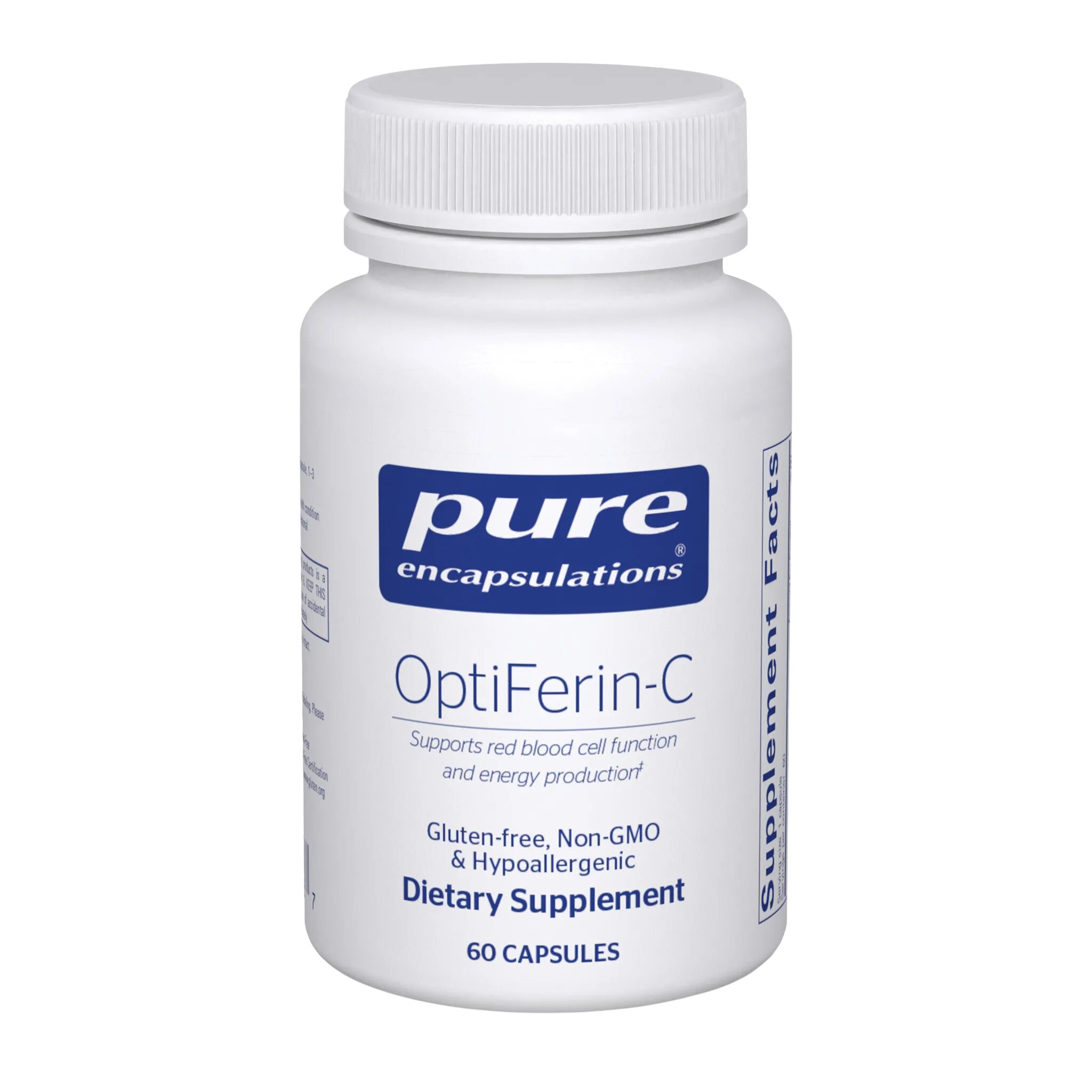
Recent research has revealed that chronic viral infections and autonomic nervous system dysfunction can severely disrupt iron metabolism. This disruption leads to a cascade of cellular failures, from impaired oxygen transport to severe mitochondrial energy deficits. OptiFerin-C, a targeted supplement combining highly bioavailable Ferrochel® iron bisglycinate with buffered vitamin C, is designed to address these exact nutritional gaps. By utilizing a patented chelated form of iron, this formulation bypasses the harsh gastrointestinal side effects of traditional iron pills while maximizing cellular uptake. In this comprehensive guide, we will explore the intricate biochemistry of iron absorption, how conditions like Long COVID and POTS alter your ferritin levels, and how targeted supplementation may help restore your energy, oxygenation, and overall quality of life.
What is OptiFerin-C?
Iron is an essential trace mineral that serves as the biological linchpin for human life, primarily due to its role in oxygen transport and cellular respiration. In a healthy body, the vast majority of iron is incorporated into hemoglobin, the complex protein inside red blood cells responsible for binding oxygen in the lungs and delivering it to every tissue and organ. At the molecular level, iron acts as the central atom in the heme group of hemoglobin. Because iron can easily transition between different oxidation states—specifically ferrous ($Fe^{2+}$) and ferric ($Fe^{3+}$)—it possesses the unique chemical ability to reversibly bind to oxygen molecules without permanently oxidizing the protein structure. This elegant biochemical mechanism ensures that oxygen can be picked up in the oxygen-rich environment of the lungs and released in the oxygen-depleted environments of working muscles and organs.
Beyond hemoglobin, iron is also a critical component of myoglobin, a similar protein that stores oxygen directly within muscle cells. When you exert yourself, whether by walking up a flight of stairs or simply standing up from a chair, your muscles rely on the oxygen stored in myoglobin to generate immediate energy. Without adequate iron, both hemoglobin and myoglobin production plummet. This leads to a state of cellular hypoxia (low oxygen), where tissues are quite literally suffocating despite normal breathing. For patients with complex chronic illnesses, this cellular hypoxia manifests as the profound, leaden fatigue and exercise intolerance that characterizes post-exertional malaise (PEM).
Furthermore, the body must carefully regulate how it stores this powerful mineral. Free iron is highly reactive and can cause severe cellular damage through oxidative stress. To prevent this, the body stores excess iron inside a hollow, spherical protein called ferritin. Ferritin acts as a biological vault, safely locking away thousands of iron atoms until they are needed for red blood cell production or enzymatic processes. Monitoring serum ferritin levels is the most accurate way for clinicians to assess a patient's true iron reserves, as hemoglobin levels often remain normal until iron stores are almost entirely depleted.
OptiFerin-C is not a standard iron supplement; it is uniquely formulated with iron bisglycinate (often recognized by the patented brand name Ferrochel®) and buffered vitamin C. Traditional iron supplements, such as ferrous sulfate or ferrous gluconate, are inorganic iron salts. When these salts enter the acidic environment of the stomach, they rapidly dissociate into free iron ions. These free ions frequently irritate the gastric lining, causing severe nausea, and easily bind to dietary inhibitors like phytates (found in grains) or tannins (found in tea), which block their absorption. Iron bisglycinate, however, utilizes an advanced amino acid chelation structure. In this form, one ferrous ion is tightly bound to two molecules of the amino acid glycine, creating a stable, neutral, and uncharged double-ring structure.
This chelated structure allows the iron to survive the harsh environment of the stomach completely intact. Because it is protected by the glycine molecules, it does not prematurely dissociate, thereby avoiding gastric irritation and resisting the binding effects of dietary anti-nutrients. Upon reaching the duodenum (the primary site of iron absorption in the small intestine), the intact chelate is absorbed directly into the intestinal mucosal cells (enterocytes). It essentially "piggybacks" on amino acid transport pathways, bypassing the highly competitive and easily saturated traditional iron transport channels. This mechanism results in exceptionally high bioavailability, allowing the body to absorb significantly more iron from a smaller, gentler dose.
The inclusion of vitamin C (ascorbic acid) in the OptiFerin-C formula provides a powerful, synergistic enhancement to this process. As a potent reducing agent, vitamin C plays a critical role in maintaining iron in its most absorbable state. Research utilizing advanced X-ray crystallography has demonstrated that vitamin C interacts directly with Duodenal cytochrome b (Dcytb), a membrane protein responsible for reducing dietary iron. Vitamin C donates electrons to convert any oxidized ferric iron ($Fe^{3+}$) back into the highly absorbable ferrous ($Fe^{2+}$) state. Furthermore, vitamin C forms a soluble chelate complex with iron in the acidic stomach, preventing the iron from precipitating into unabsorbable compounds when it enters the alkaline environment of the intestines. This dual-action mechanism ensures that the maximum possible amount of iron is successfully transported into the bloodstream.
While oxygen transport is iron's most famous role, its function within the mitochondria—the powerhouses of our cells—is equally vital, particularly for patients battling the severe energy deficits of ME/CFS and Long COVID. The mitochondria generate adenosine triphosphate (ATP), the primary energy currency of the body, through a complex series of enzymatic reactions known as the electron transport chain (ETC). This chain consists of four main protein complexes embedded in the inner mitochondrial membrane. Iron is an absolute, non-negotiable requirement for the function of this system.
Specifically, iron is a structural component of iron-sulfur clusters and heme groups located within Complex I, Complex II, and Complex III of the electron transport chain. These iron-containing structures act as the actual conduits that shuttle electrons down the chain. As electrons flow through these iron-dependent complexes, they generate the electrochemical gradient necessary to power ATP synthase, the enzyme that produces ATP. If the body is deficient in iron, the structural integrity and functional capacity of the electron transport chain collapse. The mitochondria become sluggish and inefficient, producing only a fraction of the ATP required for normal cellular function.
This mitochondrial energy crisis is a primary driver of the debilitating fatigue seen in chronic illness. When brain cells lack ATP, patients experience severe cognitive dysfunction, commonly referred to as brain fog. When muscle cells lack ATP, even minor physical exertion can trigger a massive metabolic crash, forcing the cells to rely on inefficient anaerobic energy production that generates painful lactic acid. By supporting healthy iron levels, OptiFerin-C helps to restore the structural components of the electron transport chain, thereby supporting optimal mitochondrial function and cellular energy production.
How Long COVID and POTS Impact Iron Storage
The relationship between viral infections and iron metabolism is incredibly complex. During an acute infection, such as the initial phase of COVID-19, the human immune system initiates a highly conserved defense mechanism known as "nutritional immunity." Because viruses and pathogenic bacteria require iron to replicate and spread, the body rapidly removes iron from the bloodstream and locks it away inside the cells, safely stored within ferritin proteins. This process is driven by hepcidin, a master regulatory hormone produced by the liver in response to inflammatory cytokines like Interleukin-6 (IL-6). Hepcidin degrades the iron export channels (ferroportin) on cell membranes, effectively trapping iron inside the cells and causing serum iron levels to plummet.
However, in patients who develop Long COVID, this temporary defense mechanism appears to become permanently stuck in the "on" position. A major 2024 study published in Nature Immunology found that Long COVID patients suffer from profound iron dysregulation months after the initial infection. Because the iron remains trapped inside the cells and unavailable in the bloodstream, the bone marrow is deprived of the iron it needs to manufacture new red blood cells. This results in a condition known as functional iron deficiency or the "anemia of inflammation." The body has iron, but it is functionally useless for oxygen transport. This perfectly mirrors classic Long COVID symptoms: profound fatigue, shortness of breath, weakness, and brain fog.
This functional deficiency is often characterized by elevated ferritin levels alongside low serum iron. A study in the Clinics Journal found that severe Long COVID is heavily characterized by major metabolic shifts, including a twofold increase in ferritin levels. Elevated ferritin in this context is acting as an "acute-phase reactant," signaling chronic, ongoing immune system activation and systemic inflammation. For these patients, the body is essentially suffocating its own tissues in a misguided attempt to starve out a virus that may no longer be actively replicating in the bloodstream.
While Long COVID often presents with functional iron deficiency (high ferritin), Postural Orthostatic Tachycardia Syndrome (POTS) and various forms of dysautonomia are frequently driven by true iron deficiency (low ferritin). POTS is a complex condition characterized by an abnormal increase in heart rate upon standing, accompanied by dizziness, blood pooling in the legs, and severe exercise intolerance. Recent dysautonomia research has emphasized that iron deficiency without clinical anemia—specifically, a low ferritin level with normal hemoglobin—plays a massive role in triggering or exacerbating POTS symptoms.
When a patient's ferritin falls below 50 ng/mL, the body begins to aggressively ration its iron stores. One of the primary consequences of this rationing is a reduction in red blood cell (RBC) mass. A hallmark of POTS is hypovolemia, or abnormally low blood volume. Research by cardiologists has shown that the average RBC mass in POTS patients can be depleted by up to 20%. Because iron is absolutely essential for red blood cell production, low ferritin directly suppresses RBC mass, heavily exacerbating the hypovolemia. When these patients stand up, gravity pulls their already limited blood volume into their lower extremities. The heart must then beat rapidly (tachycardia) in a desperate attempt to pump enough oxygenated blood back up to the brain.
Furthermore, low ferritin disrupts the delicate balance of nitric oxide (NO) in the bloodstream. Endothelial cells lining the blood vessels release nitric oxide to dilate (widen) the vessels. Hemoglobin acts as the body's primary scavenger for nitric oxide, neutralizing it to prevent excessive dilation. If iron and hemoglobin levels are depleted, there is a lack of NO scavenging, leading to an excess of nitric oxide in the bloodstream. This triggers excessive, uncontrolled vasodilation, causing even more blood to pool in the legs and abdomen—a primary trigger for orthostatic intolerance and fainting spells. Learn more about the mechanisms of POTS and dysautonomia here.
Myalgic encephalomyelitis/chronic fatigue syndrome (ME/CFS) is a devastating neuroimmune disease that frequently occurs following viral infections, including SARS-CoV-2. The relationship between iron and ME/CFS is highly nuanced and depends heavily on the specific subtype and origin of the illness. In classical (non-COVID) ME/CFS, true iron deficiency (low ferritin) is a very common comorbidity. Ferritin levels below 30 ng/mL can cause severe mitochondrial dysfunction, impaired neurotransmitter synthesis, and profound fatigue, even in the complete absence of clinical anemia. For these patients, restoring ferritin levels is a critical step in managing their baseline energy envelope.
Conversely, in post-COVID ME/CFS, researchers are observing a different pattern. A recent study evaluating 234 Long COVID patients found that those who subsequently developed a clinical diagnosis of ME/CFS had massively higher serum ferritin levels (averaging 193.0 μg/L) compared to Long COVID patients who did not meet ME/CFS criteria (98.2 μg/L) and patients with no fatigue at all (86.7 μg/L). In this context, the excessively high ferritin is a biomarker of severe, unresolving inflammation.
This high ferritin may contribute to ME/CFS pathogenesis by inducing a specific type of oxidative stress known as ferroptosis—an iron-dependent form of programmed cell death. The trapped, highly reactive iron generates massive amounts of free radicals via the Fenton reaction, creating a pro-inflammatory burden that damages DNA, cellular membranes, and mitochondrial structures. This highlights why comprehensive iron panel testing is absolutely essential; treating the low-ferritin POTS patient requires targeted iron supplementation, while treating the high-ferritin post-COVID ME/CFS patient requires addressing the underlying immune dysregulation and inflammation.
OptiFerin-C: Supporting Oxygenation and Energy
For patients who have confirmed true iron deficiency (low ferritin) driving their POTS, ME/CFS, or Long COVID symptoms, restoring those iron stores is paramount. However, standard oral iron supplements are notoriously difficult to tolerate and absorb. This is where the specific formulation of OptiFerin-C becomes clinically invaluable. The Ferrochel® iron bisglycinate in OptiFerin-C is engineered to bypass the traditional, highly restrictive pathways of iron absorption that are often compromised in chronically ill patients.
Traditional iron salts must be ionized in the stomach and then compete for access to the Divalent Metal Transporter 1 (DMT1) on the surface of the intestinal cells. This transporter is easily saturated and heavily down-regulated by inflammation. Because the iron in Ferrochel is covalently bound to two molecules of the amino acid glycine, it forms a stable, neutral ring structure. Clinical research indicates that this chelate is absorbed intact into the enterocytes, essentially utilizing amino acid transport pathways rather than relying solely on the easily overwhelmed DMT1 channel.
Once safely inside the intestinal mucosal cells, the chelate is naturally hydrolyzed (broken down) by cytoplasmic enzymes into its individual components: free iron and glycine. From there, the body utilizes the iron as needed to build red blood cells and replenish ferritin stores. Crucially, studies show that despite its exceptionally high absorption rate, the uptake of iron bisglycinate is still strictly regulated by the body's existing iron stores. As serum ferritin levels rise and iron stores fill up, the intestinal cells naturally decrease their absorption of the chelate, providing a built-in safety mechanism against iron toxicity.
The inclusion of buffered vitamin C (calcium ascorbate) in OptiFerin-C provides a secondary, highly potent mechanism for maximizing iron uptake. While the chelated iron bisglycinate utilizes alternative transport pathways, any free iron that does interact with the standard DMT1 pathway requires vitamin C for optimal absorption. Dietary non-heme iron and standard supplements often oxidize into the unabsorbable ferric ($Fe^{3+}$) state. The enterocytes in the duodenum can only absorb iron in the reduced, ferrous ($Fe^{2+}$) state.
Vitamin C acts as the ultimate biological reducing agent in the gut. Foundational studies have demonstrated that the addition of ascorbic acid to a meal can increase non-heme iron absorption by up to 10.4%, a massive logarithmic increase. Vitamin C binds to the Duodenal cytochrome b (Dcytb) enzyme on the cell membrane, donating the precise electrons needed to rapidly convert $Fe^{3+}$ to $Fe^{2+}$. Furthermore, vitamin C forms a protective, soluble complex with the iron, shielding it from dietary inhibitors like phytates and tannins that would otherwise bind the iron and carry it out of the body as waste.
By combining the intact absorption of the amino acid chelate with the enzymatic enhancement of vitamin C, OptiFerin-C ensures that the maximum possible yield of elemental iron successfully enters the bloodstream. This is particularly crucial for dysautonomia and ME/CFS patients who frequently suffer from gastrointestinal motility issues, such as gastroparesis or rapid transit times, which severely limit the window of opportunity for nutrient absorption in the gut.
When targeted iron supplementation successfully raises ferritin levels, the downstream clinical benefits for complex chronic illness can be profound. By providing the essential building blocks for hemoglobin, OptiFerin-C supports the restoration of red blood cell (RBC) mass. For the POTS patient suffering from hypovolemia, increasing RBC mass directly increases total blood volume. This expanded blood volume provides the physical pressure needed to prevent blood from pooling in the lower extremities upon standing. As venous return to the heart improves, the autonomic nervous system no longer needs to trigger compensatory tachycardia, leading to a significant reduction in a racing heart rate and orthostatic dizziness.
Furthermore, restoring cellular iron levels directly supports the synthesis and metabolism of critical neurotransmitters. The autonomic nervous system relies on catecholamines—such as dopamine, norepinephrine, and epinephrine—to regulate heart rate, blood pressure, and vascular tone. Iron is a mandatory enzymatic cofactor for tyrosine hydroxylase, the rate-limiting enzyme in the synthesis of these neurotransmitters. By ensuring adequate iron availability in the nervous system, supplementation supports the stabilization of autonomic signaling, helping to calm the hyperadrenergic surges that frequently plague Long COVID and POTS patients.
Finally, replenishing iron stores reignites mitochondrial ATP production. By restoring the iron-sulfur clusters within the electron transport chain, cells can transition away from inefficient, pain-inducing anaerobic metabolism and back to robust aerobic respiration. This translates clinically to a higher threshold for physical and cognitive exertion, a reduction in the severity of post-exertional malaise (PEM), and a gradual lifting of the profound, cellular-level fatigue that defines these conditions. Read more about managing long-term symptoms here.
Symptoms OptiFerin-C May Help Manage
Orthostatic Intolerance and Dizziness: By providing the iron necessary to build red blood cell mass, supplementation helps correct the hypovolemia (low blood volume) that causes blood to pool in the legs upon standing, thereby reducing dizziness and lightheadedness.
Rapid Heart Rate (Tachycardia): As blood volume increases and oxygen transport become more efficient, the heart does not have to beat as rapidly to supply the brain with oxygen, helping to calm the compensatory tachycardia seen in POTS.
Profound Fatigue and Weakness: Iron is a non-negotiable structural component of the mitochondrial electron transport chain; restoring iron levels allows the cells to produce adequate ATP (cellular energy), alleviating leaden, cellular-level exhaustion.
Shortness of Breath (Air Hunger): By supporting optimal hemoglobin production, iron ensures that the blood can carry maximum oxygen from the lungs to the tissues, reducing the sensation of "air hunger" or being unable to take a deep breath.
Brain Fog and Cognitive Dysfunction: The brain is a highly metabolically active organ that requires massive amounts of oxygen and ATP; improving oxygen delivery and mitochondrial function helps clear cognitive sluggishness and improves focus.
Exercise Intolerance and PEM: Adequate iron allows muscles to utilize aerobic respiration rather than relying on painful, lactic-acid-producing anaerobic metabolism during exertion, thereby raising the threshold for post-exertional crashes.
Cold Hands and Feet: Iron deficiency impairs thyroid function and peripheral circulation; restoring iron helps regulate body temperature and improves blood flow to the extremities.
Practical Considerations: Forms, Dosing, and Absorption
When selecting an iron supplement, bioavailability and tolerability are the two most critical factors. Traditional iron salts, such as ferrous sulfate, have notoriously poor absorption rates, often hovering around 10-15%. The unabsorbed iron remains in the gastrointestinal tract, where it feeds pathogenic gut bacteria and causes severe constipation, bloating, and black stools. This high rate of adverse effects leads to massive patient non-compliance, with up to 30% of patients abandoning traditional iron therapy due to GI distress.
OptiFerin-C utilizes Ferrochel® iron bisglycinate, which boasts exceptional bioavailability. A 2023 clinical trial comparing ferrous bisglycinate to ferrous sulfate estimated the bioavailability of the bisglycinate form at a staggering 90.9%, compared to just 26.7% for the sulfate form. Because so much more of the iron actually enters the bloodstream, lower doses of elemental iron can be used to achieve the same clinical results. Furthermore, a 2023 systematic review and meta-analysis found that patients taking iron bisglycinate experienced a 64% reduction in gastrointestinal side effects compared to those taking traditional iron salts. The chelated structure is ionically neutral, meaning it does not irritate the stomach lining or leave unabsorbed iron lingering in the colon.
The addition of buffered vitamin C (calcium ascorbate) further optimizes this formulation. While standard ascorbic acid can sometimes cause acid reflux or stomach upset in sensitive individuals, calcium ascorbate is "buffered" by the calcium molecule, making it significantly gentler on the gastric mucosa while still providing the powerful electron-donating properties needed to maximize iron absorption.
To maximize the absorption of OptiFerin-C, timing and dietary context are important. While the chelated nature of iron bisglycinate makes it highly resistant to dietary inhibitors compared to standard iron, it is still generally recommended to take iron supplements on an empty stomach—ideally one hour before or two hours after meals. This prevents the iron from competing with other minerals for transport pathways in the gut.
If taking the supplement on an empty stomach causes mild discomfort, it can be taken with a small amount of food. However, patients should strictly avoid consuming iron alongside dairy products, calcium supplements, or antacids. Calcium is a potent inhibitor of iron absorption, and taking them together will significantly reduce the efficacy of the iron. Similarly, high-tannin beverages like black tea, green tea, and coffee should be avoided within two hours of taking an iron supplement, as the polyphenols can bind to the iron and carry it out of the digestive tract.
The suggested use for OptiFerin-C is 1 capsule, one to three times daily, or as directed by a healthcare professional. Because iron metabolism is slow, it typically takes 4 to 8 weeks of consistent supplementation to see a measurable increase in serum ferritin levels, and up to 3 months to fully replenish depleted iron stores and experience maximum symptomatic relief. Consistency is key when rebuilding red blood cell mass and mitochondrial enzymes.
It is absolutely critical to understand that iron is not a supplement that should be taken blindly. Because the body has no active mechanism for excreting excess iron (other than blood loss), unnecessary supplementation can lead to iron overload, which causes severe oxidative damage to the liver, heart, and endocrine organs. Before starting OptiFerin-C, patients must undergo a comprehensive iron panel, which includes Serum Iron, Ferritin, Total Iron Binding Capacity (TIBC), and Transferrin Saturation.
As discussed earlier, Long COVID and ME/CFS can present with either true iron deficiency (low ferritin) or functional iron deficiency (high ferritin). If a patient has high ferritin and low serum iron, their body is intentionally hoarding iron to fight inflammation. Pumping the body full of extra iron supplements in this state can be toxic, worsening systemic inflammation and cellular damage via ferroptosis. Iron supplementation is strictly indicated for those with confirmed low or suboptimal ferritin levels.
Furthermore, iron supplementation is strictly contraindicated for individuals with genetic iron-overload conditions, such as hemochromatosis or thalassemia major. In these patients, combining iron with vitamin C can trigger severe pro-oxidant activity via the Fenton reaction, accelerating dangerous iron deposition in the cardiac tissue. Always consult with a dysautonomia-literate healthcare provider who can accurately interpret your iron panel in the context of chronic inflammation. Learn more about how doctors diagnose complex conditions like Long COVID here.

Follow the Science
The clinical superiority of iron bisglycinate over traditional iron salts is well-documented in recent scientific literature. A landmark 2000 study by Bovell-Benjamin et al. tested iron absorption when consumed with whole-maize meal porridge, a food exceptionally high in phytates that normally block iron uptake. The researchers found that the geometric mean iron absorption from ferrous bisglycinate was 6.0%, which was nearly four times higher than the absorption from ferrous sulfate (1.7%) in the exact same meal. This demonstrated the chelate's unique ability to resist dietary inhibitors.
More recently, a 2023 systematic review and meta-analysis published in Nutrition Reviews evaluated the effects of oral ferrous bisglycinate supplementation across multiple randomized controlled trials. The researchers concluded that ferrous bisglycinate resulted in significantly higher hemoglobin concentrations compared to other iron supplements, particularly in pregnant women and children. Crucially, the meta-analysis confirmed a massive reduction in gastrointestinal adverse events, validating the chelate's reputation for superior tolerability and patient compliance.
In the realm of dysautonomia, the connection between low ferritin and orthostatic intolerance is actively being investigated at the highest levels of clinical research. Traditional medical guidelines often consider a ferritin level of 15 ng/mL to be "normal." However, dysautonomia specialists have found that POTS patients frequently remain highly symptomatic until their ferritin reaches at least 50 ng/mL. A milestone study by Jarjour & Jarjour evaluating adolescents at Texas Children's Hospital found that 50% of adolescent POTS patients had low iron storage, compared to just 14% of the healthy pediatric population.
Building on this data, Vanderbilt University Medical Center is currently conducting an active Phase 2 clinical trial titled "Restoring Iron Deficiency in POTS" (NCT07197905). Overseen by Dr. Luis E. Okamoto, the trial explicitly targets adult POTS patients with a serum ferritin of <50 ng/mL. The trial evaluates whether administering iron will successfully increase red blood cell volume, alleviate orthostatic tachycardia, and improve exercise capacity. Preliminary clinical observations leading up to this trial have shown that correcting iron deficiency to a target of 50-70 ng/mL can drastically reduce the severity of dysautonomia symptoms, independent of starting hemoglobin levels.
While functional iron deficiency (high ferritin) is common in Long COVID, a massive subset of patients—particularly women—are developing true iron deficiency due to the virus's impact on the endocrine and vascular systems. A massive 2025 UK survey of over 12,000 women revealed that Long COVID causes significant menstrual disruptions, frequently leading to substantially longer and heavier periods. This heavy bleeding puts women with Long COVID at a much greater risk of developing true iron deficiency anemia.
Researchers noted that symptoms of Long COVID rose and fell with the menstrual cycle, and compounding Long COVID with clinical iron deficiency leaves these patients severely debilitated. For these women, the profound fatigue is not just a result of viral persistence or immune dysregulation; it is heavily compounded by a literal lack of oxygen-carrying capacity in the blood. Identifying and treating this true iron deficiency with highly bioavailable forms like OptiFerin-C is a critical, actionable step in their recovery journey. Read more about whether Long COVID symptoms come and go here.
The Path Forward
Navigating the daily reality of Long COVID, ME/CFS, or POTS is an exhausting, unpredictable journey. When your body feels like it is running on empty, and simple tasks trigger massive post-exertional crashes, it is easy to feel overwhelmed by the lack of clear medical answers. Validating the physiological root causes of your symptoms is the first step toward reclaiming your quality of life. The profound fatigue, dizziness, and brain fog you experience are not in your head; they are deeply rooted in cellular biology, mitochondrial function, and autonomic nervous system regulation.
Understanding the critical role of iron and ferritin in these processes provides a tangible, measurable target for intervention. While iron supplementation is not a standalone cure for complex neuroimmune diseases, correcting true iron deficiency is an absolute prerequisite for cellular recovery. You cannot rebuild a damaged autonomic nervous system or restore mitochondrial energy production if the fundamental building blocks for oxygen transport are missing. By utilizing a highly bioavailable, chelated form of iron, you can bypass the gastrointestinal distress that makes traditional iron therapy so difficult to tolerate.
Supplements like OptiFerin-C are most effective when integrated into a comprehensive, multidisciplinary management strategy. This includes rigorous symptom tracking, aggressive pacing to avoid post-exertional malaise, adequate hydration and sodium intake for hypovolemia, and ongoing medical supervision. Because iron metabolism is complex and highly sensitive to inflammation, it is imperative that you work closely with a dysautonomia-literate healthcare provider to monitor your comprehensive iron panel and ensure your ferritin targets are being met safely.
If you have confirmed low ferritin levels and are struggling with the debilitating symptoms of orthostatic intolerance, shortness of breath, or cellular fatigue, targeted iron supplementation may be a crucial piece of your recovery puzzle. By supporting your red blood cell function and mitochondrial health, you are providing your body with the biological resources it needs to heal, stabilize, and gradually expand your energy envelope.