Can O.N.E. Omega Help Clear Brain Fog and Support Heart Rate Variability in Long COVID and POTS?
March 5, 2026
O.N.E. OmegaLong COVIDME/CFS
Share:
Disclaimer: The information provided here is for educational purposes only and is not intended as medical advice. It should not be used to diagnose, treat, cure, or prevent any medical condition. Instead, use it as a starting point for discussion with your healthcare provider. Always consult with a qualified healthcare provider before starting any new medication, supplement, device, or making changes to your health regimen.
In the wake of a viral infection, the journey to recovery is rarely straightforward. For individuals living with complex chronic conditions like Long COVID, myalgic encephalomyelitis/chronic fatigue syndrome (ME/CFS), and dysautonomia (such as POTS), the lingering symptoms can be profoundly debilitating. You might find yourself battling a relentless, heavy "brain fog" that makes simple conversations exhausting, or experiencing unpredictable, racing heart rates simply from standing up. These invisible symptoms are not just "in your head"—they are rooted in deep, physiological disruptions, including chronic neuroinflammation, autonomic nervous system dysfunction, and cellular metabolic failure.
One of the most critical, yet frequently overlooked, components of this physiological puzzle is the health of our cellular membranes and the body's ability to actively "turn off" inflammation. This is where high-quality, clinical-grade essential fatty acids come into play. O.N.E. Omega by Pure Encapsulations is a highly concentrated, ultra-pure fish oil supplement designed to deliver potent doses of eicosapentaenoic acid (EPA) and docosahexaenoic acid (DHA). Unlike standard fish oils, it utilizes a sophisticated, solvent-free supercritical CO2 extraction method to ensure maximum bioavailability and zero oxidative damage. In this comprehensive guide, we will explore the intricate biochemistry of how the EPA and DHA in O.N.E. Omega support cardiovascular health, calm overactive immune responses, and help clear the neurological haze of chronic illness.
What is O.N.E. Omega?
The Essential Nature of EPA and DHA
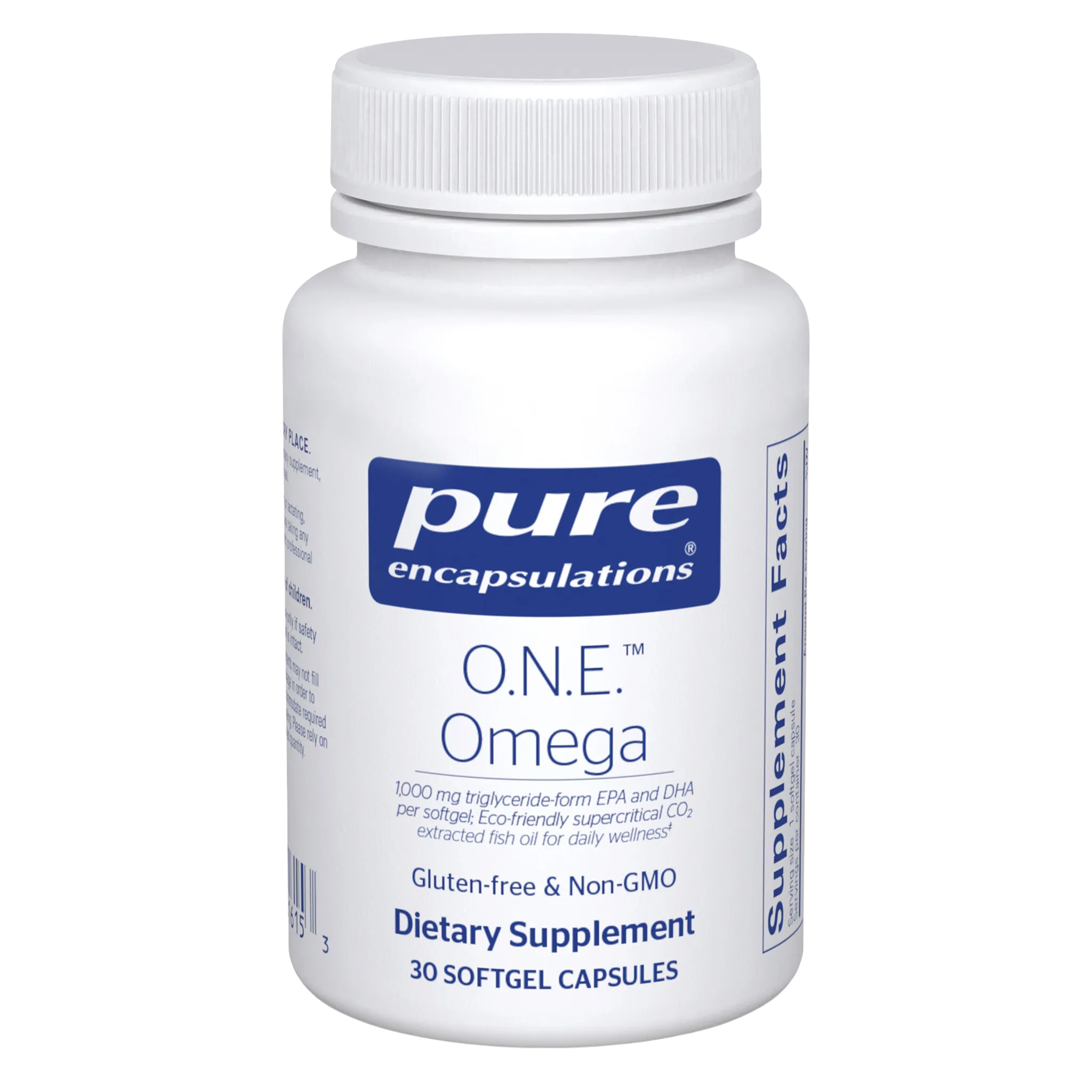
O.N.E. Omega is a specialized dietary supplement that provides a highly concentrated, 1,000 mg dose of the essential Omega-3 polyunsaturated fatty acids (PUFAs): eicosapentaenoic acid (EPA) and docosahexaenoic acid (DHA). In a healthy human body, these fatty acids are not merely passive nutritional building blocks; they are highly active, dynamic molecules that govern the structural integrity and signaling capabilities of nearly every cell. Because the human body lacks the specific desaturase enzymes required to synthesize these long-chain fatty acids efficiently from shorter-chain plant precursors (like ALA found in flaxseed), they must be obtained directly through diet or high-quality marine supplementation.
At the molecular level, EPA and DHA are incorporated directly into the phospholipid bilayer of our cellular membranes. This incorporation fundamentally alters the physical properties of the membrane, increasing its fluidity, flexibility, and permeability. This enhanced fluidity is vital for the proper function of embedded membrane proteins, including ion channels, receptors, and transporters. For example, in the central nervous system, DHA is selectively concentrated in the synaptic membranes of neurons, where it facilitates the rapid transmission of electrical signals and the release of neurotransmitters. Without adequate DHA, neuronal communication slows down, contributing to cognitive sluggishness and impaired memory retention.
Furthermore, EPA plays a profound role in cardiovascular and endothelial health. It integrates into the membranes of the cells lining our blood vessels (the endothelium) and blood platelets. By doing so, EPA helps maintain healthy vascular tone, allowing blood vessels to dilate and constrict appropriately in response to the body's demands. It also exerts a mild, natural anti-platelet effect, preventing blood cells from inappropriately clumping together and forming microclots—a process that is heavily dependent on the delicate balance of lipid mediators derived from these essential fatty acids.
The Biosynthesis of Specialized Pro-Resolving Mediators (SPMs)
Perhaps the most groundbreaking discovery in modern immunology regarding Omega-3s is their role as precursors to a superfamily of signaling molecules known as Specialized Pro-resolving Mediators (SPMs). Historically, scientists believed that acute inflammation simply "fizzled out" passively once the initial trigger (like a virus or injury) was neutralized. However, pioneering research by Dr. Charles Serhan and colleagues revealed that the resolution of inflammation is actually a highly orchestrated, active biochemical process driven by these SPMs.
When tissue is inflamed or damaged, the EPA and DHA stored in cell membranes are released and undergo enzymatic conversion by lipoxygenases (LOX) and cyclooxygenases (COX). EPA is converted into E-series resolvins, while DHA is converted into D-series resolvins, protectins (such as Neuroprotectin D1), and maresins. These potent lipid mediators operate at incredibly low concentrations—down to the picogram level—binding to specific G-protein-coupled receptors (GPCRs) on the surface of immune cells to physically halt the inflammatory cascade.
Unlike traditional non-steroidal anti-inflammatory drugs (NSAIDs) that indiscriminately block the onset of inflammation (often leading to immune suppression), SPMs act as biological "stop signals." They orchestrate the cleanup phase of the immune response, a process known as efferocytosis. During efferocytosis, SPMs signal macrophages to switch from an aggressive, pro-inflammatory state (M1) to a healing, pro-resolving state (M2). These M2 macrophages then actively ingest and clear away dead immune cells, cellular debris, and lingering pathogens, effectively restoring the tissue to its healthy, pre-inflammatory baseline.
Cellular Membrane Fluidity and Receptor Function
Beyond their role in resolving inflammation, the EPA and DHA provided by O.N.E. Omega are critical for the optimal functioning of cellular receptors. Because these fatty acids are highly unsaturated—meaning they contain multiple double bonds in their carbon chains—they create "kinks" that prevent lipid molecules from packing too tightly together. This structural characteristic is what gives cellular membranes their liquid-like, fluid nature. In a state of chronic illness, oxidative stress can damage these delicate double bonds, leading to rigid, dysfunctional cell membranes.
When cell membranes become rigid due to a lack of Omega-3s and an excess of inflammatory Omega-6s or saturated fats, the receptors embedded within them cannot change shape or bind to their target molecules effectively. This impacts everything from insulin sensitivity to neurotransmitter uptake. For instance, the receptors for serotonin and dopamine require a highly fluid lipid environment to function correctly. By replenishing the membrane with the pure EPA and DHA found in O.N.E. Omega, the structural integrity of these lipid rafts is restored, ensuring that cellular communication pathways remain open and highly responsive.
How Complex Chronic Illness Impacts Lipid Metabolism and Inflammation
Viral Persistence and Microglial Activation in Long COVID
To understand why O.N.E. Omega is so clinically relevant, we must first examine how complex chronic illnesses fundamentally alter the body's lipid metabolism and inflammatory pathways. In the case of Long COVID, the initial SARS-CoV-2 infection triggers a massive immune response. However, in many patients, this immune response fails to shut down properly. Recent neuroimmune research suggests that viral persistence—fragments of the virus hiding in tissue reservoirs—keeps the immune system in a state of chronic, low-grade alarm.
This persistent alarm heavily impacts the central nervous system. The brain's resident immune cells, known as microglia, become chronically activated. Instead of performing their normal maintenance duties, these activated microglia continuously pump out pro-inflammatory cytokines like Interleukin-6 (IL-6) and Tumor Necrosis Factor-alpha (TNF-α). This localized "cytokine storm" breaches the blood-brain barrier and causes profound neuroinflammation, which patients experience clinically as severe cognitive dysfunction. If you are struggling with this symptom, you can learn more about the underlying mechanisms in our detailed guide: What Is “Brain Fog” and Cognitive Dysfunction in Long COVID?.
Furthermore, this viral-induced neuroinflammation actively depletes the brain's stores of DHA and disrupts the synthesis of Neuroprotectin D1 (NPD1). Without adequate NPD1 to signal the microglia to stand down, a vicious cycle emerges: inflammation causes DHA depletion, and DHA depletion prevents the resolution of inflammation. This biochemical gridlock is a primary driver of the relentless mental fatigue and memory issues associated with post-viral syndromes.
The Omega-3 Deficit in ME/CFS and Cellular Energy Failure
In myalgic encephalomyelitis/chronic fatigue syndrome (ME/CFS), the pathophysiology involves a profound failure of cellular energy production and chronic systemic inflammation. Patients with ME/CFS frequently exhibit severe abnormalities in their lipid profiles. A landmark 2018 study published in Prostaglandins, Leukotrienes and Essential Fatty Acids evaluated the "Omega-3 Index" (the percentage of EPA and DHA in red blood cell membranes) of ME/CFS patients. The researchers found that an overwhelming 92.6% of the ME/CFS cohort exhibited a severely low Omega-3 index, indicating a deep, systemic deficiency.
This deficiency is not merely a dietary issue; it is a reflection of the intense oxidative stress that characterizes ME/CFS. Reactive oxygen species (ROS) generated by dysfunctional mitochondria attack and degrade the delicate PUFAs in cell membranes, a process known as lipid peroxidation. As the membranes degrade, the mitochondria themselves become compromised, leading to a drastic reduction in adenosine triphosphate (ATP) production. This energy failure is what triggers post-exertional malaise (PEM), the hallmark symptom of ME/CFS where even minor physical or cognitive exertion leads to a debilitating "crash."
Additionally, the skewed ratio of Omega-6 to Omega-3 fatty acids in ME/CFS patients promotes the overproduction of inflammatory eicosanoids, such as prostaglandin E2 (PGE2) and leukotriene B4 (LTB4). These molecules amplify systemic pain pathways, contributing to the severe myalgia (muscle pain) and joint stiffness that frequently accompany the profound fatigue. Addressing this imbalance is crucial for stabilizing the cellular environment. To explore other metabolic interventions for this energy failure, consider reading: Can Acetyl-L-Carnitine Help Clear Brain Fog in Long COVID and ME/CFS?.
Vascular Inflammation and Autonomic Dysfunction in POTS
Postural Orthostatic Tachycardia Syndrome (POTS), a common form of dysautonomia often triggered by viral infections, is characterized by an abnormal spike in heart rate upon standing. While traditionally viewed purely as a neurological or volume-depletion issue, cutting-edge cardiology now recognizes POTS as a condition heavily driven by vascular inflammation and endothelial dysfunction. Recent comprehensive reviews on POTS management highlight that the tachycardia (fast heart rate) is often a compensatory mechanism for blood pooling in the lower extremities, which occurs because inflamed blood vessels fail to constrict properly.
In a healthy autonomic nervous system, there is a delicate balance between sympathetic (fight-or-flight) and parasympathetic (rest-and-digest) activity. This balance is measured by Heart Rate Variability (HRV). In POTS, the sympathetic nervous system is trapped in overdrive, leading to a chronically low HRV, severe anxiety-like symptoms, and cardiovascular exhaustion. The chronic release of adrenaline and noradrenaline further damages the endothelial lining of the blood vessels, perpetuating the cycle of poor vascular tone and compensatory tachycardia.
The depletion of Omega-3 fatty acids exacerbates this autonomic dysfunction. Without sufficient EPA to maintain endothelial membrane fluidity and produce vasodilatory signaling molecules (like nitric oxide), the blood vessels remain stiff and unresponsive. Furthermore, the lack of DHA impairs the function of the vagus nerve, the primary conduit of the parasympathetic nervous system. This leaves the patient vulnerable to the relentless, racing heart rates and chest discomfort that make daily life with POTS so challenging. For more insights on managing these overlapping symptoms, see our article: Brain Fog, Fast Heart Rate, and Fatigue. Is Pyridostigmine Right for You?.
O.N.E. Omega: Supporting Resolution, Brain Health, and Autonomic Balance
Orchestrating the Cleanup: Efferocytosis and Resolvins
By providing a potent, highly concentrated dose of 1,000 mg of EPA and DHA per softgel, O.N.E. Omega acts as a direct intervention to restore the disrupted lipid pathways seen in chronic illness. The primary mechanism by which this supplement supports recovery is by flooding the body with the exact precursors required to synthesize Specialized Pro-resolving Mediators (SPMs). When you take O.N.E. Omega, the EPA and DHA are rapidly absorbed and incorporated into the membranes of circulating immune cells.
Once integrated, these fatty acids are converted by the COX and LOX enzymes into E-series and D-series resolvins. These resolvins actively bind to the ChemR23 and GPR32 receptors on the surface of macrophages, triggering the critical process of efferocytosis. The macrophages physically engulf and digest the lingering, exhausted neutrophils and cellular debris that are clogging the tissues and perpetuating the inflammatory cycle. This is not symptom suppression; it is the biological equivalent of sending in a cleanup crew to clear the battlefield after a viral war, allowing the tissues to finally begin the repair process.
Furthermore, the resolvins derived from O.N.E. Omega actively inhibit the transendothelial migration of new polymorphonuclear neutrophils (PMNs). This means they stop the immune system from sending unnecessary reinforcements to tissues that are already inflamed. By halting this infiltration and clearing the existing debris, O.N.E. Omega helps lower systemic levels of C-reactive protein (CRP) and other acute-phase reactants, providing profound relief from the systemic aches, joint pain, and generalized inflammation that plague patients with ME/CFS and Long COVID.
Clearing Brain Fog and Protecting the HPA Axis
For patients suffering from the debilitating cognitive dysfunction of Long COVID, the DHA provided by O.N.E. Omega is particularly vital. DHA is uniquely capable of crossing the blood-brain barrier, where it is converted into Neuroprotectin D1 (NPD1) by the brain's resident enzymes. NPD1 specifically targets the activated microglia, binding to their surface receptors and downregulating the expression of the NF-κB transcription factor. This effectively shuts off the localized "cytokine storm" in the brain, reducing the neuroinflammation that causes brain fog.
In addition to calming microglia, the EPA in O.N.E. Omega plays a crucial role in regulating the hypothalamic-pituitary-adrenal (HPA) axis. Chronic illness places immense stress on the HPA axis, leading to altered cortisol production and contributing to the severe anxiety, depression, and mood swings often seen in Long COVID. EPA helps stabilize the lipid rafts in neuronal membranes, improving the binding affinity of neurotransmitters like serotonin and dopamine. If you are exploring ways to support your mood and sleep during recovery, you might also find value in our guide: Can 5-HTP Lift the Brain Fog and Sleep Disturbances of Long COVID?.
Moreover, emerging research indicates that EPA and DHA can positively influence the kynurenine pathway. During chronic viral inflammation, the body abnormally metabolizes tryptophan into neurotoxic kynurenine, which damages neurons and exacerbates cognitive decline. Omega-3 supplementation, particularly when combined with pacing and gentle rehabilitation, helps shift this metabolic pathway toward the production of kynurenic acid, a neuroprotective compound that cannot cross the blood-brain barrier, thereby shielding the central nervous system from further oxidative damage.
Enhancing Vagal Tone and Heart Rate Variability (HRV)
For individuals managing dysautonomia and POTS, O.N.E. Omega offers targeted cardiovascular and autonomic support. The EPA in the supplement directly integrates into the endothelial cells lining the blood vessels. Here, it upregulates the production of endothelial nitric oxide synthase (eNOS), the enzyme responsible for generating nitric oxide. Nitric oxide is a potent vasodilator that helps the blood vessels relax and constrict smoothly, improving vascular tone and preventing the severe blood pooling in the legs that triggers orthostatic tachycardia.
Crucially, high-dose Omega-3 supplementation has been clinically shown to improve Heart Rate Variability (HRV). By enriching the cellular membranes of the vagus nerve and the sinoatrial (SA) node of the heart, DHA enhances parasympathetic (vagal) signaling. Clinical trials evaluating Omega-3s in dysautonomia have demonstrated that this enhanced vagal tone leads to a significant increase in the mean RR-interval (the time between heartbeats), effectively lowering the baseline resting heart rate and blunting the exaggerated heart rate spikes that occur upon standing.
This shift from a sympathetic "fight-or-flight" state to a parasympathetic "rest-and-digest" state is vital for recovery. It not only reduces the immediate, terrifying symptoms of a racing heart and palpitations but also allows the body to redirect its limited energy resources toward cellular repair and immune modulation. By addressing both the vascular inflammation and the neurological misfiring, O.N.E. Omega provides a comprehensive, mechanistic approach to stabilizing the autonomic nervous system.
Symptoms O.N.E. Omega May Help Manage
Cognitive and Neurological Symptoms
Brain Fog and Cognitive Sluggishness: By supplying DHA to synthesize Neuroprotectin D1 (NPD1), O.N.E. Omega helps calm activated microglia and clear the neuroinflammation that disrupts memory, focus, and executive function.
Mental Fatigue and Poor Concentration: EPA improves the fluidity of neuronal membranes, enhancing the rapid transmission of electrical signals and neurotransmitters required for sustained mental effort.
Anxiety and Depressive Moods: By regulating the HPA axis and shifting the kynurenine metabolic pathway away from neurotoxic byproducts, high-dose EPA supports emotional stability and resilience against chronic stress.
Sensory Overload: Restoring the structural integrity of the myelin sheath (the protective coating around nerves) with essential fatty acids can help dampen the hyper-excitability of the nervous system, reducing sensitivity to light, sound, and stimuli.
Cardiovascular and Autonomic Symptoms
Tachycardia and Racing Heart (POTS): DHA enhances vagal nerve tone and improves Heart Rate Variability (HRV), which helps lower resting heart rates and blunts the exaggerated spikes that occur when standing up.
Blood Pooling and Lightheadedness: EPA integrates into the endothelial lining of blood vessels, reducing vascular inflammation and improving the vessel's ability to constrict properly, thereby supporting healthy blood pressure upon standing.
Palpitations and Chest Discomfort: By shifting the autonomic nervous system out of chronic sympathetic overdrive (fight-or-flight), Omega-3s help stabilize the electrical signaling in the heart's sinoatrial node.
Exercise Intolerance: Improving endothelial function and red blood cell membrane flexibility allows for better oxygen delivery to peripheral tissues, supporting a more stable cardiovascular response to mild exertion.
Systemic and Inflammatory Symptoms
Joint Pain and Stiffness: EPA and DHA act as direct precursors to resolvins, which actively halt the infiltration of inflammatory neutrophils into joint tissues, reducing swelling and morning stiffness.
Post-Exertional Malaise (PEM): By protecting mitochondrial membranes from lipid peroxidation (oxidative damage), Omega-3s help preserve cellular energy (ATP) production, potentially reducing the severity of post-exertional crashes.
Muscle Aches (Myalgia): Shifting the balance away from inflammatory Omega-6 eicosanoids (like PGE2) toward anti-inflammatory Omega-3 pathways helps downregulate systemic pain signaling in the muscles.
Skin Rashes and Mast Cell Reactivity: The potent anti-inflammatory properties of SPMs help stabilize mast cell membranes, potentially reducing the hyper-reactivity and histamine release associated with comorbid Mast Cell Activation Syndrome (MCAS).
Practical Considerations: Supercritical CO2 Extraction, Bioavailability, and Safety
The Superiority of Supercritical CO2 Extraction
Not all fish oil supplements are created equal. The therapeutic efficacy of Omega-3s is entirely dependent on their purity and their structural integrity. O.N.E. Omega stands out in the clinical landscape because it utilizes a highly advanced, solvent-free supercritical CO2 (scCO2) extraction method. Most standard, over-the-counter fish oils are processed using molecular distillation, a technique that requires exposing the delicate oils to high heat (often between 140°C and 160°C) and multiple refining cycles to achieve higher concentrations of EPA and DHA.
This high-heat processing is highly problematic because Omega-3 polyunsaturated fatty acids are incredibly sensitive to thermal stress and oxygen. Heat causes the delicate double bonds in the fatty acids to break down, leading to lipid peroxidation, rancidity, and the formation of harmful structural isomers. In contrast, supercritical CO2 extraction operates at remarkably low temperatures (typically between 35°C and 50°C) in a completely sealed, oxygen-free (anaerobic) environment. The carbon dioxide acts as a gentle, highly selective fluid solvent that pulls the EPA and DHA from the fish biomaterial without causing any thermal or oxidative damage.
Furthermore, scCO2 extraction is unparalleled in its ability to purify the oil. Because the supercritical fluid is highly selective, it leaves heavier contaminants behind. Clinical analyses have demonstrated that scCO2 extraction can reduce toxic heavy metals like mercury, cadmium, and lead by up to 100%, yielding an ultra-pure product that consistently tests well below accepted safety limits. This pristine purity is vital for patients with complex chronic illnesses, whose detoxification pathways and immune systems are already severely overburdened.
Triglyceride Form vs. Ethyl Esters for Maximum Absorption
Bioavailability—how well the human body can actually absorb and utilize a nutrient—is another critical factor. Fish oil supplements generally come in two molecular forms: Ethyl Esters (EE) or Triglycerides (rTG). During the standard manufacturing of fish oil concentrates, the natural triglyceride backbone of the fat is often stripped away and replaced with an ethanol molecule to create an ethyl ester. While this allows for high concentrations of EPA/DHA, the human digestive system struggles to break down and absorb ethyl esters efficiently.
Because O.N.E. Omega utilizes the gentle scCO2 extraction process, it is able to deliver the EPA and DHA in the highly bioavailable triglyceride form. Extensive bioavailability studies have consistently shown that the human body absorbs triglyceride-form Omega-3s significantly better than ethyl esters. In long-term clinical trials, subjects taking the triglyceride form experienced a nearly 197% increase in their red blood cell EPA/DHA levels, compared to a much lower integration rate for those taking the ethyl ester form.
This superior absorption means that the 1,000 mg dose provided by a single softgel of O.N.E. Omega translates to significantly higher blood plasma levels and a faster, more robust elevation of the patient's Omega-3 Index. To maximize this absorption even further, it is highly recommended to take the softgel with a meal that contains healthy dietary fats (such as avocado, olive oil, or nuts), as the presence of fat triggers the release of digestive enzymes and bile salts that facilitate optimal lipid uptake in the small intestine.
Dosage Guidelines, Safety, and Blood Thinner Interactions
O.N.E. Omega is designed as a convenient, once-daily softgel that delivers a potent 1,000 mg of combined EPA and DHA (600 mg EPA / 400 mg DHA). This dosage aligns perfectly with the American Heart Association's recommendations for cardiovascular support and primary prevention. For patients actively managing severe neuroinflammation, Long COVID, or dysautonomia, functional medicine practitioners may sometimes recommend higher therapeutic doses (ranging from 2,000 mg to 4,000 mg daily), but this should only be done under direct medical supervision.
Omega-3 supplements are overwhelmingly safe and well-tolerated, with the FDA and EFSA establishing that supplemental intakes of up to 5,000 mg per day are safe for the general public. Because O.N.E. Omega is extracted via scCO2 and is free from oxidation, it is highly unlikely to cause the gastrointestinal distress or "fishy burps" commonly associated with lower-quality, rancid fish oils. However, because EPA and DHA modulate eicosanoid production, they do possess a mild, natural anti-platelet effect.
Historically, there were concerns that high-dose fish oil could cause dangerous bleeding if taken alongside prescription blood thinners (like Warfarin or Eliquis) or NSAIDs. However, comprehensive meta-analyses and clinical reviews have largely debunked this myth, demonstrating no clinically significant increase in major bleeding events even at high doses. Nonetheless, if you are currently taking anticoagulant or antiplatelet medications, it is imperative to consult your prescribing physician or cardiologist before adding O.N.E. Omega to your regimen, as they may wish to monitor your clotting times (INR) to ensure optimal safety.
Follow the Science
Clinical Trials on Dysautonomia and POTS
The clinical application of Omega-3 fatty acids for autonomic nervous system dysfunction is supported by robust, emerging data. A pivotal 2023 study published in the journal Children (MDPI) investigated the therapeutic approaches for adolescents who developed POTS and Inappropriate Sinus Tachycardia (IST) following a COVID-19 infection. The researchers tracked the efficacy of various interventions, including beta-blockers, ivabradine, and Omega-3 supplementation.
The results were highly compelling: Omega-3 supplementation successfully blunted the abnormal heart rate spikes seen in POTS upon standing. During active standing tests, the heart rate increases in the Omega-3 group were significantly minimized to an average of 25.6 ± 8.4 beats per minute. The researchers concluded that while pharmaceutical beta-blockers had a stronger immediate impact on certain metrics, Omega-3s proved to be a highly effective, natural therapeutic approach for safely lowering both resting and standing heart rates in dysautonomia patients, primarily by enhancing parasympathetic vagal tone.
Evidence for ME/CFS and the Omega-3 Index
In the realm of myalgic encephalomyelitis/chronic fatigue syndrome (ME/CFS), research has consistently highlighted the profound lipid abnormalities present in patients. A critical 2018 observational study evaluated the erythrocyte (red blood cell) PUFA levels of 31 ME/CFS patients. The findings were stark: 92.6% of the cohort exhibited a severely low mean Omega-3 index (5.75%), indicating a systemic, low-grade pro-inflammatory state and a high risk for cardiovascular complications.
These findings build upon earlier interventional trials, such as the widely cited pilot studies conducted by researchers at Imperial College London. In these early open-label trials, ME/CFS patients treated with high-dose, highly purified EPA experienced notable clinical improvements, particularly a reduction in cognitive dysfunction ("brain fog") and severe fatigue within 8 to 12 weeks. While large-scale Phase III trials are still needed, the foundational data strongly supports the use of high-quality Omega-3s to correct the underlying lipid deficiencies and membrane rigidities that drive ME/CFS symptomatology.
Emerging Data on Long COVID and Neuroinflammation
The scientific community is rapidly mobilizing to understand the role of Omega-3s in resolving post-viral neuroinflammation. Recent neuroimmune research has mapped the pathophysiology of Long COVID, demonstrating how persistent viral proteins drive microglial activation and disrupt the blood-brain barrier. This chronic neuroinflammation is the physiological root of Long COVID brain fog.
To combat this, several clinical trials are currently underway. For example, the MAG-EPA Trial (NCT06695910) is a double-blind, placebo-controlled study investigating the efficacy of 1.5 grams per day of EPA monoglycerides specifically for Long COVID brain fog, utilizing specialized cognitive scales to measure improvements in mental fatigue and confusion. Furthermore, systematic reviews published in journals like Brain, Behavior, and Immunity confirm that long-chain Omega-3 PUFAs interact with transcription factors to reduce systemic inflammation and support the clearance of persistent viral symptoms, validating their use as a foundational nutritional intervention in post-COVID recovery protocols.
The Path Forward
Validating the Invisible Struggle
Living with conditions like Long COVID, ME/CFS, and dysautonomia often means navigating a medical landscape that is slow to catch up with your reality. The profound exhaustion, the unpredictable heart rates, and the heavy, disorienting brain fog are incredibly difficult to articulate in a standard 15-minute doctor's appointment. It is entirely valid to feel frustrated when routine blood work comes back "normal," while your daily lived experience is anything but. The science we have explored today—the intricate pathways of neuroinflammation, mitochondrial stress, and autonomic dysfunction—proves that your symptoms are rooted in real, measurable physiological disruptions.
A Comprehensive Approach to Healing
While the biochemistry of Specialized Pro-resolving Mediators and supercritical CO2 extraction is highly advanced, it is important to remember that no single supplement is a magic cure for complex chronic illness. O.N.E. Omega is a powerful, clinically pure tool designed to help your body actively resolve inflammation and repair cellular membranes, but it works best as part of a comprehensive, multi-disciplinary management strategy. Healing requires a synergistic approach that includes meticulous symptom tracking, aggressive pacing to prevent post-exertional crashes, autonomic rehabilitation, and targeted nutritional support. To learn more about comprehensive mental health support during this journey, consider reading: Long COVID and Mental Health.
Next Steps in Your Journey
If you are ready to support your cardiovascular health, calm your nervous system, and provide your brain with the pure, highly absorbable EPA and DHA it needs to clear the fog, O.N.E. Omega offers a clinical-grade solution. By utilizing solvent-free extraction to preserve the vital triglyceride form, it ensures that your body receives the maximum therapeutic benefit without the burden of oxidative stress or heavy metal contaminants.
Disclaimer: The information provided in this blog is for educational purposes only and is not intended to replace professional medical advice. Always consult with your healthcare provider or cardiologist before starting any new supplement, especially if you are taking blood-thinning medications or have a pre-existing cardiovascular condition.
Sources
Resolvins, Protectins, and Maresins: DHA-Derived Specialized Pro-Resolving Mediators
Therapeutic Approaches to Dysautonomia in Childhood, with a Special Focus on Long COVID
Effect of Supercritical Fluid Extraction on the Reduction of Toxic Elements in Fish Oil
Omega-3 Bioavailability: Is One Form More Bioavailable than Another?