Can High-Dose DHA Support Brain Fog and Autonomic Function in Long COVID and ME/CFS?
March 6, 2026
OmegAvail Ultra DHALong COVIDME/CFS
Share:
Disclaimer: The information provided here is for educational purposes only and is not intended as medical advice. It should not be used to diagnose, treat, cure, or prevent any medical condition. Instead, use it as a starting point for discussion with your healthcare provider. Always consult with a qualified healthcare provider before starting any new medication, supplement, device, or making changes to your health regimen.
Months or even years after recovering from an initial viral infection, many individuals find themselves battling a complex web of debilitating symptoms, from profound cognitive impairment to unpredictable heart rate spikes. For patients navigating the realities of Long COVID, myalgic encephalomyelitis/chronic fatigue syndrome (ME/CFS), and dysautonomia, the search for effective, science-backed management strategies is often fraught with frustration and dead ends. When standard medical tests return "normal" results despite life-altering fatigue and brain fog, it becomes crucial to look deeper into the cellular and molecular mechanisms driving these invisible illnesses. One of the most promising areas of clinical research centers on the foundational role of specialized cellular lipids, particularly the omega-3 polyunsaturated fatty acids.
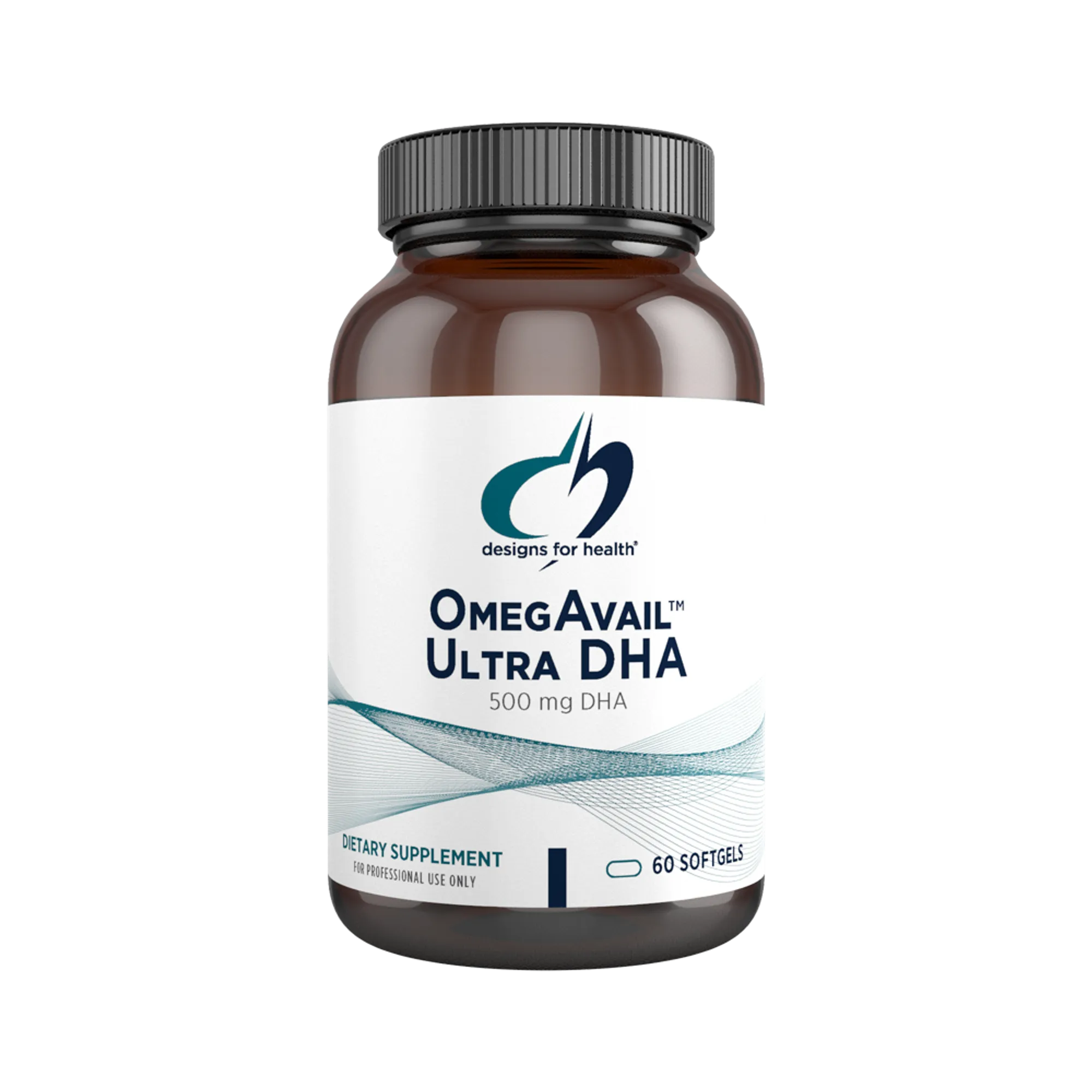
Among these essential nutrients, docosahexaenoic acid (DHA) stands out as a critical structural component of the central nervous system and a powerful modulator of neuroimmune function. Unlike broad-spectrum anti-inflammatories, high-concentration DHA formulations like OmegAvail™ Ultra DHA offer a targeted approach to resolving the chronic neuroinflammation and autonomic neuropathy that characterize post-viral syndromes. By understanding how these specialized fatty acids interact with our cellular membranes, mitochondrial powerhouses, and immune signaling pathways, patients and healthcare providers can better utilize targeted nutritional interventions to support brain health, restore cardiovascular autonomic tone, and improve overall daily functioning.
What is OmegAvail™ Ultra DHA?
The Essential Nature of Omega-3 Fatty Acids
Omega-3 polyunsaturated fatty acids (PUFAs) are foundational, biologically active molecules required for the healthy functioning, structural integrity, and metabolic efficiency of nearly every cell in the human body. Among the most critical of these essential fats are eicosapentaenoic acid (EPA) and docosahexaenoic acid (DHA), complex long-chain lipids that cannot be synthesized efficiently by the human body and must therefore be obtained through a nutrient-dense diet or high-quality clinical supplementation. While EPA is frequently recognized in medical literature for its broad, systemic anti-inflammatory properties and its ability to modulate cardiovascular health, DHA plays a highly specialized and localized role. DHA is heavily concentrated in the central nervous system, making up a significant portion of the brain's structural fat and the delicate tissues of the retina. In a healthy, optimally functioning body, these two fatty acids work in a synergistic tandem to regulate complex immune responses, maintain cardiovascular elasticity, and support the rapid, high-energy demands of optimal cognitive function.
The biological necessity of DHA begins during early neurological development and remains an absolute requirement for maintaining brain health throughout the entire human lifespan. Because the brain is composed of nearly sixty percent fat, the specific types of lipids incorporated into its architecture directly dictate how well it performs under physiological stress. When the body is chronically deficient in DHA, it is forced to substitute less flexible, pro-inflammatory omega-6 fatty acids or saturated fats into the cellular matrix, which fundamentally alters the physical properties of the brain's cellular landscape. This substitution leads to rigid, poorly functioning cell membranes that struggle to transmit electrical signals, clear out metabolic waste products, or protect the delicate intracellular organelles from oxidative damage. Therefore, maintaining optimal DHA status is not merely about general wellness; it is a critical physiological requirement for preserving the structural foundation of the nervous system and preventing the slow degradation of cognitive processing speed and memory retention.
DHA as a Structural Foundation for the Nervous System
At the microscopic, molecular level, DHA is uniquely and elegantly designed to support the complex, high-speed architecture of the brain, spinal cord, and peripheral nervous system. It is heavily incorporated into the phospholipid bilayer of all cellular membranes, where its highly flexible, multi-double-bond chemical structure physically increases the fluidity and elasticity of the membrane. This membrane fluidity is absolutely essential for the formation, stabilization, and proper function of "lipid rafts"—specialized, highly organized microdomains floating within the cell membrane that house critical neurotransmitter receptors, ion channels, and cellular signaling proteins. By maintaining the structural integrity and dynamic movement of these lipid rafts, DHA ensures that vital chemical signals between neurons, such as dopamine, serotonin, and glutamate transmission, can fire rapidly, bind accurately to their respective receptors, and initiate the correct downstream cellular responses.
Without an adequate, continuous supply of DHA, these crucial neuronal membranes become stiff, rigid, and functionally compromised, leading to sluggish neurotransmission and severely impaired cognitive processing. This structural rigidity directly impacts the efficiency of synaptic vesicles, which are responsible for releasing neurotransmitters into the synaptic cleft, as well as the reuptake transporters that clear them away after a signal has been sent. In the context of complex chronic illnesses, where the nervous system is already under immense metabolic and inflammatory stress, this loss of structural membrane fluidity acts as a massive biological bottleneck. It exacerbates the neurological delays, sensory processing issues, and profound mental fatigue that patients experience daily. By replenishing the cellular matrix with high-concentration DHA, the body can slowly rebuild these lipid rafts, restoring the mechanical flexibility required for sharp, responsive, and efficient neurological function.
The Precursors to Specialized Pro-Resolving Mediators
Beyond their passive structural role in cellular membranes, DHA and EPA serve as the direct, highly active biochemical precursors to a powerful class of immune-signaling molecules known as Specialized Pro-resolving Mediators (SPMs). For decades, the prevailing scientific consensus believed that inflammation simply faded away passively over time once an immune threat, such as a viral infection or tissue injury, was successfully neutralized. However, modern immunological research has revolutionized this understanding, revealing that the resolution of inflammation is actually an active, highly orchestrated, and energy-demanding biochemical process driven specifically by SPMs like resolvins, protectins, and maresins. When the body encounters severe inflammation, it relies on its stores of EPA and DHA to synthesize these mediators, which act as the biological "brakes" for the immune system, preventing an acute, necessary immune response from degrading into a chronic, tissue-damaging autoimmune cascade.
DHA specifically undergoes enzymatic conversion via the lipoxygenase pathways to become D-series resolvins and a highly potent molecule known as Neuroprotectin D1 (NPD1). These DHA-derived mediators actively signal the immune system to halt the continuous production of destructive pro-inflammatory cytokines, stimulate macrophages to clear out dead cellular debris, and initiate the complex tissue repair process within the central nervous system. This active "turn-off" switch is vital for protecting delicate neuronal tissues from the collateral damage caused by a hyperactive immune response. When a patient is deficient in DHA, their immune system lacks the raw materials required to produce these crucial "stop" signals, leaving them trapped in a perpetual state of low-grade, smoldering inflammation. By providing a concentrated dose of DHA, supplementation aims to flood the system with the exact precursors needed to synthesize SPMs, actively resolving chronic neuroinflammation and allowing the nervous system to finally transition from a state of constant defense into a state of cellular healing and recovery.
How Long COVID and ME/CFS Impact the Nervous and Cardiovascular Systems
Viral Persistence and Chronic Neuroinflammation
For individuals living with complex chronic illnesses, the immune system's standard operating procedures are fundamentally disrupted, leading to a cascade of debilitating physiological consequences. In conditions like Long COVID, researchers have identified that the initial SARS-CoV-2 infection can trigger a state of chronic, low-grade systemic inflammation that completely fails to resolve long after the acute virus has been cleared. When you explore what causes Long COVID, a leading and highly supported scientific theory involves the prolonged, inappropriate activation of microglial cells—the primary immune defenders and scavengers of the central nervous system. During a severe viral insult, massive amounts of pro-inflammatory cytokines, such as Interleukin-1 beta (IL-1β), Interleukin-6 (IL-6), and Tumor Necrosis Factor-alpha (TNF-α), are released into the bloodstream and can cross the highly vulnerable blood-brain barrier.
Once these inflammatory messengers infiltrate the brain, they lock the microglial cells into a hostile, pro-inflammatory "M1" state, where they continuously release neurotoxic chemicals that damage surrounding healthy neurons. This sustained neuroimmune activation fundamentally alters the synthesis of critical neurotransmitters, rapidly depleting the brain's stores of serotonin and dopamine while simultaneously increasing the levels of excitotoxic glutamate. Furthermore, this relentless inflammatory signaling deregulates the Hypothalamus-Pituitary-Adrenal (HPA) axis, the body's central stress response system. The combination of neurotransmitter depletion, microglial hyperactivation, and HPA axis dysfunction directly contributes to the profound, treatment-resistant cognitive impairment commonly referred to by patients as "brain fog," making even simple mental tasks feel insurmountable.
Autonomic Dysfunction and the Vagus Nerve
This chronic inflammatory state does not isolate its damage to cognitive processing; it severely and systematically impacts the autonomic nervous system (ANS), which is responsible for controlling involuntary, life-sustaining bodily functions like heart rate, blood pressure, and digestion. Many patients grappling with post-viral syndromes eventually develop secondary dysautonomia, most specifically Postural Orthostatic Tachycardia Syndrome (POTS). In POTS, the delicate balance of the autonomic nervous system is thrown into chaos, characterized by a hyperactive sympathetic nervous system (the "fight or flight" response) and a severely depressed parasympathetic nervous system (often referred to as vagal tone). The vagus nerve, which serves as the primary parasympathetic highway and relies heavily on healthy lipid signaling to regulate heart rate variability (HRV), becomes physically and functionally impaired by the systemic burden of chronic inflammation.
This resulting autonomic neuropathy leads directly to the debilitating, unpredictable heart rate spikes, severe palpitations, and crushing dizziness that patients experience simply upon standing up or changing posture. Because the vagus nerve is unable to send the appropriate calming signals to the heart to counteract the sympathetic surge of adrenaline, the cardiovascular system remains locked in a state of perpetual overdrive. The depletion of essential fatty acids like DHA and EPA further exacerbates this issue, as the cardiac cellular membranes lack the structural fluidity required to properly conduct the electrical signals that govern a steady, normal heart rhythm. Consequently, the patient's cardiovascular system becomes highly reactive, exhausting their limited energy reserves and severely limiting their capacity for physical movement or upright activity.
Mitochondrial Oxidative Stress and Lipid Peroxidation
At the deepest cellular level, the profound, crushing fatigue and post-exertional malaise (PEM) seen in these conditions are intricately tied to severe mitochondrial dysfunction. Mitochondria are the microscopic powerhouses of the cell, solely responsible for generating adenosine triphosphate (ATP), the fundamental energy currency required for all biological processes. In patients navigating ME/CFS and Long COVID, the uncontrolled, systemic inflammation triggers a massive, unyielding production of reactive oxygen species (ROS), leading to a state of severe, uncompensated oxidative stress. These highly volatile free radicals aggressively attack the delicate, lipid-rich membranes of the mitochondria in a highly destructive biochemical process known as lipid peroxidation, which literally tears holes in the mitochondrial walls.
As the mitochondrial membranes degrade and lose their structural integrity, they become incapable of efficiently running the electron transport chain, leading to a catastrophic drop in ATP production and a state of total cellular bioenergetic failure. Furthermore, these damaged, porous mitochondria begin to leak their internal contents, including mitochondrial DNA, directly into the surrounding cellular cytoplasm and bloodstream. The immune system, recognizing these leaked mitochondrial components as foreign danger signals, mounts yet another aggressive inflammatory response. This creates a devastating, self-perpetuating vicious cycle: inflammation causes oxidative stress, which destroys the mitochondria, which then leak and trigger even more systemic inflammation, completely draining the patient's energy and driving the severe crashes associated with post-exertional malaise.
Endothelial Dysfunction and Vascular Health
Compounding the severe neurological and metabolic issues is the widespread, systemic presence of endothelial dysfunction, a hallmark pathology of post-viral syndromes. The endothelium is the ultra-thin, highly sensitive membrane lining the inside of the heart and all blood vessels, and it is exceptionally vulnerable to viral damage, spike protein persistence, and chronic oxidative stress. Recent advanced proteomic studies have definitively shown that Long COVID patients frequently exhibit highly elevated levels of vascular endothelial growth factor A (VEGFA) and persistent microvascular thrombosis, commonly referred to as microclots. This widespread vascular damage severely impairs the ability of the capillaries to dilate and deliver crucial oxygen and vital nutrients to the brain and deeply fatigued muscle tissues.
This microscopic lack of oxygen delivery, known as cellular hypoxia, directly exacerbates both the cognitive haze of brain fog and the physical exhaustion of ME/CFS. The severe depletion of protective, anti-inflammatory cellular lipids like DHA and EPA further weakens the delicate endothelial barrier, making it increasingly porous and dysfunctional. As the endothelial barrier breaks down, it allows inflammatory mediators, immune cells, and microclots to continuously infiltrate and damage delicate neurological and cardiovascular tissues. Without the necessary omega-3 fatty acids to repair this vascular lining, the body struggles to restore normal blood flow, leaving the patient trapped in a state of chronic hypoperfusion and systemic vascular distress.
OmegAvail™ Ultra DHA: Supporting Brain Health and Autonomic Tone
Resolving Neuroinflammation via SPMs
Supplementing with a highly concentrated, clinically dosed DHA formulation like OmegAvail™ Ultra DHA provides the essential raw materials necessary to physically reboot the body's stalled inflammation-resolution pathways. When high levels of DHA enter the central nervous system, they are rapidly and enzymatically converted by the 15-lipoxygenase (15-LOX) pathway into a suite of powerful molecules, most notably Neuroprotectin D1 (NPD1) and D-series resolvins. These Specialized Pro-resolving Mediators (SPMs) do not simply mask inflammation like over-the-counter painkillers; they actively bind to specific G-protein coupled receptors located on the surface of glial cells and macrophages. This precise receptor binding initiates a profound cellular shift, actively driving the polarization of microglia away from the destructive, pro-inflammatory M1 phenotype and toward the healing, tissue-repairing M2 phenotype.
By stimulating this microglial shift, DHA-derived SPMs actively promote the phagocytosis, or cellular clearance, of apoptotic cells, neurotoxic proteins, and damaged myelin debris that accumulate during chronic viral infections. Furthermore, these mediators actively halt the infiltration of polymorphonuclear neutrophils into the neural tissue, significantly reducing local oxidative stress and preventing collateral damage to healthy neurons. By facilitating this highly orchestrated cellular clean-up and suppressing the continuous release of inflammatory cytokines, high-dose DHA supplementation helps extinguish the smoldering neuroinflammation that drives persistent brain fog, sensory overload, and cognitive fatigue, allowing the central nervous system to finally begin the arduous process of structural repair.
Restoring Cardiovascular Autonomic Tone
Beyond the brain, DHA and EPA exert profound, measurable effects on the cardiovascular autonomic nervous system, offering highly targeted physiological support for patients managing the daily realities of dysautonomia and POTS. These long-chain polyunsaturated fatty acids are readily incorporated directly into the phospholipid cellular membranes of cardiac tissue and the surrounding autonomic nerve fibers. Once integrated into the cardiac matrix, DHA physically modulates the function of critical ion channels—specifically sodium and calcium channels—which are responsible for generating the electrical impulses that dictate heart rhythm. Clinical research has repeatedly demonstrated that robust Omega-3 supplementation can significantly improve Heart Rate Variability (HRV), which serves as the primary clinical biomarker of a healthy, resilient parasympathetic (vagal) tone.
By strengthening this parasympathetic vagal signaling and simultaneously dampening the hyperactive sympathetic "fight or flight" overdrive, DHA helps to physically stabilize the autonomic reflexes that govern blood pressure and heart rate adjustments. For a patient with POTS, this means that the cardiovascular system becomes less violently reactive to simple postural changes, such as standing up from a seated position. The stabilization of these cardiac cell membranes reduces the severity and frequency of orthostatic tachycardia, palpitations, and the accompanying presyncopal dizziness. By providing the structural fats necessary for optimal autonomic nerve conduction, OmegAvail™ Ultra DHA acts as a foundational, stabilizing force for a highly deregulated cardiovascular system.
Protecting Mitochondrial Membranes from Oxidative Damage
To effectively combat the profound bioenergetic failure and post-exertional malaise seen in ME/CFS and Long COVID, DHA plays an absolutely critical role in fortifying and defending mitochondrial structural integrity. Because DHA is an exceptionally flexible, long-chain lipid, its direct incorporation into the inner and outer mitochondrial membranes drastically increases their structural stability, fluidity, and overall resilience against severe oxidative stress. By maintaining a healthy, highly functional lipid bilayer, DHA physically prevents the destructive chain reaction of lipid peroxidation, ensuring that the mitochondrial walls remain intact and impermeable to dangerous leaks. This structural preservation is vital, as it ensures that the mitochondria can efficiently run the complex electron transport chain to produce the ATP required for daily energy expenditure.
Furthermore, the inherent antioxidant properties of Omega-3 fatty acids provide a secondary layer of metabolic defense for these cellular powerhouses. DHA and EPA actively help up-regulate the body's endogenous antioxidant defense systems, specifically increasing the production and activity of crucial enzymes like superoxide dismutase and glutathione peroxidase. These enzymes work tirelessly to scavenge and neutralize the massive influx of free radicals generated during post-viral inflammatory cascades, thereby protecting the delicate mitochondrial DNA from irreversible damage. By shielding the mitochondria from oxidative destruction and supporting efficient ATP synthesis, targeted DHA supplementation helps raise the patient's baseline energy threshold, potentially reducing the severity and duration of exertion-induced crashes.
Modulating Neurotransmission and Cognitive Function
Beyond its roles in inflammation resolution and mitochondrial energy production, DHA is fundamentally required for the precise, mechanical aspects of cognitive processing and mood regulation. By deeply enriching the lipid rafts within neuronal cellular membranes, DHA ensures that complex neurotransmitter receptors remain optimally positioned, highly responsive, and structurally sound. This enhanced membrane fluidity is absolutely crucial for the efficient binding, release, and reuptake of key neurotransmitters like serotonin, dopamine, and norepinephrine—chemical messengers that are frequently depleted or severely deregulated in the context of chronic, invisible illnesses. When these neuronal membranes are rich in DHA, the synaptic vesicles can easily fuse with the membrane to release their contents, ensuring that signals travel across the brain rapidly and without delay.
By restoring the structural integrity and dynamic flexibility of these vital synaptic junctions, high-dose DHA supplementation directly supports improved memory consolidation, sharper mental focus, and a significantly more stable emotional mood. This mechanical restoration directly counteracts the frustrating neurological deficits—such as losing one's train of thought, struggling to find the right words, or experiencing sudden drops in mood—that make daily functioning so incredibly challenging for chronic illness patients. Ultimately, providing the brain with its preferred structural fat allows the neurological networks to rebuild their efficiency, offering a tangible pathway toward reclaiming cognitive clarity and mental endurance.

Symptoms OmegAvail™ Ultra DHA May Help Manage
Cognitive and Neurological Symptoms
When evaluating what the symptoms of Long COVID are, the neurological and cognitive manifestations are frequently cited by patients as the most debilitating and life-altering. OmegAvail™ Ultra DHA specifically targets these central nervous system challenges through its unique structural and anti-inflammatory properties:
Brain Fog and Cognitive Impairment: By actively converting into Specialized Pro-resolving Mediators (SPMs) like Neuroprotectin D1, DHA directly resolves the smoldering neuroinflammation that impairs rapid cognitive processing, word retrieval, and short-term memory consolidation.
Mood Disturbances and Post-Viral Depression: DHA significantly enhances the structural fluidity of neuronal lipid rafts, optimizing the transmission, binding, and reuptake of crucial neurotransmitters like serotonin and dopamine to support emotional stability and combat severe mood drops.
Sensory Overload and Neuro-excitotoxicity: By dampening microglial hyperactivation and shifting them to a healing M2 state, DHA helps calm the overstimulated central nervous system, potentially reducing the severe light, sound, and touch sensitivity that frequently accompanies post-viral crashes.
Cardiovascular and Autonomic Symptoms
For patients navigating the incredibly complex, overlapping realities of Long COVID, ME/CFS, and dysautonomia, achieving cardiovascular stability is often the primary goal of daily management. DHA and EPA support autonomic function and cardiovascular resilience in several highly specific ways:
Orthostatic Tachycardia (POTS): Omega-3 fatty acids incorporate directly into cardiac cell membranes to physically modulate electrical signaling and ion channel function, which has been clinically shown to significantly reduce the extreme, exhausting heart rate spikes experienced simply upon standing.
Low Heart Rate Variability (HRV): By strengthening parasympathetic vagal tone and actively dampening the sympathetic "fight or flight" overdrive, DHA helps increase HRV, serving as a critical marker of improved autonomic resilience and cardiovascular adaptability.
Palpitations and Arrhythmias: The deep stabilization of cardiac sodium and calcium ion channels by long-chain fatty acids helps maintain a steady, regular heart rhythm, preventing the terrifying palpitations that often occur during periods of physiological or orthostatic stress.
Systemic and Inflammatory Symptoms
The profound, systemic benefits of achieving optimal Omega-3 cellular levels extend far beyond the brain and the heart, directly addressing the widespread, whole-body inflammatory burden that characterizes complex chronic illness:
Post-Exertional Malaise (PEM) and Severe Fatigue: By fiercely protecting mitochondrial membranes from destructive lipid peroxidation, DHA supports more efficient, stable cellular ATP production, helping to raise the body's overall threshold for exertion-induced metabolic crashes.
Joint, Muscle, and Tissue Pain: The downstream enzymatic conversion of EPA and DHA into D-series and E-series resolvins actively halts the continuous systemic production of pro-inflammatory cytokines like TNF-α and IL-6, significantly reducing widespread, migrating tissue pain.
Endothelial Dysfunction and Poor Circulation: Omega-3s actively support vascular health by improving endothelial barrier integrity and reducing microvascular inflammation, which is absolutely crucial for maintaining proper blood flow and delivering oxygen to deeply fatigued, hypoxic muscle tissues.
Practical Considerations: Forms, Dosing, and Absorption
The Bioavailability Battle: Triglycerides vs. Ethyl Esters
When selecting an Omega-3 supplement for clinical use, understanding the chemical form of the fatty acids is absolutely critical, as it dramatically dictates how much of the active ingredient your body actually absorbs into the bloodstream. In nature, EPA and DHA are exclusively found in a Triglyceride (TG) form, where three fatty acids are attached to a single glycerol backbone—a structure that human digestive enzymes easily recognize, cleave, and process. However, to cheaply purify and highly concentrate fish oil, many commercial manufacturers utilize a harsh process called molecular distillation, which strips away the natural glycerol backbone and replaces it with an ethanol molecule, creating a synthetic Ethyl Ester (EE) form. Decades of rigorous clinical research have definitively demonstrated that natural Triglyceride forms—like those utilized in the premium OmegAvail™ Ultra DHA formulation—yield significantly higher blood plasma concentrations and a much faster increase in the cellular Omega-3 index compared to their synthetic Ethyl Ester counterparts.
The physiological reason for this massive discrepancy in bioavailability lies in how our bodies process fats. Because the Triglyceride form is natural, our standard pancreatic lipases easily break it down into free fatty acids that readily pass through the intestinal wall. Ethyl Esters, however, require a highly energy-intensive extra step; the body must first sever the synthetic ethanol bond before the EPA and DHA can be absorbed. This specific enzymatic cleavage relies heavily on the robust presence of bile salts and specialized pancreatic fluids, which are often compromised or sluggish in patients dealing with the systemic metabolic dysfunction of chronic illness. By utilizing the highly bioavailable Triglyceride form, OmegAvail™ Ultra DHA ensures that patients receive the maximum therapeutic yield from every single softgel, bypassing the digestive bottlenecks associated with cheaper, synthetic alternatives.
Meal Timing and the Role of Dietary Fat
The absorption of Omega-3 supplements is heavily influenced by the timing of your meals and the specific presence of dietary fat, particularly if you are unknowingly taking a synthetic Ethyl Ester supplement. The EE form requires a massive secretion of pancreatic lipases and bile salts to cleave its ethanol bond—digestive fluids that are primarily released by the gallbladder and pancreas only when you consume a substantial, high-fat meal. A landmark 1988 bioavailability study found that taking EE forms on an empty stomach or with a low-fat meal resulted in a dismal, highly inefficient 20% absorption rate, meaning 80% of the active ingredients were simply wasted and excreted. This is a critical point of failure for many patients who take their supplements first thing in the morning with only a glass of water.
In stark contrast, natural Triglyceride forms maintain a remarkably strong and steady absorption rate of nearly 70% even when taken on a completely empty stomach, making them vastly superior for patients who practice intermittent fasting or struggle with morning nausea. However, to achieve absolute maximum efficiency, clinical guidelines still recommend taking your Triglyceride Omega-3s alongside a meal that contains healthy dietary fats. When co-ingested with a fat source—such as half an avocado, a handful of walnuts, or a drizzle of extra virgin olive oil—the absorption rate of the Triglyceride form skyrockets to an incredibly efficient 90%. Therefore, to ensure you are getting the full neurological and cardiovascular benefits of OmegAvail™ Ultra DHA, it is highly recommended to take your daily softgel alongside your largest, most fat-dense meal of the day.
Achieving Optimal DHA to EPA Ratios
While both EPA and DHA are absolutely essential for human health, their optimal ratios depend entirely on the specific clinical target and the underlying pathology of the patient. Standard, over-the-counter fish oil supplements almost always feature a much higher concentration of EPA, which is excellent for targeting broad, systemic joint pain and general cardiovascular inflammation. However, for patients dealing with profound neuroinflammation, severe brain fog, cognitive fatigue, and autonomic neuropathy, a highly targeted, DHA-dominant formulation is clinically preferred. DHA is the specific structural fat required to rebuild the brain's lipid rafts and synthesize the exact neuroprotectins needed to calm hyperactive microglial cells.
OmegAvail™ Ultra DHA is specifically engineered to meet this neurological demand, providing a massive 500 mg of DHA alongside 100 mg of EPA in every single softgel. This highly concentrated, specialized ratio specifically targets the intense structural and anti-inflammatory needs of the central nervous system, the vagus nerve, and the delicate tissues of the retina. The deliberate inclusion of 100 mg of EPA is not an afterthought; it provides the necessary synergistic, systemic support to maintain a balanced overall Omega-3 fatty acid profile, ensuring that cardiovascular inflammation is addressed while the DHA goes to work repairing the brain. This precision dosing allows patients to achieve therapeutic levels of DHA without having to swallow handfuls of standard, low-concentration fish oil pills every day.
Safety, Blood Thinners, and Potential Interactions
Historically, fish oil was widely dubbed "nature’s blood thinner" because of its mild ability to reduce platelet aggregation, leading to widespread clinical concerns and warnings about severe bleeding risks when combined with prescription anticoagulants or prior to surgery. However, modern medical science has thoroughly re-evaluated this stance. A massive 2024 systematic review and meta-analysis published in the Journal of the American Heart Association (JAHA) comprehensively debunked this outdated myth, concluding definitively that Omega-3 PUFAs are not associated with an increased risk of clinically significant bleeding, even in high-risk patients taking dual antiplatelet treatments. The researchers found zero evidence of an increase in serious bleeding events, confirming that standard Omega-3 supplementation is highly safe for the vast majority of the population.
Despite this excellent safety profile, there are still important clinical interactions that patients must be aware of, particularly those managing complex dysautonomia. Because Omega-3s naturally improve endothelial function and can mildly lower blood pressure, combining them with prescription antihypertensive medications (like beta-blockers or ACE inhibitors) can theoretically cause blood pressure to drop too low, resulting in symptomatic hypotension. Additionally, patients taking fat-blocking weight loss medications, such as Orlistat, must take their Omega-3s at least two hours apart to prevent the medication from blocking the absorption of the essential fatty acids. Finally, recent trials have noted that extremely high doses of prescription Omega-3s may slightly increase the risk of atrial fibrillation in specific cardiac populations, underscoring the absolute necessity of consulting your healthcare provider before beginning any high-dose supplementation protocol.

Follow the Science
Clinical Trials on Long COVID and Brain Fog
The immense potential for Omega-3 polyunsaturated fatty acids to treat post-viral neuroinflammation and cognitive impairment is currently one of the most active and rapidly evolving areas of clinical research. A recent, highly anticipated 12-week randomized controlled trial conducted at Hackensack University Medical Center specifically evaluated healthcare workers suffering from persistent Long COVID symptoms, utilizing a robust daily dose of 2,100 mg of combined EPA and DHA. The study successfully and definitively proved biological efficacy; the treatment drastically dropped the patients' highly inflammatory Arachidonic Acid to EPA ratio from a dangerous 23.1 down to a healthy 11.8, while significantly boosting their overall Omega-3 index. This biomarker success confirmed that the supplement was actively absorbing and altering the systemic inflammatory landscape of the patients.
However, despite the massive improvement in blood inflammatory markers, the trial did not find a statistically significant clinical improvement in self-reported brain fog or profound fatigue within the relatively short 12-week window. Researchers concluded that while Omega-3s are highly safe and effectively reduce systemic inflammation, 12 weeks is simply too short a duration to observe the complex, slow-moving process of neurological tissue repair and microglial repolarization. To address this, ongoing clinical trials, such as the highly anticipated MAG-EPA study currently recruiting in Quebec, are investigating highly absorbable, pre-activated Omega-3 formulations specifically targeted at the Post-COVID "Brain Fog Scale" over much longer, extended durations, hoping to capture the long-term cognitive benefits of sustained neuroinflammation resolution.
Evidence in ME/CFS and Structural Brain Changes
In the specific context of Myalgic Encephalomyelitis/Chronic Fatigue Syndrome, severely altered lipid profiles have long been recognized by researchers as a core, defining biomarker of the disease's underlying pathology. A foundational 2005 clinical study by Maes et al. demonstrated that ME/CFS patients consistently exhibit significantly depleted Omega-3 to Omega-6 ratios in their blood serum. Crucially, the researchers found that these specific lipid deficiencies were strongly and negatively correlated with the severity of the patient's illness; the lower the Omega-3 levels, the more severe the patient's daily fatigue, migrating muscle aches, and cognitive failing. This study established the critical link between essential fatty acid depletion, lowered serum zinc levels, and the severe defects in T-cell immune activation seen in ME/CFS.
Building upon this biochemical foundation, pioneering neurological research utilizing advanced cerebral magnetic resonance scanning (MRI) has shown that high-dose Omega-3 supplementation can actually lead to profound, measurable structural brain changes. In these landmark studies, targeted EPA and DHA therapy not only induced significant symptom remission in post-viral fatigue patients within 12 weeks but also visibly reversed abnormal structural damage. Specifically, the MRI scans revealed that sustained Omega-3 treatment successfully reduced abnormally enlarged lateral ventricular volumes over a 16-week period, providing stunning visual evidence that providing the brain with its preferred structural lipids can actively repair viral-induced neurological damage and restore healthy brain architecture.
Pediatric and Adult Dysautonomia Findings
The profound cardiovascular and autonomic benefits of Omega-3s have also been rigorously tested and validated in clinical populations suffering from severe autonomic nervous system dysfunction. Recent comprehensive research by Buchhorn et al. (2022/2023) deeply investigated novel therapeutic approaches for managing dysautonomia and POTS, specifically focusing on complex cases triggered by psychosomatic stress and Long COVID infections. In this clinical setting, patients were administered a foundational baseline protocol that included lifestyle modifications alongside a minimum of 800 mg per day of combined EPA and DHA, aiming to naturally restore depressed vagal tone before escalating to prescription cardiac medications.
The clinical findings from this protocol were striking and highly validating for dysautonomia patients. The study demonstrated that Omega-3 supplementation successfully and significantly reduced the extreme, exhausting heart rate increases that POTS patients experience simply upon standing up. During active standing tests, the patients' heart rate spikes dropped from an average terrifying increase of 44.0 bpm down to a much more manageable 25.6 bpm following sustained Omega-3 therapy. While slightly less potent than prescription beta-blockers, the researchers concluded that Omega-3s proved to be a highly effective, exceptionally low-risk foundational treatment capable of physically restoring parasympathetic vagal tone and stabilizing a highly reactive cardiovascular system.
The Path Forward
Validating the Invisible Struggle
Living day in and day out with the debilitating, unpredictable symptoms of Long COVID, ME/CFS, and dysautonomia is an incredibly isolating and deeply exhausting experience. The profound cognitive impairment of brain fog, the crushing weight of post-exertional malaise, and the terrifying, sudden heart rate spikes of POTS are entirely invisible to the outside world, yet they fundamentally alter your ability to work, socialize, and simply exist comfortably in your own body. It is entirely valid to feel immense frustration and grief when standard medical tests continually return "normal" results while you are actively struggling to process basic conversation or stand up without severe dizziness. Acknowledging the reality of your suffering is paramount; your symptoms are not in your head, they are deeply rooted in complex, measurable physiological disruptions.
Understanding that these devastating symptoms are driven by tangible biological processes—such as chronic microglial neuroinflammation, severe mitochondrial oxidative stress, and structural autonomic neuropathy—is a crucial first step toward reclaiming your agency. When you can pinpoint the exact cellular mechanisms that are failing, such as the depletion of essential structural lipids or the inability to resolve systemic inflammation, the path forward becomes clearer. It shifts the narrative away from a mysterious, untreatable syndrome and toward a targeted, biochemical problem that can be systematically addressed through precision medicine, deep rest, and highly specific nutritional interventions designed to rebuild the body's broken pathways.
A Comprehensive Management Strategy
While the clinical data supporting the use of high-dose DHA and EPA for resolving neuroinflammation and restoring autonomic tone is highly promising and biologically sound, it is critically important to maintain realistic expectations. Figuring out exactly how you can live with long-term COVID or ME/CFS requires a multifaceted, highly individualized, and incredibly patient approach. No single supplement, regardless of its purity or concentration, is a magic cure-all for complex chronic illness. High-quality Omega-3 supplementation must be viewed as one powerful tool in a much larger, comprehensive management protocol that addresses the illness from multiple angles simultaneously.
To truly move the needle on your recovery, targeted nutritional support must be combined with strict, disciplined pacing to avoid triggering post-exertional malaise, meticulous daily symptom tracking to identify hidden triggers, and aggressive hydration and sodium loading protocols for managing dysautonomia. Furthermore, it is essential to work collaboratively with a dysautonomia-literate healthcare provider who can help you safely integrate these strategies. By combining the structural cellular support of DHA with rigorous lifestyle modifications and expert medical guidance, you can begin to slowly stabilize your internal cellular environment, reduce the frequency of severe crashes, and steadily improve your overall daily quality of life.
Exploring Targeted Nutritional Support
If you are actively struggling with persistent brain fog, severe cognitive fatigue, or the unpredictable cardiovascular challenges of dysautonomia, supporting your central nervous system with a high-concentration DHA formulation may be a highly valuable addition to your comprehensive care plan. OmegAvail™ Ultra DHA provides a potent, clinically relevant, and highly bioavailable dose of the exact essential fatty acids required to actively resolve neuroinflammation, rebuild neuronal lipid rafts, and support optimal autonomic signaling. As always, please consult your healthcare provider before introducing any new supplement into your regimen, especially if you are taking prescription blood thinners, antihypertensive medications, or managing a complex chronic condition. Explore OmegAvail™ Ultra DHA to learn more about providing your brain and cardiovascular system with the essential structural support they desperately need.
Sources
N-3 Polyunsaturated Fatty Acids and the Resolution of Neuroinflammation
VEGFA sex-specific signature is associated to long COVID symptom persistence
Effects of Omega-3 Fatty Acid Supplementation on Heart Rate Variability
Psychoneuroimmunity implication of omega-3 LCFAs in delayed consequences of COVID-19
Omega-3 Bioavailability: Is One Form of Omega-3 More Bioavailable Than Another?
Omega-3 Polyunsaturated Fatty Acids and Bleeding Risk: A Systematic Review and Meta-Analysis
Therapeutic Approaches to Dysautonomia in Childhood, with a Special Focus on Long COVID