Can Omega-3s Calm Inflammation in Long COVID and MCAS?
March 6, 2026
Omega-3sLong COVIDMCAS
Share:
Disclaimer: The information provided here is for educational purposes only and is not intended as medical advice. It should not be used to diagnose, treat, cure, or prevent any medical condition. Instead, use it as a starting point for discussion with your healthcare provider. Always consult with a qualified healthcare provider before starting any new medication, supplement, device, or making changes to your health regimen.
Months or even years after a viral infection, many people find themselves trapped in a cycle of debilitating symptoms, battling the complex realities of Long COVID, myalgic encephalomyelitis/chronic fatigue syndrome (ME/CFS), and dysautonomia. A common thread weaving through these invisible illnesses is chronic, unresolved inflammation. When the immune system remains locked in a hyperactive state, it can trigger widespread downstream effects, from profound cognitive impairment—often described as "brain fog"—to unpredictable heart rates and severe post-exertional malaise (PEM). For those navigating these conditions, finding targeted ways to signal the immune system to "stand down" is a critical piece of the management puzzle.
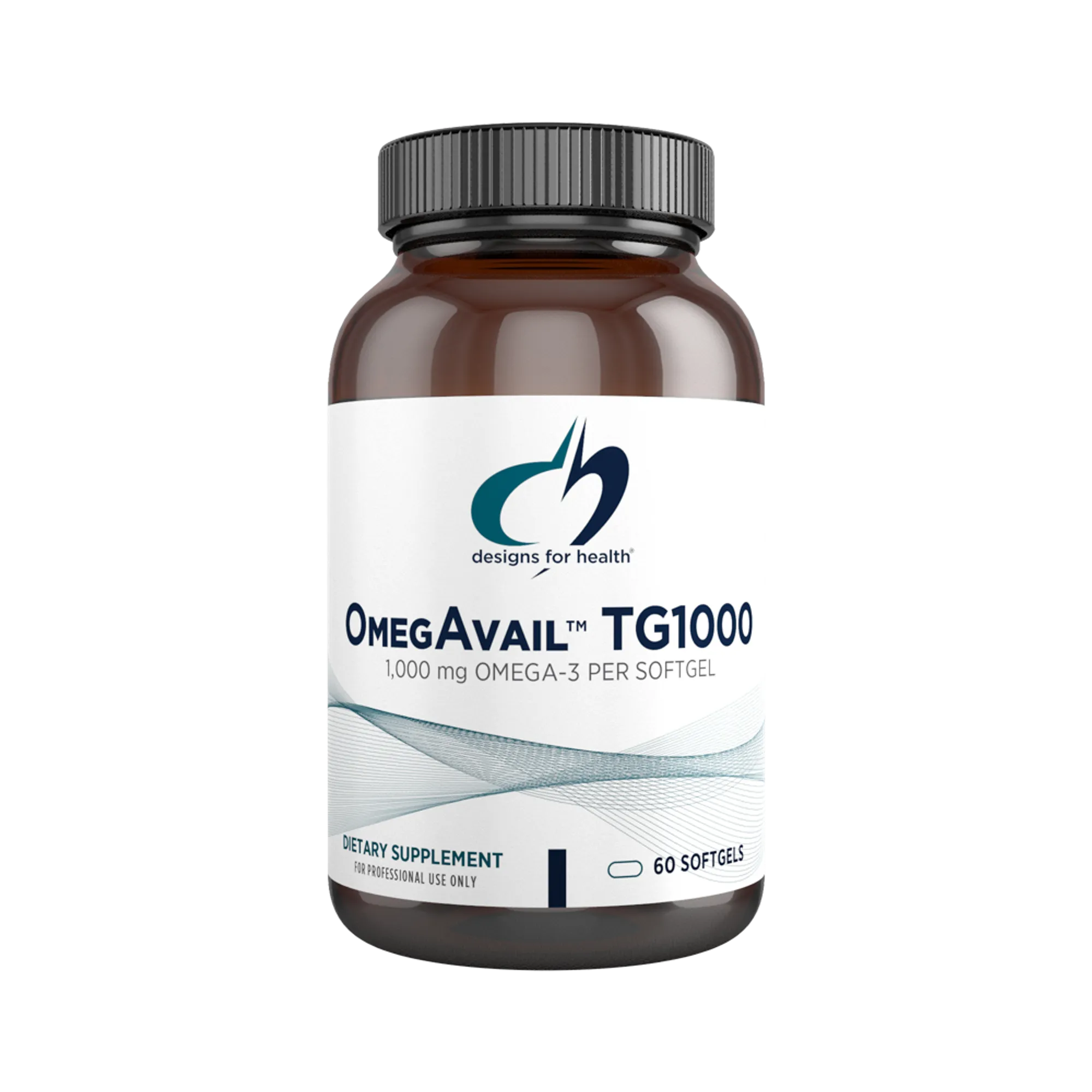
This is where the therapeutic potential of Omega-3 polyunsaturated fatty acids (PUFAs) comes into focus. While often recognized simply as "heart-healthy fats," the specific Omega-3s known as eicosapentaenoic acid (EPA) and docosahexaenoic acid (DHA) are actually powerful immunomodulators. Emerging research on Long COVID and neuroinflammation suggests that these molecules do not just passively reduce inflammation; they actively resolve it at the cellular level. By understanding how high-quality, highly bioavailable Omega-3 formulations like OmegAvail™ TG1000 interact with our cellular pathways, patients and practitioners can better utilize them to support systemic healing and improve daily quality of life.
What are Omega-3 Fatty Acids?
Omega-3 fatty acids are essential polyunsaturated fats, meaning the human body cannot synthesize them from scratch and must obtain them through diet or supplementation. The two most biologically active and clinically relevant forms are eicosapentaenoic acid (EPA) and docosahexaenoic acid (DHA). In a healthy body, these fatty acids are seamlessly incorporated into the phospholipid bilayer of every cell membrane. By integrating into these cellular walls, EPA and DHA maintain membrane fluidity, which is essential for proper receptor function, cellular communication, and nutrient transport. When cell membranes are rich in Omega-3s rather than pro-inflammatory Omega-6 fatty acids (like arachidonic acid), the structural integrity of the cell is optimized to resist inflammatory triggers.
Beyond basic structural support, EPA and DHA act as critical signaling molecules within the immune and nervous systems. DHA is particularly concentrated in the brain and retinal tissues, where it supports neuronal health and synaptic transmission. EPA, on the other hand, is heavily involved in modulating the systemic immune response. Together, they regulate the production of eicosanoids—signaling molecules that dictate whether the body initiates or resolves an inflammatory response. When the ratio of Omega-3 to Omega-6 in the body is balanced, the immune system can effectively fight off pathogens and then quickly return to a state of calm homeostasis.
However, the modern Western diet is notoriously deficient in Omega-3s and heavily skewed toward Omega-6s, creating a baseline state of low-grade inflammation for many individuals. This imbalance becomes highly problematic when the body is confronted with a severe stressor, such as a viral infection. Without adequate EPA and DHA reserves in the cell membranes, the immune system lacks the biochemical brakes necessary to halt the inflammatory cascade, leading to prolonged tissue damage and systemic dysfunction.
At the molecular level, Omega-3s exert their anti-inflammatory effects by directly interfering with the Nuclear Factor kappa B (NF-κB) pathway. NF-κB is a primary transcription factor that, when activated by cellular stress or infection, travels to the cell nucleus and triggers the massive production of pro-inflammatory cytokines, including TNF-α, IL-1β, and IL-6. Studies have demonstrated that DHA binds to a specific receptor on macrophages called Free Fatty Acid Receptor 4 (FFAR4, or GPR120). This binding recruits an adapter protein that physically blocks the nuclear translocation of NF-κB, effectively shutting down the "priming" step of the highly inflammatory NLRP3 inflammasome.
Simultaneously, oxidized forms of EPA utilize a different mechanism to suppress inflammation. Research indicates that EPA interacts with Peroxisome Proliferator-Activated Receptor alpha (PPAR-α), a nuclear receptor protein that regulates the expression of genes involved in lipid metabolism and inflammation. By activating PPAR-α, EPA completely inhibits the TNF-α-induced activation of NF-κB in endothelial cells. This dual-action blockade by both EPA and DHA ensures that the immune system's alarm bells are silenced at the genetic transcription level, preventing the runaway cytokine production that characterizes many complex chronic illnesses.
Furthermore, DHA has been shown to enhance a cellular process known as autophagy. Autophagy is the body's internal "housekeeping" mechanism, responsible for clearing out damaged cellular components, misfolded proteins, and degraded inflammasome complexes. By boosting autophagy alongside NF-κB inhibition, Omega-3s not only stop new inflammation from forming but also help the body clean up the residual cellular debris left behind by previous immune battles.
Historically, the medical community believed that the resolution of inflammation was a passive process—that inflammation simply faded away once the initial trigger was removed. However, modern immunology has revealed that resolution is a highly active, biochemically orchestrated event. EPA and DHA serve as the direct precursors to a class of highly potent molecules known as Specialized Pro-resolving Mediators (SPMs). These include resolvins, protectins, and maresins, which are synthesized enzymatically via the lipoxygenase (LOX) and cyclooxygenase (COX) pathways.
Resolvins, derived from both EPA (E-series) and DHA (D-series), act as powerful "stop signals" for the immune system. They bind to specific G-protein coupled receptors on immune cells, halting the infiltration of neutrophils into inflamed tissues. According to comprehensive clinical reviews, resolvins also stimulate macrophages to perform efferocytosis—the process of safely engulfing and digesting dead cells without releasing further inflammatory signals. This active cleanup process is vital for restoring tissue homeostasis and preventing chronic, smoldering inflammation.
Protectins and maresins, both derived exclusively from DHA, offer additional layers of cellular defense. Protectin D1, particularly when generated in the nervous system as Neuroprotectin D1 (NPD1), provides immense neuroprotective capabilities against oxidative stress and inhibits T-cell migration. Maresins specialize in tissue regeneration, accelerating the healing of damaged endothelial linings and restoring normal cellular function after an acute inflammatory event. Together, these SPMs represent the body's master switch for turning off inflammation and initiating repair.
How Long COVID and MCAS Impact Inflammatory Pathways
In the context of Long COVID, the initial SARS-CoV-2 infection often triggers a massive, uncontrolled immune response known as a cytokine storm. While this aggressive response is designed to eradicate the virus, it frequently causes widespread collateral damage to the body's own tissues. In many patients, the immune system fails to return to baseline after the acute infection clears. Instead, it remains locked in a state of persistent, low-grade hyper-inflammation. This ongoing immune dysregulation is a primary driver of the debilitating symptoms seen in Long COVID, particularly profound fatigue and cognitive impairment.
This persistent inflammation heavily impacts the central nervous system. Recent studies on Long COVID have highlighted the role of neuroinflammation, where the brain's resident immune cells, called microglia, become chronically activated. When microglia are stuck in a pro-inflammatory state, they release neurotoxic cytokines that disrupt neurotransmitter balance and impair synaptic plasticity. This neuroinflammatory environment is largely responsible for the severe "brain fog," memory deficits, and sensory processing issues that so many Long COVID patients endure on a daily basis.
Furthermore, the persistent viral particles and inflammatory cytokines can damage the endothelial cells lining the blood vessels, leading to microvascular dysfunction and impaired oxygen delivery to tissues. This lack of oxygen at the cellular level exacerbates mitochondrial dysfunction, creating a vicious cycle of energy depletion and oxidative stress. Without the active resolution pathways provided by adequate Omega-3s and their resulting SPMs, the body struggles to break this cycle, leaving patients trapped in a state of chronic illness.
Mast cell activation syndrome (MCAS) is a complex immunological condition frequently seen alongside Long COVID, ME/CFS, and dysautonomia. Mast cells are immune cells stationed throughout the body, packed with granules containing histamine, prostaglandins, and inflammatory interleukins. In a healthy system, mast cells only degranulate (release their contents) in response to a genuine threat, like an allergen or parasite. However, in MCAS, these cells become hypersensitive and structurally unstable, degranulating inappropriately in response to everyday triggers like food, temperature changes, or stress.
The structural instability of mast cells in MCAS is deeply tied to the composition of their cell membranes. When mast cell membranes are saturated with pro-inflammatory Omega-6 fatty acids (like arachidonic acid), the FcεRI receptors—the primary triggers for allergic reactions—cluster together easily in structures called lipid rafts. Research published in the British Journal of Nutrition demonstrated that Omega-6 fatty acids significantly increase the secretion of pro-inflammatory mediators and boost receptor-mediated degranulation. This hyper-reactivity floods the body with histamine, driving systemic symptoms like hives, gastrointestinal distress, and severe neuroinflammation.
This creates a devastating feedback loop. The constant release of histamine and cytokines from unstable mast cells further drives systemic inflammation, which in turn keeps the mast cells in a state of high alert. Breaking this cycle requires stabilizing the mast cell membranes and dampening the intracellular signaling pathways that trigger degranulation. Unfortunately, because many MCAS patients are forced onto highly restricted, low-histamine diets, they often eliminate the primary dietary sources of membrane-stabilizing Omega-3s, inadvertently worsening their cellular vulnerability.
Dysautonomia, including Postural Orthostatic Tachycardia Syndrome (POTS), represents a malfunction of the autonomic nervous system (ANS), which controls involuntary bodily functions like heart rate, blood pressure, and digestion. Many patients develop secondary POTS following a viral infection, experiencing an exaggerated, rapid heartbeat (tachycardia) upon standing, accompanied by severe dizziness and blood pooling. The pathophysiology of post-viral dysautonomia is increasingly linked to chronic neuroinflammation and autoimmune cross-reactivity affecting the vagus nerve and autonomic ganglia.
The vagus nerve is the primary conduit of the parasympathetic nervous system, responsible for the "rest and digest" response that counterbalances the "fight or flight" sympathetic nervous system. Chronic inflammation can impair vagal tone, leaving the sympathetic nervous system unchecked. This autonomic imbalance drives the constant state of hyperarousal, tachycardia, and anxiety-like physical symptoms experienced by POTS patients. Learn more about the interconnected nature of these conditions in our guide to what causes Long COVID.
Moreover, the endothelial damage and microvascular inflammation seen in Long COVID can impair the blood vessels' ability to constrict properly upon standing. This failure of vasoconstriction leads to cerebral hypoperfusion (reduced blood flow to the brain), triggering the heart to beat faster in a desperate attempt to maintain blood pressure. Addressing the underlying endothelial inflammation and supporting vagal nerve health are critical steps in managing the complex symptoms of dysautonomia.
Omega-3s: Supporting Resolution and Cellular Stability
Supplementing with highly bioavailable Omega-3s provides the body with the direct raw materials needed to actively resolve the persistent inflammation seen in Long COVID and ME/CFS. By flooding the system with EPA and DHA, the body can ramp up the enzymatic production of Specialized Pro-resolving Mediators (SPMs). Clinical research indicates that these resolvins and protectins can actively reverse chronic tissue inflammation by halting the influx of neutrophils and promoting the clearance of cellular debris. This active resolution is fundamentally different from simply suppressing the immune system; it restores the immune system to a state of healthy homeostasis.
In the context of neuroinflammation and "brain fog," DHA-derived protectins play a vital role. Neuroprotectin D1 (NPD1) has been shown to protect neurons from oxidative stress and inhibit the production of neurotoxic cytokines by chronically activated microglia. By calming the inflammatory environment in the central nervous system, Omega-3 supplementation can help restore proper synaptic function and neurotransmitter balance, potentially alleviating the severe cognitive deficits that plague many patients.
Furthermore, the EPA-driven inhibition of the NF-κB pathway helps to quiet the systemic "cytokine storm" that drives symptoms like severe muscle pain and post-exertional malaise (PEM). By blocking the genetic transcription of inflammatory interleukins, Omega-3s help lower the overall inflammatory burden on the body. This reduction in systemic stress allows the mitochondria to shift away from a defensive posture and return to efficient cellular energy production, which is crucial for managing the debilitating fatigue of ME/CFS.
For patients battling Mast Cell Activation Syndrome (MCAS), Omega-3s act as powerful, natural mast cell stabilizers. When EPA and DHA are incorporated into the mast cell membranes, they physically alter the membrane's fluidity. This structural change disrupts the formation of lipid rafts, making it significantly harder for the FcεRI receptors to cluster and trigger degranulation. In vitro studies have shown that unlike Omega-6 fatty acids, which provoke histamine release, EPA and DHA do not trigger degranulation and actively inhibit the secretion of inflammatory interleukins.
Beyond physical membrane stabilization, Omega-3s also interfere with the intracellular signaling pathways required for mast cell activation. EPA and DHA reduce the phosphorylation of key signaling proteins (such as Lyn and Syk) that act as the internal "on switches" for degranulation. By dampening these internal signals, Omega-3s raise the threshold required to activate the mast cell, making it less reactive to minor environmental triggers, foods, or stressors.
Additionally, the conversion of Omega-3s into anti-inflammatory metabolites helps suppress the production of histamine-boosting prostaglandins. By shifting the balance away from Omega-6-derived inflammatory mediators and toward Omega-3-derived resolving mediators, patients can help calm their hyper-reactive immune systems. This makes high-quality, histamine-free Omega-3 supplementation a critical tool for navigating the complex dietary restrictions and severe sensitivities associated with MCAS.
In the realm of dysautonomia and POTS, Omega-3 fatty acids offer targeted support for the autonomic nervous system. Recent pediatric studies examining post-COVID POTS have demonstrated that Omega-3 supplementation can significantly reduce the exaggerated heart rate increase upon standing. By improving endothelial function and reducing microvascular inflammation, Omega-3s help the blood vessels constrict more effectively, mitigating the cerebral hypoperfusion that triggers orthostatic tachycardia.
Furthermore, Omega-3s have been shown to directly improve vagal modulation, enhancing the activity of the parasympathetic nervous system. Clinical data indicates that high-dose marine Omega-3s can significantly increase Heart Rate Variability (HRV)—a key metric of autonomic health—and reduce resting heart rates. By boosting vagal tone, Omega-3s help counterbalance the overactive sympathetic nervous system, providing a calming effect on the body's autonomic responses.
This autonomic support is particularly vital for patients experiencing the overlapping symptoms of Long COVID and dysautonomia. By addressing the root neuroinflammation and supporting the physical integrity of the vagus nerve and endothelial cells, Omega-3s provide a multi-faceted approach to managing the unpredictable heart rates, dizziness, and autonomic instability that characterize these complex conditions. Read more about how long these complex symptoms can last in our Long COVID resources.

Symptoms Omega-3s May Help Manage
Severe Cognitive Impairment ("Brain Fog"): DHA-derived protectins help calm neuroinflammation and protect neurons from oxidative stress, supporting improved memory, focus, and mental clarity.
Post-Exertional Malaise (PEM) and Fatigue: By inhibiting the NF-κB pathway and reducing systemic cytokine loads, Omega-3s alleviate the inflammatory burden on mitochondria, supporting more stable cellular energy production.
Orthostatic Tachycardia and Palpitations: Omega-3s support endothelial function and improve parasympathetic vagal tone, helping to stabilize heart rates and improve Heart Rate Variability (HRV) in dysautonomia and POTS.
Allergic-Type Reactions and Hives: By physically stabilizing mast cell membranes and inhibiting intracellular degranulation signals, EPA and DHA help reduce the inappropriate release of histamine in MCAS.
Joint Pain and Muscle Aches: The active resolution of tissue inflammation via Specialized Pro-resolving Mediators (SPMs) helps clear cellular debris and reduce the inflammatory prostaglandins that drive widespread pain.
Practical Considerations: Forms, Dosing, and Absorption
When selecting an Omega-3 supplement, the molecular form of the oil dictates how effectively the body can absorb and utilize it. The two primary forms on the market are the natural Triglyceride (TG) form and the synthetic Ethyl Ester (EE) form. In the natural TG form, three fatty acids are attached to a glycerol backbone, which perfectly matches the structure of fats our digestive system evolved to process. The EE form, however, is a processed version where the glycerol backbone is replaced with an ethanol molecule to cheaply concentrate the oil during manufacturing.
This molecular difference has a profound impact on bioavailability. In the digestive tract, pancreatic lipase enzymes must break down the oils. Clinical studies have shown that these enzymes hydrolyze the ethanol bonds in EE forms up to three times slower than the natural glycerol bonds in TG forms. Furthermore, because the EE form lacks a glycerol backbone, the body must source glycerol from concurrent dietary fat intake to reassemble the molecules for absorption. If an EE supplement is taken on an empty stomach, its absorption rate can plummet to a mere 20%.
In stark contrast, the highly bioavailable TG form (such as the re-esterified triglycerides found in OmegAvail™ TG1000) absorbs efficiently regardless of meal timing. Landmark comparative studies have demonstrated that the TG form achieves up to 70% higher overall absorption and significantly greater incorporation into red blood cell membranes over time compared to the EE form. For patients with chronic illness who already struggle with metabolic efficiency, utilizing the superior TG form ensures that the therapeutic EPA and DHA actually reach the cells where they are needed.
Even with the superior TG form, individuals with complex chronic conditions often suffer from gastrointestinal dysfunction and fat malabsorption. To address this, OmegAvail™ TG1000 incorporates added lipase, a crucial digestive enzyme. Lipase specifically targets and breaks down dietary fats into absorbable fatty acids. By including lipase directly in the formulation, the supplement bypasses potential pancreatic enzyme deficiencies, ensuring that the high-dose Omega-3s are fully digested and assimilated, even in patients with compromised gut health.
Additionally, polyunsaturated fats like EPA and DHA are highly susceptible to oxidation (rancidity) when exposed to light, heat, or oxygen. Oxidized fish oil is not only ineffective but can actually trigger systemic inflammation—a disastrous outcome for MCAS and Long COVID patients. To combat this, OmegAvail™ TG1000 features vitamin E tocotrienols. These potent antioxidants act as a stabilizing shield, protecting the delicate fish oil from oxidation within the capsule and maintaining its pristine quality and efficacy from production to cellular delivery.
The inclusion of these synergistic ingredients elevates the supplement from a simple fish oil to a highly engineered clinical tool. By ensuring optimal digestibility via lipase and guaranteeing molecular stability via tocotrienols, the formulation maximizes the therapeutic potential of its impressive 1,000 mg payload of Omega-3s per softgel.
Achieving the active resolution of inflammation requires reaching specific dosage thresholds. Research indicates that an intake of EPA and DHA greater than 2.0 grams per day is generally required to elicit significant systemic anti-inflammatory actions and generate adequate levels of Specialized Pro-resolving Mediators (SPMs). OmegAvail™ TG1000 provides a substantial 662 mg of EPA and 250 mg of DHA per softgel, allowing patients to easily reach therapeutic dosages under the guidance of their healthcare provider.
For patients with Mast Cell Activation Syndrome (MCAS) or severe histamine intolerance, navigating Omega-3s requires special care. While dietary fish is a massive histamine trigger due to bacterial breakdown of muscle proteins, highly purified, molecularly distilled fish oils like OmegAvail™ TG1000 contain zero histamine. The histamine resides in the flesh of the fish, not in the meticulously filtered and distilled lipid extracts. However, MCAS patients should always start with a low dose to test individual tolerance before titrating up.
While Omega-3s are widely recognized as safe, high doses can have a mild blood-thinning effect. Patients currently taking prescription anticoagulants or antiplatelet medications should consult their healthcare provider before beginning high-dose Omega-3 supplementation to monitor for potential drug interactions. As with any targeted nutritional therapy, consistency is key; it typically takes several weeks to months of daily supplementation to fully saturate cell membranes and observe the maximum clinical benefits.

Follow the Science
The scientific community is actively investigating the role of Omega-3s in resolving post-viral syndromes. A recent randomized, double-blind pilot trial conducted by Hackensack Meridian Health tested high-dose EPA/DHA supplementation (2,100 mg daily) in healthcare workers suffering from Long COVID. While the small sample size limited statistical significance regarding symptom resolution, the trial successfully proved that high-dose Omega-3 therapy was highly safe, tolerable, and feasible for this vulnerable population, paving the way for larger efficacy trials currently underway.
In the broader context of post-viral fatigue and ME/CFS, research has long pointed to lipid metabolism abnormalities. Studies have found that ME/CFS patients frequently exhibit significantly lower EPA to Arachidonic Acid ratios, which correlates directly with the severity of their fatigue and cognitive deficits. By restoring this crucial fatty acid balance, clinicians aim to repair the rigid cell membranes and chronic neuroinflammation that drive the core symptoms of myalgic encephalomyelitis.
Furthermore, ongoing trials like the LIPINOVA® Post-COVID study in Spain are specifically testing supplements enriched with active Specialized Pro-resolving Mediators (SPMs). These trials are directly investigating the hypothesis that providing the body with the exact molecules needed to resolve inflammation can reverse the chronic immune activation seen in patients symptomatic for over 12 weeks. Discover more about how doctors diagnose and evaluate Long COVID.
The cardiovascular and autonomic benefits of Omega-3s are well-documented, and recent data has highlighted their specific utility in dysautonomia. A 2023 retrospective study analyzed adolescents who developed POTS and Inappropriate Sinus Tachycardia (IST) following COVID-19 infection. The researchers found that integrating Omega-3 fatty acid supplementation into their treatment protocol significantly reduced the exaggerated heart rate spikes upon standing, dropping the average increase from 44.0 bpm to 25.6 bpm.
This dramatic improvement is attributed to Omega-3s' ability to enhance vagal modulation. In related cardiovascular studies, administering 2 grams of marine Omega-3s daily significantly increased the "SDNNi" metric of Heart Rate Variability (HRV), indicating a robust strengthening of the parasympathetic nervous system. For patients trapped in a state of sympathetic overdrive, this data strongly supports the use of Omega-3s as a foundational tool for autonomic rehabilitation.
Clinical protocols for autonomic dysfunction, such as the Nemechek Protocol, heavily emphasize the strict elimination of inflammatory Omega-6 oils while administering high doses of Omega-3 fish oils. By modulating the gut microbiome and reducing systemic metabolic inflammation, these approaches aim to create an internal environment where the autonomic nervous system can successfully repair itself over time.
The scientific evidence supporting Omega-3s as mast cell stabilizers is robust. A pivotal study published in the British Journal of Nutrition compared the effects of EPA, DHA, and Omega-6 (Arachidonic Acid) on human mast cell lines. The researchers found that while Omega-6 significantly boosted receptor-mediated degranulation and histamine release, EPA and DHA completely failed to trigger degranulation. More importantly, they prominently inhibited the secretion of inflammatory interleukins by suppressing reactive oxygen species within the mast cells.
Animal models further confirm these findings. In studies culturing mast cells, those enriched with Omega-6 exhibited heavily increased spontaneous histamine release and prostaglandin production. Conversely, cells cultured with EPA exhibited significantly lower histamine release, proving that EPA acts as a direct biochemical counterbalance to the pathways that drive allergic and mast cell reactions.
Additional in vivo studies on allergic rhinitis have demonstrated that dietary intake of Omega-3 precursors increases levels of the metabolite 15-HEPE. This specific metabolite exerted a powerful anti-allergic effect by successfully inhibiting mast cell degranulation at the tissue level, effectively dampening symptoms without altering overall immune antibody production. This targeted action makes Omega-3s an invaluable asset for MCAS management.
The Path Forward
Living with complex, invisible illnesses like Long COVID, ME/CFS, dysautonomia, and MCAS is an incredibly challenging journey. The frustration of dealing with unpredictable symptoms, profound fatigue, and a medical system that often lacks clear answers is deeply validating. It is important to remember that these symptoms are not in your head; they are rooted in measurable physiological disruptions, including chronic inflammation, autonomic imbalance, and cellular membrane dysfunction.
While no single supplement is a cure-all, targeted nutritional therapies like high-quality Omega-3s can play a foundational role in a comprehensive management strategy. By actively supporting the resolution of inflammation, stabilizing hyper-reactive mast cells, and improving autonomic vagal tone, highly bioavailable formulations like OmegAvail™ TG1000 provide the body with the biochemical tools it needs to begin the healing process. Learn more about living with and managing Long-Term COVID.
Managing complex chronic conditions requires a multi-faceted approach that includes pacing, symptom tracking, nervous system regulation, and personalized medical care. When incorporating new supplements into your routine, especially if you are navigating severe sensitivities or taking prescription medications, it is crucial to work closely with a knowledgeable healthcare provider who understands the nuances of your specific condition.
By choosing molecularly distilled, triglyceride-form Omega-3s enhanced with lipase and tocotrienols, you can ensure that you are maximizing absorption and minimizing the risk of oxidation or histamine reactions. With patience, targeted support, and a comprehensive care plan, it is possible to lower the inflammatory burden on your body and improve your overall quality of life.
Sources
Molecular Mechanisms Linking Omega-3 Fatty Acids and the Gut–Brain Axis
Oxidized Omega-3 Fatty Acids Inhibit NF-κB Activation Via a PPARα-Dependent Pathway
Pro-resolving lipid mediators in diseases: exploring the molecular basis and clinical implication
n-3 Long-chain PUFA reduce allergy-related mediator release by human mast cells
E-series resolvin metabolome... Preparing SPMs for long COVID-19, human clinical trials
Omega-3 Fatty Acids and Autonomic Function in Post-COVID POTS
A Comparison of Synthetic Ethyl Ester Form Fish Oil vs. Natural Triglyceride Form
Differential effects of high dose omega-3 fatty acids on metabolism and inflammation
Dietary Omega-3 Fatty Acid Dampens Allergic Rhinitis via 15-HEPE