Can an Omega 3-6-7-9 Blend Support Cellular Healing in Long COVID?
March 6, 2026
OmegAvail SynergyLong COVIDME/CFS
Share:
Disclaimer: The information provided here is for educational purposes only and is not intended as medical advice. It should not be used to diagnose, treat, cure, or prevent any medical condition. Instead, use it as a starting point for discussion with your healthcare provider. Always consult with a qualified healthcare provider before starting any new medication, supplement, device, or making changes to your health regimen.
Months or even years after recovering from an initial viral infection, many individuals find themselves trapped in a cycle of debilitating symptoms. Whether you are navigating the unpredictable waves of Long COVID, the profound energy crashes of myalgic encephalomyelitis/chronic fatigue syndrome (ME/CFS), or the complex autonomic dysregulation of dysautonomia, the underlying drivers often share a common thread: systemic, unresolved inflammation. When the immune system's "fire alarm" gets stuck in the on position, it fundamentally alters how your cells communicate, produce energy, and repair themselves. For patients dealing with these invisible illnesses, finding ways to turn off that alarm and restore cellular homeostasis is a critical piece of the recovery puzzle.
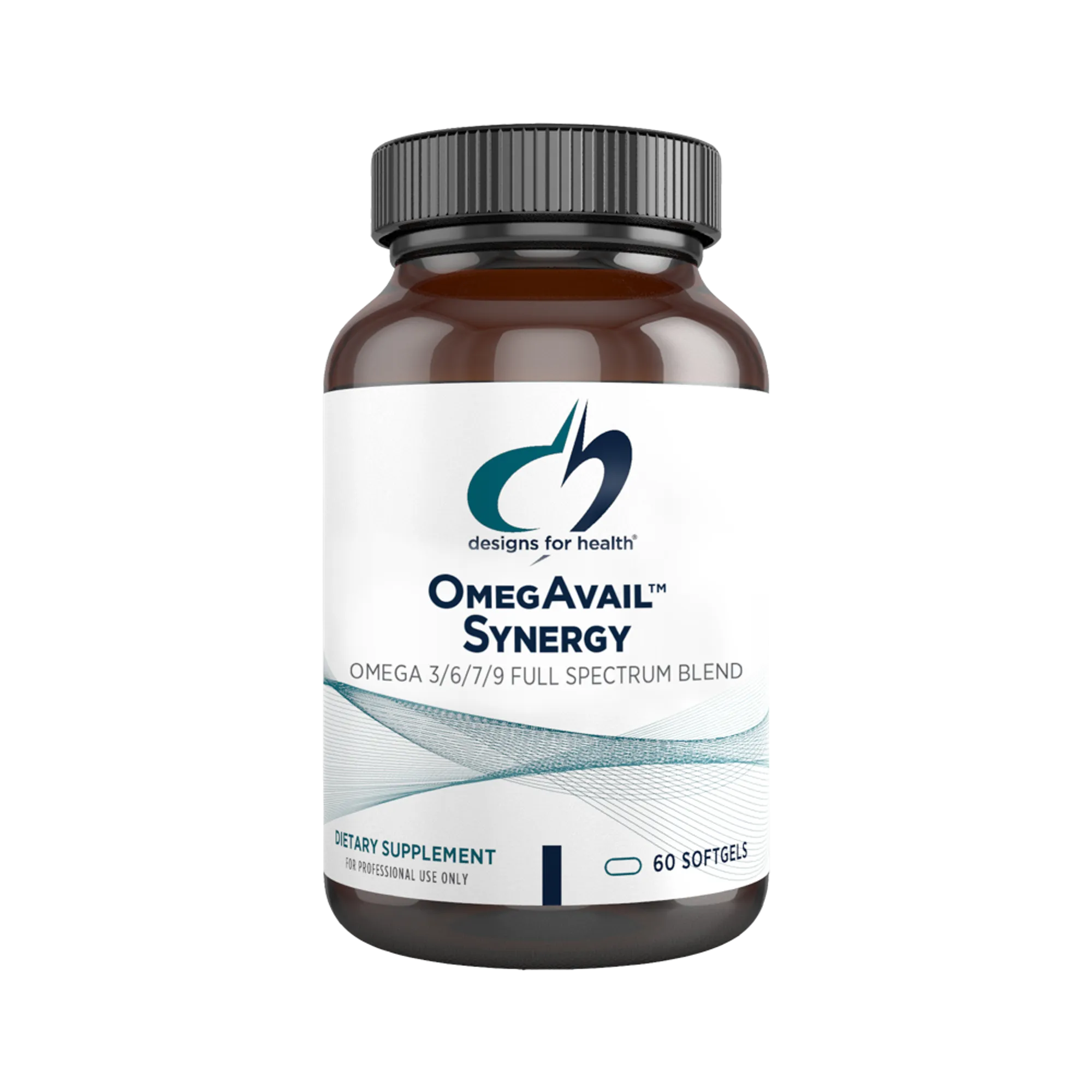
One of the most promising avenues for addressing this deep-seated cellular dysfunction lies in the targeted use of polyunsaturated fatty acids. However, the standard approach of simply taking a basic fish oil supplement often falls short for those with complex chronic conditions. This is where comprehensive formulations like OmegAvail™ Synergy come into play. By combining a highly bioavailable blend of omega-3, omega-6, omega-7, and omega-9 fatty acids, this unique supplement targets multiple inflammatory pathways simultaneously. In this article, we will explore the intricate biochemistry of these fatty acids, how post-viral conditions disrupt lipid metabolism, and how a synergistic omega blend may help support your journey toward cellular healing and improved quality of life.
What is OmegAvail™ Synergy?
The Foundation of Cellular Health
To understand the power of OmegAvail™ Synergy, we must first look at the fundamental building blocks of human biology: cell membranes. Every single cell in your body is encased in a lipid bilayer, a flexible membrane composed primarily of fatty acids. This membrane is not just a passive wall; it is a highly active, intelligent interface that dictates what nutrients enter the cell, what waste products exit, and how the cell communicates with the rest of the immune and nervous systems. In a healthy body, this membrane is fluid and dynamic, allowing for optimal receptor function and cellular metabolism.
The structural integrity and fluidity of these membranes depend entirely on the types of dietary fats you consume. Polyunsaturated fatty acids (PUFAs), such as omega-3s and omega-6s, are considered "essential" because the human body cannot synthesize them from scratch; they must be obtained through diet or supplementation. When the body is deficient in these essential fats, or when chronic illness alters lipid metabolism, cell membranes become rigid and dysfunctional. This rigidity impairs everything from mitochondrial energy production to the transmission of neurotransmitters, contributing to the profound fatigue and brain fog seen in post-viral conditions.
The Synergy of Omega-3 and Omega-6
OmegAvail™ Synergy is uniquely formulated to provide a comprehensive spectrum of these essential fats. It begins with a robust foundation of omega-3 fatty acids, specifically eicosapentaenoic acid (EPA) and docosahexaenoic acid (DHA) sourced from fish oil. EPA is renowned for its potent anti-inflammatory properties and its role in cardiovascular health, while DHA is a critical structural component of the brain and central nervous system. Together, they work to lower systemic inflammatory markers and support cognitive function, which is particularly relevant for those learning How Can You Live with Long-Term COVID.
However, what sets this formula apart is the inclusion of a highly specific, therapeutic omega-6 fatty acid known as gamma-linolenic acid (GLA), sourced from borage oil. While the modern Western diet is typically overloaded with pro-inflammatory omega-6s (like arachidonic acid found in processed seed oils), GLA is a "conditionally essential" nutrient that behaves very differently. Through a unique metabolic pathway, GLA bypasses typical enzymatic bottlenecks to produce powerful anti-inflammatory signaling molecules. When combined with EPA and DHA, GLA creates a synergistic effect that aggressively targets joint pain, skin health, and neuroinflammation.
The Metabolic Power of Omega-7 and Omega-9
Beyond the essential omega-3s and 6s, OmegAvail™ Synergy incorporates palmitoleic acid, a rare omega-7 monounsaturated fatty acid (MUFA) sourced from virgin organic macadamia nut oil. In the realm of metabolic science, palmitoleic acid is classified as a "lipokine"—a lipid hormone that actively travels through the bloodstream to communicate with distant organs like the liver and skeletal muscle. Research published in leading metabolic journals demonstrates that this unique fatty acid plays a profound role in regulating insulin sensitivity, supporting healthy metabolic function, and blunting the cellular receptors that trigger systemic inflammation.
Finally, the formula is rounded out with oleic acid, an omega-9 fatty acid found in both macadamia nut and borage oils. Unlike omega-3s and 6s, omega-9s are non-essential, meaning the body can produce them. However, therapeutic supplementation of oleic acid has been extensively studied for its cardiovascular benefits. It supports healthy cholesterol levels already within the normal range and helps maintain the structural integrity of blood vessels, offering comprehensive support for patients dealing with the cardiovascular strain often associated with dysautonomia and Long COVID.
How Long COVID and ME/CFS Impact Lipid Metabolism
The "Broken Resolution Pathway" and Persistent Inflammation
To comprehend why comprehensive fatty acid supplementation is so vital, we must examine What Causes Long COVID? and ME/CFS at a cellular level. In a healthy immune response, acute inflammation is a necessary mechanism to fight off a virus. Once the threat is neutralized, the body initiates a highly orchestrated "resolution phase" to turn off the inflammation and repair tissue damage. This resolution phase is entirely dependent on the availability of specific lipid mediators derived from omega-3 fatty acids. However, in post-viral conditions, this resolution pathway often becomes fundamentally broken.
In patients with Long COVID and ME/CFS, the immune system's primary "fire alarm"—a cellular complex known as the NLRP3 inflammasome—remains permanently activated. This persistent activation creates a vicious cycle of oxidative stress that constantly depletes the body's stores of EPA and DHA. Furthermore, recent immunological research suggests that severe viral infections can impair the specific enzymes required to convert raw dietary fats into the active molecules needed to shut down inflammation. This metabolic blockade leaves patients trapped in a state of chronic, low-grade systemic inflammation that drives debilitating fatigue and widespread pain.
Cell Membrane Dysfunction and Lipid Rafts
The impact of chronic illness extends deeply into the physical structure of our cells. Viral pathogens, including SARS-CoV-2, are known to hijack specific microdomains within our cell membranes called "lipid rafts." These lipid rafts are dense clusters of cholesterol and saturated fats that serve as docking stations for viral entry and immune receptor signaling. When the body is deficient in fluid polyunsaturated fats like EPA, DHA, and GLA, these lipid rafts become overly rigid and hyper-reactive, amplifying pro-inflammatory signals throughout the body and contributing to the hyperactive immune responses seen in mast cell activation syndrome (MCAS).
As chronic inflammation persists, a dangerous substitution occurs within the cell membrane. The body begins to strip away the protective, anti-inflammatory omega-3s and replaces them with a highly inflammatory omega-6 known as arachidonic acid (AA). This drastically elevates the AA:EPA ratio in the blood, a primary biomarker for systemic inflammation. Every time a cell with a high AA concentration is stressed or damaged, it releases a flood of pro-inflammatory cytokines, leukotrienes, and prostaglandins, perpetuating the exact symptoms that patients with ME/CFS and Long COVID struggle to manage daily.
Metabolic Dysregulation and Insulin Resistance
The consequences of this lipid dysfunction are not limited to the immune system; they profoundly impact metabolic health as well. Chronic systemic inflammation is a primary driver of insulin resistance, a condition where cells stop responding effectively to insulin, leading to impaired glucose uptake and severe energy deficits. This metabolic gridlock is a key reason why many patients experience profound post-exertional malaise (PEM) and cellular energy crashes. Understanding this metabolic link is crucial when exploring Can Long COVID Trigger ME/CFS? Unraveling the Connection.
Furthermore, viral infections can down-regulate a critical enzyme called delta-6-desaturase (D6D). This enzyme is responsible for converting dietary fats into usable, anti-inflammatory molecules. When D6D is impaired by viral stress, aging, or poor diet, the body loses its ability to naturally synthesize the fats required to maintain metabolic homeostasis and nerve health. This enzymatic blockade highlights exactly why targeted, pre-converted fatty acid supplementation is often necessary to bypass the broken metabolic machinery in chronically ill patients.
OmegAvail™ Synergy: Supporting Immune Resolution and Cellular Function
EPA and DHA: Fueling Specialized Pro-resolving Mediators (SPMs)
The primary mechanism by which OmegAvail™ Synergy supports cellular healing is through the profound biochemical actions of EPA and DHA. When introduced into the body in highly bioavailable forms, these omega-3s actively compete with and displace pro-inflammatory arachidonic acid (AA) within the cell membrane. By physically altering the composition of the lipid bilayer, EPA and DHA fundamentally change the types of signaling molecules the cell can produce. This displacement dramatically lowers the AA:EPA ratio, effectively turning down the volume on the immune system's inflammatory output.
More importantly, EPA and DHA serve as the essential raw materials for a class of highly specialized molecules known as Specialized Pro-resolving Mediators (SPMs). These include resolvins, protectins, and maresins. Unlike basic anti-inflammatory drugs that merely block inflammation, SPMs act as the immune system's active cleanup crew. They signal macrophages to clear away cellular debris, halt the infiltration of aggressive immune cells into tissues, and promote the regeneration of damaged nerves and blood vessels, offering a vital mechanism for post-viral recovery.
GLA: The Paradoxical Anti-Inflammatory Omega-6
The inclusion of gamma-linolenic acid (GLA) from borage oil provides a brilliant biochemical workaround for patients with chronic illness. As mentioned earlier, viral infections often impair the D6D enzyme, preventing the body from processing dietary fats correctly. Because GLA is already a downstream product of this pathway, supplementing with it directly bypasses the broken D6D enzyme entirely. Once absorbed, GLA is rapidly elongated into dihomo-gamma-linolenic acid (DGLA), a highly beneficial intermediate molecule.
From here, DGLA is metabolized by cyclooxygenase (COX) enzymes into Prostaglandin E1 (PGE1). PGE1 is a remarkably potent anti-inflammatory compound—estimated to be roughly 20 times stronger than its pro-inflammatory counterpart, PGE2. Clinical research on borage oil shows that PGE1 actively regulates immune responses, lowers systemic inflammation, and acts as a vasodilator to improve blood flow. Additionally, DGLA profoundly suppresses the synthesis of leukotrienes, the inflammatory molecules responsible for severe joint destruction and respiratory distress.
Crucially, the magic of this formula lies in the synergy between GLA and EPA. When taken alone in high doses, GLA can sometimes be converted into pro-inflammatory arachidonic acid. However, the presence of EPA actively blocks this negative conversion pathway. By combining them, OmegAvail™ Synergy ensures that GLA is funneled exclusively toward producing healing, anti-inflammatory PGE1, creating a dual-pathway approach that is vastly superior to taking either fatty acid in isolation.
Palmitoleic Acid: The "Lipokine" for Metabolic Homeostasis
The addition of palmitoleic acid (omega-7) introduces a powerful metabolic regulator to the formula. At the cellular level, this lipokine improves insulin sensitivity by promoting the translocation of GLUT-4 (glucose transporter 4) to the cell membrane in skeletal muscle. This action allows muscles to absorb glucose more efficiently, restoring the cellular energy production that is so often compromised in ME/CFS and Long COVID. By improving how cells handle glucose, omega-7 helps mitigate the severe energy crashes associated with post-exertional malaise.
Furthermore, palmitoleic acid exerts direct anti-inflammatory effects by inhibiting the activation of NF-κB, the "master regulatory complex" for inflammation within the cell nucleus. Studies investigating macadamia nut oil derivatives demonstrate that it also activates AMPK, a critical cellular energy sensor that reverses pro-inflammatory gene expression in immune cells. By blunting the Toll-like receptors (TLR4) that trigger inflammation, omega-7 provides a profound stabilizing effect on the entire metabolic and immune system.

Symptoms OmegAvail™ Synergy May Help Manage
Targeting Neuroinflammation and Brain Fog
The brain is composed of nearly 60% fat, making it highly susceptible to lipid imbalances and oxidative stress. By providing the structural fats needed to repair neural membranes and the anti-inflammatory mediators to calm microglial activation, this omega blend targets several debilitating neurological symptoms.
Cognitive Dysfunction (Brain Fog): DHA is a primary structural component of the brain. Replenishing DHA while lowering neuroinflammation with EPA and GLA can support clearer thinking, better memory retention, and improved focus.
Mood Instability: Chronic neuroinflammation is closely linked to depression and anxiety in chronic illness. By lowering the AA:EPA ratio, these fatty acids help stabilize neurotransmitter receptor function and support a more balanced mood.
Neuropathic Pain: The anti-inflammatory prostaglandins produced by GLA have been shown to support nerve health and reduce the severity of peripheral neuropathy, a common complaint in post-viral syndromes.
Addressing Systemic and Joint Inflammation
The synergistic action of EPA, DHA, and GLA provides a powerful, multi-pathway blockade against the cytokines and leukotrienes that drive systemic pain and hyper-reactivity. This makes it particularly relevant for those exploring What Drugs Are Used for COVID Long Haulers? and seeking complementary nutritional support.
Joint Pain and Morning Stiffness: By heavily suppressing the production of joint-destroying leukotrienes, the GLA in this formula acts similarly to targeted therapies for rheumatoid arthritis, helping to alleviate deep, aching joint pain.
Mast Cell Hyper-Reactivity: While not a direct mast cell stabilizer, the incorporation of EPA and DHA into lipid rafts helps make cell membranes less rigid and hyper-reactive, potentially raising the threshold for mast cell degranulation in MCAS patients.
Skin Rashes and Dryness: GLA is clinically renowned for its ability to repair the skin's lipid barrier, promoting healthy skin hydration and reducing the occasional skin discomfort and rashes associated with systemic inflammation.
Supporting Metabolic and Cardiovascular Health
The inclusion of omega-7 and omega-9 fatty acids specifically targets the metabolic and autonomic dysregulation that characterizes conditions like dysautonomia and POTS.
Cardiovascular Strain: Oleic acid (omega-9) and EPA work together to support healthy blood pressure and maintain healthy triglyceride levels already within the normal range, reducing the overall workload on a dysregulated autonomic nervous system.
Metabolic Dysfunction: Palmitoleic acid (omega-7) acts as a lipokine to improve insulin sensitivity and cellular glucose uptake, helping to stabilize energy levels and mitigate the severity of metabolic crashes.
Endothelial Dysfunction: By reducing systemic oxidative stress, this comprehensive blend helps protect the delicate endothelial lining of blood vessels, supporting better circulation and oxygen delivery to oxygen-starved tissues.
Practical Considerations: Forms, Dosing, and Absorption
The Superiority of the TruTG™ Form
When selecting an omega-3 supplement, the chemical form of the oil dictates nearly everything about its efficacy. The vast majority of commercial fish oils are sold as "Ethyl Esters" (EE). To remove heavy metals and concentrate the EPA and DHA, manufacturers use a process called molecular distillation, which strips away the natural glycerol backbone of the fat and replaces it with ethanol. While this makes the oil cheaper to produce, it fundamentally changes how the human body digests it. Pancreatic enzymes struggle to cleave the ethanol bond, leading to notoriously poor absorption rates.
OmegAvail™ Synergy utilizes the premium TruTG™ form. This means the manufacturer has taken the extra, costly step of using specialized enzymes to strip away the ethanol and reattach the natural glycerol backbone, creating a "re-esterified triglyceride" (rTG). Clinical bioavailability studies have definitively proven that the rTG form boasts a relative bioavailability of 124%, compared to a mere 73% for standard ethyl esters. This means the body absorbs the TruTG™ form roughly 70% more efficiently, ensuring the therapeutic fats actually reach your cells.
Furthermore, the TruTG™ seal guarantees that 90% to 100% of the oil is bound to this natural triglyceride backbone, far exceeding the European Pharmacopoeia standard of 50% for standard rTG products. This natural structure also acts as a protective shield for the fragile double bonds of the EPA and DHA molecules. Laboratory testing shows that ethyl ester oils oxidize and degrade 33% more rapidly than triglyceride oils. By using the TruTG™ form, this supplement ensures you are ingesting highly stable, non-rancid fats that will not contribute to further oxidative stress.
The "Food Effect" and Bioavailability
One of the most critical, yet rarely discussed, aspects of omega-3 supplementation is the "food effect." Because standard Ethyl Ester (EE) fish oils are so difficult to digest, their absorption relies heavily on the presence of dietary fat in the stomach to trigger a massive release of bile and pancreatic lipases. A benchmark study published in Biochemical and Biophysical Research Communications demonstrated that when an EE fish oil is taken on an empty stomach or with a low-fat meal, a staggering 80% of the active ingredients are excreted unabsorbed.
This poses a significant problem for patients with chronic illness who may suffer from gastroparesis, nausea, or who practice intermittent fasting. The TruTG™ form elegantly bypasses this limitation. Because it mirrors the natural structure of dietary fat, it is easily recognized and cleaved by standard digestive processes. Studies show that triglyceride forms achieve remarkably high absorption rates regardless of meal context, peaking at up to 90% utilization. While it is still recommended to take OmegAvail™ Synergy with a meal to optimize digestion, you are not strictly dependent on a heavy, high-fat meal to reap the benefits.
Safety, Interactions, and Dosing Guidelines
The suggested use for OmegAvail™ Synergy is two softgels per day with meals, or as directed by your healthcare practitioner. This dosage provides a clinically meaningful blend of 270 mg EPA, 180 mg DHA, 160 mg GLA, 85 mg Palmitoleic Acid, and 400 mg Oleic Acid. Because it contains fish (Alaska pollock) and tree nuts (macadamia nuts), individuals with severe allergies to these ingredients must avoid this product.
While polyunsaturated fatty acids are generally very safe and well-tolerated, they do possess mild blood-thinning properties due to their ability to reduce platelet aggregation. Patients who are actively taking prescription anticoagulants (blood thinners) or who have upcoming surgeries should consult their doctor before starting high-dose omega therapy. Additionally, it is worth noting that the borage oil used in premium formulations like this is strictly processed to be free of pyrrolizidine alkaloids (PAs), ensuring it is entirely safe for long-term liver health.

Follow the Science
Omega-3 Trials in Long COVID and ME/CFS
The clinical investigation into omega-3s for post-viral syndromes is robust and continually evolving. A recent 2024 double-blind, randomized-controlled pilot trial evaluated the efficacy of high-dose omega-3 supplementation in healthcare workers suffering from Long COVID. Over 12 weeks, the intervention group saw a dramatic, statistically significant reduction in their Arachidonic Acid to EPA (AA:EPA) ratio—dropping from a highly inflammatory baseline of 23.1 down to 11.8. While this trial proved that omega-3s successfully alter the biochemical markers of systemic inflammation at a cellular level, researchers noted that longer follow-up periods may be required to see these biochemical shifts translate into total symptom resolution.
In the realm of ME/CFS, the historical context is equally compelling. Early trials by researchers like Dr. Basant Puri theorized that viral-induced metabolic blockages could be bypassed with high-dose EPA, resulting in significant improvements in cognitive dysfunction and brain fog. More recently, a massive 2025 patient-reported outcome survey published in PNAS analyzed data from nearly 4,000 patients with ME/CFS and Long COVID. The survey revealed that 44.1% of patients reported significant positive effects from taking EPA derivatives, making it one of the most favorably rated over-the-counter interventions for managing complex post-viral symptoms.
The Clinical Impact of Palmitoleic Acid (Omega-7)
The inclusion of palmitoleic acid in OmegAvail™ Synergy is backed by striking metabolic research. A landmark longitudinal study published in Diabetologia tracked over 900 individuals and found that higher circulating levels of omega-7 were independently associated with significantly better insulin sensitivity and improved pancreatic beta-cell function. This lipokine actively protects the metabolic machinery required for stable energy production.
Furthermore, clinical trials focusing on systemic inflammation have demonstrated the profound potency of omega-7. In a randomized clinical trial featuring adults with abnormally high C-Reactive Protein (CRP)—a major blood marker for systemic inflammation and cardiovascular risk—just 30 days of supplementation with purified palmitoleic acid resulted in a staggering 43% reduction in CRP levels. This rapid reduction in inflammatory biomarkers highlights why omega-7 is such a critical addition for patients battling the chronic, low-grade inflammation of Long COVID.
GLA and the Power of Fatty Acid Synergy
The therapeutic power of gamma-linolenic acid (GLA) has been extensively validated in autoimmune and rheumatological settings. Double-blind clinical trials providing rheumatoid arthritis patients with high-dose GLA over 6 to 12 months have consistently shown meaningful improvements in joint swelling, tenderness, and morning stiffness in over 75% of participants. By actively suppressing the synthesis of destructive leukotrienes, GLA offers profound relief for systemic pain.
However, the most crucial scientific takeaway regarding GLA is the necessity of synergy. Studies show that taking GLA alongside just 250 mg of EPA and DHA actively prevents the GLA from being converted into pro-inflammatory arachidonic acid. This dual-pathway approach—which OmegAvail™ Synergy perfectly executes—enhances both anti-inflammatory PG1 and PG3 production simultaneously, creating superior clinical outcomes for neurological and autoimmune therapies than either fatty acid could achieve alone.
The Path Forward
Building a Comprehensive Recovery Strategy
Living with a complex, invisible illness like Long COVID, ME/CFS, or dysautonomia is an exhausting and often isolating experience. When your body feels like it is constantly sounding an inflammatory alarm, finding the right tools to turn that alarm off can feel overwhelming. It is important to validate that your symptoms are real, they are rooted in profound physiological and biochemical disruptions, and you are not alone in seeking answers. Understanding What Are the Symptoms of Long COVID? and how they connect to cellular health is the first step toward reclaiming your agency.
While OmegAvail™ Synergy offers a scientifically grounded, highly bioavailable approach to supporting cellular repair and lowering systemic inflammation, it is not a standalone cure. True recovery requires a comprehensive, multi-disciplinary strategy. This includes rigorous pacing to avoid post-exertional malaise, nervous system regulation techniques, dietary modifications, and working closely with a medical team that understands the nuances of post-viral illness. Supplements act as the biological scaffolding, providing your cells with the raw materials they need to heal while you manage the broader clinical picture.
Next Steps
If you are struggling with brain fog, systemic pain, or metabolic crashes, a comprehensive fatty acid blend may be a valuable addition to your protocol. Always consult with your primary care physician or a specialist familiar with your unique medical history before starting any new supplement, especially if you are on prescription medications or blood thinners.
Sources
PNAS (July 2025): Patient-reported treatment outcomes in ME/CFS and long COVID
News Medical: The SPM conversion failure in post-viral conditions
Townsend Letter: Clinical Evidence for Gamma-Linolenic Acid (GLA) in Chronic Illness
MDPI: Roles of Palmitoleic Acid in Inflammation and Metabolic Diseases
Metabolon: Omega-7 Protects Against Metabolic Syndrome and Regulates Insulin
Puro Omega: Bioavailability of Re-esterified Triglycerides vs Ethyl Esters
NFO: The Food Effect on Omega-3 Absorption - Lawson and Hughes Study