Can OmegAvail™ Liquid Support Cellular Health and Inflammation in Long COVID and ME/CFS?
March 6, 2026
OmegAvail LiquidOmega-3Long COVID
Share:
Disclaimer: The information provided here is for educational purposes only and is not intended as medical advice. It should not be used to diagnose, treat, cure, or prevent any medical condition. Instead, use it as a starting point for discussion with your healthcare provider. Always consult with a qualified healthcare provider before starting any new medication, supplement, device, or making changes to your health regimen.
Living with complex chronic conditions like Long COVID, myalgic encephalomyelitis/chronic fatigue syndrome (ME/CFS), dysautonomia, and mast cell activation syndrome (MCAS) often feels like navigating a labyrinth without a map. Patients frequently experience a bewildering array of symptoms—from debilitating brain fog and severe post-exertional malaise (PEM) to erratic heart rates and unpredictable allergic flares. At the core of many of these overlapping conditions lies a state of chronic, unresolved inflammation and cellular dysfunction. When the body's natural "fire alarms" get stuck in the "on" position, it can disrupt everything from neurological processing to cardiovascular stability, leaving patients exhausted and searching for scientifically grounded ways to restore balance.
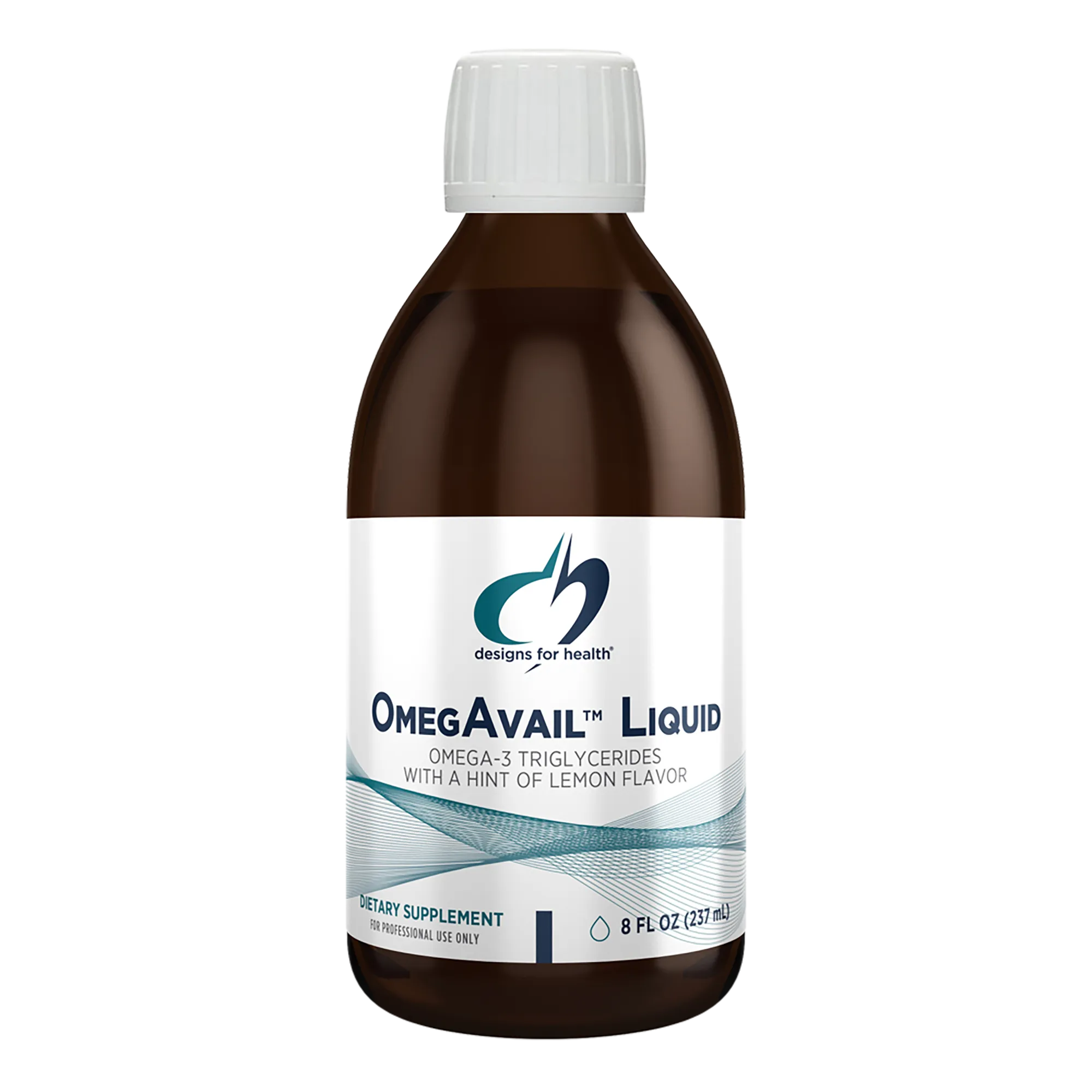
One of the most extensively researched nutritional interventions for systemic inflammation and cellular repair is the targeted use of Omega-3 polyunsaturated fatty acids. Specifically, eicosapentaenoic acid (EPA) and docosahexaenoic acid (DHA) play foundational roles in regulating the immune system, stabilizing hyperactive mast cells, and supporting the autonomic nervous system. OmegAvail™ Liquid by Designs for Health offers a highly concentrated, bioavailable source of these essential fatty acids. By delivering a potent dose in a flexible liquid format, it bypasses the absorption challenges associated with traditional softgels, making it a valuable tool for patients working to rebuild their cellular health from the ground up.
What is OmegAvail™ Liquid (Omega-3 EPA/DHA)?
The Foundation of Cellular Membranes
To understand how OmegAvail™ Liquid functions in the body, we must first look at the microscopic architecture of human cells. Every cell in your body—including your neurons, immune cells, and the endothelial cells lining your blood vessels—is enclosed by a phospholipid bilayer known as the cell membrane. This membrane is not a static wall; it is a dynamic, fluid structure that regulates what enters and exits the cell, facilitates communication with neighboring cells, and houses critical signaling receptors. The physical properties of this membrane are entirely dependent on the types of dietary fats incorporated into its structure. When a person consumes adequate amounts of Omega-3 polyunsaturated fatty acids, specifically eicosapentaenoic acid (EPA) and docosahexaenoic acid (DHA), these molecules are rapidly integrated directly into the cellular lipid bilayer.
Because EPA and DHA possess highly kinked, unsaturated biochemical structures, their incorporation profoundly increases the "fluidity" or flexibility of the cell membrane. This optimized membrane fluidity is essential for healthy cellular function. It allows membrane proteins to move freely, enhances the rapid signaling processes required by immune cells to respond to threats, and facilitates the efficient transport of nutrients and waste products. Furthermore, research published by the National Institutes of Health demonstrates that EPA and DHA physically disrupt the organization of "lipid rafts"—rigid microdomains in the cell membrane where pro-inflammatory signaling receptors congregate. By breaking up these rafts, Omega-3s physically dampen the cell's ability to trigger systemic inflammatory cascades.
Eicosapentaenoic Acid (EPA) and the Inflammatory Response
Eicosapentaenoic acid (EPA) is a 20-carbon Omega-3 fatty acid that serves as a primary modulator of the body's inflammatory response. In a typical modern diet, cell membranes are heavily saturated with Arachidonic Acid (ARA), an Omega-6 fatty acid that acts as the precursor to highly potent, pro-inflammatory molecules. When an inflammatory response is triggered—such as by a viral infection or tissue injury—enzymes known as cyclooxygenase (COX) and lipoxygenase (LOX) metabolize ARA into 2-series prostaglandins and 4-series leukotrienes, which drive swelling, pain, and immune cell recruitment. EPA directly competes with ARA for access to these exact same COX and LOX enzymes.
When EPA is present in high concentrations, it effectively crowds out Arachidonic Acid. Consequently, the COX and LOX enzymes convert EPA into 3-series prostaglandins and 5-series leukotrienes instead. These EPA-derived molecules possess vastly lower biological potency, meaning they are significantly less inflammatory than their ARA-derived counterparts. Beyond merely blocking inflammation, EPA acts as a pro-drug that the body converts into powerful, active inflammation-resolving molecules known as E-series Resolvins. As detailed in studies on specialized pro-resolving mediators, these resolvins actively clear cellular debris, halt the infiltration of inflammatory white blood cells, and restore tissues to a state of healthy homeostasis.
Docosahexaenoic Acid (DHA) and Neurological Health
Docosahexaenoic acid (DHA) is a 22-carbon Omega-3 fatty acid that is structurally essential for the central nervous system. DHA is the most abundant Omega-3 fatty acid in the brain, making up a significant percentage of the total fat in cerebral tissue and playing a critical role in the structural integrity of neurons and synapses. It is heavily concentrated in the synaptic membranes, where it facilitates the rapid transmission of electrical and chemical signals between brain cells. This makes DHA indispensable for cognitive functions such as memory, focus, and learning, which are often compromised in patients dealing with complex chronic illnesses.
Like EPA, DHA also serves as a precursor to a unique class of specialized pro-resolving mediators (SPMs). Through enzymatic pathways, DHA is synthesized into D-series Resolvins, Protectins, and Maresins. These molecules are particularly vital for neuroprotection. They actively cross the blood-brain barrier to resolve neuroinflammation, protect neurons from oxidative stress, and calm hyperactive microglial cells (the resident immune cells of the brain). By maintaining high levels of DHA, the body is better equipped to manage the neurological stress and cognitive fatigue that so often accompany post-viral syndromes and autonomic dysfunction.
How Chronic Illness Impacts Cellular and Inflammatory Pathways
The Vicious Cycle of Chronic Neuroinflammation
In conditions like Long COVID and myalgic encephalomyelitis/chronic fatigue syndrome (ME/CFS), the immune system fails to return to a baseline state of rest following an initial trigger, such as a viral infection. This persistent immune activation leads to a state of chronic neuroinflammation. The SARS-CoV-2 virus, for example, is known to trigger a prolonged cytokine storm that can compromise the blood-brain barrier. Once this barrier is breached, inflammatory cytokines infiltrate the central nervous system, activating microglia. While microglia normally protect the brain, their chronic activation causes them to continuously release neurotoxic substances, leading to the debilitating cognitive dysfunction, or "brain fog," that patients frequently report. Understanding what causes Long COVID involves recognizing this sustained inflammatory loop.
This chronic inflammatory state rapidly depletes the body's natural reserves of Omega-3 fatty acids. Because EPA and DHA are constantly being consumed to produce inflammation-resolving mediators, the systemic demand far outpaces dietary intake. Research published in the journal Nutrients by Castro-Marrero et al. (2018) analyzed the lipid profiles of ME/CFS patients and found that an astonishing 92.6% of the cohort had a clinically low Omega-3 index. This severe depletion leaves the nervous system highly vulnerable to oxidative stress and structural degradation, perpetuating a vicious cycle where the body lacks the biochemical tools necessary to "turn off" the neuroinflammatory fire alarm.
Autonomic Dysfunction and Cardiovascular Stress
Dysautonomia, particularly Postural Orthostatic Tachycardia Syndrome (POTS), involves a profound dysfunction of the autonomic nervous system (ANS). The ANS regulates involuntary bodily functions, including heart rate, blood pressure, and vascular tone. In POTS, the delicate balance between the sympathetic nervous system (the "fight or flight" response) and the parasympathetic nervous system (the "rest and digest" response) is disrupted. Patients often experience sympathetic overactivity, leading to rapid heart rate spikes upon standing, blood pooling in the lower extremities, and severe fatigue. This autonomic imbalance places immense stress on the cardiovascular system and the endothelial cells lining the blood vessels.
Chronic inflammation plays a significant role in driving this autonomic dysfunction. Inflammatory cytokines can directly irritate the vagus nerve and autonomic ganglia, impairing their ability to regulate heart rate and vascular constriction. Furthermore, the depletion of Omega-3s compromises endothelial health, reducing the flexibility of blood vessels and exacerbating the blood pooling seen in POTS patients. Without adequate EPA and DHA to maintain membrane fluidity and modulate autonomic signaling, the cardiovascular system struggles to adapt to postural changes, leading to the erratic and exhausting symptoms that characterize dysautonomia.
Mast Cell Hyperactivity and Immune Dysregulation
Mast cell activation syndrome (MCAS) is a complex immunological condition frequently found alongside Long COVID and POTS. Mast cells are a type of white blood cell that act as the body's first line of defense, storing granules filled with chemical mediators like histamine, leukotrienes, and prostaglandins. In MCAS, these cells become hyper-reactive and unstable, spontaneously degranulating and releasing massive amounts of inflammatory chemicals in response to minor triggers like foods, temperature changes, or stress. This inappropriate degranulation causes multi-systemic symptoms ranging from skin hives and gastrointestinal distress to severe neurological and cardiovascular fluctuations.
The stability of a mast cell is heavily dependent on the lipid composition of its outer membrane. When the membrane is saturated with pro-inflammatory Omega-6 fatty acids (Arachidonic Acid), the mast cell is primed for explosive reactivity. The IgE receptors (FcεRI) on the cell surface, which trigger degranulation when cross-linked by an allergen, cluster together easily in rigid lipid rafts. Furthermore, the abundance of Arachidonic Acid provides the exact raw material mast cells need to synthesize highly inflammatory Prostaglandin D2 (PGD2) during a reaction. This lipid imbalance essentially arms the mast cell with a hair-trigger and a massive payload of inflammatory chemicals, driving the relentless symptom flares seen in MCAS.
OmegAvail™ Liquid: Supporting Inflammation Resolution and Cellular Health
Shifting the Eicosanoid Balance and Producing SPMs
Supplementing with a highly concentrated formula like OmegAvail™ Liquid provides the body with the specific biochemical tools required to halt chronic inflammatory cascades. At the cellular level, the influx of EPA and DHA directly alters the expression of inflammatory genes. Free EPA and DHA bind to the G-protein coupled receptor GPR120 (also known as FFA4) on the surface of macrophages. Upon binding, this receptor recruits a protein called β-arrestin-2, which powerfully interrupts the intracellular signaling cascade upstream of NF-κB. Because NF-κB is the master transcription factor responsible for upregulating pro-inflammatory cytokines like TNF-α and IL-6, inhibiting its pathway effectively shuts down the genetic expression of inflammation.
Simultaneously, the high concentration of EPA and DHA shifts the cellular machinery away from producing inflammatory eicosanoids and toward the synthesis of Specialized Pro-resolving Mediators (SPMs). As detailed in immunology research on specialized pro-resolving mediators, these SPMs—including resolvins, protectins, and maresins—are not merely passive anti-inflammatories; they are active biological agents that command the immune system to stand down. They stimulate macrophages to clear away cellular debris and dead tissue (efferocytosis), promote tissue repair, and restore the affected areas to homeostasis. For patients dealing with the systemic inflammation of Long COVID, this active resolution pathway is critical for recovery.
Stabilizing Mast Cells and Reducing Histamine
For patients managing MCAS, Omega-3s act as potent, natural mast cell stabilizers. By physically incorporating into the mast cell's lipid membrane, EPA and DHA alter the structure of the lipid rafts, disrupting the localization of the high-affinity IgE receptors (FcεRI). This structural change significantly inhibits the receptor's ability to trigger degranulation, even in the presence of allergens. Furthermore, research published in Scientific Reports demonstrates that DHA is metabolized into Docosahexaenoyl ethanolamide (DHEA), a compound that directly suppresses mast cell degranulation by inhibiting the mandatory influx of calcium into the cell, effectively paralyzing its ability to dump histamine.
Additionally, EPA is converted by nearby immune cells into a metabolite called 15-hydroxyeicosapentaenoic acid (15-HEPE). Studies in Lipids in Health and Disease have identified 15-HEPE as a novel anti-allergic lipid that binds to the PPARγ receptor on mast cells, serving as a powerful inhibitor of degranulation. By crowding out Arachidonic Acid, EPA and DHA also ensure that even if a mast cell does degranulate, it produces significantly fewer inflammatory leukotrienes and prostaglandins, thereby reducing the severity of the allergic response and mitigating systemic symptom flares.
Modulating the Autonomic Nervous System
OmegAvail™ Liquid provides targeted support for the cardiovascular and autonomic nervous systems, making it highly relevant for patients with dysautonomia and POTS. Omega-3 fatty acids are known to improve Heart Rate Variability (HRV), which is a key clinical marker of a healthy, adaptable autonomic nervous system. By increasing parasympathetic (vagal) activity and reducing sympathetic dominance, EPA and DHA help stabilize the erratic heart rates and palpitations that occur when POTS patients transition to a standing position. This modulation helps calm the central nervous system's exaggerated "fight or flight" response.
Furthermore, Omega-3s heavily support endothelial function—the health of the inner lining of the blood vessels. By reducing oxidative stress and promoting the release of nitric oxide, EPA and DHA improve vascular tone and blood circulation. For POTS patients who suffer from severe blood pooling in their lower extremities, this improved endothelial function facilitates the efficient return of blood to the heart and brain. This mechanistic support is crucial for alleviating the dizziness, lightheadedness, and pre-syncope that severely impact daily functioning.
Supporting Mitochondrial and Cognitive Function
The profound cognitive symptoms associated with chronic illness, often described as brain fog, are deeply tied to neuroinflammation and mitochondrial dysfunction. DHA, being the primary structural fatty acid in the brain, is essential for repairing damaged neuronal membranes and supporting the formation of new synapses (neuroplasticity). By providing a highly concentrated source of DHA, OmegAvail™ Liquid helps rebuild the structural integrity of the central nervous system, facilitating faster and more efficient cognitive processing. Understanding what the symptoms of Long COVID are highlights the necessity of this neurological support.
In addition to structural repair, the D-series resolvins derived from DHA actively cross the blood-brain barrier to calm hyperactive microglia. By turning off the neuroinflammatory response, these SPMs protect the delicate mitochondria within brain cells from oxidative damage. Healthy mitochondria are required to produce ATP, the cellular energy currency needed for sustained cognitive focus and physical stamina. By protecting these cellular powerhouses, Omega-3s help mitigate the severe mental fatigue and post-exertional malaise that define conditions like ME/CFS and Long COVID.
Symptoms Omega-3s May Help Manage
Neurological and Cognitive Symptoms
The high concentration of DHA in OmegAvail™ Liquid specifically targets the central nervous system, helping to manage symptoms driven by neuroinflammation and structural neuronal stress:
Brain Fog and Cognitive Dysfunction: By repairing synaptic membranes and calming microglial activation, DHA supports clearer thinking, better memory retention, and improved focus.
Anxiety and Depression: Omega-3s reduce neuro-inflammatory cytokines that disrupt neurotransmitter synthesis, helping to stabilize mood and support overall psychiatric health.
Insomnia and Sleep Disturbances: By modulating the autonomic nervous system and reducing sympathetic overdrive, EPA and DHA promote a calmer physiological state conducive to restorative sleep.
Cardiovascular and Autonomic Symptoms
For patients dealing with dysautonomia and POTS, the endothelial and autonomic support provided by Omega-3s can help manage challenging cardiovascular symptoms:
Postural Tachycardia: By improving vagal tone and Heart Rate Variability (HRV), Omega-3s help blunt the exaggerated heart rate spikes that occur upon standing.
Palpitations and Arrhythmias: The membrane-stabilizing effects of EPA and DHA in cardiac tissue help maintain healthy electrical signaling in the heart, reducing the sensation of a racing or fluttering heartbeat.
Dizziness and Blood Pooling: By enhancing endothelial function and vascular tone, Omega-3s improve cerebral blood flow and mitigate the pooling of blood in the lower extremities.
Systemic and Immunological Symptoms
The potent anti-inflammatory and mast-cell-stabilizing properties of EPA and DHA offer broad-spectrum support for systemic immune dysregulation. Patients wondering how long Long COVID lasts often find that managing these systemic symptoms is key to improving quality of life:
Post-Exertional Malaise (PEM): By protecting mitochondrial function and reducing the systemic inflammatory response to exertion, Omega-3s may help raise the threshold for physical and cognitive crashes.
Joint and Muscle Pain: EPA directly competes with Arachidonic Acid to reduce the production of inflammatory prostaglandins, alleviating the widespread myalgia and joint stiffness common in ME/CFS.
Allergic Flares and Hives: By disrupting IgE receptors and inhibiting calcium influx in mast cells, Omega-3s help prevent the spontaneous degranulation that drives MCAS symptom flares.
Practical Considerations: Forms, Dosing, and Absorption
The Bioavailability Advantage of Liquid Formats
When selecting an Omega-3 supplement, the delivery format plays a critical role in how much EPA and DHA actually reaches your bloodstream. OmegAvail™ Liquid utilizes an emulsified liquid format, which offers distinct bioavailability advantages over traditional gelatin softgels. Softgels require the digestive system to first break down a thick casing of beef, pork, or fish gelatin before the active oil is released. This delays the initial rate of absorption and can lead to incomplete digestion, especially in patients with compromised gastrointestinal function or low stomach acid.
In contrast, liquid fish oil is immediately available for digestion. Because there is no barrier, the oil mixes instantly with digestive enzymes (such as pancreatic lipase) in the stomach and intestines. A controlled clinical trial published in the European Journal of Lipid Science and Technology examined fish oil delivery vehicles and found that the Area Under the Curve (AUC)—a measure of total absorption—for combined EPA and DHA was 43.3% higher for liquid emulsions compared to soft gel capsules. Furthermore, the peak blood concentration of EPA was increased by roughly 100.4% when using the liquid form, ensuring rapid and efficient delivery of therapeutic doses.
Triglycerides (TG) vs. Ethyl Esters (EE)
Beyond the physical format, the molecular structure of the fish oil is the single most critical factor in its absorption. Natural fish oil exists in a Triglyceride (TG) form, consisting of three fatty acids attached to a glycerol backbone. The human body naturally recognizes this structure, allowing digestive enzymes to easily cleave the fatty acids for quick absorption. However, many mass-market fish oils use a synthetic Ethyl Ester (EE) form, created by replacing the glycerol backbone with ethanol to cheaply concentrate the oil. The body processes EE forms much slower because it requires an extra metabolic step to cleave the ethanol molecule.
OmegAvail™ Liquid utilizes the highly bioavailable Triglyceride (TG) form. A benchmark study by Dyerberg et al. published in Prostaglandins, Leukotrienes and Essential Fatty Acids tested the bioavailability of different molecular forms and found that natural TG fish oil resulted in 50% higher plasma concentrations of EPA and DHA than EE oils. Overall, TG forms were shown to be up to 70% more bioavailable than their synthetic counterparts. By combining a liquid delivery system with the natural TG molecular structure, OmegAvail™ Liquid maximizes the total uptake of essential fatty acids, ensuring that patients receive the full clinical benefit of the supplement.
Dosing Strategies for Chronic Illness
Achieving a therapeutic effect with Omega-3s often requires higher dosages than standard daily maintenance recommendations. Clinical research notes that lower doses are frequently insufficient to alter systemic inflammatory markers in adult humans. An intake of greater than 2.0 grams (2,000 mg) per day of combined EPA and DHA is generally required to elicit measurable anti-inflammatory actions, such as suppressing inflammatory cytokine production and shifting the eicosanoid balance. OmegAvail™ Liquid provides 725 mg of EPA and 475 mg of DHA per single teaspoon (1,200 mg total), making it exceptionally easy to titrate up to a therapeutic dose without the "pill fatigue" of swallowing multiple large softgels daily.
To optimize absorption, Omega-3 supplements should always be taken alongside a meal that contains dietary fat. The presence of food stimulates the release of bile salts and pancreatic enzymes, which are necessary to emulsify and absorb the fatty acids. Taking fish oil on an empty stomach can drastically reduce its bioavailability. Additionally, because liquid fish oil is exposed to oxygen once opened, it is crucial to keep the bottle tightly sealed and refrigerated to prevent oxidation and maintain the integrity of the delicate polyunsaturated fats.
Safety, Purity, and Potential Interactions
Omega-3 supplementation is generally considered highly safe and well-tolerated. However, because EPA and DHA possess natural mild blood-thinning properties (by reducing platelet aggregation), patients taking prescription anticoagulants (like warfarin) or antiplatelet medications should consult their healthcare provider before starting high-dose therapy to monitor for potential interactions. Additionally, high doses of fish oil can occasionally cause mild gastrointestinal upset or "fishy burps," though taking the supplement with meals and utilizing high-quality, flavored liquids like OmegAvail™ significantly mitigates these effects.
For patients with Mast Cell Activation Syndrome (MCAS) or histamine intolerance, navigating fish oil can be a source of anxiety. While aged, canned, or smoked fish meat accumulates high levels of histamine and frequently triggers severe MCAS flares, highly purified fish oil supplements do not. Histamine is derived from the bacterial breakdown of the amino acid histidine found in fish muscle protein, not the purified fat or oil. Because OmegAvail™ Liquid is rigorously distilled and purified to remove proteins and contaminants, it is generally safe and highly beneficial for MCAS patients, providing essential mast-cell-stabilizing fats without the histamine burden.

Follow the Science
Large-Scale Data on Long COVID and Neuroinflammation
The clinical evidence supporting the use of Omega-3 fatty acids for post-viral syndromes has expanded significantly in recent years. One of the most compelling pieces of data is a massive retrospective cohort study published in Brain, Behavior, and Immunity in September 2023. Researchers utilized the TriNetX electronic health records network to analyze 33,908 patients (16,962 who took Omega-3 supplements and 16,962 propensity-matched controls) for up to one year following a COVID-19 diagnosis. The study found that Omega-3 supplementation significantly reduced the overall risk of developing post-COVID psychiatric and neurological sequelae by 20%. Specifically, patients taking Omega-3s had a 32% lower risk of developing insomnia and a 17% lower risk of developing depression and anxiety disorders.
To further investigate these mechanisms, researchers at Hackensack Meridian Health conducted a randomized, double-blind, placebo-controlled pilot trial published in Cureus in 2024. The trial investigated the effects of 2,100 mg per day of Omega-3 (EPA + DHA) on healthcare workers suffering from Long COVID over 12 weeks. The trial successfully proved that Omega-3 supplementation dramatically altered systemic inflammatory profiles. The Arachidonic Acid (AA) to EPA ratio—a major marker of cellular inflammation—plummeted in the supplement group from a baseline of 23.1 down to 11.8. While this small 18-person pilot did not show immediate resolution of all physical symptoms, it definitively demonstrated that high-dose Omega-3s successfully suppress the underlying biochemical inflammation driving the disease.
Omega-3 Deficiencies in ME/CFS
Research into the lipid profiles of patients with myalgic encephalomyelitis/chronic fatigue syndrome (ME/CFS) consistently reveals profound deficiencies in essential fatty acids. A pivotal 2018 study by Castro-Marrero et al., published in Nutrients, analyzed Spanish ME/CFS patients and found that 92.6% of the cohort had a clinically low Omega-3 index, with a mean level of just 5.75%. The researchers noted that this low index suggested a highly pro-inflammatory state and was inversely correlated with the patients' Arachidonic Acid to EPA ratios. This data underscores the necessity of aggressive Omega-3 repletion in this patient population. Understanding these mechanisms is crucial when exploring if Long COVID can trigger ME/CFS.
Earlier foundational research supports these findings. A 2005 study by Maes et al., published in Neuro Endocrinology Letters, found that ME/CFS patients had significantly lower EPA/Arachidonic Acid ratios compared to healthy controls. Crucially, the researchers observed a negative correlation between this ratio and the severity of symptoms on the FibroFatigue scale, specifically noting increased aches, pain, fatigue, and memory loss. Furthermore, the lowered Omega-3 ratios correlated with zinc deficiency and defects in early T-cell activation, illustrating a direct, measurable link between lipid depletion and the immune dysfunction characteristic of ME/CFS.
Clinical Efficacy in Pediatric and Post-Viral Dysautonomia
Emerging clinical data also highlights the efficacy of Omega-3s in managing autonomic dysfunction and POTS. A 2022/2023 clinical study published in the Journal of Clinical and Translational Pediatrics analyzed 181 children and adolescents suffering from dysautonomia, including POTS and Long COVID-related autonomic dysfunction. Researchers tested several interventions to measure their impact on heart rate during an active standing test. The study found a highly significant reduction in the heart rate increase upon standing after Omega-3 fatty acid supplementation.
Prior to supplementation, the patients' standing heart rate increased by an average of 44.0 ± 11.9 beats per minute (bpm), a hallmark diagnostic criteria for POTS. After targeted Omega-3 supplementation, the postural heart rate increase dropped significantly to 25.6 ± 8.4 bpm. The researchers concluded that Omega-3 fatty acids were highly effective at lowering postural heart rate spikes, acting as a viable, natural complement to traditional pharmacological interventions like beta-blockers. This data provides concrete, measurable evidence of Omega-3's ability to stabilize the cardiovascular autonomic network.
The Path Forward
Integrating Nutritional Support into Complex Care
Living with invisible, complex chronic illnesses like Long COVID, ME/CFS, POTS, and MCAS is an exhausting and often frustrating journey. The unpredictable nature of these conditions can make it feel impossible to regain control over your own body. It is important to validate that your symptoms are real, they are rooted in measurable physiological and biochemical disruptions, and they require a comprehensive, compassionate approach to management. While there are no overnight cures, understanding the cellular mechanisms driving your symptoms is the first step toward reclaiming your health. Learning how to live with long-term COVID involves embracing these multifaceted strategies.
Nutritional interventions like OmegAvail™ Liquid are not standalone miracles, but they are foundational tools in a broader management strategy. By providing your body with the essential building blocks needed to repair cell membranes, resolve systemic inflammation, and stabilize hyperactive immune responses, you create a healthier internal environment where healing can occur. When combined with careful symptom tracking, aggressive pacing to avoid post-exertional malaise, nervous system regulation techniques, and guidance from a knowledgeable medical team, targeted supplementation can significantly improve your resilience and quality of life.
Taking the Next Steps
If you are struggling with the systemic inflammation, cognitive fatigue, or autonomic instability associated with complex chronic conditions, optimizing your Omega-3 intake may be a vital step forward. OmegAvail™ Liquid offers a highly concentrated, bioavailable, and flexible way to achieve the therapeutic doses of EPA and DHA your cells need to function properly. Always consult with your primary care physician or a functional medicine specialist before adding new supplements to your regimen, especially if you are taking prescription medications or managing severe comorbidities.
Sources
National Institutes of Health: Omega-3 Fatty Acids and Lipid Raft Disruption
Nature Scientific Reports: Specialized Pro-resolving Mediators and Inflammation
Nutrients (2018): Low Omega-3 Index in Patients with Chronic Fatigue Syndrome
Immunology Research: The Role of SPMs in Resolving Inflammation
Lipids in Health and Disease: 15-HEPE as an Anti-Allergic Lipid
Brain, Behavior, and Immunity (2023): Omega-3 Supplementation and Post-COVID Psychiatric Sequelae
Cureus (2024): High-Dose Omega-3 for Long COVID Healthcare Workers
Neuro Endocrinology Letters (2005): Decreased Levels of Omega-3 in Chronic Fatigue Syndrome