Can Omega-3s and Astaxanthin Lift the Brain Fog of Long COVID and ME/CFS?
March 6, 2026
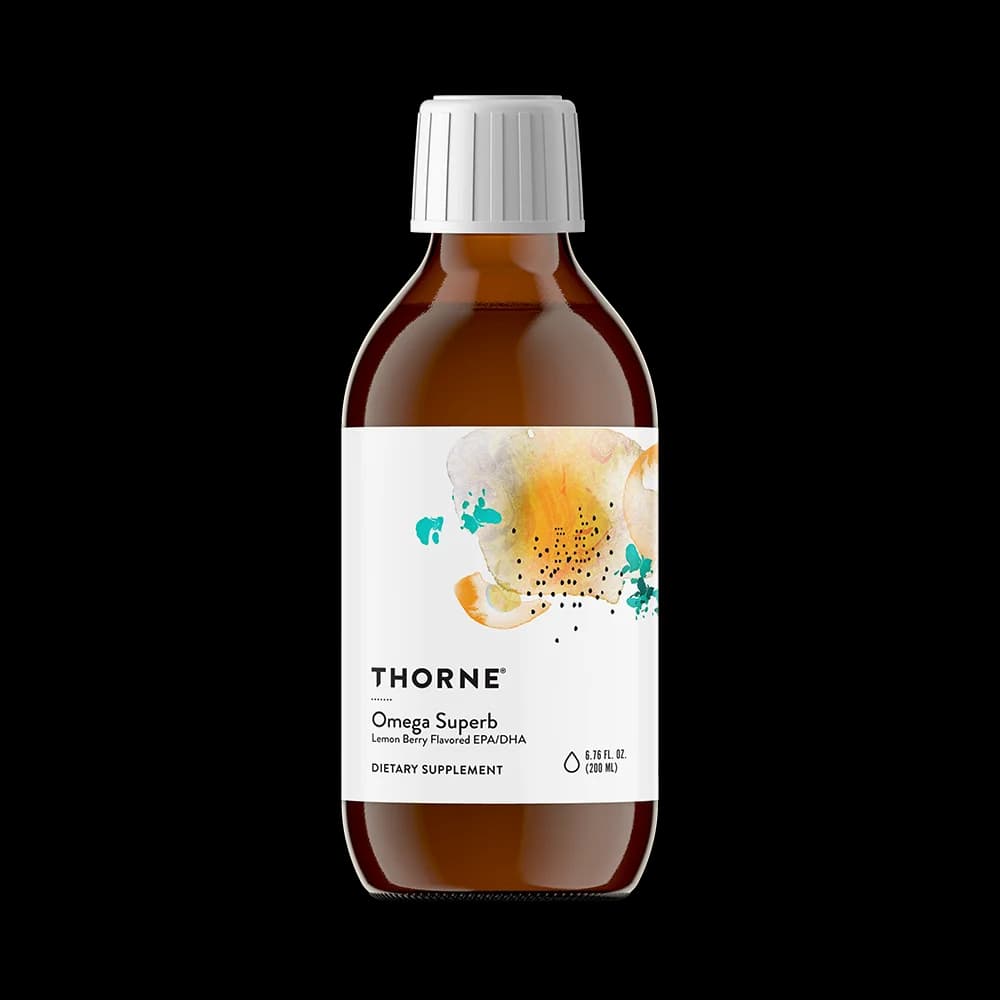
Omega SuperbOmega-3Astaxanthin
Share:
Disclaimer: The information provided here is for educational purposes only and is not intended as medical advice. It should not be used to diagnose, treat, cure, or prevent any medical condition. Instead, use it as a starting point for discussion with your healthcare provider. Always consult with a qualified healthcare provider before starting any new medication, supplement, device, or making changes to your health regimen.
Months or even years after a viral infection, many individuals find themselves battling an unpredictable array of debilitating symptoms. For those living with Long COVID, myalgic encephalomyelitis/chronic fatigue syndrome (ME/CFS), and dysautonomia, cognitive dysfunction—often described as severe "brain fog"—can be one of the most frustrating hurdles to daily living. You might find yourself losing your train of thought mid-sentence, struggling to recall familiar words, or feeling a profound sense of neuro-fatigue after minimal mental exertion. When routine tasks suddenly require immense cognitive effort, it is natural to search for biological explanations and targeted nutritional support.
In the search for answers, researchers have increasingly focused on the role of chronic neuroinflammation and mitochondrial dysfunction. When the brain's immune system remains locked in a hyperactive state, and the cellular powerhouses (mitochondria) are damaged by oxidative stress, cognitive clarity suffers. This is where specialized lipid nutrition comes into play. Omega Superb, a comprehensive supplement by Thorne, delivers a potent combination of Omega-3 fatty acids (EPA and DHA) in their highly bioavailable triglyceride form, alongside astaxanthin, a powerful mitochondrial antioxidant. By understanding how these specific molecules interact with our cellular pathways, we can better appreciate their potential role in managing the complex neurological symptoms of chronic invisible illnesses.
What is Omega Superb?
To understand the physiological impact of Omega Superb, we must first look at its foundational ingredients: Eicosapentaenoic Acid (EPA) and Docosahexaenoic Acid (DHA). These are essential polyunsaturated fatty acids (PUFAs) that the human body cannot synthesize in adequate amounts on its own, meaning they must be acquired through diet or supplementation. In a healthy body, DHA is a primary structural component of the human brain, cerebral cortex, skin, and retina. It physically embeds itself into the phospholipid bilayer of neuronal cell membranes, ensuring that the membranes remain fluid and flexible. This fluidity is absolutely critical for proper neurotransmitter signaling, allowing receptors to move freely and efficiently transmit signals across synapses.
While DHA acts as the structural architect of the brain, EPA functions as a dynamic signaling molecule and immune regulator. EPA constantly competes with arachidonic acid (a pro-inflammatory Omega-6 fatty acid) for access to specific enzymes in the body, primarily cyclooxygenase (COX) and lipoxygenase (LOX). When the body utilizes EPA instead of arachidonic acid, it produces significantly less inflammatory prostaglandins and leukotrienes. Together, EPA and DHA maintain a delicate balance in the central nervous system, ensuring that neuronal structures are sound while keeping baseline inflammation in check.
Beyond their baseline structural and competitive roles, recent scientific breakthroughs have revealed that EPA and DHA are the direct biological precursors to a class of molecules known as Specialized Pro-resolving Mediators (SPMs). When an inflammatory event occurs, the body metabolizes EPA into E-series resolvins, and DHA into D-series resolvins, protectins, and maresins. These SPMs are not passive; they are active biological agents that signal the immune system to halt the infiltration of inflammatory cells, clear out cellular debris, and initiate tissue repair, effectively "turning off" the inflammatory response once a threat has been neutralized.
The second major component of Omega Superb is astaxanthin, an intensely red-orange xanthophyll carotenoid naturally produced by the microalga Haematococcus pluvialis. In nature, this algae produces astaxanthin as a survival mechanism to protect its DNA from severe UV radiation and environmental stress. When consumed by humans, astaxanthin acts as one of the most potent natural antioxidants discovered to date. Unlike many other antioxidants, astaxanthin has the unique ability to cross the blood-brain barrier, allowing it to exert its protective effects directly within the central nervous system.
What truly sets astaxanthin apart is its unique molecular architecture. It features a rigid, non-polar polyene center chain flanked by two polar ionone rings. This specific structure allows the astaxanthin molecule to physically span the entire lipid bilayer of a cell membrane. While water-soluble antioxidants like Vitamin C protect the outside of the cell, and lipid-soluble antioxidants like Vitamin E protect the inner core, astaxanthin anchors itself across both layers. This dual-layer positioning allows it to intercept and neutralize reactive oxygen species (ROS) at both the inner and outer membrane surfaces simultaneously, providing unparalleled protection against lipid peroxidation.
Astaxanthin has a profound affinity for the mitochondria, the energy-producing organelles inside our cells. Because mitochondria generate energy through the electron transport chain, they naturally produce free radicals as a byproduct. In a healthy state, the body neutralizes these free radicals. However, under stress, these reactive molecules can damage the mitochondrial membrane. Astaxanthin specifically accumulates in the inner mitochondrial membrane, where it directly quenches singlet oxygen and superoxide anions, preserving the structural integrity of the mitochondria and ensuring that cellular energy production can continue uninterrupted.
How Long COVID and ME/CFS Impact the Brain and Mitochondria
In complex chronic conditions like Long COVID, ME/CFS, and mast cell activation syndrome (MCAS), the immune system often loses its ability to return to a state of homeostasis. Following an initial viral infection or severe physiological stressor, the immune system may remain locked in a hyper-vigilant, pro-inflammatory state. In the brain, this manifests as chronic neuroinflammation. Microglia, the primary immune cells of the central nervous system, become chronically activated, shifting into what is known as an "M1" inflammatory phenotype. In this state, they continuously pump out neurotoxic cytokines, such as interleukin-6 (IL-6) and tumor necrosis factor-alpha (TNF-α), which bathe the neurons in an inflammatory soup.
This chronic neuroinflammation is a primary driver of the severe cognitive dysfunction and brain fog experienced by patients. The constant inflammatory signaling disrupts neurotransmitter synthesis, impairs synaptic plasticity, and slows down the speed at which neurons communicate. Furthermore, researchers hypothesize that patients with Long COVID and ME/CFS may suffer from a "broken resolution pathway." This means their bodies are either depleted of the raw materials (like EPA and DHA) needed to create Specialized Pro-resolving Mediators (SPMs), or their enzymatic pathways are so overwhelmed by chronic stress that they cannot efficiently convert these fatty acids into the resolvins necessary to turn off the microglial activation.
Alongside neuroinflammation, mitochondrial dysfunction plays a central role in the pathophysiology of ME/CFS and Long COVID. When the immune system is constantly activated, it generates massive amounts of reactive oxygen species (ROS), leading to severe oxidative stress. This oxidative stress directly damages the delicate lipid membranes of the mitochondria. As the mitochondrial membranes undergo lipid peroxidation, they become leaky and inefficient. The electron transport chain stutters, and the production of adenosine triphosphate (ATP)—the fundamental currency of cellular energy—plummets.
This cellular energy crisis is heavily implicated in post-exertional malaise (PEM), the hallmark symptom of ME/CFS where physical or cognitive exertion leads to a disproportionate and debilitating crash. When a patient with damaged mitochondria attempts to exert themselves, their cells cannot meet the energy demand aerobically. The cells are forced to rely on inefficient anaerobic metabolism, which generates lactic acid and further exacerbates oxidative stress. This creates a vicious cycle: inflammation damages the mitochondria, damaged mitochondria produce more ROS, and the excess ROS triggers further inflammation. Breaking this cycle requires targeted interventions that can both quench the oxidative fire and provide the raw materials for cellular repair.
Omega Superb: Supporting Brain Health and Cellular Repair
Supplementing with the high doses of EPA and DHA found in Omega Superb provides the central nervous system with the critical building blocks it needs to actively resolve inflammation. When these omega-3 fatty acids cross the blood-brain barrier, they are incorporated into neuronal and glial cell membranes. From there, enzymes convert them into Specialized Pro-resolving Mediators (SPMs), including E-series resolvins from EPA and D-series resolvins from DHA. These potent lipid mediators bind to specific receptors on the surface of overactive microglia, signaling them to switch from the destructive "M1" phenotype to the tissue-repairing "M2" phenotype.
Once the microglia shift to the M2 state, they stop releasing pro-inflammatory cytokines like TNF-α and instead begin releasing anti-inflammatory cytokines like Interleukin-10 (IL-10). Furthermore, research suggests that these resolvins actively stimulate macrophages and microglia to clear out cellular debris and misfolded proteins through a process called phagocytosis. By actively orchestrating the cleanup and repair of the neural environment, EPA and DHA help restore the synaptic plasticity required for clear cognitive function, memory retrieval, and sustained mental focus, directly combating the biological roots of brain fog.
While the omega-3s work to resolve immune activation, the astaxanthin in Omega Superb acts as a targeted mitochondrial defense system. Beyond its direct ability to physically scavenge free radicals within the mitochondrial membrane, astaxanthin operates as a powerful molecular signaling agent. It actively triggers the Nrf2 (Nuclear factor erythroid 2-related factor 2) pathway. In a healthy cell, Nrf2 is bound to a repressor protein in the cytoplasm. Astaxanthin helps release Nrf2, allowing it to travel into the cell nucleus where it binds to the Antioxidant Response Element (ARE) of our DNA.
This genetic activation forces the body to dramatically upregulate the production of its own endogenous antioxidant enzymes, such as Superoxide Dismutase (SOD), Catalase, and Glutathione Peroxidase. By boosting the body's internal antioxidant defenses, astaxanthin provides a sustained, systemic shield against the oxidative stress that drives post-viral fatigue. Clinical research has demonstrated that astaxanthin supplementation can significantly reduce plasma malondialdehyde (MDA), a primary biomarker of lipid peroxidation, indicating that it successfully protects vulnerable cell membranes from oxidative destruction.
Perhaps one of the most exciting mechanisms of astaxanthin is its ability to promote the creation of new, healthy mitochondria—a process known as mitochondrial biogenesis. Chronic illness often results in fragmented, dysfunctional mitochondria that must be cleared out and replaced. Astaxanthin has been shown to stimulate the PGC-1α (Peroxisome proliferator-activated receptor-gamma coactivator) signaling pathway. PGC-1α is the master regulator of mitochondrial biogenesis; when activated, it signals the cell to manufacture new mitochondrial networks.
By upregulating PGC-1α and Mitochondrial Transcription Factor A (TFAM), astaxanthin helps replenish the cellular powerhouses that have been damaged by Long COVID or ME/CFS. This restoration of the mitochondrial pool is vital for improving ATP production. When cells have an adequate supply of healthy mitochondria, they can efficiently generate the energy required for daily functioning, potentially raising the patient's baseline energy envelope and providing more resilience against the severe energy crashes associated with post-exertional malaise.

Symptoms Omega Superb May Help Manage
Because Omega Superb targets fundamental cellular processes—inflammation resolution and mitochondrial energy production—it may help manage a diverse array of symptoms associated with complex chronic illnesses. While it is not a cure, supporting these underlying pathways can significantly improve daily quality of life.
Severe Cognitive Dysfunction (Brain Fog): By providing the DHA necessary for neuronal membrane fluidity and the EPA required to generate inflammation-resolving SPMs, this supplement helps calm hyperactive microglia. This reduction in neuroinflammation can lead to improved word recall, better short-term memory, and increased mental stamina.
Profound Fatigue and Energy Crashes: The astaxanthin component directly protects mitochondrial membranes from oxidative damage and stimulates the creation of new mitochondria via the PGC-1α pathway. This supports more efficient ATP (cellular energy) production, which may help raise a patient's energy baseline and reduce the severity of post-exertional crashes.
Joint and Muscle Pain: EPA is a potent competitive inhibitor of arachidonic acid, significantly reducing the systemic production of pro-inflammatory prostaglandins. This mechanism can help alleviate the widespread, migratory joint and muscle pain frequently reported by patients with ME/CFS and Long COVID.
Mood Instability and Depression: Chronic neuroinflammation is a known driver of treatment-resistant mood disorders. By lowering systemic inflammatory markers and supporting the gut-brain axis, high-dose EPA has been clinically shown to support balanced mood and alleviate depressive symptoms associated with chronic illness.
Cardiovascular Symptoms: Omega-3 fatty acids promote healthy endothelial function (the lining of the blood vessels) and help maintain normal triglyceride levels. This cardiovascular support is particularly beneficial for patients managing dysautonomia and POTS, where blood flow regulation is often impaired.
Skin Rashes and Integrity: Astaxanthin is a powerful antioxidant that accumulates in the skin, protecting it from UV damage and oxidative stress. For patients dealing with mast cell activation syndrome (MCAS) who frequently experience skin flushing and rashes, astaxanthin provides extra structural support and promotes healthy skin integrity.
Practical Considerations: Forms, Dosing, and Absorption
When selecting an omega-3 supplement, the molecular form of the oil dictates how effectively your body can absorb and utilize it. Fish oil supplements generally come in two forms: Ethyl Esters (EE) or Triglycerides (TG). The EE form is heavily processed; manufacturers replace the natural glycerol backbone of the fat with an ethanol molecule to concentrate the oil. To digest the EE form, your body must produce extra pancreatic enzymes to cleave the ethanol away, a process that is highly inefficient, especially if taken on an empty stomach. In fact, studies have shown that taking the EE form without a high-fat meal can result in an absorption rate as low as 20%.
Omega Superb utilizes the naturally occurring Triglyceride (TG) form. Because the human digestive system evolved to process fats in this natural three-pronged structure, pancreatic lipases readily break them down for rapid absorption through the intestinal wall. Clinical trials measuring plasma concentrations consistently demonstrate that the TG form yields significantly higher and faster uptake of EPA and DHA compared to EE oils. Furthermore, the TG form maintains high absorption rates regardless of whether it is taken with a heavy meal, making it much more reliable for patients who may struggle with appetite or gastrointestinal motility issues.
Omega Superb provides a highly concentrated dose in a liquid format, delivering 900 mg of EPA and 600 mg of DHA per teaspoon, alongside the antioxidant benefits of astaxanthin. For patients with chronic neuroinflammation, healthcare providers often recommend aiming for 1 to 3 grams of combined EPA/DHA daily, making this single-teaspoon serving highly efficient. Because it is a liquid, it bypasses the need to swallow large, uncomfortable softgels—a common complaint among patients with dysautonomia or vagus nerve dysfunction who may experience difficulty swallowing (dysphagia).
To maximize absorption, it is generally recommended to take Omega Superb alongside a meal that contains some healthy fats, such as avocado, olive oil, or nuts. While the TG form absorbs well on its own, the presence of dietary fat further stimulates the release of bile and pancreatic enzymes, ensuring optimal uptake. The supplement is lightly sweetened with monk fruit extract and features a lemon-berry flavor, which effectively masks the fishy aftertaste and prevents the "fish burps" commonly associated with lower-quality marine oils. Molecular distillation is also used to ensure the oil is completely free of heavy metals, PCBs, and environmental contaminants.
While Omega-3s and astaxanthin are generally recognized as safe, their potent bioactive properties require careful consideration, particularly for patients on prescription medications. Both EPA/DHA and astaxanthin possess mild blood-thinning properties; they reduce platelet aggregation and can prolong bleeding time. Therefore, this supplement should be used with extreme caution—and only under medical supervision—by individuals taking anticoagulant medications (such as Warfarin, Plavix, or Eliquis) or high doses of NSAIDs, as the combination can create an additive effect and increase the risk of bruising or bleeding.
Additionally, both compounds have been shown to mildly relax blood vessels and lower blood pressure. For patients with dysautonomia or POTS who already struggle with chronic hypotension (low blood pressure), this additive effect could potentially exacerbate dizziness or lightheadedness. Patients taking antihypertensive medications should monitor their blood pressure closely when initiating high-dose omega-3 therapy. Finally, because the omega-3s in Omega Superb are derived from fish, the product is strictly contraindicated for anyone with a known hypersensitivity or severe allergy to fish or marine products. Always consult with your healthcare provider before adding a new supplement to your regimen, especially if you are managing a complex chronic illness.

Follow the Science
The scientific investigation into how Omega-3 fatty acids impact post-viral fatigue syndromes has yielded complex but highly informative results. A foundational 2005 study by Maes et al. analyzed the blood serum of ME/CFS patients and discovered a significant lipid imbalance. The patients exhibited markedly decreased EPA-to-Arachidonic Acid ratios, meaning their bodies were heavily skewed toward the pro-inflammatory Omega-6 pathways. Crucially, the researchers found that the severity of this lipid deficiency correlated directly with the severity of the patients' clinical symptoms; lower Omega-3 ratios were associated with worse fatigue, severe muscle pain, and profound memory deficits.
More recently, a 2024 double-blind, randomized-controlled pilot trial evaluated the effects of high-dose Omega-3 supplementation on healthcare workers suffering from Long COVID. Over 12 weeks, the treatment group received 2,100 mg of Omega-3s daily. The biomarker results were striking: the ratio of pro-inflammatory Arachidonic Acid to anti-inflammatory EPA drastically dropped from a baseline of 23.1 down to 11.8, proving that the supplement successfully altered systemic inflammatory profiles. However, despite this physiological improvement, the study did not find a statistically significant reduction in clinical fatigue scores over the short 12-week period. This suggests that while Omega-3s effectively lower systemic inflammation, reversing the deep neurological fatigue of Long COVID may require longer-term supplementation or combination therapies that address multiple pathways simultaneously.
The clinical evidence supporting astaxanthin as a mitochondrial protector is robust and rapidly expanding. A recent 2025 study published in Frontiers in Veterinary Science examined how astaxanthin affects skeletal muscle subjected to severe metabolic stress. The researchers found that astaxanthin actively downregulated the Nox4 gene—a major driver of reactive oxygen species production—while massively upregulating the body's endogenous antioxidant enzymes, SOD1 and SOD2. Furthermore, the astaxanthin physically reduced mitochondrial fragmentation and rescued cellular ATP production, confirming its ability to protect energy metabolism under extreme stress.
In human clinical trials, astaxanthin has demonstrated a profound ability to reduce systemic markers of oxidative damage. Studies have shown that administering just 8 mg of astaxanthin daily for 8 weeks can significantly improve lipid profiles and reduce circulating oxidized LDL cholesterol by over 50%. Additionally, it has been shown to decrease plasma malondialdehyde (MDA)—a key marker of cell membrane damage—by nearly 53% after just 4 weeks. Because astaxanthin easily crosses the blood-brain barrier, neuroprotection studies have also demonstrated its ability to restore Brain-Derived Neurotrophic Factor (BDNF) levels in the hippocampus, highlighting its therapeutic potential for combating the neurodegenerative processes associated with chronic brain fog.
The Path Forward
Navigating the daily realities of Long COVID, ME/CFS, and dysautonomia is an exhausting journey, especially when invisible symptoms like brain fog and profound fatigue disrupt your sense of self. It is completely valid to feel frustrated when your cognitive endurance doesn't match your ambition. While there are no overnight cures for these complex conditions, understanding the underlying cellular mechanisms—like neuroinflammation and mitochondrial oxidative stress—empowers you to make targeted, science-backed decisions about your health.
Supplementing with highly bioavailable Omega-3s and astaxanthin is not a standalone fix, but rather a foundational piece of a comprehensive management strategy. When combined with rigorous pacing, autonomic nervous system regulation, and symptom tracking, providing your brain and mitochondria with the necessary biological building blocks can help shift your body from a state of constant alarm toward a state of active resolution and cellular repair. Over time, supporting these fundamental pathways may help you slowly expand your energy envelope and regain moments of cognitive clarity.
Disclaimer: This blog post is for educational purposes only and does not constitute medical advice. Supplements can interact with prescription medications, particularly blood thinners and blood pressure medications. Always consult with your healthcare provider before starting any new supplement regimen to ensure it is safe and appropriate for your specific medical history.