Can Olive Leaf Extract Support Immune and Gut Health in Long COVID and ME/CFS?
March 6, 2026
Olive Leaf ExtractOleuropeinLong COVID
Share:
Disclaimer: The information provided here is for educational purposes only and is not intended as medical advice. It should not be used to diagnose, treat, cure, or prevent any medical condition. Instead, use it as a starting point for discussion with your healthcare provider. Always consult with a qualified healthcare provider before starting any new medication, supplement, device, or making changes to your health regimen.
Months or even years after an initial viral infection, many individuals find themselves battling a complex web of debilitating symptoms. Whether diagnosed with Long COVID, myalgic encephalomyelitis/chronic fatigue syndrome (ME/CFS), or dysautonomia, the daily reality often involves profound fatigue, unpredictable gastrointestinal distress, and a relentless "brain fog" that makes simple tasks feel insurmountable. For those living with these invisible, complex illnesses, the search for validating answers and effective management strategies can be exhausting. When traditional medical approaches fall short of addressing the root causes of systemic inflammation and immune dysregulation, many patients and practitioners turn to targeted nutritional support to help restore balance.
One such botanical intervention that has garnered significant attention in both functional medicine and clinical research is Olive Leaf Extract (OLE). Long revered in Mediterranean traditions for its health-promoting properties, modern science has uncovered the profound molecular mechanisms behind this ancient remedy. Rich in potent bioactive compounds like oleuropein, Olive Leaf Extract offers a multi-targeted approach to healing. By modulating immune responses, balancing the gut microbiome, and supporting cardiovascular health, it addresses several of the core physiological disruptions seen in post-viral syndromes. In this comprehensive guide, we will explore the biochemistry of Olive Leaf Extract, how it interacts with the pathways disrupted by chronic illness, and whether it might be a valuable addition to your symptom management toolkit.
What is Olive Leaf Extract?
The Power of the Olive Tree
Olive Leaf Extract (OLE) is derived from the leaves of the olive tree (Olea europaea L.), a plant that has been a cornerstone of Mediterranean health and longevity for centuries. While olive oil is widely celebrated for its cardiovascular benefits, the leaves of the tree contain a much higher concentration of specific therapeutic phytochemicals. In a healthy body, these compounds serve as the plant's natural defense system against environmental stressors, pathogens, and ultraviolet radiation. When consumed by humans, these same compounds interact with our cellular machinery to promote resilience, neutralize oxidative stress, and regulate inflammatory pathways. The therapeutic potential of OLE lies not in a single molecule, but in a synergistic matrix of polyphenols, flavonoids, and secoiridoids that work together to maintain physiological homeostasis.
The extraction process is crucial for preserving the integrity of these delicate compounds. High-quality supplements are carefully processed to concentrate the active ingredients while removing the fibrous plant material. This results in a potent, bioavailable extract that can deliver therapeutic doses of polyphenols far exceeding what could be obtained through diet alone. Research into the pharmacological properties of OLE has exploded in recent years, revealing its ability to modulate everything from glucose metabolism to immune cell function, making it a versatile tool in clinical nutrition.
Oleuropein and Hydroxytyrosol: The Bioactive Stars
The most prominent and extensively studied bioactive compound in Olive Leaf Extract is oleuropein, a type of phenolic secoiridoid. Oleuropein is responsible for the characteristic bitter taste of raw olives and olive leaves. At the molecular level, oleuropein is a complex molecule that exhibits remarkable pleiotropic effects—meaning it can interact with multiple cellular targets simultaneously. When ingested, oleuropein undergoes rapid hydrolysis in the gastrointestinal tract and liver, breaking down into several highly active metabolites. The most important of these is hydroxytyrosol (HT), a smaller, highly bioavailable molecule that can easily cross cell membranes and even penetrate the blood-brain barrier to exert neuroprotective effects.
Together, oleuropein and hydroxytyrosol act as master regulators of cellular health. They influence gene expression by interacting with nuclear receptors and transcription factors. For instance, studies have shown that these compounds can inhibit the NF-κB (Nuclear Factor kappa-light-chain-enhancer of activated B cells) pathway, which is the primary genetic switch that turns on the production of pro-inflammatory cytokines. By keeping NF-κB in check, oleuropein prevents the immune system from launching an excessive, damaging inflammatory response, which is a crucial mechanism for maintaining tissue integrity during times of stress or infection.
Cellular Defense and Antioxidant Pathways
Beyond its anti-inflammatory properties, Olive Leaf Extract is a powerhouse of antioxidant activity. In normal cellular metabolism, the mitochondria produce reactive oxygen species (ROS) as a byproduct of generating adenosine triphosphate (ATP), the body's energy currency. While low levels of ROS are necessary for cellular signaling, an excess can lead to oxidative stress, damaging DNA, proteins, and lipid membranes. Oleuropein contains an ortho-diphenolic group that allows it to act as a direct scavenger of these free radicals. It can directly neutralize highly reactive molecules like hypochlorous acid and peroxynitrite before they cause structural damage to the cell.
More importantly, OLE acts as an indirect antioxidant by upregulating the body's own endogenous defense systems. It activates the Nrf2 (Nuclear factor erythroid 2-related factor 2) signaling pathway. When activated, Nrf2 travels to the cell nucleus and binds to the Antioxidant Response Element (ARE), triggering the production of powerful detoxifying enzymes like Heme Oxygenase-1 (HO-1), superoxide dismutase, and glutathione peroxidase. This upregulation of the Nrf2/HO-1 pathway provides a sustained, robust defense against oxidative stress, protecting delicate cellular structures like the mitochondria and the endothelial lining of blood vessels from long-term damage.
How Chronic Illness Impacts the Immune and Gastrointestinal Systems
Viral Persistence and Immune Exhaustion
In complex chronic conditions like Long COVID and ME/CFS, the immune system often becomes trapped in a state of chronic activation and exhaustion. One of the leading theories behind this dysfunction is viral persistence. In this scenario, reservoirs of a virus—such as SARS-CoV-2 or reactivated latent viruses like Epstein-Barr Virus (EBV)—remain hidden in tissues like the gut lining or the central nervous system long after the acute infection has passed. This constant, low-level viral presence continuously triggers the immune system, leading to a relentless cycle of inflammation. Research into Long COVID pathophysiology suggests that this ongoing battle depletes immune resources, specifically impairing the function of CD8+ T-cells, which are responsible for clearing virally infected cells.
As the immune system struggles to clear these hidden viral reservoirs, it pumps out high levels of pro-inflammatory cytokines, including Interleukin-6 (IL-6) and Tumor Necrosis Factor-alpha (TNF-α). This systemic "cytokine storm" contributes to the profound, debilitating fatigue and post-exertional malaise (PEM) that patients experience. The constant inflammatory signaling also disrupts the autonomic nervous system, contributing to conditions like dysautonomia and postural orthostatic tachycardia syndrome (POTS). If you are wondering What Causes Long COVID?, this interplay between viral persistence, immune exhaustion, and autonomic dysfunction is a critical piece of the puzzle.
The Gut Microbiome and Dysbiosis
The gastrointestinal tract is deeply intertwined with immune function, housing approximately 70% of the body's immune cells. In chronic illnesses, the delicate balance of the gut microbiome is frequently disrupted, a state known as dysbiosis. Viral infections, chronic stress, and systemic inflammation can alter the intestinal environment, allowing opportunistic, pathogenic bacteria to overgrow while beneficial, short-chain fatty acid-producing bacteria decline. This imbalance compromises the integrity of the intestinal barrier, leading to increased intestinal permeability, commonly referred to as "leaky gut."
When the gut barrier is compromised, bacterial endotoxins like lipopolysaccharides (LPS) can leak into the bloodstream, triggering a massive systemic immune response. This endotoxemia further fuels the chronic inflammation seen in Long COVID and ME/CFS, exacerbating symptoms like brain fog, joint pain, and severe fatigue. Furthermore, dysbiosis is frequently linked to Small Intestinal Bacterial Overgrowth (SIBO) and Mast Cell Activation Syndrome (MCAS), where immune cells in the gut become hyper-reactive, releasing histamine and other mediators that cause widespread, unpredictable symptoms. Understanding the Gastrointestinal Symptoms Seen with Long COVID is essential for recognizing how gut health dictates systemic well-being.
Endothelial Dysfunction and Cardiovascular Strain
Another hallmark of post-viral syndromes is endothelial dysfunction. The endothelium is the thin layer of cells lining the inside of blood vessels, responsible for regulating blood flow, vascular tone, and coagulation. Viruses like SARS-CoV-2 are known to directly attack endothelial cells by binding to ACE2 receptors, causing severe vascular inflammation (endothelialitis). This damage impairs the production of nitric oxide, a crucial molecule for blood vessel dilation, leading to widespread vasoconstriction and poor tissue perfusion.
When tissues, particularly in the brain and muscles, do not receive adequate oxygen and nutrients due to poor blood flow, it results in the severe cognitive impairment ("brain fog") and muscle fatigue characteristic of these conditions. Furthermore, damaged endothelial cells can promote a hypercoagulable state, leading to the formation of microclots that further obstruct capillary blood flow. This cardiovascular strain is a significant driver of the exercise intolerance and autonomic instability seen in patients, making it incredibly difficult to maintain daily activities or live with Long-Term COVID. The depletion of natural antioxidants during this process leaves the cardiovascular system vulnerable to ongoing oxidative damage, creating a vicious cycle of vascular impairment.
Olive Leaf Extract: Supporting Immune, Gut, and Cardiovascular Function
Antiviral Mechanisms and Immune Modulation
Olive Leaf Extract offers a multi-faceted approach to supporting the immune system, particularly in the context of viral persistence. At the molecular level, oleuropein and its metabolite, elenolic acid, exhibit potent antiviral properties. Pharmacological studies indicate that these compounds can act as serine protease and RNA polymerase inhibitors. By interfering with these critical viral enzymes, OLE can disrupt the replication cycle of viruses, potentially helping the immune system clear lingering viral reservoirs. Furthermore, specific flavonoids in OLE, such as luteolin, have been shown to bind to ACE2 receptors and Toll-like receptor 4 (TLR4), which may prevent viruses from entering and infecting new host cells.
Beyond direct antiviral action, OLE acts as a profound immune modulator. Rather than simply "boosting" the immune system—which can be detrimental in conditions involving autoimmunity or MCAS—oleuropein helps regulate the immune response. It achieves this by downregulating the NF-κB signaling pathway, which significantly reduces the production of pro-inflammatory cytokines like IL-6, IL-1β, and TNF-α. By dampening this cytokine storm, OLE helps calm the chronic, systemic inflammation that drives the debilitating symptoms of ME/CFS and Long COVID, allowing the immune system to return to a more balanced, vigilant state.
Prebiotic Effects and Gut Microbiome Balancing
The gastrointestinal benefits of Olive Leaf Extract are driven by its unique antimicrobial and prebiotic properties. Oleuropein acts as a selective antimicrobial agent; it is highly effective at disrupting the biofilms of pathogenic bacteria and yeast (such as Candida albicans and Pseudomonas aeruginosa) without harming beneficial gut flora. This makes it an invaluable tool in managing dysbiosis and conditions like Small Intestinal Bacterial Overgrowth (SIBO), which frequently complicate post-viral recovery.
Simultaneously, recent clinical trials have demonstrated that OLE functions as a potent prebiotic. Supplementation with botanical extracts containing OLE has been shown to significantly increase the populations of critical beneficial bacteria, such as Akkermansia muciniphila and Faecalibacterium prausnitzii. These bacteria are essential for producing short-chain fatty acids (like butyrate), which nourish the intestinal lining, repair "leaky gut," and maintain the integrity of the gut barrier. By restoring this microbial balance, OLE helps reduce the systemic endotoxemia and immune hyper-reactivity that originate in the digestive tract.
Endothelial Repair and Cardiovascular Wellness
To combat the vascular damage seen in dysautonomia and Long COVID, Olive Leaf Extract provides robust cardiovascular support. Oleuropein protects the endothelial lining by activating the AMPK (AMP-activated protein kinase) pathway and suppressing inducible nitric oxide synthase (iNOS). This action reduces vascular inflammation and protects cardiomyocytes (heart muscle cells) from oxidative and carbonyl stress. By scavenging reactive oxygen species directly at the site of the blood vessel walls, OLE helps restore the healthy production of endothelial nitric oxide, promoting proper vasodilation and improving blood flow.
This improvement in microcirculation is vital for patients suffering from profound fatigue and exercise intolerance. When blood flow is restored, oxygen and vital nutrients can efficiently reach muscle tissues and the brain, helping to alleviate the physical exhaustion and cellular hypoxia associated with these conditions. Additionally, meta-analyses have confirmed that OLE supplementation can significantly lower both systolic and diastolic blood pressure, reducing the overall strain on the cardiovascular system and supporting healthy autonomic function.
Neuroprotection and Combating Brain Fog
The cognitive impairment, or "brain fog," experienced by many patients is often a result of neuroinflammation and poor cerebral blood flow. The metabolites of oleuropein, particularly hydroxytyrosol, are small enough to cross the blood-brain barrier. Once inside the central nervous system, they exert potent neuroprotective effects. They help neutralize neurotoxic free radicals and reduce the activation of microglial cells (the immune cells of the brain), thereby calming neuroinflammation.
Furthermore, oleuropein acts as an autophagy enhancer. Autophagy is the cellular "clean-up" process that removes damaged proteins and organelles. By activating the CaMKKβ/AMPK/mTOR signaling axis, OLE stimulates autophagy in neuronal cells, helping to clear out the toxic cellular debris that accumulates during chronic illness. This mechanism, combined with improved cerebral microcirculation, makes Olive Leaf Extract a promising intervention for supporting cognitive clarity, memory, and focus in patients navigating the complexities of post-viral neurological symptoms.

Symptoms Olive Leaf Extract May Help Manage
Systemic and Immune Symptoms
Olive Leaf Extract's ability to modulate inflammation and target viral persistence makes it particularly useful for systemic symptoms.
Profound Fatigue and PEM: By supporting mitochondrial function, reducing systemic inflammation, and improving microcirculation, OLE helps restore cellular energy production and may reduce the severity of post-exertional crashes.
Frequent Viral Reactivations: The antiviral properties of oleuropein and elenolic acid help suppress the replication of latent viruses (like Epstein-Barr or herpesviruses), potentially reducing the frequency of opportunistic infections.
Brain Fog and Cognitive Impairment: Hydroxytyrosol crosses the blood-brain barrier to reduce neuroinflammation and stimulate autophagy, helping to clear cellular debris and improve mental clarity and focus.
Joint and Muscle Pain: By downregulating the NF-κB pathway and reducing pro-inflammatory cytokines (IL-6, TNF-α), OLE can help alleviate the widespread, aching pain associated with systemic inflammation.
Gastrointestinal and Cardiovascular Symptoms
The prebiotic and endothelial-supporting properties of OLE target symptoms originating in the gut and blood vessels.
Bloating and Irregular Bowel Habits: OLE acts as a selective antimicrobial, disrupting pathogenic biofilms (helpful in SIBO) while feeding beneficial bacteria like Akkermansia, promoting a balanced, healthy gut environment.
Food Sensitivities and Leaky Gut: By increasing short-chain fatty acid production, OLE helps repair the intestinal barrier, reducing the leakage of endotoxins into the bloodstream that trigger immune hyper-reactivity.
Poor Circulation and Cold Extremities: OLE supports endothelial health and nitric oxide production, promoting vasodilation and improving blood flow to the hands, feet, and vital organs.
Blood Pressure Fluctuations: Clinical data shows OLE can help regulate both systolic and diastolic blood pressure, providing stabilizing support for the cardiovascular system, which is often dysregulated in dysautonomia.
Practical Considerations: Forms, Dosing, and Absorption
Bioavailability and the Importance of Food
Understanding the pharmacokinetics of Olive Leaf Extract is crucial for maximizing its therapeutic benefits. While oleuropein is rapidly absorbed through the intestinal lining via transcellular passive diffusion, its stability is heavily influenced by the environment of the gastrointestinal tract. In a highly acidic, fasted stomach, oleuropein is subject to rapid degradation, with its half-life significantly reduced. However, pharmacokinetic studies demonstrate that when taken in a fed state, oleuropein remains highly stable, with a degradation half-life extending beyond 12 hours. Therefore, it is strongly recommended to take Olive Leaf Extract supplements with meals. This not only protects the active compounds from stomach acid but also minimizes the mild gastric irritation that some individuals experience when taking herbal extracts on an empty stomach.
Once absorbed, oleuropein undergoes extensive first-pass metabolism in the liver and enterocytes, where it is rapidly hydrolyzed into its highly active metabolite, hydroxytyrosol. The plasma half-life of these active metabolites is relatively short, typically ranging from 2 to 3 hours, and they are primarily excreted through the kidneys within 8 hours. Because of this rapid clearance, splitting the daily dosage into two or three smaller doses taken throughout the day (e.g., morning and evening with food) is often more effective for maintaining stable, therapeutic blood levels of the active polyphenols than taking a single large dose.
Dosing Guidelines and Standardization
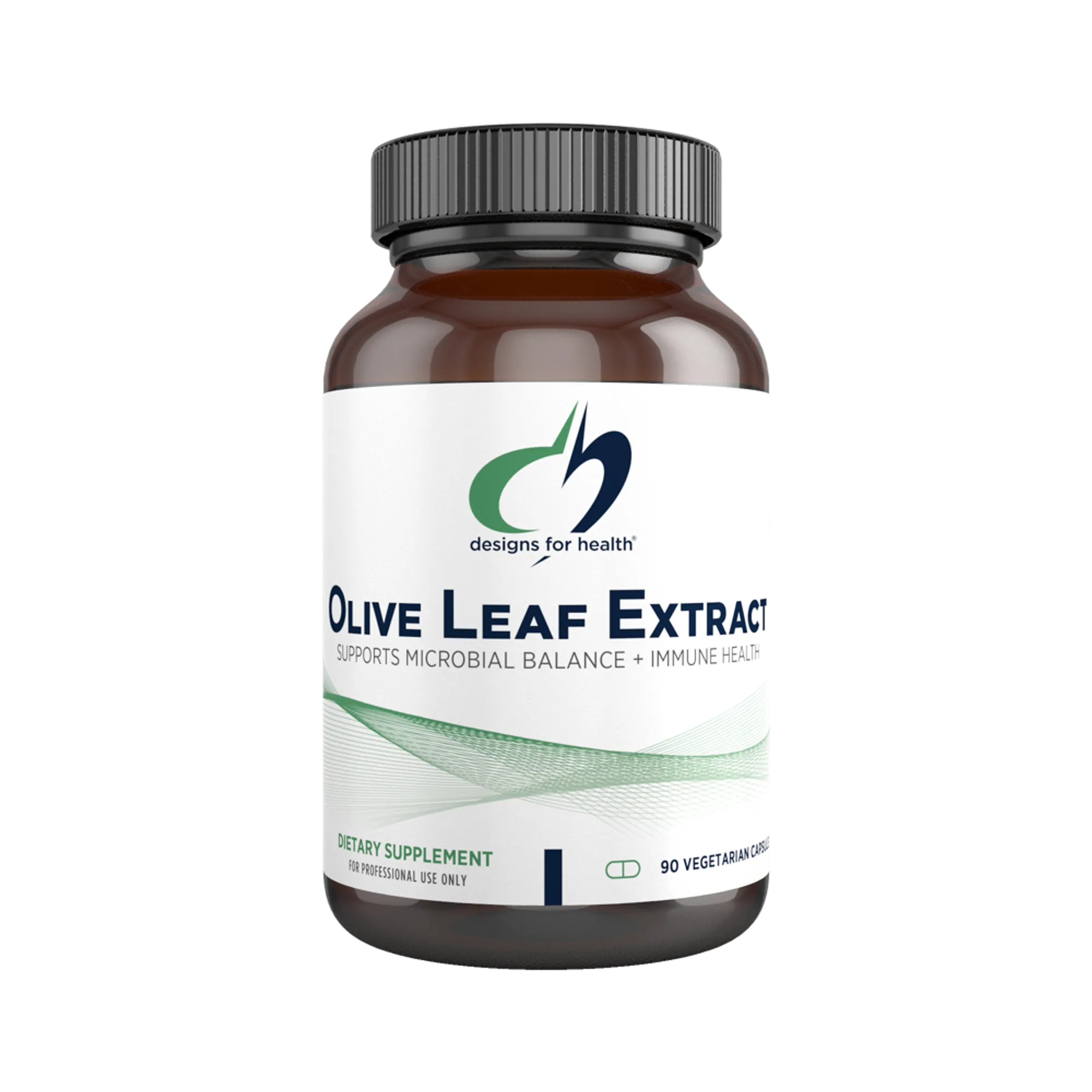
When selecting an Olive Leaf Extract supplement, standardization is the most critical factor. The clinical efficacy of the supplement depends entirely on the concentration of its active compounds. High-quality products, such as the one offered by Designs for Health, are standardized to contain a specific percentage of oleuropein—typically 20%. A standard dose of 500 mg of OLE standardized to 20% yields 100 mg of pure, active oleuropein per capsule.
In clinical trials evaluating cardiovascular and immune health, therapeutic dosages generally range from 500 mg to 1,000 mg of the extract per day. For general immune support and gut microbiome maintenance, a lower dose (e.g., 500 mg daily) is often sufficient. However, for targeted support during acute viral challenges or for managing chronic inflammatory conditions, practitioners may recommend higher divided doses. It is important to start with a lower dose and gradually increase it, especially for patients with ME/CFS or Long COVID, as the potent antimicrobial and antiviral properties of OLE can sometimes trigger a "die-off" (Herxheimer) reaction, temporarily exacerbating fatigue or body aches as pathogens are cleared.
Drug Interactions and Safety Precautions
While Olive Leaf Extract is generally recognized as safe and well-tolerated, it exhibits significant pharmacological interactions that must be carefully managed. Most notably, oleuropein activates the PPARα receptor, which in turn induces the synthesis of major Cytochrome P450 enzymes in the liver (including CYP3A4, CYP1A2, and CYP2C). Because these enzymes are responsible for metabolizing a vast majority of prescription medications, taking high doses of OLE can accelerate the clearance of these drugs from the body, potentially reducing their therapeutic efficacy.
Additionally, because OLE has documented blood-pressure-lowering and blood-glucose-regulating effects, it can have an additive, synergistic effect when combined with prescription antihypertensive (blood pressure) medications or antidiabetic drugs. This combination can increase the risk of clinically significant hypotension (low blood pressure) or hypoglycemia (low blood sugar). Patients taking blood thinners like Warfarin should also exercise caution, as OLE may possess mild anti-platelet properties. Always consult with your healthcare provider before adding Olive Leaf Extract to your regimen, especially if you are managing complex chronic conditions or taking multiple prescription medications.

Follow the Science
Cardiovascular and Metabolic Clinical Trials
The clinical efficacy of Olive Leaf Extract is supported by a robust and growing body of scientific literature, particularly in the realms of cardiovascular and metabolic health. A comprehensive 2025 systematic review and meta-analysis published in Phytotherapy Research evaluated the antihypertensive effects of OLE across 248 pre-hypertensive and hypertensive adults. The researchers found that a daily dose of 1,000 mg of OLE significantly reduced systolic blood pressure by an average of 11.45 mmHg and diastolic blood pressure by 4.65 mmHg compared to baseline. These reductions are clinically significant, as even a 10 mmHg decrease in systolic pressure is associated with a substantially lower risk of major cardiovascular events.
Furthermore, clinical assessments focusing on metabolic health have demonstrated OLE's ability to modulate inflammation and insulin kinetics. In trials involving individuals with excess weight and metabolic strain, daily supplementation with 500 mg of OLE over 8 to 12 weeks resulted in notable decreases in fasting glucose, LDL cholesterol, and free fatty acids. Crucially, these studies also recorded significant reductions in pro-inflammatory cardiovascular markers, including IL-6 and TNF-α, highlighting oleuropein's ability to combat the systemic meta-inflammation that often accompanies chronic disease.
Gut Microbiome and SIBO Research
Recent research from 2024 and 2025 has illuminated the profound impact of oleuropein on the gastrointestinal microbiome. A 2024 open-label clinical study investigated the effects of an oral botanical supplement containing olive leaf extract administered over 10 weeks. Advanced microbiome sequencing revealed a remarkable 31.4% increase in Akkermansia muciniphila, a keystone bacterial species critical for maintaining the mucosal barrier of the gut. Additionally, the study noted a 35.4% increase in Faecalibacterium prausnitzii, a primary producer of anti-inflammatory short-chain fatty acids.
The same study observed a 25.4% decrease in the Firmicutes-to-Bacteroides (F/B) ratio, a marker often elevated in states of obesity, systemic inflammation, and Small Intestinal Bacterial Overgrowth (SIBO). These findings provide strong clinical validation for the use of OLE as a selective prebiotic and antimicrobial agent, capable of reshaping the gut environment to support systemic immune health and reduce endotoxemia.
Emerging Data on Viral Persistence and Cognitive Health
In the context of post-viral syndromes, emerging data points to OLE's potential to mitigate severe viral inflammation and protect cognitive function. A randomized, triple-blinded, placebo-controlled clinical trial conducted on hospitalized COVID-19 patients tested OLE as an adjunct therapy. Patients receiving either 250 mg or 500 mg of OLE (standardized to 30% oleuropein) every 12 hours experienced a statistically significant reduction in their length of hospital stay compared to the placebo group, underscoring its ability to modulate the acute cytokine storm.
Additionally, the GOLDEN Study, published in late 2024, evaluated the neuroprotective effects of olive polyphenols on cognitive decline. Over six months, patients consuming a daily regimen rich in olive leaf compounds showed statistically stabilized cognitive function, with almost zero memory deterioration recorded on their Mini-Mental State Examination (MMSE) scores, compared to a significant decline in the control group. This data supports the hypothesis that the neuroprotective, anti-inflammatory, and autophagy-enhancing properties of oleuropein and hydroxytyrosol can play a vital role in combating the neuroinflammation and "brain fog" associated with complex chronic illnesses.
The Path Forward
Integrating Olive Leaf Extract into Your Protocol
Living with complex chronic conditions like Long COVID, ME/CFS, or dysautonomia is an arduous journey that requires immense patience and resilience. The unpredictable nature of symptoms—from crushing fatigue to sudden gastrointestinal distress—can leave you feeling disconnected from your own body. It is important to validate that these symptoms are real, physiological responses to systemic inflammation, viral persistence, and microbiome disruption. While there is no single miracle cure for these intricate illnesses, targeted nutritional interventions like Olive Leaf Extract can be a powerful tool in your management arsenal, helping to address the root mechanisms of immune dysregulation and oxidative stress.
A Comprehensive Approach to Healing
When considering Olive Leaf Extract, it is essential to view it as one piece of a comprehensive, holistic management strategy. Supplements work best when paired with foundational lifestyle practices such as aggressive pacing to manage post-exertional malaise, meticulous symptom tracking, and a nutrient-dense diet tailored to your specific sensitivities. Because OLE has potent effects on the immune system, gut microbiome, and liver metabolism, it should be introduced slowly and carefully monitored. Always consult with your healthcare provider before starting OLE, especially to navigate potential interactions with your current medications and to ensure it aligns with your personalized treatment goals.
Explore Olive Leaf Extract
If you and your healthcare team determine that modulating your immune response, supporting your gut microbiome, and enhancing cardiovascular health are key priorities in your recovery journey, Olive Leaf Extract may be a valuable addition to your protocol.