Can OcuForce™ Blue Help Manage Screen Intolerance and Dry Eyes in Long COVID and ME/CFS?
March 6, 2026
OcuForce BlueEye HealthLong COVID
Share:
Disclaimer: The information provided here is for educational purposes only and is not intended as medical advice. It should not be used to diagnose, treat, cure, or prevent any medical condition. Instead, use it as a starting point for discussion with your healthcare provider. Always consult with a qualified healthcare provider before starting any new medication, supplement, device, or making changes to your health regimen.
For many individuals living with complex chronic conditions like Long COVID, myalgic encephalomyelitis/chronic fatigue syndrome (ME/CFS), and dysautonomia, the world can suddenly feel overwhelmingly bright and visually exhausting. Symptoms like severe photophobia (light sensitivity), chronic dry eyes, and an inability to tolerate digital screens are frequently dismissed as minor inconveniences by the general medical community. However, for patients relying on screens for telehealth appointments, remote work, or simply staying connected with loved ones during prolonged periods of being housebound, this visual dysfunction is profoundly debilitating. The inability to look at a phone or computer without triggering a severe symptom flare or a post-exertional malaise (PEM) crash adds a heavy layer of isolation to an already challenging illness journey.
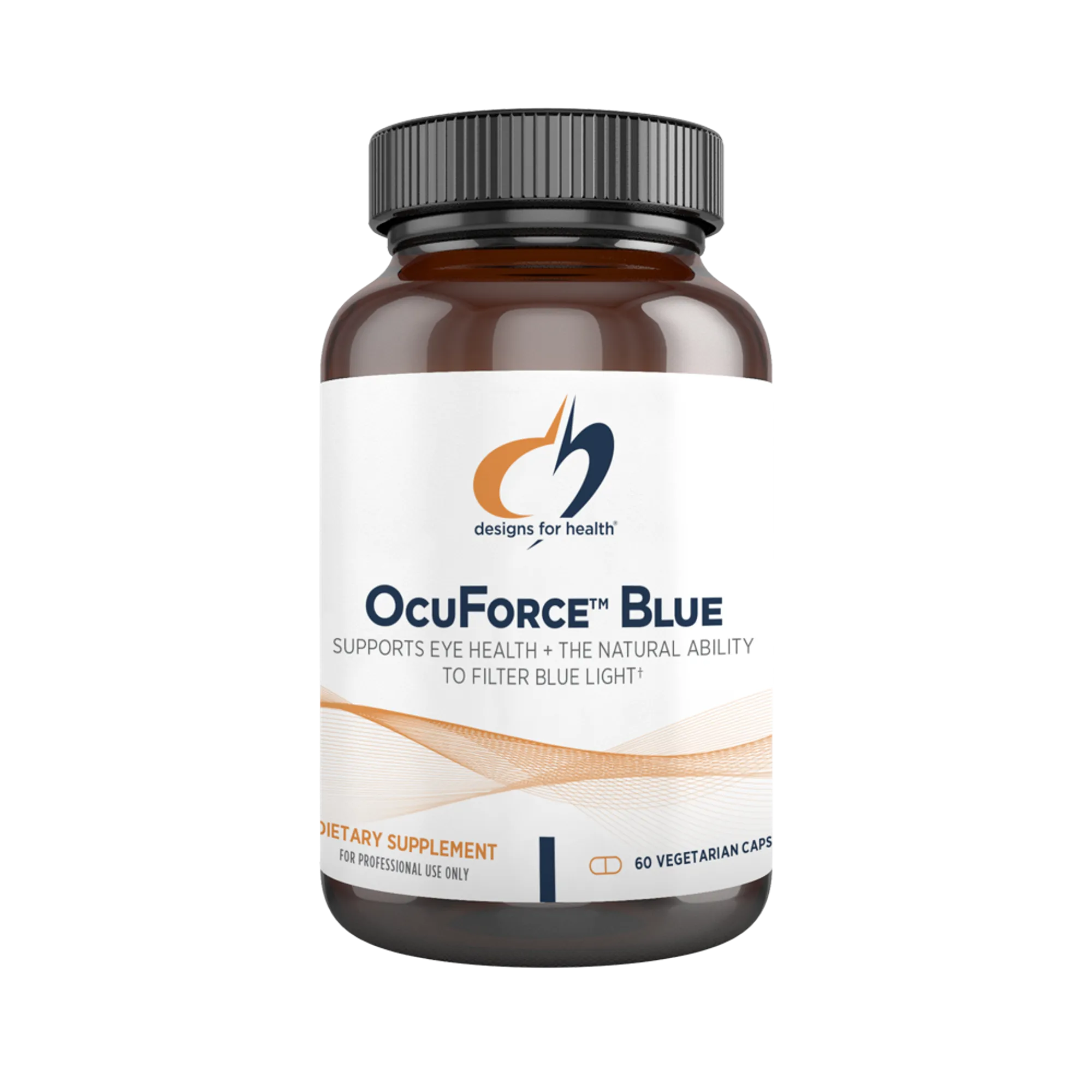
These visual symptoms are rarely due to structural defects in the eye itself; rather, they are complex neurological and autonomic manifestations of systemic illness. When the autonomic nervous system loses its ability to regulate pupil size, tear production, and ocular blood flow, the eyes become highly vulnerable to oxidative stress and blue light damage. Addressing this requires more than just over-the-counter artificial tears. It requires targeted nutritional support to quench retinal inflammation, restore glandular function, and protect the delicate neural tissues of the visual system. OcuForce™ Blue 60 by Designs for Health is a comprehensive, science-backed formula designed to do exactly that. By combining highly bioavailable macular carotenoids, potent botanical extracts, and specialized vitamin E isomers, this supplement offers a multi-mechanistic approach to protecting the eyes from digital strain and supporting overall visual comfort.
What is OcuForce™ Blue 60?
The Anatomy of Ocular Defense
To understand how OcuForce™ Blue works, we must first examine the natural defense mechanisms of a healthy human eye. The eye is a highly metabolic organ that is constantly exposed to environmental stressors, particularly high-energy, short-wavelength blue light (400–500 nm) emitted by the sun and digital screens. When this blue light enters the eye, it strikes the macula—the central area of the retina responsible for sharp, detailed, and central vision. In a healthy state, the macula is protected by a dense layer of dietary carotenoids known as the macular pigment. This pigment acts as internal "sunglasses," physically absorbing and filtering out up to 90% of harmful blue light before it can penetrate the delicate underlying photoreceptor cells. Without this robust optical filter, high-energy light triggers severe photochemical damage and lipid peroxidation within the retinal membranes, leading to cellular apoptosis and long-term visual decline.
Beyond the macula, the eye relies on a complex network of muscles, blood vessels, and glands to maintain clear and comfortable vision. The ciliary body, a ring of smooth muscle inside the eye, constantly contracts and relaxes to change the shape of the lens, allowing us to seamlessly shift our focus from a distant object to a near screen—a process known as accommodation. Simultaneously, the lacrimal glands (located above the eyes) and meibomian glands (in the eyelids) work in tandem to produce a complex, three-layered tear film. This tear film lubricates the ocular surface, washes away debris, and provides a smooth optical surface for light to enter. Every single one of these structures requires a massive and continuous supply of oxygen, nutrients, and antioxidants to function optimally and repair cellular damage. When systemic illness depletes these resources, the entire visual system begins to falter.
The Synergy of Macular Carotenoids and Botanical Extracts
OcuForce™ Blue is meticulously formulated to support every layer of this ocular defense system. At its core, the supplement provides a clinically researched ratio of lutein and zeaxanthin isomers (trademarked as Lutemax® 2020). These are the specific xanthophyll carotenoids that naturally accumulate in the human macula. Because the human body cannot synthesize these compounds on its own, they must be obtained through diet or supplementation. By providing these exact molecules, OcuForce™ Blue directly replenishes the macular pigment optical density (MPOD), thickening the eye's natural shield against blue light and reducing the oxidative burden on the retina. This structural reinforcement is critical for anyone spending hours a day looking at digital displays.
Complementing these macular carotenoids is a synergistic blend of highly potent botanical extracts and antioxidants. The formula includes Maqui Berry Extract (MaquiCare™), a Patagonian super-fruit exceptionally rich in delphinidins, which are specific anthocyanins known to target the lacrimal glands and stimulate natural tear production. It also features Astaxanthin (AstaREAL®), a unique marine carotenoid that can cross the blood-retinal barrier to relieve ciliary muscle fatigue, alongside Ginkgo biloba and Bilberry extract to promote healthy microcirculation. Together, these ingredients create a comprehensive safety net for the visual system, addressing both the structural integrity of the retina and the functional comfort of the ocular muscles and glands.
Protecting the Blood-Retinal Barrier
One of the most critical challenges in ocular nutrition is delivering therapeutic compounds past the blood-retinal barrier (BRB). Similar to the blood-brain barrier, the BRB is a highly selective semipermeable border that prevents circulating blood from freely mixing with the extracellular fluid of the retina. This barrier protects the eye from systemic toxins and pathogens but also makes it notoriously difficult for many standard antioxidants to reach the ocular tissues where they are needed most. If a supplement cannot cross this barrier, its benefits for the eye are fundamentally limited.
OcuForce™ Blue overcomes this physiological hurdle by utilizing highly lipid-soluble ingredients. The inclusion of Vitamin E isomers—specifically delta- and gamma-tocotrienols (DeltaGold®)—is a prime example of this targeted design. Unlike standard alpha-tocopherol found in generic multivitamins, these specific tocotrienols possess unique unsaturated side chains that allow them to easily penetrate the lipid-rich membranes of the retina. Once inside, they provide unparalleled protection against oxidative stress, neutralizing free radicals directly at the site of blue light exposure. This deep cellular penetration ensures that the ingredients in OcuForce™ Blue don't just circulate in the bloodstream, but actively accumulate within the eye to exert their protective and restorative effects.
How Dysautonomia and Long COVID Impact Visual Health
Pupillomotor Dysfunction and Severe Photophobia
To comprehend why patients with complex chronic illnesses experience such profound visual distress, we must look beyond the eye itself and examine the autonomic nervous system (ANS). The ANS controls all involuntary bodily functions, including the intricate mechanisms of vision. In conditions like Long COVID, ME/CFS, and Postural Orthostatic Tachycardia Syndrome (POTS), viral infections or immune dysregulation can trigger severe autonomic dysfunction, known as dysautonomia. One of the most immediate visual consequences of this systemic disruption is pupillomotor dysfunction.
In a healthy individual, the autonomic nerves rapidly constrict the pupil when exposed to bright light, limiting the amount of light that hits the sensitive retina. However, in patients with dysautonomia, this reflex is often sluggish or entirely impaired. The pupil remains inappropriately dilated, flooding the retina with excessive, high-energy light. This constant overexposure leads to severe photophobia (light sensitivity), where even normal indoor lighting or the glow of a smartphone screen can cause intense, physical pain. The brain, already dealing with neuroinflammation, processes this excess visual input as a noxious threat, frequently triggering severe migraines, dizziness, and sensory overload.
Secretomotor Dysfunction and Chronic Dry Eye Disease
The autonomic nervous system is also responsible for secretomotor function—the signaling pathways that tell the body's glands to produce fluids. When dysautonomia disrupts these signals, the lacrimal glands fail to produce an adequate volume of basal tears, and the meibomian glands fail to secrete the essential lipid (oil) layer that prevents those tears from evaporating. This results in a severe, chronic form of Dry Eye Disease (DED) that is notoriously resistant to standard over-the-counter eye drops, which only provide fleeting external relief.
Research indicates that up to 78% of patients with Long COVID dysautonomia experience clinical dry eye symptoms. This is not merely a sensation of mild dryness; it is a profound lack of lubrication that causes the eyelids to create friction against the cornea with every blink. This constant mechanical irritation triggers a localized inflammatory cascade on the ocular surface, releasing cytokines and chemokines that further damage the tear-producing glands, creating a vicious, self-perpetuating cycle of dryness and inflammation. For patients already struggling to live with long-term COVID, this relentless ocular discomfort can significantly degrade their quality of life.
Small Fiber Neuropathy and Ocular Pain
Compounding the autonomic issues is the frequent presence of Small Fiber Neuropathy (SFN), a condition commonly found in both Long COVID and ME/CFS where the small peripheral nerve fibers are damaged by immune dysregulation. The cornea is one of the most densely innervated tissues in the entire human body, packed with thousands of microscopic nerve endings. When these specific small fiber nerves are damaged or inflamed, it disrupts the neural feedback loop required to stimulate tear production, further exacerbating the dry eye cycle.
More devastatingly, this neuropathy alters how the eyes perceive sensation. Patients often develop neuropathic ocular pain—a condition where the nerves misfire, sending constant signals of burning, stinging, or a "gritty" foreign-body sensation to the brain, even when the surface of the eye appears structurally normal to an optometrist. This neuropathic pain is heavily linked to the systemic neuroinflammation seen in ME/CFS, making the eyes incredibly sensitive to even the slightest environmental triggers, such as moving air from a fan or the subtle flicker of a digital screen.
OcuForce™ Blue: Supporting Visual Function and Comfort
Maqui Berry and the Restoration of Natural Tear Production
When addressing the severe dry eyes associated with autonomic dysfunction, traditional artificial tears only provide a temporary, external band-aid. OcuForce™ Blue takes a fundamentally different approach by utilizing Maqui Berry Extract (MaquiCare™) to heal the tear production system from the inside out. Maqui berry is exceptionally rich in delphinidins, a highly bioactive subclass of anthocyanin antioxidants. When ingested, these delphinidins travel through the bloodstream and specifically accumulate in the lacrimal glands, the primary structures responsible for tear synthesis.
Once inside the lacrimal glands, delphinidins go to work quenching the intense oxidative stress and free radical damage that suppresses tear fluid secretion. By neutralizing these reactive oxygen species (ROS), the extract restores normal cellular function to the glands, stimulating the body's natural ability to produce its own high-quality, biologically complex lacrimal fluid. Clinical trials have demonstrated that standardized maqui berry extract can increase natural tear fluid production by up to 89% in just four weeks, providing profound relief from the gritty, burning sensations of chronic dry eye without the constant need for external drops.
Astaxanthin's Role in Ciliary Muscle Recovery and Accommodation
For patients suffering from digital eye strain and an inability to focus on screens, the Astaxanthin (AstaREAL®) in OcuForce™ Blue offers targeted mechanistic support. Astaxanthin is a uniquely structured marine carotenoid that easily crosses the blood-retinal barrier. When we stare at screens for extended periods, the ciliary muscles inside the eye remain persistently contracted, leading to severe muscle fatigue, cellular inflammation, and a temporary loss of visual acuity. This constant muscular tension is a primary driver of the headaches and neck pain associated with screen use.
Astaxanthin combats this by significantly increasing capillary blood flow directly to the ciliary body. This enhanced microcirculation delivers a surge of oxygen and vital nutrients to the exhausted muscles, allowing them to recover from sustained contraction much more rapidly. Furthermore, astaxanthin's potent anti-inflammatory properties dampen the cellular inflammation caused by visual stress. Studies show that this mechanism directly improves "accommodation amplitude"—the eye's ability to seamlessly change optical power and maintain clear focus—thereby reducing the blurred vision, eye pain, and accompanying neck stiffness associated with prolonged screen time.
Ginkgo Biloba and Enhanced Ocular Microcirculation
Vascular dysregulation is a core component of dysautonomia, often leading to reduced cerebral and ocular blood flow, which can cause temporary vision dimming or "visual snow." OcuForce™ Blue incorporates Ginkgo biloba extract, a well-documented botanical known for its profound hemorheological (blood flow) benefits. Ginkgo contains specific flavone glycosides and terpene lactones that act as natural vasodilators and rheological modifiers, directly addressing the ischemic conditions that threaten optic nerve health.
At a molecular level, Ginkgo biloba decreases blood viscosity and improves the deformability of red blood cells, allowing them to squeeze through the microscopic capillaries of the retina and optic nerve more efficiently. By reducing vascular resistance, research indicates that Ginkgo significantly increases the end-diastolic velocity in the ophthalmic artery. This ensures that the delicate neural tissues of the eye receive a steady, uninterrupted supply of oxygenated blood, protecting retinal ganglion cells from hypoxic damage and supporting overall visual field integrity.
Tocotrienols and the Suppression of Retinal Oxidative Stress
To round out its comprehensive ocular defense, OcuForce™ Blue features a specialized form of Vitamin E known as DeltaGold® tocotrienols. While standard alpha-tocopherol is common in supplements, delta- and gamma-tocotrienols offer 40 to 60 times stronger protection against oxidative stress. Their unique molecular structure allows them to anchor deeply into the lipid-rich photoreceptor membranes of the retina, providing a robust shield exactly where light-induced damage is most likely to occur.
Once embedded in the retinal tissue, these tocotrienols act as master antioxidants, interrupting the destructive chain reactions of lipid peroxidation caused by high-energy blue light. Furthermore, delta-tocotrienol possesses unique anti-angiogenic properties, meaning it helps inhibit the abnormal, leaky blood vessel formation driven by systemic inflammation. By suppressing inflammatory pathways like NF-κB and neutralizing free radicals, these tocotrienols provide a vital layer of neuroprotection, shielding the optic nerve and retinal cells from the chronic oxidative burden seen in complex chronic illnesses.

Symptoms OcuForce™ Blue May Help Manage
Targeting Light Sensitivity and Screen Intolerance
The synergistic blend of macular carotenoids, antioxidants, and botanical extracts in OcuForce™ Blue is specifically designed to address the complex, overlapping visual symptoms experienced by patients with autonomic and neuroimmune conditions. By targeting the root causes of ocular oxidative stress, poor microcirculation, and glandular dysfunction, this formula offers comprehensive support for daily visual comfort. Patients dealing with the unpredictable nature of chronic illness need solutions that work at a cellular level, rather than just masking surface-level discomfort.
While individual responses to supplementation will vary based on the severity of underlying dysautonomia and neuroinflammation, clinical data suggests that the key ingredients in this formula can help manage several debilitating symptoms. Patients tracking their Long COVID symptoms often note improvements in their ability to tolerate visual stimuli after consistent supplementation, allowing them to engage more comfortably with the digital world and their daily environments.
Key Visual Symptoms Addressed
The targeted mechanisms of OcuForce™ Blue may provide relief for the following specific challenges:
Severe Photophobia (Light Sensitivity): By replenishing the macular pigment with lutein and zeaxanthin, the supplement thickens the eye's natural optical filter, reducing the amount of painful, high-energy blue light that reaches the hyper-sensitized retina.
Chronic Dry Eyes and Grittiness: The delphinidins in maqui berry extract directly target oxidative stress in the lacrimal glands, stimulating the natural, internal production of high-quality tear fluid to soothe burning and mechanical irritation.
Digital Eye Strain and Screen Intolerance: Astaxanthin improves blood flow to the ciliary muscles, helping them recover from the sustained contraction required for screen viewing, thereby reducing the heavy, fatigued sensation in the eyes.
Blurred Vision and Focus Issues: By supporting ciliary muscle health and enhancing ocular microcirculation via Ginkgo biloba, the formula improves accommodative function, making it easier for the eyes to shift focus and maintain visual clarity.
Neuropathic Ocular Pain: The deep-penetrating antioxidant protection of tocotrienols and astaxanthin helps calm localized neuroinflammation and oxidative damage along the corneal nerves, potentially easing the constant signaling of ocular pain.
Practical Considerations: Forms, Dosing, and Absorption
The Importance of Standardized Patented Extracts
When evaluating eye health supplements, the specific forms and standardization of the ingredients dictate their clinical efficacy. OcuForce™ Blue utilizes patented, highly researched raw materials to ensure consistent therapeutic delivery. For example, the Lutemax® 2020 provides lutein and zeaxanthin in the exact 5:1 ratio found naturally in the human diet and the macula. This specific ratio has been extensively studied for its ability to rapidly increase macular pigment optical density, ensuring that the eye receives the exact biological building blocks it needs to construct its blue light shield.
Similarly, the formula uses MaquiCare™, a standardized maqui berry extract guaranteeing a precise yield of delphinidins. Generic maqui berry powders, often sold as culinary superfoods, do not contain the concentrated active compounds necessary to stimulate the lacrimal glands. Furthermore, the inclusion of DeltaGold® ensures that the tocotrienols are derived from the annatto plant, which is naturally free of alpha-tocopherol. This is a critical formulation choice, as clinical evidence suggests that standard alpha-tocopherol can actually interfere with the body's absorption and utilization of the more potent tocotrienols, rendering poorly formulated supplements ineffective.
Lipid Solubility and Maximizing Absorption
Because the primary active ingredients in OcuForce™ Blue—specifically the carotenoids (lutein, zeaxanthin, astaxanthin) and the vitamin E tocotrienols—are highly fat-soluble, their bioavailability is heavily dependent on how they are consumed. If taken on an empty stomach, the body will struggle to absorb these lipophilic molecules, and they will largely pass through the digestive tract unutilized, providing little to no benefit to the visual system.
To maximize absorption and ensure these compounds successfully reach the bloodstream and cross the blood-retinal barrier, it is crucial to take OcuForce™ Blue with a meal that contains healthy fats. Consuming the capsules alongside foods like avocados, nuts, olive oil, or fatty fish triggers the release of bile salts in the digestive tract, which emulsify the fat-soluble nutrients and significantly enhance their uptake into the intestinal cells. This simple dietary adjustment can drastically improve the clinical efficacy of the supplement.
Dosing Timelines and What to Expect
Healing the visual system and replenishing depleted antioxidant stores is a gradual process. While some patients may notice subtle improvements in eye hydration within the first few weeks, clinical trials indicate that it typically takes 30 to 60 days of consistent daily supplementation to see significant increases in natural tear production from maqui berry extract. The body needs time to quench glandular oxidative stress and rebuild its natural fluid production capabilities.
Similarly, building up the macular pigment with lutein and zeaxanthin to effectively filter blue light requires sustained daily intake over 12 to 16 weeks. Patients should view this supplement as a long-term structural investment in their eye health rather than a quick fix. As always, patients with complex chronic conditions, particularly those taking blood-thinning medications (due to the Ginkgo biloba content) or heart-rate regulating drugs for COVID long haulers, should consult their healthcare provider before initiating any new supplement regimen to ensure there are no contraindications.

Follow the Science: Clinical Evidence for Key Ingredients
Clinical Trials on MaquiBright and Tear Production
The ingredients in OcuForce™ Blue are supported by a robust body of peer-reviewed clinical research. The efficacy of standardized maqui berry extract for dry eye disease is particularly well-documented. In a 2018 randomized, double-blind, placebo-controlled trial published in the Journal of Traditional and Complementary Medicine, researchers evaluated 74 participants suffering from dry eyes and visual fatigue due to prolonged screen time. The study aimed to see if oral supplementation could outperform traditional topical treatments.
The participants were given 60 mg of standardized maqui extract daily for four weeks. The results were striking: the maqui extract group experienced an 89% increase in natural tear fluid production, as measured by the objective Schirmer's test. Furthermore, subjective assessments showed a significant reduction in overall eye fatigue, bothersome ocular symptoms like redness and grittiness, and even a reduction in the stiff shoulders frequently associated with severe eye strain, proving the systemic benefits of quenching glandular oxidative stress.
Astaxanthin's Efficacy in Visual Display Terminal Workers
Astaxanthin has been extensively studied for its ability to combat Computer Vision Syndrome (CVS) and digital asthenopia (eye fatigue). A landmark clinical trial by Nagaki et al. focused specifically on Visual Display Terminal (VDT) workers who spent hours daily in front of screens. Participants taking 5 to 6 mg per day of astaxanthin experienced a 46% reduction in the number of eye strain complaints over four weeks, highlighting its potent ability to relieve muscular tension in the eye.
More importantly, the researchers measured a statistically significant increase in "accommodation amplitude"—proving objectively that the participants' eyes could focus more easily and rapidly after supplementation. A more recent 2023 double-blind study published in the Journal of Clinical Biochemistry and Nutrition confirmed these findings, demonstrating that 9 mg/day of astaxanthin successfully prevented the temporary reduction in visual acuity that typically occurs after heavy VDT work, effectively protecting the aging ciliary muscle from screen-induced oxidative stress.
The AREDS2 Trial and Lutein's Impact on Macular Pigment
The foundational role of lutein and zeaxanthin in ocular health was cemented by the massive Age-Related Eye Disease Study 2 (AREDS2), a five-year clinical trial involving over 4,200 patients. The study sought to optimize nutritional interventions for macular health by adding lutein (10 mg) and zeaxanthin (2 mg) to the treatment protocol. The data revealed that this specific carotenoid intervention resulted in an 18% reduction in the risk of advanced macular degeneration progression, establishing these nutrients as essential for long-term retinal preservation.
Building on this, a 16-week placebo-controlled trial in Japan evaluated the specific impact of lutein on blue light filtration in healthy adults. The lutein group's Macular Pigment Optical Density (MPOD) significantly increased from a baseline of 0.498 to 0.545 by the end of the study, while the placebo group saw no change. This measurable thickening of the macular pigment directly correlated with significant improvements in contrast sensitivity and a reduction in glare impairment, proving the structural benefits of these vital carotenoids in defending against high-energy light.
The Path Forward
Validating the Burden of Invisible Visual Symptoms
Living with severe photophobia, dry eyes, and screen intolerance is an incredibly isolating experience. When the simple act of sending a text message, reading an email, or watching a television show triggers a cascade of neurological pain and fatigue, it fundamentally alters how you interact with the modern world. If you are struggling with these symptoms as part of your Long COVID or ME/CFS journey, it is crucial to know that your experience is valid. These are not signs of anxiety or simple "tired eyes"; they are profound physiological manifestations of autonomic dysfunction and neuroinflammation. Do Long COVID symptoms come and go? Yes, and visual symptoms often flare in direct correlation with your overall systemic energy envelope.
A Comprehensive Approach to Pacing and Eye Care
While targeted nutritional support is a powerful tool, managing complex visual dysfunction requires a comprehensive, multi-layered approach. Supplements like OcuForce™ Blue should be utilized alongside strict visual pacing strategies. Implementing the 20-20-20 rule (looking at an object 20 feet away for 20 seconds every 20 minutes), utilizing precision-tinted FL-41 glasses to filter out painful light wavelengths, and aggressively managing your underlying dysautonomia through hydration and electrolyte balance are all critical components of a holistic management plan. You must treat the systemic autonomic dysfunction alongside the localized ocular symptoms.
Next Steps in Your Management Journey
Restoring visual comfort takes time, patience, and a willingness to address the root causes of oxidative stress and autonomic disruption. By providing your eyes with the specific macular carotenoids, deep-penetrating antioxidants, and glandular-supporting botanicals they desperately need, you can begin to rebuild your ocular defenses and improve your tolerance to the digital world. Always work closely with a neuro-ophthalmologist or a dysautonomia-literate physician to tailor these interventions to your specific needs, ensuring that your treatment protocol is as comprehensive as your symptoms.
Sources
Ocular Symptoms as a Marker of Dysautonomia in Long-COVID Patients (PMC)
Effects of MaquiBright® on improving eye dryness and fatigue in humans (PubMed)
Effects of diet containing astaxanthin on visual function in healthy individuals (PMC)
Ginkgo biloba extract increases ocular blood flow velocity (PubMed)
Clinical Applications of Astaxanthin in the Treatment of Ocular Diseases (PMC)
Lutein supplementation improves blue-light blocking ability (NutraIngredients)
Lutein and Zeaxanthin and Their Roles in Age-Related Macular Degeneration (PMC)
MaquiBright™ standardized maqui berry extract significantly increases tear fluid production (PubMed)