Can NuAdapt Help Manage 'Stressed and Wired' Symptoms in Long COVID and ME/CFS?
March 6, 2026
NuAdaptLong COVIDME/CFS
Share:
Disclaimer: The information provided here is for educational purposes only and is not intended as medical advice. It should not be used to diagnose, treat, cure, or prevent any medical condition. Instead, use it as a starting point for discussion with your healthcare provider. Always consult with a qualified healthcare provider before starting any new medication, supplement, device, or making changes to your health regimen.
Stress is universally defined as any disturbance that triggers the body's innate survival mechanisms. This can include extreme temperature fluctuations, psychological trauma, sleep deprivation, physical exertion, or toxic environmental exposures. In a healthy individual, the initial, short-lived phase of this reaction is the body’s normal fight-or-flight response to danger, characterized by a rapid surge in adrenaline and elevated cortisol levels. This acute response is highly adaptive, allowing the body to mobilize energy, heighten alertness, and respond to immediate threats effectively.
However, when the stressor is not resolved—as is often the case with chronic viral infections, persistent inflammation, or the ongoing trauma of navigating a complex chronic illness—the body enters a prolonged resistance phase. During this phase, the body attempts to continue buffering the extended stress exposure long after the initial fight-or-flight trigger has dissipated. Hormones released by the adrenal glands, particularly cortisol and dehydroepiandrosterone (DHEA), are continuously pumped into the bloodstream to support this ongoing "resistance" reaction. Over time, this extended period of stress heavily burdens the systemic physiology, creating a profound imbalance in cortisol and DHEA production.
This relentless demand eventually leads to the third stage of the stress response: exhaustion. In this final stage, the body's compensatory mechanisms begin to fail, resulting in profound mental and physical fatigue, nervous tension, irritability, and poor memory. Patients often describe this state as feeling completely depleted yet paradoxically "stressed and wired," unable to relax despite overwhelming exhaustion. Understanding this progression is crucial for patients dealing with post-viral syndromes, as their bodies are frequently trapped in a continuous loop of physiological alarm and resistance.
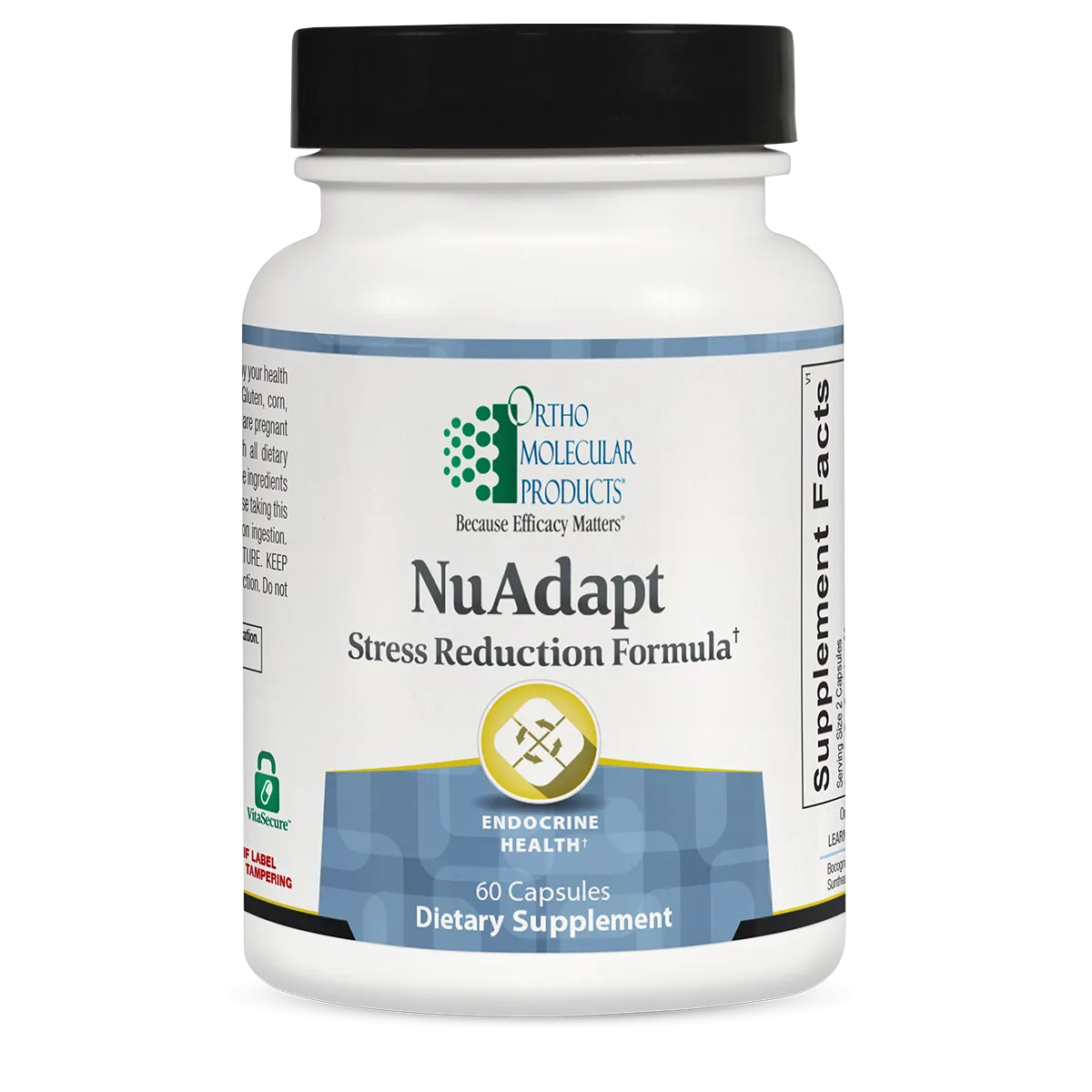
What is NuAdapt?
The Anatomy of the Stress Response
Stress is universally defined as any disturbance that triggers the body's innate survival mechanisms. This can include extreme temperature fluctuations, psychological trauma, sleep deprivation, physical exertion, or toxic environmental exposures. In a healthy individual, the initial, short-lived phase of this reaction is the body’s normal fight-or-flight response to danger, characterized by a rapid surge in adrenaline and elevated cortisol levels. This acute response is highly adaptive, allowing the body to mobilize energy, heighten alertness, and respond to immediate threats effectively.
However, when the stressor is not resolved—as is often the case with chronic viral infections, persistent inflammation, or the ongoing trauma of navigating a complex chronic illness—the body enters a prolonged resistance phase. During this phase, the body attempts to continue buffering the extended stress exposure long after the initial fight-or-flight trigger has dissipated. Hormones released by the adrenal glands, particularly cortisol and dehydroepiandrosterone (DHEA), are continuously pumped into the bloodstream to support this ongoing "resistance" reaction. Over time, this extended period of stress heavily burdens the systemic physiology, creating a profound imbalance in cortisol and DHEA production.
This relentless demand eventually leads to the third stage of the stress response: exhaustion. In this final stage, the body's compensatory mechanisms begin to fail, resulting in profound mental and physical fatigue, nervous tension, irritability, and poor memory. Patients often describe this state as feeling completely depleted yet paradoxically "stressed and wired," unable to relax despite overwhelming exhaustion. Understanding this progression is crucial for patients dealing with post-viral syndromes, as their bodies are frequently trapped in a continuous loop of physiological alarm and resistance.
The Role of the HPA Axis
The central command center for this entire stress response system is the hypothalamic-pituitary-adrenal (HPA) axis. This complex neuroendocrine network begins in the hypothalamus, a small region at the base of the brain that acts as the body's primary sensor for internal and external stressors. When a threat is detected, the hypothalamus secretes Corticotropin-Releasing Factor (CRF). This hormone travels a short distance to the pituitary gland, prompting it to release Adrenocorticotropic Hormone (ACTH) into the systemic circulation.
ACTH then travels through the bloodstream to the adrenal cortex, the outer layer of the adrenal glands located just above the kidneys. Upon receiving the ACTH signal, the adrenal glands synthesize and secrete cortisol, the body's primary glucocorticoid stress hormone. Cortisol is responsible for mobilizing glucose for immediate energy, suppressing non-essential functions like digestion and reproduction, and modulating the immune system's inflammatory response. In a healthy negative feedback loop, high levels of circulating cortisol eventually signal the hypothalamus and pituitary to stop producing CRF and ACTH, effectively turning off the stress response once the danger has passed.
However, in conditions characterized by chronic systemic inflammation or neuroimmune dysfunction, this delicate negative feedback loop becomes severely compromised. The HPA axis loses its ability to self-regulate, leading to either chronically elevated cortisol levels that damage tissues or, eventually, a blunted cortisol response where the exhausted adrenal glands can no longer produce enough hormone to meet the body's daily demands. This HPA axis dysfunction is a hallmark of many complex chronic illnesses, driving a wide array of debilitating systemic symptoms.
A Synergistic Botanical Approach
NuAdapt is a specialized formulation designed specifically for individuals who are experiencing high levels of perceived stress, irritability, decreased focus, and low motivation—the classic symptoms of a dysregulated HPA axis. Rather than relying on harsh stimulants or synthetic sedatives, NuAdapt utilizes a unique, evidence-based blend of adaptogenic botanicals and targeted nutrients. Adaptogens are a class of natural substances that help the body resist stressors of all kinds, whether physical, chemical, or biological, by restoring physiological homeostasis.
The formulation includes highly standardized extracts of Bacopa monnieri, Ashwagandha, Rhodiola rosea, and Eleuthero root, combined with the neuro-supportive amino acid L-Theanine and the phospholipid Phosphatidylserine. Together, these ingredients work synergistically to support the body's stress response, improve cognition, and, most importantly, promote cortisol balance during the initial alarm phase of stress. By buffering the impact of extended stress exposure, NuAdapt helps prevent the HPA axis from reaching the devastating exhaustion phase.
For patients navigating the complexities of chronic invisible illnesses, finding ways to gently modulate the nervous system without causing a "crash" is paramount. NuAdapt offers a comprehensive approach to stress management by targeting the HPA axis at multiple biochemical intervention points. Whether it is blunting the initial cortisol spike, protecting cellular energy production, or calming neuroinflammation, this formulation provides foundational support for a nervous system that is stuck in a state of chronic overdrive.
How Long COVID and ME/CFS Impact the HPA Axis
The "Stressed and Wired" Paradox in Long COVID
To understand What Causes Long COVID?, researchers are increasingly looking at the profound impact of the SARS-CoV-2 virus on the central nervous system and the HPA axis. Following an acute infection, many patients find themselves trapped in a paradoxical state: they are overwhelmingly exhausted, yet their nervous systems feel constantly agitated, a sensation often described as being "stressed and wired." This occurs because the viral infection acts as a massive, prolonged physiological stressor that forces the HPA axis into a state of chronic activation.
According to recent comprehensive reviews on Long COVID mechanisms, the persistence of viral fragments, systemic inflammation, and the presence of pathological microclots create a continuous alarm signal in the body. The hypothalamus detects this ongoing physiological damage and continuously secretes CRF, driving the adrenal glands to pump out cortisol. However, because the "threat" (the post-viral inflammation) is never fully resolved, the HPA axis never receives the signal to stand down. This continuous sympathetic nervous system overdrive leaves the patient in a perpetual fight-or-flight state, severely disrupting sleep architecture and preventing restorative healing.
Over time, this chronic HPA activation leads to a phenomenon known as HPA axis desensitization. As detailed in studies exploring the complexities of Long COVID, the glucocorticoid receptors that normally respond to cortisol become downregulated due to constant exposure. This means that even if cortisol is present, the body's tissues stop responding to its anti-inflammatory signals effectively. This receptor resistance contributes heavily to the widespread pain, autonomic dysfunction, and unyielding fatigue that characterize the Long COVID experience, making daily functioning incredibly difficult.
Glutamate Excitotoxicity and Neuroinflammation
One of the most debilitating aspects of post-viral syndromes is the profound cognitive impairment commonly referred to as brain fog. This is not merely a psychological symptom of being tired; it is a distinct neurological phenomenon driven by neuroinflammation and neurotransmitter imbalance. In a healthy brain, there is a delicate balance between glutamate, the primary excitatory neurotransmitter, and GABA, the primary inhibitory (calming) neurotransmitter. This balance is essential for normal cognitive processing, memory retention, and emotional regulation.
However, chronic illness severely disrupts this equilibrium. Recent neurobiological research has revealed that Long COVID and similar conditions can cause damage to the blood-brain barrier and the astrocytes—the glial cells responsible for clearing excess glutamate from the brain. When astrocytes fail, glutamate builds up to toxic levels in the synapses, a state known as glutamate excitotoxicity. This excess glutamate constantly binds to AMPA and NMDA receptors, keeping the neurons in a state of hyper-excitation that eventually leads to cellular damage and widespread neuroinflammation.
This excitotoxic state is a primary driver of the "wired" sensation patients experience. The brain is literally overstimulated at a biochemical level, leading to racing thoughts, severe anxiety, sensory processing issues, and an inability to concentrate. Furthermore, the neuroinflammation triggered by excess glutamate activates microglial cells, the brain's resident immune cells, which then release inflammatory cytokines like TNF-alpha and IL-6. This vicious cycle of excitation and inflammation degrades white matter integrity and severely impairs cognitive function, explaining What Are the Symptoms of Long COVID? related to the brain.
The Adrenal Burnout Loop in ME/CFS
Myalgic Encephalomyelitis/Chronic Fatigue Syndrome (ME/CFS) shares many overlapping pathophysiological features with Long COVID, particularly concerning HPA axis dysfunction. Many patients wonder, Can Long COVID Trigger ME/CFS? Unraveling the Connection, and the answer lies partly in how both conditions exhaust the adrenal system. In ME/CFS, the prolonged presence of an initial stressor—often a viral infection—chronically activates the HPA axis, initially triggering an overproduction of cortisol.
However, as research on ME/CFS biology indicates, this chronic activation eventually leads to a "stress crash" or adrenal burnout. After months or years of relentless demand, the HPA axis downregulates, and the adrenal glands can no longer produce sufficient cortisol to meet the body's needs. This resulting state of hypocortisolism (low baseline cortisol) is a defining feature for many ME/CFS patients. Without adequate cortisol to modulate the immune system, patients experience heightened systemic inflammation, profound exertion-intolerant fatigue, and severe post-exertional malaise (PEM).
This hypocortisolism creates a devastating negative feedback loop. Because cortisol is required to maintain blood pressure and vascular tone, its depletion exacerbates autonomic nervous system dysfunction, leading to orthostatic intolerance and dizziness. The body attempts to compensate for the lack of cortisol by releasing more adrenaline, which only further fuels the "stressed and wired" feeling while simultaneously draining the body's remaining cellular energy reserves. Breaking this cycle requires targeted interventions that can gently support the HPA axis without aggressively stimulating an already exhausted system.
NuAdapt: Supporting the Stress Response and Cognitive Function
Ashwagandha and Phosphatidylserine: Blunting the Cortisol Spike
To address the hyper-reactivity of the HPA axis, NuAdapt incorporates two powerful ingredients: Ashwagandha Root Extract and Phosphatidylserine (PS). Ashwagandha (Withania somnifera) is a premier adaptogenic herb containing bioactive compounds called withanolides. These steroidal lactones structurally resemble human hormones, allowing them to exert direct regulatory effects on the HPA axis. Systematic reviews of clinical trials have consistently demonstrated that Ashwagandha significantly downregulates HPA axis hyperactivation, reducing fasting plasma and salivary cortisol levels by 22.7% to 30.5% in highly stressed individuals.
Furthermore, Ashwagandha acts as a GABA-mimetic. By binding to GABA receptors in the central nervous system, it provides a natural, calming counterweight to the excitatory signals of stress, effectively lowering perceived anxiety without causing sedation. This is complemented by Phosphatidylserine, a naturally occurring phospholipid that is highly concentrated in brain cell membranes. PS acts as a structural buffer against the stress response by modulating receptor-ligand interactions in the brain, specifically dampening Corticotropin-Releasing Factor (CRF) receptor activity.
By decreasing the sensitivity of CRF receptors, PS limits the amount of Adrenocorticotropic Hormone (ACTH) released by the pituitary gland. Because ACTH is the direct trigger for cortisol production, clinical studies have shown that PS supplementation can lower peak cortisol concentrations by up to 39% during acute stress. Importantly, PS acts as an adaptogen; it does not indefinitely suppress baseline cortisol but rather prevents the hyper-responsiveness of the HPA axis, helping to normalize diurnal cortisol rhythms in patients suffering from chronic psychosocial or physical stress.
L-Theanine: Restoring the GABA-Glutamate Balance
To combat the neurotoxic effects of glutamate excitotoxicity, NuAdapt includes L-Theanine, a unique amino acid naturally found in green tea leaves. Because its chemical structure is remarkably similar to glutamate, L-Theanine can easily cross the blood-brain barrier and act as a potent neuromodulator. It functions primarily as an antagonist at the brain's glutamate receptors, specifically the AMPA, kainate, and NMDA receptors. By occupying these receptor sites, L-Theanine effectively blocks excess glutamate from over-firing, protecting neurons from excitotoxic damage and reducing neuroinflammation.
While blocking these excitatory pathways, L-Theanine simultaneously stimulates the production of GABA, the brain's primary inhibitory neurotransmitter. This dual action—putting the brakes on glutamate while accelerating GABA—is crucial for shifting the autonomic nervous system out of sympathetic overdrive. Clinical EEG studies have demonstrated that a 200 mg dose of L-Theanine significantly increases alpha-wave activity in the brain, inducing a state of "wakeful relaxation" that enhances focus while drastically reducing salivary cortisol levels in response to cognitive stressors.
For patients dealing with Long COVID brain fog or dysautonomia, this mechanism is profoundly beneficial. By directly addressing the hyperactive AMPA receptors identified in post-viral neurological dysfunction, L-Theanine helps clear the cognitive static caused by a glutamate storm. It allows the nervous system to transition back into a parasympathetic "rest and digest" state, which is an essential physiological requirement for cellular repair and the alleviation of the persistent "wired" sensation.
Bacopa Monnieri: Combating Neuroinflammation and Brain Fog
Bacopa Extract (Bacopa monnieri), standardized to contain 12% bacosides, is included in NuAdapt specifically for its robust neuroprotective and cognitive-enhancing properties. The active triterpenoid saponins in Bacopa, known as bacosides, enhance cognitive function by promoting synaptogenesis (the creation of new neural connections) and modulating cholinergic signaling. Bacopa acts as a natural acetylcholinesterase inhibitor, preventing the breakdown of acetylcholine, a neurotransmitter that is absolutely vital for learning, memory processing, and sustained attention.
Beyond neurotransmitter support, Bacopa is a potent weapon against the neuroinflammation that drives post-viral brain fog. When the brain's resident immune cells, the microglia, are activated by viral fragments or chronic stress, they secrete tissue-damaging pro-inflammatory cytokines. In vitro studies have demonstrated that Bacopa significantly inhibits the release of these inflammatory mediators, including Tumor Necrosis Factor-alpha (TNF-α) and Interleukin-6 (IL-6), from activated microglial cells, thereby protecting neural tissue from inflammatory degradation.
Furthermore, Bacopa activates the Nrf2-ARE pathway, a critical cellular defense mechanism that boosts resilience against oxidative stress and reduces the activation of Nuclear Factor-κB (NF-κB), a master regulator of systemic inflammation. Emerging research also suggests that Bacopa may help counteract the severe serotonin depletion often seen in Long COVID patients by supporting neurotransmitter production pathways. By simultaneously reducing neuroinflammation and boosting essential cognitive neurotransmitters, Bacopa addresses the root biochemical causes of brain fog and mental fatigue.
Rhodiola and Eleuthero: Protecting Cellular Energy (ATP)
The final synergistic components of NuAdapt are Rhodiola rosea Root Extract and Eleuthero Root Extract, both renowned for their ability to combat profound physical and mental fatigue. Rhodiola rosea contains active compounds called rosavins and salidroside, which protect cellular energy synthesis during periods of prolonged stress. Research indicates that Rhodiola prevents the stress-induced decline of adenosine triphosphate (ATP) by inhibiting the SAPK/JNK pathway, ensuring that mitochondria can continue to produce energy even when the body is under physiological duress.
Rhodiola also acts as a mild monoamine oxidase (MAO) inhibitor, preventing the rapid breakdown of serotonin, dopamine, and norepinephrine. This helps sustain mood, mental clarity, and focus, directly counteracting the cognitive sluggishness associated with ME/CFS. Complementing this, Eleuthero (Eleutherococcus senticosus), standardized to contain eleutherosides, improves metabolic efficiency by enabling skeletal muscles to better utilize lipids for energy. This lipid utilization spares precious glycogen reserves, reducing lactic acid buildup and minimizing muscle damage during exertion.
Eleuthero also functions as a profound immunomodulator. Pharmacological studies have shown that eleutheroside E effectively suppresses the NLRP3/caspase-1 signaling pathway, inhibiting a highly inflammatory form of cell death known as pyroptosis. By downregulating this pathway, Eleuthero protects the heart, brain, and kidney tissues from stress-induced inflammatory injury while simultaneously supporting the HPA axis by modulating the release of corticosterone. Together, Rhodiola and Eleuthero provide a robust defense against the cellular energy depletion that defines chronic fatigue syndromes.
Symptoms NuAdapt May Help Manage
Cognitive and Neurological Symptoms
Severe Brain Fog and Confusion: By utilizing Bacopa monnieri to inhibit acetylcholinesterase and L-Theanine to block excitotoxic glutamate receptors, NuAdapt helps restore clear cognitive processing and memory retention.
Racing Thoughts and Anxiety: The GABA-mimetic properties of Ashwagandha and the alpha-wave induction from L-Theanine provide a calming counterweight to an overstimulated, "wired" nervous system, reducing perceived anxiety.
Poor Focus and Low Motivation: Rhodiola rosea's ability to inhibit the breakdown of dopamine and norepinephrine helps sustain mental endurance and motivation, even during periods of prolonged psychosocial stress.
Nervous Tension and Irritability: By blunting the excessive release of cortisol and ACTH via Phosphatidylserine, the formulation helps soothe the systemic nervous tension that arises from chronic HPA axis activation.
Physical and Autonomic Symptoms
Exertion-Intolerant Fatigue: Eleuthero root extract improves mitochondrial metabolic efficiency by sparing glycogen and utilizing lipids, helping to delay the onset of profound physical exhaustion.
The "Stress Crash" (Post-Exertional Malaise): By protecting cellular ATP synthesis and upregulating stress-sensor proteins like Hsp70, Rhodiola helps increase the body's resilience to physical stressors, potentially mitigating the severity of PEM crashes.
Disrupted Sleep Architecture: While not a sedative, lowering evening cortisol levels and shifting the autonomic nervous system out of sympathetic overdrive allows the body to enter the parasympathetic state required for restorative sleep.
Systemic Inflammation: The targeted inhibition of microglial activation by Bacopa and the suppression of the NLRP3 inflammasome by Eleuthero help reduce the widespread inflammatory burden that exacerbates chronic pain and autonomic dysfunction.
Practical Considerations: Forms, Dosing, and Absorption
Optimal Dosing and Timing
When incorporating a complex botanical and nutrient blend like NuAdapt into a chronic illness management protocol, proper dosing and timing are critical for achieving therapeutic benefits without overstimulating the nervous system. The suggested use for NuAdapt is 2 capsules, taken 1 to 2 times per day, or as recommended by your healthcare professional. Because the formulation contains adaptogens that influence cortisol rhythms and cellular energy, timing the doses to align with your body's natural circadian rhythm is highly recommended.
For most patients dealing with a "stressed and wired" presentation, taking the first dose in the morning helps blunt the exaggerated cortisol awakening response that often triggers early-day anxiety and tachycardia. If a second dose is needed, it is typically best taken in the early afternoon to sustain cognitive focus and prevent the late-afternoon energy crash common in ME/CFS. Taking NuAdapt too close to bedtime is generally not advised, as the energy-supporting properties of Rhodiola and Eleuthero may inadvertently interfere with the onset of sleep for highly sensitive individuals.
It is also important to recognize that botanical adaptogens do not work like immediate-release pharmaceuticals. While the L-Theanine may provide a noticeable calming effect within an hour, the HPA-axis modulating effects of Ashwagandha and the neuroplasticity benefits of Bacopa require consistent, cumulative use. Clinical trials evaluating these ingredients typically measure significant physiological changes, such as lowered baseline cortisol and reduced neuroinflammation, after 8 to 12 weeks of continuous daily supplementation.
Bioavailability of Standardized Extracts
The clinical efficacy of botanical supplements is entirely dependent on the bioavailability and concentration of their active compounds. NuAdapt utilizes highly standardized extracts to ensure therapeutic potency. For example, the Bacopa extract is standardized to contain 12% bacosides, the specific triterpenoid saponins responsible for cognitive enhancement. Similarly, the Ashwagandha is standardized to 1.5% withanolides, ensuring a consistent dose of the steroidal lactones required to downregulate the HPA axis.
The inclusion of Phosphatidylserine (PS) derived from sunflower seeds not only provides direct cortisol-blunting benefits but also enhances the overall absorption of the botanical extracts. Phospholipids like PS are essential components of cellular membranes; when co-ingested with botanical compounds, they can form phytosomes that significantly improve the transport of water-soluble plant extracts across the lipid-rich environment of the intestinal lining and the blood-brain barrier.
To further maximize absorption, it is generally recommended to take NuAdapt with a light meal or a source of healthy dietary fat. Because compounds like withanolides and bacosides have lipophilic (fat-loving) properties, the presence of dietary fats stimulates the release of bile acids, which emulsify the active ingredients and facilitate their efficient uptake into the systemic circulation, ensuring they reach their target receptors in the central nervous system.
Potential Interactions and Contraindications
While the ingredients in NuAdapt are generally recognized as safe and well-tolerated, their profound effects on the endocrine and nervous systems require careful consideration, particularly for patients with complex chronic conditions. Because Ashwagandha and Phosphatidylserine actively lower cortisol levels, this supplement is generally contraindicated for individuals with diagnosed primary adrenal insufficiency (Addison's disease) or those who are currently experiencing severe, end-stage hypocortisolism, as further suppressing the HPA axis could exacerbate their symptoms.
Additionally, because Rhodiola rosea acts as a mild monoamine oxidase (MAO) inhibitor, patients taking prescription MAOIs, SSRIs, or other serotonergic psychiatric medications should consult their healthcare provider before starting NuAdapt to avoid the risk of serotonin syndrome. The immunomodulatory effects of Eleuthero and Ashwagandha also mean that individuals with active autoimmune conditions should monitor their symptoms closely, as adaptogens can sometimes stimulate specific immune pathways while suppressing others.
Finally, patients who are pregnant, nursing, or taking immunosuppressive medications should avoid this formulation unless explicitly directed by a physician. As with any targeted intervention for Long COVID or ME/CFS, it is crucial to introduce new supplements slowly and track your physiological responses. Discussing these potential interactions with a knowledgeable practitioner ensures that NuAdapt fits safely within your broader, individualized treatment protocol.

Follow the Science
Clinical Evidence for Cortisol Reduction
The scientific foundation for NuAdapt's ingredients is built upon decades of rigorous clinical research into stress physiology and endocrinology. A 2023 systematic review analyzing the effects of Ashwagandha on human subjects consolidated data from multiple randomized, double-blind, placebo-controlled trials. The review concluded that highly stressed participants taking standardized Ashwagandha extracts for 60 days experienced consistent, statistically significant reductions in fasting plasma and salivary cortisol levels, ranging from 22.7% to 30.5% from baseline, alongside major improvements in validated anxiety rating scales.
Similarly, the cortisol-blunting effects of Phosphatidylserine have been extensively documented in sports medicine and psychoneuroendocrinology. A pivotal crossover study published in the Journal of the International Society of Sports Nutrition evaluated healthy men subjected to moderate-intensity exercise stress. The researchers found that a short-term loading phase of PS supplementation lowered peak cortisol concentrations by 39% and the overall area under the curve by 35% compared to a placebo, confirming its potent ability to suppress the ACTH-driven cortisol spike.
Furthermore, research investigating psychosocial stress utilizing the Trier Social Stress Test (TSST) demonstrated that a 400 mg daily dose of a Phosphatidylserine complex successfully normalized the ACTH and salivary cortisol responses in chronically stressed male subjects. These findings validate the mechanistic approach of combining Ashwagandha and PS to provide comprehensive, multi-tiered protection against HPA axis hyper-reactivity.
Studies on Cognitive Recovery and Fatigue
The cognitive-enhancing and anti-fatigue properties of the botanicals in NuAdapt are equally well-supported by clinical literature. A 2017 multicenter, open-label trial observed 100 subjects suffering from prolonged or chronic fatigue symptoms who were given 400 mg of Rhodiola rosea extract daily. Within just one week, patients experienced a clinically relevant decrease in fatigue, which continued to improve through week 8, resulting in a 41.8% mean reduction in total stress scores and a 38.8% reduction in specific fatigue subscores.
Regarding cognitive function, the efficacy of L-Theanine in mitigating the physiological impact of mental stress is highly documented. A 2021 triple-blind, placebo-controlled study investigated the effects of a single 200 mg dose of L-Theanine on adults facing a multitasking cognitive stressor. Electroencephalogram (EEG) readings confirmed a significantly greater increase in whole-scalp alpha power (indicating deep relaxation) and a simultaneous reduction in salivary cortisol 1 to 3 hours post-dose, proving its ability to calm the brain under pressure.
In the realm of chronic fatigue, a heavily cited randomized controlled trial evaluated the efficacy of Eleuthero root extract on patients suffering from Chronic Fatigue Syndrome (CFS). While the study noted the extreme difficulty of treating severe CFS, subgroup analysis revealed a statistically significant improvement in vitality and fatigue scores among patients with moderate fatigue, highlighting Eleuthero's utility as a targeted metabolic and adrenal support agent.
Immunomodulation and Long COVID Research
As our understanding of post-viral syndromes evolves, researchers are increasingly focusing on the immunomodulatory and neuroprotective properties of botanicals to address Long COVID pathophysiology. Recent neurobiological reviews have identified glutamate excitotoxicity and blood-brain barrier disruption as primary drivers of Long COVID brain fog. L-Theanine's established role as an AMPA-receptor antagonist directly addresses this exact mechanism, blocking the toxic buildup of excitatory glutamate that damages post-COVID neural tissue.
Furthermore, the anti-inflammatory capabilities of Bacopa monnieri are highly relevant to post-viral neuroinflammation. In vitro studies have confirmed that Bacopa significantly inhibits the release of highly inflammatory cytokines, including TNF-α and IL-6, from activated microglial cells. By dampening this microglial activation, Bacopa helps halt the continuous cycle of neuroinflammation that degrades cognitive processing and memory in patients recovering from severe viral infections.
Finally, emerging research into the systemic inflammation seen in Long COVID highlights the importance of the NLRP3 inflammasome. Pharmacological studies on Eleuthero have demonstrated that its active compounds effectively suppress the NLRP3/caspase-1 signaling pathway, severely reducing the levels of damaging pro-inflammatory cytokines like IL-1β. This targeted suppression of pyroptosis provides a critical layer of protection for the heart, brain, and autonomic nervous system against stress-induced inflammatory injury.
The Path Forward
Validating Your Experience
Living with a complex chronic illness like Long COVID, ME/CFS, or dysautonomia is an incredibly isolating and exhausting experience. If you are constantly feeling "stressed and wired," battling severe brain fog, or struggling to maintain your baseline energy levels, it is vital to understand that these symptoms are not in your head—they are the result of profound, measurable physiological dysregulation. The persistent activation of your HPA axis, the neurotoxic effects of excess glutamate, and the depletion of cellular ATP are real biochemical phenomena driving your daily struggle.
It is completely normal to feel overwhelmed when How Does a Doctor Diagnose Long COVID? remains a complex and often frustrating process. Validating your physical reality is the first and most crucial step toward healing. Your nervous system is essentially stuck in a perpetual state of alarm, desperately trying to buffer against an ongoing internal stressor. Acknowledging this physiological burden allows you to shift away from self-blame and toward targeted, compassionate management strategies that respect your body's current limitations.
While there are no overnight cures for post-viral syndromes or chronic neuroimmune conditions, understanding the specific mechanisms of your symptoms provides a roadmap for intervention. By focusing on gently modulating the HPA axis, calming neuroinflammation, and protecting cellular energy production, you can begin to create a biochemical environment that supports recovery and improves your overall quality of life.
A Comprehensive Management Strategy
Supplements like NuAdapt are powerful tools, but they are most effective when utilized as part of a comprehensive, multi-disciplinary management strategy. Relying solely on a supplement to fix profound HPA axis dysfunction without addressing lifestyle factors is rarely sufficient. Learning How Can You Live with Long-Term COVID requires a holistic approach that includes aggressive rest, meticulous symptom tracking, and strict adherence to pacing to prevent the post-exertional malaise crashes that further exhaust your adrenal glands.
In addition to pacing, working with a knowledgeable healthcare provider to monitor your specific biomarkers, such as diurnal cortisol rhythms, inflammatory markers, and autonomic nervous system metrics, is essential. Because Do Long COVID Symptoms Come and Go? is a reality for most patients, having a medical team that can adjust your treatment protocol based on your fluctuating baseline ensures that interventions like adaptogens are used safely and effectively.
If you are struggling with the debilitating combination of exhaustion, brain fog, and nervous system hyper-reactivity, targeted botanical support may offer significant relief. By providing the specific nutrients and adaptogens required to blunt cortisol spikes, restore the GABA-glutamate balance, and protect cellular energy, NuAdapt is designed to help your body transition out of the alarm phase and into a state of restorative healing. Always consult with your healthcare provider before beginning any new supplement regimen to ensure it aligns with your unique medical needs.