Can Nrf2 Detox Support Cellular Recovery and Energy in Long COVID and ME/CFS?
March 5, 2026
Nrf2 DetoxLong COVIDME/CFS
Share:
Disclaimer: The information provided here is for educational purposes only and is not intended as medical advice. It should not be used to diagnose, treat, cure, or prevent any medical condition. Instead, use it as a starting point for discussion with your healthcare provider. Always consult with a qualified healthcare provider before starting any new medication, supplement, device, or making changes to your health regimen.
Months, or even years, after recovering from an initial viral infection like SARS-CoV-2 or Epstein-Barr Virus (EBV), many individuals find themselves trapped in a relentless cycle of debilitating symptoms. The crushing fatigue, unpredictable post-exertional malaise (PEM), and profound cognitive impairment known as "brain fog" are hallmarks of conditions like Long COVID and myalgic encephalomyelitis/chronic fatigue syndrome (ME/CFS). For patients and their caregivers, the search for answers can be incredibly frustrating, especially when standard blood panels return "normal" results despite the patient feeling fundamentally broken. However, cutting-edge research is illuminating a shared biological driver behind these complex chronic illnesses: a profound cellular energy crisis driven by unchecked oxidative stress and a failure of the body's innate detoxification systems.
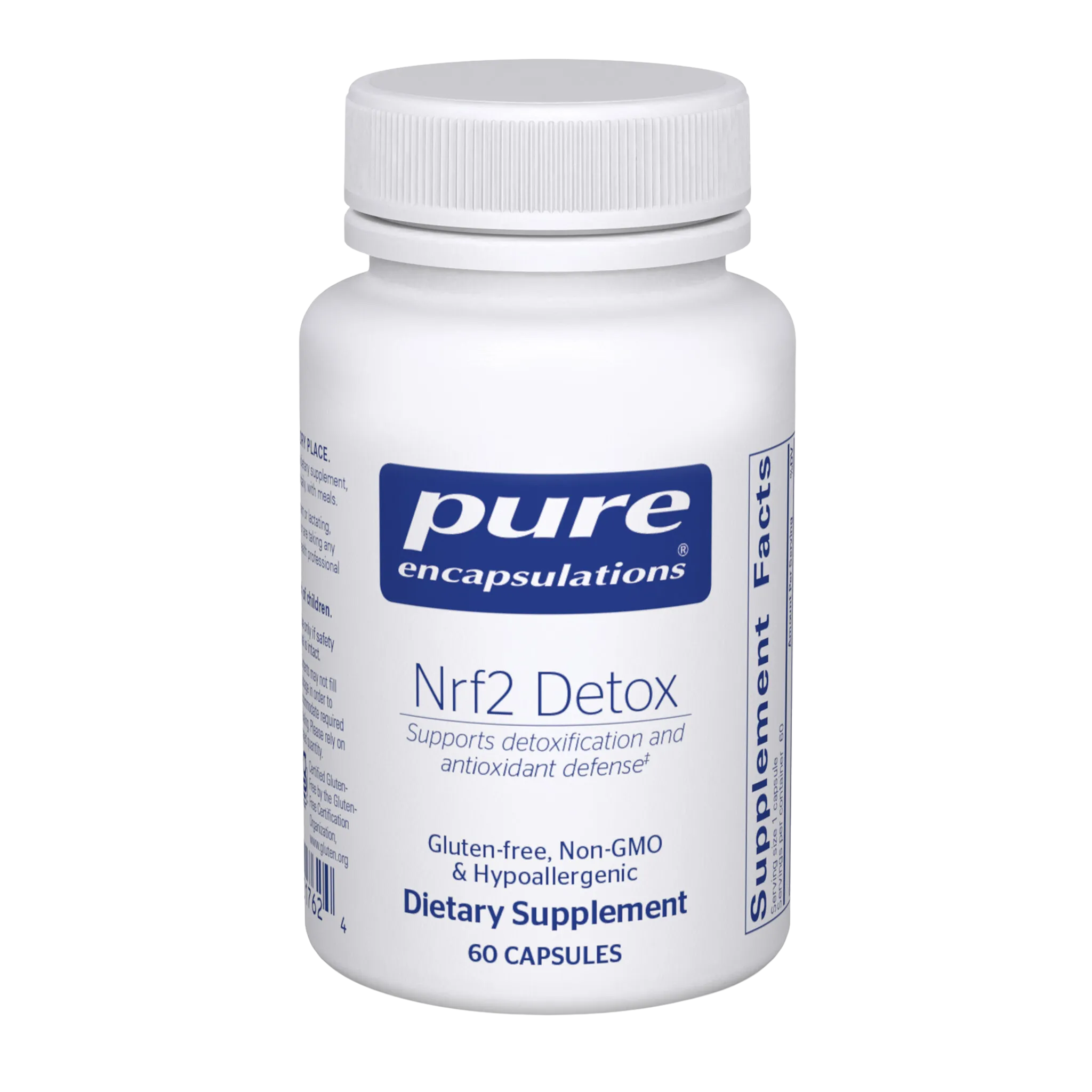
At the center of this cellular breakdown is a critical genetic pathway known as Nrf2, often referred to as the "master switch" of the body's antioxidant defense system. In healthy individuals, this pathway easily neutralizes toxic free radicals and clears metabolic waste. But in post-viral syndromes, this system is frequently hijacked, suppressed, or overwhelmed, leaving cells defenseless against damage. This is where targeted nutritional interventions come into play. Nrf2 Detox by Pure Encapsulations is a specialized formulation designed to directly address this root-cause dysfunction. By combining potent, scientifically validated ingredients—sulforaphane from broccoli sprout concentrate, highly bioavailable Setria® glutathione, and resVida® resveratrol—this supplement aims to forcefully reactivate the Nrf2 pathway, restore depleted antioxidant reserves, and support the liver's phase II detoxification processes. In this comprehensive guide, we will explore the intricate biochemistry of how these ingredients work, the clinical evidence supporting their use, and why targeting oxidative stress is a cornerstone of recovery for Long COVID, ME/CFS, and dysautonomia.
What is Nrf2 Detox?
To understand how Nrf2 Detox works, we must first explore the natural function of its primary target: the Nuclear factor erythroid 2-related factor 2 (Nrf2) pathway. In a healthy human body, cells are constantly generating energy through the mitochondria. This energy production naturally creates metabolic byproducts known as reactive oxygen species (ROS), or free radicals. While a small amount of ROS is necessary for cellular signaling, an excess of these unstable molecules can cause severe damage to cellular membranes, proteins, and mitochondrial DNA. To prevent this, the body relies on the Nrf2 pathway, which acts as a highly sensitive cellular thermostat for oxidative stress. Under normal resting conditions, Nrf2 is tethered in the cell cytoplasm by a repressor protein called Keap1, which marks it for continuous degradation. However, when the cell detects an increase in oxidative stress or encounters specific activating compounds, the Keap1-Nrf2 bond is broken.
Once liberated from Keap1, the Nrf2 protein translocates directly into the cell nucleus. Here, it binds to a specific sequence of DNA known as the Antioxidant Response Element (ARE). This binding event is nothing short of a genetic master switch. It triggers the robust, long-lasting transcription of over 200 cytoprotective (cell-protecting) genes. These genes are responsible for manufacturing the body's most powerful endogenous antioxidants, including superoxide dismutase (SOD), catalase, heme oxygenase-1 (HO-1), and the enzymes required to synthesize glutathione. By upregulating this pathway, the body does not just neutralize a single free radical; it fundamentally upgrades the entire cellular infrastructure to resist oxidative damage, clear out toxic heavy metals, and reduce systemic inflammation. This endogenous defense is vastly more powerful than simply consuming dietary antioxidants like vitamin C.
The primary driver of Nrf2 activation in this specific supplement is sulforaphane, a highly bioactive sulfur-rich compound (an isothiocyanate) derived from cruciferous vegetables. While mature broccoli contains trace amounts of this compound, it is found in exceptionally high concentrations in 3-to-4-day-old broccoli sprouts. In nature, sulforaphane does not exist in its active form; instead, it is stored as an inert precursor called glucoraphanin. When the plant is crushed or chewed, an enzyme called myrosinase is released, rapidly converting glucoraphanin into active sulforaphane. In the human body, sulforaphane is widely recognized by researchers as one of the most potent naturally occurring activators of the Nrf2 pathway ever discovered.
At the molecular level, sulforaphane works by directly interacting with the Keap1 repressor protein. It alters the structural conformation of Keap1, forcing it to release its grip on Nrf2. This allows a massive influx of Nrf2 into the nucleus, initiating the antioxidant cascade. Furthermore, sulforaphane is a profound activator of phase II detoxification enzymes in the liver. The liver processes toxins in two phases: Phase I makes toxins water-soluble (which often makes them temporarily more reactive and dangerous), and Phase II attaches a protective molecule to the toxin so it can be safely excreted through urine or bile. Sulforaphane heavily upregulates Phase II enzymes like glutathione S-transferases, ensuring that the highly reactive intermediates generated during liver detoxification are rapidly neutralized and eliminated, preventing them from recirculating and causing systemic tissue damage.
While sulforaphane turns on the genetic machinery to build antioxidants, the Nrf2 Detox formula also provides the raw materials and synergistic compounds needed to maximize this response. Glutathione is a tripeptide—composed of the amino acids glutamate, cysteine, and glycine—that serves as the most abundant and critical intracellular antioxidant in the human body. Found in virtually every cell, with the highest concentrations in the liver, glutathione is essential for neutralizing ROS, repairing damaged DNA, regulating the immune system, and facilitating the transport of amino acids. It exists in two states: a reduced (active) state and an oxidized (spent) state. When Nrf2 is activated, it specifically upregulates the expression of glutathione glutamylcysteinyl ligase, the rate-limiting enzyme responsible for biosynthesizing new, active glutathione. By including pre-formed, reduced glutathione in the supplement, the formula provides immediate antioxidant support while the Nrf2 pathway ramps up endogenous production.
The third key ingredient is resveratrol, a naturally occurring polyphenol found in the skins of red grapes and certain berries. Resveratrol is famous for its cardiovascular and anti-aging benefits, but its role in this formula is highly specific: it works synergistically with sulforaphane to modulate cellular stress responses. Resveratrol directly activates an energy-sensing enzyme called AMPK and a longevity protein called SIRT1. The activation of the AMPK/SIRT1 axis creates a positive feedback loop that further enhances Nrf2 activity. Additionally, resveratrol is highly lipophilic (fat-soluble), allowing it to easily cross cellular membranes and the blood-brain barrier, providing direct antioxidant protection to the lipid-rich tissues of the central nervous system and the endothelial lining of blood vessels. Together, these three ingredients form a comprehensive, multi-targeted approach to cellular detoxification and redox balance.
How Chronic Illness Impacts Cellular Detoxification and Antioxidant Defenses
To understand why a supplement like Nrf2 Detox is so relevant to complex chronic illnesses, we must examine how conditions like Long COVID, ME/CFS, and mast cell activation syndrome (MCAS) fundamentally alter cellular biology. The pathophysiology of these conditions is deeply intertwined with a state of severe, unyielding oxidative stress. When a pathogen like SARS-CoV-2 or Epstein-Barr Virus (EBV) enters the body, it does not merely infect cells; it actively manipulates the host's genetic machinery to ensure its own survival. One of the primary survival mechanisms of these viruses is the intentional suppression of the Nrf2 pathway. By downregulating Nrf2, the virus prevents the host cell from mounting an effective antioxidant and antiviral defense, allowing the virus to replicate unchecked. This viral hijacking leaves the cells highly vulnerable to the massive amounts of inflammation generated by the initial immune response.
Even after the acute viral infection has been cleared—or in cases of viral persistence where viral reservoirs hide in tissues—the Nrf2 pathway often remains chronically suppressed. This creates a dangerous physiological environment. Without Nrf2 keeping the redox balance in check, the body's primary inflammatory pathway, NF-κB, is allowed to run rampant. This leads to the continuous, inappropriate release of pro-inflammatory cytokines, trapping the immune system in a hyperactive state. For patients, this molecular dysfunction translates directly into the systemic, unrelenting symptoms of chronic illness. The body is essentially stuck in a loop of producing toxic free radicals while simultaneously lacking the genetic instructions to build the antioxidants needed to clean them up.
The most devastating consequence of this chronic oxidative stress occurs within the mitochondria, the powerhouses of our cells. A landmark 2024 study published in PNAS by Stanford University researchers provided profound insights into this mechanism. The researchers analyzed the immune cells of healthy controls, ME/CFS patients, and Long COVID patients. They discovered that patients with these post-viral syndromes exhibit severe mitochondrial dysfunction driven by massive oxidative damage. The mitochondria, damaged by the unchecked free radicals, stop producing adenosine triphosphate (ATP)—the currency of cellular energy—efficiently. Instead, the electron transport chain begins to "leak" even more reactive oxygen species, creating a vicious cycle of self-destruction. This localized energy crisis is the direct biological cause of the profound, crushing fatigue and post-exertional malaise (PEM) that patients experience after even minor physical or cognitive exertion.
Fascinatingly, the Stanford study revealed striking sex-specific differences in how this oxidative stress manifests. Female patients exhibited significantly higher total ROS levels and mitochondrial calcium overload, which correlated with a hyperproliferation of T cells. The immune system goes into overdrive, demanding massive amounts of energy and creating a systemic "energy sink" that robs the brain and muscles of the fuel they need to function. Male patients, on the other hand, exhibited pronounced mitochondrial lipid oxidative damage, specifically mediated by a failure in glutathione peroxidase 4, an enzyme critical for protecting cellular membranes. In both cases, the fundamental issue is a failure of the body's antioxidant systems to protect the mitochondria from the toxic byproducts of a dysregulated immune response.
The impact of this redox imbalance is perhaps most acutely felt in the central and autonomic nervous systems. The brain is highly susceptible to oxidative stress because it consumes roughly 20% of the body's oxygen but has relatively low baseline levels of antioxidant enzymes compared to the liver. Neuroimaging studies utilizing Magnetic Resonance Spectroscopy (MRS) have repeatedly demonstrated an alarming decrease in localized glutathione levels in the cortical regions of the brains of ME/CFS patients. Because the brain lacks the glutathione to neutralize free radicals, the resident immune cells of the brain—the microglia—become chronically activated. This neuroinflammation forces the brain's mitochondria to switch from efficient aerobic energy production to inefficient anaerobic glycolysis, leading to a buildup of lactic acid in the cerebrospinal fluid. This lactic acid accumulation is strongly correlated with the severity of "brain fog" and cognitive impairment.
Furthermore, this systemic oxidative stress directly damages the endothelial lining of the blood vessels and impairs the function of the vagus nerve, driving the development of dysautonomia and Postural Orthostatic Tachycardia Syndrome (POTS). Oxidative stress destroys bioavailable nitric oxide, a molecule essential for healthy blood vessel dilation. Without sufficient nitric oxide, patients experience intense vasoconstriction, blood pooling, and an exaggerated sympathetic "fight or flight" response upon standing. The rapid heartbeat, dizziness, and presyncope that characterize POTS are not simply cardiovascular issues; they are downstream consequences of a nervous system inflamed and damaged by a profound lack of cellular antioxidant protection.
Nrf2 Detox: Supporting Cellular Recovery and Redox Balance
The therapeutic premise of Nrf2 Detox is to forcefully intervene in the vicious cycles of oxidative stress and mitochondrial dysfunction by directly targeting the genetic pathways that have been suppressed by chronic illness. By providing a concentrated dose of sulforaphane, the supplement acts as a pharmacological wedge, breaking the bond between the Keap1 repressor and the Nrf2 protein. Once liberated, Nrf2 floods the nucleus and binds to the Antioxidant Response Element (ARE). This action essentially "reboots" the cellular defense system, instructing the DNA to begin mass-producing endogenous antioxidants. For patients with Long COVID and ME/CFS, this is a critical intervention. By restoring the Nrf2 pathway, the body can begin to clear the backlog of reactive oxygen species that are actively damaging the mitochondria, thereby allowing the electron transport chain to resume efficient ATP energy production.
Research has shown that sulforaphane's ability to activate Nrf2 has profound implications for post-viral recovery. A 2022 systematic review published in Antioxidants highlighted that targeting the Keap1-Nrf2 pathway with natural compounds like sulforaphane is a "vital approach for the prevention of oxidative stress and inflammation" in Long COVID. By counteracting the NLRP3 inflammasome—a key driver of the cytokine storm—Nrf2 activators can directly target the prolonged neurological complications and immune injury caused by persistent viral fragments or chronic immune hyperactivity. This genetic reactivation is not a temporary fix; it provides robust, long-lasting expression of cytoprotective genes that fundamentally alter the cellular environment.
While sulforaphane instructs the body to build more glutathione synthesizing enzymes, the inclusion of Setria® glutathione in the formula provides an immediate, direct replenishment of this critical antioxidant. As highlighted by the Stanford PNAS study, patients with ME/CFS and Long COVID often experience localized glutathione depletion in critical tissues like the brain, while their peripheral immune cells desperately try to pump out more glutathione to compensate for the massive oxidative load. By supplying highly bioavailable, reduced glutathione, the supplement helps to ease this systemic burden. Glutathione acts as an electron donor, directly neutralizing free radicals and converting them into harmless water molecules. This process protects the delicate lipid membranes of the mitochondria and the peroxisomes, preventing the lipid oxidative damage that drives post-exertional malaise.
Furthermore, glutathione plays a vital role in modulating the immune system. It is essential for the proper maturation and function of T-lymphocytes and Natural Killer (NK) cells. In chronic illnesses where the immune system is either exhausted or inappropriately hyperactive, restoring optimal glutathione levels helps to re-establish immune homeostasis. It allows the immune system to effectively clear out senescent (dead or dying) cells and persistent viral debris without triggering the massive collateral inflammatory damage that typically causes symptom flares and crashes.
The addition of resveratrol to the Nrf2 Detox formula provides a highly targeted mechanism for addressing the neuroinflammation and autonomic dysregulation seen in POTS and dysautonomia. Resveratrol's ability to activate the SIRT1 longevity protein creates a powerful anti-inflammatory effect within the central nervous system. It directly inhibits the NF-κB pathway, which is responsible for keeping the brain's microglial cells in a state of chronic activation. By calming these immune cells, resveratrol helps to reduce the localized neuroinflammation that drives cognitive impairment, sensory overload, and brain fog. Because resveratrol is highly lipophilic, it easily crosses the blood-brain barrier, delivering these benefits directly to the neurological tissues that need them most.
For patients dealing with dysautonomia, resveratrol offers significant cardiovascular and autonomic support. By mitigating oxidative stress via the Nrf2 pathway, resveratrol helps to protect and restore the bioavailability of nitric oxide in the bloodstream. Nitric oxide is crucial for maintaining the elasticity of the endothelial lining of blood vessels. When nitric oxide levels are restored, blood vessels can dilate properly, improving cerebral blood flow and reducing the severe vasoconstriction and blood pooling that trigger the tachycardia and presyncope characteristic of POTS. In this way, the synergistic combination of sulforaphane, glutathione, and resveratrol addresses the autonomic nervous system dysfunction from multiple biochemical angles.
Finally, the Nrf2 Detox formula plays a critical role in supporting the liver, the body's primary organ of detoxification. Patients with complex chronic illnesses often suffer from a heavy toxic burden, whether from environmental exposures, mold toxicity, or the metabolic waste generated by chronic infections. The liver processes these toxins through Phase I and Phase II pathways. However, if Phase I is highly active but Phase II is sluggish, the liver can generate highly reactive intermediate metabolites that are actually more toxic than the original substance. This imbalance frequently leads to severe chemical sensitivities and exacerbates MCAS symptoms.
Sulforaphane is one of the most powerful known inducers of Phase II detoxification enzymes, particularly glutathione S-transferases. These enzymes are responsible for taking the reactive intermediates generated by Phase I, conjugating (attaching) them to a molecule of glutathione, and rendering them water-soluble so they can be safely excreted from the body. By upregulating these Phase II enzymes and simultaneously providing the glutathione needed for the conjugation process, Nrf2 Detox ensures that the liver's detoxification pathways are balanced and efficient. This prevents the recirculation of toxic metabolites, reduces the overall systemic inflammatory load, and provides vital support for patients struggling with multiple chemical sensitivities and impaired detoxification capabilities.

Symptoms Nrf2 Detox May Help Manage
Because the Nrf2 pathway and glutathione are fundamental to cellular health across all organ systems, addressing their depletion can have wide-ranging clinical benefits. While Nrf2 Detox is not a cure for any specific disease, its ability to restore redox balance, support mitochondrial function, and enhance liver detoxification makes it a highly relevant intervention for managing the complex, overlapping symptoms of post-viral syndromes. By mitigating the cellular energy crisis and reducing systemic inflammation, this targeted supplementation strategy may help alleviate several debilitating manifestations of chronic illness.
Post-Exertional Malaise (PEM) and Severe Fatigue: By neutralizing the reactive oxygen species that damage the mitochondrial electron transport chain, Nrf2 activation helps restore efficient ATP energy production. This reduces the cellular "energy sink," potentially increasing the threshold for physical and cognitive exertion before a crash occurs.
Brain Fog and Cognitive Impairment: The lipophilic nature of resveratrol and the systemic increase in glutathione help to cross the blood-brain barrier, directly neutralizing the free radicals that trigger microglial activation. This reduction in neuroinflammation and lactic acid buildup can improve mental clarity, focus, and memory retrieval.
Dysautonomia and POTS Symptoms (Tachycardia, Dizziness): By protecting bioavailable nitric oxide from oxidative destruction, resveratrol and sulforaphane help restore proper endothelial function and blood vessel elasticity. This improves cerebral blood flow and reduces the hyperactive sympathetic nervous system response that causes rapid heart rate upon standing.
Chemical Sensitivities and Toxin Intolerance: Sulforaphane is a potent activator of Phase II liver enzymes. By upregulating glutathione S-transferases, the supplement helps the liver safely package and excrete reactive metabolic waste and environmental toxins, potentially reducing the severity of chemical sensitivities often seen in MCAS patients.
Immune Dysregulation and Frequent Illness: Optimal intracellular glutathione levels are required for the proper maturation and function of Natural Killer (NK) cells and T-lymphocytes. Supplementation can help restore immune homeostasis, improving the body's ability to clear persistent viral fragments without triggering a massive, collateral cytokine storm.
Muscle and Joint Pain: Chronic oxidative stress drives systemic inflammation that frequently settles in the musculoskeletal system. By inhibiting the NF-κB inflammatory pathway, the synergistic ingredients in Nrf2 Detox can help lower the overall inflammatory burden, potentially reducing the severity of widespread body pain and fibromyalgia-like symptoms.
Practical Considerations: Forms, Dosing, and Absorption
For decades, the medical community debated the efficacy of oral glutathione supplementation. Because glutathione is a tripeptide made of three amino acids, it was widely believed that the harsh acids and digestive enzymes of the stomach would rapidly break it down into its constituent parts before it could ever reach the bloodstream. Consequently, clinicians heavily relied on expensive intravenous (IV) drips or liposomal formulations to raise a patient's glutathione status. However, the inclusion of Setria® glutathione in the Nrf2 Detox formula represents a significant breakthrough in oral bioavailability. Setria is a highly pure, reduced form of L-glutathione manufactured using a patented fermentation process that protects its structural integrity during digestion.
A landmark clinical trial conducted at Penn State University definitively proved that oral supplementation with Setria glutathione effectively increases systemic body stores of the antioxidant. The study demonstrated that daily supplementation successfully elevated glutathione levels in whole blood, red blood cells, and plasma. Most impressively, it increased glutathione levels in exfoliated buccal (cheek mucosal) cells by a staggering 260%, proving that the intact molecule was not only surviving digestion but was actively being absorbed and utilized by peripheral tissues. This makes Setria a highly effective, accessible, and clinically validated alternative to invasive IV therapies for patients needing to restore their redox balance.
The effectiveness of sulforaphane is entirely dependent on its source and stability. Mature broccoli contains very little bioavailable sulforaphane; instead, it contains the precursor glucoraphanin, which must be converted by the enzyme myrosinase. Heat from cooking destroys myrosinase, which is why eating cooked broccoli provides minimal Nrf2 activation. The Nrf2 Detox formula utilizes a specialized broccoli sprout concentrate that is standardized to contain 1,000 mcg of active sulforaphane per capsule. This standardization ensures that patients receive a consistent, therapeutic dose of the active phytochemical without needing to consume massive quantities of raw sprouts or worry about the unpredictable conversion rates of precursor compounds in the gut.
Similarly, the formula utilizes resVida® resveratrol, which is provided in its highly bioactive trans-resveratrol form. In nature, resveratrol exists in both cis and trans isomers, but the trans form is vastly more stable and biologically active in human cellular pathways. Because resveratrol is a lipophilic (fat-soluble) compound, its absorption can be significantly enhanced when taken alongside a meal that contains healthy fats, such as avocado, olive oil, or nuts. This fat-based vehicle helps the resveratrol molecules cross the intestinal barrier more efficiently, ensuring maximum delivery to the systemic circulation and the central nervous system.
The suggested use for Nrf2 Detox is 1 capsule, taken 1 to 3 times daily with meals. For patients dealing with severe chronic illnesses like Long COVID or ME/CFS, functional medicine practitioners often recommend starting with a lower dose (1 capsule daily) and gradually titrating up. This "low and slow" approach is crucial because rapidly upregulating the liver's detoxification pathways can sometimes mobilize stored toxins faster than the body can excrete them. Taking the supplement with meals not only enhances the absorption of the fat-soluble resveratrol but also helps mitigate any potential gastrointestinal upset, which is a rare but possible side effect of concentrated sulfur compounds like sulforaphane.
It is also important to consider the timing of supplementation in relation to the patient's individual symptom patterns. Because Nrf2 activation supports mitochondrial energy production and can have a mild stimulating effect on cellular metabolism, some patients find it most beneficial to take their doses earlier in the day (e.g., with breakfast and lunch) to avoid any potential interference with sleep architecture. Furthermore, the Penn State clinical trial noted that one month after participants stopped taking Setria glutathione, their blood levels returned to baseline. This indicates that for patients managing chronic, ongoing oxidative stress, continuous daily supplementation is necessary to maintain elevated systemic antioxidant protection.
While the ingredients in Nrf2 Detox are generally well-tolerated and derived from natural sources, there are important safety considerations. Patients with a known allergy or severe sensitivity to cruciferous vegetables or sulfur-containing compounds should approach this supplement with caution. Because sulforaphane is a potent inducer of liver enzymes, it has the potential to alter the metabolism of certain prescription medications that are processed by the liver's cytochrome P450 system. Additionally, resveratrol can have mild blood-thinning properties, so individuals taking anticoagulant medications (like warfarin) or those with bleeding disorders should consult their healthcare provider before initiating supplementation.
Finally, patients with complex chronic illnesses should be aware of the potential for a "detox reaction," sometimes referred to as a Herxheimer-type reaction. As the Nrf2 pathway ramps up and the liver begins to aggressively clear out metabolic waste and viral debris, patients may experience a temporary exacerbation of symptoms, such as mild headaches, fatigue, or changes in bowel habits. This is generally a sign that the detoxification pathways are actively working, but it underscores the importance of starting with a low dose and ensuring adequate hydration and bowel motility to help flush the mobilized toxins from the system. Always work closely with a medically qualified practitioner to monitor your response to new therapeutic interventions.

Follow the Science
The scientific validation of the ingredients in Nrf2 Detox is robust, particularly regarding the oral bioavailability of Setria® glutathione. For years, the efficacy of oral glutathione was highly contested. However, a pivotal 6-month randomized, double-blind, placebo-controlled trial published in the European Journal of Nutrition fundamentally shifted the clinical consensus. Led by Dr. John P. Richie at Penn State University, the study tracked 54 healthy adults who were given either a placebo, a low dose (250 mg/day), or a high dose (1,000 mg/day) of Setria glutathione. The results were definitive: at the six-month mark, the high-dose group saw mean glutathione levels increase by 30-35% in erythrocytes, plasma, and lymphocytes, and an astonishing 260% in buccal cells.
Beyond merely raising blood levels, the Penn State study also demonstrated profound functional benefits for the immune system. A secondary outcome of the trial revealed that after just three months of supplementation, participants in the high-dose group exhibited a two-fold (>200%) increase in Natural Killer (NK) cell cytotoxicity. NK cells are the immune system's first line of defense against viral infections and cellular mutations. This finding is particularly relevant for patients with ME/CFS and Long COVID, who frequently exhibit suppressed NK cell function. By proving that oral Setria glutathione can both survive digestion and actively enhance immune defense, this trial established the compound as a cornerstone of functional medicine protocols for oxidative stress.
The research surrounding sulforaphane has accelerated rapidly in the wake of the COVID-19 pandemic. Because SARS-CoV-2 actively suppresses the host's Nrf2 pathway to evade immune detection, researchers immediately began investigating Nrf2 activators as potential therapeutics. Recent in vitro studies have yielded remarkable results. Research investigating stabilized sulforaphane compounds found that when administered to infected cells, it inhibited SARS-CoV-2 viral replication by greater than 95%. Furthermore, when administered prophylactically in animal models prior to infection, sulforaphane significantly decreased the viral load in the lungs, reduced pulmonary pathology, and diminished the recruitment of overactive, tissue-damaging immune cells.
Clinically, these mechanisms are being put to the test in human trials. For example, the QuadraMune Trial (NCT04421391) was registered to evaluate a multi-ingredient supplement featuring sulforaphane for the mitigation of COVID-19 symptoms, based on its proven ability to protect the respiratory tract from inflammatory pathology. Beyond acute infection, studies on immortalized cortical neurons have shown that sulforaphane treatment prevents mitochondrial dysfunction and reduces ROS levels in the brain. Because neurovascular inflammation and microglial senescence are hallmark events in ME/CFS and Long COVID, sulforaphane's ability to cross the blood-brain barrier and revert microglia to a non-inflammatory state makes it a highly promising candidate for alleviating the neuro-cognitive symptoms that plague these patient populations.
The clinical evidence supporting resveratrol extends deeply into the realm of functional neurology and autonomic nervous system recovery. A notable case report published in Frontiers in Neurology demonstrated the profound clinical efficacy of targeting the Nrf2 pathway with resveratrol in a patient suffering from severe Postural Orthostatic Tachycardia Syndrome (POTS). The 25-year-old female patient suffered from debilitating lightheadedness, irregular heart rate, extreme fatigue, and could only stand for 10 minutes before experiencing presyncope. She was placed on an anti-inflammatory protocol featuring resveratrol to target her neuroautoimmune inflammation and oxidative stress.
The results of this targeted intervention were striking. Within 30 days of initiating the protocol, her orthostatic intolerance improved drastically. By 60 days, her POTS symptoms had entirely disappeared, and she was able to exercise without experiencing tachycardia or presyncope. While this is a single case study, it perfectly illustrates the broader pathophysiological research indicating that POTS is driven by endothelial dysfunction and a lack of bioavailable nitric oxide caused by unchecked oxidative stress. By utilizing resveratrol to activate the AMPK/SIRT1/Nrf2 signaling axis, clinicians can help patients rebuild their cellular energy, lower central nervous system inflammation, and restore the autonomic cardiovascular regulation necessary to overcome the debilitating symptoms of orthostatic intolerance.
The Path Forward
Living with a complex chronic condition like Long COVID, ME/CFS, or dysautonomia is an exhausting, unpredictable journey. The profound fatigue, the cognitive fog, and the autonomic instability are not simply "in your head"—they are the direct result of measurable, physiological breakdowns at the cellular level. The research is clear: chronic oxidative stress, mitochondrial dysfunction, and the suppression of vital detoxification pathways like Nrf2 are central drivers of your symptoms. Validating this biological reality is the first step toward reclaiming your health. However, it is equally important to recognize that there is no single "magic pill" that will instantly reverse these complex disease states. True recovery requires a comprehensive, multi-layered approach.
Targeted nutritional interventions must be paired with foundational management strategies. Strict pacing to avoid pushing past your energetic envelope is critical to preventing the mitochondrial crashes that define post-exertional malaise. Detailed symptom tracking can help you identify your unique triggers, whether they are physical exertion, cognitive strain, or specific dietary histamines. Furthermore, working alongside a medically qualified provider who understands the nuances of post-viral syndromes is essential for accessing necessary prescription medications, monitoring lab markers, and tailoring your protocol to your specific needs. Supplements are powerful tools, but they work best when integrated into a holistic, supportive lifestyle framework.
By directly targeting the genetic pathways responsible for antioxidant defense and liver detoxification, Nrf2 Detox offers a scientifically grounded strategy for addressing the root-cause oxidative stress that fuels chronic illness. The synergistic combination of sulforaphane, Setria® glutathione, and resVida® resveratrol provides the body with both the instructions and the raw materials needed to rebuild its cellular resilience, protect mitochondrial function, and dampen systemic inflammation. If you are struggling to break the cycle of fatigue and neuroinflammation, supporting your body's innate Nrf2 pathway may be a vital piece of your recovery puzzle.
Disclaimer: This content is for educational purposes only and is not intended as medical advice. Supplements can interact with medications and may not be suitable for everyone. Always consult with your healthcare provider before starting any new supplement regimen, especially if you have a complex chronic condition like Long COVID, ME/CFS, or dysautonomia.
Sources
PNAS: Oxidative stress is a shared characteristic of ME/CFS and Long COVID
Antioxidants: Targeting the Keap1-Nrf2 Pathway in Long COVID
Frontiers in Neurology: Reversal of Neuroautoimmune POTS via Clinical Nutrition
ClinicalTrials.gov: QuadraMune Trial for COVID-19 (NCT04421391)
ResearchGate: Sulforaphane inhibits SARS-CoV-2 replication in vitro
Journal of Clinical, Cosmetic and Investigational Dermatology: Glutathione and its antiaging effects