Can Niacitol® (No-Flush Niacin) Support Vascular Health in Long COVID and ME/CFS?
March 5, 2026
NiacitolNiacinLong COVID
Share:
Disclaimer: The information provided here is for educational purposes only and is not intended as medical advice. It should not be used to diagnose, treat, cure, or prevent any medical condition. Instead, use it as a starting point for discussion with your healthcare provider. Always consult with a qualified healthcare provider before starting any new medication, supplement, device, or making changes to your health regimen.
Months or even years after an initial viral infection, many individuals find themselves battling a complex web of debilitating symptoms. Conditions like Long COVID, myalgic encephalomyelitis/chronic fatigue syndrome (ME/CFS), and dysautonomia often present with a frustrating mix of profound exhaustion, cognitive impairment, and vascular abnormalities. Patients frequently describe the sensation of their body "running out of battery" after minimal exertion, alongside physical signs of poor circulation such as icy extremities, blood pooling, or sudden heart rate spikes. These invisible symptoms are not merely psychological; they are rooted in deep physiological disruptions at the cellular and vascular levels. When the body's microscopic blood vessels fail to dilate properly and cellular powerhouses lose their primary fuel source, the resulting energy crisis can bring daily life to a grinding halt.
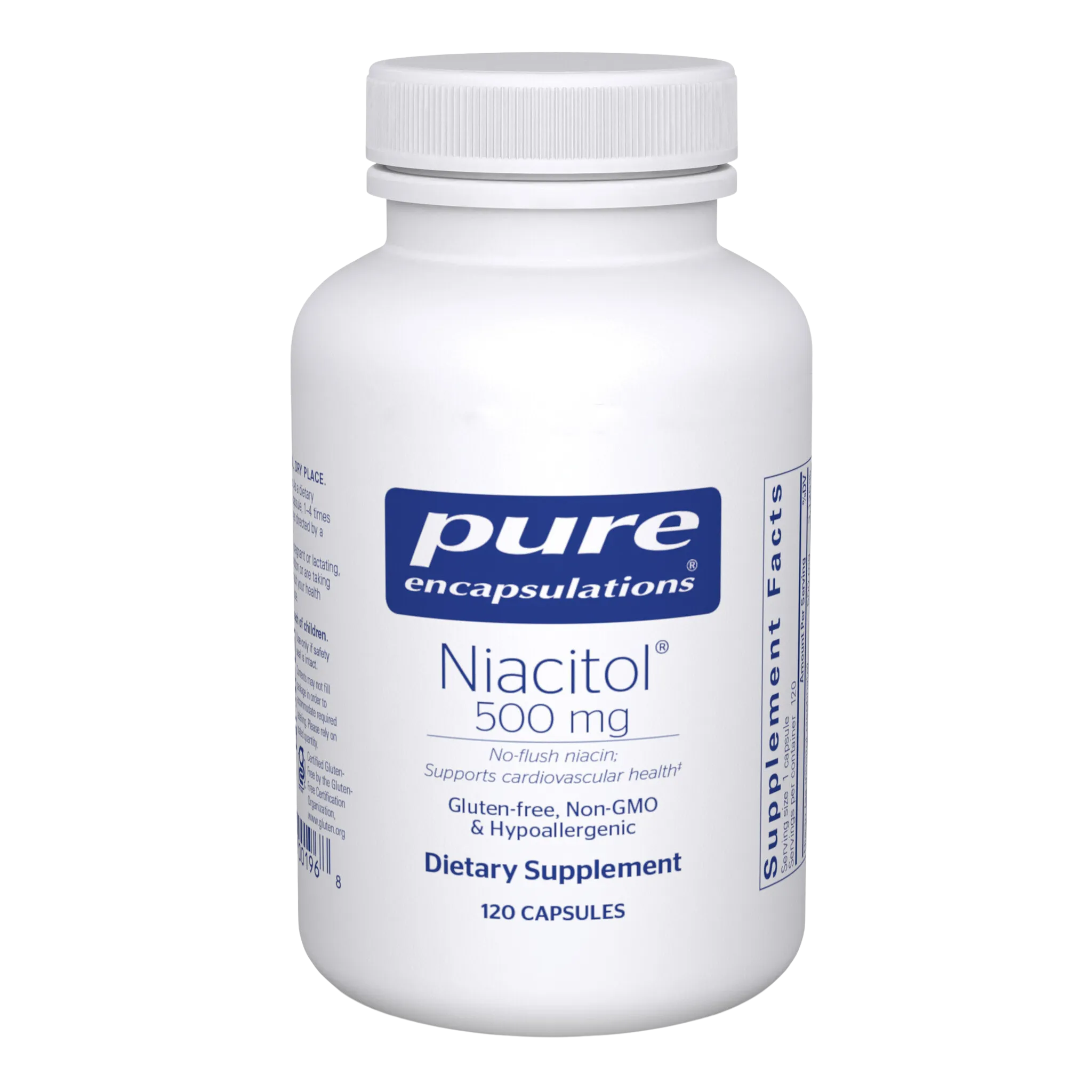
In the search for validating, science-backed management strategies, targeted nutritional support plays a crucial role in rehabilitating these damaged systems. Niacitol® by pure encapsulations offers a unique, highly specialized form of vitamin B3 known as inositol nicotinate. Widely recognized as a "no-flush" niacin, this compound has been utilized in European medicine for decades to support healthy cardiovascular function and peripheral microcirculation. By providing a slow, steady release of nicotinic acid, Niacitol aims to support vascular health and cellular energy metabolism without the uncomfortable side effects traditionally associated with high-dose niacin therapy. In this comprehensive guide, we will explore the intricate biochemistry of inositol nicotinate, how chronic illness disrupts the vascular system, and how this unique supplement may fit into a holistic recovery protocol.
What is Niacitol® (Inositol Nicotinate)?
The Anatomy of a "No-Flush" Molecule
Niacitol contains inositol nicotinate (also known in scientific literature as inositol hexanicotinate or IHN), a highly specialized ester compound designed to deliver vitamin B3 to the body in a controlled manner. To understand how it functions, we must first look at its unique molecular architecture. Unlike standard vitamin B3 supplements which contain free-floating nicotinic acid, inositol nicotinate is a larger, more complex molecule created by chemically binding multiple components together. According to the National Institutes of Health compound summary, this structure is meticulously designed to alter how the body digests and processes the vitamin.
The central core of the molecule is inositol, a type of sugar alcohol (often referred to as vitamin B8, though it is not officially a vitamin) that plays a critical role in cellular signaling, nerve conduction, and the structural integrity of cell membranes. Attached to this single inositol backbone are six individual molecules of nicotinic acid (niacin). These molecules are held together by ester bonds, which are strong chemical linkages that require specific enzymes to break apart. This specific esterification process is what gives inositol nicotinate its unique therapeutic properties.
By locking the nicotinic acid molecules onto the inositol backbone, the supplement industry has created a delivery system that fundamentally changes the bioavailability of the nutrient. Instead of flooding the system all at once, the intact molecule must navigate the digestive tract and enter the bloodstream before it can begin to exert its effects. This structural complexity is the key to bypassing the adverse reactions that cause many patients to abandon traditional niacin therapy.
The Pharmacokinetics of Slow Hydrolysis
When a patient ingests standard immediate-release niacin, the compound is rapidly absorbed through the gastrointestinal tract. Peak blood plasma concentrations are reached in as little as 30 to 60 minutes, creating a massive, sudden spike in circulating free nicotinic acid. While this rapid absorption is highly effective for certain metabolic interventions, it overwhelms the body's processing pathways. In contrast, inositol nicotinate operates on a completely different pharmacokinetic timeline, which is its defining characteristic.
Approximately 70% of an oral dose of inositol nicotinate is absorbed intact through the intestinal walls. Once circulating in the bloodstream, it encounters plasma esterases—specialized enzymes responsible for breaking ester bonds. These enzymes slowly and methodically cleave the nicotinic acid molecules away from the inositol core in a process called hydrolysis. Because these ester bonds are highly resistant to breakdown, this enzymatic cleavage is an exceptionally slow process.
This slow hydrolysis means that peak serum levels of free nicotinic acid are not reached until 6 to 12 hours after ingestion. Instead of a massive spike, the body receives a slow, steady trickle of vitamin B3 over a prolonged period. This sustained release mechanism ensures that the liver and vascular systems are never overwhelmed by the compound, drastically altering its clinical effects and safety profile compared to immediate-release formulations.
Bypassing the Prostaglandin Flush
The most notorious side effect of standard vitamin B3 supplementation is the "niacin flush"—a sudden, intense episode of cutaneous vasodilation characterized by severe redness, warmth, itching, and tingling, typically spreading across the face, neck, and chest. This flushing response is not an allergic reaction, but rather a receptor-mediated biochemical event. Free nicotinic acid binds to a specific G protein-coupled receptor known as GPR109A (or HCAR2), which is heavily concentrated on immune cells in the skin.
When standard niacin spikes in the blood, it massively activates these GPR109A receptors. This activation triggers a surge of intracellular arachidonic acid, leading to the explosive release of vasodilating prostaglandins—specifically Prostaglandin D2 (PGD2) and Prostaglandin E2 (PGE2). These prostaglandins bind to smooth muscle cells lining the microscopic capillaries in the skin, forcing them to rapidly relax and widen. The rush of blood to the skin's surface creates the uncomfortable heat and redness that forces up to 20% of patients to discontinue niacin therapy.
Because inositol nicotinate is hydrolyzed so slowly, it never allows the concentration of free nicotinic acid in the blood to reach the threshold required to trigger this massive GPR109A activation. The slow trickle of niacin yields peak plasma levels that are over 100 times lower than an equivalent dose of pure nicotinic acid. By keeping blood levels below the flush threshold, inositol nicotinate successfully avoids the prostaglandin surge entirely, earning its reputation as a "flush-free" alternative for sensitive patients.
How Long COVID and ME/CFS Impact the Vascular and Metabolic Systems
The NAD+ Drain and the Kynurenine Pathway
To understand why vitamin B3 derivatives are so critical for chronic illness management, we must examine how conditions like Long COVID and ME/CFS fundamentally alter cellular metabolism. At the center of this metabolic dysfunction is a vital coenzyme called Nicotinamide Adenine Dinucleotide (NAD+). Found in every living cell, NAD+ is non-negotiable for mitochondrial energy production and the regulation of immune responses. During a severe viral infection, the immune system hyper-activates specific NAD+-consuming enzymes, such as PARP (used for DNA repair) and CD38 (used for immune signaling). This rapid, relentless consumption severely depletes the body's NAD+ stores, leading to a systemic cellular energy crisis.
In a healthy body, the amino acid tryptophan can be converted into new NAD+ to replenish these stores. However, in patients with post-viral syndromes, chronic inflammation triggers a vicious cycle. Inflammatory cytokines activate an enzyme called IDO-1, which forcefully diverts tryptophan away from NAD+ and serotonin production. Instead, tryptophan is pushed down the kynurenine pathway. This diversion not only starves the cells of NAD+ but also generates neurotoxic metabolites that contribute heavily to brain fog and neurological symptoms. Understanding this pathway is crucial when exploring What Causes Long COVID?.
Endothelial Dysfunction and Microcirculation
The depletion of NAD+ and the presence of chronic inflammation wreak havoc on the vascular system, specifically targeting the endothelium—the delicate, single-cell layer lining the inside of all blood vessels. The endothelium is responsible for producing nitric oxide, a signaling molecule that tells blood vessels to dilate (widen) to deliver oxygen and nutrients to tissues. In Long COVID and ME/CFS, the inflamed endothelium loses its ability to produce adequate nitric oxide, a condition known as endothelial dysfunction. This prevents blood vessels from expanding properly during physical exertion, starving the muscles and brain of oxygen.
Compounding this issue is the presence of fibrin amyloid microclots, which have been widely documented in Long COVID research. These microscopic clots physically block the smallest capillaries in the body. When the body tries to force blood through these narrowed, blocked, and dysfunctional vessels, it creates a damaging cycle of oxygen starvation (hypoxia) followed by oxidative stress when blood finally pushes through. This phenomenon, known as ischemia-reperfusion injury, is a primary driver of the severe muscle pain and exercise intolerance experienced by patients.
Mitochondrial Energy Failure
The ultimate consequence of NAD+ depletion and poor oxygen delivery is profound mitochondrial dysfunction. Mitochondria are the powerhouses of the cell, responsible for generating adenosine triphosphate (ATP), the chemical currency of energy. The process of making ATP occurs in the electron transport chain, a series of protein complexes that rely entirely on NAD+ to carry electrons. When NAD+ levels plummet, the electron transport chain grinds to a halt, and ATP production collapses. Recent novel biomarker studies have identified structural abnormalities and disrupted dynamics in the mitochondria of Long COVID patients, confirming this energy failure at a microscopic level.
This mitochondrial collapse explains why patients experience post-exertional malaise (PEM)—their cells physically cannot generate enough energy to meet the demands of even minor physical or cognitive tasks. Furthermore, the lack of NAD+ deactivates sirtuins, a family of protective proteins that normally repair damaged mitochondria and regulate lipid metabolism. This intricate web of metabolic failure helps explain the overlapping pathophysiology seen when investigating Can Long COVID Trigger ME/CFS? Unraveling the Connection.
Niacitol®: Supporting Vascular Function and Cellular Energy
Restoring the NAD+ Pool via the Preiss-Handler Pathway
Niacitol® offers a targeted intervention to address the metabolic blockades seen in chronic illness by acting as a direct precursor to NAD+. Because the body's natural ability to synthesize NAD+ from tryptophan is broken (due to the IDO-1 enzyme and the kynurenine pathway), supplementation with vitamin B3 allows the body to bypass this broken system entirely. Nicotinic acid utilizes a specific biochemical route known as the Preiss-Handler pathway to synthesize NAD+. By providing the raw materials needed for this pathway, Niacitol helps to slowly rebuild the cellular NAD+ pool.
The unique advantage of inositol nicotinate in this context is its slow-release mechanism. Because it takes 6 to 12 hours for the plasma esterases to fully cleave the molecule, the body receives a continuous, steady supply of nicotinic acid. This prolonged trickle ensures that the Preiss-Handler pathway is consistently fed without overwhelming the liver or triggering the rapid flush response. As NAD+ levels gradually rise, the electron transport chain in the mitochondria can resume normal function, restoring the production of ATP and alleviating the cellular energy crisis that drives debilitating fatigue.
Promoting Microcirculation and Vasodilation
Beyond its role as an NAD+ precursor, inositol nicotinate has been utilized for decades specifically for its ability to support peripheral blood flow. While it does not trigger the massive, acute vasodilation of the "niacin flush," clinical evidence suggests that the intact inositol nicotinate molecule, along with its slow-release metabolites, exerts a gentle, sustained relaxing effect on the smooth muscle cells lining the microscopic capillaries. This helps to counteract the vasoconstriction and endothelial dysfunction prevalent in post-viral syndromes.
By promoting healthy vasodilation, Niacitol supports the delivery of oxygen and vital nutrients to tissues that have been starved by poor perfusion and microclots. This improved microcirculation is particularly beneficial for the extremities (hands and feet) and the brain. Enhancing blood flow helps to mitigate the hypoxia and ischemia-reperfusion injury that cause muscle pain during exertion, providing a physiological basis for improved exercise tolerance and reduced physical discomfort in dysautonomia and ME/CFS patients.
Sirtuin Activation and Metabolic Homeostasis
Restoring NAD+ levels through Niacitol supplementation has profound downstream effects on cellular health, primarily through the activation of sirtuins. Sirtuins, particularly SIRT1, are NAD+-dependent enzymes that act as master regulators of metabolism, inflammation, and cellular lifespan. When NAD+ is depleted by chronic illness, sirtuins are deactivated. By replenishing NAD+, Niacitol "turns back on" these critical protective proteins. Once active, SIRT1 stimulates a protein called PGC-1α, which triggers mitochondrial biogenesis—the creation of new, healthy mitochondria to replace damaged ones.
Furthermore, sirtuin activation plays a vital role in regulating lipid metabolism and insulin sensitivity. Chronic inflammation often disrupts how the body processes fats and sugars, leading to metabolic complications. By supporting SIRT1 activity, Niacitol helps promote healthy lipid metabolism and metabolic homeostasis. This interconnectedness of vascular health, energy production, and metabolic stability is a crucial consideration, especially when managing overlapping conditions as discussed in Diabetes and Long COVID: A Pandemic Within a Pandemic.

Symptoms Niacitol® May Help Manage
Targeting Vascular and Circulatory Symptoms
Cold Extremities (Raynaud's-like Symptoms): By promoting sustained, gentle vasodilation in peripheral capillaries, Niacitol may help improve blood flow to the hands and feet, alleviating the icy, painful sensations caused by severe vasoconstriction.
Muscle Pain and Cramping: Improved microcirculation enhances oxygen delivery to muscle tissues. This helps prevent the hypoxic (low oxygen) conditions and lactic acid buildup that trigger deep muscle aching and cramping during or after minimal physical exertion.
Blood Pooling and Acrocyanosis: Supporting endothelial function and vascular tone may assist in managing the abnormal blood pooling in the lower extremities often seen in dysautonomia and POTS patients.
Addressing Metabolic and Energy Deficits
Profound Generalized Fatigue: By acting as a precursor to NAD+ via the Preiss-Handler pathway, Niacitol supports the mitochondrial electron transport chain, directly aiding in the restoration of cellular ATP (energy) production.
Post-Exertional Malaise (PEM): Restoring the NAD+ pool helps repair damaged mitochondria and activates sirtuins, which may increase the cellular threshold for energy failure, potentially reducing the severity and duration of "crashes" following physical or cognitive exertion.
Exercise Intolerance: Better vascular dilation ensures that muscles receive the necessary blood flow and oxygen required to sustain movement, combating the rapid exhaustion characteristic of ME/CFS.
Mitigating Cognitive and Neurological Impacts
Brain Fog and Cognitive Impairment: The brain is highly dependent on robust blood flow and massive amounts of ATP. By improving cerebral microcirculation and supporting neuronal energy metabolism, Niacitol may help clear the cognitive sluggishness and lack of focus associated with post-viral illness.
Autonomic Nervous System Dysregulation: Supporting overall vascular health and endothelial integrity provides a more stable physiological foundation for the autonomic nervous system, potentially easing the erratic heart rate and blood pressure fluctuations seen in dysautonomia.
Practical Considerations: Forms, Dosing, and Absorption
Understanding Bioavailability and Peak Plasma Levels
When considering Niacitol® for therapeutic use, it is critical to understand its unique bioavailability profile. As previously discussed, approximately 70% of an oral dose of inositol nicotinate is absorbed intact. However, because the enzymatic cleavage of the ester bonds is so slow, the peak plasma levels of free nicotinic acid are drastically lower than those achieved with standard niacin. A standard 1,000 mg dose of immediate-release niacin yields peak plasma levels of approximately 30 µg/mL. In stark contrast, an equivalent 1,000 mg dose of inositol nicotinate yields a peak plasma level of only 0.2 µg/mL.
This massive difference in peak concentration is a double-edged sword. On one hand, it completely eliminates the uncomfortable prostaglandin-driven flush and significantly reduces the risk of hepatotoxicity (liver damage) associated with high spikes of niacin. On the other hand, it means that inositol nicotinate may not reach the high blood concentrations required to force rapid, aggressive metabolic shifts. Instead, it provides a gentle, sustained baseline of vitamin B3 support, making it ideal for long-term, slow-rehabilitation protocols rather than acute symptom reversal.
Dosing Guidelines for Circulatory Support
Because inositol nicotinate is metabolized differently depending on the clinical goal, dosing can vary significantly. For general cardiovascular support and daily NAD+ maintenance, standard over-the-counter doses typically range from 500 mg to 1,000 mg per day. The suggested use for pure encapsulations Niacitol® is 1 capsule (500 mg), taken 1 to 4 times daily. To maximize absorption and minimize any potential gastrointestinal discomfort, it is highly recommended to take the capsules with meals.
In European medical settings where inositol nicotinate is used specifically for peripheral circulatory disorders (such as Raynaud's phenomenon or intermittent claudication), clinical doses are often much higher. Studies evaluating its efficacy for severe vascular constriction have utilized doses ranging from 3,000 mg to 4,000 mg per day, divided into multiple doses. However, patients with complex chronic illnesses should always start with a low dose and titrate up slowly under the guidance of a healthcare provider to monitor for individual tolerability.
Safety, Interactions, and Contraindications
Inositol nicotinate is generally considered very safe and well-tolerated, boasting a much milder side effect profile than standard niacin. The most commonly reported side effects are mild gastrointestinal upset, including nausea, burping, or occasional diarrhea. Because it does not cause a massive spike in blood levels, it avoids the severe liver toxicity risks associated with older, synthetic slow-release niacin formulations. However, because it eventually breaks down into free niacin, certain precautions must still be observed.
Niacin derivatives can occasionally interfere with blood glucose control, causing mild hyperglycemia. Patients with diabetes or insulin resistance should monitor their blood sugar closely, a consideration explored further in Metformin: Long COVID Risk Reduction and Diabetes Management. Additionally, high levels of niacin can increase uric acid levels, potentially triggering a flare-up in patients with a history of gout. Finally, because inositol nicotinate promotes vasodilation and may mildly inhibit platelet aggregation, it should be used with caution in individuals taking blood thinners or antihypertensive medications, as it could compound their effects.
Follow the Science
The Lipid-Lowering Controversy
The scientific literature surrounding inositol nicotinate is deeply divided, largely due to its marketing as a direct replacement for standard niacin in cholesterol management. Standard nicotinic acid is a proven, potent lipid-lowering agent that inhibits the DGAT2 enzyme in the liver, drastically reducing triglycerides and LDL cholesterol while raising HDL. However, a pivotal 2013 clinical trial published in the Journal of Clinical Lipidology demonstrated that inositol nicotinate fails to replicate these results.
In this 6-week, placebo-controlled trial, researchers compared extended-release niacin to inositol hexanicotinate in 120 subjects with dyslipidemia. While the standard niacin group saw significant improvements in all lipid markers, the inositol nicotinate group showed zero significant improvement compared to the placebo. The pharmacokinetic data revealed that the "no-flush" formulation simply did not release enough free nicotinic acid into the bloodstream to alter hepatic lipid metabolism. Therefore, while Niacitol is excellent for gentle vascular support, it should not be relied upon as a primary treatment for severe high cholesterol.
Success in Peripheral Vascular Disorders
Despite its failure as a cholesterol drug, inositol nicotinate has a robust history of clinical success in treating peripheral vascular conditions. In Europe, it has been prescribed for decades under the brand name Hexopal. Controlled clinical evaluations have demonstrated its efficacy in treating Raynaud's phenomenon, a condition characterized by severe, painful spasms of the blood vessels in the fingers and toes. Studies showed that inositol nicotinate significantly improved nutrient digital blood flow and prolonged the time required to induce a vasospasm in these patients.
Furthermore, historical double-blind, placebo-controlled trials have tested the compound on patients with intermittent claudication—severe leg pain during walking caused by poor circulation. Patients receiving high doses of inositol nicotinate experienced significant improvements in their pain-free walking distance over a three-month period. These findings validate the compound's ability to support microcirculation and endothelial relaxation, which are highly relevant mechanisms for patients battling the vascular complications of Long COVID and dysautonomia.
Emerging Research on NAD+ Precursors in Post-Viral Illness
The most exciting frontier of research involves the use of vitamin B3 derivatives to combat the profound cellular energy deficits seen in post-viral syndromes. Systematic reviews of NAD+ precursors highlight their potential to restore mitochondrial function and reduce systemic inflammation. Recent clinical trials, including a 2024/2025 study at Mass General Brigham, have successfully utilized high doses of NAD+ precursors to safely boost cellular NAD+ levels in Long COVID patients, showing promise in easing debilitating fatigue and improving sleep quality.
Additionally, internal research on CD8 T-cell dysfunction has identified profound immune exhaustion in both ME/CFS and Long COVID patients, further linking immune dysregulation to metabolic failure. Other clinical trials utilizing NADH (the reduced form of NAD+) combined with CoQ10 have demonstrated significant reductions in perceived cognitive fatigue and improvements in health-related quality of life for ME/CFS patients. Together, this growing body of evidence strongly supports the use of NAD+ precursors like Niacitol as a foundational component of metabolic rehabilitation.
The Path Forward
A Validating Approach to Complex Chronic Illness
Living with conditions like Long COVID, ME/CFS, and dysautonomia is an exhausting, unpredictable journey. The invisible nature of symptoms like profound fatigue, brain fog, and vascular dysfunction often leads to dismissal by the traditional medical system. It is vital to recognize that these symptoms are not in your head; they are the result of measurable, physiological disruptions in your cellular energy pathways and microscopic blood vessels. Validating this reality is the first step toward reclaiming your quality of life, a concept deeply explored in How Can You Live with Long-Term COVID.
While there is no single "magic pill" that can instantly cure post-viral syndromes, understanding the underlying mechanisms of your illness empowers you to make targeted, science-backed interventions. By addressing the root causes of NAD+ depletion and endothelial dysfunction, you can begin to rebuild your body's metabolic foundation. Healing from complex chronic illness is rarely linear, but with patience, self-compassion, and the right tools, meaningful improvement is entirely possible.
Integrating Niacitol into a Broader Protocol
Niacitol® represents a gentle, well-tolerated approach to supporting vascular health and cellular energy production. However, supplements are most effective when integrated into a comprehensive, multi-disciplinary management strategy. Because inositol nicotinate provides a slow, steady release of vitamin B3, it is best utilized as a long-term foundational support rather than a quick fix for acute symptom flares.
To maximize the benefits of Niacitol, it should be combined with strict pacing strategies to avoid post-exertional malaise (PEM), rigorous symptom tracking to identify specific triggers, and a nutrient-dense diet that supports overall metabolic health. Addressing other underlying issues, such as mast cell activation or gut dysbiosis, will also help create an internal environment where mitochondrial repair can occur more efficiently.
Next Steps and Medical Guidance
Before introducing any new supplement into your regimen, especially if you are managing a complex chronic condition or taking prescription medications, it is crucial to consult with a knowledgeable healthcare provider. They can help you determine the appropriate dosage, monitor for potential interactions (such as with blood thinners or diabetes medications), and ensure that Niacitol aligns with your overall treatment goals.