Can Niacin CRT™ Support Vascular Health and Energy in Long COVID and ME/CFS?
March 6, 2026
NiacinLong COVIDME/CFS
Share:
Disclaimer: The information provided here is for educational purposes only and is not intended as medical advice. It should not be used to diagnose, treat, cure, or prevent any medical condition. Instead, use it as a starting point for discussion with your healthcare provider. Always consult with a qualified healthcare provider before starting any new medication, supplement, device, or making changes to your health regimen.
Months or even years after an acute viral infection, many individuals find themselves battling a relentless constellation of symptoms—profound fatigue, cognitive dysfunction, and cardiovascular abnormalities. For patients navigating the complex realities of Long COVID, myalgic encephalomyelitis/chronic fatigue syndrome (ME/CFS), and dysautonomia, the search for root-cause mechanisms often leads to the microscopic world of cellular energy and vascular health. One of the most critical molecules at the center of this metabolic puzzle is nicotinamide adenine dinucleotide (NAD+), a coenzyme essential for life. When the body faces severe inflammatory or viral stress, its NAD+ reserves can become severely depleted, triggering a cascade of cellular exhaustion and poor blood flow.
In the landscape of nutritional therapeutics, restoring these vital pathways is a primary goal. Niacin, also known as Vitamin B3, is one of the oldest and most extensively researched compounds for cardiovascular support and cellular metabolism. However, traditional niacin supplementation has historically been complicated by uncomfortable side effects, particularly the infamous "niacin flush." This is where advanced formulations like Niacin CRT™ come into play. By utilizing sophisticated controlled-release technology, this formulation aims to deliver the profound metabolic and vascular benefits of nicotinic acid while minimizing the physical discomfort that often deters patients. In this comprehensive guide, we will explore the intricate biochemistry of niacin, how chronic illness disrupts our cellular engines, and how controlled-release niacin may serve as a valuable tool in a holistic recovery protocol.
TL;DR
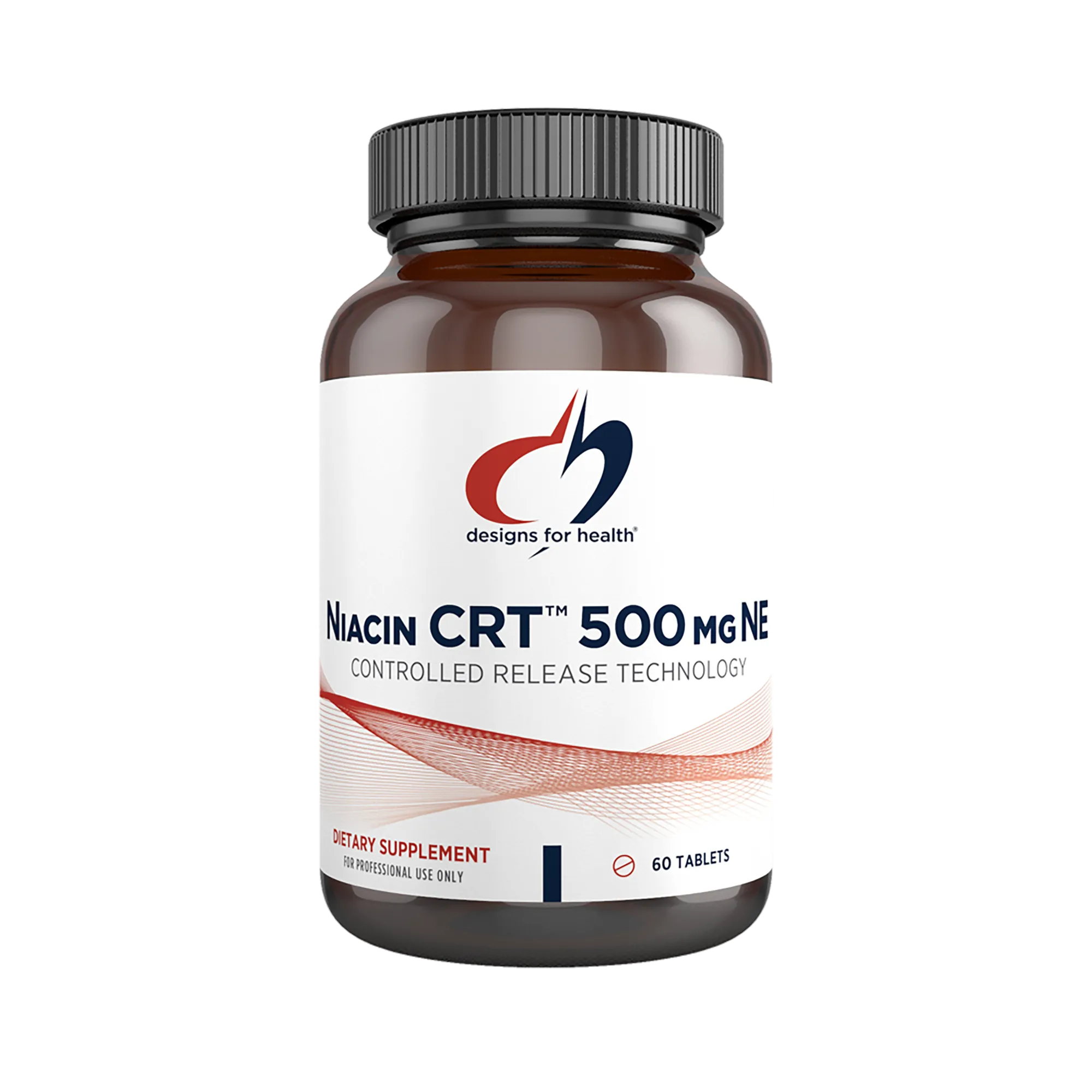
Niacin CRT™ offers controlled-release Vitamin B3 to support cellular energy and vascular health.
It helps replenish NAD+ levels often depleted by chronic infections like Long COVID.
The wax-matrix formula minimizes the uncomfortable "niacin flush" common with standard niacin supplements.
Consult your healthcare provider before starting, especially if you have POTS or MCAS.
What is Niacin CRT™?
The Essential Role of Vitamin B3
Niacin, scientifically known as nicotinic acid, is a water-soluble B vitamin (Vitamin B3) that is fundamentally required for human survival. Unlike some vitamins that serve a single specialized function, niacin is a systemic metabolic linchpin. In a healthy body, it acts as a primary building block for the synthesis of nicotinamide adenine dinucleotide (NAD+) and its phosphorylated form, NADP+. These critical coenzymes are mandatory co-substrates for over 400 different enzymatic reactions throughout the body. Without adequate niacin, the mitochondria—the microscopic powerhouses inside our cells—cannot convert the food we eat into adenosine triphosphate (ATP), the cellular currency of energy.
Beyond its role in basic energy extraction, niacin is deeply involved in maintaining genomic stability and regulating cellular aging. It provides the necessary fuel for enzymes that repair damaged DNA and manage oxidative stress. In the cardiovascular system, niacin has been utilized for decades as a potent, broad-spectrum lipid-modulating agent. It is uniquely capable of lowering triglycerides and low-density lipoprotein (LDL) cholesterol while simultaneously raising high-density lipoprotein (HDL) cholesterol. This makes it a cornerstone nutrient for supporting overall cardiovascular wellness and maintaining healthy blood vessels.
The Dual Mechanism: Receptors and NAD+
The clinical benefits of nicotinic acid are driven by a fascinating dual mechanism of action. First, niacin acts as a direct signaling molecule by binding to a specific G-protein-coupled receptor known as GPR109A (also called HCAR2). This receptor is heavily expressed on adipocytes (fat cells) and various immune cells. When niacin binds to GPR109A on fat cells, it rapidly inhibits the breakdown of stored triglycerides into free fatty acids. By reducing the flow of free fatty acids to the liver, niacin effectively starves the liver of the raw materials it uses to manufacture VLDL and LDL cholesterol, leading to a healthier lipid profile.
The second, and arguably more profound, mechanism revolves around niacin's role as a highly efficient NAD+ precursor. Once inside the cell, nicotinic acid is processed through a specific biochemical route called the Preiss-Handler pathway. By dramatically boosting intracellular NAD+ levels, niacin provides the fuel needed to activate the sirtuin family of proteins, particularly SIRT1. Sirtuins are master metabolic regulators that govern mitochondrial biogenesis, reduce systemic inflammation, and promote the clearance of damaged cellular components. Through this NAD+/SIRT1 axis, niacin exerts systemic protective effects that extend far beyond simple cholesterol management.
The Innovation of Controlled-Release Technology
Despite its profound benefits, the clinical use of standard, immediate-release nicotinic acid has historically been limited by a highly uncomfortable side effect known as the "niacin flush." When a standard niacin tablet dissolves rapidly in the stomach, it causes a sudden, massive spike in blood serum levels. This flood of nicotinic acid hyper-activates the GPR109A receptors on immune cells in the skin, triggering a rapid release of vasodilatory prostaglandins (specifically PGD2 and PGE2). This forces the blood vessels in the skin to dilate aggressively, resulting in intense redness, warmth, tingling, and itching across the face and upper body.
Niacin CRT™ by Designs for Health solves this pharmacokinetic challenge through the use of a unique wax-matrix tablet. Instead of using synthetic chemical coatings, the active nicotinic acid is evenly embedded directly into a core of natural, vegetable-based waxes. Because this wax matrix does not rapidly dissolve in gastric acid, the tablet remains intact in the stomach and slowly erodes as it passes through the gastrointestinal tract. This controlled-release technology (CRT) meters out the niacin over a 6- to 8-hour period, mimicking the slow digestion of food. By avoiding an abrupt spike in blood serum levels, the concentration of niacin remains below the acute threshold required to trigger the massive prostaglandin release, thereby minimizing or entirely preventing the flush.
How Chronic Illness Impacts Vascular and Cellular Health
Viral Hijacking and the NAD+ Drain
To understand why niacin is so relevant to conditions like Long COVID and ME/CFS, we must examine what happens to the body's cellular metabolism during and after a severe biological stressor. During an acute viral infection, such as SARS-CoV-2, the virus essentially hijacks the host’s cellular machinery to replicate. This massive viral invasion triggers a profound immune response, activating specific immune-regulating enzymes, most notably PARPs (Poly ADP-ribose polymerases) and CD38. These enzymes are deployed to repair damaged DNA and fight the viral replication, but they come with a massive metabolic cost: they consume staggering amounts of NAD+.
As these hyperactive immune enzymes aggressively drain the cell's NAD+ reserves, a vicious cycle of NAD+ depletion begins. Without sufficient NAD+, the mitochondria can no longer efficiently pass electrons down the electron transport chain to generate ATP. This cellular energy crisis is a primary driver of the debilitating, unrelenting fatigue and post-exertional malaise (PEM) that define both Long COVID and ME/CFS. The cells are quite literally starved of the biochemical currency they need to function, leading to widespread systemic exhaustion and a failure to recover from even minor physical or cognitive exertion.
Endothelial Dysfunction and Microvascular Starvation
This cellular energy crisis does not just affect skeletal muscles; it has a devastating impact on the cardiovascular system, specifically the endothelium. The endothelium is the delicate inner lining of our blood vessels, responsible for regulating vascular tone, controlling blood flow, and preventing abnormal clotting. Endothelial cells rely heavily on steady NAD+ levels to produce nitric oxide (NO), the critical signaling molecule that tells blood vessels to relax and dilate. When NAD+ is depleted by chronic post-viral inflammation, nitric oxide production plummets, and the endothelium becomes dysfunctional.
This endothelial dysfunction leads to a state of microvascular starvation. The tiny capillaries that feed oxygen and nutrients to our brain, muscles, and organs fail to dilate properly, and may even become obstructed by microscopic blood clots (microclots). This lack of proper blood flow—known as hypoperfusion—explains many of the most troubling symptoms of dysautonomia and Long COVID, including severe brain fog, muscle pain, and exercise intolerance. The tissues are crying out for oxygen, but the damaged, NAD-depleted blood vessels cannot deliver it.
The Tryptophan Shunt in ME/CFS
In patients with ME/CFS, this metabolic breakdown is further compounded by a phenomenon known as the tryptophan shunt. In a healthy metabolism, the amino acid tryptophan can be converted into serotonin (for mood and gut motility) or routed down the kynurenine pathway to synthesize fresh NAD+ for energy. However, chronic inflammation and immune dysregulation force the body to aggressively shunt tryptophan down the kynurenine pathway, but the process often becomes stalled or dysregulated.
Instead of producing healthy NAD+, this dysregulated pathway generates neurotoxic metabolites that drive further neuroinflammation. This metabolic trap leaves the ME/CFS patient doubly disadvantaged: their existing NAD+ is being rapidly consumed by inflammatory enzymes, and their body's ability to manufacture new NAD+ from dietary amino acids is broken. This highlights the critical need for direct, efficient NAD+ precursors like nicotinic acid to bypass these broken metabolic pathways and directly resupply the starving mitochondria.
Niacin CRT™: Supporting Cellular Energy and Blood Flow
Fueling the Preiss-Handler Pathway for NAD+
When a patient supplements with Niacin CRT™, they are providing their cells with a direct, highly efficient raw material to rebuild their depleted energy reserves. Nicotinic acid is unique among Vitamin B3 derivatives because it utilizes the Preiss-Handler biosynthetic pathway. Once absorbed into the bloodstream, the nicotinic acid enters the cells and is converted by the enzyme NAPRT into nicotinate mononucleotide (NAMN). It is then transformed into nicotinic acid adenine dinucleotide (NAAD), and finally amidated into fresh, bioavailable NAD+ by NAD+ synthetase.
By saturating this specific pathway, controlled-release niacin helps to rapidly elevate the intracellular pool of NAD+. This influx of NAD+ acts like a metabolic jumpstart for struggling mitochondria. With the necessary coenzymes restored, the electron transport chain can resume its normal function, pulling electrons through the mitochondrial membrane to pump protons and generate ATP. For patients suffering from the profound energy deficits of Long COVID or ME/CFS, supporting this fundamental biochemical process is essential for slowly rebuilding cellular stamina and reducing the severity of energetic crashes.
Activating SIRT1 and Restoring Nitric Oxide
The benefits of replenishing NAD+ extend far beyond basic ATP production; it is the key to unlocking the body's innate vascular repair mechanisms. High levels of NAD+ are required to activate SIRT1, a powerful longevity and repair protein. When SIRT1 is activated by the NAD+ generated from niacin, it aggressively downregulates NF-κB, a primary transcription factor that drives systemic inflammation. By silencing this inflammatory alarm, SIRT1 helps to calm the hyperactive immune responses often seen in post-viral syndromes.
Crucially for patients with dysautonomia and vascular complications, SIRT1 activation directly stimulates endothelial nitric oxide synthase (eNOS). This is the enzyme responsible for producing nitric oxide in the blood vessels. By restoring nitric oxide production, niacin helps the damaged endothelium regain its ability to relax and dilate. This improved vasodilation helps to counteract microvascular starvation, allowing oxygen-rich blood to finally reach the oxygen-deprived tissues in the brain and skeletal muscles, potentially alleviating brain fog and muscle fatigue.
Modulating Lipid Metabolism and Cardiovascular Wellness
In addition to its role as an NAD+ precursor, the nicotinic acid in Niacin CRT™ provides robust, direct support for cardiovascular health through its interaction with the GPR109A receptor. Many patients with complex chronic illnesses develop secondary metabolic issues, including dyslipidemia, due to prolonged inactivity, systemic inflammation, and metabolic shifts. Niacin directly inhibits diacylglycerol acyltransferase-2 (DGAT2), a rate-limiting enzyme in the liver responsible for synthesizing triglycerides.
Simultaneously, niacin decreases the hepatic surface expression of enzymes that degrade HDL particles, while increasing the expression of the ABCA1 transporter. This transporter promotes the lipidation of ApoA-I, accelerating the production of new, healthy HDL cholesterol particles. By lowering circulating triglycerides and LDL while boosting protective HDL, niacin provides comprehensive support for healthy lipid management. This multi-targeted approach ensures that the cardiovascular system is supported both at the macroscopic level of lipid circulation and the microscopic level of endothelial function.

Symptoms Niacin May Help Manage
Cardiovascular and Metabolic Indicators
Niacin CRT™ is primarily utilized to support cardiovascular health and metabolic function. By targeting lipid pathways and endothelial health, it may help manage the following clinical indicators:
Elevated Triglycerides: Niacin directly inhibits the hepatic enzymes responsible for triglyceride synthesis, helping to maintain healthy lipid profiles in the blood.
Low HDL Cholesterol: By upregulating the ABCA1 transporter, niacin is one of the most effective nutrients for promoting the creation of new, protective high-density lipoprotein (HDL) particles.
Endothelial Dysfunction: Through the restoration of NAD+ and the subsequent activation of SIRT1, niacin supports the production of nitric oxide, which is essential for healthy blood vessel dilation and vascular tone.
Microvascular Poor Circulation: By activating the GPR109A receptor on endothelial cells, niacin supports microvascular repair and angiogenesis, helping to improve blood flow to oxygen-starved tissues.
Energy and Cognitive Symptoms
Because nicotinic acid is a fundamental precursor to NAD+, it plays a critical role in cellular energy production. Supporting this pathway may help alleviate symptoms associated with mitochondrial impairment in chronic conditions:
Profound Cellular Fatigue: By fueling the Preiss-Handler pathway, niacin provides the necessary NAD+ coenzymes for the mitochondrial electron transport chain to efficiently generate ATP, the body's energy currency.
Brain Fog and Cognitive Dysfunction: Improved endothelial nitric oxide production helps dilate the microcapillaries in the brain, potentially improving cerebral blood flow and oxygen delivery to neurons.
Post-Exertional Malaise (PEM): While not a cure for PEM, supporting the overall mitochondrial reserve with NAD+ precursors may help raise the cellular energy threshold, potentially reducing the severity of metabolic crashes after exertion.
Oxidative Stress: NAD+ is required to regenerate the body's master antioxidants, like glutathione. By maintaining NAD+ levels, niacin helps the cells neutralize the reactive oxygen species (ROS) generated during chronic inflammation.
Practical Considerations: Forms, Dosing, and Absorption
The Wax-Matrix Advantage Over Immediate-Release
When considering niacin supplementation, the specific delivery mechanism is just as important as the nutrient itself. Immediate-release (IR) nicotinic acid dissolves rapidly in the stomach, causing a massive spike in blood levels that almost universally triggers the uncomfortable prostaglandin-driven "niacin flush." This intense redness and itching lead to very high patient dropout rates. Conversely, older 12-to-24-hour sustained-release (SR) formulas successfully stopped the flush but often resulted in severe hepatotoxicity (liver damage), as the prolonged, constant exposure saturated the liver's primary metabolic pathways.
Niacin CRT™ utilizes a wax-matrix extended-release formulation that hits the pharmacokinetic "sweet spot." By embedding the nicotinic acid in a natural vegetable wax core, the tablet slowly erodes over a 6- to 8-hour period. This release is slow enough to prevent the acute blood spikes that trigger the GPR109A flush cascade, but fast enough to clear the liver without causing the toxic buildup associated with 24-hour sustained-release products. This makes the wax-matrix formulation the safest and most tolerable clinical option for achieving the benefits of true nicotinic acid.
Why "Flush-Free" Inositol Hexanicotinate Falls Short
Many patients attempting to avoid the niacin flush mistakenly turn to over-the-counter "flush-free" niacin supplements, which are typically formulated as Inositol Hexanicotinate (IHN). While it is true that IHN does not cause flushing, robust clinical data has demonstrated that it is highly ineffective. Studies comparing wax-matrix nicotinic acid to IHN have shown that IHN often fails to absorb properly into the bloodstream.
Because it lacks bioavailability, "flush-free" IHN does not provide the robust lipid-modulating benefits or the profound NAD+-boosting effects of true nicotinic acid. Patients seeking cardiovascular support or mitochondrial repair from Vitamin B3 must use actual nicotinic acid to engage the Preiss-Handler pathway and the GPR109A receptors. Niacin CRT™ provides this authentic, bioactive nicotinic acid while using its physical wax structure—rather than a chemical alteration—to manage the flushing side effect.
Navigating Niacin with POTS and MCAS
For patients living with postural orthostatic tachycardia syndrome (POTS) and mast cell activation syndrome (MCAS), niacin supplementation requires careful consideration. The hallmark of POTS is venous pooling—an inability of the blood vessels to constrict properly upon standing. Because nicotinic acid is a potent vasodilator, taking an immediate-release form that triggers a flush can severely exacerbate this blood pooling, leading to sudden drops in blood pressure and severe reflex tachycardia. Furthermore, the niacin flush involves the release of Prostaglandin D2 from mast cells, which can trigger a broader flare in patients with MCAS.
This makes the controlled-release technology of Niacin CRT™ particularly important for this sensitive patient population. By mitigating the sudden prostaglandin release and the subsequent aggressive vasodilation, the wax matrix allows patients to access the neurological and mitochondrial benefits of Vitamin B3 without triggering a severe dysautonomic or mast cell crisis. However, because every patient's autonomic nervous system is unique, individuals with severe POTS or MCAS should always start with lower doses and work closely with a dysautonomia-literate healthcare provider when introducing any form of niacin.
Follow the Science
Clinical Evidence for Lipid Management
The cardiovascular benefits of nicotinic acid are supported by decades of robust clinical research. A comprehensive 2022 meta-analysis published in Nutrition & Metabolism aggregated data from 40 clinical trials involving over 14,700 patients to evaluate the effects of NAD+ precursors on lipid profiles. The researchers found that supplementation with NAD+ precursors yielded highly significant, quantifiable improvements across the entire lipid panel, including significant reductions in triglycerides and LDL cholesterol, alongside substantial increases in HDL cholesterol.
Crucially, the subgroup analysis of this massive study revealed that among all the NAD+ precursors tested, nicotinic acid exhibited the most statistically significant effect on improving lipid metabolism. Furthermore, specific trials evaluating wax-matrix formulations have demonstrated excellent efficacy and patient compliance. In a randomized, double-blind trial comparing wax-matrix nicotinic acid to placebo and "flush-free" IHN, the wax-matrix group achieved an 18% reduction in LDL and a 12% increase in HDL, while the IHN group showed no significant improvements over the placebo.
NAD+ Precursors in Post-Viral Recovery
The application of NAD+ precursors for post-viral syndromes is an rapidly evolving and highly promising area of scientific inquiry. Recent clinical trials have begun to validate the hypothesis that restoring NAD+ can alleviate the profound fatigue associated with Long COVID. For instance, a randomized, double-blind, placebo-controlled trial evaluated the efficacy of NAD+ precursor supplementation in non-hospitalized Long COVID patients over a 10-week period.
The study found that daily supplementation significantly increased systemic NAD+ levels in the treatment group. More importantly, the patients receiving the NAD+ precursors demonstrated notable within-group improvements in the most common Long COVID symptoms, including severe fatigue, sleep quality disturbances, and cognitive dysfunction. This clinical data strongly supports the mechanistic theory that viral-induced NAD+ depletion is a primary driver of post-viral metabolic exhaustion, and that targeted replenishment can improve quality of life.
Endothelial Repair and Microvascular Blood Flow
At the cellular level, research highlights niacin's direct role in repairing damaged blood vessels. A pivotal ex vivo study investigated the impact of COVID-19 plasma on human aortic endothelial cells. The researchers found that exposure to the viral plasma caused a severe 30% reduction in intracellular NAD+ concentrations, leading to a drastic drop in nitric oxide production and a spike in oxidative stress. However, when these damaged endothelial cells were co-incubated with NAD+ precursors, the viral-induced reductions in nitric oxide and increases in oxidative stress were completely prevented.
Additionally, studies focusing on the GPR109A receptor have shown that pharmacological doses of niacin directly improve the ability of human microvascular endothelial cells to form capillary tubes under hypoxic (low oxygen) conditions. This suggests that nicotinic acid not only fuels the energy required for cellular survival but actively promotes angiogenesis—the repair and creation of new microvessels—helping to restore vital blood flow to tissues starved by chronic illness.
The Path Forward
Integrating Niacin into Your Care Plan
Living with the unpredictable and often debilitating symptoms of Long COVID, ME/CFS, and dysautonomia can feel like navigating a maze without a map. The profound fatigue, cognitive fog, and cardiovascular strange-ness are not just "in your head"—they are the result of measurable, physiological disruptions in your cellular energy pathways and vascular networks. Validating this biological reality is the first step toward reclaiming your health. By understanding the critical role of NAD+ depletion and endothelial dysfunction, you can begin to target the root mechanisms of your symptoms.
Supplements like Niacin CRT™ offer a science-backed mechanism to support these vulnerable pathways. By providing a controlled, steady supply of nicotinic acid, this unique formulation helps refuel the Preiss-Handler pathway, boost NAD+ levels, and support healthy lipid metabolism without the severe discomfort of the traditional niacin flush. However, it is important to remember that true healing requires a comprehensive approach. Niacin should be viewed as one piece of a broader management strategy that includes aggressive pacing, nervous system regulation, and targeted nutritional support.
A Collaborative Approach to Healing
Because complex chronic illnesses involve highly sensitive autonomic and immune systems, introducing new supplements should always be done with care and intention. Patients with severe POTS, MCAS, or liver conditions must be particularly mindful of dosages and formulations. We strongly encourage you to track your symptoms meticulously and work collaboratively with a healthcare practitioner who understands the nuances of dysautonomia and post-viral metabolic dysfunction.
Disclaimer: This content is for educational purposes only and is not intended as medical advice. Niacin can interact with certain medications and may affect liver enzymes and blood sugar levels. Always consult your healthcare provider before starting any new supplement regimen, especially if you have a complex chronic condition.