Can Nicotinamide Riboside and Betaine Help Clear the Brain Fog and Fatigue of Long COVID?
March 6, 2026
Nicotinamide RibosideLong COVIDME/CFS
Share:
Disclaimer: The information provided here is for educational purposes only and is not intended as medical advice. It should not be used to diagnose, treat, cure, or prevent any medical condition. Instead, use it as a starting point for discussion with your healthcare provider. Always consult with a qualified healthcare provider before starting any new medication, supplement, device, or making changes to your health regimen.
Months or even years after recovering from an initial viral infection, many individuals find themselves trapped in a body that feels fundamentally drained of its power. If you are living with Long COVID, myalgic encephalomyelitis/chronic fatigue syndrome (ME/CFS), or dysautonomia, you already know that this is not ordinary tiredness. It is a profound, cellular exhaustion that dictates what you can and cannot do on any given day. The frustration of dealing with invisible symptoms—like debilitating brain fog, post-exertional malaise (PEM), and unrefreshing sleep—is compounded by a medical system that often lacks clear answers. However, emerging research is shining a light on the very core of our cellular energy systems, revealing how viral infections and chronic stressors can deplete critical molecules that our bodies need to function.
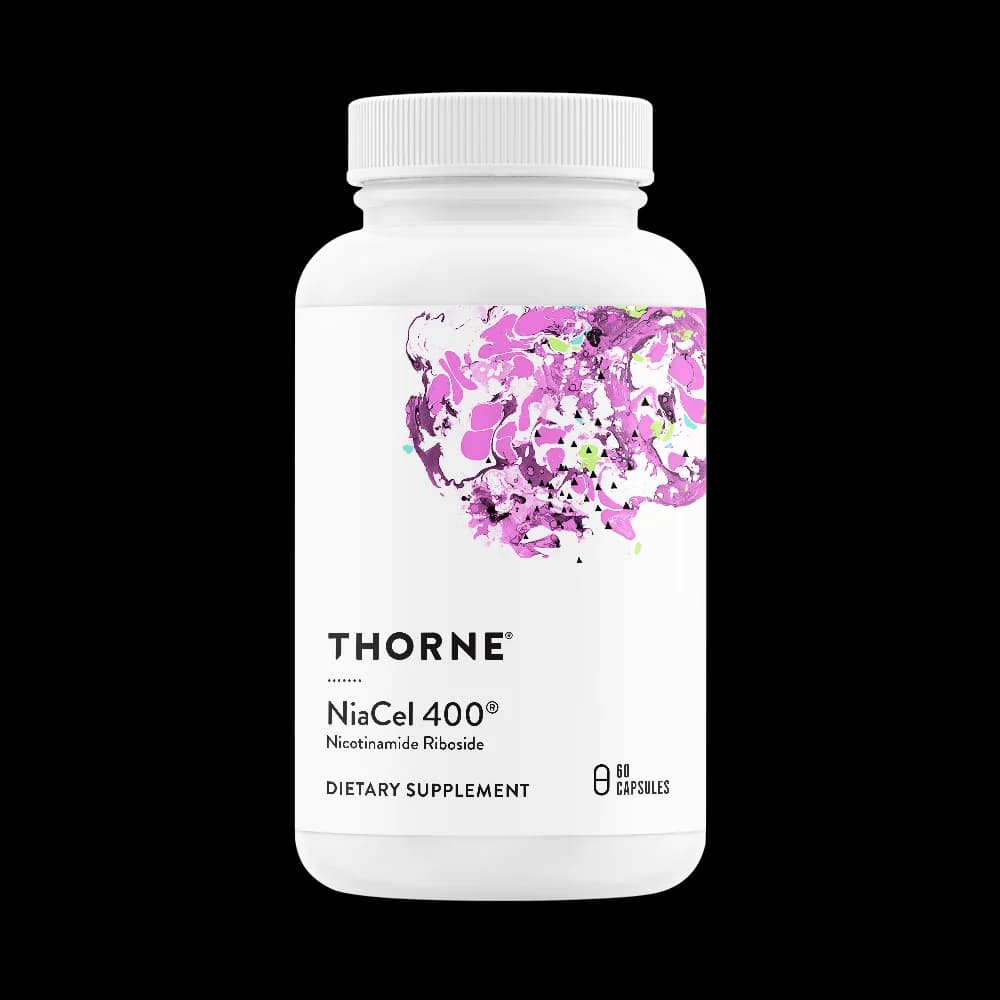
One of the most significant breakthroughs in understanding complex chronic illness involves a molecule called Nicotinamide Adenine Dinucleotide (NAD+). When your cells are under attack, they consume massive amounts of NAD+ to defend themselves, often leaving your mitochondrial "batteries" completely drained. This is where targeted nutritional support comes into play. Thorne’s NiaCel 400® is designed to directly address this cellular energy crisis. By combining Nicotinamide Riboside (NR)—a highly efficient precursor to NAD+—with Betaine (trimethylglycine), this supplement offers a dual-action approach to restoring mitochondrial function and supporting vital methylation pathways. In this comprehensive guide, we will explore the intricate science behind NiaCel 400®, how chronic illness disrupts your cellular machinery, and how replenishing these foundational molecules may help you reclaim your vitality.
TL;DR
NiaCel 400® combines Nicotinamide Riboside and Betaine to support cellular energy and methylation pathways.
Chronic illnesses like Long COVID can drain NAD+ levels, leading to profound fatigue and brain fog.
Replenishing NAD+ may help manage post-exertional malaise and support overall mitochondrial function.
Always consult your healthcare provider before adding new supplements to your comprehensive management plan.
What is NiaCel 400® (Nicotinamide Riboside and Betaine)?
Nicotinamide Riboside and the NAD+ Pathway
To understand the profound benefits of NiaCel 400®, we must first explore its primary active ingredient: Nicotinamide Riboside (NR). NR is a naturally occurring, highly specialized member of the vitamin B3 family. While it is found in trace amounts in foods like milk, it is nearly impossible to acquire therapeutic doses through diet alone. Over the last two decades, NR has emerged as one of the most rigorously researched compounds in the fields of metabolic health and cellular aging. Its primary function in the human body is to serve as a direct, highly efficient building block for a critical coenzyme known as Nicotinamide Adenine Dinucleotide (NAD+).
NAD+ is an essential molecule present in every single living cell in your body. It acts as a fundamental electron carrier in cellular respiration, the complex biochemical process that converts the food you eat into usable cellular energy. During this process, NAD+ accepts high-energy electrons and temporarily transforms into NADH. This NADH molecule then acts as a cellular shuttle, transporting these crucial electrons directly to the mitochondria—the microscopic powerhouses located within your cells. Without an adequate supply of NAD+, this electron transport chain grinds to a halt, and your cells lose their ability to generate Adenosine Triphosphate (ATP), the primary energy currency required for survival and optimal function.
Beyond its role as an energy shuttle, NAD+ is also a consumable substrate, meaning it is physically used up and destroyed during certain cellular processes. It is strictly required to activate a family of longevity-linked proteins called Sirtuins, particularly SIRT1 and SIRT3. These sirtuin proteins are the master regulators of cellular health; they are responsible for triggering mitochondrial biogenesis (the creation of new mitochondria), repairing damaged DNA, reducing oxidative stress, and aggressively suppressing systemic inflammation. When NAD+ levels decline—whether due to natural aging, chronic stress, or severe viral infections—sirtuin activity plummets, leading to a cascade of mitochondrial dysfunction and cellular vulnerability.
Betaine (Trimethylglycine) and the Methylation Cycle
The second key ingredient in NiaCel 400® is Betaine, also known scientifically as Trimethylglycine (TMG). Betaine is a naturally occurring amino acid derivative that consists of a glycine molecule with three methyl groups attached to it. It is synthesized endogenously within the body through the oxidation of choline and can also be acquired through dietary sources like beets, spinach, and wheat bran. In the context of human physiology, Betaine serves two distinct but equally vital roles: it acts as a powerful organic osmolyte, and it functions as a crucial methyl-group donor in the body’s complex methylation pathways.
As an osmolyte, Betaine is absorbed by cells to help maintain fluid balance and protect against environmental stressors, such as dehydration, high salinity, or extreme temperature fluctuations. By accumulating inside the cell, Betaine helps stabilize protein structures and cellular membranes, ensuring that vital enzymes can continue to function even when the cell is under severe metabolic or environmental duress. This protective mechanism is particularly important for individuals dealing with chronic illness, as their cells are constantly battling elevated levels of oxidative stress and systemic inflammation.
However, Betaine's most critical role lies in its ability to support the methylation cycle. Methylation is a fundamental biochemical process that involves the transfer of a tiny molecule—a methyl group—to various DNA segments, proteins, and enzymes. This process is the body's primary method for regulating gene expression, synthesizing neurotransmitters, and driving detoxification pathways in the liver. Betaine operates primarily through an enzyme called Betaine-homocysteine S-methyltransferase (BHMT). By donating one of its methyl groups, Betaine helps convert homocysteine—a potentially toxic intermediate amino acid—back into methionine, thereby keeping the entire methylation cycle running smoothly and helping to prevent a toxic buildup of cellular waste.
How Long COVID and ME/CFS Impact NAD+ and Cellular Energy
Viral Hijacking and the PARP Enzyme Drain
The connection between chronic viral infections and profound cellular exhaustion is becoming increasingly clear, particularly in the context of Long COVID and ME/CFS. When a virus like SARS-CoV-2 enters the human body, it binds to specific receptors (such as ACE2) and infiltrates host cells to begin replicating. This invasion triggers an immediate, massive cellular stress response. The host's innate immune system detects the viral threat and the resulting DNA damage, prompting the rapid hyperactivation of a family of enzymes known as Poly (ADP-ribose) polymerases, or PARPs. Specifically, enzymes like PARP1, PARP9, and PARP14 are deployed to repair damaged DNA and attempt to halt viral replication.
While this PARP activation is a necessary defense mechanism, it comes at a devastating metabolic cost. PARP enzymes are massive consumers of NAD+. As they work frantically to repair the virally induced damage, they rapidly drain the cell's NAD+ reserves. To make matters worse, research indicates that SARS-CoV-2 has evolved a counter-mechanism: it encodes a specific macrodomain protein that actively removes the protective chemical tags placed by the host's PARP enzymes. This forces the host cell to push its PARP enzymes into overdrive, creating a vicious cycle that completely depletes the cellular NAD+ pool. This catastrophic drain is a primary reason why patients experience such profound, inescapable fatigue during and long after the acute infection phase.
The Sirtuin Collapse and Chronic Inflammation
The depletion of NAD+ by hyperactive PARP enzymes triggers a secondary, equally destructive cascade known as the "Sirtuin collapse." As mentioned earlier, Sirtuin proteins (like SIRT1) are entirely dependent on a steady supply of NAD+ to function. Their primary job is to act as the brakes on the immune system, suppressing pro-inflammatory pathways and protecting the mitochondria from oxidative damage. When NAD+ levels are drained by the viral conflict, there is simply not enough left to fuel the Sirtuins. Without functioning Sirtuins, the cellular brakes fail, and the immune system is left in a state of chronic, unchecked hyperactivation.
This unchecked immune response leads to the overactivation of pro-inflammatory pathways, most notably the NF-κB pathway and the NLRP3 inflammasome. These pathways flood the body with inflammatory cytokines, creating a state of systemic, low-grade inflammation that persists long after the virus has been cleared. This ongoing inflammation is a hallmark of how a doctor diagnoses Long COVID and ME/CFS. It directly damages the mitochondria, impairs cellular respiration, and heavily impacts the central nervous system, contributing significantly to the neurocognitive symptoms commonly referred to as "brain fog."
Methylation Deficits and Metabolic Bottlenecks
In addition to the NAD+ crisis, complex chronic illnesses also severely disrupt the body's methylation pathways. Chronic inflammation, oxidative stress, and viral persistence place an enormous burden on the liver and the body's detoxification systems. When the body is under constant stress, the standard methylation cycle—which relies heavily on folate and vitamin B12—can become overwhelmed or bottlenecked. This disruption leads to a dangerous accumulation of homocysteine in the bloodstream, which is a known neurotoxin and a major driver of cardiovascular and endothelial dysfunction.
Furthermore, impaired methylation directly affects the brain's ability to synthesize critical neurotransmitters like dopamine, serotonin, and norepinephrine. When the methylation cycle stalls, the production of S-adenosylmethionine (SAM)—the body's universal methyl donor—drops significantly. This drop in SAM impairs the brain's ability to regulate mood, focus, and cognitive clarity, exacerbating the neurological symptoms of Long COVID and ME/CFS. The combination of NAD+ depletion and methylation failure creates a perfect storm of cellular energy failure and toxic buildup, trapping patients in a cycle of debilitating symptoms and post-exertional malaise.
NiaCel 400®: Supporting Mitochondrial Function and Methylation
Bypassing the Age-Dependent NAMPT Bottleneck
To understand why the Nicotinamide Riboside in NiaCel 400® is so remarkably effective, we must look at how the body naturally salvages and recycles NAD+. In a healthy, youthful system, the body relies heavily on an enzyme called nicotinamide phosphoribosyltransferase (NAMPT) to convert standard vitamin B3 (niacin or nicotinamide) into NAD+. However, extensive clinical research has demonstrated that NAMPT acts as a strict, rate-limiting bottleneck. As we age, or when our cells are subjected to the chronic physiological stressors of a severe viral infection, the efficiency and expression of the NAMPT enzyme plummet drastically. This means that even if you consume plenty of standard niacin in your diet, your compromised cells cannot efficiently convert it into the energy-carrying NAD+ they desperately need.
Nicotinamide Riboside offers an elegant, scientifically proven biological workaround to this critical problem. Instead of relying on the compromised NAMPT enzyme, NR enters the cell directly through specialized cellular doorways called equilibrative nucleoside transporters (ENTs). Once inside, it utilizes a completely different metabolic route known as the Preiss-Handler independent NRK pathway. NR is rapidly phosphorylated by nicotinamide riboside kinase (NRK1 and NRK2) enzymes to form Nicotinamide Mononucleotide (NMN), which is then seamlessly and rapidly converted into NAD+. By bypassing the NAMPT bottleneck entirely, NR provides a direct, highly energy-efficient route to replenishing cellular NAD+, ensuring that your mitochondria receive the raw materials they need regardless of your age or chronic illness status.
Restoring the Electron Transport Chain and ATP Production
Once NiaCel 400® successfully elevates intracellular NAD+ levels, the profound benefits for mitochondrial function begin to unfold. Inside the mitochondria, the process of generating energy occurs along the Electron Transport Chain (ETC), a series of four complex protein structures embedded in the inner mitochondrial membrane. NAD+ is the indispensable shuttle that delivers high-energy electrons to Complex I of this chain. As these electrons flow through the four complexes, they power the pumping of protons across the membrane, creating a powerful electrochemical gradient. This gradient is the driving force that allows the ATP synthase enzyme to rapidly generate Adenosine Triphosphate (ATP), the vital energy currency that powers every muscle contraction, heartbeat, and thought.
In patients with Long COVID and ME/CFS, the depletion of NAD+ means that Complex I is starved of electrons, causing the entire ATP production line to stall. This is the precise molecular mechanism behind post-exertional malaise (PEM)—the cells simply cannot generate enough ATP to meet the demands of even minor physical or cognitive exertion. By flooding the system with bioavailable NR, NiaCel 400® helps restart the flow of electrons to the ETC. Furthermore, the restored NAD+ levels reactivate the dormant Sirtuin proteins (SIRT1 and SIRT3), which immediately begin repairing oxidative damage within the mitochondria and stimulating the birth of fresh, healthy mitochondria (mitochondrial biogenesis), thereby gradually rebuilding the patient's baseline energy reserves.
Optimizing the SAM/SAH Ratio with Betaine
While NR addresses the energy crisis, the Betaine (TMG) in NiaCel 400® simultaneously tackles the methylation bottlenecks that plague chronic illness patients. In the liver and kidneys, Betaine operates through the Betaine-homocysteine S-methyltransferase (BHMT) pathway. When the primary folate-dependent methylation cycle is overwhelmed by chronic inflammation, Betaine steps in as an alternative, highly efficient methyl donor. It directly transfers one of its methyl groups to the toxic buildup of homocysteine, instantly converting it back into the beneficial amino acid methionine. This reaction not only clears a dangerous cardiovascular toxin from the bloodstream but also generates dimethylglycine (DMG) as a byproduct, which further supports cellular metabolism.
The conversion of homocysteine to methionine is critical because methionine is the direct precursor to S-adenosylmethionine (SAM), the body’s universal methyl donor. After SAM donates its methyl group to regulate a gene or synthesize a neurotransmitter, it becomes S-adenosylhomocysteine (SAH). SAH is highly toxic to cellular methylation because it directly inhibits methyltransferase enzymes. By constantly removing homocysteine and feeding the production of methionine, Betaine helps prevent the backing-up of the cycle, effectively lowering SAH and elevating SAM. Maintaining a high SAM/SAH ratio is Betaine's primary mechanism for ensuring stable epigenetic regulation, optimizing liver detoxification, and supporting the synthesis of the neurotransmitters necessary to combat cognitive dysfunction.

Symptoms NiaCel 400® May Help Manage
Core Metabolic and Neurological Symptoms
Because NiaCel 400® targets the foundational mechanisms of cellular energy and methylation, it has the potential to support the management of a wide array of interconnected symptoms experienced by patients with complex chronic illnesses. By restoring NAD+ levels and optimizing the SAM/SAH ratio, this dual-action supplement addresses the root physiological dysfunctions rather than merely masking surface-level complaints.
Debilitating Fatigue and PEM: By bypassing the NAMPT bottleneck and directly fueling the mitochondrial electron transport chain, Nicotinamide Riboside helps restore the cellular capacity to generate ATP. This may help raise the baseline energy threshold and reduce the severity of post-exertional "crashes" associated with ME/CFS.
Brain Fog and Cognitive Dysfunction: The restoration of NAD+ reactivates SIRT1, which helps suppress neuroinflammation and protect delicate neural pathways. Simultaneously, Betaine supports the methylation required to synthesize critical neurotransmitters like dopamine and serotonin, potentially lifting the cognitive cloud and improving focus. You can learn more about what brain fog is in Long COVID in our dedicated guide.
Sleep-Wake Cycle Disruptions: Sirtuin proteins, particularly SIRT1, are deeply involved in regulating the body's central circadian clock. By providing the NAD+ required for SIRT1 function, NR may help realign disrupted sleep patterns, promoting deeper, more restorative rest and reducing daytime somnolence.
Physical Endurance and Systemic Health
The systemic benefits of combining an NAD+ booster with a potent methyl donor extend far beyond the central nervous system. The ingredients in NiaCel 400® provide robust support for the muscular, cardiovascular, and hepatic systems, which are frequently compromised in conditions like dysautonomia and Long COVID.
Exercise Intolerance and Muscle Weakness: Betaine plays a crucial role in the endogenous synthesis of creatine, an energy reservoir for muscle cells. By optimizing SAM production, Betaine indirectly supports creatine synthesis, which, combined with the ATP boost from NR, may improve muscular endurance and physical resilience.
Detoxification and Liver Stress: Chronic illness places a heavy toxic burden on the liver. Betaine's ability to drive the BHMT pathway ensures that the liver has the methyl groups required to process and eliminate toxins efficiently, while also helping to prevent the accumulation of fats in the liver tissue (hepatic steatosis).
Cardiovascular and Autonomic Dysfunction: Elevated homocysteine is a known driver of endothelial dysfunction, which can exacerbate the blood flow issues seen in POTS and dysautonomia. Betaine actively lowers homocysteine levels, supporting healthier blood vessels and overall cardiovascular stability.
Practical Considerations: Forms, Dosing, and Absorption
The Bioavailability of Nicotinamide Riboside vs. Niacin
When considering NAD+ supplementation, bioavailability—the proportion of the substance that successfully enters circulation and has an active effect—is a critical factor. Historically, patients attempting to boost NAD+ relied on high doses of standard niacin (nicotinic acid). However, niacin binds strongly to the GPR109A receptor in the body, which triggers a severe, uncomfortable physiological response known as the "niacin flush"—characterized by red, hot, and intensely itchy skin. Because Nicotinamide Riboside (NR) utilizes an entirely different metabolic pathway and does not bind to the GPR109A receptor, it is exceptionally well-tolerated and completely avoids this flushing effect, allowing patients to comfortably consume the higher doses necessary for therapeutic benefits.
Oral NR is highly bioavailable and efficiently enters the cells via equilibrative nucleoside transporters (ENTs). However, it is important to understand the pharmacokinetics of how NAD+ levels rise in the body. While a single oral dose of NR is rapidly absorbed, it takes time for the cellular machinery to process it and for systemic NAD+ levels to reach a new, elevated steady state. Clinical trials consistently show that it takes approximately 10 to 14 days of consistent, daily supplementation for whole-blood NAD+ levels to peak and stabilize. Therefore, patience and consistency are key; this is not a stimulant that provides an immediate jolt of energy, but rather a foundational repair process that rebuilds cellular resilience over weeks and months.
Understanding Betaine Anhydrous vs. Betaine HCl
When discussing Betaine supplementation, it is crucial to distinguish between the two primary forms available on the market: Betaine Anhydrous and Betaine Hydrochloride (Betaine HCl). NiaCel 400® specifically utilizes Betaine Anhydrous (also known as Trimethylglycine or TMG). This is the pure, active form of the molecule that functions systemically as an organic osmolyte and a vital methyl donor in the liver and kidneys. It is specifically chosen for its ability to drive the BHMT pathway, lower homocysteine, and optimize the SAM/SAH ratio for epigenetic and metabolic support.
In contrast, Betaine HCl is Betaine Anhydrous bound to a hydrochloric acid molecule. It is primarily used as a digestive aid to increase stomach acid (gastric pH) in individuals suffering from hypochlorhydria (low stomach acid). While Betaine HCl can eventually contribute to the systemic methyl pool once the acid is cleaved off in the stomach, it is not the optimal form for targeted methylation support, and taking high doses of Betaine HCl can cause severe gastric burning and irritation. By utilizing Betaine Anhydrous, NiaCel 400® ensures that patients receive the maximum systemic methylation benefits without the risk of gastrointestinal distress.
Dosing Guidelines, Safety, and Potential Interactions
Thorne’s NiaCel 400® provides a robust, clinically relevant dose of 415 mg of Nicotinamide Riboside Hydrogen Malate and 85 mg of Betaine Anhydrous per capsule. The suggested use is typically one capsule daily, or as recommended by your healthcare practitioner. Both ingredients are Generally Recognized as Safe (GRAS) by regulatory bodies. Clinical trials have repeatedly demonstrated that NR is exceptionally safe and well-tolerated in humans, even at high doses ranging from 1,000 mg to 2,000 mg per day, with no serious adverse events reported in long-term studies.
While NiaCel 400® is highly safe, there are some practical considerations and potential interactions to keep in mind. Because NR supports endothelial health and may naturally help relax blood vessels, it has the potential to mildly lower blood pressure. Individuals who are currently taking prescription antihypertensive medications (blood pressure drugs) should monitor their blood pressure closely when starting NR, as the combination could theoretically lead to hypotension (blood pressure dropping too low). Additionally, while Betaine effectively lowers homocysteine, very high doses of TMG have been associated with mild, dose-dependent increases in LDL cholesterol in some individuals, suggesting that regular lipid panel monitoring is a good practice. Finally, as with most targeted supplements, NiaCel 400® is contraindicated for individuals with a history of hypersensitivity to its ingredients and should not be used during pregnancy without strict medical supervision.

Follow the Science
The 2025 Mass General Brigham Long COVID Trial
The scientific community's understanding of NAD+ depletion in viral illnesses took a massive leap forward with the publication of a landmark clinical trial in late 2025. Conducted by researchers at Massachusetts General Brigham and published in eClinicalMedicine (NCT04809974), this randomized, double-blind, placebo-controlled trial specifically evaluated the use of high-dose Nicotinamide Riboside in 58 non-hospitalized patients suffering from Long COVID. The participants were given a robust dose of 2,000 mg of NR per day for up to 20 weeks, aiming to help manage the mitochondrial dysfunction and cellular exhaustion characteristic of the syndrome.
The biological results of the trial were highly successful; blood analyses confirmed that the NR intervention successfully increased whole-blood NAD+ levels by an impressive 2.6- to 3.1-fold within the first 5 to 10 weeks of supplementation. While the study noted that the overall between-group differences on objective cognitive memory tests were subtle, the exploratory and within-group analyses revealed profound clinical benefits. Patients who took NR for at least 10 weeks reported highly significant, measurable improvements in persistent fatigue, sleep quality, and depressive symptoms compared to their baseline. This recent clinical data strongly suggests that restoring the NAD+ metabolome can effectively support mitochondrial function and may help alleviate the most debilitating symptoms of Long COVID in specific patient subsets.
Combinatory Therapies and ME/CFS Research
Beyond standalone NR trials, researchers are increasingly exploring combinatory therapies that pair NAD+ restoration with immune-modulating treatments. A notable 2024 pilot study by AgelessRx (NCT04604704) investigated the use of Low-Dose Naltrexone (LDN) combined with NAD+ patches for patients with post-COVID persistent fatigue. The dual approach aimed to use LDN to help manage neuroinflammation while using NAD+ to support energy deficits. After 12 weeks, the participants experienced a highly significant increase in their overall quality of life scores and a dramatic drop in their Chalder Fatigue Scale scores, with over 52% of patients classified as clinical responders to the therapy.
These findings align with broader research into Myalgic Encephalomyelitis/Chronic Fatigue Syndrome (ME/CFS). An April 2024 systematic review published in the American Journal of Physiology-Endocrinology and Metabolism evaluated the efficacy of NAD+ precursors across multiple chronic conditions. The review highlighted that in ME/CFS cohorts, supplementation with NAD+ precursors consistently correlated with a decrease in post-exertional maximum heart rate, improved muscle insulin sensitivity, and notable improvements in both fatigue intensity and sleep architecture. The consensus among researchers is that while NAD+ therapy is not a universal cure, it is a highly tolerable, biologically sound intervention that addresses the core mitochondrial reactive oxygen species and energy failures driving these complex diseases.
Clinical Evidence for Betaine and Metabolic Health
The inclusion of Betaine in NiaCel 400® is equally supported by rigorous clinical data, particularly regarding its ability to resolve metabolic bottlenecks and support liver function. Because chronic illness often leads to secondary metabolic issues, Betaine's role in the BHMT pathway is critical. A recent 2024 prospective clinical trial (Dalal et al.) involving 244 patients evaluated the impact of Betaine (TMG) supplementation over three months. The researchers utilized advanced ultrasound elastography and found a statistically significant reduction in liver stiffness and a major decrease in hepatic steatosis (fatty liver) grades, suggesting Betaine's potent ability to support lipid metabolism and help clear toxic bottlenecks in the liver.
Furthermore, Betaine has been extensively studied for its impact on physical endurance and muscular resilience, which is highly relevant for patients struggling with exercise intolerance. Because the body's natural synthesis of creatine consumes up to 40% of the body's SAM (S-adenosylmethionine) supply, Betaine's ability to constantly regenerate SAM indirectly optimizes endogenous creatine production. Clinical trials in athletic populations have demonstrated that daily TMG supplementation significantly improves muscular strength, repeat sprint ability, and overall physical endurance, suggesting that it can help rebuild the muscular resilience often lost during prolonged periods of post-viral fatigue and bedbound crashes.
The Path Forward
A Validating Approach to Cellular Exhaustion
Living with a complex chronic illness like Long COVID, ME/CFS, or dysautonomia is an exercise in profound resilience. It is entirely validating to understand that the debilitating fatigue, brain fog, and post-exertional malaise you experience are not in your head—they are the direct result of measurable, physiological crises occurring at the cellular level. When viral infections and chronic inflammation hijack your NAD+ reserves and disrupt your methylation pathways, your body is essentially trying to run a complex machine without any fuel or oil. Recognizing this biological reality is the first step toward reclaiming your health, as it shifts the focus from pushing through the pain to strategically repairing the underlying cellular machinery.
While the science behind Nicotinamide Riboside and Betaine is incredibly promising, it is important to approach supplementation with realistic expectations. NiaCel 400® is not a miracle cure that will instantly erase years of chronic illness. Instead, it is a powerful, scientifically backed tool designed to slowly and steadily rebuild your mitochondrial capacity and clear metabolic bottlenecks. By consistently providing your cells with the raw materials they need to generate ATP, activate protective Sirtuins, and maintain a healthy SAM/SAH ratio, you are laying the foundational groundwork necessary for long-term recovery and improved daily vitality.
Integrating Supplements into Your Comprehensive Management Plan
To achieve the best possible outcomes, targeted supplements like NiaCel 400® should be integrated into a broader, comprehensive illness management strategy. Because conditions like Long COVID and ME/CFS are multisystemic, they require a multimodal approach. This means combining cellular support with strict pacing strategies to avoid triggering PEM, utilizing symptom tracking to identify your unique energy envelopes, and working closely with a healthcare provider who understands the nuances of how Long COVID can trigger ME/CFS. You may also consider exploring other targeted therapies, such as Acetyl-L-Carnitine for brain fog, to further support your neurological health.
As always, it is crucial to consult with your healthcare provider before introducing any new supplement into your routine, especially if you are currently taking prescription medications for blood pressure or cardiovascular health. Your provider can help you determine the optimal dosage, monitor your blood markers, and ensure that the supplement aligns perfectly with your specific medical needs. If you are ready to take a proactive step toward supporting your cellular energy and methylation pathways, you can explore the benefits of Thorne's scientifically formulated NAD+ booster today.