Can Magnesium L-Threonate (NeuroMag™) Help Clear Brain Fog in Long COVID and ME/CFS?
March 6, 2026
Brain FogLong COVIDME/CFS
Share:
Disclaimer: The information provided here is for educational purposes only and is not intended as medical advice. It should not be used to diagnose, treat, cure, or prevent any medical condition. Instead, use it as a starting point for discussion with your healthcare provider. Always consult with a qualified healthcare provider before starting any new medication, supplement, device, or making changes to your health regimen.
The intersection of complex chronic illness and cognitive dysfunction is one of the most challenging landscapes a patient can navigate. For individuals living with Long COVID, Myalgic Encephalomyelitis/Chronic Fatigue Syndrome (ME/CFS), and dysautonomia, the symptom commonly dismissed as "brain fog" is far more than just ordinary forgetfulness. It is a profound, debilitating neurological impairment that can make reading a simple email, following a conversation, or remembering a familiar word feel like an insurmountable task. This cognitive exhaustion is not a psychological failing; it is a physiological reality driven by neuroinflammation, mitochondrial energy failure, and altered brain signaling.
In the search for targeted therapeutic interventions, researchers have increasingly focused on the critical role of magnesium in the central nervous system. While standard magnesium supplements are widely used for muscle relaxation and systemic health, they often fail to penetrate the brain's protective barriers. Enter Magnesium L-threonate, a unique, patented compound developed by researchers at the Massachusetts Institute of Technology (MIT). Marketed under the brand name Magtein® and featured in the supplement NeuroMag™, this specialized form of magnesium is specifically engineered to cross the blood-brain barrier. By elevating brain magnesium levels, NeuroMag™ aims to calm neuroinflammation, support synaptic plasticity, and provide the essential cofactors needed to clear the fog and restore cognitive clarity.
TL;DR
Magnesium L-threonate (NeuroMag™) is uniquely designed to cross the blood-brain barrier and support cognitive health.
It may help manage brain fog and memory issues linked to Long COVID and ME/CFS.
Research suggests it supports synaptic plasticity, calms neuroinflammation, and aids mitochondrial energy production.
Consult your doctor before starting, especially if you have kidney issues or take certain medications.
What is NeuroMag™ (Magnesium L-Threonate)?
The Crucial Role of Magnesium in the Central Nervous System
Magnesium is the fourth most abundant mineral in the human body and serves as a fundamental cofactor for over 300 enzymatic reactions, many of which are absolutely critical for the proper functioning of the central nervous system. Within the brain, magnesium is indispensable for maintaining the structural integrity of neuronal membranes, regulating neurotransmitter release, and facilitating the rapid transmission of electrical signals across synapses. It acts as a natural gatekeeper for ion channels, ensuring that neurons do not become overstimulated by excitatory signals. Despite its profound importance to human biology, a significant portion of the global population suffers from subclinical magnesium deficiency, a condition that can have devastating consequences for cognitive health and emotional regulation. For individuals battling complex chronic illnesses, this deficiency is often severely exacerbated by systemic inflammation, immune dysregulation, and chronic stress, making targeted magnesium replenishment a vital component of the recovery process.
The primary challenge with traditional magnesium supplementation is that the human brain is highly protected by the blood-brain barrier (BBB). The BBB is a highly selective, semipermeable border of endothelial cells that strictly regulates which circulating solutes can cross into the extracellular fluid of the central nervous system. Standard forms of magnesium, such as magnesium oxide, magnesium citrate, or even the highly absorbable magnesium glycinate, are excellent at raising systemic blood levels of the mineral. However, they are notoriously inefficient at penetrating the blood-brain barrier to meaningfully elevate cerebrospinal fluid (CSF) magnesium concentrations. This physiological limitation means that patients taking standard magnesium supplements for cognitive symptoms often experience minimal neurological benefits, even if their muscle cramps or systemic physical tension improve. To effectively address neurologically driven symptoms like brain fog, a specialized delivery mechanism is required to transport magnesium directly into the brain tissue.
The MIT Discovery: The Genesis of Magtein®
Recognizing the profound limitations of conventional magnesium supplements in managing neurological conditions, a team of neuroscientists and researchers at the Massachusetts Institute of Technology (MIT) embarked on a mission to develop a compound capable of efficiently crossing the blood-brain barrier. Their groundbreaking research led to the creation of Magnesium L-threonate, a unique and patented molecule that is commercially known as Magtein®. By meticulously chelating elemental magnesium to L-threonic acid—a natural metabolite of vitamin C—the researchers engineered a compound that could successfully bypass the traditional limitations of magnesium absorption. This innovative formulation was specifically designed from the ground up to target the central nervous system, prioritizing brain bioavailability over systemic muscle or bone absorption.
The development of Magtein® represents a significant leap forward in the field of neuronutrition, offering a targeted, science-backed approach to managing cognitive decline and neurological dysfunction. In rigorous preclinical models, the MIT researchers demonstrated that oral administration of Magnesium L-threonate successfully elevated magnesium concentrations in the cerebrospinal fluid by a remarkable 7% to 15% within just 24 days of use. In stark contrast, standard forms of magnesium tested in the same models failed to significantly raise brain magnesium levels, despite successfully increasing overall blood serum levels. This profound difference in bioavailability underscores why NeuroMag™, which features the patented Magtein® formulation, is uniquely positioned to support cognitive health in ways that other magnesium supplements simply cannot match.
Crossing the Blood-Brain Barrier: The Biochemistry of L-Threonic Acid
The secret to Magnesium L-threonate's unparalleled brain bioavailability lies in the specific biochemical properties of L-threonic acid. L-threonate is a naturally occurring compound in the human body, found in particularly high concentrations within the central nervous system—often up to five times higher than in the peripheral bloodstream. Because the brain naturally utilizes and requires L-threonate for various cellular processes, it possesses specific transport mechanisms, primarily specialized glucose transporters (GLUTs), to actively pull this molecule across the blood-brain barrier. When magnesium is chemically bound to L-threonic acid, it effectively "piggybacks" on these dedicated transporters, gaining direct, highly efficient access to the brain's extracellular fluid and intricate neuronal networks.
Once inside the brain, the Magnesium L-threonate molecule dissociates, delivering free elemental magnesium directly to the synapses where it is needed most to facilitate learning and memory. The L-threonic acid itself also plays a supportive role, as research suggests it may help upregulate the expression of certain transport proteins and further facilitate the intracellular uptake of magnesium into the neurons themselves. This dual-action mechanism not only ensures that magnesium reaches the brain but also guarantees that it is effectively absorbed into the cellular structures responsible for cognitive processing. By leveraging the body's natural physiological affinity for L-threonate, NeuroMag™ provides a highly efficient and biologically congruent method for restoring optimal brain magnesium levels.
How Long COVID and ME/CFS Impact the Brain
Neuroinflammation and Microglial Activation
To understand why a targeted brain supplement like NeuroMag™ is so crucial, we must first examine the profound neurological impact of complex chronic conditions like Long COVID and Myalgic Encephalomyelitis/Chronic Fatigue Syndrome (ME/CFS). A central driver of the debilitating cognitive symptoms experienced by these patients is chronic neuroinflammation. Following an acute viral infection, such as SARS-CoV-2, the immune system can remain in a state of hyper-activation, leading to the persistent release of pro-inflammatory cytokines. These inflammatory molecules can compromise the integrity of the blood-brain barrier, allowing systemic inflammation to seep into the central nervous system. Once inside, this inflammation triggers the activation of microglia, the resident immune cells of the brain, shifting them from a protective, housekeeping role into an aggressive, inflammatory state.
Activated microglia release a continuous stream of neurotoxic substances, including reactive oxygen species and additional cytokines, creating a localized storm of inflammation within the brain tissue. This chronic microglial activation disrupts normal neuronal communication, impairs the formation of new synapses, and significantly slows down the speed of neural transmission. For patients, this microscopic chaos translates into the profound, heavy cognitive dysfunction commonly referred to as "brain fog". The brain feels as though it is wading through thick molasses, making simple tasks like recalling a word, following a conversation, or concentrating on a screen feel monumentally exhausting. Addressing this neuroinflammatory cascade is a critical step in restoring cognitive clarity and reducing the overall neurological burden of these conditions.
Glutamate Excitotoxicity and NMDA Receptor Dysfunction
Another major pathological mechanism in Long COVID and ME/CFS involves the severe dysregulation of the N-methyl-D-aspartate (NMDA) receptor, a critical component of the brain's excitatory signaling system. Under healthy conditions, the neurotransmitter glutamate binds to the NMDA receptor to facilitate learning, memory, and synaptic plasticity. However, this system must be tightly controlled to prevent dangerous overstimulation. In a state of chronic illness and neuroinflammation, the brain often experiences an excess of extracellular glutamate. When combined with a systemic or localized deficiency in brain magnesium, this leads to a highly destructive phenomenon known as glutamate excitotoxicity. Without sufficient magnesium to regulate and block the NMDA receptor, the channel remains open too long, allowing a massive, uncontrolled influx of calcium ions into the neurons.
This uncontrolled flood of intracellular calcium is highly toxic to delicate brain cells. It triggers a cascade of destructive cellular events, including the activation of degradative enzymes, the generation of severe oxidative stress, and ultimately, neuronal cell death. Excitotoxicity not only damages existing neural networks but also severely impairs the brain's ability to form new, healthy connections. For patients with ME/CFS and Long COVID, this excitotoxic state manifests as severe sensory overload, light and sound sensitivity, cognitive fatigue, and a feeling of being "wired but tired." The brain is essentially stuck in a state of constant hyper-excitability, burning through its limited energy reserves while simultaneously damaging its own structural infrastructure.
The Vicious Cycle of Oxidative Stress and BBB Breakdown
The constant interplay between neuroinflammation and excitotoxicity generates massive amounts of oxidative stress within the brain. Oxidative stress occurs when there is a severe imbalance between the production of harmful free radicals and the brain's natural antioxidant defense mechanisms. In conditions like Long COVID, viral persistence and immune dysregulation continuously fuel the production of these damaging reactive oxygen species. This oxidative burden attacks cellular membranes, damages mitochondrial DNA, and further degrades the tight junctions that make up the blood-brain barrier. As the BBB becomes more permeable, or "leaky," it allows even more systemic inflammatory markers and peripheral immune cells to infiltrate the brain, perpetuating a vicious, self-sustaining cycle of neurological damage.
This ongoing oxidative damage is particularly detrimental to the hippocampus, the specific brain region primarily responsible for learning and memory consolidation. The hippocampus is highly sensitive to inflammatory and oxidative insults, and chronic exposure can lead to actual structural atrophy and a significant reduction in synaptic density. This physical degradation of memory centers directly correlates with the short-term memory loss, disorientation, and profound forgetfulness reported by many Long COVID and ME/CFS patients. Breaking this cycle requires therapeutic interventions that can cross the BBB, neutralize oxidative stress, and provide the foundational minerals necessary to rebuild damaged synaptic connections.
Mitochondrial Energy Failure and Brain Fog
The human brain is an incredibly energy-hungry organ, consuming approximately 20% of the body's total energy supply despite accounting for only 2% of its physical mass. This massive energy demand is met by the mitochondria, which produce energy in the form of adenosine triphosphate (ATP). However, ATP is not biologically active on its own; it must bind to a magnesium ion to form the Mg-ATP complex before it can be utilized by the cells for energy transfer. In patients with ME/CFS and Long COVID, mitochondrial dysfunction is a well-documented core pathology. The mitochondria struggle to produce sufficient ATP, leading to the profound, cellular-level exhaustion known as post-exertional malaise (PEM).
When a systemic or neurological magnesium deficiency is present, this mitochondrial energy crisis is severely amplified. Even if the mitochondria manage to produce ATP, the lack of available magnesium means that this energy cannot be effectively harnessed by the neurons. The resulting energy deficit in the brain directly contributes to cognitive fatigue, slowed processing speeds, and the complete inability to sustain mental effort over time. The brain simply lacks the biological fuel required to fire synapses, maintain neurotransmitter balance, and clear out metabolic waste. Restoring brain magnesium levels is therefore not just about structural repair; it is a fundamental prerequisite for reigniting the brain's cellular engines and lifting the crushing weight of cognitive fatigue.
NeuroMag™: Supporting Cognitive Function and Memory
Modulating the NMDA Receptor for Optimal Signaling
NeuroMag™, utilizing the highly bioavailable Magtein® formulation, directly addresses the neurological dysfunctions seen in Long COVID and ME/CFS by restoring optimal magnesium concentrations within the brain. One of its most critical mechanisms of action is the precise modulation of the N-methyl-D-aspartate (NMDA) receptor. As previously discussed, the NMDA receptor is a ligand-gated and voltage-dependent ion channel that plays a central role in synaptic plasticity and memory formation. In a healthy state, a magnesium ion sits inside the pore of the NMDA receptor, acting as a natural voltage-dependent blocker. It prevents the influx of calcium ions when the neuron is at rest, ensuring that the cell is not overstimulated by ambient glutamate levels in the brain.
By efficiently crossing the blood-brain barrier, the Magnesium L-threonate in NeuroMag™ replenishes this vital magnesium blockade. When the neuron is appropriately stimulated by a genuine signal, the magnesium ion is temporarily expelled, allowing a controlled, purposeful influx of calcium that triggers the cellular mechanisms of learning and memory. Once the signal has passed, the magnesium ion quickly returns to block the pore, preventing excitotoxicity. This precise modulation restores the critical signal-to-noise ratio in the brain. For patients experiencing the sensory overload and cognitive burnout of chronic illness, this mechanism helps quiet the neurological "noise," reducing hyper-excitability and allowing for clearer, more focused cognitive processing without the damaging effects of calcium overload.
Enhancing Synaptic Plasticity and Density
Beyond simply blocking the NMDA receptor, Magnesium L-threonate has been shown to actively promote structural changes in the brain, a process known as synaptic plasticity. Synaptic plasticity is the brain's ability to strengthen or weaken the connections (synapses) between neurons over time, which is the fundamental biological basis of learning and memory. Research published in the journal Neuron by MIT scientists demonstrated that elevating brain magnesium levels with Magtein® significantly upregulates the expression of the NR2B subunit of the NMDA receptor by up to 60%. This specific subunit is heavily involved in Long-Term Potentiation (LTP), the long-lasting enhancement of signal transmission between two neurons that results from their synchronous stimulation.
Furthermore, preclinical studies have shown that Magnesium L-threonate physically increases the density of synapses in the hippocampus. By measuring markers like synaptophysin and synaptobrevin, researchers observed a tangible increase in the number of functional connections between neurons. A recent 2024 study published in Nature Communications also highlighted that Magtein® helps convert "strong," rigid neuronal configurations into "weak," highly adaptive, and flexible configurations. This increases the brain's capacity to encode new information and adapt to new stimuli. For Long COVID and ME/CFS patients whose neural networks have been damaged by neuroinflammation, this ability to stimulate neurogenesis and rebuild synaptic density is a vital component of restoring lost memory function and cognitive agility.
Calming Neuroinflammation and Excitotoxicity
The targeted delivery of magnesium to the brain via NeuroMag™ also plays a crucial role in mitigating the chronic neuroinflammation that drives brain fog. Magnesium is a potent immunomodulator and natural anti-inflammatory agent. By preventing the excitotoxic influx of calcium through the NMDA receptors, Magnesium L-threonate directly halts the downstream activation of inflammatory pathways within the neurons. This reduction in cellular stress signals helps to calm the activated microglia, shifting them away from their aggressive, cytokine-producing state and back toward their protective, restorative functions. As the localized inflammatory storm subsides, the brain's environment becomes much more conducive to healing and normal neurotransmitter function.
Additionally, maintaining optimal intracellular magnesium levels is essential for the synthesis and function of key antioxidant enzymes, such as glutathione. By supporting the brain's innate antioxidant defense systems, NeuroMag™ helps neutralize the reactive oxygen species generated by viral persistence and immune dysregulation. This reduction in oxidative stress not only protects the delicate neuronal membranes and mitochondrial DNA from further damage but also helps to restore the integrity of the blood-brain barrier. As the BBB heals, it prevents further infiltration of systemic inflammatory markers, effectively breaking the vicious cycle of neuroinflammation and allowing the brain to begin the slow process of recovery from post-viral cognitive impairment.
Supporting Mitochondrial ATP Production
Finally, the magnesium provided by NeuroMag™ is absolutely essential for resolving the mitochondrial energy crisis that plagues patients with ME/CFS and Long COVID. Within the neurons and glial cells, mitochondria are working tirelessly to produce ATP, the universal energy currency of the body. However, as established, ATP must be bound to a magnesium ion to form the biologically active Mg-ATP complex. By significantly elevating intracellular magnesium concentrations in the brain, Magnesium L-threonate ensures that the ATP produced by the mitochondria can actually be utilized by the neural tissue. This facilitates the massive energy demands of maintaining resting membrane potentials, synthesizing neurotransmitters, and driving the structural changes required for synaptic plasticity.
Furthermore, magnesium acts as a critical cofactor for several key enzymes within the Krebs cycle (citric acid cycle) and the electron transport chain, the primary pathways of mitochondrial energy production. Adequate magnesium levels help optimize the efficiency of these pathways, ensuring that the brain is extracting the maximum amount of energy from available substrates. For patients struggling with the profound cognitive fatigue and post-exertional malaise characteristic of these chronic conditions, providing the brain with the necessary magnesium to unlock and utilize cellular energy can lead to noticeable improvements in mental stamina, concentration endurance, and the ability to engage in cognitive tasks without triggering a debilitating crash.

Symptoms NeuroMag™ May Help Manage
Based on its mechanisms of action, NeuroMag™ (Magnesium L-Threonate) targets several specific neurological and cognitive symptoms associated with chronic illness:
Severe Brain Fog and Cognitive Dysfunction: By calming neuroinflammation and restoring optimal NMDA receptor function, NeuroMag™ helps clear the dense, sluggish feeling of brain fog. The enhancement of synaptic plasticity allows for faster neural transmission, improving mental clarity, focus, and the ability to process complex information without immediate cognitive fatigue.
Short-Term and Working Memory Loss: The specific upregulation of the NR2B subunit and the physical increase in hippocampal synaptic density directly support the brain's ability to encode and retrieve new information. Patients often report improvements in remembering daily tasks, recalling words mid-sentence, and retaining information from conversations or reading materials.
Cognitive Post-Exertional Malaise (PEM): Mental exertion can trigger severe crashes in ME/CFS and Long COVID patients due to rapid ATP depletion. By facilitating the formation of biologically active Mg-ATP, NeuroMag™ provides the brain with a more stable and usable energy supply, potentially increasing the threshold for cognitive exertion and reducing the severity of mentally-triggered PEM crashes.
Sleep Disturbances and Unrefreshing Sleep: Magnesium plays a vital role in regulating the central nervous system's sleep-wake cycles. By modulating GABAergic activity (the brain's primary inhibitory neurotransmitter) and reducing sympathetic nervous system overdrive, Magnesium L-threonate promotes a state of neurological calm. Clinical trials have shown it improves heart rate variability (HRV) during sleep, leading to deeper, more restorative rest.
Sensory Overload and Hyper-Reactivity: The excitotoxicity caused by unregulated NMDA receptors leaves the brain hyper-sensitive to light, sound, and environmental stimuli. By restoring the magnesium block in these ion channels, NeuroMag™ helps dampen this excessive excitatory signaling, reducing sensory overwhelm and promoting a more balanced, regulated nervous system response.
Anxiety and Mood Instability: Chronic neuroinflammation and constant physiological stress severely impact mood regulation. Magnesium is a critical cofactor in the synthesis of neurotransmitters like serotonin and dopamine. By lowering brain inflammation and supporting neurotransmitter balance, Magnesium L-threonate can help stabilize mood fluctuations, reduce generalized anxiety, and improve overall emotional resilience in the face of chronic illness.
Practical Considerations: Forms, Dosing, and Absorption
Brain Bioavailability vs. Systemic Absorption
When navigating the complex world of magnesium supplementation, it is crucial to understand that not all forms of magnesium serve the same purpose. The primary distinction of NeuroMag™ (Magnesium L-threonate) is its unparalleled brain bioavailability. While traditional forms like magnesium citrate, oxide, or glycinate are highly effective at raising systemic blood levels, they struggle to cross the highly selective blood-brain barrier. In contrast, the L-threonic acid in Magtein® acts as a specialized delivery vehicle, utilizing glucose transporters to shuttle magnesium directly into the cerebrospinal fluid and neuronal tissues. This makes NeuroMag™ the premier choice for targeting cognitive dysfunction, memory loss, and neuroinflammation.
Understanding Elemental Magnesium Yield
However, this targeted brain delivery comes with an important trade-off regarding elemental magnesium yield. Magnesium L-threonate is a large molecule, meaning that the actual percentage of elemental magnesium it contains is relatively low—typically around 7% to 8% by weight. Therefore, if a patient is primarily seeking to resolve a severe systemic magnesium deficiency, alleviate severe muscle cramps, or support bone density, a form like magnesium glycinate or malate might be more appropriate and cost-effective. For many patients with complex chronic conditions like Long COVID or ME/CFS, a dual approach is often beneficial: utilizing NeuroMag™ specifically for cognitive and neurological support, while taking a separate, highly absorbable systemic magnesium (like glycinate) to address full-body muscular and metabolic needs.
Optimal Dosing and Timing Strategies
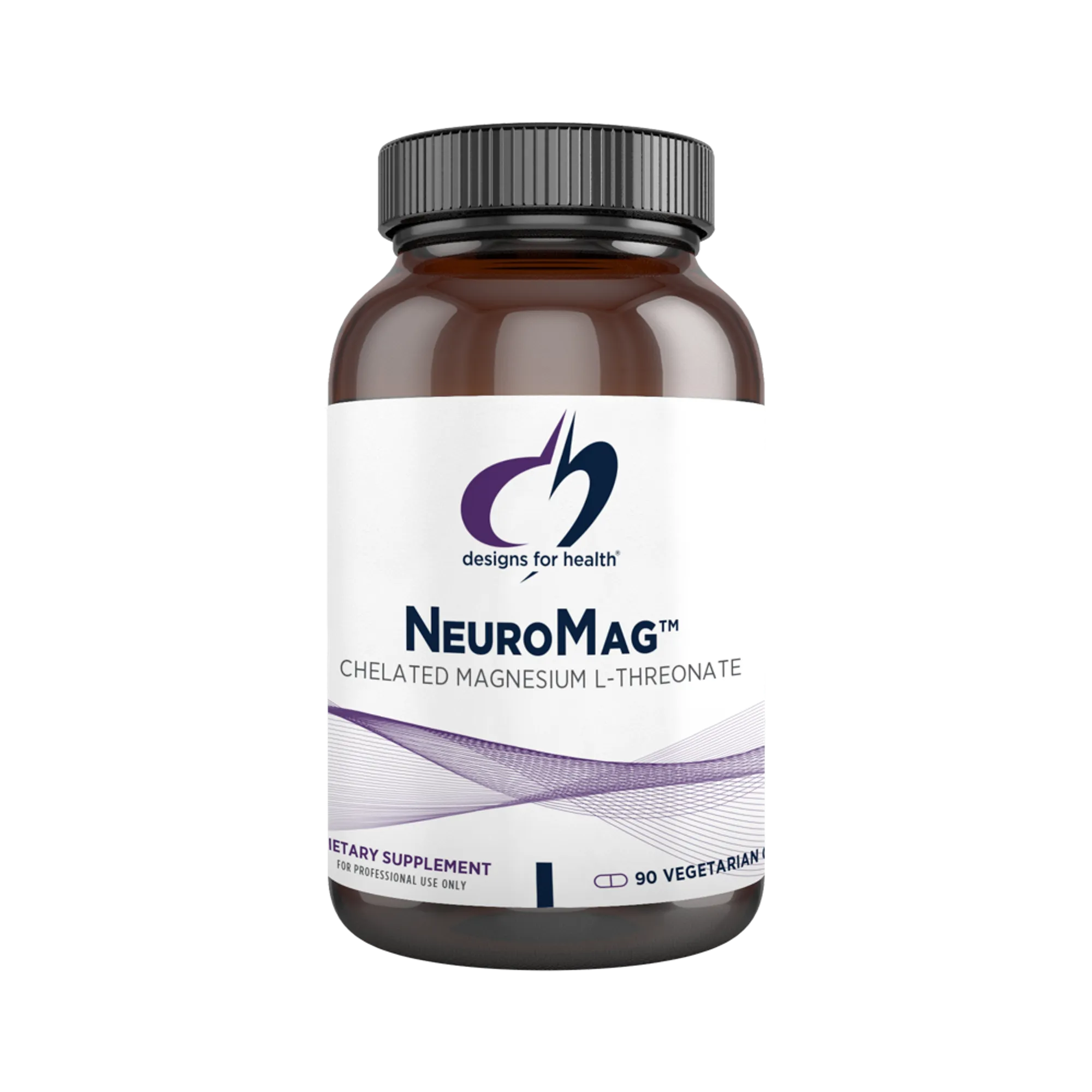
The standard clinical dosage of Magtein® used in the majority of human trials to achieve cognitive benefits is 1,500 mg to 2,000 mg per day. NeuroMag™ by Designs for Health provides 2 grams (2,000 mg) of Magtein® per 3-capsule serving, yielding 145 mg of elemental magnesium. Because the body processes and excretes magnesium continuously, it is generally recommended to split this dosage throughout the day to maintain steady concentrations in the bloodstream and brain. A common and effective dosing strategy is to take one capsule in the morning to support daytime cognitive function and focus, and two capsules in the evening, approximately one to two hours before bedtime.
Taking the larger portion of the dose in the evening capitalizes on magnesium's natural ability to calm the central nervous system and support restorative sleep. By modulating GABA receptors and reducing sympathetic tone, the evening dose can help lower resting heart rate, increase heart rate variability (HRV), and improve the overall architecture of sleep—a critical factor for patients recovering from post-viral fatigue. NeuroMag™ can generally be taken with or without food, as the L-threonate chelation protects the magnesium from being overly influenced by stomach acid or dietary phytates. However, if mild gastrointestinal upset occurs, taking the capsules with a light meal or snack can help mitigate any discomfort.
Safety, Contraindications, and Drug Interactions
Magnesium L-threonate is generally very well tolerated, with a high safety profile for most adults. Because the elemental magnesium yield is relatively low and the absorption is highly efficient, NeuroMag™ is much less likely to cause the osmotic laxative effects (diarrhea and cramping) commonly associated with high doses of magnesium oxide or citrate. During the first week of supplementation, some individuals may experience mild, transient side effects such as slight drowsiness, mild headaches, or a feeling of increased blood flow to the head as the brain adjusts to the elevated magnesium levels and increased synaptic activity. These effects typically subside as the body acclimates to the supplement.
Despite its safety, there are important contraindications and drug interactions to consider. Most critically, individuals with severely impaired renal function or chronic kidney disease must consult their healthcare provider before taking any magnesium supplement, including NeuroMag™. Damaged kidneys cannot efficiently filter and excrete excess magnesium, which can lead to a dangerous condition called hypermagnesemia, characterized by muscle weakness, severe low blood pressure, and cardiac arrhythmias. Additionally, magnesium can bind to certain medications in the digestive tract, reducing their absorption. Patients taking bisphosphonate medications for osteoporosis, or specific classes of antibiotics (such as tetracyclines and fluoroquinolones), should separate their doses from NeuroMag™ by at least two to three hours to ensure both the medication and the supplement remain effective.

Follow the Science
Reversing Cognitive Age in Older Adults
The clinical efficacy of Magnesium L-threonate is supported by a robust and growing body of scientific literature. The foundational human clinical trial that brought Magtein® to international prominence was published in the Journal of Alzheimer's Disease in 2016 by Guosong Liu and colleagues. This 12-week randomized, double-blind, placebo-controlled trial evaluated older adults (aged 50 to 70) who were experiencing mild cognitive impairment and sleep disorders. The researchers utilized a comprehensive battery of cognitive tests to assess executive function, working memory, and attention.
The results of the 2016 trial were highly significant. Participants receiving the Magtein® supplementation demonstrated a marked improvement in their overall cognitive abilities compared to the placebo group (p = 0.003). Furthermore, the researchers calculated that the treatment effect was equivalent to an approximate 9-year reversal of age-related cognitive decline based on improvements in total cognitive scores. The supplement effectively restored the cognitive performance of the participants to match that of healthy, age-matched peers, while also significantly reducing cognitive fluctuation—a key early indicator of progressive cognitive impairment.
Enhancing Memory and Sleep in Younger Populations
While early research focused heavily on older populations, recent clinical trials have demonstrated that Magnesium L-threonate provides profound cognitive benefits for younger, healthy adults as well. A highly significant randomized, double-blind, placebo-controlled trial published in Frontiers in Nutrition in 2025 investigated the effects of 2 grams of Magtein® daily for 6 weeks on 100 adults aged 18 to 45 who reported dissatisfied sleep. The study utilized the rigorous NIH Total Cognition Composite score to measure outcomes.
The findings revealed that the Magtein® group experienced statistically significant improvements in overall cognitive performance, with particularly pronounced enhancements in working memory, episodic memory, and reaction time (p=0.031). Remarkably, the researchers recorded a 7.5-year reduction in estimated brain cognitive age among these younger participants. Beyond cognition, the study also captured objective physiological improvements during sleep, including a reduced resting heart rate and increased heart rate variability (HRV) (p=0.036), indicating a shift toward a more restorative, parasympathetic nervous system state. Another 2022 trial published in Nutrients involving 109 healthy Chinese adults (ages 18–65) corroborated these findings, showing significant improvements across multiple memory domains, including associative learning and figure recognition, after just 30 days of supplementation.
Magnesium Deficiency as a Predictor of Long COVID
The relevance of magnesium to post-viral syndromes is becoming increasingly clear in recent epidemiological and clinical studies. A pivotal 2023 study by La Carrubba et al., highlighted by GrassrootsHealth, tracked 260 hospitalized COVID-19 patients to determine the impact of baseline nutrient levels on long-term outcomes. The researchers discovered that patients with low serum magnesium levels (≤ 1.96 mg/dL) at the time of admission had a staggering 114% higher risk of developing Long COVID compared to those with optimal magnesium levels. This stark correlation underscores the critical role magnesium plays in regulating the immune response and mitigating the chronic inflammatory cascades that lead to post-viral syndromes.
Furthermore, a prospective cohort study published in MDPI analyzed older adults recovering from COVID-19 and identified hypomagnesemia (low magnesium) alongside depression as independent and synergistic predictors of cognitive impairment—the clinical manifestation of brain fog—at the six-month follow-up mark. The researchers posited that magnesium's potent immunomodulatory properties are absolutely essential for reducing the specific neuroinflammation triggered by the SARS-CoV-2 virus. By failing to clear this neuroinflammation due to magnesium depletion, patients are left vulnerable to the persistent microglial activation and excitotoxicity that define Long COVID cognitive dysfunction.
The Path Forward
Validating Your Cognitive Struggles
Living with the cognitive dysfunction associated with Long COVID, ME/CFS, and dysautonomia can be an incredibly isolating and frustrating experience. When your brain—the very core of how you interact with the world, process information, and express your personality—feels clouded, slow, and unresponsive, it impacts every facet of your daily life. It is vital to understand that this "brain fog" is not a psychological failing, a lack of effort, or simply "being tired." It is a highly complex, physiological manifestation of neuroinflammation, mitochondrial energy failure, and altered synaptic signaling. Your struggles are real, they are biologically grounded, and they are valid.
Navigating a medical system that often lacks the tools to properly diagnose Long COVID or measure neuroinflammation can leave patients feeling dismissed. However, the rapidly expanding body of research surrounding neuro-immune conditions is bringing these invisible symptoms into the light. Understanding the mechanisms behind your cognitive fatigue—such as NMDA receptor excitotoxicity and microglial activation—empowers you to seek out targeted, science-backed interventions. While there is no overnight cure for complex chronic illness, identifying the specific biological pathways that are disrupted provides a clear roadmap for management and recovery.
A Comprehensive Approach to Brain Health
Addressing severe cognitive dysfunction requires a multifaceted, comprehensive management strategy. Supplements like NeuroMag™ are powerful tools, but they are most effective when integrated into a broader protocol designed to calm the nervous system and reduce systemic inflammation. Aggressive pacing—the practice of carefully managing your physical and cognitive energy expenditure to avoid triggering post-exertional malaise (PEM)—remains the cornerstone of managing ME/CFS and Long COVID. Cognitive exertion drains ATP just as rapidly as physical exertion, so learning to rest your brain before you crash is essential for allowing neuroinflammation to subside.
In addition to pacing, optimizing your sleep architecture, managing dysautonomia symptoms, and identifying potential mast cell triggers are all critical components of a holistic recovery plan. Working closely with a healthcare provider who understands the nuances of complex chronic conditions can help you tailor these strategies to your specific needs. By combining targeted neuronutrition with rigorous energy management and medical support, you can create an environment in which your brain has the resources and the respite it needs to begin repairing damaged neural networks and restoring cognitive clarity.
Exploring NeuroMag™ for Your Recovery Toolkit
If you are struggling with persistent brain fog, memory loss, or cognitive fatigue, replenishing your brain's magnesium levels may be a critical step in your management plan. NeuroMag™ by Designs for Health offers a clinically researched, highly bioavailable form of Magnesium L-threonate designed specifically to cross the blood-brain barrier, support synaptic plasticity, and calm neuroinflammation. By providing your neurons with the essential cofactors they need to produce energy and regulate signaling, NeuroMag™ can help lift the fog and support your journey toward improved cognitive function. As always, consult your healthcare provider before starting any new supplement to ensure it aligns with your comprehensive care plan.
Sources
Enhancement of Learning and Memory by Elevating Brain Magnesium - Neuron (MIT DSpace)
Efficacy and Safety of MMFS-01, a Synapse Density Enhancer, for Treating Cognitive Impairment in Older Adults - Journal of Alzheimer's Disease
The effects of magnesium L-threonate (Magtein®) on cognitive performance and sleep quality in adults - Frontiers in Nutrition
A Magtein®, Magnesium L-Threonate, -Based Formula Improves Brain Cognitive Functions in Healthy Chinese Adults - Nutrients (MDPI)
114% Higher Risk of Long COVID and 29% Higher Risk of COVID-19 Death with Lower Magnesium Levels - GrassrootsHealth
Magnesium L-Threonate and the Blood-Brain Barrier - Dr. Taylor Wallace