Can Neurolink™ Support Brain Fog and Neurotransmitter Balance in Long COVID?
March 6, 2026
NeurolinkLong COVIDME/CFS
Share:
Disclaimer: The information provided here is for educational purposes only and is not intended as medical advice. It should not be used to diagnose, treat, cure, or prevent any medical condition. Instead, use it as a starting point for discussion with your healthcare provider. Always consult with a qualified healthcare provider before starting any new medication, supplement, device, or making changes to your health regimen.
Months or even years after a mild viral infection, many patients find themselves battling a bewildering array of cognitive and neurological symptoms. The profound brain fog, memory lapses, unrefreshing sleep, and sudden surges of anxiety are not simply the result of being "tired" or "stressed." For individuals living with Long COVID, myalgic encephalomyelitis/chronic fatigue syndrome (ME/CFS), and dysautonomia, these symptoms represent a very real, measurable disruption in the brain's fundamental chemical messengers. When the autonomic nervous system is trapped in a state of chronic hyperarousal, and neuroinflammation alters how the body synthesizes essential neurotransmitters, standard approaches to fatigue and mood often fall short. Patients are left searching for targeted, science-backed ways to support their healing brain.
This is where comprehensive neurotransmitter support formulas like Neurolink™ by Designs for Health come into the clinical picture. Rather than relying on a single ingredient, this formulation provides a synergistic blend of amino acid precursors, inhibitory modulators, and essential enzymatic cofactors designed to address multiple pathways simultaneously. By supplying the direct building blocks for serotonin, dopamine, and GABA, alongside neuroprotective compounds like taurine and inositol, Neurolink™ aims to bypass broken metabolic pathways and restore neurological balance. In this article, we will explore the deep biochemistry behind these ingredients, how chronic complex illnesses disrupt our neurochemistry, and how targeted supplementation may help you reclaim your cognitive clarity and autonomic stability.
TL;DR
Neurolink™ provides targeted amino acids to support neurotransmitter balance disrupted by chronic complex illnesses.
Ingredients like 5-HTP and L-Tyrosine may help manage brain fog, fatigue, and cognitive slowing.
GABA and L-Glutamine support autonomic nervous system stability, helping to calm sympathetic overdrive.
Always consult your doctor before starting, especially if taking SSRIs or thyroid medications.
What is Neurolink™?
A Comprehensive Neurotransmitter Formula
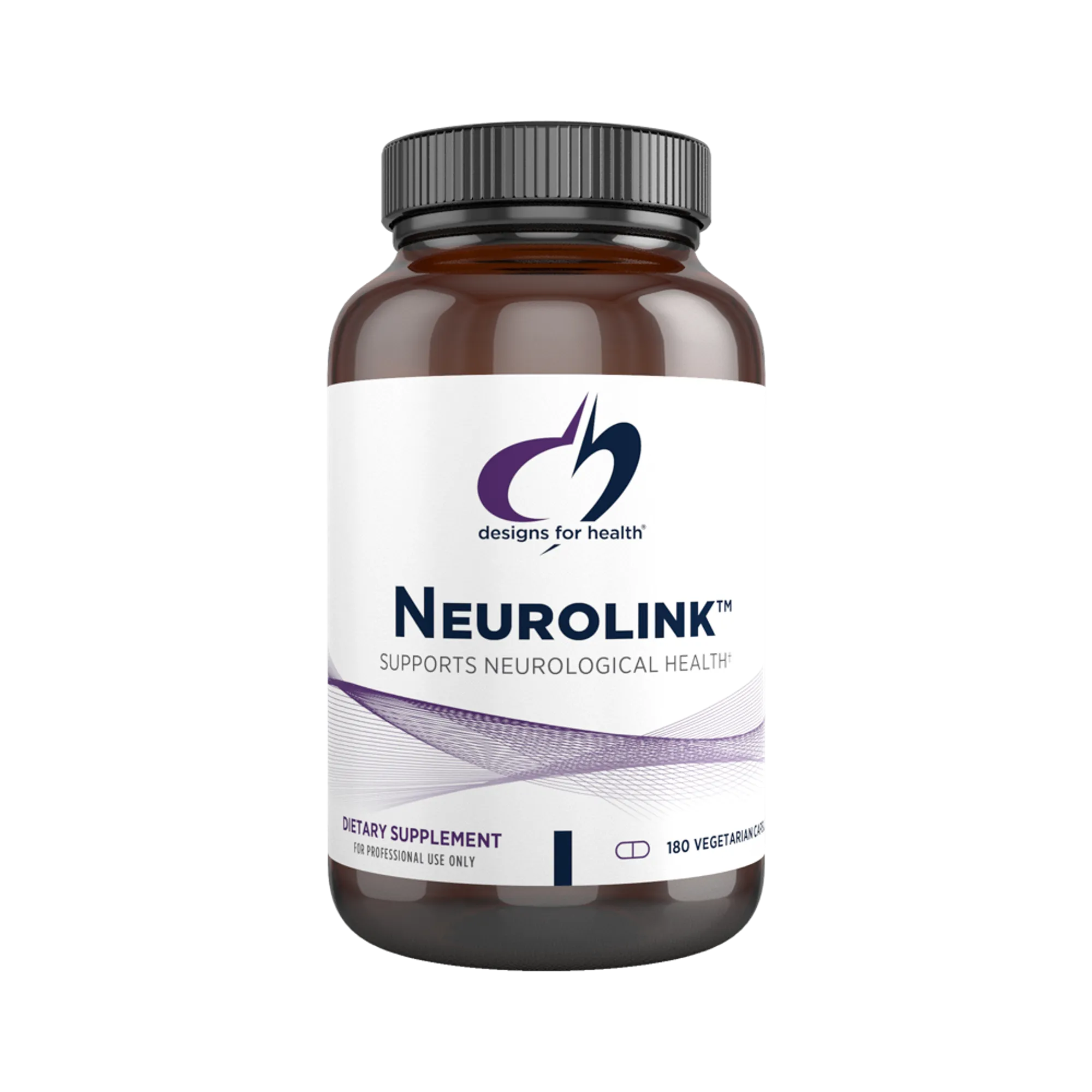
Neurolink™ is an encapsulated nutritional supplement formulated by Designs for Health to provide targeted, comprehensive support for the central nervous system. At its core, the formula is designed to supply the precise biochemical precursors required by the body to synthesize its primary neurotransmitters: serotonin, dopamine, norepinephrine, and gamma-aminobutyric acid (GABA). In a healthy, optimally functioning body, these chemical messengers dictate everything from our mood and sleep cycles to our heart rate and cognitive processing speed. However, the synthesis of these neurotransmitters is a highly complex, energy-demanding process that requires a continuous supply of specific amino acids, vitamins, and cellular energy.
The formula is built upon a foundation of amino acid precursors, which are the raw materials the brain uses to manufacture neurotransmitters. It includes 600 mg of L-Tyrosine, a non-essential amino acid that serves as the direct precursor to the catecholamine neurotransmitters (dopamine, norepinephrine, and epinephrine). It also contains 75 mg of 5-HTP (5-Hydroxytryptophan), the immediate precursor to serotonin, the neurotransmitter responsible for mood regulation, vagus nerve signaling, and melatonin production. By providing these precursors in their isolated, highly bioavailable forms, the supplement ensures that the brain has the necessary inventory to maintain neurotransmitter production even under conditions of high physical or cognitive stress.
The Modulators: Calming the Nervous System
Beyond simply building excitatory and mood-regulating neurotransmitters, Neurolink™ places a heavy emphasis on neurological modulation and calming the central nervous system. To achieve this, the formula includes 375 mg of GABA, the brain's primary inhibitory neurotransmitter, alongside 300 mg of L-Glutamine. In the complex ecosystem of the brain, the Glutamine-Glutamate-GABA cycle acts as the master volume dial for the nervous system. Glutamate acts as the gas pedal, driving excitation and alertness, while GABA acts as the brakes, promoting the "rest-and-digest" parasympathetic state. L-Glutamine serves as a versatile precursor in this cycle, capable of supporting the production of both compounds depending on the body's immediate metabolic needs.
To further support this delicate balancing act, the formula incorporates two powerful cellular modulators: Inositol (300 mg) and Taurine (300 mg). Inositol is a fundamental organic osmolyte and secondary messenger that regulates the intricate signaling pathways inside our cells, particularly the pathways that dictate how cells respond to neurotransmitters and hormones. Taurine, a sulfur-containing amino acid, acts as a potent neuroprotectant and antioxidant within the intracellular space. It helps to regulate calcium homeostasis, mitigate cellular stress, and protect delicate neuronal networks from the damaging effects of oxidative stress and systemic inflammation.
The Crucial Enzymatic Cofactor: Vitamin B6
Perhaps the most critical, yet often overlooked, component of this formulation is the inclusion of 15 mg of Vitamin B6 in its active, methylated form: Pyridoxal-5-Phosphate (P-5-P). In biochemistry, having the raw materials (the amino acids) is only half the battle; the body must also have the specific enzymes required to convert those raw materials into active neurotransmitters. These enzymes are entirely dependent on nutritional cofactors to function. P-5-P is the mandatory cofactor for the Aromatic L-amino acid decarboxylase (AADC) enzyme, which converts 5-HTP into serotonin and L-DOPA into dopamine.
Furthermore, P-5-P is absolutely essential for the function of Glutamic Acid Decarboxylase (GAD), the enzyme responsible for converting excitatory glutamate into calming GABA. Without adequate levels of active Vitamin B6, the entire neurotransmitter synthesis pipeline grinds to a halt, regardless of how many amino acid precursors are consumed. By including P-5-P directly in the formula, Neurolink™ ensures that these vital enzymatic pathways have the biochemical support they need to operate efficiently, maximizing the conversion of the included precursors into their active, therapeutic forms.
How Long COVID and ME/CFS Impact Neurotransmitters
The Gut-Brain Axis and Serotonin Depletion
To understand why a supplement like Neurolink™ is relevant for complex chronic illnesses, we must first examine What Causes Long COVID at a molecular level. One of the most groundbreaking discoveries in post-viral research occurred in late 2023, when researchers at Penn Medicine published a landmark study in the journal Cell detailing the exact mechanism behind post-viral brain fog. The researchers discovered that remnants of viral RNA can persist in the gut long after the acute infection has cleared. This viral persistence triggers a continuous, localized immune response driven by interferons, which profoundly alters the gut's ability to absorb nutrients.
Specifically, this localized gut inflammation downregulates the genetic expression of amino acid transporters, essentially blocking the intestines from absorbing L-tryptophan from the food we eat. Because tryptophan is the mandatory building block for serotonin, this malabsorption leads to a systemic, devastating crash in circulating serotonin levels. Penn Medicine researchers found that serotonin was the only significant metabolite that failed to recover to pre-infection levels in Long COVID patients. Because the vagus nerve relies heavily on serotonin to transmit signals between the gut and the brain's hippocampus, this depletion directly results in the memory loss, confusion, and cognitive impairment commonly referred to as brain fog.
The Kynurenine Metabolic Trap in ME/CFS
This disruption of tryptophan and serotonin is not unique to Long COVID; it is also a well-documented phenomenon in myalgic encephalomyelitis/chronic fatigue syndrome. When exploring Can Long COVID Trigger ME/CFS? Unraveling the Connection, researchers point to the "kynurenine metabolic trap." In a healthy body, a small portion of tryptophan is converted into serotonin, while the rest is used for other metabolic processes. However, in states of chronic immune activation and neuroinflammation, inflammatory cytokines hijack this process. They activate an enzyme pathway (the IDO pathway) that forcefully shunts available tryptophan away from serotonin production and instead converts it into kynurenine and quinolinic acid.
Quinolinic acid is a known neurotoxin that hyper-stimulates glutamate receptors in the brain, driving severe neuroinflammation, excitotoxicity, and the profound, crushing fatigue characteristic of post-exertional malaise (PEM). This creates a vicious cycle: the body is starved of the serotonin it needs for mood regulation and restorative sleep, while simultaneously being flooded with neurotoxic byproducts that damage neuronal networks and drain cellular energy (ATP). This metabolic trap explains why standard approaches to fatigue often fail, and why patients experience such profound cognitive and physical crashes after minimal exertion.
The Glutamate-GABA Imbalance and Dysautonomia
Another hallmark of these complex conditions is the severe dysregulation of the autonomic nervous system (ANS), a condition known as dysautonomia. Conditions like Postural Orthostatic Tachycardia Syndrome (POTS) are frequently characterized by a "sympathetic overtone," meaning the fight-or-flight branch of the nervous system is chronically hyperactive. At a neurochemical level, this is driven by a severe imbalance between excitatory glutamate and inhibitory GABA. When neuroinflammation is present, the brain's glial cells (astrocytes) lose their ability to efficiently clear excess glutamate from the synapses, leading to a state of chronic excitotoxicity.
Furthermore, in some cases of dysautonomia, the immune system mistakenly produces autoantibodies (anti-GAD65) that attack the very enzyme responsible for converting glutamate into GABA. Clinical studies have shown that when this enzyme is neutralized, the body cannot produce enough calming GABA, leaving the nervous system trapped in a state of severe hyperexcitability. This lack of GABAergic transmission directly impacts the paraventricular nucleus of the hypothalamus, resulting in the rapid heart rate, adrenaline surges, chronic anxiety, and severe gastrointestinal dysmotility that make living with dysautonomia so debilitating.
Neurolink™: Supporting Cognitive Function and Autonomic Balance
Bypassing the Roadblock with 5-HTP
The inclusion of 5-HTP in Neurolink™ offers a highly specific, mechanistic solution to the serotonin depletion seen in post-viral syndromes. If the body lacks serotonin due to blocked tryptophan transporters in the gut, taking standard L-tryptophan supplements is often ineffective, as the amino acid simply cannot be absorbed. Furthermore, in states of neuroinflammation, any absorbed L-tryptophan is likely to be hijacked by the IDO pathway and converted into neurotoxic quinolinic acid. 5-HTP elegantly bypasses both of these physiological roadblocks, offering a direct route to serotonin restoration.
Because 5-HTP is one step further along the metabolic pathway, it is absorbed through entirely different mechanisms in the gastrointestinal tract, bypassing the broken transporters inhibited by Long COVID inflammation. Once absorbed, 5-HTP freely crosses the blood-brain barrier. Most importantly, 5-HTP cannot be converted into kynurenine or quinolinic acid; it is metabolically committed solely to becoming serotonin (and subsequently, melatonin).
Buffering Dopamine Depletion with L-Tyrosine
While 5-HTP addresses the serotonin axis, the 600 mg of L-Tyrosine in Neurolink™ provides critical support for the dopamine and norepinephrine pathways. Under normal, non-stressful conditions, the enzyme responsible for converting tyrosine into dopamine operates near its maximum capacity, meaning extra tyrosine doesn't drastically spike dopamine levels. However, when the brain is subjected to severe, acute stress—or the chronic physiological stress of living with an illness like ME/CFS—catecholamine neurons fire much more rapidly. This hyperactive firing quickly depletes the brain's reserves of dopamine and norepinephrine, leading to profound mental fatigue and cognitive slowing.
In these depleted states, L-Tyrosine supplementation acts as a vital biochemical buffer. By providing an abundance of the raw material needed for synthesis, L-Tyrosine ensures that the brain can rapidly manufacture new neurotransmitters to replace those lost to stress. Extensive clinical reviews suggest that L-Tyrosine may help counteract decrements in cognitive performance during stressful situations, though reports on its effectiveness vary considerably. For patients battling the daily cognitive demands of Long COVID, L-Tyrosine helps replenish the dopamine necessary for focus, motivation, and executive function.
Calming the Brain with GABA and L-Glutamine
To address the severe autonomic hyperarousal and sympathetic overdrive characteristic of dysautonomia, Neurolink™ utilizes a dual approach with GABA and L-Glutamine. By providing direct, exogenous GABA, the formula aims to increase inhibitory signaling in the brain, effectively applying the "brakes" to the overactive nervous system. This direct GABAergic support helps to quiet the excitotoxic storm caused by excess glutamate, promoting the rest-and-digest parasympathetic state necessary for cellular repair, restorative sleep, and heart rate regulation.
Simultaneously, the inclusion of L-Glutamine serves a vital role in supporting the gut-brain axis. The cells lining the small intestine require massive amounts of L-Glutamine to maintain the integrity of the gut barrier. Viral infections and chronic stress can cause "apoptotic permeability," leading to a leaky gut and skyrocketing systemic inflammation. Clinical observations suggest that supplementing with L-Glutamine may help support intestinal permeability. By supporting the integrity of the gut lining, systemic inflammation may decrease, which in turn may help reduce neuroinflammation in the brain and support the autonomic nervous system's natural regulatory control.
Neuroprotection via Taurine and Inositol
The final therapeutic angle of Neurolink™ involves the powerful neuroprotective properties of Taurine and Inositol. In the context of chronic illness, elevated levels of myo-inositol in the brain are a recognized biomarker for astrogliosis and neuroinflammation. By providing exogenous Inositol, the formula supports the intricate IP3/Calcium signaling pathways that dictate how cells respond to stress and metabolic dysfunction, helping to stabilize cellular communication. This is particularly relevant for patients experiencing the profound metabolic disruptions seen in ME/CFS and Long COVID.
Taurine acts as a cellular shield against this inflammatory damage. During an immune response, taurine reacts with toxic byproducts to form Taurine chloramine (TauCl), a compound that directly neutralizes reactive oxygen species and inhibits the NF-κB inflammatory signaling pathway. Research on metabolic syndrome models suggests that taurine may help reduce the release of pro-inflammatory cytokines like TNF-α and IL-1β, mitigate endoplasmic reticulum stress in the hippocampus, and support the proliferation of new neural progenitor cells. By mitigating this oxidative damage, taurine helps protect delicate neuronal networks from the cascading damage of chronic illness.

Symptoms Neurolink™ May Help Manage
Targeted Symptom Relief
Because Neurolink™ addresses multiple neurotransmitter pathways simultaneously, it has the potential to support a wide range of neurological and cognitive symptoms associated with complex chronic illnesses. While it is not a cure for these conditions, restoring biochemical balance can significantly improve daily quality of life. Patients exploring How Can You Live with Long-Term COVID often utilize these specific amino acids to target the following debilitating symptoms:
Profound Brain Fog and Memory Lapses: By utilizing 5-HTP to bypass broken gut transporters and restore systemic serotonin, the formula supports the vagus nerve signaling required for the hippocampus to properly form and retrieve memories, directly combating the confusion and cognitive slowing of brain fog.
Mental Fatigue and Loss of Focus: The inclusion of L-Tyrosine acts as a buffer against the rapid depletion of dopamine and norepinephrine caused by chronic physiological stress, helping to preserve working memory, executive function, and mental endurance during cognitively demanding tasks.
Autonomic Hyperarousal and Adrenaline Surges: By supplying direct GABA and its precursor L-Glutamine, the formula helps to counteract the excitotoxic effects of excess glutamate, applying the "brakes" to the sympathetic nervous system and reducing the sudden spikes in heart rate and adrenaline common in dysautonomia.
Unrefreshing Sleep and Insomnia: Because serotonin is the mandatory biochemical precursor to melatonin (the sleep hormone), replenishing serotonin levels via 5-HTP directly feeds the pathway required to restore a healthy circadian rhythm and promote deep, restorative sleep.
Chronic Anxiety and Mood Instability: The synergistic combination of serotonin support (5-HTP), dopamine buffering (L-Tyrosine), and inhibitory calming (GABA) provides comprehensive support for the mood centers of the brain, helping to stabilize the severe emotional fluctuations often triggered by neuroinflammation.
Sensory Overload and Neurological Crashing: The neuroprotective properties of Taurine and Inositol help to mitigate the oxidative stress and cellular damage caused by chronic immune activation, stabilizing neuronal membranes and potentially raising the threshold for sensory overload and neurological crashes.
Practical Considerations: Forms, Dosing, and Absorption
Bioavailability and Synergistic Forms
When utilizing amino acid therapy for neurological support, the specific forms of the nutrients and their bioavailability are paramount. Neurolink™ is formulated to maximize absorption and utilization across the blood-brain barrier. The inclusion of Vitamin B6 as Pyridoxal-5-Phosphate (P-5-P) is a critical design choice. Many standard supplements use pyridoxine hydrochloride, a cheaper form of B6 that the liver must first convert into P-5-P before it can be used by the body. In patients with chronic illness, liver function and enzymatic conversion are often impaired. By providing the pre-methylated, active P-5-P form, the formula ensures that the AADC and GAD enzymes have immediate access to the cofactors they need to synthesize serotonin, dopamine, and GABA.
Furthermore, the amino acids in this formula (L-Tyrosine, 5-HTP, L-Glutamine, Taurine) are provided in their free-form states. Unlike dietary proteins, which must be broken down by stomach acid and digestive enzymes—a process often compromised in patients with dysautonomia and gastrointestinal dysmotility—free-form amino acids require virtually no digestion. They are ready to be rapidly absorbed through the intestinal wall and transported directly into the bloodstream, ensuring a higher percentage of the active ingredients actually reach the central nervous system.
Dosing and Timing Strategies
The suggested use for Neurolink™ is 6 capsules per day, but this dosing requires careful, strategic implementation, especially for individuals with sensitive nervous systems. Because amino acids compete with one another for absorption across the intestinal lining and the blood-brain barrier, it is highly recommended to take this supplement on an empty stomach (at least 30 minutes before or 2 hours after a meal containing protein). Taking it with food can significantly blunt the absorption of the specific precursors, reducing the therapeutic effect.
Additionally, a divided dosing strategy is crucial. Rather than taking all 6 capsules at once, which could cause a sudden, overwhelming shift in neurotransmitter levels, patients should divide the dose throughout the day (e.g., 2 capsules in the morning, 2 in the afternoon, 2 in the evening). This provides a steady, continuous supply of precursors to the brain, mimicking the body's natural synthesis rhythms. As with any new intervention in complex chronic illness, it is always best to "start low and go slow," perhaps beginning with just 1 or 2 capsules a day and gradually titrating up as tolerated.
Safety, Contraindications, and SSRI Interactions
While the ingredients in Neurolink™ are naturally occurring compounds, their ability to directly alter brain chemistry means they must be used with profound respect and caution. The most significant safety consideration involves the 5-HTP component. Many patients exploring Long COVID and Mental Health are prescribed Selective Serotonin Reuptake Inhibitors (SSRIs) or SNRIs to manage their symptoms. Taking 5-HTP alongside these medications can lead to a dangerous accumulation of serotonin in the brain, known as Serotonin Syndrome, which can cause severe agitation, rapid heart rate, and hyperthermia. This supplement should never be combined with prescription antidepressants without strict medical supervision.
Additionally, the L-Tyrosine in the formula carries specific contraindications. Because L-Tyrosine is a direct precursor to thyroid hormones as well as dopamine, individuals with hyperthyroidism (such as Graves' disease) should avoid this supplement, as it could exacerbate their condition. Furthermore, L-Tyrosine is strictly contraindicated for anyone taking Monoamine Oxidase Inhibitors (MAOIs), as the combination can trigger a dangerous, sudden spike in blood pressure known as a hypertensive crisis. Always consult with your healthcare provider or a specialist who understands the intricacies of your specific condition before introducing a comprehensive neurotransmitter formula.

Follow the Science
The Groundbreaking Serotonin Discovery
L-Tyrosine in High-Stress Environments
The clinical evidence for L-Tyrosine is heavily rooted in military and survival research, focusing on its ability to preserve cognitive function under extreme stress. A comprehensive review published in the Journal of Psychiatric Research analyzed clinical trials on tyrosine supplementation. The review noted that while some studies found beneficial effects in counteracting cognitive decrements during stress, reports vary considerably. The authors concluded that the potential of using tyrosine supplementation to treat clinical disorders seems limited.
Autoimmunity and Autonomic Dysfunction
The Path Forward
Validating the Neurological Reality
Living with the cognitive and autonomic symptoms of Long COVID, ME/CFS, and dysautonomia can be an incredibly isolating experience. When routine blood work returns "normal," it is easy to feel dismissed by the medical system. However, the emerging science is unequivocally clear: your symptoms are not in your head; they are rooted in profound, measurable disruptions to your body's fundamental neurochemistry. The severe brain fog, the sudden adrenaline surges, and the crushing mental fatigue are the direct results of viral persistence, neuroinflammation, and the depletion of vital neurotransmitters like serotonin, dopamine, and GABA. Validating this biological reality is the first crucial step toward reclaiming your health.
A Comprehensive Management Strategy
While the science behind neurotransmitter precursors is incredibly promising, it is important to remember that there is no single magic pill for complex chronic illness. Restoring neurological balance requires a comprehensive, multi-faceted approach. Supplements like Neurolink™ are most effective when utilized as one piece of a broader management strategy that includes aggressive pacing, nervous system regulation techniques, dietary modifications to support the gut microbiome, and careful symptom tracking. By providing your brain with the precise biochemical building blocks it needs, you can support its natural capacity for repair and resilience.
If you are struggling with brain fog, autonomic instability, or mood changes, discuss the potential benefits of targeted amino acid therapy with your healthcare provider. They can help you navigate potential interactions and determine the optimal dosing strategy for your unique physiological needs. Explore Neurolink™ to learn more about how this comprehensive formula can support your journey toward cognitive clarity and neurological balance.