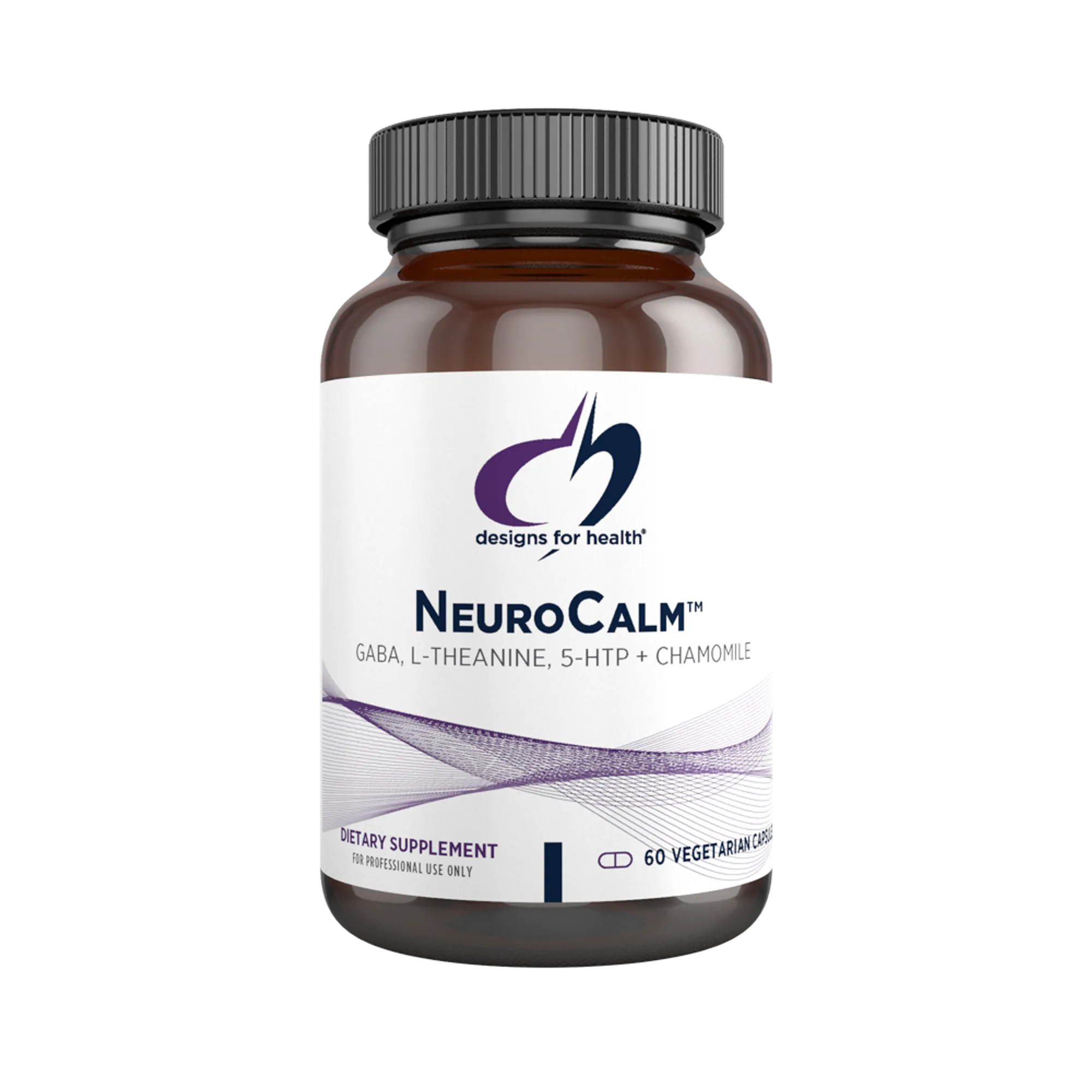
Can NeuroCalm™ Help Manage Brain Fog and Anxiety in Long COVID and ME/CFS?
March 6, 2026
NeuroCalmLong COVIDME/CFS
Share:
Disclaimer: The information provided here is for educational purposes only and is not intended as medical advice. It should not be used to diagnose, treat, cure, or prevent any medical condition. Instead, use it as a starting point for discussion with your healthcare provider. Always consult with a qualified healthcare provider before starting any new medication, supplement, device, or making changes to your health regimen.
For many individuals living with complex chronic conditions, the nervous system feels like a car with a stuck accelerator and broken brakes. You might be physically exhausted to the point of being bedbound, yet your mind is racing, your heart is pounding, and your body feels vibrating with an uncomfortable, jittery energy. This paradoxical state—often described by patients as feeling "wired and tired"—is a hallmark of dysautonomia, Myalgic Encephalomyelitis/Chronic Fatigue Syndrome (ME/CFS), and Long COVID. It is a profoundly frustrating experience that makes restorative sleep nearly impossible and exacerbates the crushing weight of daily fatigue.
When the autonomic nervous system is trapped in a state of sympathetic overdrive (the "fight-or-flight" response), the brain's delicate balance of neurotransmitters becomes severely disrupted. Excitatory chemicals like glutamate and cortisol flood the system, while inhibitory, calming chemicals like gamma-aminobutyric acid (GABA) and serotonin are rapidly depleted. This neurochemical imbalance is not merely a psychological experience; it is a measurable physiological crisis that drives brain fog and cognitive dysfunction, hypersensitivity to stimuli, and chronic pain. Finding ways to gently apply the neurological "brakes" is a critical component of managing these complex illnesses. This is where targeted nutritional support, such as the comprehensive formulation found in NeuroCalm™, may play a vital role in restoring equilibrium.
TL;DR
Chronic illnesses like Long COVID and ME/CFS can disrupt your nervous system, causing a "wired and tired" feeling.
Neurochemical imbalances and stress hormone spikes drive symptoms like brain fog, anxiety, and poor sleep.
Targeted nutritional support may help restore balance by providing calming neurotransmitter precursors.
Always consult your healthcare provider before starting new supplements, especially if taking prescription medications.
What is NeuroCalm™ and How Does the Body Regulate Stress?
The Architecture of Inhibitory Neurotransmitters
To understand how a supplement like NeuroCalm™ functions, we must first examine the natural biological mechanisms that govern relaxation and stress response in a healthy human body. At the core of this system are neurotransmitters—chemical messengers that transmit signals across the microscopic gaps (synapses) between neurons. The brain operates on a delicate seesaw of excitatory neurotransmitters, which stimulate neuronal firing, and inhibitory neurotransmitters, which decrease the likelihood of a neuron firing. Gamma-aminobutyric acid (GABA) is the primary inhibitory neurotransmitter in the central nervous system. It acts as the brain's master braking system. When GABA binds to its specific receptors (GABA-A and GABA-B) on a neuron, it opens ion channels that allow negatively charged chloride ions to enter the cell. This process, known as hyperpolarization, makes the neuron less electrically excitable, effectively quieting the nervous system and promoting a state of deep calm.
Alongside GABA, serotonin (5-hydroxytryptamine) plays a crucial role in modulating mood, pain perception, and the sleep-wake cycle. Serotonin is synthesized from the amino acid L-tryptophan, which is converted into 5-Hydroxytryptophan (5-HTP) before becoming active serotonin. In a healthy system, adequate serotonin levels provide a sense of emotional stability and satiety. Furthermore, serotonin serves as the direct biochemical precursor to melatonin, the hormone responsible for initiating and maintaining the deep, restorative phases of sleep. When the production of GABA or serotonin is impaired, the brain loses its ability to self-soothe, leaving the individual vulnerable to chronic anxiety, hyperarousal, and sleep disturbances.
The Cellular Energy and Stress Response Systems
Beyond neurotransmitters, the body's ability to maintain calm is deeply intertwined with cellular energy production and the endocrine system's stress response. The Hypothalamic-Pituitary-Adrenal (HPA) axis is the central hormone pathway that regulates the release of cortisol, the body's primary stress hormone. In a healthy individual, cortisol follows a distinct circadian rhythm—peaking in the morning to promote wakefulness and gradually declining throughout the day to allow for sleep. The cellular membranes of our neurons play a protective role in this process, utilizing compounds like phosphatidylserine (PS), a naturally occurring phospholipid, to buffer the brain against excessive cortisol spikes during moments of acute stress. By modulating the HPA axis, phosphatidylserine helps mitigate the neurotoxic effects of prolonged cortisol exposure.
Simultaneously, the nervous system requires massive amounts of energy to function correctly. This energy is produced inside the mitochondria in the form of adenosine triphosphate (ATP). The synthesis of ATP relies heavily on the Krebs cycle (or citric acid cycle), a complex series of chemical reactions that requires specific organic acids and minerals to operate. Magnesium is an absolute, non-negotiable cofactor for the creation and utilization of ATP. Without sufficient intracellular magnesium, the mitochondria cannot generate the energy required to power the sodium-potassium pumps that maintain healthy neuronal resting states. When ATP production falters, neurons can become hyperexcitable, leading to muscle twitches, nerve pain, and profound physical exhaustion.
Amino Acids as Neuromodulators
The final layer of the body's calming architecture involves specific amino acids that act as neuromodulators. L-Theanine, an amino acid naturally found in green tea leaves, has a unique chemical structure that closely resembles glutamate, the brain's primary excitatory neurotransmitter. Because of this structural similarity, L-theanine can bind to glutamate receptors without activating them, effectively blocking excess glutamate from overstimulating the brain. This competitive antagonism helps avoid a phenomenon known as excitotoxicity, where neurons are damaged or killed by excessive stimulation.
Similarly, Taurine is a conditionally essential amino sulfonic acid found in high concentrations in the brain, heart, and skeletal muscles. Taurine acts as a direct agonist for GABA and glycine receptors, further supporting the brain's inhibitory pathways. Additionally, taurine functions as a critical osmoregulator, managing the flow of electrolytes like calcium, sodium, and potassium in and out of cells. By protecting against intracellular calcium overload, taurine shields neurons from dysfunction and helps maintain a stable, calm electrical environment within the central nervous system. Together, these interconnected systems—neurotransmitters, the HPA axis, mitochondrial energy, and amino acid modulators—form the foundation of a balanced, resilient nervous system.
How Chronic Illness Impacts the Nervous System
Cortical Hyperexcitability and GABA Depletion
When an individual develops a complex chronic illness like Long COVID, Myalgic Encephalomyelitis/Chronic Fatigue Syndrome (ME/CFS), or dysautonomia, the delicate architecture of the nervous system is thrown into chaos. One of the most significant disruptions occurs within the GABAergic system. Researchers are investigating how the profound depletion of the brain's primary braking system leads directly to a state of "cortical hyperexcitability."
Without sufficient GABA to hyperpolarize neurons and quiet electrical activity, the brain remains stuck in a hyper-vigilant, overstimulated state. This physiological reality explains why patients with Long COVID and ME/CFS frequently suffer from debilitating sensory overload, where normal lights, sounds, and social interactions become physically painful and exhausting. The nervous system simply lacks the chemical resources required to filter out extraneous stimuli and initiate the "rest and digest" parasympathetic response. This lack of GABA is heavily correlated with the severity of insomnia, severe anxiety, and the pervasive cognitive dysfunction commonly referred to as brain fog.
HPA Axis Dysfunction and the "Wired and Tired" State
The chronic physical stress of fighting an ongoing illness, combined with persistent neuroinflammation, also wreaks havoc on the Hypothalamic-Pituitary-Adrenal (HPA) axis. In conditions like ME/CFS and Long COVID, the HPA axis frequently loses its natural circadian rhythm. Instead of a healthy morning peak and evening decline, patients often experience inappropriate surges of cortisol and adrenaline at night, or a flattened cortisol curve throughout the day. This endocrine dysregulation is the primary driver of the infamous "wired and tired" sensation. The body is entirely depleted of cellular energy, yet the mind is racing due to an unchecked flood of stress hormones.
Over time, this chronic hyper-activation of the HPA axis becomes neurotoxic. High levels of circulating cortisol can damage the hippocampus, the brain region responsible for memory consolidation, further exacerbating cognitive dysfunction and brain fog. Furthermore, chronic stress directly impairs the function of serotonin receptors. As the HPA axis remains locked in a state of alarm, serotonin levels plummet, leading to a lowered pain threshold (hyperalgesia), profound mood instability, and the complete destruction of healthy sleep architecture. The patient is trapped in a vicious cycle: the illness causes stress, the stress depletes serotonin and GABA, and the lack of these calming neurotransmitters makes it incredibly difficult to achieve the restorative sleep required to support recovery.
Metabolic Derangement and Amino Acid Depletion
Beneath the neurological and endocrine dysfunction lies a profound failure of cellular metabolism. ME/CFS and Long COVID are increasingly recognized as conditions characterized by severe metabolic derangement. Viral persistence, chronic inflammation, and endothelial dysfunction impair the mitochondria's ability to utilize glucose and fatty acids for ATP production. In a desperate attempt to generate energy, the cells begin to burn through their reserves of essential amino acids. Recent high-profile studies have discovered significant disturbances in ME/CFS and Long COVID patients, specifically highlighting the involvement of chronic neuro-inflammation and hyperactivated brain leukocytes in post-COVID brain fog.
Because taurine is critical for regulating intracellular calcium, protecting mitochondrial function, and acting as a GABA agonist, its depletion has catastrophic downstream effects. Without adequate taurine, patients experience severe post-exertional malaise (PEM), muscle fatigue, and a worsening of autonomic dysfunction. In conditions like Postural Orthostatic Tachycardia Syndrome (POTS), a common form of dysautonomia, the loss of taurine's osmoregulatory properties can exacerbate hypovolemia (low blood volume) and cardiovascular instability, leading to racing heart rates and severe dizziness upon standing. The combined depletion of GABA, serotonin, and crucial amino acids creates a perfect storm of neurological and metabolic dysfunction.
NeuroCalm™: Supporting Neurotransmitter Balance and Calm
PharmaGABA® and the Gut-Brain Axis
NeuroCalm™ is specifically formulated to address the complex neurochemical deficits seen in chronic illness by providing highly bioavailable precursors and modulators. The cornerstone of this formula is PharmaGABA®, a patented, naturally fermented form of gamma-aminobutyric acid. Unlike synthetic GABA, which is chemically produced and often struggles to interface with the body's natural pathways, PharmaGABA® is created through a fermentation process using Lactobacillus hilgardii—the same beneficial lactic acid bacteria used in traditional food preservation. This natural fermentation yields a highly water-soluble compound with over 80% purity, making it exceptionally bioavailable.
The mechanism by which PharmaGABA® induces calm is a fascinating example of the gut-brain axis in action. For years, scientists debated whether oral GABA could cross the blood-brain barrier (BBB). However, recent research indicates that fermented PharmaGABA® actually does not need to cross the BBB to exert its neurological effects. Instead, it binds to peripheral GABA receptors located in the Enteric Nervous System (the complex web of neurons lining the gastrointestinal tract). Upon binding, it activates the parasympathetic nervous system, sending a powerful signal via the vagus nerve directly up to the brainstem. This vagal stimulation initiates a systemic "rest and digest" response, effectively bypassing the damaged or inflamed blood-brain barrier often seen in Long COVID. Electroencephalogram (EEG) studies have shown that this peripheral signaling significantly increases the generation of Alpha brain waves (associated with calm focus) while decreasing Beta brain waves (associated with active anxiety).
L-Theanine and Glutamate Antagonism
To complement the GABAergic signaling, NeuroCalm™ includes 100 mg of L-Theanine. In the context of a hyper-aroused, inflamed nervous system, L-theanine acts as a critical neuroprotectant. Because its molecular structure mimics glutamate, L-theanine acts as a competitive antagonist at specific excitatory receptors, particularly AMPA receptors. By occupying these receptor sites, L-theanine blocks excess glutamate from binding and overstimulating the neuron. This mechanism is vital for patients with ME/CFS and Long COVID, as it directly halts the excitotoxicity that leads to neuronal damage and severe cognitive fatigue.
Furthermore, L-theanine exhibits potent anti-inflammatory properties within the central nervous system. It is thought to help address aspects of neuro-inflammation, as research shows hyperactivated brain leukocytes are a potential therapeutic target in post-COVID brain fog. By simultaneously blocking excitatory glutamate and lowering neuroinflammation, L-theanine helps clear the biochemical "static" that contributes to severe brain fog, allowing for improved mental clarity and a profound sense of physical relaxation without causing drowsiness.
5-HTP, Phosphatidylserine, and the Cortisol Buffer
Addressing the HPA axis dysfunction and serotonin depletion requires a dual-pronged approach. NeuroCalm™ provides 50 mg of 5-Hydroxytryptophan (5-HTP), the direct, rate-limiting precursor to serotonin. Unlike standard L-tryptophan, supplemental 5-HTP easily crosses the blood-brain barrier without competing with other amino acids for transport. Once inside the brain, it is rapidly decarboxylated into active serotonin. This direct supply of raw material allows the central nervous system to rebuild depleted serotonin stores, which is essential for raising the pain threshold, stabilizing mood, and providing the necessary building blocks for nighttime melatonin synthesis.
Working in synergy with 5-HTP is 50 mg of Phosphatidylserine (PS). While 5-HTP builds up the calming neurotransmitters, PS acts as the crucial "brake" on the HPA axis. Clinical research demonstrates that a phosphatidylserine and phosphatidic acid complex normalizes stress-induced dysregulations of the hypothalamus-pituitary-adrenal axis. By buffering the brain against these cortisol spikes, PS helps break the "wired and tired" cycle, allowing the nervous system to transition out of a chronic state of alarm. This combination is particularly powerful for patients who experience severe nighttime awakenings or adrenaline surges.
The Synergistic Engine: Di-Magnesium Malate and P5P
The final, critical mechanism of NeuroCalm™ involves the foundational cofactors required for energy and neurotransmitter synthesis: Magnesium and Vitamin B6. The formula utilizes Di-Magnesium Malate, a compound where elemental magnesium is bound to malic acid. Malic acid is a vital intermediate in the mitochondrial Krebs cycle. By providing malic acid alongside magnesium, this form directly fuels the synthesis of cellular ATP, helping to combat the profound physical exhaustion and muscle fatigue characteristic of ME/CFS. Simultaneously, the magnesium acts as a mandatory cofactor for hundreds of enzymatic processes, including the stabilization of nerve cell membranes.
To ensure these processes occur efficiently, the formula includes 2.5 mg of Pyridoxal-5-Phosphate (P5P), the metabolically active coenzyme form of Vitamin B6. P5P is absolutely mandatory for the function of the enzyme aromatic L-amino acid decarboxylase. Without adequate P5P, the brain cannot convert 5-HTP into serotonin, nor can it synthesize dopamine or GABA. Furthermore, magnesium is involved in more than 600 enzymatic reactions in the body and supports energy metabolism and nerve impulse transmission. By combining Di-Magnesium Malate with P5P, NeuroCalm™ ensures that the brain has both the energy and the precise enzymatic catalysts required to manufacture its own calming neurotransmitters.

Symptoms NeuroCalm™ May Help Manage
Cognitive and Psychological Symptoms
By targeting the underlying neurochemical imbalances and HPA axis dysfunction, the ingredients in NeuroCalm™ may help manage a variety of debilitating symptoms associated with chronic complex illnesses.
Severe Brain Fog and Cognitive Dysfunction: By blocking excitatory glutamate via L-theanine and supporting neurotransmitter synthesis with P5P, the formula helps clear the neurochemical "static" that impairs focus, memory, and mental clarity.
Chronic Anxiety and "Racing Thoughts": PharmaGABA® stimulates the vagus nerve to increase Alpha brain waves, while phosphatidylserine blunts the cortisol spikes that drive the sensation of uncontrollable anxiety and hyper-vigilance.
Emotional Lability and Mood Swings: The inclusion of 5-HTP provides the direct precursor needed to rebuild depleted serotonin levels, which is crucial for emotional resilience, mood stability, and a general sense of well-being.
Autonomic and Physical Symptoms
Beyond cognitive support, the physiological mechanisms of these ingredients extend to the physical manifestations of autonomic and metabolic dysfunction.
The "Wired and Tired" Sensation: By buffering the HPA axis with phosphatidylserine and promoting parasympathetic activation via fermented GABA, the formula helps the body transition out of a chronic "fight-or-flight" state, allowing for genuine rest.
Sleep Onset and Maintenance Issues: While not a sedative, the combination of 5-HTP (which converts to melatonin) and GABA helps establish the neurochemical environment required for deep, restorative sleep architecture, reducing nighttime adrenaline surges.
Muscle Fatigue and Post-Exertional Malaise (PEM): Di-Magnesium Malate provides malic acid to directly fuel the mitochondrial Krebs cycle, supporting ATP production and helping to clear the lactic acid buildup associated with profound physical exhaustion.
Hyperadrenergic POTS Symptoms: Taurine's role as an osmoregulator and calcium channel modulator, combined with L-theanine's ability to dampen sympathetic overdrive, may help smooth out the physical sensations of a racing heart and internal tremors associated with dysautonomia.
Practical Considerations: Forms, Dosing, and Absorption
The Bioavailability Advantage of Fermented GABA
When considering a supplement for neurological support, the form and bioavailability of the ingredients are just as critical as the dosage. The inclusion of PharmaGABA® in NeuroCalm™ represents a significant advantage over standard, chemically synthesized GABA supplements. Synthetic GABA is notoriously difficult for the body to absorb and utilize, often passing through the digestive tract with minimal impact on the nervous system. In contrast, the natural fermentation process used to create PharmaGABA® yields a highly water-soluble molecule that is rapidly recognized by the peripheral GABA receptors in the gut. This efficient binding is what allows it to quickly initiate the vagal nerve signaling required to induce a systemic parasympathetic response, making it highly effective even at relatively low doses (100 mg).
Active Coenzymes and Mineral Transport
Similarly, the forms of vitamins and minerals used in the formula are designed to bypass common metabolic bottlenecks. Many standard supplements use Pyridoxine HCl, an inactive form of Vitamin B6 that the liver must convert into Pyridoxal-5-Phosphate (P5P) using cellular energy (ATP). In patients with ME/CFS or Long COVID, where ATP production is already severely compromised, this conversion process often fails, leaving the patient deficient in active B6 despite supplementation. By providing pre-converted P5P, NeuroCalm™ ensures immediate availability for neurotransmitter synthesis. Furthermore, the use of Di-Magnesium Malate ensures that the magnesium is bound to an organic acid, significantly enhancing its absorption across the intestinal wall and directly into the cells where it is needed for mitochondrial function.
Timing, Dosing, and Potential Interactions
The suggested use for NeuroCalm™ is two capsules per day, or as directed by a healthcare practitioner. Because the formula contains malic acid (which can have a mild energy-supporting effect via the Krebs cycle) alongside calming amino acids, many patients find it beneficial to take their dose in the late afternoon or early evening. This timing helps to gently begin the process of lowering cortisol and transitioning the nervous system toward a state of rest before bedtime, without causing daytime drowsiness. However, individual responses can vary significantly, especially in patients with highly reactive autonomic nervous systems.
It is crucial to be aware of potential drug interactions, particularly regarding the serotonergic system. Because NeuroCalm™ contains 5-HTP, which directly increases serotonin levels, it should be used with extreme caution—or avoided entirely—by individuals taking prescription Selective Serotonin Reuptake Inhibitors (SSRIs), Serotonin-Norepinephrine Reuptake Inhibitors (SNRIs), or Monoamine Oxidase Inhibitors (MAOIs). Combining 5-HTP with these medications can lead to an excessive accumulation of serotonin, potentially causing a dangerous condition known as Serotonin Syndrome. Always consult with a knowledgeable healthcare provider before introducing a new supplement, especially if you are currently managing a complex chronic illness with prescription medications.

Follow the Science
Clinical Trials on PharmaGABA® and Stress
The scientific literature provides robust support for the individual ingredients found in NeuroCalm™, particularly regarding their ability to modulate the stress response and support neurological function. A landmark 2006 double-blind clinical trial investigated the effects of PharmaGABA® on acute stress by having subjects cross a swaying suspension bridge—a known trigger for acrophobia and severe anxiety. Researchers measured salivary Chromogranin A (CgA), a highly sensitive biomarker for adrenal stress and sympathetic nervous system activation. The control group experienced a 20% increase in CgA levels during the crossing. In stark contrast, the subjects given PharmaGABA® experienced a 20% decrease in CgA, indicating that their physiology was responding as if they were in a state of deep relaxation despite the highly stressful environment.
Evidence for Magnesium, Malic Acid, and 5-HTP
The synergistic use of magnesium and malic acid has also been extensively studied in the context of profound fatigue and chronic pain. A pivotal clinical trial evaluating patients with fibromyalgia and chronic fatigue syndrome found that high-dose supplementation with magnesium and malic acid significantly reduced subjective measures of muscle pain and physical exhaustion over an 8-week period. When the patients were switched to a placebo, their severe myalgia and fatigue returned within 48 hours, highlighting the ongoing cellular demand for these specific ATP cofactors.
Furthermore, the clinical efficacy of 5-HTP in addressing the "dual defect" of chronic pain and sleep disruption is well-documented. A classic double-blind, placebo-controlled trial involving 50 patients with primary fibromyalgia demonstrated that supplementation with 5-HTP significantly improved all clinical parameters studied. More recently, other research published in Nutrients has explored nutrition care practices for older adults with malnutrition transitioning from hospital to home, highlighting the broader importance of targeted nutritional support.
Emerging Metabolomic Data in ME/CFS
Finally, emerging metabolomic research continues to validate the inclusion of specific amino acids like taurine in chronic illness protocols. Recent high-profile studies analyzing ME/CFS and Long COVID have consistently identified chronic neuro-inflammation and hyperactivated brain leukocytes as key factors in post-COVID brain fog. Because taurine is essential for mitigating microglial activation (neuroinflammation) and regulating intracellular calcium, researchers are increasingly viewing its depletion as a core driver of post-exertional malaise and autonomic instability. By combining these evidence-based compounds, NeuroCalm™ offers a scientifically grounded approach to supporting the damaged nervous systems of those battling complex chronic conditions.
The Path Forward
Validating the Healing Timeline
Living with a nervous system that feels constantly under attack is an exhausting, invisible battle. If you are dealing with the crushing fatigue of ME/CFS, the unpredictable heart rate spikes of dysautonomia, or the persistent cognitive fog of Long COVID, it is vital to know that your symptoms are real, physiological, and valid. The sensation of being "wired and tired" is not a failure of willpower; it is the direct result of measurable neurochemical imbalances, HPA axis dysfunction, and cellular energy depletion. Healing a nervous system that has been locked in a state of chronic hyper-arousal requires immense patience, profound self-compassion, and a commitment to gentle, targeted support.
Comprehensive Care Integration
While supplements like NeuroCalm™ offer powerful, science-backed tools for providing the raw materials your brain needs to synthesize calming neurotransmitters and buffer stress hormones, they are most effective when integrated into a comprehensive management strategy. True nervous system regulation requires a holistic approach that includes radical pacing to avoid post-exertional malaise, diligent symptom tracking to identify your unique triggers, and working closely with a medical team that truly understands the complexities of infection-associated chronic illnesses. Understanding how a doctor diagnoses and manages Long COVID and related conditions is a crucial step in building a care plan that addresses your specific metabolic and neurological needs.
Next Steps
If you are struggling with chronic anxiety, severe brain fog, or the inability to achieve restorative sleep due to an overactive nervous system, targeted nutritional support may help provide the biochemical "brakes" your body is desperately seeking. By supplying highly bioavailable forms of GABA, L-theanine, 5-HTP, and essential cofactors like P5P and Di-Magnesium Malate, you can begin to gently guide your autonomic nervous system back toward a state of equilibrium. Always remember to consult with your healthcare provider before starting any new supplement regimen to ensure it aligns safely with your current management plan.