Can NeuroCalm Peptide™ Support the Gut-Brain Axis in Long COVID and ME/CFS?
March 6, 2026
NeuroCalm PeptideLong COVIDME/CFS
Share:
Disclaimer: The information provided here is for educational purposes only and is not intended as medical advice. It should not be used to diagnose, treat, cure, or prevent any medical condition. Instead, use it as a starting point for discussion with your healthcare provider. Always consult with a qualified healthcare provider before starting any new medication, supplement, device, or making changes to your health regimen.
Living with a complex chronic illness often feels like being trapped in a body that is simultaneously exhausted and entirely on edge. For individuals navigating the unpredictable waters of Long COVID, myalgic encephalomyelitis/chronic fatigue syndrome (ME/CFS), and dysautonomia, this sensation of being "wired and tired" is a daily reality. It is not merely a psychological reaction to being sick; it is a profound, measurable physiological disruption of the body's central stress response systems and neurological pathways. When the autonomic nervous system is locked in a perpetual state of fight-or-flight, achieving restorative sleep, maintaining emotional balance, and pacing through daily tasks can feel like insurmountable challenges.
In recent years, groundbreaking research has illuminated the critical role of the gut-brain axis in these post-viral and neuroimmune conditions. We now understand that chronic neuroinflammation, viral persistence in the gastrointestinal tract, and severe microbiome dysbiosis directly impair the brain's ability to regulate stress hormones like cortisol. This is where targeted, science-backed nutritional support becomes a vital component of a comprehensive management strategy. NeuroCalm Peptide™ is a specialized formula designed to intervene in this disrupted cycle. By combining deeply researched bioactive peptides with innovative postbiotics and essential neurochemical cofactors, it aims to support the gut-brain axis from both ends, helping patients reclaim a sense of autonomic balance and resilience.
TL;DR
NeuroCalm Peptide™ targets the gut-brain axis to support autonomic balance in complex chronic conditions.
Ingredients like Lactium® and postbiotic CP2305 may help manage stress responses and support restorative sleep.
The formula aims to soothe neuroinflammation and regulate cortisol without causing daytime sedation.
What is NeuroCalm Peptide™?
A Targeted Approach to the Gut-Brain Axis
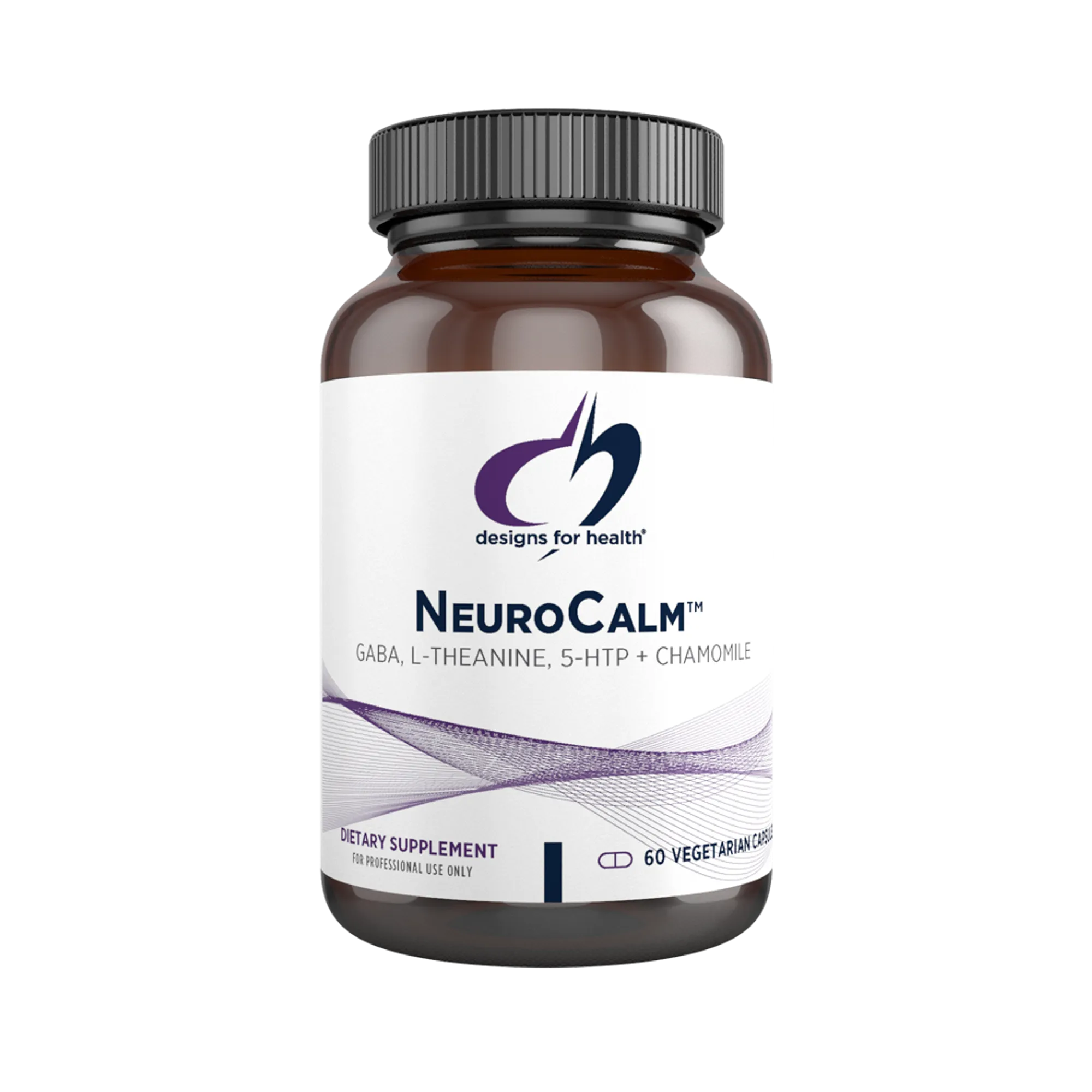
NeuroCalm Peptide™ is not a standard multivitamin; it is a highly specialized, targeted formulation designed to address the complex bidirectional communication network known as the gut-brain axis. In a healthy body, the gastrointestinal tract and the central nervous system are in constant dialogue, utilizing the vagus nerve, immune signaling molecules, and microbially produced neurotransmitters to maintain homeostasis. When chronic illness, severe viral infections, or prolonged physiological stress disrupt this delicate balance, the resulting dysfunction can manifest as profound neurological and systemic symptoms. NeuroCalm Peptide™ intervenes in this disrupted cycle by delivering a precise combination of bioactive peptides, heat-treated postbiotics, and essential neurochemical cofactors. By addressing both the neurological and gastrointestinal sides of the equation simultaneously, this formula aims to restore autonomic balance, promote emotional resilience, and support healthy sleep architecture.
The Power of Lactium® (Alpha-Casozepine)
The cornerstone of this formula is Lactium®, a patented, naturally derived bioactive peptide with a fascinating origin story and robust clinical backing. Researchers first discovered the potential of this compound by observing the deep, tranquil state that infants enter after consuming breast milk. Through advanced tryptic hydrolysis of bovine alpha-S1 casein—a specific milk protein—scientists isolated the exact decapeptide responsible for this calming effect, known as alpha-casozepine. At a molecular level, alpha-casozepine acts as a positive allosteric modulator at the brain's GABA-A receptors. Gamma-aminobutyric acid (GABA) is the central nervous system's primary inhibitory neurotransmitter, responsible for putting the brakes on runaway excitatory signaling.
When alpha-casozepine binds to these receptors, it enhances the natural calming effects of GABA, effectively blunting the hyper-reactivity of the hypothalamic-pituitary-adrenal (HPA) axis. Crucially, clinical overviews of Lactium have demonstrated that unlike pharmaceutical benzodiazepines that target similar pathways, Lactium® achieves this anxiolytic effect without causing daytime sedation, cognitive impairment, muscle relaxation, or the risk of dependency and tolerance. This makes it an exceptionally valuable tool for individuals who need to manage stress and hyperarousal without sacrificing their cognitive clarity or daytime functioning.
Postbiotic Support with Lactobacillus gasseri CP2305
Complementing the neurological support of Lactium® is Lactobacillus gasseri CP2305, a highly researched strain of lactic acid bacteria that fundamentally changes how we approach microbiome support. Unlike traditional live probiotics that must survive the harsh, acidic environment of the stomach to colonize the lower intestine, CP2305 is utilized as a heat-treated postbiotic, or paraprobiotic. This means the bacterial cells are intentionally inactivated, yet their cellular components, structural cell walls, and beneficial metabolites remain entirely intact and bioactive. When these postbiotic components reach the gut lining, they directly interact with the enteric nervous system and stimulate the afferent fibers of the vagus nerve.
This vagal stimulation sends immediate, restorative signals up to the brain, promoting parasympathetic ("rest and digest") nervous system activity. Furthermore, research published in Nutrients suggests that CP2305 may help protect against the stress-induced depletion of beneficial Bifidobacterium species in the gut, stabilizing the microbiome even under severe physiological duress. By utilizing a postbiotic form, NeuroCalm Peptide™ aims to ensure that the supportive benefits of the bacteria are delivered consistently and reliably, regardless of the patient's existing digestive environment or transit time.
Synergistic Neurotransmitter Cofactors
Beyond its two flagship ingredients, NeuroCalm Peptide™ includes a robust matrix of synergistic cofactors essential for neurotransmitter synthesis and nervous system regulation. It provides Vitamin B-6 in its active, coenzymated form (Pyridoxal-5-Phosphate) and Vitamin B-12 as Methylcobalamin, both of which are critical enzymatic cofactors for the conversion of amino acids into serotonin, dopamine, and GABA. The formula also includes 75 mg of Magnesium as Di-Magnesium Malate, a highly bioavailable form that gently blocks excitatory NMDA receptors in the brain while supporting cellular ATP (energy) production, a critical factor for those managing Long COVID fatigue.
To further amplify the calming GABAergic pathways, the supplement delivers PharmaGABA®, L-Theanine, and Taurine, which work in concert to increase alpha brain wave activity associated with relaxed alertness. Finally, the inclusion of 5-Hydroxytryptophan (5-HTP) provides the direct biochemical precursor to serotonin, while Phosphatidylserine supports neuronal membrane fluidity and helps lower circulating cortisol levels, creating a comprehensive safety net for a frazzled nervous system.
How Long COVID and ME/CFS Impact the Gut-Brain Axis
Viral Persistence and Gut Dysbiosis
To understand why targeted gut-brain axis support is so critical, we must examine how complex chronic conditions like Long COVID, ME/CFS, and dysautonomia dismantle these systems. While SARS-CoV-2 is widely known as a respiratory pathogen, it has a profound affinity for the gastrointestinal tract due to the high density of ACE2 receptors lining the intestines. Recent studies from the National Institutes of Health indicate that the virus can persist in these gut reservoirs for months or even years after the acute infection has passed. This viral persistence triggers a state of chronic, localized inflammation that decimates the healthy microbiome, leading to severe dysbiosis.
Beneficial, anti-inflammatory bacteria that produce essential short-chain fatty acids (SCFAs) like butyrate are rapidly depleted, while opportunistic, pro-inflammatory pathogens overgrow. This microbial imbalance is not just a digestive issue; it is a systemic crisis that directly impairs the body's ability to synthesize neurotransmitters. In fact, Stanford Medicine researchers have highlighted that gut-derived serotonin and its precursor, L-tryptophan, are massively reduced in Long COVID patients, creating a biochemical foundation for clinical anxiety and depression.
Vagus Nerve Dysfunction and Neuroinflammation
This persistent gut dysbiosis sets off a dangerous chain reaction that travels directly to the brain via the vagus nerve, the primary superhighway of the gut-brain axis. When the gut lining is deprived of protective SCFAs, it becomes highly permeable—a condition commonly referred to as "leaky gut." This permeability allows microbial toxins, such as lipopolysaccharides (LPS), and pro-inflammatory cytokines to escape the intestines and enter the systemic bloodstream. Once in circulation, these inflammatory mediators can cross the blood-brain barrier, activating microglial cells (the brain's resident immune cells) and triggering widespread neuroinflammation.
Simultaneously, the chronic inflammation in the gut impairs the signaling capacity of the vagus nerve, reducing vagal tone and preventing the brain from receiving the signals it needs to enter a restorative, parasympathetic state. This continuous loop of neuroinflammation and autonomic dysfunction is a primary driver of the severe cognitive impairment, brain fog, and unprovoked anxiety that plague so many patients, as explored in our article on Long COVID and Mental Health. The brain is essentially receiving a constant stream of physiological distress signals from the gut, making it impossible to relax.
HPA Axis Dysregulation and the Cortisol Crash
Perhaps the most devastating consequence of this systemic disruption is the profound dysregulation of the hypothalamic-pituitary-adrenal (HPA) axis. The HPA axis is the body's central command center for managing stress, regulating metabolism, and controlling inflammation through the release of cortisol. In a healthy response, the hypothalamus releases CRH, prompting the pituitary to release ACTH, which finally signals the adrenal glands to produce cortisol. However, in both ME/CFS and Long COVID, this system frequently breaks down, leading to severe neuroendocrine dysfunction.
A landmark machine-learning study from Yale University identified that unusually low circulating cortisol (hypocortisolism) is the single most significant biological predictor of Long COVID. Because cortisol is a necessary anti-inflammatory hormone, this central HPA axis failure leaves the immune system unchecked, resulting in chronic hyper-inflammation. The body becomes trapped in a state of physiological hyperarousal—feeling simultaneously exhausted yet completely "wired"—unable to mount a proper stress response or effectively calm down. This hormonal crash perfectly illustrates how a doctor diagnoses Long COVID by looking beyond standard lab panels to deeper neuroendocrine markers.
NeuroCalm Peptide™: Supporting the Stress Response and Sleep
Modulating the HPA Axis and Cortisol Levels
NeuroCalm Peptide™ is specifically formulated to help support and soothe the chaotic signaling of a dysregulated nervous system. One of its primary mechanisms of action is the modulation of the HPA axis through the synergistic effects of Lactium® and Phosphatidylserine. In patients with chronic illness, the HPA axis often struggles with the Cortisol Awakening Response (CAR)—the natural spike in cortisol that should occur in the morning to prepare the body for the day. Instead of a healthy morning peak, patients often experience blunted morning cortisol followed by inappropriate evening spikes, leading to severe insomnia and nighttime hyperarousal.
Clinical trials evaluating Lactium have demonstrated its ability to significantly blunt abnormal cortisol surges in response to acute stress, helping to normalize the body's circadian rhythm. By acting on the hypothalamus to reduce the secretion of Corticotropin-Releasing Hormone (CRH), Lactium® may help buffer the downstream cascade that leads to adrenal overdrive. When combined with Phosphatidylserine, a phospholipid known to blunt exercise-induced and psychological stress-induced cortisol spikes, the formula provides a powerful buffer against the hormonal chaos that drives post-exertional malaise (PEM) and stress intolerance.
Enhancing GABAergic Signaling for Calm
To counter the neuroinflammation and excitotoxicity often seen in Long COVID, NeuroCalm Peptide™ heavily targets the GABAergic system. The formula utilizes a multi-pronged approach: Lactium® acts as a positive allosteric modulator to make existing GABA more effective, while PharmaGABA® supplies a direct, naturally fermented source of the neurotransmitter. Because standard synthetic GABA struggles to cross the blood-brain barrier, PharmaGABA® is utilized for its superior bioavailability, interacting directly with the enteric nervous system to send calming signals to the brain via the vagus nerve.
This GABAergic support is amplified by the inclusion of L-Theanine and Taurine. L-Theanine, an amino acid found in green tea, has been shown to cross the blood-brain barrier and directly increase the production of alpha brain waves. Alpha waves are associated with a state of "wakeful relaxation"—the exact opposite of the frantic beta wave activity seen in anxiety and hyperarousal. Taurine acts as a GABA receptor agonist and a neuromodulator, protecting neurons from the excitotoxic damage caused by excess glutamate, a common issue in neuroimmune conditions. Together, these ingredients help lower the neurological baseline, making it easier for patients to tolerate sensory input and daily stressors.
Restoring Microbiome Stability via Postbiotics
While the peptides and amino acids calm the brain, the postbiotic L. gasseri CP2305 goes to work on the gastrointestinal foundation of the gut-brain axis. Chronic stress and systemic inflammation are notoriously destructive to the microbiome, rapidly killing off beneficial bacteria and allowing opportunistic pathogens to thrive. This creates a vicious cycle where stress damages the gut, and the damaged gut produces inflammatory cytokines that cause more stress. CP2305 may help interrupt this cycle by physically interacting with the immune receptors on the intestinal epithelium.
By stabilizing the gut environment, postbiotics may help reduce the systemic inflammatory load, allowing the vagus nerve to resume its normal, parasympathetic signaling. This is a crucial step in unraveling the complex web of symptoms that trigger ME/CFS after a viral infection.
Improving Sleep Architecture and Delta Waves
The ultimate test of autonomic recovery in chronic illness is the restoration of healthy sleep architecture. Unrefreshing sleep is a hallmark diagnostic criterion for ME/CFS, driven by the body's inability to transition from sympathetic dominance to parasympathetic rest. NeuroCalm Peptide™ addresses this by utilizing L. gasseri CP2305, which research suggests may help physically alter sleep electroencephalograms (EEG). Unlike standard sedatives that merely knock the brain unconscious, this postbiotic may help ease the underlying autonomic tension that prevents deep sleep.
Clinical data shows that CP2305 significantly shortens sleep latency (the time it takes to fall asleep) and reduces Wake After Sleep Onset (WASO). Most importantly, it increases the delta-power ratio during the first sleep cycle. Delta waves represent the deepest, most restorative phase of slow-wave sleep, which is when the brain clears out metabolic waste and the body repairs cellular damage. By promoting robust delta wave activity, NeuroCalm Peptide™ helps ensure that the sleep patients do get is actually restorative, providing a critical foundation for pacing and symptom management.

Symptoms NeuroCalm Peptide™ May Help Manage
Cognitive and Emotional Symptoms
By targeting the gut-brain axis and modulating the HPA response, NeuroCalm Peptide™ may help manage several debilitating cognitive and emotional symptoms associated with chronic illness:
Occasional Anxiety and Hyperarousal: By enhancing GABAergic signaling and blunting cortisol spikes, the formula helps quiet the "wired" sensation and reduces the physical manifestations of anxiety, such as a racing heart or shallow breathing.
Brain Fog and Cognitive Fatigue: By reducing neuroinflammation originating from the gut and supporting neurotransmitter synthesis with B-vitamins, the supplement may help clear the cognitive haze that makes focusing difficult.
Emotional Lability: The inclusion of 5-HTP and L-Theanine supports healthy serotonin levels, helping to stabilize mood swings and improve emotional resilience during high-pressure situations or symptom flares.
Sleep and Autonomic Disruptions
The physical and autonomic symptoms of Long COVID and ME/CFS are deeply intertwined with stress pathways. This formula targets these physiological disruptions:
Unrefreshing Sleep and Insomnia: The postbiotic L. gasseri CP2305 may help physically alter sleep architecture, increasing restorative delta waves and reducing the time spent lying awake in a state of autonomic tension.
Stress Intolerance and PEM Triggers: By modulating the HPA axis and preventing excessive cortisol depletion, Lactium® and Phosphatidylserine help the body tolerate minor physical or emotional stressors without immediately crashing into post-exertional malaise.
Stress-Related GI Distress: By stabilizing the microbiome and stimulating the vagus nerve, the postbiotic component helps soothe the "nervous stomach" and digestive unpredictability that often accompanies autonomic dysfunction.
Practical Considerations: Forms, Dosing, and Absorption
The Advantage of Postbiotics and Bioactive Peptides
When selecting supplements for complex chronic illnesses, bioavailability and tolerability are paramount. Patients with Long COVID or ME/CFS often have highly sensitive gastrointestinal tracts, making standard probiotics a risky endeavor. Live probiotics can sometimes exacerbate dysbiosis, trigger histamine release, or cause D-lactic acidosis in compromised guts. NeuroCalm Peptide™ circumvents these issues by utilizing a heat-treated postbiotic (L. gasseri CP2305). Because the bacterial cells are inanimate, they do not need to survive stomach acid, nor do they risk over-colonizing the gut. They simply deliver their therapeutic cellular components directly to the immune receptors on the intestinal wall, ensuring consistent, highly bioavailable support without the risk of bacterial overgrowth.
Similarly, the bioactive peptide Lactium® is designed for maximum tolerability. While it is derived from bovine milk, the advanced tryptic hydrolysis process breaks the protein down into a purified decapeptide. This means it contains virtually no lactose and is generally considered hypoallergenic, making it safe for most individuals with mild dairy sensitivities (though those with severe, anaphylactic dairy protein allergies should consult their physician). Because it is a natural peptide, it is easily absorbed through the intestinal lining and crosses the blood-brain barrier efficiently to interact with GABA receptors.
Optimal Dosing and Timing
The suggested use for NeuroCalm Peptide™ is one capsule per day, but the timing of that dose can be tailored to a patient's specific symptom profile. Because the formula does not cause pharmaceutical-style sedation, it can be taken in the morning by individuals who struggle with severe daytime anxiety, hyperarousal, or who need emotional resilience to get through a demanding day. The L-Theanine and PharmaGABA® work quickly to promote a state of relaxed alertness, helping to smooth out the jagged edges of a sympathetic nervous system flare.
Conversely, for patients whose primary struggle is "painsomnia," racing thoughts at bedtime, or unrefreshing sleep, taking the capsule 30 to 60 minutes before bed is often optimal. This timing allows the Lactium® and Phosphatidylserine to blunt any inappropriate evening cortisol spikes, while the postbiotic CP2305 begins its work on the vagus nerve to prepare the brain for deep, slow-wave sleep. Patients tracking their symptoms as part of learning how to live with long-term COVID often find that consistent daily dosing yields the best cumulative results for HPA axis regulation.
Synergistic Nutrient Absorption
The efficacy of this formula is heavily dependent on the specific, highly bioavailable forms of its cofactors. Cheap, unmethylated B-vitamins often require extensive enzymatic conversion in the liver before the body can use them—a process that is frequently impaired in chronic illness. By utilizing Pyridoxal-5-Phosphate (the active form of B6) and Methylcobalamin (the active form of B12), NeuroCalm Peptide™ aims to help these critical nutrients bypass the liver's bottleneck and immediately enter the brain to support serotonin and GABA synthesis.
Furthermore, the inclusion of Di-Magnesium Malate provides a dual benefit. Magnesium is notoriously difficult to absorb and often causes gastrointestinal distress or laxative effects in cheaper forms like magnesium oxide. The malate form binds magnesium to malic acid, an intermediate in the Krebs cycle. This not only ensures excellent cellular absorption without upsetting the stomach, but the malic acid also directly supports mitochondrial ATP production, providing a gentle energy foundation while the magnesium calms the nervous system.
Safety, Tolerability, and Contraindications
While NeuroCalm Peptide™ is formulated with natural, GRAS (Generally Recognized As Safe) ingredients, patients with complex chronic conditions must always exercise caution. Because the formula contains 5-Hydroxytryptophan (5-HTP), a direct precursor to serotonin, it has the potential to interact with prescription antidepressants, particularly Selective Serotonin Reuptake Inhibitors (SSRIs) or Monoamine Oxidase Inhibitors (MAOIs). Combining 5-HTP with these medications can increase the risk of serotonin syndrome, a rare but serious condition.
Additionally, while Lactium® and PharmaGABA® do not cause the dependency or withdrawal symptoms associated with prescription anxiolytics, patients currently tapering off benzodiazepines or other GABAergic medications should introduce this supplement slowly and under medical supervision. As always, it is critical to consult with a healthcare provider before adding any new supplement to your regimen, especially when navigating the complex polypharmacy often required for what drugs are used for COVID long haulers.

Follow the Science
Clinical Trials on Lactium® and Cortisol
The scientific foundation for Lactium® (alpha-casozepine) is built on over two decades of rigorous, double-blind, placebo-controlled clinical trials. One of the most significant studies for chronic illness patients is the DAACRO Study conducted in Germany, which evaluated the effects of Lactium on both acute and chronic stress. Over 50 participants were given 300 mg/day of Lactium or a placebo for 30 days and then subjected to the Trier Social Stress Test. Saliva analysis revealed that participants taking Lactium had a significantly blunted Cortisol Awakening Response (CAR), demonstrating the peptide's ability to regulate the body's readiness for stress without blunting waking alertness.
Further validating its impact on the HPA axis, the C.E.R.T.A.I.N. Trial published in PMC investigated the physiological markers of stress over a 12-week period. The results were striking: the group receiving Lactium experienced a massive drop in serum cortisol levels, with a mean decrease of 4.75 µg/dL, compared to practically no change (-0.24 µg/dL) in the placebo group. This reduction in circulating cortisol directly correlated with significant improvements in the Hamilton Anxiety Rating Scale (HAM-A), proving that the subjective feeling of calm was backed by objective hormonal data.
Evidence for L. gasseri CP2305 in Stress and Sleep
The postbiotic Lactobacillus gasseri CP2305 boasts an equally impressive clinical portfolio, particularly regarding its impact on the gut-brain axis and sleep architecture. In a fascinating 24-week study known as the National Exam Study published in Nutrients, researchers tracked 60 medical students preparing for their high-stress national medical practitioner exams. DNA sequencing of stool samples suggested that daily intake of heat-inactivated CP2305 may help protect against the stress-induced depletion of Bifidobacterium species, effectively rescuing the gut microbiome from the physiological toll of chronic anxiety.
The Broader Context of Long COVID and ME/CFS Research
The specific mechanisms targeted by NeuroCalm Peptide™ align perfectly with the latest discoveries in post-viral research. A landmark 2022 study from Yale University and Mount Sinai utilized machine learning to analyze immune and hormonal data from Long COVID patients, discovering that low blood cortisol was the single most significant predictor of the condition, identifying it with 94% accuracy. This finding validated decades of similar observations in ME/CFS patients, highlighting the central role of HPA axis failure in these diseases.
Simultaneously, research from Stanford Medicine has mapped out the exact pathways by which Long COVID gut dysbiosis depletes serotonin and L-tryptophan, directly causing the neuropsychiatric symptoms that patients endure. By combining ingredients that support cortisol regulation, enhance GABAergic signaling, and stabilize the gut microbiome, NeuroCalm Peptide™ addresses the exact pathophysiological mechanisms that modern science has identified as the root drivers of post-viral autonomic dysfunction.
The Path Forward
Validating the Neurological Impact of Chronic Illness
If you are living with Long COVID, ME/CFS, or dysautonomia, it is crucial to understand that the anxiety, hyperarousal, and insomnia you experience are not character flaws or signs of psychological weakness. They are the direct, measurable results of a physical disease process that has disrupted your gut-brain axis and dysregulated your central stress response systems. Your brain is reacting exactly as it should to a body that is sending constant signals of physiological distress. Validating the biological reality of these symptoms is the first step toward reclaiming your quality of life and understanding how long Long COVID lasts and how it can be managed.
Integrating Targeted Supplementation
While there is no single miracle cure for complex neuroimmune conditions, targeted nutritional support can be a powerful lever in your management toolkit. Supplements like NeuroCalm Peptide™ are designed to work synergistically with other foundational strategies, such as aggressive resting, strict pacing to avoid PEM, dietary modifications to support the microbiome, and medical treatments prescribed by your healthcare team. By lowering your neurological baseline and supporting restorative sleep, you create a physiological environment where deeper healing becomes possible.
Explore NeuroCalm Peptide™
If you are struggling with the "wired and tired" sensation, unrefreshing sleep, or autonomic hyperarousal, supporting your gut-brain axis may provide the resilience your nervous system desperately needs. Always consult with your healthcare provider before beginning any new supplement regimen to ensure it aligns with your specific medical history and current treatments.