Can Natural Vitamin E Mixed Tocopherols Support Cellular Recovery in Long COVID and ME/CFS?
March 6, 2026
Vitamin ELong COVIDME/CFS
Share:
Disclaimer: The information provided here is for educational purposes only and is not intended as medical advice. It should not be used to diagnose, treat, cure, or prevent any medical condition. Instead, use it as a starting point for discussion with your healthcare provider. Always consult with a qualified healthcare provider before starting any new medication, supplement, device, or making changes to your health regimen.
Living with a complex chronic condition like Long COVID, myalgic encephalomyelitis/chronic fatigue syndrome (ME/CFS), or dysautonomia often feels like navigating a storm without a compass. You might experience days where the physical exhaustion is so profound that simply getting out of bed feels like running a marathon, or moments where brain fog makes holding a conversation incredibly difficult. These symptoms are not just "in your head"—they are the result of profound physiological disruptions occurring at the deepest cellular levels of your body. When the body's internal systems are caught in a cycle of chronic inflammation and immune dysregulation, finding targeted, science-backed ways to support cellular repair becomes a crucial part of the healing journey.
One of the most significant, yet often overlooked, factors in these conditions is severe oxidative stress—a state where harmful free radicals overwhelm the body's natural defenses, damaging cell membranes and draining mitochondrial energy. This is where comprehensive antioxidant support comes into play. Natural Vitamin E, specifically in the form of mixed tocopherols, offers a unique and powerful mechanism to halt this cellular damage. Unlike basic, isolated vitamin supplements, a full-spectrum blend of mixed tocopherols provides the exact tools your body needs to protect its delicate lipid membranes, neutralize toxic inflammatory molecules, and support the cardiovascular and neurological systems that are so heavily impacted by post-viral illnesses.
TL;DR
Chronic conditions like Long COVID and ME/CFS involve severe oxidative stress and cellular membrane damage.
Natural mixed tocopherols (Vitamin E) may help protect cell membranes and support mitochondrial energy production.
Gamma and delta tocopherols specifically target neuroinflammation by neutralizing reactive nitrogen species.
Always take fat-soluble Vitamin E with a meal containing healthy fats to maximize absorption.
What is Natural Vitamin E?
The Vitamin E Family: More Than Just a Single Nutrient
When we hear the term "Vitamin E," it is easy to assume it refers to a single, uniform compound. However, in the realm of biochemistry, Vitamin E is actually a complex family of eight distinct, naturally occurring, fat-soluble molecules. This family is divided into two main groups: four tocopherols (alpha, beta, gamma, and delta) and four tocotrienols. Each of these molecules shares a similar basic structure—a chromanol ring that acts as the active antioxidant site, attached to a lipophilic (fat-loving) side chain that anchors the molecule into the lipid membranes of our cells. This unique structure is what allows Vitamin E to seamlessly integrate into the fatty layers that protect every cell in our body.
In nature, these eight forms are rarely found in isolation. Foods rich in Vitamin E, such as nuts, seeds, and leafy green vegetables, naturally provide a blend of these different isomers. This natural synergy is crucial because each form of Vitamin E plays a slightly different role in maintaining cellular health and combating various types of oxidative stress. While early medical research and commercial supplement manufacturing heavily prioritized just one form—alpha-tocopherol—modern nutritional science has revealed that isolating this single molecule strips away the comprehensive protective benefits that the entire Vitamin E family offers.
Understanding this diversity is the first step in recognizing why a "mixed tocopherols" supplement is fundamentally different from a standard, isolated Vitamin E pill. The body's intricate antioxidant defense system relies on a diverse toolkit to neutralize different types of free radicals. By providing a full spectrum of tocopherols, we can support the body's natural physiological processes much more effectively, ensuring that no specific pathway of oxidative damage is left unguarded.
The Role of Alpha-Tocopherol in the Body
Alpha-tocopherol is the most widely recognized and extensively studied form of Vitamin E. It is the only form officially recognized to meet the dietary requirements for Vitamin E in humans, primarily because it is the most abundant form found in our blood and tissues. The human body has evolved a highly specific mechanism to retain alpha-tocopherol: the liver produces a specialized transport molecule called the alpha-tocopherol transfer protein (α-TTP). This protein acts like a selective bouncer, preferentially binding to alpha-tocopherol and shuttling it into the bloodstream for distribution throughout the body, while allowing other forms to be metabolized and excreted more rapidly.
The primary biological function of alpha-tocopherol is to act as a potent, chain-breaking antioxidant within the lipid (fat) portions of cell membranes. Our cell membranes are largely composed of polyunsaturated fatty acids, which are highly vulnerable to attack by reactive oxygen species (ROS)—unstable molecules that can cause widespread cellular damage. When a free radical attacks a cell membrane, alpha-tocopherol steps in and donates a hydrogen atom from its chromanol ring. This generous donation neutralizes the free radical, effectively stopping the destructive chain reaction before it can tear through the entire cell membrane.
Because of its high retention rate and powerful lipid-protecting capabilities, alpha-tocopherol is absolutely essential for maintaining the structural integrity of our cells. It is particularly vital for the cardiovascular system, where it helps protect circulating lipoproteins (like LDL cholesterol) from becoming oxidized—a key step in the development of vascular damage. However, while alpha-tocopherol is a master at stopping lipid peroxidation, it is not equipped to handle every type of oxidative threat, which is why relying on it alone leaves critical gaps in our cellular defense strategy.
The Unique Power of Gamma and Delta Tocopherols
While alpha-tocopherol dominates the bloodstream, gamma-tocopherol is actually the most abundant form of Vitamin E found in the human diet. For decades, gamma and delta tocopherols were largely ignored by researchers because they are not retained in the body as long as alpha-tocopherol. However, recent scientific breakthroughs have illuminated the profound and unique therapeutic properties of these non-alpha forms. Gamma and delta tocopherols possess a slightly different molecular structure—they lack certain methyl groups on their chromanol rings. This seemingly small structural difference gives them a superpower that alpha-tocopherol completely lacks: the ability to trap and neutralize reactive nitrogen species (RNS).
Reactive nitrogen species, such as peroxynitrite, are highly destructive inflammatory molecules that play a central role in neuroinflammation and chronic disease. Alpha-tocopherol is virtually blind to these molecules, but gamma and delta tocopherols can physically bind to them, neutralizing their threat and preventing them from damaging delicate neurological and cardiovascular tissues.
Furthermore, delta-tocopherol has shown remarkable efficacy in modulating inflammatory pathways and protecting cellular DNA from oxidative damage. By downregulating pro-inflammatory enzymes like cyclooxygenase-2 (COX-2) and 5-lipoxygenase (5-LOX), these non-alpha tocopherols provide a robust anti-inflammatory effect that complements the pure antioxidant action of alpha-tocopherol. This is why a supplement like Natural Vitamin E Mixed Tocopherols, which provides 800 IU of d-Alpha tocopherol alongside 400 mg of non-alpha forms, is so critical for comprehensive health support. It ensures that the body has the complete arsenal required to fight off diverse oxidative and inflammatory stressors.
How Long COVID and ME/CFS Impact Cellular Health
The Oxidative Stress Doom Loop
To understand why a comprehensive antioxidant like mixed tocopherols is so vital, we must first examine the profound cellular chaos that occurs in conditions like Long COVID, ME/CFS, and dysautonomia. While the initial trigger might be a viral infection like SARS-CoV-2 or Epstein-Barr Virus (EBV), the lingering, debilitating symptoms are largely driven by a sustained, systemic state of severe oxidative stress. In a healthy body, there is a delicate balance between the production of free radicals (a natural byproduct of cellular metabolism) and the antioxidants that neutralize them. In complex chronic illnesses, this balance is violently overturned.
When the immune system remains locked in a state of chronic activation—often referred to as a "cytokine storm" or chronic innate inflammation—it continuously pumps out massive amounts of reactive oxygen and nitrogen species. These highly unstable molecules ricochet through the body, indiscriminately damaging healthy tissues, proteins, and DNA. This relentless assault drains the body's endogenous antioxidant reserves, such as glutathione and naturally circulating Vitamin E. As these defenses are depleted, the oxidative damage accelerates, creating a vicious cycle or "doom loop" that the body struggles to break on its own.
This systemic oxidative stress is not just a theoretical concept; it is a measurable, physiological reality for patients. Studies utilizing advanced single-cell Raman microspectroscopy have repeatedly demonstrated profound oxidative stress markers and metabolic dysregulation in the peripheral blood mononuclear cells of ME/CFS patients. This ongoing cellular damage is a primary driver of the profound fatigue, muscle pain, and systemic dysfunction that define these conditions. If you are wondering What Causes Long COVID?, this persistent oxidative damage is a central piece of the puzzle.
Lipid Peroxidation and Cell Membrane Damage
One of the most destructive consequences of this oxidative stress doom loop is a process known as lipid peroxidation. Every cell in your body, as well as the organelles inside them like the mitochondria, is encased in a protective lipid bilayer membrane. These membranes are rich in polyunsaturated fatty acids, which are highly susceptible to oxidative damage. When a free radical steals an electron from one of these fatty acids, it creates a new, highly reactive lipid radical. This sets off a rapid, destructive chain reaction—like a line of dominos falling—that tears through the cell membrane, compromising its structural integrity and function.
In the context of Long COVID and ME/CFS, this widespread lipid peroxidation has devastating effects. When the membranes of red blood cells are damaged, they lose their flexibility and ability to efficiently deliver oxygen to tissues, contributing to the profound hypoxia (oxygen starvation) and fatigue patients experience. Furthermore, when the inner membranes of the mitochondria—specifically a crucial lipid called cardiolipin—are oxidized, the mitochondria begin to leak electrons. This not only halts the production of cellular energy (ATP) but also generates even more free radicals, further fueling the fire of chronic inflammation.
The destruction of these lipid membranes also triggers the release of pro-inflammatory signaling molecules, signaling to the immune system that the body is under attack and perpetuating the chronic immune response. This relentless breakdown of cellular barriers is why patients often feel like their bodies are fundamentally failing them at a core level. Halting this lipid peroxidation chain reaction is an absolute necessity for cellular recovery, and it requires a targeted, fat-soluble intervention that can integrate directly into these damaged membranes.
Peroxynitrite and Neuroinflammation
While reactive oxygen species drive lipid peroxidation, another class of free radicals—reactive nitrogen species (RNS)—wreaks havoc on the neurological and autonomic systems. In post-viral syndromes, the delicate system that regulates nitric oxide (a crucial molecule for blood vessel dilation) often becomes "uncoupled." Instead of producing healthy nitric oxide, the body begins churning out a highly toxic and destructive molecule called peroxynitrite. Peroxynitrite is a potent neurotoxin that easily crosses the blood-brain barrier and infiltrates the central nervous system.
The overproduction of peroxynitrite is a primary driver of the severe neuroinflammation seen in dysautonomia, POTS (Postural Orthostatic Tachycardia Syndrome), and the cognitive dysfunction often referred to as "brain fog." Peroxynitrite damages the myelin sheaths that insulate nerve fibers, disrupting the rapid transmission of electrical signals throughout the autonomic nervous system. This neurological short-circuiting manifests clinically as erratic heart rates, blood pressure fluctuations, temperature dysregulation, and profound cognitive impairment.
Traditional antioxidants, and even isolated alpha-tocopherol, are largely ineffective at neutralizing peroxynitrite. This is why the neurological symptoms of Long COVID and ME/CFS can be so incredibly stubborn and difficult to manage. The presence of this specific, highly destructive nitrogen radical requires a highly specific biochemical countermeasure. Understanding this mechanism is crucial for patients exploring How Can You Live with Long-Term COVID, as targeting neuroinflammation is a cornerstone of symptom management.
Natural Vitamin E Mixed Tocopherols: Supporting Cellular Repair
Halting the Lipid Peroxidation Chain Reaction
The primary and most celebrated mechanism of Natural Vitamin E is its unparalleled ability to halt the devastating lipid peroxidation chain reaction. Because Vitamin E is lipophilic (fat-soluble), it naturally gravitates toward and embeds itself within the lipid bilayers of our cell membranes and mitochondrial walls. It acts as a highly effective structural guardian. When a reactive oxygen species attempts to steal an electron from a vulnerable fatty acid in the membrane, the alpha-tocopherol molecule intercepts the attack.
At the molecular level, alpha-tocopherol donates a hydrogen atom from its chromanol ring to the lipid peroxyl radical. This incredibly generous biochemical act instantly neutralizes the free radical, converting it into a harmless molecule and stopping the destructive domino effect dead in its tracks. In the process, the alpha-tocopherol molecule becomes a tocopheroxyl radical. However, unlike the lipid radicals, this new Vitamin E radical is highly stable and does not continue to damage the surrounding cell. It simply waits to be recycled back into its active form by other antioxidants, such as Vitamin C or Alpha Lipoic Acid.
By physically stopping the destruction of cell membranes, alpha-tocopherol preserves the structural integrity of red blood cells, endothelial cells (which line the blood vessels), and immune cells. This preservation of cellular architecture is essential for restoring proper oxygen delivery and reducing the systemic physical stress experienced by patients with complex chronic illnesses.
Neutralizing Reactive Nitrogen Species
While alpha-tocopherol defends against oxygen radicals, the inclusion of gamma and delta tocopherols in a mixed formulation provides the critical defense against the neurotoxic reactive nitrogen species, specifically peroxynitrite. As discussed earlier, gamma and delta tocopherols possess an unsubstituted 5-position on their chromanol ring. This unique structural feature acts like a chemical trap. When peroxynitrite encounters a gamma or delta tocopherol molecule, it is physically captured and bound to this empty spot, forming a stable, non-toxic compound (such as 5-nitro-gamma-tocopherol) that the body can safely excrete.
This specific mechanism is a game-changer for addressing the neuroinflammation and autonomic dysfunction seen in dysautonomia and Long COVID. By actively scavenging and neutralizing peroxynitrite, gamma and delta tocopherols help protect the delicate myelin sheaths of the nervous system and prevent the ongoing damage to autonomic nerve fibers. This targeted neuroprotection is something that isolated alpha-tocopherol simply cannot provide, highlighting the absolute necessity of a full-spectrum mixed tocopherol supplement for neurological support.
Furthermore, by reducing the burden of reactive nitrogen species, mixed tocopherols help restore the proper function of the endothelial nitric oxide synthase (eNOS) enzyme. This enzyme is responsible for producing healthy nitric oxide, which is vital for vasodilation (the widening of blood vessels) and healthy blood flow. Restoring this pathway is crucial for alleviating the cardiovascular strain and orthostatic intolerance that so many patients with post-viral syndromes endure daily.
Upregulating the Nrf2 Antioxidant Pathway
Beyond directly scavenging free radicals, mixed tocopherols—particularly the gamma-tocopherol isomer—exert a powerful influence on the body's internal genetic signaling. Gamma-tocopherol has been shown to significantly upregulate the activation of the Nrf2 (Nuclear factor erythroid 2-related factor 2) pathway. Nrf2 is often described as the "master regulator" of the body's endogenous antioxidant response. When activated, Nrf2 travels into the nucleus of the cell and binds to the Antioxidant Response Element (ARE), triggering the transcription of dozens of protective, antioxidant, and detoxifying genes.
By stimulating the Nrf2 pathway, gamma-tocopherol prompts the body to dramatically increase its internal production of powerful antioxidant enzymes, including Superoxide Dismutase (SOD), Catalase, Glutathione Peroxidase, and Heme Oxygenase-1 (HO-1). This means that mixed tocopherols not only provide direct, exogenous antioxidant defense but also train the body to better defend itself from within. This dual-action approach is incredibly valuable for patients whose internal antioxidant reserves have been severely depleted by months or years of chronic illness.
The upregulation of these endogenous enzymes provides a sustained, long-lasting shield against oxidative stress that extends far beyond the half-life of the Vitamin E supplement itself. This comprehensive enhancement of cellular resilience is exactly what is needed to help break the oxidative stress doom loop and begin the slow, steady process of cellular repair and metabolic recovery in ME/CFS and Long COVID.
Protecting Mitochondrial Function and Energy Production
Mitochondria are the powerhouses of our cells, responsible for generating the adenosine triphosphate (ATP) that fuels every biological process in the body. In ME/CFS and Long COVID, mitochondrial dysfunction is a core pathological feature, leading to the profound, unyielding fatigue that characterizes these conditions. Because mitochondria generate energy through the electron transport chain—a process that inherently produces free radicals—they are incredibly vulnerable to oxidative damage, especially when the lipid membranes that house this machinery are compromised.
Natural Vitamin E mixed tocopherols play a critical role in shielding the mitochondria from this self-inflicted damage. By embedding deeply into the inner mitochondrial membrane, the tocopherols protect the crucial cardiolipin lipids from oxidation. This ensures that the electron transport chain remains tightly coupled and efficient, preventing the leakage of electrons that causes further oxidative stress and halting the catastrophic loss of ATP production.
By safeguarding the structural integrity and enzymatic function of the mitochondria, mixed tocopherols provide essential support for restoring cellular energy production, which is the foundational step in overcoming the debilitating fatigue of post-viral syndromes.
Symptoms Natural Vitamin E May Help Manage
Cognitive Dysfunction and Brain Fog
Improves Cognitive Clarity: By neutralizing the neurotoxic peroxynitrite radical, gamma and delta tocopherols help reduce the severe neuroinflammation that drives brain fog and memory issues in Long COVID.
Protects Neural Pathways: Vitamin E's fat-soluble nature allows it to protect the lipid-rich myelin sheaths insulating nerve fibers, ensuring rapid and efficient electrical signaling in the brain.
Reduces Mental Fatigue: By stabilizing mitochondrial energy production within brain cells, mixed tocopherols can help improve cognitive stamina, making daily tasks and conversations feel less overwhelming.
Post-Exertional Malaise (PEM) and Severe Fatigue
Supports ATP Production: By protecting the inner mitochondrial membrane (cardiolipin) from lipid peroxidation, Vitamin E ensures the electron transport chain can efficiently generate cellular energy without leaking toxic free radicals.
Raises Exertion Thresholds: Stabilizing cellular energy factories helps reduce the rapid accumulation of metabolic toxic byproducts during activity, potentially lessening the severity and duration of PEM crashes.
Breaks the Doom Loop: Halting the systemic oxidative stress cycle allows the body to slowly rebuild its foundational stamina rather than constantly fighting internal cellular fires.
Autonomic Dysfunction and Cardiovascular Strain
Restores Endothelial Function: By protecting the blood vessel linings from free radical damage, Vitamin E supports the healthy production of nitric oxide, which is vital for proper vasodilation and blood flow.
Calms Autonomic Nerves: Neutralizing reactive nitrogen species helps protect the autonomic nerve fibers from damage, supporting the body's ability to regulate erratic heart rates and blood pressure fluctuations seen in POTS.
Reduces Micro-Clotting Risks: The natural antithrombotic properties of full-spectrum Vitamin E can help address the vascular complications and poor circulation frequently observed in post-viral syndromes.
Immune Dysregulation and Chronic Inflammation
Downregulates Inflammatory Enzymes: Delta-tocopherol actively inhibits the activity of COX-2 and 5-LOX, key enzymes responsible for producing inflammatory prostaglandins that drive systemic pain and fever.
Boosts Endogenous Defenses: By upregulating the Nrf2 pathway, gamma-tocopherol trains the body to produce its own powerful antioxidant enzymes, creating a long-lasting shield against chronic immune activation.
Protects Immune Cells: Preserving the cell membranes of white blood cells ensures they can function properly without being destroyed by the very oxidative stress they are trying to combat.
Practical Considerations: Forms, Dosing, and Absorption
Understanding Mixed Tocopherols vs. Isolated Alpha-Tocopherol
When navigating the supplement aisle, the terminology surrounding Vitamin E can be incredibly confusing. It is vital to distinguish between natural mixed tocopherols and synthetic, isolated alpha-tocopherol. Synthetic Vitamin E is typically listed on labels as dl-alpha-tocopherol or all-rac-alpha-tocopherol. This synthetic form is derived from petrochemicals and is significantly less bioavailable and less retained by the body than natural forms. More importantly, taking high doses of isolated alpha-tocopherol (even the natural d-alpha form) can actively deplete the body's circulating levels of gamma and delta tocopherols, leaving you vulnerable to reactive nitrogen species.
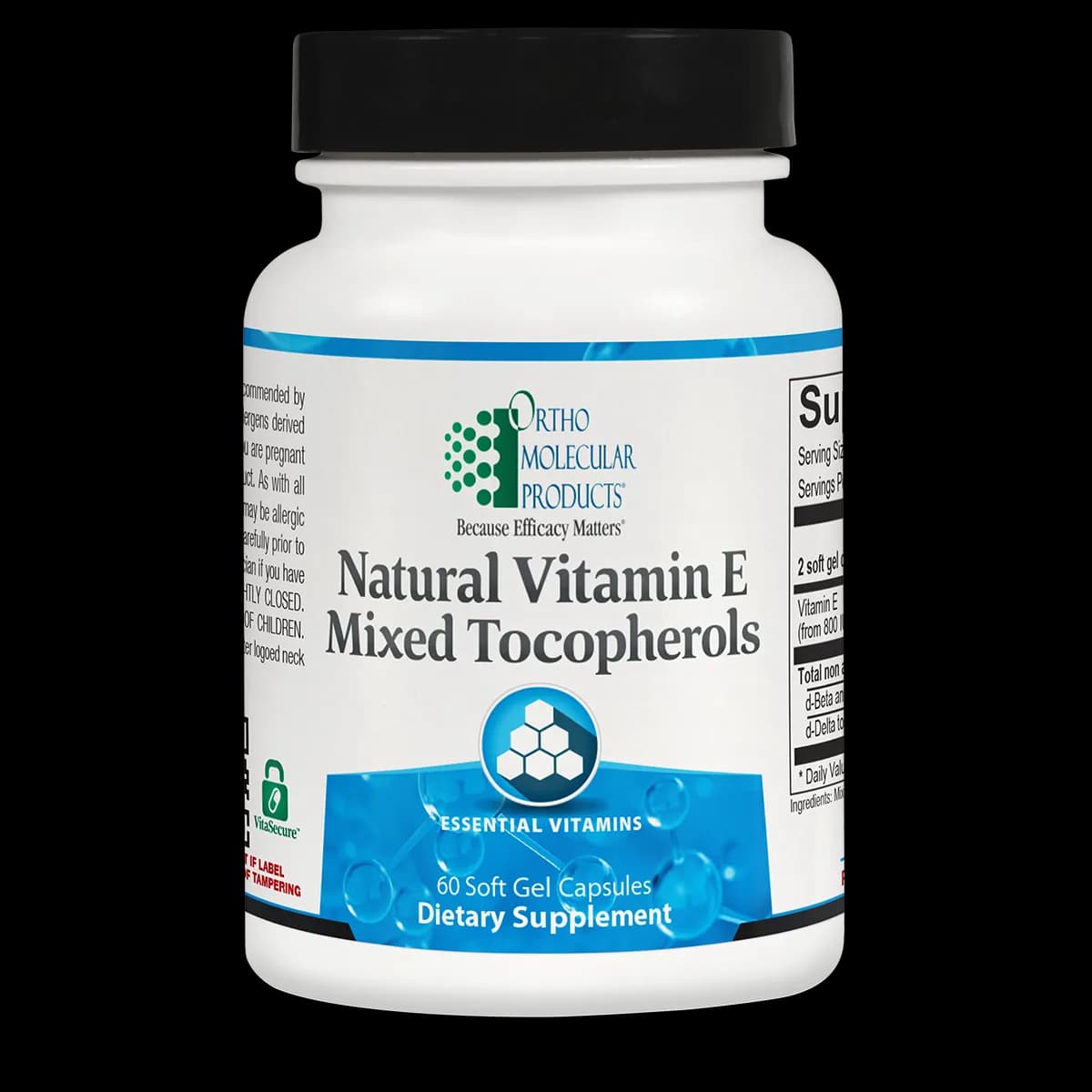
Natural Vitamin E Mixed Tocopherols, like the formulation provided by Ortho Molecular, are derived from natural plant sources and contain a comprehensive blend of the tocopherol family. This specific product delivers 800 IU of d-Alpha tocopherol alongside 400 mg of additional non-alpha tocopherol forms (including d-Beta, d-Gamma, and d-Delta tocopherols). This precise ratio ensures that you receive the powerful lipid-protecting benefits of alpha-tocopherol without sacrificing the crucial neuroprotective and anti-inflammatory properties of the gamma and delta isomers.
The body can efficiently utilize the entire spectrum, making a mixed formulation the safest and most biologically appropriate way to achieve comprehensive antioxidant protection and support cellular repair in chronic illness.
Bioavailability and the Importance of Fat Solubility
Because Vitamin E is a lipophilic (fat-soluble) nutrient, its absorption in the human gastrointestinal tract is entirely dependent on the presence of dietary fat. When you consume Vitamin E, it must be incorporated into tiny lipid droplets called micelles in the small intestine before it can be absorbed into the lymphatic system and eventually released into the bloodstream. If you take a Vitamin E supplement on an empty stomach or with a completely fat-free meal, its bioavailability will be severely compromised, and much of the nutrient will simply pass through your system unabsorbed.
To maximize the absorption and therapeutic benefit of Natural Vitamin E Mixed Tocopherols, it is strongly recommended to take the soft gels alongside a meal or snack that contains healthy fats. Foods rich in healthy fats, such as avocados, nuts, seeds, olive oil, or fatty fish, stimulate the release of bile acids and pancreatic enzymes, which are necessary for the formation of micelles and the efficient uptake of fat-soluble vitamins.
The soft gel delivery system itself also aids in bioavailability, as the tocopherols are already suspended in a lipid base. However, pairing the supplement with dietary fat ensures that the body's natural digestive mechanisms are fully primed to absorb and transport the Vitamin E to the liver, where the alpha-tocopherol transfer protein (α-TTP) can distribute it to the tissues that need it most.
Dosing Guidelines and Safety Considerations
The suggested use for Natural Vitamin E Mixed Tocopherols is typically 1-2 soft gel capsules per day, or as recommended by your healthcare professional. Each serving provides a substantial, therapeutic dose of antioxidants designed to combat severe oxidative stress. While Vitamin E is generally recognized as safe and well-tolerated, its fat-soluble nature means that it accumulates in the body's tissues over time, unlike water-soluble vitamins (like Vitamin C) which are easily excreted in the urine.
Because of this accumulation, it is important not to exceed recommended dosages without strict medical supervision. The United States Food and Nutrition Board sets the Tolerable Upper Intake Level (UL) for adults at 1,000 mg (approximately 1,500 IU) of supplemental alpha-tocopherol per day. Doses exceeding this upper limit can potentially lead to hypervitaminosis E, which may present with symptoms such as fatigue, nausea, headache, and intestinal discomfort.
It is also crucial to recognize that the therapeutic benefits of Vitamin E for chronic conditions like Long COVID and ME/CFS are not immediate. Repairing severe cellular damage and rebuilding mitochondrial integrity is a slow, gradual process. Most clinical protocols suggest that it may take several weeks to a few months of consistent supplementation, combined with pacing and other management strategies, to observe noticeable improvements in baseline energy levels and cognitive function.
Potential Drug Interactions to Keep in Mind
Before adding a high-dose Vitamin E supplement to your regimen, it is imperative to consult with your healthcare provider, especially if you are taking prescription medications, as Vitamin E can interact with several common drugs. The most significant interaction involves anticoagulants (blood thinners) and antiplatelet medications. Because Vitamin E naturally inhibits platelet aggregation and can antagonize Vitamin K-dependent clotting factors, combining it with medications like Warfarin (Coumadin), Clopidogrel (Plavix), or even daily Aspirin can significantly increase the risk of bruising and severe bleeding.
Additionally, high doses of antioxidant supplements, including Vitamin E, have been shown to potentially blunt the beneficial effects of certain cholesterol-lowering medications, specifically the combination of statins (like Simvastatin) and Niacin. The antioxidants may prevent these drugs from effectively raising HDL ("good") cholesterol levels. If you are managing cardiovascular disease with these medications, your doctor must carefully weigh the benefits and risks of antioxidant therapy.
Finally, Vitamin E may alter the absorption and pharmacokinetics of certain immunosuppressant drugs, such as Cyclosporine A, which is often used in organ transplant patients or severe autoimmune conditions. It may also mildly interact with drugs metabolized by the liver's cytochrome P450 3A4 (CYP3A4) pathway. Always provide your healthcare team with a complete list of your current supplements and medications to ensure safe and effective comprehensive care.
Follow the Science
Clinical Evidence in Post-Viral Syndromes and ME/CFS
The scientific understanding of post-viral syndromes has advanced rapidly, and the role of severe oxidative stress is now recognized as a central pathological mechanism. A comprehensive 2023 review published in the Journal of Translational Medicine proposed a unifying model for ME/CFS and Long COVID, highlighting how chronic innate inflammation and viral reactivation drive profound oxidative stress, mitochondrial dysfunction, and fibrin amyloid microclots. The authors explicitly suggest targeting this inflammation with potent antioxidants as a core therapeutic strategy to halt cellular damage and support immune recovery.
Furthermore, research utilizing computational analysis of circulating miRNAs in ME/CFS patients has demonstrated a statistically significant suppression of antioxidant defenses (such as SOD2) and a shift toward mitochondrial fission, perfectly explaining the reported hypoxia and oxidative stress in these patients. This genetic evidence underscores the critical need for exogenous antioxidant support, like mixed tocopherols, to compensate for the body's compromised internal defense systems and to protect the mitochondria from further degradation.
Clinical interventions are also showing promise. A retrospective case series published in Brain, Behavior, and Immunity - Health investigated the use of a multi-ingredient antioxidant agent in patients with ME/CFS and Long COVID. The study found that targeted antioxidant therapy significantly decreased oxidative stress and inflammatory processes, leading to a mean 54% reduction in self-reported symptom severity, including profound improvements in post-exertional malaise (PEM). This clinical data strongly supports the integration of comprehensive antioxidants into recovery protocols.
Synergistic Effects with Other Antioxidants
In the complex biochemical landscape of chronic illness, no single nutrient works in isolation. The efficacy of Natural Vitamin E is profoundly enhanced when it is utilized as part of a broader, synergistic antioxidant network. One of the most important partnerships is between Vitamin E and Vitamin C. When an alpha-tocopherol molecule neutralizes a lipid radical, it becomes a tocopheroxyl radical. Vitamin C (ascorbic acid), which is water-soluble, can interact with the fat-soluble Vitamin E at the surface of the cell membrane, donating an electron to instantly recycle the Vitamin E back into its active, protective form.
Another crucial synergy exists between Vitamin E and Alpha Lipoic Acid (ALA). ALA is unique because it is both fat- and water-soluble, allowing it to easily cross the blood-brain barrier and operate within multiple cellular compartments. In clinical settings treating dysautonomia and autonomic neuropathies, ALA is frequently used alongside Vitamin E because ALA is highly effective at recycling Vitamin E, drastically improving objective measures of autonomic nerve function and reducing neuroinflammation.
Understanding these synergistic relationships is vital for patients exploring comprehensive management strategies. If you are wondering How Does a Doctor Diagnose Long COVID? and subsequently treat it, functional and integrative practitioners often look at the entire antioxidant network, recommending combinations of mixed tocopherols, Vitamin C, ALA, and CoQ10 to create a robust, self-regenerating defense system that can effectively break the oxidative stress doom loop.
Biomarkers and Lab Testing for Oxidative Stress
While the symptoms of oxidative stress—such as profound fatigue and brain fog—are highly subjective, the physiological damage can be measured objectively through specific biomarkers. One of the most reliable and premier biomarkers for lipid peroxidation is the measurement of F2-isoprostanes in the blood or urine. F2-isoprostanes are stable compounds formed entirely by the free radical-induced oxidation of arachidonic acid (a fatty acid in cell membranes). Elevated levels of F2-isoprostanes provide definitive proof that the body's lipid membranes are under severe oxidative attack.
Another important biomarker is the presence of nitrotyrosine. When the neurotoxic reactive nitrogen species peroxynitrite damages cellular proteins, it leaves behind a specific chemical footprint known as nitrotyrosine. High levels of nitrotyrosine indicate severe nitrosative stress and neuroinflammation, highlighting the specific need for the gamma and delta isomers found in a mixed tocopherols supplement to neutralize the peroxynitrite threat.
Functional medicine practitioners may also assess the body's endogenous antioxidant capacity by measuring levels of intracellular glutathione, Superoxide Dismutase (SOD), and overall total antioxidant status (TAS). By tracking these biomarkers over time, patients and providers can objectively monitor the effectiveness of their antioxidant protocols, ensuring that the cellular environment is shifting from a state of chronic destruction toward a state of repair and resilience.
The Path Forward
A Comprehensive Approach to Healing
Navigating life with Long COVID, ME/CFS, or dysautonomia is an incredibly complex and often frustrating journey. It is essential to recognize that there is no single "magic pill" or miracle cure for these deeply entrenched, multi-systemic conditions. Healing requires a comprehensive, patient-centric approach that addresses the root causes of dysfunction while providing compassionate, validating care. Supplements like Natural Vitamin E Mixed Tocopherols are a powerful tool, but they must be integrated into a broader management strategy.
This strategy must include aggressive pacing to prevent post-exertional malaise, meticulous symptom tracking to identify triggers, prioritizing restorative sleep, and managing autonomic dysfunction through hydration, electrolytes, and targeted physical therapy when appropriate. By combining these lifestyle adaptations with science-backed cellular support, you can create an environment within your body that is conducive to slow, steady repair.
It is also crucial to work alongside a healthcare provider who truly understands the complexities of post-viral illnesses. If you are exploring Can Long COVID Trigger ME/CFS? Unraveling the Connection, having a knowledgeable medical team to guide your supplement choices, monitor your lab work, and validate your experiences is invaluable. You do not have to navigate this complicated biochemical landscape alone.
Empowering Your Recovery Journey
The profound fatigue, cognitive impairment, and autonomic chaos you experience are valid, physiological responses to severe cellular stress. By understanding the mechanisms of oxidative damage and lipid peroxidation, you empower yourself to make informed decisions about your health. Providing your body with the specific, full-spectrum tools it needs to protect its cellular membranes and neutralize neurotoxins is a profound step toward reclaiming your baseline function.
Natural Vitamin E Mixed Tocopherols offer a targeted, scientifically grounded intervention to help break the cycle of chronic inflammation and support the structural integrity of your cardiovascular and neurological systems. While the path to recovery is rarely linear, every step taken to reduce cellular stress is a step toward improved quality of life and greater resilience.
If you are ready to support your body's cellular defense systems and explore the benefits of comprehensive antioxidant therapy, consult with your healthcare provider to ensure it aligns safely with your individual medical needs and current treatment plan.
Sources
Heterogenous circulating miRNA changes in ME/CFS converge on a unified cluster of target genes
Identification of CD8 T-cell dysfunction associated with symptoms in ME/CFS and Long COVID
Towards a Better Understanding of the Complexities of ME/CFS and Long COVID
Using Single-Cell Raman Microspectroscopy to Profile Human Peripheral Blood Mononuclear Cells