Can Natural D-Hist Help Manage Histamine Overload in Long COVID and MCAS?
March 6, 2026
Natural D-HistMCASLong COVID
Share:
Disclaimer: The information provided here is for educational purposes only and is not intended as medical advice. It should not be used to diagnose, treat, cure, or prevent any medical condition. Instead, use it as a starting point for discussion with your healthcare provider. Always consult with a qualified healthcare provider before starting any new medication, supplement, device, or making changes to your health regimen.
Imagine waking up every day feeling as though your body is fighting a severe allergic reaction to your own environment. For many individuals living with complex chronic conditions, this is a daily reality. Months or even years after an initial viral infection, patients often find themselves battling unpredictable waves of sinus congestion, sudden skin flushing, racing heart rates, and a profound, heavy brain fog that makes simple tasks feel insurmountable. These symptoms are frequently dismissed as standard allergies or unexplained anxiety, leaving patients frustrated and searching for validating, science-backed answers. The truth is, these experiences are often rooted in a deep, systemic immune dysregulation where the body's defense mechanisms become hyper-reactive, constantly sounding the alarm against benign triggers.
In the wake of the COVID-19 pandemic, the medical community has begun to unravel the intricate connections between viral persistence, immune dysfunction, and conditions like Long COVID, myalgic encephalomyelitis/chronic fatigue syndrome (ME/CFS), and mast cell activation syndrome (MCAS). One of the primary culprits driving this symptom cascade is an overload of histamine and a depletion of the body's natural antioxidant reserves. Addressing this complex web requires more than just masking symptoms; it requires targeted, cellular-level support. Natural D-Hist® has emerged as a comprehensive nutritional tool designed to support individuals facing these exact seasonal and environmental challenges. By combining potent flavonoids, antioxidants, proteolytic enzymes, and botanicals, this formula aims to stabilize hyperactive immune cells, clear respiratory pathways, and restore biochemical balance.
What is Natural D-Hist?
A Synergistic Blend for Immune and Respiratory Health
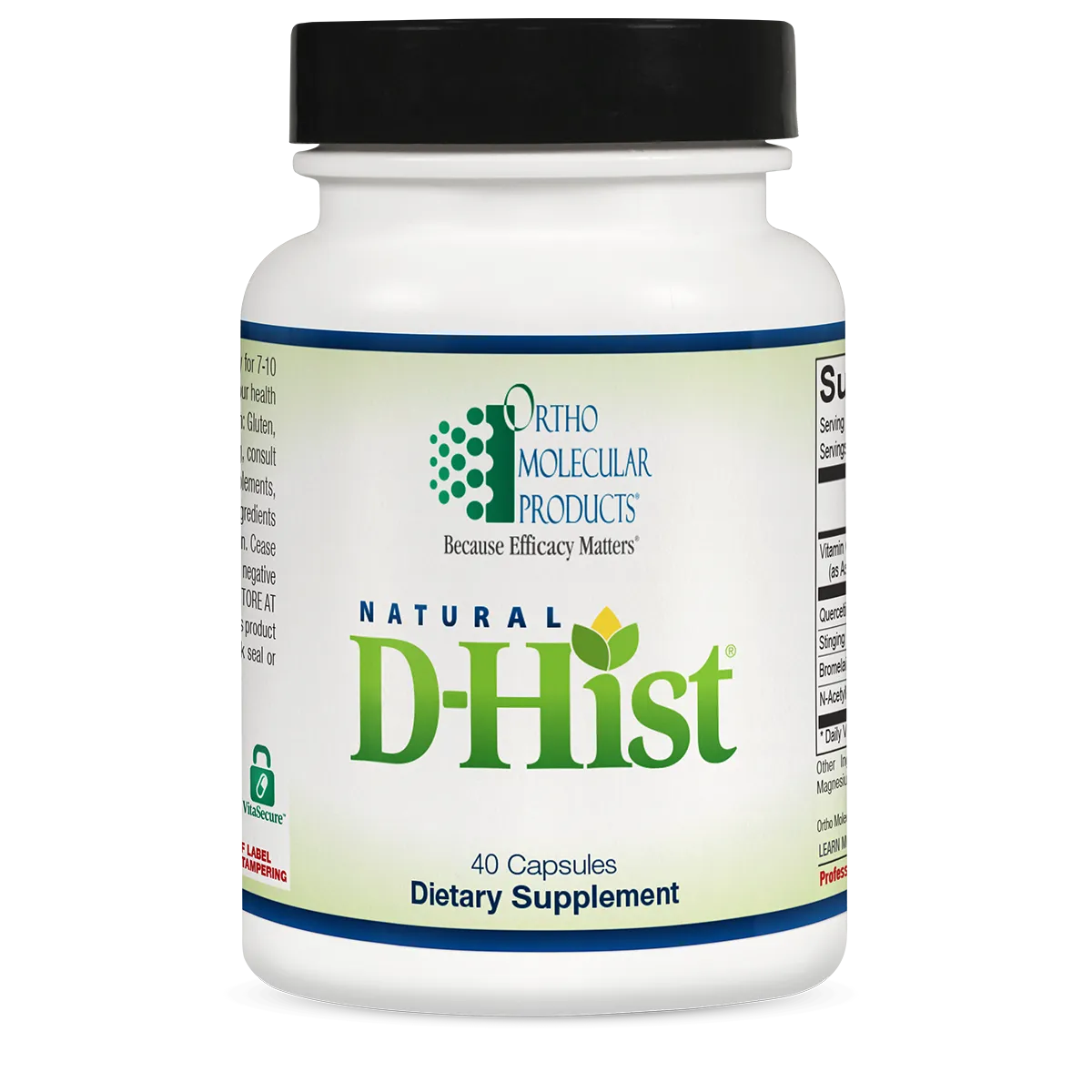
Natural D-Hist® is a targeted, comprehensive nutritional supplement designed to provide robust support for individuals facing seasonal challenges, environmental allergies, and chronic immune dysregulation. In a healthy body, the immune system is perfectly calibrated to identify dangerous pathogens while ignoring harmless environmental particles like pollen, dust, or certain foods. However, when the immune system becomes hyper-reactive—a common occurrence in complex chronic illnesses—it begins launching massive inflammatory attacks against benign triggers. Natural D-Hist is formulated to interrupt this hyper-reactive cascade by combining five highly researched, synergistic ingredients: Vitamin C, Quercetin, Stinging Nettle, Bromelain, and N-Acetyl-L-Cysteine (NAC). Together, these compounds work at the cellular level to stabilize immune cells, degrade excess inflammatory mediators, and clear the physical byproducts of inflammation, such as thick respiratory mucus.
The foundation of this formula relies on the intricate biochemical balance between flavonoids, antioxidants, proteolytic enzymes, and botanicals. Flavonoids like quercetin are naturally occurring plant pigments that serve as the plant's defense mechanism against environmental stress. In the human body, these flavonoids act as powerful signaling molecules that can modulate the behavior of our immune cells. Antioxidants, such as Vitamin C and NAC, are crucial for neutralizing reactive oxygen species (ROS)—unstable molecules that damage cellular structures and drive systemic inflammation. By providing a concentrated dose of these protective compounds, Natural D-Hist aims to restore the body's natural redox balance, which is often severely disrupted in chronic illness.
The Role of Flavonoids and Antioxidants
At the molecular level, the flavonoids and antioxidants in Natural D-Hist operate through highly specific biochemical pathways. Quercetin, for instance, is not just a passive antioxidant; it actively binds to receptors on the surface of mast cells—the immune cells responsible for storing and releasing histamine. By interacting with these receptors, quercetin alters the intracellular signaling cascades that normally tell the mast cell to burst open and release its inflammatory payload. Vitamin C acts as a vital cofactor in this process, not only recycling oxidized quercetin back into its active form but also directly supporting the enzymes responsible for breaking down histamine in the bloodstream. This synergistic relationship ensures that histamine is both prevented from being released and actively cleared from the body if it does escape.
Furthermore, the inclusion of N-Acetyl-L-Cysteine (NAC) provides a profound boost to the body's master antioxidant system: glutathione. Glutathione is a tripeptide found in every cell, responsible for detoxifying harmful compounds and protecting the mitochondria (the cell's powerhouses) from oxidative damage. During chronic infections or prolonged inflammatory states, the body's glutathione reserves become rapidly depleted, leaving cells vulnerable to destruction. NAC serves as a direct precursor to glutathione, supplying the rate-limiting amino acid, cysteine, required for its synthesis. By replenishing glutathione, NAC helps halt the vicious cycle of oxidative stress that perpetuates chronic fatigue and immune dysfunction.
Proteolytic Enzymes and Botanical Support
Beyond cellular signaling and antioxidant defense, Natural D-Hist incorporates physical mechanisms of action through proteolytic enzymes and targeted botanicals. Bromelain, an enzyme complex extracted from the stem of the pineapple plant, possesses the unique ability to break down complex proteins. In the respiratory tract, bromelain acts as a potent mucolytic agent. It cleaves the peptide bonds within the thick, sticky glycoprotein matrix of mucus, effectively thinning it out so it can be naturally expelled from the sinuses and lungs. This enzymatic action is crucial for preventing the secondary bacterial infections that often thrive in stagnant mucus pools, a common issue for those with chronic sinus irritation.
Complementing this enzymatic action is the botanical extract of Stinging Nettle (Urtica dioica). While stinging nettle is notorious for causing itchy rashes when touched in the wild, its freeze-dried leaf extract has paradoxically been used for centuries to soothe allergic reactions. Modern pharmacological research has revealed that stinging nettle contains bioactive compounds that physically block histamine from docking onto its designated receptors in the body. By acting as a competitive antagonist at the Histamine-1 (H1) receptor, stinging nettle prevents the downstream effects of histamine, such as the dilation of blood vessels, the swelling of nasal tissues, and the relentless itching associated with allergic responses. Together, these five ingredients create a multi-faceted defense system against immune hyper-reactivity.
How Long COVID and MCAS Impact Immune and Respiratory Systems
The Vicious Cycle of Mast Cell Activation Syndrome (MCAS)
To understand why a supplement like Natural D-Hist is so relevant for chronic illness, we must first examine how conditions like Long COVID and ME/CFS disrupt the immune system. One of the most significant overlaps between these conditions is the development or exacerbation of mast cell activation syndrome (MCAS). Mast cells are the sentinels of the immune system, stationed in tissues that interface with the outside world, such as the skin, respiratory tract, and gastrointestinal lining. Inside these cells are thousands of granules filled with chemical mediators, the most famous being histamine. In a healthy response, mast cells release these mediators to orchestrate a targeted attack against a pathogen or toxin. However, in MCAS, these cells become highly unstable and trigger-happy, degranulating inappropriately in response to everyday stimuli like temperature changes, stress, certain foods, or even physical exertion.
Research indicates that viral infections can act as a profound trigger for this mast cell instability. The SARS-CoV-2 virus, for example, has been shown to directly interact with mast cells, causing them to release a storm of pro-inflammatory cytokines. This persistent immune activation creates a vicious cycle: the viral remnants or resulting autoantibodies continually agitate the mast cells, which then release histamine and cytokines, which in turn cause systemic inflammation that further stresses the immune system. This constant state of high alert drains the body's energy reserves and leads to the debilitating post-exertional malaise (PEM) seen in ME/CFS. Patients are left trapped in a loop where their own immune system is driving their exhaustion and pain.
Glutathione Depletion and Oxidative Stress in Long COVID
Another critical factor in the pathophysiology of Long COVID and related chronic illnesses is severe oxidative stress driven by glutathione depletion. When the body fights a severe infection, it generates massive amounts of reactive oxygen species (ROS) as a weapon to destroy the pathogen. To protect its own tissues from this chemical warfare, the body relies on glutathione to neutralize the ROS. However, the prolonged nature of Long COVID rapidly depletes these endogenous glutathione stores. Without adequate glutathione, the ROS begin to damage healthy cells, particularly the delicate endothelial cells that line the blood vessels and the mitochondria responsible for cellular energy production.
This widespread endothelial damage and mitochondrial dysfunction are primary drivers of the severe fatigue, brain fog, and muscle weakness experienced by patients. Furthermore, the lack of glutathione impairs the liver's ability to detoxify metabolic waste and environmental toxins, adding to the total allostatic load on the body. The respiratory system is particularly vulnerable to this oxidative damage; without antioxidant protection, the lung tissues remain inflamed, leading to chronic coughs, shortness of breath, and the overproduction of thick, stubborn mucus that further impairs oxygen exchange. Understanding what causes Long COVID at a biochemical level highlights why replenishing these specific antioxidant pathways is so vital.
Histamine Overload and Autonomic Dysfunction (Dysautonomia)
The impact of chronic immune dysregulation extends far beyond allergies and fatigue; it directly affects the autonomic nervous system. Dysautonomia, particularly postural orthostatic tachycardia syndrome (POTS), is highly comorbid with Long COVID and MCAS. The autonomic nervous system controls automatic bodily functions like heart rate, blood pressure, and digestion. When mast cells constantly release histamine into the bloodstream, it acts as a potent vasodilator—meaning it causes blood vessels to widen and become leaky. This vasodilation leads to a drop in blood pressure, especially when a person stands up.
To compensate for this sudden drop in blood pressure and ensure the brain receives enough oxygen, the autonomic nervous system triggers the heart to beat rapidly, resulting in the severe tachycardia (fast heart rate) characteristic of POTS. Additionally, histamine can directly stimulate the heart's H2 receptors, further driving arrhythmias and palpitations. The constant flood of histamine also crosses the blood-brain barrier, contributing to neuroinflammation, migraines, and the profound cognitive impairment often described as "brain fog." Therefore, managing histamine levels is not just about relieving a runny nose; it is a crucial strategy for stabilizing the autonomic nervous system and improving cardiovascular function in dysautonomia patients.
Natural D-Hist: Supporting Immune Regulation and Histamine Clearance
Quercetin and Vitamin C: The Ultimate Mast Cell Stabilizers
Natural D-Hist is uniquely formulated to address the complex pathophysiology of immune dysregulation by targeting multiple biochemical pathways simultaneously. The cornerstone of this approach is the combination of Quercetin and Vitamin C, which act as powerful mast cell stabilizers. Unlike traditional over-the-counter antihistamines that merely block histamine from binding to receptors after it has already been released, quercetin operates upstream. It directly alters intracellular signaling to prevent the degranulation process and stop histamine release at its source. Specifically, quercetin profoundly suppresses the rapid influx of intracellular calcium, which is an absolute requirement for mast cell degranulation, by blocking store-operated calcium entry (SOCE) channels.
Furthermore, recent molecular research has demonstrated that quercetin acts as an agonist for CLM-1, an inhibitory receptor on mast cells. By selectively binding to this receptor, quercetin triggers a signaling cascade that inhibits the downstream NF-κB inflammatory pathway, effectively telling the mast cell to stand down. Vitamin C works synergistically with quercetin in this endeavor. Ascorbic acid has been shown to dose-dependently inhibit the process of exocytosis, further stabilizing the mast cell. Additionally, Vitamin C is a crucial, non-negotiable cofactor for the Diamine Oxidase (DAO) enzyme. DAO is the primary enzyme responsible for breaking down extracellular histamine in the digestive tract and bloodstream. By enhancing DAO activity, Vitamin C ensures that any histamine that does manage to escape is rapidly degraded and cleared from the body.
Stinging Nettle: Nature's Histamine Receptor Antagonist
While quercetin and Vitamin C work to prevent histamine release and accelerate its breakdown, the Stinging Nettle (Urtica dioica) extract in Natural D-Hist provides immediate structural defense at the receptor level. Stinging nettle contains specific bioactive compounds, such as nicotinamide and synephrine, that competitively bind to Histamine-1 (H1) receptors. According to in vitro studies utilizing advanced mass spectrometry, nettle extract acts both as an antagonist (physically blocking histamine from docking) and as a negative agonist (reducing the basal, unprompted activity of the receptor). This dual-action prevents histamine-induced symptoms like itching, redness, and fluid leakage without causing the severe drowsiness associated with first-generation pharmaceutical antihistamines.
Beyond H1 receptor antagonism, stinging nettle heavily inhibits mast cell tryptase, an enzyme released concurrently with histamine during degranulation that drives tissue remodeling and chronic inflammation. It also downregulates inflammation by inhibiting enzymes central to pro-inflammatory lipid mediator pathways, specifically Cyclooxygenase-1 (COX-1), Cyclooxygenase-2 (COX-2), and Hematopoietic Prostaglandin D2 synthase (HPGDS). By inhibiting HPGDS, nettle blocks the production of Prostaglandin D2, a primary inflammatory mediator that causes severe nasal congestion and airway constriction. This multi-target phytochemical action makes stinging nettle an invaluable tool for managing the systemic inflammation seen in MCAS and Long COVID.
Bromelain and NAC: Breaking Down Mucus and Restoring Glutathione
The final mechanism of action in Natural D-Hist involves clearing the physical blockages and restoring cellular defense mechanisms through Bromelain and N-Acetyl-L-Cysteine (NAC). Bromelain, a complex of proteolytic enzymes, acts as a powerful mucolytic and anti-inflammatory agent. It works by inhibiting the synthesis of pro-inflammatory prostaglandins (specifically PGE2) and reducing the formation of bradykinin, a compound that causes blood vessels to leak and tissues to swell. In the respiratory tract, bromelain's proteolytic enzymes add water molecules to break down peptide bonds and mucus glycoproteins, rapidly degrading thick, viscous mucus and making it fluid enough to be naturally drained from the sinuses and lungs.
NAC complements this mucolytic action while simultaneously addressing the root cause of oxidative stress. When administered orally, NAC works by directly cleaving the disulfide bonds within the glycoprotein matrix of respiratory mucus, converting them into sulfhydryl bonds. This action significantly reduces the thickness and viscosity of mucus, improving overall oxygenation and assisting in the recovery of damaged lung tissue. More importantly, NAC is a direct precursor to cysteine, the rate-limiting amino acid required for the synthesis of glutathione. By replenishing intracellular glutathione pools, NAC neutralizes harmful reactive oxygen species, limits cellular damage, and helps restore the body's redox balance, which is essential for overcoming the severe fatigue and cellular dysfunction characteristic of Long COVID and ME/CFS.
Symptoms Natural D-Hist May Help Manage
Respiratory and Sinus Symptoms
Natural D-Hist targets a wide array of symptoms driven by histamine overload, immune hyper-reactivity, and excessive mucus production. By addressing these issues at the cellular level, the supplement may help manage the following respiratory and sinus-specific challenges:
Chronic Sinus Congestion and Pressure: Bromelain and NAC work synergistically to break down the thick glycoprotein matrix of mucus, allowing for proper sinus drainage and relieving painful facial pressure.
Post-Nasal Drip and Chronic Cough: By thinning respiratory secretions and reducing the inflammation driven by prostaglandins, the formula helps calm the constant irritation in the back of the throat that triggers lingering post-viral coughs.
Shortness of Breath and Airway Constriction: Stinging nettle's ability to inhibit Prostaglandin D2 and block Histamine-1 receptors prevents the smooth muscle constriction in the airways, promoting easier, deeper breathing.
Nasal Swelling and Rhinitis: Quercetin stabilizes the mast cells in the nasal mucosa, preventing the release of histamine that causes the blood vessels in the nose to dilate, leak, and swell.
Systemic Allergic and Histamine Responses
For patients dealing with Mast Cell Activation Syndrome (MCAS) or general histamine intolerance, the systemic release of inflammatory mediators can cause unpredictable, whole-body reactions. Natural D-Hist may help alleviate:
Hives, Rashes, and Unexplained Itching: By acting as a competitive antagonist at the H1 receptor, stinging nettle physically blocks histamine from triggering the nerve endings in the skin that cause severe itching and urticaria (hives).
Sudden Skin Flushing and Heat: Quercetin prevents the sudden degranulation of mast cells, halting the massive release of histamine that causes rapid vasodilation and the uncomfortable sensation of burning, flushed skin.
Food Sensitivities and GI Upset: Vitamin C enhances the activity of the Diamine Oxidase (DAO) enzyme in the gut, helping to break down dietary histamine before it can enter the bloodstream and trigger systemic reactions.
Dermatographia (Skin Writing): The stabilization of mast cells reduces the skin's hyper-reactivity to physical pressure or scratching, a common symptom in MCAS patients.
Neurological and Autonomic Impacts
The downstream effects of chronic inflammation and oxidative stress heavily impact the brain and the autonomic nervous system. By restoring redox balance and clearing inflammatory mediators, Natural D-Hist supports neurological health:
Brain Fog and Cognitive Dysfunction: NAC replenishes glutathione levels in the brain, neutralizing the neuroinflammation and oxidative stress that disrupt neural signaling and cause profound cognitive impairment.
Post-Exertional Malaise (PEM) and Fatigue: By protecting the mitochondria from free radical damage and reducing the overall inflammatory burden on the body, the antioxidant blend helps preserve cellular energy production, potentially reducing the severity of crashes.
Tachycardia and Palpitations (POTS Symptoms): By reducing systemic histamine levels, the formula helps prevent the extreme vasodilation and blood pooling that triggers the autonomic nervous system to dangerously spike the heart rate upon standing.
Histamine-Driven Migraines: Quercetin and Vitamin C work together to lower the overall concentration of histamine in the blood, reducing the frequency of vascular headaches triggered by histamine-induced blood vessel dilation in the brain.
Practical Considerations: Forms, Dosing, and Absorption
Understanding the Loading Dose vs. Maintenance Dose
When beginning a targeted supplement protocol for complex immune dysregulation, the strategy of administration is just as important as the ingredients themselves. Natural D-Hist utilizes a specific dosing protocol designed to rapidly gain control over hyperactive mast cells before tapering down to a sustainable level. The manufacturer suggests a "Loading Dose" of 2 capsules taken three times per day (a total of 6 capsules daily) for the first 7 to 10 days. This aggressive initial dosing strategy is crucial for patients experiencing acute histamine flares or severe seasonal allergies. It rapidly saturates the body's tissues with quercetin and Vitamin C, quickly halting the degranulation cascade and providing a high concentration of mucolytic enzymes to clear existing congestion.
Once the acute symptoms have been stabilized and the baseline level of inflammation has been reduced, patients are advised to transition to a "Maintenance Dose" of 2 capsules per day, or as recommended by their healthcare provider. This lower dose is designed to maintain the stabilization of the mast cells and provide ongoing antioxidant support without overwhelming the digestive system. For patients with chronic conditions like Long COVID or MCAS, this maintenance dose can be a vital part of a daily regimen to prevent future symptom flares and manage the underlying immune dysfunction long-term. Always consult with a healthcare provider to determine the most appropriate dosing schedule for your specific clinical presentation.
Bioavailability and Synergistic Absorption
One of the primary challenges in nutritional supplementation is ensuring that the active compounds actually reach the systemic circulation—a concept known as bioavailability. Natural dietary quercetin, for example, has relatively poor water solubility and oral absorption on its own. However, Natural D-Hist is formulated to overcome this hurdle through synergistic pairing. By combining quercetin with Vitamin C, the formula not only enhances the antioxidant capacity but also improves the stability and absorption of the flavonoids in the gastrointestinal tract. Vitamin C acts as an electron donor, recycling oxidized quercetin back into its active, therapeutic form, thereby extending its half-life and efficacy in the body.
To further optimize absorption, it is generally recommended to take Natural D-Hist away from heavy meals if the primary goal is systemic anti-inflammatory and mucolytic action. When proteolytic enzymes like bromelain are taken with food, the body utilizes them primarily for digesting the dietary proteins in the stomach. However, when taken on an empty stomach (at least 30 minutes before or 2 hours after a meal), these enzymes can pass into the bloodstream intact, where they exert their powerful systemic effects—breaking down circulating immune complexes, reducing tissue edema, and thinning respiratory mucus. Understanding these timing nuances can significantly enhance the clinical outcomes of the supplement.
Potential Interactions and Safety Considerations
While the ingredients in Natural D-Hist are naturally derived and generally well-tolerated, they possess potent biochemical activity that necessitates careful consideration, especially for patients with complex chronic illnesses. Bromelain, due to its fibrinolytic (clot-dissolving) properties, can mildly inhibit blood platelet aggregation. Therefore, it should be used with caution in individuals taking prescription blood thinners (anticoagulants or antiplatelet medications) or those with bleeding disorders, as it may increase the risk of bruising or bleeding. Additionally, individuals with a known allergy to pineapple should avoid bromelain-containing products to prevent potential anaphylactic reactions.
N-Acetyl-L-Cysteine (NAC) is a powerful sulfur-containing compound. While highly beneficial for glutathione production, some individuals with severe gastrointestinal dysbiosis or specific genetic variants in sulfur metabolism (such as CBS mutations) may experience bloating, gas, or digestive discomfort when introducing sulfur-heavy supplements. Furthermore, because Vitamin C can increase the absorption of dietary iron, individuals with hemochromatosis (iron overload disease) should monitor their iron levels when taking high doses of ascorbic acid. As with any targeted therapy, it is imperative to discuss Natural D-Hist with your healthcare provider to ensure it safely integrates with your current medications and overall treatment plan.
Follow the Science
Clinical Evidence for Quercetin and Stinging Nettle
The individual components of Natural D-Hist have been the subject of rigorous scientific investigation, validating their use in managing immune hyper-reactivity and allergic responses. A landmark comparative in vitro study published in PLoS One by Weng et al. demonstrated that quercetin is significantly more effective than cromolyn sodium (a leading prescription mast cell stabilizer) at blocking human mast cell cytokine release. When stimulated, control mast cells released 1611.4 pg/mL of histamine. A 100 μM concentration of quercetin drastically reduced this release to 792.3 pg/mL. Furthermore, the study noted that quercetin achieved a 75% inhibition of stimulated mast cells at a remarkably low concentration of just 10 μM, whereas a massive 1000 μM dose of cromolyn was required to achieve a lesser 65% inhibition, proving quercetin's superior potency and prophylactic advantage.
Stinging nettle has similarly robust clinical backing. A randomized, double-blind study published in Planta Medica involving 69 allergic rhinitis patients found that the administration of freeze-dried Urtica dioica leaf resulted in significant symptom improvement within one week. Notably, 58% of the participants reported relief of symptoms, and 48% stated that the nettle extract was equally or more effective than traditional over-the-counter antihistamine medications. More recently, a 2017 randomized, double-blind, placebo-controlled trial observed patients given Urtica dioica extract for one month. The nettle cohort showed a statistically significant drop in nasal smear eosinophil counts compared to the placebo, proving a direct physiological reduction in mucosal inflammation.
Bromelain's Efficacy in Sinusitis and Respiratory Health
Bromelain has become a highly respected adjunctive and standalone treatment for sinusitis and respiratory inflammation. A widely cited multicenter epidemiological cohort study evaluated 116 children with acute sinusitis. The researchers found that children given bromelain monotherapy recovered from symptoms in an average of 6.66 days, compared to 7.95 days for those receiving standard therapy. Bromelain alone provided a statistically significant faster recovery. Another placebo-controlled human trial evaluating 49 patients with sinusitis found that 85% of subjects treated with bromelain experienced complete relief from nasal inflammation, compared to only 40% of subjects in the placebo group.
In the context of chronic rhinosinusitis (CRS), treatment with bromelain has resulted in notable improvements across the Total Symptom Score (TSS) and the Sino-Nasal Outcome Test (SNOT-20). Tissue analysis from these studies showed that bromelain effectively distributes into the serum and rhinosinusal tissues, where it exerts its mucolytic and anti-inflammatory effects. Furthermore, when bacterial sinusitis requires antibiotics, clinical studies confirm that bromelain increases the cellular absorption and blood concentrations of antibiotics, making the combined therapy consistently more effective at resolving sinusitis than antibiotics alone.
NAC and Vitamin C in Post-Viral Recovery
The clinical data supporting NAC and Vitamin C for post-viral recovery and histamine degradation is highly compelling. A comprehensive meta-analysis incorporating 14 studies and over 20,000 participants found that NAC-treated COVID-19 patients exhibited significant reductions in C-reactive protein (CRP) and D-dimer levels, indicating a profound reduction in systemic inflammation and microclotting risk. Additionally, a recent double-blind, randomized, placebo-controlled trial evaluated the long-term impact of oral NAC (600 mg twice daily for six months) on patients recovering from COVID-19. The NAC-treated group achieved a significantly faster and clinically meaningful improvement across all components of respiratory questionnaires at 3 and 6 months compared to the placebo group.
Regarding Vitamin C, a landmark study published in Naunyn-Schmiedeberg's Archives of Pharmacology investigated the effects of intravenously administered ascorbic acid on patients with allergic and infectious diseases. The researchers found a highly significant decline in serum histamine concentrations following administration. Another trial published in the Journal of the American College of Nutrition gave healthy individuals 2,000 mg of oral Vitamin C daily for two weeks, resulting in a 38% drop in blood histamine levels. Furthermore, a recent electrophysiological patch-clamp study provided direct evidence that ascorbic acid stabilizes mast cells, reducing the number of degranulating mast cells from 97.6% to 51.5% in vitro.
The Path Forward
Integrating Supplements into a Comprehensive Plan
Navigating the complexities of Long COVID, ME/CFS, dysautonomia, and MCAS can often feel like an overwhelming puzzle. It is entirely valid to feel frustrated by the unpredictable nature of your symptoms and the lack of straightforward answers in traditional medical settings. However, understanding the biochemical mechanisms driving your symptoms—such as histamine overload, mast cell instability, and glutathione depletion—empowers you to take targeted action. Natural D-Hist represents a scientifically grounded tool designed to address these specific pathways. By combining the mast cell-stabilizing power of quercetin and Vitamin C with the mucolytic and anti-inflammatory properties of bromelain, stinging nettle, and NAC, this formula offers a multi-faceted approach to calming an overactive immune system.
It is crucial to remember, however, that no single supplement is a cure-all for complex chronic illness. Natural D-Hist should be viewed as one highly effective piece of a broader, comprehensive management strategy. True healing requires a holistic approach that includes identifying and avoiding your unique mast cell triggers, optimizing your diet to support gut health and lower histamine burden, and utilizing prescription medications when necessary. For instance, many patients find success by combining natural stabilizers like quercetin with targeted pharmaceutical interventions, such as Ketotifen for MCAS management. Working closely with a healthcare provider who understands the nuances of immune dysregulation ensures that your treatment plan is safe, synergistic, and tailored to your specific needs.
Listening to Your Body and Pacing
As you introduce new therapies like Natural D-Hist into your regimen, it is vital to practice radical self-compassion and listen closely to your body's signals. Healing from chronic immune activation is rarely a linear process; there will be days of profound improvement and days where symptoms flare unexpectedly. Implementing strict pacing strategies—balancing activity with deep, restorative rest—is essential to prevent post-exertional malaise (PEM) and protect your cellular energy reserves. Symptom tracking can be an invaluable tool during this process, helping you identify correlations between your supplement intake, environmental exposures, and symptom severity. By becoming an active observer of your own biology, you can make informed adjustments to your protocol.
Next Steps for Your Healing Journey
If you are struggling with chronic sinus congestion, unexplained allergic reactions, brain fog, or the debilitating fatigue associated with Long COVID and MCAS, addressing your body's histamine and antioxidant balance may be a critical next step. Natural D-Hist offers a powerful, synergistic blend of ingredients designed to support your immune system at the cellular level, helping you regain stability and improve your quality of life. Always consult with your healthcare provider before beginning any new supplement regimen to ensure it aligns with your overall medical care.