Can NAC and Glycine Support Glutathione Production in Long COVID and ME/CFS?
March 5, 2026
NAC+ GlycineLong COVIDME/CFS
Share:
Disclaimer: The information provided here is for educational purposes only and is not intended as medical advice. It should not be used to diagnose, treat, cure, or prevent any medical condition. Instead, use it as a starting point for discussion with your healthcare provider. Always consult with a qualified healthcare provider before starting any new medication, supplement, device, or making changes to your health regimen.
Months or even years after a viral infection, many individuals find themselves battling a relentless array of symptoms—crushing fatigue, persistent brain fog, and severe autonomic dysfunction. If you are living with what causes Long COVID, myalgic encephalomyelitis/chronic fatigue syndrome (ME/CFS), or dysautonomia, you already know that simply pushing through the exhaustion does not work. You are likely searching for validating, science-backed answers to explain why your body feels stuck in a perpetual state of depletion and why standard medical tests often return normal results despite your debilitating symptoms.
Recent clinical research has increasingly pointed to a profound cellular energy crisis driven by severe oxidative stress and the depletion of a critical molecule called glutathione. This is where the combination of N-Acetyl-L-Cysteine (NAC) and the amino acid glycine—often referred to as GlyNAC—comes into the spotlight. By providing the exact building blocks your cells need to restore their master antioxidant defenses, NAC+ Glycine Powder offers a targeted approach to supporting mitochondrial function, reducing systemic inflammation, and helping you manage the complex realities of chronic illness at a foundational cellular level.
What is NAC+ Glycine?
The Building Blocks of the Master Antioxidant
To understand the profound therapeutic power of NAC and glycine, we must first look at glutathione (GSH), which is universally recognized as the body's master intracellular antioxidant. Glutathione is a tripeptide molecule, meaning it is constructed from three specific amino acids: glutamate, cysteine, and glycine. In a healthy, optimally functioning body, glutathione acts as the primary defense mechanism against reactive oxygen species (ROS), actively neutralizing free radicals before they can cause irreversible damage to cellular membranes, functional proteins, and mitochondrial DNA. However, the body cannot effectively absorb intact glutathione from standard oral supplements because the tripeptide is rapidly broken down by digestive enzymes in the gastrointestinal tract before it can reach the bloodstream. Instead, cells must manufacture glutathione internally, a complex biochemical process that is entirely dependent on the constant availability of its precursor amino acids.
While glutamate is typically abundant in the standard human diet, cysteine and glycine are frequently depleted, especially during times of chronic metabolic stress, severe viral infection, or the natural aging process. Cysteine is widely considered the rate-limiting building block; without a sufficient supply of cysteine, the entire glutathione synthesis pathway grinds to a halt, leaving cells vulnerable to oxidative damage. Glycine, though technically classified as a non-essential amino acid, becomes conditionally essential when the body is under high oxidative demand, as the endogenous synthesis cannot keep up with the rapid consumption. By supplementing with a combination of N-Acetylcysteine (a highly stable and bioavailable form of cysteine) and free-form glycine, you provide your cells with the exact raw materials required to upregulate and restore their own intracellular glutathione production naturally, without disrupting the body's delicate redox balance.
N-Acetylcysteine (NAC) and Direct Radical Scavenging
N-Acetyl-L-Cysteine (NAC) is a synthetic derivative of the naturally occurring amino acid L-cysteine, featuring an attached acetyl group that significantly enhances its chemical stability, cellular absorption, and overall bioavailability. Beyond its crucial role as a primary glutathione precursor, NAC possesses its own potent, direct antioxidant capabilities that function independently of the glutathione pathway. In environments where endogenous glutathione is severely depleted—such as during a massive inflammatory flare, a viral cytokine storm, or an MCAS reaction—the free sulfhydryl group (-SH) on the NAC molecule allows it to act as a direct scavenger. It actively binds to and neutralizes highly reactive and damaging oxidant species, including nitrogen dioxide and hypohalous acids, providing an immediate and critical buffer against widespread tissue damage.
Furthermore, NAC is widely recognized and utilized in the medical community for its powerful mucolytic properties, making it a staple in respiratory medicine. In the human respiratory tract, normal mucus is composed of highly cross-linked glycoprotein polymers called mucins. When respiratory inflammation occurs, these mucins form thick, viscous plugs that are incredibly difficult to clear, leading to chronic congestion and shortness of breath. NAC's free sulfhydryl group actively cleaves the disulfide bridges linking these mucin proteins together, effectively breaking down the physical structure of the mucus at a molecular level. This mechanism not only thins the secretions for easier clearance but also downregulates the expression of mucin proteins, significantly reducing overall mucus hypersecretion and protecting delicate pulmonary tissues.
Glycine's Dual Role as a Neurotransmitter and Cellular Regulator
Glycine is the simplest and most abundant amino acid in the human body, playing a foundational role in the formation of structural proteins—it comprises approximately 33% of all collagen, making it vital for joint, skin, and vascular health. However, its most fascinating and clinically relevant functions occur within the central nervous system, where it acts as a highly specialized dual-role neurotransmitter. In the brainstem and spinal cord, glycine functions as a primary inhibitory neurotransmitter. It binds to specific strychnine-sensitive glycine receptors (GlyRs), opening chloride ion channels that allow negatively charged ions to flood into the neuron, thereby hyperpolarizing it. This calming, inhibitory action is absolutely essential for regulating motor pathways, preventing excessive neural excitability, reducing muscle spasticity, and promoting deep, restorative sleep cycles.
Conversely, in the higher regions of the brain such as the forebrain, glycine takes on an excitatory role as an obligatory co-agonist at N-methyl-D-aspartate (NMDA) receptors. For these critical receptors to activate and transmit signals, both glutamate and glycine must be present simultaneously. This coordinated activation allows calcium to flow into the neuron, a fundamental process that drives synaptic plasticity, long-term potentiation, learning, and memory formation. Beyond its vital neurotransmission duties, research demonstrates that glycine regulates cellular homeostasis by actively stimulating autophagy—the cellular housekeeping process that clears out damaged, misfolded proteins. It also supports mitochondrial flexibility and drives the one-carbon metabolism cycle, making it a cornerstone of metabolic health, epigenetic regulation, and longevity.
How Long COVID and ME/CFS Impact Oxidative Stress
The Vicious Cycle of Viral Infection and Glutathione Depletion
When the human body encounters a severe, novel viral pathogen such as SARS-CoV-2, the immune system launches a massive, systemic inflammatory response designed to neutralize the threat. While this cytokine storm is biologically necessary for acute survival, it generates an astronomical amount of reactive oxygen species (ROS) as a byproduct of immune cell activation. To protect vital tissues and organs from this intense oxidative onslaught, the body rapidly consumes its intracellular stores of glutathione. A landmark 2021 study by researchers at Baylor College of Medicine investigated this phenomenon, finding that adults hospitalized with COVID-19 exhibited severe, systemic glutathione deficiency and exceptionally high levels of oxidative damage, regardless of their chronological age or prior health status.
In complex chronic conditions like Long COVID and ME/CFS, this initial acute depletion triggers a vicious, self-perpetuating cycle of cellular dysfunction. Because the lingering viral fragments, persistent endothelial damage, or subsequent immune dysregulation prevents glutathione levels from naturally rebounding to baseline, ROS continue to accumulate unchecked throughout the body. This chronic state of severe oxidative stress damages cellular membranes through a destructive process known as lipid peroxidation, creating a highly toxic internal cellular environment. Without adequate intracellular glutathione to break this cycle and neutralize the free radicals, the body remains locked in a state of persistent systemic inflammation. This ongoing inflammatory fire drives many of the debilitating, systemic symptoms patients experience months or even years after the initial acute infection has seemingly cleared.
Mitochondrial Dysfunction in ME/CFS and Long COVID
The most devastating downstream consequence of this unchecked, chronic oxidative stress is profound mitochondrial dysfunction. Mitochondria are the microscopic powerhouses of our cells, responsible for generating adenosine triphosphate (ATP), the fundamental energy currency required for every biological process, from muscle contraction to cognitive processing. In patients suffering from ME/CFS and Long COVID, relentless oxidative damage physically alters the delicate structure of the mitochondria. The ROS cause the mitochondria to swell and disrupt their internal folded membranes, known as cristae, which house the electron transport chain. Recent research has identified significantly elevated levels of circulating cell-free mitochondrial DNA (ccf-mtDNA) in Long COVID patients, a biomarker indicating widespread impaired mitochondrial recycling and a pathological imbalance in mitochondrial fusion and fission dynamics.
This severe structural damage directly impairs the electron transport chain, drastically reducing the rate of cellular glycolysis and overall ATP production. When patients attempt to exert themselves physically, cognitively, or even emotionally, their damaged, inefficient mitochondria simply cannot meet the sudden energy demand. This leads to a phenomenon often referred to as the 'glucose steal,' where the brain and muscles are starved of energy. The resulting catastrophic energy deficit is a primary physiological driver of post-exertional malaise (PEM) or 'crashes,' where even minor, everyday activities trigger a disproportionate and prolonged exacerbation of profound fatigue, muscle weakness, and cognitive impairment. Understanding unraveling the connection between Long COVID and ME/CFS requires deeply acknowledging this shared, underlying mitochondrial pathology.
Endothelial Damage and Autonomic Nervous System Dysregulation
The destructive impact of chronic oxidative stress extends deeply into the cardiovascular and autonomic nervous systems, creating widespread systemic instability. The endothelium, the delicate, single-cell inner lining of all blood vessels, is highly vulnerable to ROS-induced damage. In post-viral syndromes, this continuous oxidative assault leads to severe endothelial dysfunction and thromboinflammation. This is clinically characterized by the formation of microscopic fibrin amyloid blood clots, or micro-clots, within the capillaries. These micro-clots physically impair capillary blood flow, preventing adequate oxygen and nutrient delivery to skeletal muscles and the brain during exertion. This localized hypoxia further exacerbates physical fatigue and contributes heavily to the complex, multi-system symptoms of Long COVID.
This widespread vascular inflammation is intimately and mechanistically connected to dysautonomia and Postural Orthostatic Tachycardia Syndrome (POTS). When the brainstem senses inadequate blood flow and poor oxygenation due to endothelial damage and micro-clotting, it triggers the sympathetic nervous system to aggressively compensate. This survival mechanism leads to inappropriate tachycardia (rapid heart rate), severe palpitations, blood pressure fluctuations, and profound orthostatic intolerance when standing. Furthermore, neuroinflammation driven by systemic oxidative stress disrupts the delicate balance of autonomic signaling in the brain, leaving patients stuck in a perpetual, exhausting 'fight or flight' state. Addressing this systemic oxidative burden is absolutely crucial for calming the hyperactive autonomic nervous system and restoring baseline vascular health.
NAC+ Glycine: Supporting Cellular Energy and Detoxification
Restoring Intracellular Glutathione and Neutralizing ROS
Supplementing with the precise combination of NAC and glycine (GlyNAC) provides a highly targeted, orthomolecular intervention designed to break the relentless cycle of oxidative stress. Because GlyNAC supplies the exact rate-limiting amino acid precursors required for glutathione synthesis, it allows each individual cell to upregulate its own production of this master antioxidant based on its specific, localized metabolic needs. Once absorbed into the bloodstream, NAC is quickly hydrolyzed into active cysteine, which then pairs with circulating glycine to actively synthesize glutathione inside the cells. This endogenous synthesis is crucial because it successfully crosses both cellular and mitochondrial membranes, delivering antioxidant protection exactly where the electron transport chain needs it most.
By rapidly and efficiently restoring intracellular glutathione concentrations, GlyNAC effectively neutralizes accumulated reactive oxygen species before they can cause further structural damage. Clinical trials have consistently demonstrated that this restoration leads to a dramatic, measurable reduction in specific biomarkers of systemic oxidative damage, such as TBARS (thiobarbituric acid reactive substances) and F2-isoprostanes, which are direct indicators of lipid membrane destruction. Furthermore, by aggressively quenching ROS, GlyNAC prevents the downstream activation of Nuclear Factor-kappa B (NF-kB), a primary cellular transcription complex that triggers widespread inflammation. This directly and significantly lowers the production of pro-inflammatory cytokines like Interleukin-6 (IL-6) and Tumor Necrosis Factor-alpha (TNF-α), effectively cooling the systemic inflammatory fire that drives chronic illness symptoms.
Modulating Neuroinflammation and Brain Fog
One of the most universally debilitating aspects of complex chronic illness is severe neurocognitive impairment, commonly and somewhat dismissively referred to as brain fog. Neuro-imaging studies focusing on individuals with post-acute sequelae of COVID-19 (PASC) have revealed significantly lower-than-normal glutathione levels specifically localized in the frontal gray matter of the brain. This localized neuro-oxidative stress correlates directly with profound cognitive fatigue, short-term memory deficits, word-finding difficulties, and an inability to concentrate. Because both NAC and glycine possess the unique ability to cross the blood-brain barrier, they are uniquely positioned as a therapeutic intervention to address this localized neurological deficiency.
Once successfully transported into the brain tissue, the newly synthesized glutathione helps clear neurotoxic metabolic byproducts and significantly reduces microglial activation, which is the primary driver of neuroinflammation. In fact, emerging and highly successful clinical protocols developed by neuro-immunology researchers at Yale University are actively utilizing NAC in combination with other neuro-modulators, such as Guanfacine, to specifically target this post-viral neuroinflammation. By restoring the brain's delicate redox balance and supporting the critical excitatory and inhibitory neurotransmitter functions of glycine at the NMDA receptors, patients frequently report significant, life-altering improvements in cognitive stamina, mental clarity, and a marked reduction in overwhelming neurological fatigue.
Mast Cell Stabilization and Histamine Regulation
Mast Cell Activation Syndrome (MCAS) is a highly frequent and disruptive comorbidity in patients living with Long COVID, ME/CFS, and dysautonomia. In MCAS, mast cells—which line the blood vessels, nerves, and mucosal tissues—become hyper-responsive, inappropriately releasing massive amounts of histamine, cytokines, and other inflammatory mediators in response to minor environmental or internal triggers. Severe oxidative stress is a well-documented and highly potent trigger for this mast cell degranulation. By rapidly boosting intracellular glutathione levels, NAC acts as a powerful, systemic antioxidant that neutralizes ROS, thereby removing a major environmental trigger that keeps these immune cells in a constant, hyperactive state of alert.
At a deeper biochemical level, research indicates that NAC actively promotes the endogenous generation of hydrogen sulfide (H2S) within the body. Increased H2S up-regulates specific enzymatic pathways that directly oppose and suppress mast cell degranulation, providing a calming effect on the immune system. Additionally, adequate and sustained glutathione levels are absolutely required to reverse the oxidative inhibition of the SHP-1 enzyme. SHP-1 acts as a critical internal 'brake' on mast cell activity; when it is inhibited by high levels of oxidative stress, mast cells fire uncontrollably and unpredictably. By restoring this essential enzymatic brake through GlyNAC supplementation, patients provide foundational, cellular-level support for stabilizing their erratic immune responses.
Mucolytic Properties and Respiratory Defense
For many patients whose chronic illness journey began with a severe respiratory viral infection, lingering lung symptoms such as persistent shortness of breath, chronic dry cough, and uncomfortable chest tightness are daily struggles. NAC's well-established and FDA-recognized mucolytic properties offer direct, mechanical support for the compromised respiratory system. By actively cleaving the rigid disulfide bonds in high-molecular-weight mucin proteins, NAC significantly reduces the viscosity of thick, sticky pulmonary mucus. This biochemical action allows the lungs' natural mucociliary escalator—the tiny hairs that sweep debris out of the airway—to clear secretions much more effectively, reducing the feeling of drowning in congestion.
Beyond simply thinning existing mucus, NAC acts as a sophisticated mucoregulator. It helps to actively inhibit goblet cell hyperplasia—the pathological overproliferation of mucus-producing cells in the airway lining—and reduces the overall hypersecretion of mucus that is constantly triggered by chronic pulmonary inflammation. Combined with its unique ability to replenish glutathione directly within the delicate lung epithelial cells, NAC protects pulmonary tissues from ongoing oxidant damage caused by environmental irritants and immune responses. This dual action supports healthier, more efficient respiration, improves oxygen exchange, and helps to alleviate the persistent, exhausting breathlessness that plagues so many COVID long-haulers.
Symptoms NAC+ Glycine May Help Manage
Targeted Symptom Relief for Complex Conditions
Severe Fatigue and Post-Exertional Malaise (PEM): By rapidly restoring intracellular glutathione and neutralizing mitochondrial oxidative stress, GlyNAC helps repair the damaged electron transport chain. This critical repair process supports much more efficient ATP (cellular energy) production, potentially raising the patient's baseline threshold for physical exertion and significantly reducing the severity, duration, and frequency of debilitating energy crashes and PEM.
Brain Fog and Cognitive Impairment: Both NAC and glycine possess the ability to cross the blood-brain barrier to directly replenish cortical glutathione levels. This localized antioxidant boost reduces neuroinflammation and calms microglial activation in the frontal lobe, supporting improved mental clarity, sharper focus, better word retrieval, and increased cognitive stamina for daily tasks.
Respiratory Congestion and Shortness of Breath: NAC's potent, clinically proven mucolytic action physically breaks the disulfide bonds in thick, sticky mucus, making it significantly easier to clear from the lungs. It also downregulates pathological mucus hypersecretion and protects delicate lung tissue from ongoing oxidative damage, supporting easier breathing and better oxygen saturation.
Orthostatic Intolerance and Tachycardia: By aggressively reducing systemic inflammation and protecting the delicate endothelial lining of blood vessels from ROS-induced damage, GlyNAC supports better vascular tone, improved microcirculation, and reduced micro-clotting. This vascular healing can help stabilize the erratic autonomic nervous system signaling that drives the rapid heart rate and dizziness associated with POTS.
Muscle Weakness and Poor Recovery: Chronic oxidative stress rapidly accelerates muscle atrophy and severely impairs cellular recovery after even minor physical activity. Glycine directly supports collagen synthesis and muscle tissue repair, while the systemic reduction in lipid peroxidation helps maintain muscle cell membrane integrity, reducing chronic myalgia and post-exertion soreness.
Histamine Reactions and Allergic Flares: By neutralizing the reactive oxygen species that act as primary triggers for mast cell degranulation, and by supporting the enzymatic 'brakes' (like SHP-1) on immune cells, NAC can help stabilize hyperactive mast cells. This foundational immune support can potentially reduce the frequency, severity, and unpredictability of MCAS flares and histamine-driven allergic responses.
Practical Considerations: Forms, Dosing, and Absorption
Bioavailability and Cellular Uptake
When considering any form of glutathione support, bioavailability is the most critical factor determining clinical success. Direct oral glutathione supplements have notoriously poor absorption rates because the fragile tripeptide is rapidly broken down by peptidases in the gastrointestinal tract long before it can reach the systemic bloodstream. Even advanced liposomal forms of glutathione face significant biochemical challenges in crossing cellular and mitochondrial membranes effectively. In stark contrast, the individual precursor amino acids—NAC and glycine—are highly bioavailable when taken orally. Clinical pharmacokinetic studies consistently show that oral administration of GlyNAC leads to a rapid, dose-dependent increase in circulating plasma levels of both amino acids, typically reaching peak concentrations within just one to two hours of ingestion.
Once circulating in the bloodstream, these free-form amino acids are readily and efficiently taken up by cells across the entire body, including the highly guarded brain, liver, and skeletal muscle tissue. Because the cells are supplied with the raw, rate-limiting materials rather than the finished product, they can auto-regulate their own glutathione synthesis. This allows each cell to produce exactly what is needed to restore its specific redox balance without risking the over-suppression of beneficial, low-level ROS signaling that is absolutely necessary for normal cellular function and immune defense. The 1:1 ratio of NAC to glycine found in many specialized powders perfectly mirrors the precise ratios utilized in the most successful, peer-reviewed clinical trials.
Optimal Dosing Strategies for Chronic Illness
Dosing strategies for GlyNAC vary significantly depending on the specific clinical goal and the patient's current state of health. In landmark longevity and metabolic clinical trials, researchers often utilize very high, weight-based dosages—approximately 100 mg of NAC and 100 mg of glycine per kilogram of body weight per day. For a standard 150-pound adult, this equates to nearly 7 grams of each compound daily. However, for individuals actively managing complex, reactive chronic illnesses like Long COVID, ME/CFS, or severe dysautonomia, such high starting doses are rarely recommended due to the high potential for gastrointestinal upset or rapid, uncomfortable detoxification reactions (often referred to as a Herxheimer reaction).
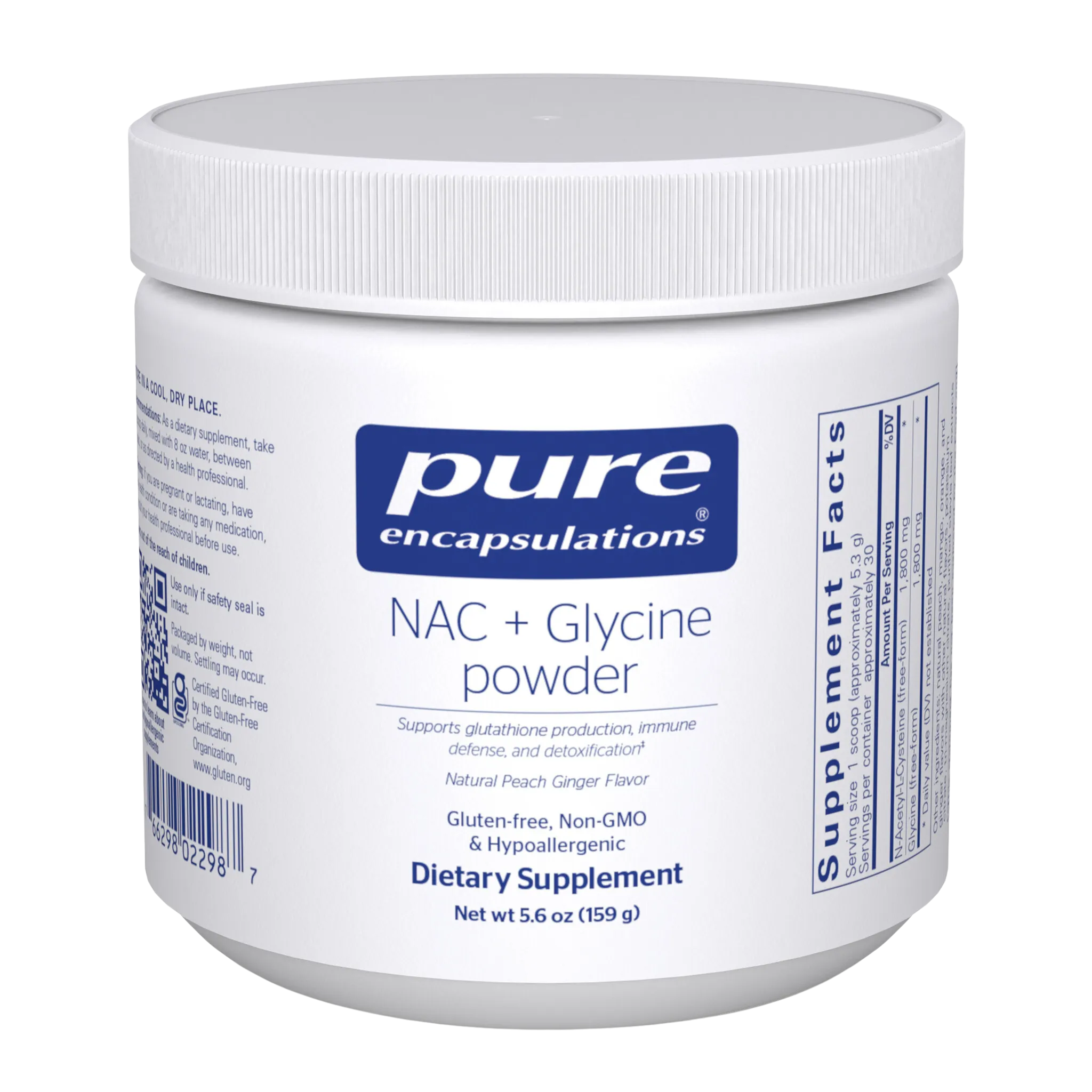
Instead, a cautious 'low and slow' approach is strongly advised by neuro-immune specialists. Many patients begin with a standard, moderate supplemental dose, such as the 1.8 grams of NAC and 1.8 grams of glycine provided in a single scoop of NAC+ Glycine Powder. To optimize intestinal absorption and minimize direct competition with other dietary amino acids for transport across the gut lining, it is generally best taken mixed with 8 ounces of water on an empty stomach or between meals. If mild gastrointestinal discomfort occurs, dividing the total daily dose into smaller morning and afternoon portions can significantly improve tolerability while maintaining steady plasma levels.
Potential Side Effects and the Histamine Paradox
GlyNAC is generally considered highly safe and well-tolerated by the general population, with the most common side effects being mild and transient gastrointestinal disturbances such as nausea, upset stomach, dyspepsia, or diarrhea. However, patients diagnosed with Mast Cell Activation Syndrome (MCAS) or severe histamine intolerance must carefully navigate what functional medicine practitioners call the 'histamine paradox.' While NAC is a widely recognized mast cell stabilizer that effectively reduces ROS-triggered degranulation, it is also fundamentally a sulfur-containing amino acid derivative. In a specific subset of highly sensitive individuals, sulfur compounds can act as potent histamine liberators, potentially triggering a symptom flare rather than calming the immune response.
Because of this highly individualized and unpredictable immunological response, patients with severe, highly reactive MCAS should introduce NAC with extreme caution and patience. It is absolutely crucial to work alongside a knowledgeable healthcare provider who deeply understands the nuances of mast cell disorders and can monitor your physiological response. Starting with a micro-dose—sometimes just a fraction of a standard scoop—and slowly titrating up over weeks allows you to safely assess your personal tolerance to sulfur donors. This careful approach helps you strive to achieve the profound, long-term mast cell stabilizing benefits of increased intracellular glutathione without triggering unnecessary acute flares.
Drug Interactions and Contraindications
While naturally occurring and generally safe, NAC can interact powerfully with certain pharmaceutical medications, making medical supervision essential before starting supplementation. The most severe and potentially dangerous interaction occurs with nitroglycerin and other nitrate-based blood pressure or angina medications. Concomitant administration of NAC and nitroglycerin can cause extreme, rapid vasodilation, leading to dangerously low blood pressure (severe hypotension) and debilitating headaches. Anyone currently taking nitrate medications must strictly avoid NAC supplementation unless explicitly directed and closely monitored by a board-certified cardiologist.
Additionally, NAC possesses mild but documented anticoagulant and platelet-inhibiting properties, meaning it can slightly thin the blood. Taking it alongside prescription blood thinners such as Warfarin, Clopidogrel, or even daily over-the-counter aspirin can increase the risk of bruising and prolonged bleeding. For this reason, it is universally recommended by surgeons to completely discontinue NAC supplementation at least two full weeks prior to any scheduled elective surgeries or dental procedures. Finally, if you are currently utilizing activated charcoal for targeted detoxification protocols, be aware that the charcoal will aggressively bind to NAC in the digestive tract, completely preventing its absorption and rendering the supplement ineffective.
Follow the Science: Clinical Evidence for GlyNAC
The Landmark Baylor College of Medicine Trials
The profound clinical efficacy of GlyNAC has been heavily validated by a series of rigorous, landmark trials conducted by Dr. Rajagopal Sekhar and his dedicated research team at Baylor College of Medicine. A pivotal 2023 randomized, double-blind, placebo-controlled clinical trial published in the prestigious Journals of Gerontology meticulously investigated the effects of GlyNAC supplementation in older adults suffering from severe glutathione deficiency and documented mitochondrial dysfunction. The biochemical results were nothing short of striking: after just 16 weeks of targeted supplementation, intracellular glutathione concentrations in the older cohort skyrocketed by an astonishing 164%, successfully and completely correcting the cellular deficiency to match levels typically found in healthy young adults in their twenties.
Beyond simply changing numbers on a biomarker lab report, this fundamental restoration of redox balance translated into profound, measurable physical improvements for the participants. Those taking GlyNAC experienced a massive 78% reduction in the inflammatory cytokine IL-6, significant, quantifiable improvements in gait speed, grip strength, and overall exercise capacity, and a documented reversal of multiple core hallmarks of aging, including cellular senescence, genomic damage, and insulin resistance. These robust findings provide a rock-solid mechanistic foundation for exactly why GlyNAC is proving so effective at combating the deep, cellular-level mitochondrial exhaustion seen in post-viral syndromes like Long COVID and ME/CFS.
Reversing Brain Oxidative Stress in Post-Viral Syndromes
The targeted neurological applications of NAC and glycine are increasingly supported by advanced, high-resolution imaging studies. A study investigating post-acute sequelae of COVID-19 (PASC) utilized advanced magnetic resonance spectroscopy (MRS) neuro-imaging to directly measure brain chemistry in Long COVID patients suffering from cognitive dysfunction. The researchers documented significantly lower frontal gray matter glutathione levels compared to healthy controls, directly linking this localized, severe oxidative stress to the clinical presentation of brain fog and memory loss.
Emerging Protocols for Dysautonomia and POTS
As the medical community's understanding of what drugs are used for COVID long haulers rapidly evolves, NAC is frequently being incorporated into cutting-edge, multi-disciplinary treatment protocols. Researchers and clinicians at Yale University have pioneered highly successful protocols combining NAC (typically 600 mg daily) with neuro-modulating medications like Guanfacine. This specific combination is designed to aggressively target the neuroinflammation and sympathetic nervous system overactivity that drives dysautonomia and POTS. By reducing the oxidative burden on the brainstem and prefrontal cortex, this combination therapy has shown remarkable, life-changing success in improving orthostatic tolerance, reducing tachycardia, and restoring cognitive stamina in severely affected patients.
Furthermore, a recent 2024 study highlighted the critical role of CD8 T-cell dysfunction in both ME/CFS and Long COVID, noting that these immune cells produce markedly less necessary cytokines when exhausted by oxidative stress. The research demonstrated that treating these patients with a nebulized, multi-ingredient antioxidant agent containing NAC led to parallel increases in healthy T-cell cytokine production and a highly significant mean 54% reduction in self-reported symptom severity over several months. As rigorous clinical trials continue to unfold, the foundational role of GlyNAC in repairing endothelial damage, supporting exhausted immune function, and restoring cellular energy remains a primary focal point of chronic illness research and recovery strategies.
The Path Forward
Integrating GlyNAC into Your Management Strategy
Living with a complex, invisible chronic condition often feels like navigating a dark maze without a map. The profound, crushing exhaustion, the unpredictable and terrifying symptom flares, and the isolating cognitive fog are not just 'in your head' or a sign of deconditioning—they are the very real, measurable manifestations of a body locked in a severe state of cellular energy depletion and systemic oxidative stress. Understanding the deep biochemical mechanisms behind your symptoms is a powerful, validating step toward reclaiming your quality of life. By providing your cells with the foundational amino acid building blocks they desperately need to restore their master antioxidant defenses, you are actively supporting your body's innate ability to heal, repair, and generate energy at the deepest mitochondrial level.
However, it is critically important to remember that there is no single miracle cure or quick fix for complex neuroimmune conditions like Long COVID, ME/CFS, or dysautonomia. Supplements like GlyNAC are most effective when they are thoughtfully integrated into a comprehensive, holistic, and patient-centered management strategy. This includes practicing rigorous, disciplined pacing to avoid triggering post-exertional malaise, maintaining detailed symptom tracking to identify your unique environmental and dietary triggers, and fiercely prioritizing restorative rest. As you continue to explore how long does Long COVID last and discover what specific treatments work best for your unique biology, radical patience and self-compassion are your most vital and necessary tools.
A Collaborative Approach to Healing
Because chronic illnesses are highly individualized and often involve multiple overlapping system dysfunctions, your treatment approach must be highly personalized as well. Before introducing any new supplement into your routine, especially one that profoundly influences hepatic detoxification pathways, mast cell stability, and neurotransmitter balance like NAC and glycine, it is absolutely essential to consult with a healthcare provider who truly understands the complexities and nuances of neuroimmune conditions. A knowledgeable practitioner can help you navigate potential drug interactions, determine the safest and most optimal starting dose for your sensitive system, and monitor your clinical progress safely over time.