Can N-Acetyl Cysteine (NAC) Support Immune and Respiratory Health in Long COVID and ME/CFS?
March 6, 2026
N-Acetyl CysteineLong COVIDME/CFS
Share:
Disclaimer: The information provided here is for educational purposes only and is not intended as medical advice. It should not be used to diagnose, treat, cure, or prevent any medical condition. Instead, use it as a starting point for discussion with your healthcare provider. Always consult with a qualified healthcare provider before starting any new medication, supplement, device, or making changes to your health regimen.
Months or even years after an initial viral infection, many individuals find themselves battling a complex web of debilitating symptoms. If you are living with Long COVID, myalgic encephalomyelitis/chronic fatigue syndrome (ME/CFS), or dysautonomia, you know firsthand how frustrating it is to navigate a medical system that often lacks clear answers. The profound fatigue, unpredictable brain fog, and persistent respiratory issues are not just "in your head"—they are the result of measurable physiological disruptions, including severe oxidative stress, immune dysregulation, and cellular exhaustion. Finding validating, science-backed strategies to manage these symptoms is a critical step toward reclaiming your quality of life.
One therapeutic compound that has garnered significant attention in both clinical settings and recent medical research is N-Acetyl Cysteine (NAC). Long utilized in conventional medicine as a powerful mucolytic agent and an antidote for specific toxicities, NAC is now being heavily researched for its potential to support patients with complex chronic illnesses. By acting as a direct precursor to the body's master antioxidant, glutathione, NAC offers a multifaceted approach to cellular repair. In this comprehensive guide, we will explore the intricate biochemical mechanisms of NAC, examine how chronic illness depletes your natural antioxidant reserves, and review the latest clinical data on how this versatile amino acid may help support your immune, respiratory, and neurological health.
What is N-Acetyl Cysteine (NAC)?
The Precursor to the Master Antioxidant
To understand the profound impact of N-Acetyl Cysteine (NAC), we must first look at its primary role within the human body: serving as the critical building block for glutathione (GSH). Glutathione is widely considered the body's "master antioxidant," a vital tripeptide molecule composed of three amino acids: glutamate, glycine, and L-cysteine. In a healthy cellular environment, glutathione acts as the primary defense mechanism against oxidative damage, neutralizing harmful free radicals and protecting delicate cellular structures like mitochondria and DNA. Maintaining robust glutathione levels is absolutely essential for the optimal functioning of the immune, hepatic (liver), and respiratory systems.
However, the synthesis of glutathione is tightly regulated by a biochemical bottleneck. Among its three constituent amino acids, L-cysteine is found in the lowest concentrations inside our cells. Because of this scarcity, L-cysteine is the strict rate-limiting substrate for de novo (new) glutathione production. The cellular machinery—specifically an enzyme called glutamate-cysteine ligase (GCL)—cannot manufacture glutathione faster than the available supply of L-cysteine allows. When the body faces severe physiological stress, viral infections, or chronic inflammation, the demand for glutathione skyrockets, rapidly depleting the available L-cysteine and leaving cells vulnerable to oxidative damage and subsequent dysfunction.
Intracellular Deacetylation and Thiol Exchange
You might wonder why we cannot simply supplement with plain L-cysteine to overcome this bottleneck. The challenge lies in biochemistry: free L-cysteine is highly unstable, easily oxidized in the digestive tract, and can even be toxic at high doses. This is where N-Acetyl Cysteine proves its clinical value. NAC is a synthetic, acetylated derivative of L-cysteine that acts as a highly stable, membrane-permeable delivery vehicle. Once ingested, NAC easily crosses cellular membranes. Once safely inside the cell, enzymes strip away the acetyl group (a process called deacetylation), liberating pure L-cysteine exactly where the GCL enzyme needs it to pump out fresh glutathione.
Beyond direct intracellular delivery, NAC also operates through a fascinating mechanism known as "thiol exchange." In the bloodstream, much of our natural cysteine is bound up in an oxidized, unusable form called cystine. The NAC molecule contains a highly reactive free sulfhydryl (thiol or -SH) group. When NAC circulates in the plasma, this thiol group interacts with oxidized cystine, breaking it apart and releasing free, usable cysteine into the blood. This indirect mechanism ensures that even if only a small percentage of intact NAC reaches the systemic circulation, it still profoundly amplifies the amount of raw material available for cells to rebuild their glutathione reserves.
Direct Free Radical Scavenging and Mucolytic Action
While fueling glutathione synthesis is its most famous role, NAC does not solely rely on this pathway to protect the body. The same free thiol (-SH) group that enables thiol exchange also allows NAC to act as a direct, localized antioxidant. NAC can directly donate electrons to neutralize highly destructive reactive oxygen species (ROS) and reactive nitrogen species (RNS), such as hydrogen peroxide and hydroxyl radicals. This direct scavenging action provides immediate cellular protection while the slower process of glutathione biosynthesis ramps up, offering a two-pronged defense against the oxidative stress that characterizes many complex chronic conditions.
Furthermore, NAC possesses potent, clinically proven mucolytic properties—meaning it breaks down thick, stubborn mucus. In the respiratory tract, mucus can become highly viscous and difficult to clear due to the formation of strong disulfide bonds between mucin proteins. NAC's reducing power allows it to literally cleave these extracellular disulfide bonds, dismantling the structural cross-links within the mucus. This drastically reduces mucus viscosity, allowing the respiratory system to clear congestion more effectively. This mechanism is why NAC has been utilized for decades in pulmonology to support patients with chronic respiratory conditions, and why it is increasingly relevant for those managing lingering respiratory symptoms post-infection.
How Long COVID and ME/CFS Impact Cellular Health
The Burden of Chronic Oxidative Stress
To comprehend why supplements like NAC are frequently discussed in the context of complex chronic illnesses, we must examine the underlying pathophysiology of these conditions. Whether you are dealing with Long COVID, ME/CFS, or related dysautonomias, a common denominator is the presence of severe, unrelenting oxidative stress. When the body encounters a severe stressor—such as the initial SARS-CoV-2 infection or the reactivation of latent viruses like Epstein-Barr Virus (EBV)—the immune system launches a massive inflammatory response. While necessary for fighting acute infection, this response generates vast quantities of reactive oxygen species (ROS). As explored in research on how Long COVID triggers ME/CFS, if the immune system fails to return to a baseline state of rest, this acute oxidative burst transforms into chronic oxidative stress.
This chronic oxidative stress wreaks havoc on cellular function, particularly within the mitochondria—the energy-producing powerhouses of our cells. Recent studies highlight that mitochondrial dysfunction is a unifying mechanism in both Long COVID and ME/CFS. The excessive ROS damage mitochondrial membranes and disrupt the electron transport chain, severely impairing the production of adenosine triphosphate (ATP), our cellular energy currency. As mitochondrial efficiency plummets, the cells produce even more ROS as a toxic byproduct, creating a vicious, self-perpetuating cycle of energy depletion and cellular damage. This profound bioenergetic failure is a primary driver of the debilitating fatigue and post-exertional malaise (PEM) that patients experience daily.
Endothelial Dysfunction and Micro-Clotting
Beyond the mitochondria, chronic oxidative stress heavily impacts the vascular system, leading to endothelial dysfunction. The endothelium is the delicate inner lining of our blood vessels, responsible for regulating blood flow, blood pressure, and coagulation. In conditions like Long COVID, the persistent presence of viral proteins (like the spike protein) and chronic inflammation continuously irritate the endothelium. This irritation impairs the production of nitric oxide—a crucial molecule for blood vessel dilation—and shifts the vascular environment into a pro-thrombotic (clot-promoting) state. Understanding this vascular damage is a key component of what causes Long COVID.
One of the most significant consequences of this endothelial damage is the abnormal accumulation of von Willebrand factor (vWF), a large protein involved in blood clotting. Under chronic inflammatory conditions, vWF forms massive, hyper-reactive multimers that trap platelets and fibrin, creating microscopic blood clots, or "microclots." These microclots can stubbornly persist in the capillaries, blocking the delivery of oxygen and vital nutrients to tissues throughout the body, including the brain and muscles. This widespread microvascular starvation exacerbates the deep tissue fatigue, muscle pain, and cognitive impairments frequently reported by patients.
Neuroinflammation and Immune Dysregulation
The impacts of oxidative stress and vascular dysfunction inevitably extend to the central nervous system. The brain is highly metabolically active and exceptionally vulnerable to oxidative damage. When systemic inflammation compromises the blood-brain barrier, inflammatory cytokines and ROS infiltrate the brain, triggering the activation of microglia—the brain's resident immune cells. Once activated, microglia release their own inflammatory mediators, leading to chronic neuroinflammation. This state of neuroinflammation disrupts neurotransmitter balance, particularly the regulation of glutamate, an excitatory neurotransmitter. As discussed in literature regarding autoimmunity and immune dysregulation in Long COVID, this neuro-immune crosstalk is a primary driver of the cognitive dysfunction, memory issues, and sensory overload commonly referred to as "brain fog."
Simultaneously, the systemic depletion of glutathione leaves the immune system severely compromised. Immune cells, particularly T-cells and natural killer (NK) cells, require optimal intracellular glutathione levels to function correctly and mount appropriate responses to pathogens. Research identifying CD8 T-cell dysfunction in ME/CFS and Long COVID suggests that this oxidative exhaustion prevents the immune system from clearing lingering viral debris or managing latent viral reactivations. The result is a state of chronic immune activation coupled with functional immune exhaustion, leaving the patient trapped in a cycle of persistent symptoms and heightened vulnerability to physiological stressors.
N-Acetyl Cysteine: Supporting Detoxification and Immune Function
Restoring Intracellular Glutathione and Redox Balance
The therapeutic potential of N-Acetyl Cysteine in managing complex chronic illnesses lies in its ability to directly intervene in the vicious cycles of oxidative stress and cellular dysfunction. By serving as a highly efficient delivery system for L-cysteine, NAC rapidly replenishes the intracellular stores of glutathione. Clinical studies have demonstrated that targeted supplementation with NAC (often alongside glycine) can fully correct intracellular glutathione deficiencies, significantly reducing markers of oxidative lipid damage. By restoring this "master antioxidant," NAC helps neutralize the overwhelming burden of reactive oxygen species (ROS) that damage mitochondria and drive chronic fatigue.
Interestingly, NAC exhibits what researchers call a "ceiling effect." If a healthy cell already possesses optimal levels of glutathione, introducing NAC will not push those levels significantly higher, as the biosynthetic pathway is governed by a negative feedback loop. However, in the context of Long COVID or ME/CFS—where cells are actively depleted of glutathione and drowning in oxidative stress—NAC acts as a crucial rescue molecule. It provides the exact raw materials needed to reboot the cellular antioxidant defense system, allowing mitochondria to repair their membranes, stabilize the electron transport chain, and resume more efficient ATP energy production.
Beyond simply neutralizing free radicals, restoring the cellular redox balance with NAC has profound anti-inflammatory downstream effects. Chronic oxidative stress acts as a trigger for intracellular inflammatory signaling pathways, most notably the nuclear factor kappa-B (NF-κB) pathway and the NLRP3 inflammasome. When these pathways are activated, the cell pumps out pro-inflammatory cytokines like IL-6 and TNF-alpha. By quenching the oxidative stress at the source, NAC helps inhibit the activation of NF-κB, effectively turning down the volume on systemic inflammation and supporting a more normalized, regulated immune response.
Breaking Down Micro-Clots and Supporting Vascular Health
One of the most exciting areas of recent research regarding NAC involves its potential impact on endothelial dysfunction and micro-clotting. As previously discussed, Long COVID is often characterized by the abnormal accumulation of large von Willebrand factor (vWF) multimers, which drive the formation of persistent microclots. Similar to how NAC breaks down the disulfide bonds in respiratory mucus, it also possesses the biochemical ability to cleave the disulfide bonds that hold these massive vWF multimers together. By dismantling these structural cross-links, NAC acts as a gentle, targeted thrombolytic agent.
Oral administration of NAC may lead to the normalization of vWF levels in patients with Long COVID. By breaking down these microthrombi, NAC helps restore proper microvascular blood flow. This improved circulation means that oxygen and essential nutrients can once again reach the oxygen-starved tissues in the muscles and brain. For patients, this restoration of capillary perfusion may translate to a reduction in deep tissue muscle pain, improved exercise tolerance, and an alleviation of the suffocating fatigue that characterizes tissue hypoxia. This vascular support makes NAC a compelling companion to other therapies discussed in our guide on A.I. Enzymes and microclots.
Modulating Neuroinflammation and Cognitive Function
The benefits of NAC also extend past the blood-brain barrier, offering targeted support for the central nervous system. In the brain, NAC modulates the exchange of glutamate, a critical excitatory neurotransmitter. In states of chronic neuroinflammation, excess glutamate accumulates outside the cells, leading to excitotoxicity—a process that overstimulates and damages neurons. NAC helps drive glutamate back into the cells in exchange for cystine, normalizing the extracellular glutamate levels. This mechanism is heavily researched in neuropsychiatry and is detailed in studies exploring the CNS modulatory activities of NAC.
By regulating glutamate homeostasis and simultaneously boosting brain glutathione levels, NAC directly combats the neuroinflammation driven by microglial activation. Protecting the brain from excitotoxicity and oxidative damage is crucial for resolving the cognitive impairments associated with chronic illness. Patients utilizing NAC often report a gradual "lifting" of brain fog, improved focus, and a reduction in the sensory overload and neuro-fatigue that can make daily tasks feel insurmountable. This neuroprotective role highlights NAC's versatility as a multi-system therapeutic agent.

Symptoms N-Acetyl Cysteine May Help Manage
Because N-Acetyl Cysteine operates at the foundational level of cellular redox balance and glutathione synthesis, its benefits can ripple across multiple bodily systems. While individual responses vary, clinical research and patient reports suggest NAC may help manage the following symptoms:
Respiratory Congestion and Shortness of Breath: By cleaving the disulfide bonds in mucin proteins, NAC acts as a powerful mucolytic, thinning thick mucus and making it easier to clear from the airways. This supports overall respiratory health and can alleviate the lingering chest tightness and dyspnea often seen post-infection.
Debilitating Fatigue and Post-Exertional Malaise (PEM): By replenishing intracellular glutathione, NAC protects mitochondria from oxidative damage. This supports more efficient ATP energy production and helps mitigate the severe cellular energy crashes that define PEM.
Cognitive Impairment (Brain Fog): NAC crosses the blood-brain barrier to modulate glutamate levels and reduce neuroinflammation. This protection against excitotoxicity can help improve focus, memory, and mental clarity.
Muscle Pain and Poor Circulation: Through its ability to break down von Willebrand factor (vWF) multimers, NAC helps dissolve microclots and restore healthy microvascular blood flow, delivering much-needed oxygen to starved muscle tissues.
Systemic Inflammation and Immune Dysregulation: By inhibiting inflammatory pathways like NF-κB, NAC helps calm a hyperactive immune response, supporting a more balanced immune system and reducing widespread inflammatory symptoms like joint pain.
Practical Considerations: Forms, Dosing, and Absorption
Bioavailability and the Thiol Exchange Mechanism
When considering NAC supplementation, it is important to understand its pharmacokinetics. Oral NAC has a relatively low absolute bioavailability, often cited between 4% and 10%. This is because it undergoes extensive "first-pass metabolism" in the gut and liver, where much of it is rapidly utilized or altered before reaching systemic circulation. However, this low bioavailability does not mean the supplement is ineffective. As discussed earlier, the intact NAC that does reach the bloodstream engages in robust "thiol exchange" reactions.
Even at low plasma concentrations, the highly reactive thiol group on the NAC molecule breaks down oxidized cystine circulating in the blood, liberating free L-cysteine. This free cysteine is then eagerly absorbed by cells throughout the body to fuel their own glutathione production. Therefore, the clinical efficacy of oral NAC is driven less by the sheer volume of intact NAC reaching the tissues, and more by its ability to act as a catalyst, unlocking the body's existing reserves of oxidized amino acids and shifting the systemic environment toward a restorative, antioxidant state.
Dosing Strategies and Optimal Timing
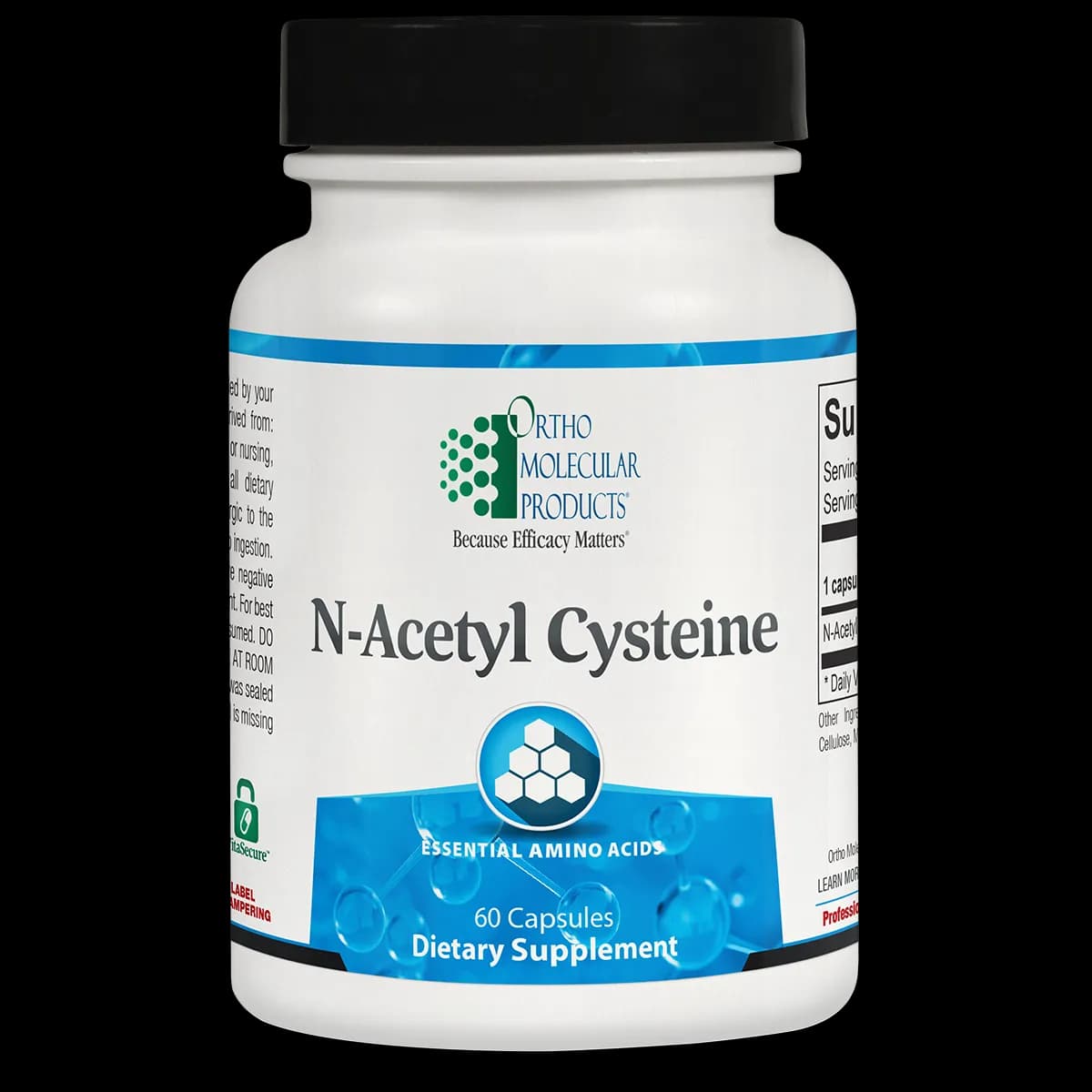
In clinical trials and functional medicine protocols, the dosing of NAC typically ranges from 500 mg to 1,200 mg per day, often divided into two doses to maintain consistent plasma levels. The ortho molecular N-Acetyl Cysteine formulation provides a convenient 500 mg per capsule, allowing for flexible, customized dosing based on your healthcare provider's recommendations. Because NAC has a relatively short half-life in the body (roughly 5 to 6 hours), splitting the dose (e.g., one capsule in the morning and one in the evening) can help provide sustained antioxidant support throughout the day.
Regarding timing and absorption, NAC can generally be taken with or without food. However, because it is an amino acid derivative, some practitioners recommend taking it on an empty stomach (or at least away from heavy, protein-rich meals) to prevent it from competing with other dietary amino acids for absorption in the intestinal tract. If taking it on an empty stomach causes mild gastrointestinal discomfort, it is perfectly acceptable to take it with a small carbohydrate snack to improve tolerability without significantly hindering absorption.
Safety Profile and Potential Interactions
N-Acetyl Cysteine is widely considered safe and has been utilized in medical settings for decades. It is generally well-tolerated, with the most common side effects being mild gastrointestinal issues such as nausea, diarrhea, or an upset stomach, particularly at higher doses. Because NAC contains sulfur (which gives it its characteristic, slightly pungent odor), some individuals may experience mild sulfur-tasting burps. Staying well-hydrated can help mitigate these minor digestive complaints and further support the mucolytic and detoxification pathways NAC stimulates.
However, there are important contraindications to be aware of. NAC should not be taken in conjunction with nitroglycerin or related nitrate medications used for angina or heart conditions. The combination of NAC and nitroglycerin can cause a dangerous drop in blood pressure (severe hypotension) and severe headaches. Additionally, because NAC can have mild blood-thinning properties due to its effect on platelets and microclots, individuals taking prescription anticoagulants or those with bleeding disorders should consult their physician before initiating supplementation. Always discuss new supplements with your healthcare provider to ensure they fit safely into your comprehensive care plan.

Follow the Science
Long-Term Respiratory Recovery Trials
The scientific community has increasingly focused on NAC as a therapeutic agent for post-viral syndromes. In a notable double-blind, randomized, placebo-controlled trial published in late 2024, researchers evaluated the effects of long-term NAC treatment on the recovery of post-COVID patients. The treatment group received 600 mg of oral NAC twice daily (1,200 mg/day) for six months. The study utilized the St. George’s Respiratory Questionnaire (SGRQ) to measure patient-reported outcomes over time.
The results demonstrated that the patients receiving the NAC treatment experienced a significantly accelerated reduction in their total SGRQ scores compared to the placebo group. The researchers concluded that long-term oral NAC directly maintained a favorable redox environment, mitigated chronic inflammatory damage in the lungs, and substantially accelerated the functional restoration of the respiratory system. This robust clinical data underscores NAC's utility not just for acute congestion, but for long-term tissue repair.
The Yale Protocol for Cognitive Function
Beyond respiratory health, NAC has shown remarkable promise in addressing the neurological sequelae of chronic illness. A highly publicized clinical protocol developed by neuropsychiatrists at Yale University investigated treatments for patients suffering from severe post-COVID executive function impairments and memory loss. The protocol utilized a combination of 600 mg of daily NAC alongside Guanfacine (an FDA-approved medication that strengthens prefrontal cortical circuits).
The clinical evaluations revealed that a significant majority of the treated patients reported substantial, life-changing benefits, including the complete resolution of brain fog and the ability to return to normal daily activities. The researchers specifically selected NAC for its well-documented ability to reduce neuroinflammation and modulate glutamate levels, highlighting its critical role in protecting the brain from post-viral immune dysregulation. Furthermore, reviews on ME/CFS and Long COVID complexities consistently point to redressing glutathione deficits as a primary therapeutic target for resolving neurocognitive symptoms.
The Path Forward
A Comprehensive Approach to Healing
Living with a complex chronic condition like Long COVID, ME/CFS, or dysautonomia is an exhausting journey that requires immense resilience. It is entirely valid to feel overwhelmed by the sheer multitude of symptoms and the slow pace of recovery. While no single supplement is a miraculous cure, understanding the underlying mechanisms of your symptoms—such as oxidative stress, glutathione depletion, and micro-clotting—empowers you to make targeted, science-backed decisions about your health. N-Acetyl Cysteine offers a clinically grounded way to support your body's natural detoxification pathways, neutralize cellular damage, and promote respiratory and immune resilience.
It is important to remember that supplements like NAC are most effective when integrated into a comprehensive, holistic management strategy. Pacing to avoid post-exertional malaise, meticulous symptom tracking to identify triggers, prioritizing restorative rest, and working closely with a knowledgeable healthcare team are all essential components of the healing process. By addressing the physiological root causes of your symptoms with targeted nutritional support, you can gradually rebuild your cellular energy and take meaningful steps toward improving your daily quality of life.
Disclaimer: The information provided in this blog is for educational purposes only and is not intended as medical advice. Always consult with your healthcare provider before starting any new supplement, especially if you are taking prescription medications like nitroglycerin or anticoagulants, or if you have underlying health conditions.
Sources
The Central Nervous System Modulatory Activities of N-Acetylcysteine (MDPI)
Supplementing Glycine and N-Acetylcysteine (GlyNAC) in Older Adults (ResearchGate)
N-acetylcysteine: A Review of Clinical Use and Efficacy (Nutritional Medicine Institute)
Oxidative stress is a shared characteristic of ME/CFS and Long COVID (PubMed)
Novel biomarkers of mitochondrial dysfunction in Long COVID patients (PubMed)