Can MyoStim™ Help Combat Muscle Weakness and PEM in Long COVID and ME/CFS?
March 6, 2026
MyoStimLong COVIDME/CFS
Share:
Disclaimer: The information provided here is for educational purposes only and is not intended as medical advice. It should not be used to diagnose, treat, cure, or prevent any medical condition. Instead, use it as a starting point for discussion with your healthcare provider. Always consult with a qualified healthcare provider before starting any new medication, supplement, device, or making changes to your health regimen.
For many individuals living with Long COVID, Myalgic Encephalomyelitis/Chronic Fatigue Syndrome (ME/CFS), or dysautonomia, the physical sensation of muscle weakness is profound and entirely distinct from normal, everyday tiredness. Patients frequently describe this symptom as feeling like their limbs are filled with lead, or as if their muscles have simply run out of battery power after performing the most mundane daily tasks. This debilitating physical exhaustion is often compounded by post-exertional malaise (PEM), a hallmark symptom where even minor physical or cognitive exertion triggers a disproportionate and severe relapse of systemic symptoms. For years, patients have been frustrated by a lack of medical answers, often being told that their muscle weakness is simply the result of "deconditioning" from prolonged bed rest. However, emerging clinical research is finally validating the patient experience, proving that there are deep, intrinsic biochemical abnormalities occurring within the skeletal muscle tissue of those suffering from complex chronic illnesses.
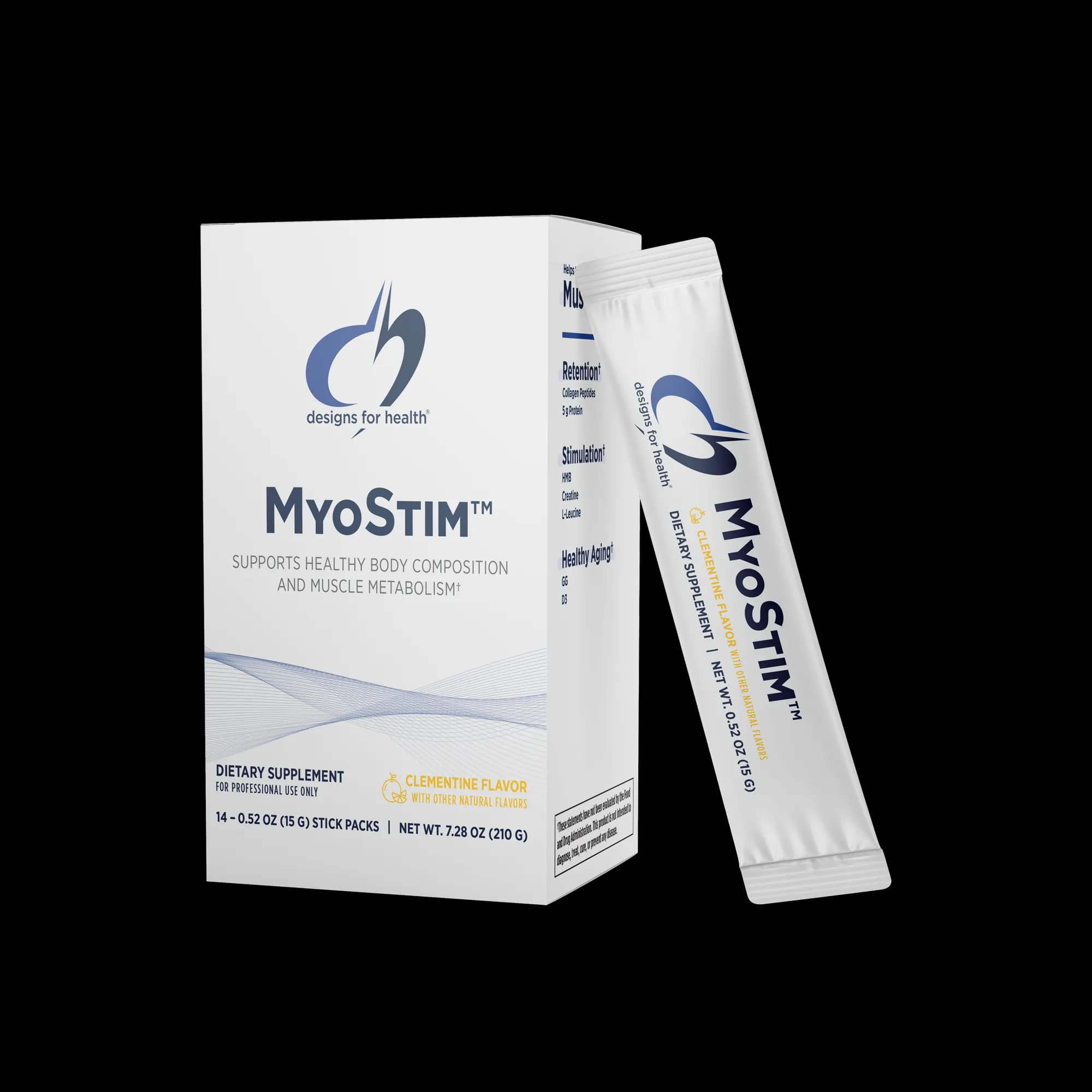
Addressing this profound muscular and metabolic dysfunction requires a targeted, science-backed approach that goes far beyond standard protein supplementation. This is where specialized nutritional interventions come into play. MyoStim™ by Designs for Health is a comprehensive, clinically formulated supplement designed to support muscle tissue preservation, enhance mitochondrial energy production, and promote healthy aging. By combining highly researched compounds like beta-hydroxy beta-methylbutyrate (HMB), geranylgeraniol (GG), creatine monohydrate, and bioactive collagen peptides, MyoStim™ addresses multiple overlapping pathways involved in muscle maintenance. In this comprehensive guide, we will explore the intricate molecular mechanisms behind these ingredients, how chronic illness disrupts muscle function, and how targeted supplementation may help you manage debilitating symptoms and improve your overall quality of life.
What is MyoStim™?
To understand how MyoStim™ functions within the body, it is essential to first understand the natural biological processes that govern muscle health. In a healthy body, skeletal muscle tissue is in a constant state of turnover, balancing between muscle protein synthesis (the creation of new muscle tissue) and muscle protein breakdown (the degradation of old or damaged tissue). This delicate equilibrium is heavily influenced by physical activity, nutritional intake, hormonal signals, and cellular energy availability. When the body experiences chronic stress, systemic inflammation, or viral infection, this balance is violently disrupted, leading to a catabolic state where muscle breakdown rapidly outpaces muscle synthesis. MyoStim™ is specifically formulated to intervene in this exact physiological crisis by providing the precise molecular substrates needed to halt catabolism and restart the anabolic building process.
At its core, MyoStim™ provides a robust foundation of structural components, most notably 5 grams of bioactive collagen peptides. Collagen is the most abundant protein in the human body, serving as the primary structural scaffolding for the extracellular matrix (ECM), tendons, ligaments, and the connective tissue that encases muscle fibers. While traditional whey or plant proteins provide the broad spectrum of amino acids needed for general biological function, specific collagen peptides are uniquely rich in glycine, proline, and hydroxyproline. These specific amino acids are critical for repairing the micro-tears in intramuscular connective tissue that occur during daily movement or physical therapy. By reinforcing the structural integrity of the muscle's surrounding fascia, collagen peptides ensure that muscle fibers have the stable environment they need to contract efficiently and grow without excessive damage.
What truly separates MyoStim™ from standard protein powders is its inclusion of highly specialized metabolic regulators, primarily Calcium β-Hydroxy-β-MethylButyrate Monohydrate (myHMB®) and L-Leucine. Leucine is an essential branched-chain amino acid (BCAA) that acts as the primary nutritional trigger for muscle protein synthesis. However, only about 5% of dietary leucine naturally converts into its highly active metabolite, HMB. Achieving functional, therapeutic levels of HMB through diet alone is virtually impossible, which is why clinical supplementation is necessary. HMB acts as a powerful signaling molecule within the muscle cell, directly communicating with the genetic pathways that control muscle growth and preservation.
The inclusion of Trans-Geranylgeraniol (GG-Gold®), extracted from the seeds of the South American annatto plant, adds another layer of profound metabolic regulation. GG is a naturally occurring isoprenoid compound that plays a fundamental role in human cellular biology, specifically within the mevalonate pathway. This ancient metabolic pathway is responsible for synthesizing crucial biological molecules, including Coenzyme Q10 (CoQ10), which is vital for mitochondrial energy production. By providing a direct source of GG, MyoStim™ supports the endogenous synthesis of CoQ10 at the cellular level, ensuring that the mitochondria—the powerhouses of the cells—have the necessary components to generate adenosine triphosphate (ATP), the primary energy currency of the body.
The true efficacy of MyoStim™ lies in the synergistic interaction of its carefully selected ingredients. For instance, the formula includes 3 grams of creatine monohydrate, one of the most extensively researched and clinically validated compounds in nutritional science. Creatine works intimately with the mitochondria to rapidly recycle ATP during periods of high cellular demand. When combined with the mitochondrial support provided by GG, creatine ensures a robust and sustained energy supply for muscle contractions, potentially delaying the onset of severe muscle fatigue. This dual-pronged approach to cellular bioenergetics is particularly relevant for individuals whose energy systems are compromised by chronic illness.
Furthermore, MyoStim™ incorporates 25 mcg of Vitamin D3 and 290 mg of Calcium to support neuromuscular function and bone health. Vitamin D3 is essential for the efficient absorption and utilization of calcium in the gut. Within the muscle cell, calcium ions act as the critical trigger that allows muscle fibers to slide past one another and create a physical contraction. Without adequate intracellular calcium regulation, muscles can become weak, prone to cramping, and easily fatigued. By combining these essential minerals and vitamins with structural collagen, metabolic HMB, and energy-producing creatine and GG, MyoStim™ offers a truly comprehensive suite of nutrients designed to protect and optimize the entire musculoskeletal system.
How Long COVID and ME/CFS Impact Muscle Function
For decades, patients with ME/CFS and, more recently, those with Long COVID, have been told that their profound muscle weakness and exercise intolerance were simply the result of deconditioning—a natural loss of fitness due to prolonged inactivity. However, groundbreaking research has completely dismantled this narrative. A landmark 2024 study from the Vrije Universiteit Amsterdam demonstrated that Long COVID patients exhibit severe, intrinsic skeletal muscle abnormalities that cannot be explained by bed rest alone. Researchers found that patients suffer from consistent impairments in mitochondrial respiration, meaning their cells are fundamentally unable to utilize oxygen to produce energy efficiently. This forces the muscles to rely on anaerobic (without oxygen) energy pathways much earlier than healthy individuals, leading to rapid and severe exhaustion.
Furthermore, muscle biopsies from these patients revealed a pathological shift in muscle fiber types. The body naturally contains a mix of slow-twitch (Type I) fibers for endurance and fast-twitch (Type II) fibers for quick, explosive movements. In Long COVID and ME/CFS, there is a distinct shift toward more highly glycolytic Type II fibers. Because these fibers rely heavily on glucose rather than oxygen, they produce large amounts of lactic acid as a byproduct. This explains why patients experience early lactate accumulation and intense muscle burning or heaviness even during minimal physical exertion, such as walking up a single flight of stairs or simply standing in the kitchen.
Post-exertional malaise (PEM) is perhaps the most defining and debilitating feature of ME/CFS and a significant subset of Long COVID cases. PEM is characterized by a rapid, severe worsening of systemic symptoms following physical, cognitive, or emotional exertion. Recent clinical investigations into the pathophysiology of PEM have shown that it involves acute, catastrophic declines in mitochondrial function and structural damage to the muscle tissue itself. When patients with PEM exceed their specific energy threshold, their muscles experience severe micro-damage and a massive influx of immune cells (macrophages and T-cells) attempting to clean up the cellular debris. This localized immune infiltration triggers a cascade of systemic inflammation that can leave a patient bedbound for days or weeks.
Additionally, researchers have identified severe endothelial pathology within the muscle tissue of these patients. The endothelium is the delicate inner lining of blood vessels. In Long COVID, there is evidence of capillary basal lamina thickening and the presence of persistent microclots. These vascular abnormalities restrict the flow of oxygen-rich blood to the working muscles, creating a state of localized hypoxia (oxygen starvation). When muscles are forced to contract without adequate oxygen, they sustain further metabolic damage, perpetuating a vicious cycle of fatigue, pain, and prolonged recovery times that defines the "crash" associated with PEM.
At the heart of this muscular dysfunction is a profound failure of the mitochondria. The mitochondria are responsible for executing the electron transport chain (ETC), a complex series of biochemical reactions that ultimately produce ATP. In vitro studies exposing healthy muscle tissue to sera from Long COVID and ME/CFS patients have shown that the circulating blood of these individuals actually induces mitochondrial hyperfusion and fragmentation. The mitochondria physically change shape, twisting into abnormal toroidal (donut-like) conformations as they attempt to survive the hostile, inflammatory environment. This structural collapse directly impairs their ability to generate ATP, leading to a severe cellular energy deficit.
This energy failure is further exacerbated by disturbances in intracellular calcium homeostasis. Calcium is tightly regulated within the muscle cell; it must be released to trigger a contraction and rapidly pumped back into storage to allow the muscle to relax. This pumping mechanism requires massive amounts of ATP. When ATP is depleted due to mitochondrial dysfunction, calcium remains elevated in the cellular fluid. This calcium overload causes persistent muscle tension, cramping, and oxidative stress, eventually forcing the mitochondrial permeability transition pore (MPTP) to open, which can trigger premature cell death (apoptosis). Understanding this deep, molecular pathophysiology is crucial for realizing why targeted nutritional interventions are necessary to support cellular recovery.
MyoStim™: Supporting Muscle Tissue and Energy Production
To combat the severe muscle catabolism seen in chronic illness, MyoStim™ utilizes the profound metabolic regulating power of HMB (beta-hydroxy beta-methylbutyrate). HMB operates through a unique, dual-action mechanism that simultaneously builds new tissue and shields existing tissue from destruction. First, HMB is a potent activator of the mechanistic target of rapamycin (mTOR) pathway, specifically the mTORC1 complex. The mTOR pathway is the master genetic switch that controls muscle protein synthesis. Interestingly, while its precursor leucine activates mTOR through a traditional cellular route, clinical research indicates that HMB stimulates mTORC1 activation through a completely independent cellular pathway. It increases the phosphorylation of downstream effector proteins like p70S6K, which directly initiates the translation of new skeletal muscle proteins, helping to rebuild tissue lost during prolonged periods of inactivity or illness.
Equally important for patients with Long COVID or ME/CFS is HMB's anti-catabolic function. During periods of physiological stress, chronic inflammation, or fasting, the body activates the ubiquitin-proteasome proteolytic pathway. This pathway essentially tags healthy muscle proteins with a molecule called ubiquitin, marking them for destruction and recycling by the cellular "garbage disposals" known as proteasomes. HMB exerts a powerful suppressive effect on this exact pathway, effectively halting the rapid breakdown of muscle tissue. By simultaneously turning on the building pathways and shutting off the destruction pathways, HMB helps preserve lean body mass even when physical exercise is severely limited by PEM.
The inclusion of Geranylgeraniol (GG) in MyoStim™ addresses the root cause of many cellular energy deficits. GG is an obligatory intermediate in the mevalonate pathway, a critical biological network responsible for synthesizing cholesterol and various essential isoprenoids. Crucially, GG is the direct molecular building block required for the endogenous synthesis of Coenzyme Q10 (CoQ10). CoQ10 is an indispensable electron carrier within the mitochondrial electron transport chain; without it, the mitochondria simply cannot produce ATP. By supplementing with GG, MyoStim™ provides the raw materials the body needs to naturally upregulate its own CoQ10 production, directly supporting the rescue of impaired mitochondrial respiration seen in post-viral fatigue syndromes.
Beyond CoQ10 synthesis, GG is absolutely vital for a cellular process known as protein geranylgeranylation. This post-translational modification attaches a lipid anchor to specific signaling proteins, allowing them to attach to cell membranes and function correctly. Landmark in vitro studies have demonstrated that when the mevalonate pathway is inhibited (such as by statin medications or chronic metabolic stress), muscle fibers rapidly atrophy and die due to a lack of geranylgeranylation. Replenishing GG actively reduces the expression of atrogin-1, a primary gene responsible for skeletal muscle atrophy, and promotes the differentiation of new muscle cells. This makes GG a profound therapeutic target for protecting skeletal muscle structure and function at the deepest molecular level.
Creatine monohydrate is widely recognized in the athletic world, but its role in clinical neuro-metabolic conditions is even more profound. Creatine functions as a critical energy buffer within the phosphocreatine (PCr) shuttle. When a muscle cell expends energy, it breaks down ATP into adenosine diphosphate (ADP). To continue functioning, the cell must rapidly recycle that ADP back into ATP. The enzyme creatine kinase takes a phosphate group from stored phosphocreatine and donates it to ADP, instantly regenerating ATP without the need for oxygen or glucose. For patients with mitochondrial dysfunction who cannot produce ATP efficiently through normal aerobic respiration, this creatine-driven energy shuttle becomes an absolute lifeline, preventing total cellular energy collapse during minor exertion.
Furthermore, creatine acts as a powerful intracellular buffer against lactic acid. As previously discussed, Long COVID and ME/CFS patients often rely heavily on anaerobic glycolysis, leading to early and severe lactic acid accumulation in the muscles. This acid buildup lowers the cellular pH, causing the intense burning sensation and rapid fatigue associated with PEM. Clinical research indicates that creatine supplementation helps absorb these excess hydrogen ions, stabilizing the cellular pH and protecting the muscle tissue from acid-induced damage. Additionally, creatine increases the levels of cardiolipin, a structural lipid that stabilizes the inner mitochondrial membrane, further protecting the delicate electron transport chain from oxidative stress.
The final pillar of MyoStim's mechanism of action is the inclusion of highly bioavailable collagen peptides. While often marketed purely for skin and joint health, specific bioactive collagen dipeptides (such as hydroxyprolyl-glycine) have a profound impact on skeletal muscle hypertrophy. When consumed, these peptides act as signaling molecules that bind to receptors on the surface of muscle cells, activating the PI3K/Akt/mTOR signaling cascade. This activation promotes myoblast differentiation, encouraging the formation of new, healthy muscle fibers to replace those damaged by chronic inflammation or viral insult.
Moreover, skeletal muscle relies heavily on its surrounding extracellular matrix (ECM) for structural integrity and the efficient transmission of force. When a muscle contracts, the force is transferred through the connective tissue fascia. If this fascia is weak or degraded due to prolonged inactivity or systemic inflammation, the muscle cannot function properly and is highly susceptible to micro-tears. Systematic reviews and meta-analyses have confirmed that supplementing with 15 grams of collagen peptides provides the direct molecular building blocks needed to remodel and reinforce this intramuscular connective tissue. By strengthening the ECM scaffolding, collagen peptides ensure that the muscle tissue remains resilient, adaptable, and capable of supporting daily physical demands without triggering excessive damage or inflammatory cascades.

Symptoms MyoStim™ May Help Manage
Because MyoStim™ targets multiple foundational pathways of muscle physiology and cellular energy production, it may help manage a variety of debilitating physical symptoms associated with complex chronic illnesses. Here are specific physical symptoms this formulation aims to support:
Profound Muscle Weakness and Heaviness: By supplying creatine to rapidly recycle ATP and GG to support endogenous CoQ10 production, MyoStim™ helps restore the cellular energy required for basic muscle contractions, potentially alleviating the sensation of "lead-like" limbs.
Age-Related or Illness-Induced Sarcopenia: The combination of HMB and L-leucine directly activates the mTOR pathway to stimulate muscle protein synthesis while blocking the ubiquitin-proteasome breakdown pathway, helping to preserve lean muscle mass during periods of prolonged inactivity or bed rest.
Post-Exertional Malaise (PEM) and Muscle Aches: Creatine acts as an intracellular buffer against the rapid accumulation of lactic acid, which is a primary driver of the intense muscle burning and prolonged aching experienced during and after minor physical exertion in Long COVID and ME/CFS patients.
Statin-Associated Muscle Symptoms (SAMS): For patients experiencing muscle pain or weakness due to statin medications, the inclusion of Geranylgeraniol (GG) directly replenishes the mevalonate pathway intermediates depleted by the drugs, addressing the root biochemical cause of statin-induced myopathy.
Beyond direct skeletal muscle support, the systemic metabolic regulators in MyoStim™ can have far-reaching effects on overall cellular health and systemic symptom management:
Severe Cellular Fatigue and Energy Crashes: By rescuing mitochondrial respiration and stabilizing the mitochondrial membrane with creatine and GG, the formula supports a more consistent, sustainable output of ATP, helping to mitigate the severe, unpredictable energy crashes that characterize post-viral fatigue syndromes.
Exercise Intolerance: The synergistic effect of reinforcing the extracellular matrix with collagen peptides and boosting the phosphocreatine energy shuttle may help raise the physiological threshold at which a patient experiences metabolic failure, potentially allowing for slightly improved tolerance to basic daily activities or gentle physical therapy.
Neuromuscular Dysfunction and Cramping: The inclusion of Vitamin D3 and highly bioavailable Calcium supports the delicate intracellular calcium homeostasis required for smooth, controlled muscle contractions, helping to reduce the frequency and severity of involuntary muscle spasms and cramps.
Practical Considerations: Forms, Dosing, and Absorption
When evaluating a complex nutritional supplement, it is crucial to look beyond the ingredient list and examine the specific dosages provided. MyoStim™ is formulated with clinically relevant amounts of its active compounds, meaning the doses align with those used in successful scientific trials. A single 27-gram scoop provides 5 grams of bioactive collagen peptides, which serves as a robust foundation for extracellular matrix remodeling. It also delivers 2 grams of Calcium β-Hydroxy-β-MethylButyrate Monohydrate (myHMB®) and 1 gram of L-Leucine. This specific ratio is designed to maximize the activation of the mTOR pathway while providing enough raw HMB to effectively suppress the ubiquitin-proteasome breakdown cycle, mirroring the protocols used in clinical sarcopenia research.
Furthermore, the formula includes 3 grams of creatine monohydrate, which is widely considered the optimal daily maintenance dose for saturating intramuscular phosphocreatine stores without causing the gastrointestinal distress sometimes associated with high-dose "loading" phases. The inclusion of 150 mg of Trans-Geranylgeraniol (GG-Gold®) is particularly notable, as this highly specialized isoprenoid is rarely found in standard muscle supplements. This precise dosage has been shown in emerging literature to be highly effective at replenishing mevalonate pathway intermediates and supporting endogenous CoQ10 synthesis without overwhelming the body's natural metabolic feedback loops.
To maximize the bioavailability and therapeutic impact of MyoStim™, proper timing and administration are key. The suggested use is to mix one scoop (approximately 27 grams) into 8 ounces of water per day. Because the formula contains highly soluble collagen peptides and creatine monohydrate, it dissolves relatively easily. However, to enhance the cellular uptake of creatine, some clinical evidence suggests that consuming it alongside a small amount of simple carbohydrates can be beneficial. The mild insulin response triggered by the carbohydrates helps actively transport the creatine across the muscle cell membrane, ensuring that it reaches the mitochondria where it is needed most.
Regarding timing, consistency is far more important than exact chronological precision. For individuals actively engaging in physical therapy or gentle movement protocols, consuming MyoStim™ within an hour after the activity may help capitalize on the body's natural post-exercise anabolic window, providing the HMB and collagen exactly when the muscles are primed for repair. For those who are currently bedbound or severely limited by PEM, taking the supplement at a consistent time each day (such as with a morning meal) ensures a steady, circulating supply of these critical metabolic regulators, helping to maintain a continuous anti-catabolic shield against muscle breakdown.
The ingredients in MyoStim™ have been extensively studied for their safety and tolerability across diverse clinical populations, including the elderly and those with severe chronic illnesses. Creatine monohydrate, for example, is one of the most rigorously tested supplements in the world, with the International Society of Sports Nutrition confirming its safety for long-term daily use. Some individuals may experience mild, transient water retention when first starting creatine, as it draws water into the muscle cells (a process that actually promotes cellular hydration and anabolism). HMB and collagen peptides are similarly well-tolerated, as they are natural metabolites and structural proteins that the body already processes daily.
While MyoStim™ is generally safe, it is imperative to discuss any new supplement with your healthcare provider, especially if you are managing a complex condition like Long COVID, ME/CFS, or dysautonomia. This is particularly important regarding the Vitamin D3 and Calcium content. If you are already taking high-dose Vitamin D prescriptions or calcium channel blockers for cardiovascular or autonomic symptoms, your provider will need to ensure that the additional amounts in MyoStim™ fit safely within your overall metabolic profile. Always prioritize a collaborative approach with your medical team to ensure that supplementation supports, rather than complicates, your existing treatment protocols.

Follow the Science
The clinical efficacy of HMB in preventing muscle wasting and promoting tissue preservation is supported by decades of rigorous scientific inquiry. A comprehensive 2024 systematic review and meta-analysis evaluated the impact of HMB supplementation on sarcopenic older adults. The researchers found that HMB interventions resulted in statistically significant improvements in objective measures of muscle function, most notably hand-grip strength. This is a critical finding, as hand-grip strength is a universally recognized clinical biomarker for overall systemic muscle health and neurological drive. The data confirms that HMB's ability to activate the mTOR pathway while simultaneously suppressing the ubiquitin-proteasome system translates into measurable, real-world functional improvements for individuals suffering from age-related or illness-induced muscle atrophy.
Furthermore, recent clinical trials have expanded the application of HMB into severe medical settings. A 2025 meta-analysis focusing on surgical patients demonstrated that HMB supplementation significantly improved mid-arm muscle circumference, appendicular skeletal muscle mass, and 6-minute walking distances during post-operative recovery. These findings are highly relevant for the chronic illness community, as they prove HMB's profound anti-catabolic power in the face of severe physiological stress, inflammation, and forced bed rest—conditions that closely mirror the systemic environment of a severe ME/CFS or Long COVID crash.
The narrative surrounding creatine has rapidly evolved from a sports performance enhancer to a critical neuro-metabolic intervention for post-viral syndromes. A highly promising 2023 randomized controlled trial by Slankamenac et al. investigated the use of 4g/day of creatine monohydrate over six months in patients suffering from Long COVID. The researchers utilized Magnetic Resonance Spectroscopy (MRS) imaging to confirm that the supplementation successfully elevated creatine concentrations in both skeletal muscle and brain tissue. Clinically, the treatment group reported major, statistically significant improvements in total energy levels, physical endurance, and a marked reduction in generalized body aches and severe headaches compared to the placebo group.
Building on this success, a subsequent 2024 trial evaluated the combination of creatine and a small amount of glucose in Long COVID patients over eight weeks. The findings were dramatic: the creatine group experienced massive reductions in Long COVID symptoms with impressively large effect sizes for alleviating body aches, reducing headaches, and reversing cognitive difficulties (brain fog). These trials provide robust, peer-reviewed evidence that supporting the phosphocreatine energy shuttle is a highly effective, low-risk strategy for combating the profound bioenergetic failures that drive post-viral fatigue and PEM.
While newer to the clinical spotlight, Geranylgeraniol (GG) is emerging as a vital therapeutic target for mitochondrial and muscular rescue. A landmark in vitro study by Cao et al. (2009) demonstrated the profound impact of GG on muscle fiber survival. When muscle cells were exposed to statins—which severely inhibit the mevalonate pathway—they experienced a 60% reduction in myofibers. However, when GG was introduced alongside the statin, it completely reversed this muscle loss and reduced the expression of the muscle-wasting gene atrogin-1 by 65%. This established GG as the critical, missing puzzle piece for preventing mevalonate-pathway-induced muscle atrophy.
More recently, a 2023 randomized, placebo-controlled trial published in MDPI analyzed the safety and systemic effects of annatto-derived GG in human subjects over eight weeks. The study confirmed that GG is highly safe, well-tolerated, and causes no adverse impacts on blood safety markers. Furthermore, it revealed unexpected, significant increases in testosterone-related hormone measures in males who started with lower baseline levels, hinting at GG's broader endocrine and metabolic benefits. As ongoing trials continue to investigate GG for statin-associated myopathy and general mitochondrial dysfunction, it stands as one of the most promising novel ingredients in the MyoStim™ formulation.
The Path Forward
Living with a complex chronic illness like Long COVID, ME/CFS, or dysautonomia is an exhausting, unpredictable journey. For far too long, the profound muscle weakness, heavy limbs, and devastating crashes of post-exertional malaise have been dismissed by the broader medical community as mere anxiety or simple deconditioning. It is vital to recognize and validate that your symptoms are rooted in deep, measurable physiological realities. The intrinsic skeletal muscle abnormalities, mitochondrial fragmentation, and cellular energy failures are real, biochemical crises occurring within your body. You are not simply "out of shape," and pushing through the fatigue is not the answer. Acknowledging the true biological nature of these conditions is the first and most crucial step toward finding effective, compassionate management strategies. Learn more about how a doctor diagnoses Long COVID to better understand the clinical validation of your experience.
While the science behind the ingredients in MyoStim™ is highly promising, it is important to remember that no single supplement is a cure for complex neuro-immune conditions. True symptom management requires a comprehensive, multi-disciplinary approach. Supplements like MyoStim™ are designed to provide the foundational molecular building blocks—the HMB to halt catabolism, the GG to rescue mitochondrial CoQ10 synthesis, and the creatine to buffer cellular energy—but they must be paired with meticulous pacing, symptom tracking, and nervous system regulation. By combining targeted nutritional support with aggressive rest and careful energy management, you can begin to create a more stable physiological environment, potentially raising your threshold for PEM and improving your daily quality of life. Explore our resources on how you can live with long-term COVID for more holistic management strategies.
If you are struggling with debilitating muscle weakness, sarcopenia, or the severe energy deficits of post-viral fatigue, targeted metabolic support may be a valuable addition to your care plan. We encourage you to discuss the specific mechanisms of HMB, Geranylgeraniol, creatine, and collagen peptides with your healthcare provider to determine if this formulation aligns with your unique medical needs and current treatments. By addressing muscle health at the cellular and mitochondrial level, you are taking an active, science-backed step toward reclaiming your physical stability.