Can MyoSedate™ Support Muscle Relaxation and Sleep for Long COVID and ME/CFS Patients?
March 6, 2026
MyoSedateLong COVIDME/CFS
Share:
Disclaimer: The information provided here is for educational purposes only and is not intended as medical advice. It should not be used to diagnose, treat, cure, or prevent any medical condition. Instead, use it as a starting point for discussion with your healthcare provider. Always consult with a qualified healthcare provider before starting any new medication, supplement, device, or making changes to your health regimen.
Months after a viral infection, many patients find themselves trapped in a frustrating paradox: their bodies are utterly exhausted, yet their nervous systems are too wired to allow for restorative sleep. If you are living with Long COVID, myalgic encephalomyelitis/chronic fatigue syndrome (ME/CFS), or dysautonomia, you may be intimately familiar with this sensation. It often manifests as a racing heart when you try to rest, muscles that feel locked in a permanent state of tension, and nights spent staring at the ceiling despite bone-deep fatigue. This state of "wired and tired" is not just in your head; it is a profound physiological disruption of the autonomic nervous system.
Finding relief for these interconnected symptoms requires an approach that addresses both the physical tension in the muscles and the neurological hyperarousal in the brain. MyoSedate™ by Designs for Health is a targeted supplement designed to bridge this gap. By combining highly bioavailable minerals with a synergistic blend of standardized calming herbs, it aims to support healthy muscle relaxation and promote quality sleep without the grogginess often associated with pharmaceutical sleep aids. In this comprehensive guide, we will explore the precise biochemical mechanisms behind MyoSedate™, how it interacts with your nervous system, and why it may be a valuable tool in your chronic illness management toolkit.
What is MyoSedate™?
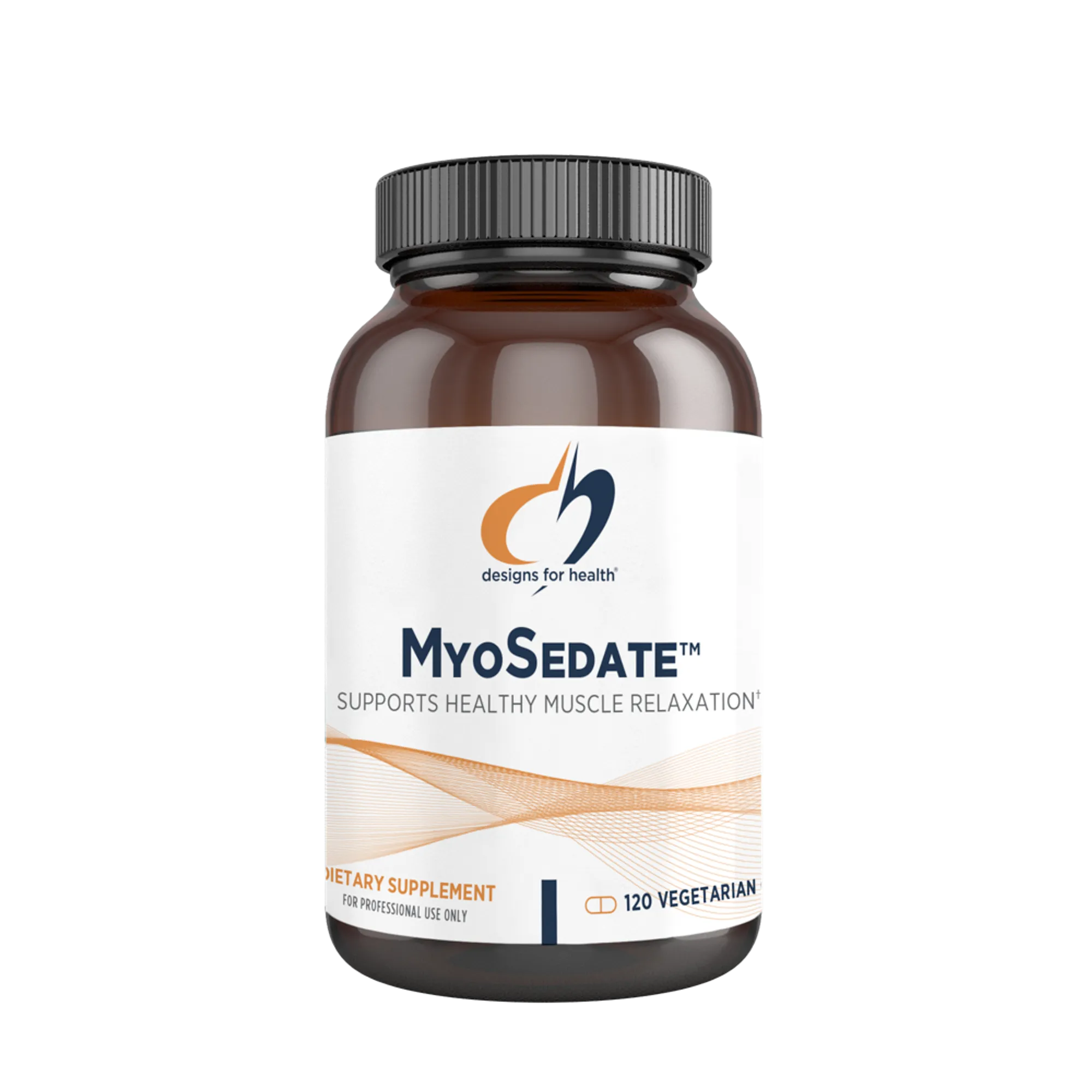
MyoSedate™ is a meticulously formulated blend of essential minerals and botanical extracts designed to support the body's natural relaxation pathways. At its core, this supplement provides 150 mg of magnesium and 75 mg of calcium, both bound to malic acid (di-magnesium malate and di-calcium malate). These minerals are the fundamental building blocks of muscle physiology, directly dictating how muscle fibers contract and release. In a healthy body, calcium and magnesium work in a delicate, continuous dance to facilitate movement and rest. When this balance is disrupted by chronic illness or nutritional depletion, the result is often persistent muscle spasms, cramping, and physical restlessness.
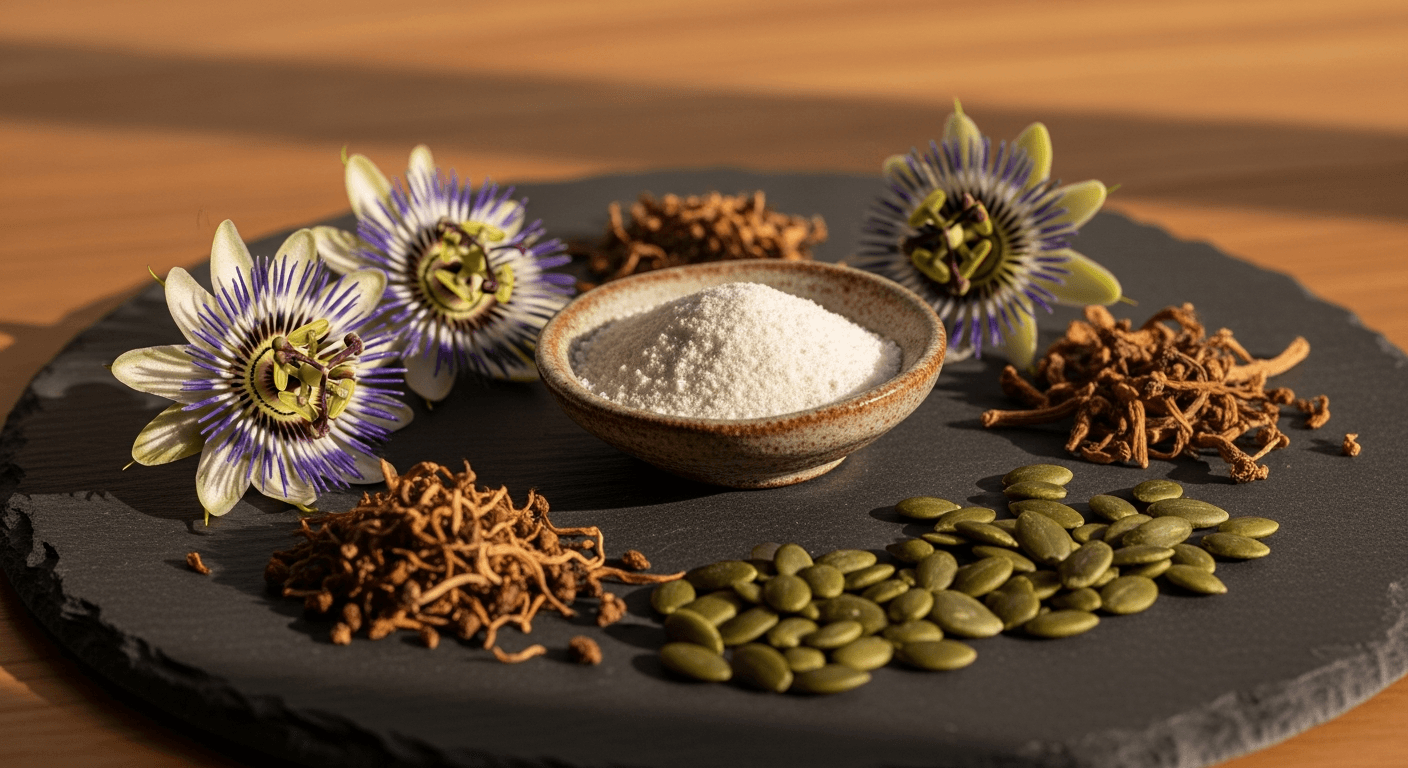
Beyond the mineral foundation, MyoSedate™ incorporates a robust profile of nervine herbs: valerian root, passionflower, lemon balm, and American skullcap. These botanicals have been utilized for centuries in traditional medicine to calm the mind and ease nervous tension. Modern pharmacological research has revealed that these plants contain potent bioactive compounds—such as valerenic acid, flavonoids, and rosmarinic acid—that directly interact with the central nervous system. Specifically, they modulate the brain's primary inhibitory neurotransmitter system, known as the GABAergic system. By enhancing the body's natural calming signals, these herbs help quiet the neurological hyperactivity that prevents restorative sleep.
One of the most critical distinguishing features of MyoSedate™ is its use of malate-bound minerals. Malic acid is a naturally occurring organic compound that plays an indispensable role in the Krebs cycle (also known as the citric acid cycle). The Krebs cycle is the primary metabolic pathway housed within our cellular mitochondria, responsible for generating adenosine triphosphate (ATP)—the energy currency of the cell. By supplying magnesium and calcium in their malate forms, this supplement does more than just deliver minerals; it actively provides the biochemical substrates needed to fuel mitochondrial energy production.
This dual-action mechanism is particularly relevant for individuals dealing with profound energy deficits. While the magnesium works to physically relax the muscle tissue, the malic acid helps clear the buildup of lactic acid and metabolic waste that accumulates in the muscles during periods of stress or exertion. This unique combination helps prevent the heavy, aching sensation often experienced after minimal physical activity. It ensures that the muscles have the energy required to function properly, while simultaneously providing the signals needed for them to fully disengage and relax when at rest.
A common pitfall in botanical supplementation is the variability of active ingredients. Depending on where a plant is grown, the soil quality, and the time of harvest, the concentration of its therapeutic compounds can fluctuate wildly. MyoSedate™ addresses this issue by utilizing standardized extracts for its herbal components. Standardization is a rigorous manufacturing process that guarantees a specific, consistent percentage of the plant's active phytochemicals in every single capsule.
For example, the valerian root extract in this formula is standardized to contain 0.8% valerenic acid, while the passionflower is standardized to 3.5% flavonoids, and the lemon balm to 3% rosmarinic acid. This clinical-grade precision ensures that patients receive a reliable, therapeutic dose of the exact molecules proven in clinical trials to interact with the brain's GABA receptors. For patients with complex chronic conditions who meticulously track their symptom responses, this consistency is vital for determining the true efficacy of their treatment regimen.
How Sympathetic Overdrive Impacts Muscle Tension and Sleep
To understand why muscle tension and insomnia are so prevalent in conditions like Long COVID, ME/CFS, and dysautonomia, we must examine the autonomic nervous system (ANS). The ANS controls all the automatic processes in the body, including heart rate, digestion, and respiratory rate. It is divided into two main branches: the sympathetic nervous system (the "fight-or-flight" response) and the parasympathetic nervous system (the "rest-and-digest" response). In a healthy individual, these two branches operate in a dynamic equilibrium, shifting smoothly based on the body's immediate needs.
However, in post-infectious chronic illnesses, this system becomes profoundly dysregulated. Research suggests a "multi-hit model" where a viral infection triggers chronic neuroinflammation, locking the ANS into a state of perpetual sympathetic overdrive. The brain perceives a constant, invisible threat, flooding the body with stress hormones like norepinephrine and adrenaline. This autonomic failure is a hallmark of conditions like postural orthostatic tachycardia syndrome (POTS), where the body struggles to regulate blood flow and heart rate, leading to a cascade of debilitating physical symptoms. You can learn more about this phenomenon in our guide on maintaining independence with chronic illness.
When the sympathetic nervous system is locked in overdrive, it triggers systemic vasoconstriction—a narrowing of the blood vessels designed to shunt blood toward the vital organs during a crisis. While this is a helpful short-term survival mechanism, chronic vasoconstriction starves the peripheral muscles of oxygen and prevents the clearance of metabolic waste products like lactic acid. This localized lack of oxygen, known as ischemia, causes the muscles to become chronically tense, rigid, and painful. It is a primary driver of the widespread myalgia (muscle pain) seen in fibromyalgia and ME/CFS.
In patients with dysautonomia and POTS, this manifests uniquely as "coat-hanger pain." This is a distinct, aching or burning sensation across the back of the neck, shoulders, and upper back. When a patient stands upright, gravity causes blood to pool in their lower extremities. Because the dysregulated ANS fails to constrict the lower blood vessels adequately, the heart cannot pump enough oxygenated blood upward against gravity. The muscles in the neck and shoulders become hypoperfused (oxygen-starved), leading to intense spasms and pain that typically only resolves when the patient lies flat.
The impact of sympathetic overdrive extends far beyond the muscles; it fundamentally alters brain chemistry and sleep architecture. Restorative, deep sleep requires the parasympathetic nervous system to be dominant. However, because patients with Long COVID and ME/CFS are flooded with catecholamines, their brains are chemically tricked into remaining in a hyper-vigilant state. This makes falling asleep incredibly difficult and prevents the brain from transitioning into the slow-wave sleep (SWS) stages necessary for cellular repair and memory consolidation.
Furthermore, advanced imaging studies have revealed that many patients with these conditions suffer from hypoperfusion (reduced blood flow) in the brainstem. The brainstem houses the locus coeruleus, a cluster of neurons responsible for producing the brain's norepinephrine. When this area is inflamed or starved of oxygen, it misfires, disrupting the brain's natural circadian rhythms and preventing the glymphatic system from clearing out neurotoxins during the night. The result is "unrefreshing sleep," where patients wake up feeling just as exhausted—and often more brain-fogged—than when they went to bed.
MyoSedate™: Supporting Muscle Relaxation and Restful Sleep
MyoSedate™ addresses the physical manifestations of sympathetic overdrive by supplying highly bioavailable magnesium and calcium. At the cellular level, muscle contraction is governed by the flow of these two minerals. When a nerve impulse signals a muscle to contract, calcium floods into the muscle fiber, binding to specific proteins (troponin and tropomyosin) that allow the muscle filaments to slide together and shorten. This is a necessary and healthy process for movement.
However, for the muscle to relax, that calcium must be actively pumped back out of the cell, and magnesium must take its place. Magnesium acts as a natural calcium channel blocker; it competes with calcium for the same binding sites. If the body is deficient in magnesium—a common occurrence in chronic illness due to poor absorption or high metabolic demand—calcium remains trapped inside the muscle fibers. This leads to prolonged, involuntary contractions, manifesting as cramps, twitches, and the rigid muscle tension characteristic of fibromyalgia and ME/CFS. By supplementing with 150 mg of di-magnesium malate, MyoSedate™ provides the exact biochemical key needed to unlock tense muscle fibers and restore physical relaxation.
To address the neurological hyperarousal of dysautonomia, MyoSedate™ utilizes valerian root and passionflower to target the brain's GABAergic system. Gamma-aminobutyric acid (GABA) is the central nervous system's primary inhibitory neurotransmitter. Its job is to bind to specific receptors on neurons, opening channels that allow negatively charged chloride ions to flow into the cell. This hyperpolarizes the neuron, making it less likely to fire, effectively turning down the dial on anxiety, stress, and wakefulness.
Pharmacological research has demonstrated that valerenic acid (the active compound in valerian root) and flavonoids like chrysin (found in passionflower) act as potent allosteric modulators of the GABA-A receptor. They bind to specific sites on the receptor—particularly those containing the $\beta$2 or $\beta$3 subunits—and enhance the receptor's affinity for GABA. This means that even if your body is producing normal amounts of GABA, these botanicals amplify its calming effects, mimicking the action of traditional anti-anxiety medications but with a much gentler, non-habit-forming profile. This mechanism is crucial for helping patients transition from a state of "fight-or-flight" into the "rest-and-digest" state required for sleep onset.
While valerian and passionflower enhance the receptivity of GABA, lemon balm and American skullcap work synergistically to increase the total amount of GABA available in the brain. They achieve this by inhibiting the enzymes responsible for breaking GABA down. In a normal neurological cycle, once GABA has delivered its calming message, an enzyme called GABA transaminase (GABA-T) sweeps in to dismantle the neurotransmitter and clear it from the synapse.
Clinical studies have shown that rosmarinic acid, the primary bioactive compound in lemon balm, is a potent inhibitor of GABA transaminase. By blocking this enzyme, lemon balm prevents the premature destruction of GABA, allowing it to pool in the synaptic clefts and exert a prolonged, deeply calming effect. Similarly, baicalin and scutellarin, the flavonoids in American skullcap, have been shown to inhibit GABA breakdown while also binding directly to GABA receptors. Together, this four-herb matrix provides a comprehensive, multi-pathway approach to quieting an overactive nervous system, making it easier to fall asleep and stay asleep despite the physiological stress of chronic illness.
Symptoms MyoSedate™ May Help Manage
Because MyoSedate™ heavily influences the GABAergic system and the autonomic nervous system, it is particularly well-suited for managing the neurological and sleep-related symptoms of chronic illness. The synergistic action of the nervine herbs helps to quiet the mind and prepare the brain for restorative rest.
Prolonged Sleep Onset Latency: The combination of valerian root and passionflower helps reduce the time it takes to fall asleep by amplifying GABA signals, which counteracts the high adrenaline levels often seen in dysautonomia.
Unrefreshing Sleep: By promoting a shift into parasympathetic dominance, the botanical blend helps the brain transition into slow-wave sleep (SWS), the deep sleep phase required for cellular repair and waking up feeling rested.
Nighttime Hyperarousal ("Wired and Tired"): Lemon balm's ability to inhibit GABA breakdown ensures a steady, prolonged calming effect throughout the night, helping to prevent the frequent, sudden awakenings caused by sympathetic nervous system spikes.
General Nervous Tension and Anxiety: The flavonoids in American skullcap and passionflower bind to the same receptors targeted by traditional anxiolytics, providing a natural, non-drowsy reduction in daytime stress and nervous system agitation.
The inclusion of highly bioavailable di-magnesium malate and di-calcium malate makes this formula an excellent targeted therapy for the physical pain and tension associated with conditions like fibromyalgia, ME/CFS, and Long COVID.
Chronic Muscle Spasms and Cramps: Magnesium acts as a natural calcium channel blocker, physically forcing tense, locked muscle fibers to release and relax, which is essential for reducing daily myalgia.
"Coat-Hanger" Pain: While it does not cure the underlying blood flow issues of POTS, the deep muscle relaxation provided by the magnesium and calcium can significantly alleviate the secondary muscle rigidity in the neck and shoulders.
Post-Exertional Muscle Soreness: The malic acid bound to the minerals directly enters the Krebs cycle, aiding in the production of cellular ATP and helping to clear the lactic acid buildup that contributes to heavy, aching muscles after minimal exertion.
Restless Physical Sensations: The systemic calming effect of the herbal matrix combined with the mineral support helps quiet the physical restlessness and twitching that often prevents patients from finding a comfortable resting position.
Practical Considerations: Forms, Dosing, and Absorption
When selecting a mineral supplement, the form of the mineral is just as important as the dosage. Many over-the-counter magnesium supplements utilize magnesium oxide or magnesium sulfate. While inexpensive, these forms have notoriously low bioavailability—often absorbing at rates as low as 4%. The unabsorbed magnesium remains in the digestive tract, drawing in water and causing severe gastrointestinal distress and laxative effects. This is highly counterproductive for patients with chronic illnesses, who often already struggle with gut dysbiosis or irritable bowel syndrome (IBS).
MyoSedate™ utilizes DimaCal® di-calcium malate and di-magnesium malate. In these patented forms, the elemental minerals are chemically bound to malic acid. This chelation process mimics the natural way minerals are found in food, allowing them to bypass the typical digestive bottlenecks. Di-magnesium malate boasts an estimated absorption rate of 85–95%. Because it is highly soluble and easily transported across the intestinal wall, it delivers therapeutic doses of magnesium directly to the muscle tissues and bloodstream without causing the unwanted laxative side effects associated with cheaper forms.
The suggested use for MyoSedate™ is three capsules per day, taken with meals, or as directed by a healthcare practitioner. However, because this formula contains both energy-supporting malic acid and sleep-promoting nervine herbs, finding the optimal timing requires a bit of personal experimentation, especially for patients with sensitive nervous systems.
For patients primarily seeking relief from daytime muscle tension and anxiety without severe drowsiness, splitting the dose (e.g., one capsule with breakfast, lunch, and dinner) can provide a steady stream of GABA support and muscle relaxation throughout the day. Conversely, if the primary goal is combating insomnia and nighttime hyperarousal, taking the full dose 30 to 60 minutes before bedtime may yield the best results. It is important to note that while the herbal extracts can provide acute, immediate calming effects, clinical observations suggest that the maximum benefits for sleep architecture and chronic muscle pain often require consistent, daily dosing for two to four weeks.
While the ingredients in MyoSedate™ are generally recognized as safe and well-tolerated, their potent effects on the central nervous system require careful consideration. Because valerian root, passionflower, lemon balm, and skullcap all amplify the effects of GABA, this supplement should never be combined with alcohol, prescription benzodiazepines, barbiturates, or other central nervous system depressants. Combining these substances can lead to an unsafe compounding effect, resulting in excessive sedation, confusion, and dangerously slowed breathing.
Additionally, patients who are scheduled for surgery should discontinue the use of this supplement at least two weeks prior to the procedure, as the herbs can interact unpredictably with general anesthesia. While di-magnesium malate is gentle on the stomach, taking the capsules with a meal is recommended to further optimize absorption and prevent any mild nausea. As always, patients with complex chronic illnesses should consult their primary care provider or a dysautonomia specialist before introducing a new supplement, to ensure it does not interact with their current medication protocol.

Follow the Science
The use of magnesium malate for chronic pain and fatigue conditions is grounded in decades of clinical exploration. A foundational open-label trial by Abraham and Flechas (1992) investigated the effects of magnesium and malic acid on 15 patients with fibromyalgia. The researchers measured the patients' Tender Point Index (TPI) scores over an 8-week period. Prior to treatment, the mean TPI was 19.6. After 8 weeks of supplementation, the score dropped significantly to 6.5 (p < 0.001), with patients reporting subjective improvements in muscle pain within 48 hours. When patients were switched to a placebo, their pain returned rapidly, underscoring the continuous need for these metabolic substrates.
Furthermore, a landmark double-blind trial published in The Lancet (1991) established the precedent for magnesium therapy in ME/CFS. Researchers found that ME/CFS patients had significantly lower red blood cell magnesium levels than healthy controls. When treated with magnesium therapy, 12 out of 15 patients reported improved energy levels, better emotional states, and reduced pain, compared to only 3 out of 17 in the placebo group. While larger, modern systematic reviews suggest that magnesium malate may not be a standalone cure for all patients, it is widely recognized as a high-upside, low-risk adjunctive therapy for managing the muscular symptoms of mitochondrial dysfunction.
The efficacy of valerian root and passionflower for sleep and anxiety is supported by robust meta-analyses and randomized controlled trials. A major systematic review published in The American Journal of Medicine (2006) analyzed 16 randomized, placebo-controlled trials involving over 1,000 patients. The review concluded that valerian root produced a statistically significant benefit in self-reported improved sleep quality, with a relative risk of 1.8 compared to placebo. Importantly, EEG studies have demonstrated that valerian specifically reduces slow-wave sleep (SWS) latency, helping patients enter deep, restorative sleep faster.
Similarly, passionflower (Passiflora incarnata) has been validated for its anxiolytic properties. A 2024 double-blind, randomized, placebo-controlled clinical trial by Harit et al. investigated subjects suffering from stress and sleep disturbances. Measured via the Insomnia Severity Index and the Pittsburgh Sleep Quality Index, the passionflower group showed a statistically significant increase in total sleep time and overall sleep quality by Day 30 compared to the placebo group. The study highlighted that passionflower effectively counteracted anxiety without causing the daytime impairment typical of pharmaceutical sedatives.
The biochemical pathway of lemon balm has been clearly mapped in recent literature. A pivotal 15-day prospective pilot study by Cases et al. (2011) evaluated a standardized lemon balm extract (Cyracos®) containing exactly 7% rosmarinic acid in volunteers with mild-to-moderate anxiety and sleep disturbances. The results were striking: overall anxiety decreased by 25%, and anxiety-related insomnia was reduced by 42%. By the end of the trial, 17 out of 20 subjects had completely recovered from their sleep problems, proving the clinical relevance of inhibiting GABA transaminase.
American skullcap (Scutellaria lateriflora) has also seen recent clinical validation. A highly relevant 2025 double-blind, randomized, placebo-controlled crossover trial published in Nutrients investigated its efficacy for primary insomnia. Over 56 days, the skullcap group saw significant improvements in sleep onset latency, sleep efficiency, and total sleep time compared to a deteriorating placebo group. Notably, researchers observed a "carryover effect," where the sleep-promoting benefits persisted for at least a month after the participants stopped taking the supplement, suggesting a lasting regulatory effect on the nervous system.
The Path Forward
Living with conditions like Long COVID, ME/CFS, and dysautonomia is an exercise in profound resilience. The symptoms you experience—the racing heart when you try to sleep, the muscles that ache with tension, the bone-deep fatigue that isn't cured by rest—are not manifestations of anxiety or a lack of willpower. They are the result of measurable, physiological disruptions in your autonomic nervous system and cellular energy pathways. Acknowledging the biological reality of sympathetic overdrive is the first step toward finding targeted, effective management strategies.
It is completely normal to feel frustrated when standard medical tests come back "normal," or when you are told to simply practice better sleep hygiene. Complex chronic illnesses require nuanced, multi-system approaches. By understanding the mechanisms behind your symptoms—such as how a lack of intracellular magnesium leads to muscle spasms, or how the rapid breakdown of GABA prevents deep sleep—you empower yourself to make informed decisions about your care and treatment options.
While MyoSedate™ offers a scientifically grounded approach to supporting muscle relaxation and neurological calm, it is important to remember that no single supplement is a cure-all. Managing chronic illness requires a comprehensive toolkit. Supplements work best when integrated into a broader lifestyle strategy that includes strict energy conservation, known as pacing. Pacing helps prevent the neuroimmune crashes (post-exertional malaise) that trigger further sympathetic nervous system spikes.
Alongside supplementation, strategies such as utilizing compression garments for POTS, prioritizing hydration and electrolytes, and practicing vagus nerve stimulation can all work synergistically to coax your body out of "fight-or-flight" mode. As you navigate these overlapping therapies, remember to be patient with your body. Healing and stabilizing a dysregulated nervous system takes time, and finding the right combination of supports is often a process of careful trial and error. For more practical advice on managing the daily realities of chronic illness, consider exploring our guide on surviving the holidays with a chronic illness.
If you are struggling with persistent muscle tension, unrefreshing sleep, or the sensation of being "wired and tired," MyoSedate™ may provide the targeted botanical and mineral support your body needs to find equilibrium. Always consult with your healthcare provider before starting any new supplement, especially if you are taking prescription medications or have a complex medical history.