Can MycoActive Support Immune Balance and Energy in Long COVID and ME/CFS?
March 6, 2026
MycoActiveLong COVIDME/CFS
Share:
Disclaimer: The information provided here is for educational purposes only and is not intended as medical advice. It should not be used to diagnose, treat, cure, or prevent any medical condition. Instead, use it as a starting point for discussion with your healthcare provider. Always consult with a qualified healthcare provider before starting any new medication, supplement, device, or making changes to your health regimen.
Months or even years after an initial viral infection, many individuals find themselves trapped in a relentless cycle of debilitating symptoms, battling what we now recognize as Long COVID or myalgic encephalomyelitis/chronic fatigue syndrome (ME/CFS). The profound exhaustion, cognitive dysfunction, and unpredictable inflammatory flare-ups can make daily life feel like an insurmountable challenge. For patients and caregivers alike, the search for validating answers and effective management strategies is often fraught with frustration, especially when standard medical tests return "normal" results despite profound physiological suffering.
Emerging research into post-viral syndromes has increasingly focused on the role of severe immune dysregulation and mitochondrial dysfunction as core drivers of these complex conditions. In this context, medicinal mushrooms have garnered significant clinical attention. Products like MycoActive, an advanced blend of six targeted mushroom extracts, offer a unique approach to symptom management. By utilizing specialized compounds known as biological response modifiers (BRMs), these adaptogenic fungi intelligently modulate the immune system—calming overactive inflammatory pathways while supporting the body's natural defense mechanisms and cellular energy production.
What is MycoActive?
The Power of Biological Response Modifiers (BRMs)
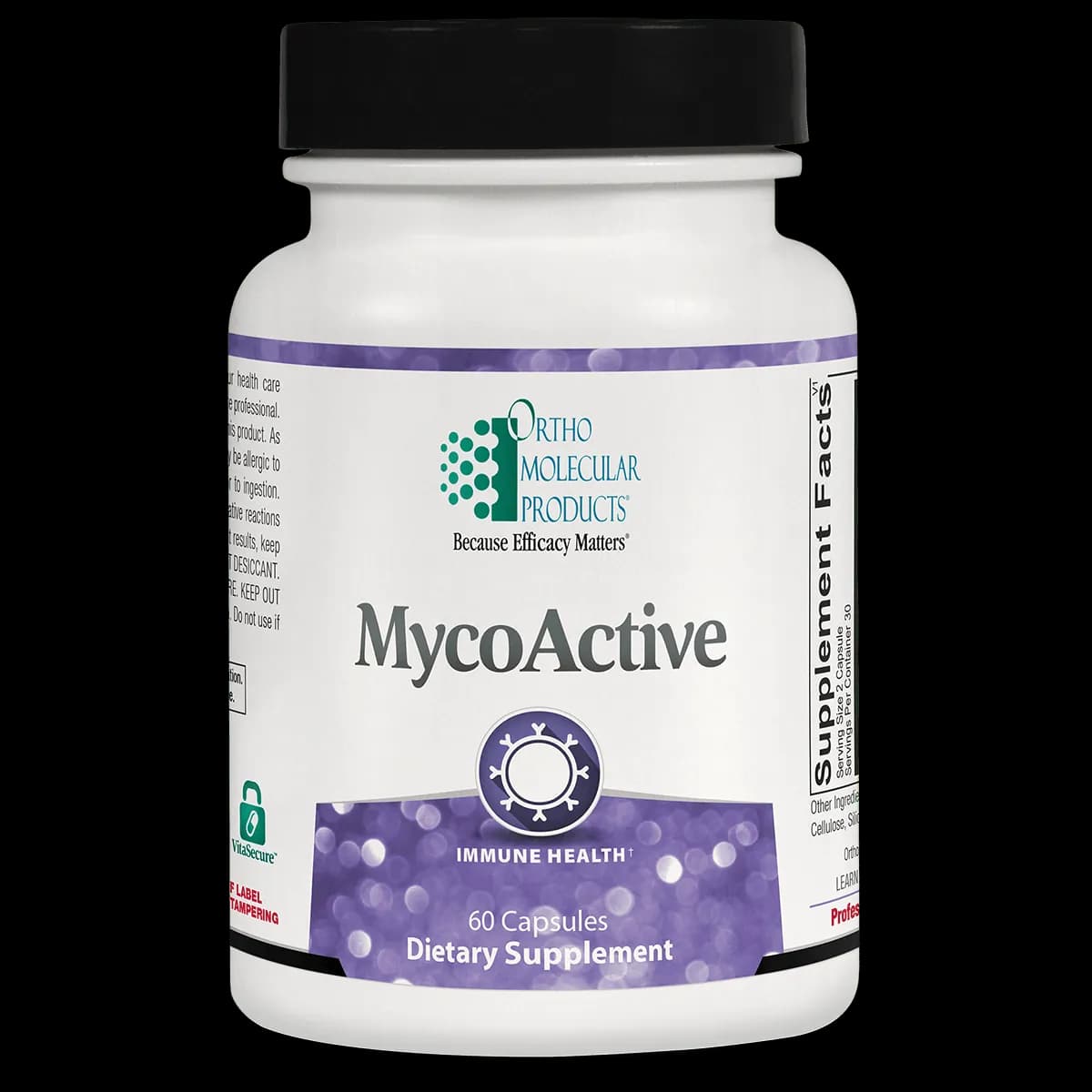
MycoActive is a highly specialized, advanced blend of six different medicinal mushroom extracts: Chaga, Reishi, Cordyceps, Turkey Tail, Pearl Oyster, and Shiitake. While mushrooms have been utilized in traditional medicine for centuries, modern clinical immunology has identified their primary active components as Biological Response Modifiers (BRMs). BRMs are unique, naturally occurring compounds that possess the remarkable ability to intelligently modulate the human immune system. Rather than simply "boosting" or stimulating immune function—which can be actively harmful in autoimmune conditions or hyper-inflammatory states like Long COVID—BRMs act as adaptogens. They help the body adapt to prolonged stress, fatigue, and microbial challenges by restoring homeostatic balance to the immune response.
At the molecular level, the most potent BRMs found in MycoActive are beta-glucans (specifically beta-1,3 and beta-1,6-D-glucans), alongside specialized triterpenes and nucleosides. These complex, water-soluble polysaccharides serve as physical "keys" that interact directly with the human immune system. When ingested, they bypass immediate digestion and travel to the gastrointestinal tract, where they encounter a dense network of immune cells residing in the gut-associated lymphoid tissue (GALT). Here, they begin the intricate process of immune modulation, acting as training agents that prepare the body to respond effectively to environmental toxins and persistent pathogens without triggering an overwhelming inflammatory cascade.
Beta-Glucans and Cellular Communication
The mechanism by which beta-glucans exert their effects is deeply rooted in cellular communication. Innate immune cells, such as macrophages, dendritic cells, and Natural Killer (NK) cells, possess specific Pattern Recognition Receptors (PRRs) on their surfaces. The most critical of these receptors are Dectin-1, Toll-like receptor 2 (TLR2), Toll-like receptor 4 (TLR4), and Complement Receptor 3 (CR3). The beta-glucans in MycoActive are structurally perfectly matched to bind to these receptors. This binding event triggers a complex intracellular signaling cascade, specifically activating the NF-κB (nuclear factor kappa-light-chain-enhancer of activated B cells) and MAPK (mitogen-activated protein kinase) pathways, which are central to regulating the immune response.
Once these pathways are activated, the immune cells undergo a process known as "trained immunity." This epigenetic and metabolic reprogramming enhances the cells' ability to identify and clear out cellular debris, senescent (aging) cells, and lingering viral particles. Furthermore, this receptor binding orchestrates the highly controlled release of specific cytokines—the chemical messengers of the immune system. By modulating cytokine production, beta-glucans ensure that the immune system mounts a targeted, efficient defense against unwanted microbes while simultaneously downregulating the excessive production of pro-inflammatory cytokines that drive chronic symptoms.
The Synergy of a Six-Mushroom Blend
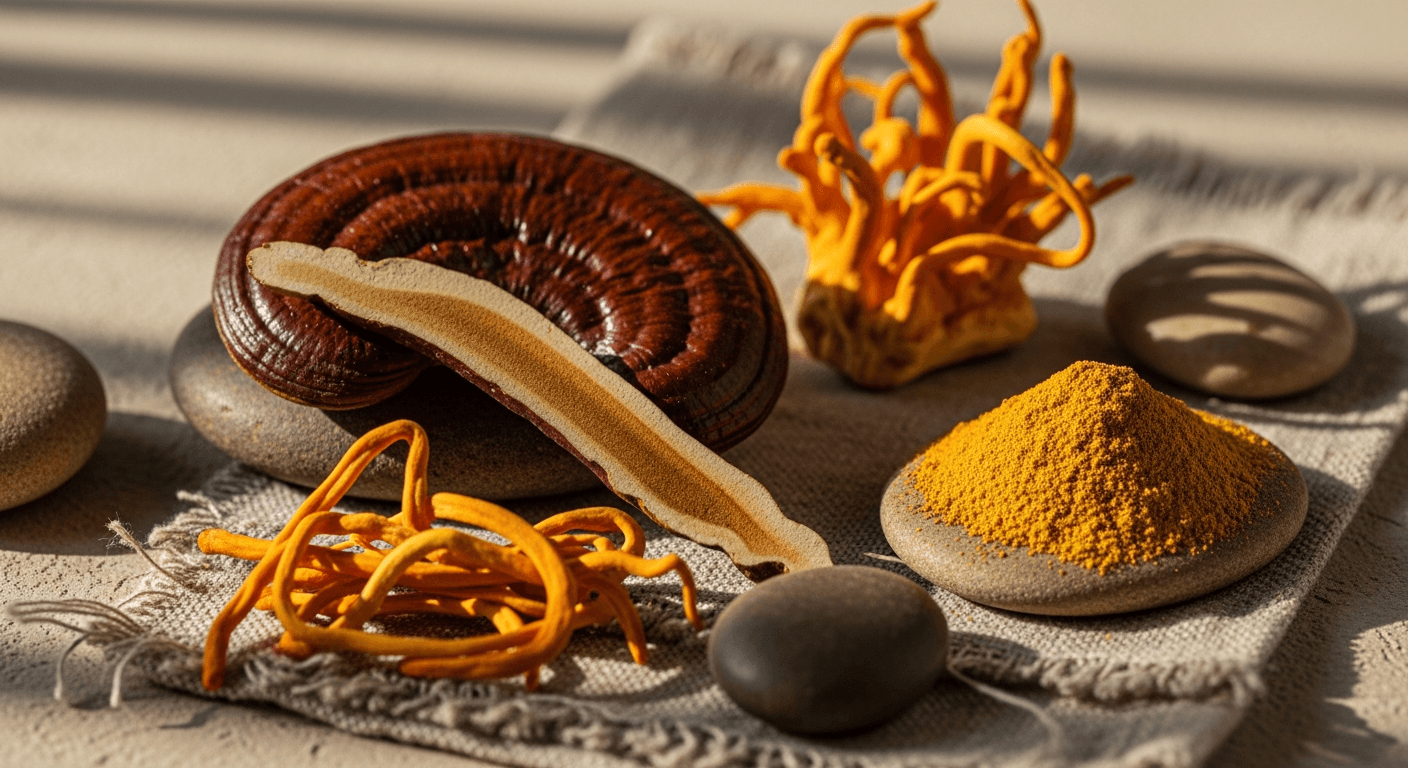
The true efficacy of MycoActive lies in the synergistic combination of its six distinct mushroom extracts, each contributing a unique biochemical profile. While all six contain immunomodulating beta-glucans, they also provide specific secondary metabolites that target different aspects of human health. For example, Chaga is exceptionally rich in betulinic acid and melanin, offering profound antioxidant support to combat systemic oxidative stress. Reishi provides ganoderic acids, which are potent triterpenes known for their ability to calm the nervous system and support cardiovascular health. Cordyceps introduces cordycepin, a nucleoside analog that directly interfaces with cellular energy pathways to combat profound fatigue.
Meanwhile, Turkey Tail, Shiitake, and Pearl Oyster provide highly researched protein-bound polysaccharides, such as Polysaccharopeptide (PSP) and Lentinan. These compounds are specifically recognized for their ability to enhance the cytotoxicity of Natural Killer cells and promote a healthy gut microbiome. By combining these six extracts into a single proprietary blend, MycoActive delivers a broad-spectrum approach to immune support. This synergy ensures that multiple biological pathways—ranging from mitochondrial ATP production to macrophage phagocytosis—are simultaneously supported, making it a comprehensive tool for everyday use in facing a broad range of complex immune challenges.
How Immune Dysregulation Impacts Long COVID and ME/CFS
Viral Persistence and the Cytokine Storm
To understand why MycoActive is relevant for complex chronic illnesses, we must first examine the underlying pathophysiology of these conditions. In Autoimmunity and Immune Dysregulation in Long COVID, we explore how the initial SARS-CoV-2 infection can trigger a lasting disruption in immune homeostasis. For many patients, the immune system fails to properly "turn off" after the acute infection resolves. This failure is often driven by persistent viral particles or viral RNA lingering in hidden reservoirs within the body, such as the gut lining or central nervous system. The immune system continuously detects these fragments, leading to a chronic, low-grade "cytokine storm" characterized by elevated levels of pro-inflammatory markers like Interleukin-6 (IL-6) and Tumor Necrosis Factor-alpha (TNF-α).
This relentless systemic inflammation wreaks havoc on the body's vascular and nervous systems. Elevated inflammatory cytokines damage the endothelial lining of blood vessels, contributing to the formation of microclots and impairing the delivery of oxygen and nutrients to tissues. A 2023 review in Frontiers in Medicine highlights that this endothelial dysfunction, combined with the presence of autoantibodies, creates a vicious cycle of localized tissue hypoxia and further inflammation. This ongoing inflammatory burden is a primary driver of the debilitating fatigue, muscle pain, and cognitive dysfunction experienced by patients with Long COVID and ME/CFS.
Macrophage Polarization and NK Cell Exhaustion
Another critical aspect of immune dysregulation in these conditions is the dysfunction of specific immune cells, particularly macrophages and Natural Killer (NK) cells. Macrophages generally exist in two primary states: the pro-inflammatory "M1" phenotype, which aggressively attacks pathogens, and the anti-inflammatory "M2" phenotype, which promotes tissue repair and healing. In chronic post-viral syndromes, this polarization becomes severely imbalanced. Macrophages may become stuck in a dysfunctional state, unable to effectively clear out viral debris or transition into the healing phase, perpetuating chronic tissue inflammation and preventing cellular recovery.
Simultaneously, the immune system's "special forces"—the CD8+ T-cells and NK cells—often suffer from profound exhaustion. A 2023 study published in Brain, Behavior, & Immunity - Health identified a pronounced CD8 T-cell dysfunction in both ME/CFS and Long COVID patients. The research demonstrated that these crucial immune cells produced markedly fewer defensive cytokines upon stimulation, indicating a state of severe immune exhaustion. When NK cells and T-cells are exhausted, the body loses its ability to keep latent viruses (like Epstein-Barr Virus) in check, leading to viral reactivation and further compounding the patient's symptom burden.
The Gut-Immune Axis and Systemic Inflammation
The impact of chronic illness extends deeply into the gastrointestinal tract, disrupting the delicate gut-immune axis. As discussed in What Causes Long COVID?, viral infections can severely alter the composition of the gut microbiome, leading to a state of dysbiosis. This imbalance reduces the population of beneficial bacteria responsible for producing short-chain fatty acids (SCFAs) like butyrate, which are essential for maintaining the integrity of the intestinal lining. Without sufficient butyrate, the tight junctions between intestinal cells weaken, resulting in increased intestinal permeability, commonly known as "leaky gut."
When the intestinal barrier is compromised, endotoxins, undigested food particles, and bacterial fragments escape into the bloodstream. This constant influx of foreign material triggers a continuous, systemic immune response, further elevating inflammatory cytokines. A 2023 comprehensive review in the International Journal of Molecular Sciences emphasizes that this gut-derived systemic inflammation can cross the blood-brain barrier, leading to neuroinflammation and the activation of microglial cells in the brain. This neuroinflammatory cascade is heavily implicated in the severe brain fog, sensory processing issues, and autonomic nervous system dysfunction (dysautonomia) that so many patients endure.
MycoActive: Supporting Immune Modulation and Energy Production
Cordyceps and Mitochondrial Energy Resuscitation
MycoActive addresses the profound energy deficits seen in chronic illness primarily through the inclusion of Cordyceps (Cordyceps militaris). The hallmark symptom of ME/CFS and many Long COVID cases is post-exertional malaise (PEM), a severe exacerbation of symptoms following minor physical or cognitive exertion. This is largely driven by mitochondrial dysfunction—the inability of the cells' powerhouses to produce adequate adenosine triphosphate (ATP). Cordyceps contains a highly unique bioactive compound called cordycepin (3'-deoxyadenosine), which structurally resembles the adenosine molecule used to build ATP.
At the cellular level, cordycepin directly interfaces with the electron transport chain within the mitochondria. By acting as a biochemical analog, it enhances the efficiency of oxidative phosphorylation, allowing the mitochondria to generate more ATP with less oxygen consumption. This mechanism helps to resuscitate cellular energy production, directly combating the crushing fatigue and exercise intolerance that characterize PEM. Furthermore, cordyceps has been shown to improve the delivery of oxygen to peripheral tissues by promoting vasodilation, which helps counteract the localized hypoxia caused by endothelial dysfunction and microclotting.
Beyond energy production, Cordyceps plays a vital role in immune modulation by influencing macrophage polarization. Research indicates that cordycepin can help repolarize dysfunctional, immunosuppressive macrophages back into an active, pathogen-clearing "M1" phenotype. This repolarization allows the immune system to resume its critical task of clearing out persistent viral debris and senescent cells, thereby removing the underlying triggers of chronic inflammation and supporting the resolution of the post-viral immune response.
Reishi and Chaga for Inflammatory Balance
To address the chronic "cytokine storm" and systemic inflammation, MycoActive relies heavily on the synergistic effects of Reishi (Ganoderma lucidum) and Chaga (Inonotus obliquus). Reishi is renowned for its high concentration of ganoderic acids, a class of triterpenes that exert powerful anti-inflammatory effects. These compounds inhibit the NF-κB signaling pathway within immune cells, effectively putting the brakes on the overproduction of pro-inflammatory cytokines like IL-6 and TNF-α. By downregulating this inflammatory cascade, Reishi helps to protect tissues from inflammatory damage and supports the recovery of the autonomic nervous system.
Chaga complements this action through its unique dual-modulatory, or adaptogenic, properties. While its beta-glucans can stimulate a Th1 cellular immune response to fight off acute threats, its triterpenes (such as betulinic acid) actively inhibit the overactivation of Th2 cells. This is particularly crucial for patients dealing with mast cell activation syndrome (MCAS), a common comorbidity where the immune system becomes hyper-reactive to benign stimuli. By suppressing Th2-driven cytokines like IL-4 and IL-5, Chaga helps to stabilize the immune response, reducing the frequency and severity of allergic-type reactions and inflammatory flare-ups. For more context on managing these hyper-reactive states, see our guide on Ketotifen: Unveiling Relief for the Hidden Battles of MCAS, Long COVID, ME/CFS, and Dysautonomia.
Additionally, both Reishi and Chaga are potent systemic antioxidants. The chronic inflammation seen in Long COVID generates massive amounts of reactive oxygen species (ROS), leading to severe oxidative stress that damages cellular membranes and DNA. The phenolic compounds and melanins in Chaga, combined with the antioxidant enzymes stimulated by Reishi, act as free radical scavengers. They neutralize these damaging molecules, protecting the delicate endothelial lining of blood vessels and supporting the integrity of the blood-brain barrier against neuroinflammation.
Turkey Tail, Shiitake, and Pearl Oyster for Pathogen Defense
The final triad of mushrooms in MycoActive—Turkey Tail (Trametes versicolor), Shiitake (Lentinula edodes), and Pearl Oyster (Pleurotus ostreatus)—focuses on restoring the body's frontline immune defenses and gut health. Turkey Tail is globally recognized for its high content of Polysaccharopeptide (PSP) and Polysaccharide-K (PSK). These highly active protein-bound polysaccharides are potent agonists for TLR2 and TLR4 receptors on macrophages. By binding to these receptors, Turkey Tail heavily upregulates the cytotoxicity and target-recognition capabilities of Natural Killer (NK) cells, addressing the profound immune exhaustion that allows latent viruses to reactivate.
Shiitake contributes to this defense through Lentinan, a highly purified beta-1,3-D-glucan. Lentinan acts as a classic biological response modifier, binding to Dectin-1 and CR3 complement receptors. This interaction not only increases the activity of primary macrophages but also restores the delicate Th1/Th2 balance in the immune system. By promoting a healthy Th1 response, Shiitake helps the body mount an effective, targeted defense against intracellular pathogens, aiding in the clearance of the lingering viral fragments that drive Long COVID symptoms.
Finally, Pearl Oyster provides a dense source of specialized beta-glucans that act as powerful prebiotics within the gastrointestinal tract. As these complex polysaccharides reach the lower intestine, they are fermented by beneficial gut flora to produce short-chain fatty acids, primarily butyrate. This local production of butyrate is essential for repairing the tight junctions of the intestinal epithelial barrier, directly combating the "leaky gut" phenomenon. By sealing the gut lining and preventing the leakage of endotoxins into the bloodstream, Pearl Oyster helps to extinguish a major source of systemic inflammation, thereby supporting the delicate gut-brain axis and mitigating neuroinflammatory symptoms.
Symptoms MycoActive May Help Manage
Targeting Post-Viral Fatigue and Brain Fog
Post-Exertional Malaise (PEM) and Severe Fatigue: The cordycepin found in Cordyceps directly supports mitochondrial ATP production and enhances the efficiency of cellular oxygen utilization. By addressing energy deficits at the cellular level, MycoActive may help raise the threshold for exertion and reduce the severity of debilitating crashes.
Cognitive Dysfunction (Brain Fog): Chronic neuroinflammation, driven by systemic cytokines crossing the blood-brain barrier, is a primary cause of brain fog. The potent anti-inflammatory triterpenes in Reishi and the gut-healing properties of Pearl Oyster help reduce this systemic inflammatory burden, potentially alleviating sensory processing issues and improving mental clarity.
Unrefreshing Sleep and Nervous System Dysregulation: Reishi is highly regarded for its adaptogenic ability to calm an overactive sympathetic nervous system (the "fight or flight" response). By downregulating inflammatory signaling and modulating cortisol levels, it can support deeper, more restorative sleep cycles, which are crucial for cellular repair.
Addressing Immune and Respiratory Challenges
Frequent Infections and Viral Reactivation: The profound immune exhaustion seen in ME/CFS allows latent viruses to reactivate. The beta-glucans in Turkey Tail and Shiitake specifically target and enhance the cytotoxicity of Natural Killer (NK) cells and CD8+ T-cells, restoring the body's ability to keep opportunistic pathogens in check.
Inflammatory Flare-Ups and MCAS Symptoms: For patients dealing with hyper-reactive immune states, the dual-modulatory effects of Chaga help balance the Th1/Th2 immune response. By suppressing the overproduction of Th2 cytokines (like IL-4), it helps calm mast cell hyper-reactivity and reduces the frequency of systemic inflammatory flares.
Exercise Intolerance and Respiratory Shortness: Endothelial dysfunction and microclotting impair oxygen delivery to tissues, causing shortness of breath upon exertion. Cordyceps promotes vasodilation and improves aerobic capacity (VO2 max), helping to counteract localized tissue hypoxia and supporting better respiratory function during daily activities.
Practical Considerations: Forms, Dosing, and Absorption
Overcoming the Chitin Barrier for Maximum Bioavailability
When considering a medicinal mushroom supplement, understanding bioavailability is paramount. The active compounds, particularly the beta-glucans, are naturally locked inside the fungal cell walls. These walls are constructed from chitin, an incredibly tough structural polymer that is also found in the exoskeletons of crustaceans. Because the human digestive tract lacks the specific enzymes (chitinases) required to efficiently break down chitin, consuming raw or simply ground mushroom powder results in very poor absorption. Up to 80% of the beneficial beta-glucans may pass through the digestive system completely unutilized, rendering the supplement ineffective.
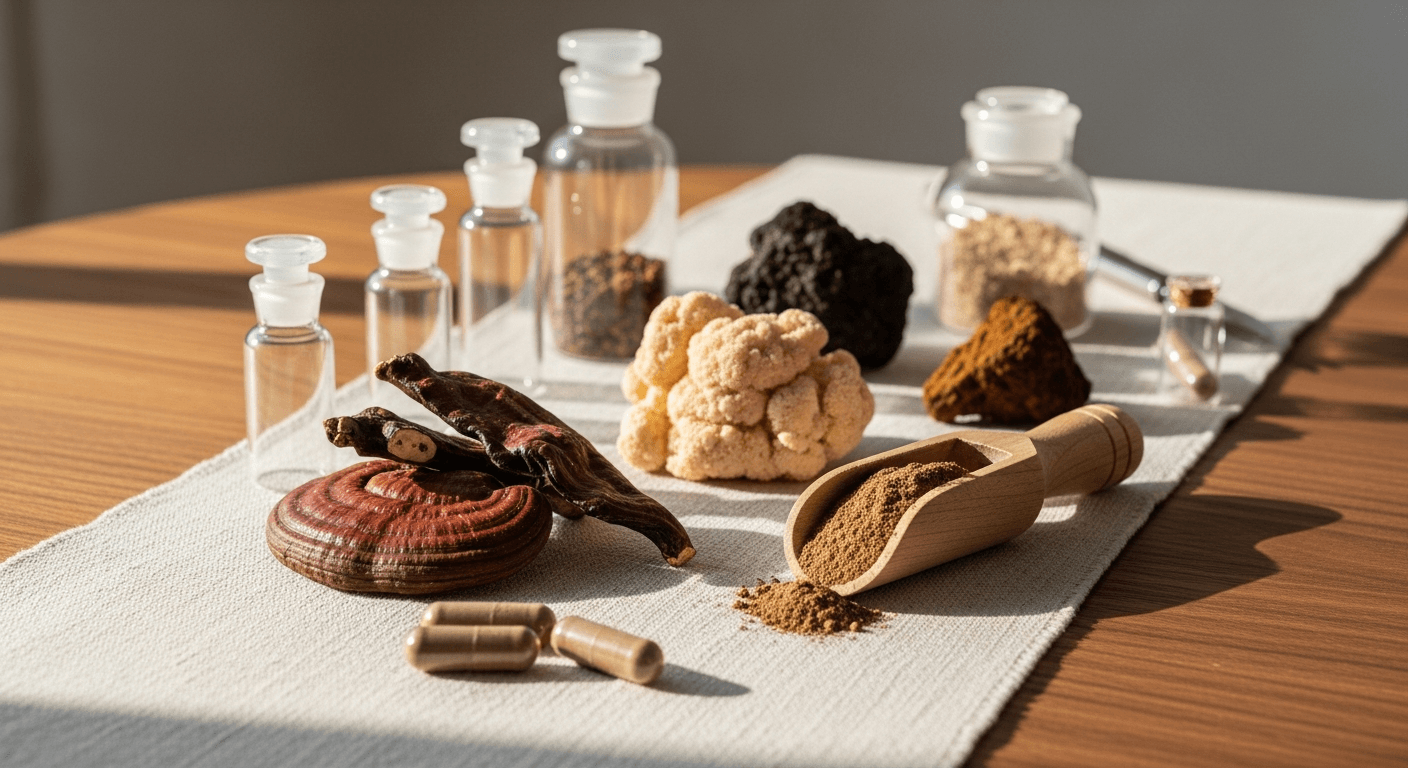
To overcome this chitin barrier and unlock the therapeutic potential of the mushrooms, advanced extraction methods are required. High-quality supplements like MycoActive utilize specialized extraction processes, such as hot water extraction or dual extraction (using both water and alcohol). Boiling the mushrooms in water effectively melts away the chitin walls, releasing and isolating the water-soluble beta-glucans. Studies have demonstrated that hot water extracts can be up to ten times more potent in activating immune receptors than unextracted powders. This meticulous processing ensures that the biological response modifiers are highly bioavailable and ready to interact with the immune cells in the gastrointestinal tract.
Fruiting Body vs. Mycelium Extracts
Another critical factor in supplement efficacy is the part of the fungus used. The fruiting body is the above-ground, recognizable part of the mushroom, while the mycelium is the underground, root-like network. Scientific analyses consistently show that the fruiting bodies contain significantly higher concentrations of active beta-glucans—often averaging 30% to 40% by weight. Furthermore, specific therapeutic secondary metabolites, such as the anti-inflammatory triterpenoids found in Reishi and Chaga, are typically only synthesized in the fruiting body during its mature growth phase.
In contrast, many commercial supplements use mycelium grown on solid grain substrates (like oats or rice). Because the mycelium and the grain become an inseparable mass during the growing process, the final product is heavily diluted with undigested grain starch (alpha-glucans). These "myceliated grain" products often yield very low levels of actual beta-glucans (sometimes as low as 5%) and lack the complex secondary metabolites needed for comprehensive immune modulation. MycoActive prioritizes high-quality extracts derived from the potent fruiting bodies and extracellular compounds, ensuring a robust and clinically relevant dose of active biological response modifiers.
Dosing, Timing, and Potential Interactions
The suggested use for MycoActive is 2 capsules per day, or as recommended by your healthcare professional. Because beta-glucans act as soluble fibers and interact with the immune cells in the gut lining, they are generally well-tolerated and can be taken with or without food. However, taking them alongside a small amount of healthy fat or a meal may help improve the absorption of the fat-soluble triterpenes found in the Reishi and Chaga extracts. Consistency is key when using adaptogenic BRMs; it typically takes several weeks of daily use for the immune system to undergo the "trained immunity" reprogramming and for patients to notice a stabilization in their symptom flares and energy levels.
While medicinal mushrooms are Generally Recognized As Safe (GRAS), their potent mechanisms of action mean they can interact with certain prescription medications. Because MycoActive actively modulates and supports immune function, it may counteract the effects of immunosuppressant drugs taken by patients following organ transplants or those on specific autoimmune therapies. Additionally, mushrooms like Reishi have natural mild blood-thinning and blood-pressure-lowering properties. Patients taking prescription anticoagulants (like Warfarin) or antihypertensive medications should consult their healthcare provider before starting MycoActive, as it may compound the effects of these drugs. Always discuss new supplements with your medical team to ensure they fit safely into your comprehensive care plan.
Follow the Science
Recent Clinical Trials on Cordyceps and Long COVID
The clinical landscape surrounding medicinal mushrooms has expanded rapidly, particularly in the context of post-viral fatigue. A highly significant 2025 study investigated the use of Cordyceps sinensis mycelium culture extract (Cs4) in 110 patients suffering from Long COVID. Over the 12-week randomized, controlled trial, the group receiving the Cordyceps extract experienced a statistically significant reduction in severe fatigue compared to the control group (mean difference of −8.1; p = 0.011). Furthermore, the treatment group saw major improvements in respiratory symptoms and both physical and mental quality of life scores, demonstrating Cordyceps' potent ability to resuscitate cellular energy and improve aerobic capacity in post-viral populations.
These findings are supported by a 2024 randomized controlled trial published in Scientific Reports, which evaluated the daily consumption of Cordyceps militaris on immune function. The study confirmed that the active compounds in Cordyceps safely enhance both adaptive and innate immune responses. By suppressing inflammatory cytokines like IL-6 and TNF-alpha while simultaneously activating natural killer (NK) cells, Cordyceps helps the immune system clear lingering threats without triggering the hyper-inflammatory cascades that drive chronic symptom exacerbation.
Reishi's Impact on Severe Fatigue and Oxidative Stress
Reishi (Ganoderma lucidum) has also been the subject of rigorous recent meta-analyses due to its profound adaptogenic and anti-fatigue properties. A 2025 GRADE-assessed systematic review published in Food Science & Nutrition analyzed 17 randomized controlled trials involving nearly 1,000 participants. The data revealed that Reishi supplementation significantly increased the levels of Glutathione Peroxidase (GPx)—a crucial antioxidant enzyme that protects delicate immune and endothelial cells from severe oxidative damage. By bolstering the body's internal antioxidant defenses, Reishi helps mitigate the systemic oxidative stress that perpetuates neuroinflammation and vascular dysfunction in chronic illness.
Furthermore, a 2025 meta-analysis published in Frontiers in Nutrition examining fungal supplementation for endurance and fatigue found that Ganoderma lucidum drastically mitigated physical fatigue markers. The analysis showed massive, statistically significant reductions in blood urea nitrogen and blood lactate levels following physical exertion. This indicates that Reishi helps the body clear fatigue-inducing metabolic toxins much faster, a mechanism that is highly relevant for patients battling the severe metabolic dysregulation and delayed recovery times associated with post-exertional malaise (PEM).
Beta-Glucans and Cytokine Modulation in Post-Viral Syndromes
The specific role of beta-glucans in modulating the "cytokine storm" of Long COVID has yielded highly promising clinical data. A notable pilot clinical study tested highly pure strains of beta-1,3-1,6 glucan derived from the black yeast Aureobasidium pullulans on patients with COVID-19. Over 30 days, patients receiving the beta-glucans saw dramatic reductions in critical biomarkers that drive Long COVID pathophysiology. Specifically, Interleukin-6 (IL-6) decreased from a highly inflammatory 26.18 pg/ml to a normalized 3.41 pg/ml. Even more critically, D-Dimer—a primary marker of blood clotting and coagulopathy—plummeted from 560.99 ng/ml to 79.61 ng/ml, suggesting that beta-glucans can actively help halt the microclotting cascades that impair oxygen delivery.
Additionally, specialized mushroom extracts like AHCC (Active Hexose Correlated Compound), derived from Shiitake mycelia, have shown targeted benefits for respiratory and immune recovery. A 2024 pilot study on AHCC in Post-COVID-19 conditions demonstrated that 30 days of supplementation resulted in a statistically significant improvement in Forced Vital Capacity (FVC), indicating enhanced lung function. The study also noted significant modulation of circulating Natural Killer cells, confirming that these specialized fungal compounds help the exhausted immune system return to a state of healthy baseline homeostasis.
The Path Forward
Integrating MycoActive into Your Protocol
Managing complex, multi-system conditions like Long COVID, ME/CFS, and dysautonomia requires a highly individualized and comprehensive approach. While the biological response modifiers in MycoActive offer powerful, science-backed support for immune modulation and mitochondrial energy production, they are most effective when utilized as part of a broader management strategy. As we discuss in How Does a Doctor Diagnose Long COVID?, identifying your specific symptom triggers and underlying physiological dysfunctions is the crucial first step in building an effective protocol. Supplements should complement, not replace, foundational management techniques.
A cornerstone of this comprehensive approach is radical pacing and meticulous symptom tracking. Even with the cellular energy support provided by Cordyceps and the inflammatory balance offered by Reishi, pushing through fatigue will inevitably trigger post-exertional malaise (PEM). We strongly encourage patients to track their daily activities, heart rate, and symptom severity to identify their unique energy envelope. By combining the immunomodulatory support of MycoActive with strict pacing protocols and targeted medical care, patients can create a more stable physiological environment that allows the body's natural healing mechanisms to engage. For more insights into the interconnected nature of these conditions, explore Can Long COVID Trigger ME/CFS? Unraveling the Connection.
A Hopeful Outlook on Immune Recovery
Living with an invisible, unpredictable chronic illness is an incredibly heavy burden. The frustration of navigating a medical system that often lacks clear answers, combined with the daily reality of debilitating fatigue and cognitive dysfunction, can take a profound toll on mental and emotional well-being. It is vital to acknowledge that your symptoms are real, they are rooted in complex physiological dysfunctions, and you are not alone in this fight. The rapid acceleration of clinical research into post-viral syndromes and immune dysregulation is continuously uncovering new, validated therapeutic targets.
The emergence of targeted, adaptogenic therapies like MycoActive represents a significant step forward in our ability to manage these complex conditions. By intelligently modulating the immune response, calming systemic inflammation, and resuscitating cellular energy at the mitochondrial level, these specialized mushroom extracts offer a realistic, evidence-based tool for improving daily quality of life. While there are no overnight cures for Long COVID or ME/CFS, the strategic use of biological response modifiers provides a hopeful pathway toward restoring immune homeostasis and reclaiming your vitality. Always consult with your healthcare provider to ensure this supplement aligns safely with your specific medical needs.