Can a Muscle Cramp/Tension Formula Ease Spasms in Long COVID and Dysautonomia?
March 6, 2026
Muscle CrampsMagnesiumDysautonomia
Share:
Disclaimer: The information provided here is for educational purposes only and is not intended as medical advice. It should not be used to diagnose, treat, cure, or prevent any medical condition. Instead, use it as a starting point for discussion with your healthcare provider. Always consult with a qualified healthcare provider before starting any new medication, supplement, device, or making changes to your health regimen.
Imagine finally lying down after a grueling day of managing chronic fatigue, hoping for a restorative night of sleep, only to be jolted awake by a sudden, agonizing cramp in your calf. For individuals living with complex chronic conditions like Long COVID, myalgic encephalomyelitis/chronic fatigue syndrome (ME/CFS), mast cell activation syndrome (MCAS), and dysautonomia, this scenario is frustratingly common. Muscle spasms, relentless physical tension, and neurological restlessness are not just minor annoyances; they are debilitating symptoms that severely impact daily functioning and disrupt the deep, restorative sleep necessary for cellular repair and immune regulation. Patients often find themselves trapped in a state of physical rigidity, where their muscles refuse to release, leading to profound exhaustion and an exacerbation of post-exertional malaise (PEM).
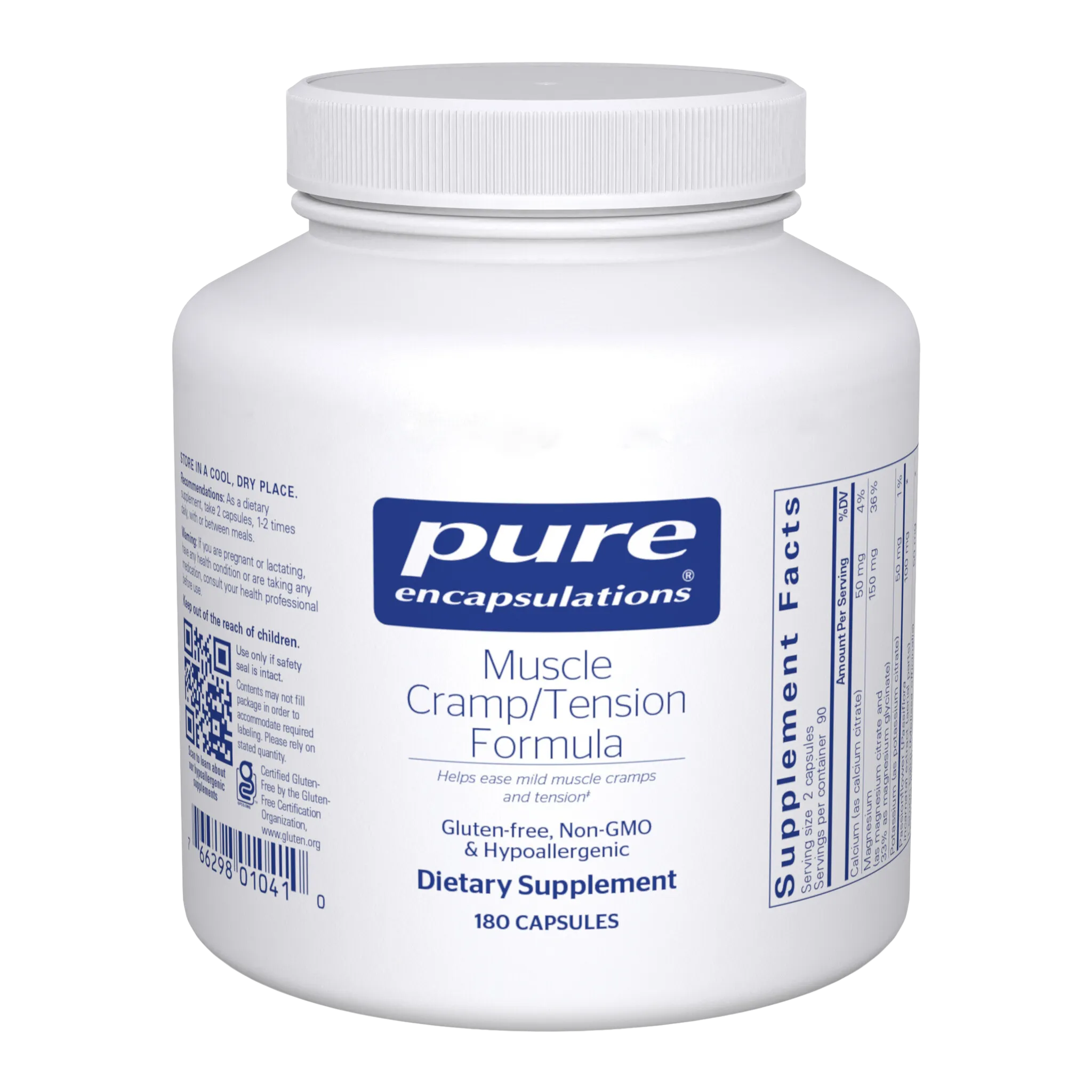
The intersection of physical muscle cramping and central nervous system hyperarousal creates a vicious cycle that is incredibly difficult to break. When your autonomic nervous system is perpetually stuck in a state of 'fight or flight'—a hallmark of many post-viral and autonomic disorders—your muscles remain chronically tense, burning through essential cellular energy and rapidly depleting vital minerals. This is where a targeted approach utilizing a Muscle Cramp/Tension Formula—combining highly bioavailable electrolytes like magnesium, potassium, and calcium with deeply soothing nervine botanicals like passionflower, lemon balm, and chamomile—can play a crucial therapeutic role. By addressing both the localized cellular deficits within the muscle tissue and the systemic overactivity of the nervous system, this integrative strategy offers a comprehensive, science-backed pathway toward physical comfort and mental relaxation.
What is the Muscle Cramp/Tension Formula?
To understand how a Muscle Cramp/Tension Formula works, we must first examine the intricate biochemistry of how a healthy body orchestrates muscle contraction and relaxation. At the cellular level, every movement you make is governed by a precise, rapid exchange of electrolytes across the muscle cell membrane (the sarcolemma). Calcium, magnesium, and potassium are the primary biochemical actors in this process. When a nerve impulse reaches a muscle fiber, it triggers the release of calcium ions from a specialized storage unit within the cell called the sarcoplasmic reticulum. This sudden flood of intracellular calcium is the biological spark that initiates contraction. The calcium binds to a regulatory protein called troponin, which shifts another protein, tropomyosin, out of the way, allowing the muscle filaments (actin and myosin) to bind together and contract. Without adequate calcium, the structural integrity and the very initiation of muscle movement are fundamentally compromised.
However, initiating a contraction is only half of the equation; the muscle must also be able to relax. This is where magnesium steps in as the master regulator of neuromuscular function. Once the contraction has occurred, the muscle cell must actively pump the calcium back into the sarcoplasmic reticulum to allow the muscle fibers to release. This pumping action is performed by an enzyme called the SERCA pump, which requires adenosine triphosphate (ATP)—the cell's primary energy currency—to function. Crucially, ATP must be bound to a magnesium ion to be biologically active. Furthermore, magnesium acts as a natural calcium channel blocker; it competes with calcium for binding sites, ensuring that the muscle does not remain in a state of sustained, involuntary contraction (a cramp or spasm). If magnesium levels are depleted, calcium floods the cell unchecked, leading to the painful, locked-up muscles that many chronic illness patients experience daily.
Potassium plays an equally vital, yet distinct, role in this neuromuscular choreography. While calcium and magnesium manage the physical contraction and relaxation of the muscle fibers, potassium is responsible for managing the electrical signals that tell the muscle what to do. Potassium maintains the resting membrane potential of the cell. After a nerve impulse fires and the muscle contracts, potassium rushes out of the cell to repolarize the membrane, resetting the electrical environment so the muscle is ready for the next signal. If systemic potassium levels drop (a condition known as hypokalemia), the electrical gradient of the cell becomes unstable. This instability leads to neuromuscular irritability, causing the muscle to twitch, spasm, or cramp spontaneously without any conscious input from the brain. Together, these three minerals—calcium, magnesium, and potassium—form an interdependent triad that dictates the health, stability, and comfort of every muscle in the body.
While restoring electrolyte balance addresses the physical mechanics of muscle cramping, it is equally important to address the neurological signals driving that tension. This is where the inclusion of nervine botanicals—specifically passionflower (Passiflora incarnata), lemon balm (Melissa officinalis), and chamomile (Matricaria recutita)—elevates the formula from a simple mineral supplement to a comprehensive nervous system support tool. In a healthy nervous system, there is a delicate balance between excitatory neurotransmitters (like glutamate and norepinephrine), which promote alertness and action, and inhibitory neurotransmitters (like gamma-aminobutyric acid, or GABA), which promote calmness, relaxation, and sleep. Chronic illness often skews this balance heavily toward excitation, leaving the brain and body in a state of perpetual hyperarousal.
These three specific botanicals have been utilized in traditional medicine for centuries, and modern pharmacological research has now elucidated their precise mechanisms of action. They primarily function as allosteric modulators of the GABA_A receptors in the central nervous system. This means that their active plant compounds—such as apigenin in chamomile, rosmarinic acid in lemon balm, and vitexin in passionflower—bind to specific sites on the GABA receptors in the brain. When they bind, they enhance the receptor's affinity for naturally occurring GABA, amplifying the brain's own calming signals. This is the exact same neurological pathway targeted by prescription anti-anxiety medications (like benzodiazepines), but these botanicals achieve this effect gently, without the severe sedation, dependency risks, or cognitive blunting associated with pharmaceuticals.
By upregulating GABAergic activity, these herbal extracts effectively turn down the volume of the central nervous system. As the brain transitions from a sympathetic (fight-or-flight) dominant state to a parasympathetic (rest-and-digest) state, it stops sending continuous, low-grade stress signals to the peripheral muscles. This reduction in neurological drive allows the skeletal muscles to finally release their chronic holding patterns. Furthermore, these botanicals possess mild, direct antispasmodic properties, meaning they can help relax smooth muscle tissue throughout the body, including the digestive tract and blood vessels, providing systemic relief from tension-related discomfort.
The true brilliance of a Muscle Cramp/Tension Formula lies in the synergistic interplay between the structural electrolytes and the neurological botanicals. Muscle tension is rarely an isolated physical event; it is almost always a manifestation of systemic stress, whether that stress is originating from a viral infection, autonomic dysfunction, or psychological burden. If you only replenish magnesium and potassium, you are giving the muscles the tools they need to relax, but if the brain is still screaming at the muscles to stay tense due to an overactive sympathetic nervous system, the cramps will likely persist or quickly return. Conversely, if you only take calming herbs to quiet the mind, but the muscle cells are fundamentally starved of the magnesium required to pump calcium out of the sarcolemma, the physical spasm will remain locked in place.
By combining these two therapeutic avenues, the formula addresses the pathology from both the top down (neurological) and the bottom up (cellular). The botanicals lower cortisol levels, increase GABA, and quiet the central nervous system's stress signals, effectively telling the body that it is safe to relax. Simultaneously, the highly bioavailable forms of calcium, magnesium, and potassium arrive at the muscle tissue, providing the exact biochemical substrates needed to execute that relaxation command at the molecular level. This dual-action approach is particularly vital for patients with complex chronic illnesses, whose symptoms are deeply intertwined across multiple bodily systems and require multi-targeted interventions to achieve meaningful relief.
How Chronic Illness Impacts Muscle Function and the Nervous System
To comprehend why muscle cramps and physical tension are so prevalent in post-viral syndromes, we must examine the specific pathophysiology of Long COVID. The SARS-CoV-2 virus gains entry into human cells by binding to the Angiotensin-Converting Enzyme 2 (ACE2) receptor. In a healthy body, ACE2 plays a critical, protective role in the Renin-Angiotensin-Aldosterone System (RAAS), a hormone system that regulates blood pressure and fluid balance. ACE2 is responsible for breaking down Angiotensin II (a potent vasoconstrictor and inflammatory molecule) into Angiotensin 1-7 (a vasodilator and anti-inflammatory molecule). When the virus binds to ACE2, it downregulates and destroys these receptors, severely impairing the body's ability to neutralize Angiotensin II.
This viral-induced destruction of ACE2 leads to a massive, unchecked accumulation of Angiotensin II, which in turn overstimulates the adrenal glands to produce excessive amounts of the hormone aldosterone. Aldosterone's primary job is to signal the kidneys to retain sodium and water to increase blood pressure. However, this sodium retention comes at a steep biological cost: for every sodium ion the kidneys save, they are forced to excrete a potassium or magnesium ion into the urine. This post-viral RAAS overactivation creates a state of chronic, systemic electrolyte wasting. Patients with Long COVID are often losing massive amounts of intracellular magnesium and potassium simply through urination, regardless of their dietary intake. This profound, virally driven depletion directly destabilizes the muscle cell membranes, leading to the severe nocturnal leg cramps, fasciculations (twitches), and heart palpitations that are hallmark symptoms of the condition.
Furthermore, the chronic inflammation associated with Long COVID dramatically increases the cellular burn rate of these minerals. Magnesium is required for the synthesis of glutathione, the body's master antioxidant, and is heavily consumed during the immune system's attempt to quell systemic inflammation. As the body prioritizes immune function, it pulls magnesium away from the musculoskeletal system, leaving the muscles vulnerable to sustained, painful contractions. This is why many Long COVID patients find that their muscle cramps worsen significantly during a symptom flare or after attempting physical exertion, a phenomenon deeply tied to post-exertional malaise (PEM).
In the context of dysautonomia, particularly Postural Orthostatic Tachycardia Syndrome (POTS), the relationship with electrolytes and muscle tension is equally complex but driven by different mechanisms. A primary physiological driver of POTS is hypovolemia, or chronically low blood volume. Because there is not enough fluid in the vascular system, the autonomic nervous system must constantly stay in a hyperadrenergic (high adrenaline) state, squeezing the blood vessels to force blood up to the brain against gravity. This constant flood of adrenaline and norepinephrine keeps the skeletal muscles in a perpetual state of tension, leading to chronic neck, shoulder, and back pain.
To combat this hypovolemia, POTS patients are routinely advised to consume massive amounts of sodium and water. However, dramatically increasing sodium intake without proportionally increasing potassium and magnesium can severely disrupt the delicate intracellular electrolyte balance. The sodium-potassium pump (Na+/K+ ATPase), which maintains the electrical charge of every cell, can become overwhelmed, leading to neuromuscular instability. Providing targeted potassium and magnesium alongside high sodium intake is essential for POTS patients to maintain proper muscle contractile function and prevent the severe cramping that often accompanies aggressive hydration protocols.
Additionally, there is a profound overlap between dysautonomia, POTS, and hypermobility spectrum disorders, such as hypermobile Ehlers-Danlos Syndrome (hEDS). In these connective tissue disorders, the structural integrity of the body is compromised due to faulty collagen production. To compensate for loose ligaments and unstable joints, the skeletal muscles must work overtime, constantly spasming and clenching to hold the skeleton together. This chronic muscular overexertion rapidly burns through local ATP and magnesium stores. Furthermore, emerging clinical data suggests that patients with hEDS and dysautonomia have a high prevalence of abnormal bone mineral density, indicating a systemic inability to properly utilize calcium. Supplementing with bioavailable calcium is therefore critical not just for muscle contraction, but for supporting the underlying structural deficits often seen in this patient population.
For individuals living with ME/CFS and mast cell activation syndrome (MCAS), muscle tension is deeply intertwined with immune dysregulation and central nervous system hyperarousal. In ME/CFS, the autonomic nervous system is often locked in a sympathetic dominant state. This means the body perceives a constant threat, elevating cortisol levels and keeping the muscles primed for a 'fight or flight' response that never resolves. This chronic neurological tension is exhausting; it drains cellular energy reserves and contributes significantly to the profound, unrefreshing sleep that characterizes the illness. The brain is quite literally too wired to allow the muscles to relax.
In MCAS, the situation is further complicated by the inappropriate release of inflammatory mediators from mast cells. When mast cells degranulate in response to a trigger, they release a cascade of chemicals, including histamine, prostaglandins, and leukotrienes. Histamine, in particular, is a potent constrictor of smooth muscle tissue. While this is most obvious in the respiratory tract (causing asthma-like symptoms) or the gastrointestinal tract (causing severe cramping and motility issues), systemic histamine release also increases the excitability of the peripheral nervous system, leading to widespread skeletal muscle pain, twitching, and tension.
The constant barrage of inflammatory cytokines and mast cell mediators creates a highly sensitized nervous system, a state known as central sensitization. In this state, normal sensory input is amplified, and the threshold for muscle spasming is drastically lowered. The soothing botanicals in the Muscle Cramp/Tension Formula—passionflower, lemon balm, and chamomile—are particularly relevant here. By modulating GABA receptors and exerting mild anti-inflammatory effects, they help to dampen this central sensitization, reducing the neurological hyper-reactivity that drives both the physical muscle spasms and the severe anxiety and cognitive agitation often reported by MCAS patients.
The Muscle Cramp/Tension Formula: Supporting Neuromuscular Health
When utilized as a targeted therapeutic intervention, the Muscle Cramp/Tension Formula addresses the complex pathophysiology of chronic illness through several distinct, overlapping mechanisms of action. The cornerstone of this intervention is magnesium, specifically in its highly bioavailable citrate and glycinate forms. At the cellular level, magnesium acts as the body's endogenous calcium channel blocker. In a state of magnesium deficiency—which we have established is rampant in post-viral and autonomic disorders—the N-methyl-D-aspartate (NMDA) receptors in the nervous system become unblocked. This allows calcium to flood into the neurons and muscle cells unchecked, leading to a state of severe excitotoxicity, where the cells are literally stimulated to death.
By supplementing with therapeutic doses of magnesium, we effectively plug these calcium channels. Magnesium sits in the receptor pore, preventing the excessive influx of calcium and immediately halting the hyper-excitability of the muscle fiber. This mechanism is why magnesium is so profoundly effective at stopping acute muscle cramps, particularly the severe nocturnal leg cramps that plague many patients with ME/CFS. Furthermore, the specific inclusion of magnesium glycinate provides an additional layer of neurological support. Glycine is an inhibitory neurotransmitter in the brainstem and spinal cord. When the magnesium glycinate molecule is cleaved in the body, the elemental magnesium works on the muscle cell, while the glycine travels to the central nervous system to promote deep, restorative sleep and lower core body temperature, further aiding in systemic relaxation.
Additionally, magnesium is an absolute prerequisite for the synthesis of adenosine triphosphate (ATP) within the mitochondria. In conditions like Long COVID and ME/CFS, where mitochondrial dysfunction and severe energy deficits are core pathologies, providing the necessary cofactors for ATP production is vital. Without magnesium, the mitochondria cannot stabilize the ATP molecule, meaning the cell has no usable energy. By restoring intracellular magnesium levels, the formula supports the fundamental energy production required for the muscle cells to operate the SERCA pumps, allowing them to actively push calcium out of the sarcolemma and finally achieve a state of physical relaxation.
While magnesium is the master relaxer, potassium and calcium are essential for restoring the structural and electrical stability of the neuromuscular system. The inclusion of potassium citrate in this formula directly combats the hypokalemia often induced by the RAAS overactivation seen in Long COVID. By replenishing potassium, the formula helps to restore the resting membrane potential of the muscle cells. This stabilizes the electrical gradient, preventing the spontaneous, misfired nerve signals that cause fasciculations (muscle twitches) and the deep, aching muscle fatigue that often precedes a full-blown cramp. Potassium is also crucial for synthesizing glycogen, the stored form of glucose in the muscles, providing a vital energy reserve for patients struggling with post-exertional malaise.
The strategic inclusion of calcium citrate ensures that the physical machinery of the muscle remains intact. While excess intracellular calcium causes cramps, a systemic deficiency of calcium in the blood (hypocalcemia) actually triggers severe neuromuscular excitability, leading to spasms, tingling in the extremities (paresthesia), and numbness. Because magnesium deficiency impairs the action of Parathyroid Hormone (PTH)—the hormone responsible for regulating calcium—many chronic illness patients develop secondary hypocalcemia. By providing a highly absorbable form of calcium alongside magnesium, the formula ensures that the bones and muscles have the structural minerals they need, which is particularly vital for patients with comorbid hypermobility disorders who rely on muscular tension to stabilize their joints.
It is important to note that the ratios of these minerals are carefully calibrated. Taking high doses of isolated calcium without adequate magnesium can actually worsen cramping and lead to arterial calcification. The Muscle Cramp/Tension Formula provides these electrolytes in a balanced matrix, ensuring that they work synergistically to support healthy contractile function without overwhelming the body's delicate homeostatic mechanisms. This balanced approach is essential for patients with dysautonomia, whose autonomic nervous systems are highly sensitive to sudden shifts in blood chemistry.
The botanical components of the formula—passionflower, lemon balm, and chamomile—provide the critical neurological intervention necessary to break the cycle of chronic tension. The primary mechanism of action for these nervines is the allosteric modulation of the GABA_A receptor. GABA is the brain's primary inhibitory neurotransmitter; it is the chemical signal that tells the nervous system to calm down, slow the heart rate, and release muscular holding patterns. In chronic illness, the production and efficacy of GABA are often severely blunted by chronic inflammation and high cortisol levels.
Chamomile contains a potent flavonoid called apigenin, which has been shown in clinical studies to bind directly to the benzodiazepine site on the GABA_A receptor, exerting a profound anxiolytic (anti-anxiety) and mild sedative effect. Lemon balm operates via a slightly different, highly complementary pathway. It contains high levels of rosmarinic acid, a compound that actively inhibits the enzyme GABA transaminase. This enzyme is responsible for breaking down GABA in the brain. By inhibiting its action, lemon balm effectively increases the concentration and lifespan of GABA in the synaptic cleft, prolonging its calming effects on the nervous system. This is particularly beneficial for patients who experience severe cognitive agitation or 'wired and tired' sensations.
Passionflower rounds out this botanical triad by providing powerful central nervous system sedation. Rich in flavonoids like chrysin and vitexin, passionflower has been officially recognized by regulatory bodies like Germany's Commission E for its efficacy in treating nervous restlessness and sleep onset insomnia. By combining these three botanicals, the formula creates a robust, multi-pathway enhancement of the body's natural relaxation responses. This neurological quieting is the missing link for many patients; it stops the brain from sending the stress signals that cause the muscles to clench in the first place, allowing the magnesium and potassium to do their structural work unimpeded.
Ultimately, the Muscle Cramp/Tension Formula is designed to break the debilitating feedback loop of chronic illness. Pain and muscle spasms cause psychological stress and poor sleep; this stress elevates cortisol and depletes magnesium; the depleted magnesium causes more severe muscle spasms and further neurological hyperarousal. By intervening simultaneously at the level of the muscle fiber (with electrolytes) and the level of the central nervous system (with nervine botanicals), this formulation disrupts that cycle. It provides the biochemical safety signals required for the body to transition out of survival mode and into a state of restorative healing.

Symptoms This Formula May Help Manage
The combination of targeted electrolytes and soothing botanicals in this formula is designed to address a wide spectrum of physical and neurological symptoms associated with chronic illness. By restoring cellular balance and calming the central nervous system, patients may experience relief from the following physical manifestations:
Nocturnal Leg Cramps: Often caused by severe intracellular magnesium depletion and unstable calcium channels, these agonizing spasms frequently disrupt sleep. Magnesium acts as a natural calcium channel blocker to prevent these sustained, involuntary contractions.
Muscle Fasciculations (Twitches): Spontaneous, visible twitching under the skin is a hallmark of neuromuscular irritability, often driven by potassium and magnesium deficits that destabilize the resting membrane potential of the muscle cells.
Chronic Neck and Shoulder Tension: In conditions like dysautonomia and POTS, the body constantly clenches the upper body muscles to force blood flow to the brain. The nervine botanicals help quiet the sympathetic nervous system signals driving this chronic holding pattern.
Smooth Muscle Spasms (GI Cramping): The antispasmodic properties of chamomile and lemon balm, combined with magnesium's relaxing effects, can help alleviate the painful gastrointestinal cramping often associated with MCAS and autonomic neuropathy.
Tension Headaches: Driven by both physical muscle constriction in the neck/scalp and central nervous system stress, tension headaches can be mitigated by the dual-action relaxation of the formula's minerals and herbs.
Beyond localized physical pain, the systemic hyperarousal seen in Long COVID, ME/CFS, and MCAS profoundly impacts sleep architecture and autonomic stability. This formula targets these broader neurological symptoms:
Sleep Onset Insomnia: The 'wired and tired' sensation, where the body is exhausted but the brain refuses to shut down, is directly addressed by passionflower and chamomile, which upregulate GABA to promote a natural transition into sleep.
Physical Restlessness and Agitation: The inability to sit still comfortably, often described as an internal buzzing or vibrating sensation, is a sign of central sensitization. Lemon balm helps inhibit GABA breakdown, providing a sustained calming effect on the nervous system.
Post-Exertional Muscle Fatigue: After minimal exertion, patients with ME/CFS often experience profound muscle heaviness and aching. Replenishing potassium and magnesium helps restore the cellular ATP and glycogen reserves necessary for muscle recovery.
Palpitations and Cardiac Excitability: While not a replacement for cardiac medication, magnesium and potassium are essential for maintaining a stable electrical rhythm in the heart, potentially easing the benign but distressing palpitations common in dysautonomia.
Practical Considerations: Forms, Dosing, and Absorption
When selecting an electrolyte supplement, the chemical form of the minerals dictates whether they will actually reach the intracellular space or simply pass through the digestive tract. The Muscle Cramp/Tension Formula utilizes highly bioavailable organic salts and amino acid chelates, specifically citrate and glycinate forms. Magnesium oxide, the most common and inexpensive form found in over-the-counter supplements, has an exceptionally low absorption rate (often estimated at less than 4%). It requires massive amounts of stomach acid to break its strong ionic bond, and the unabsorbed magnesium pulls water into the colon, causing severe osmotic diarrhea. This is counterproductive for patients with dysautonomia or ME/CFS who are already struggling with hydration and gastrointestinal motility issues.
In contrast, magnesium citrate and potassium citrate are bound to citric acid. This organic bond is easily cleaved in the digestive tract, allowing the minerals to be rapidly absorbed through the intestinal wall. Furthermore, the citrate molecule itself is a key intermediate in the Krebs cycle (the cellular process that generates ATP). By providing citrate, the formula not only delivers the necessary minerals but also supplies a direct substrate for mitochondrial energy production, a crucial benefit for patients battling profound fatigue. The inclusion of magnesium glycinate (magnesium bound to the amino acid glycine) offers another distinct advantage. Amino acid chelates are absorbed via specialized dipeptide transport channels in the gut, completely bypassing the standard mineral ion channels that can easily become saturated. This ensures maximum intracellular delivery without gastrointestinal distress.
The calcium citrate in this formula is also highly bioavailable and, unlike calcium carbonate, does not require a highly acidic stomach environment for absorption. This is particularly important for patients with MCAS or GERD who may be taking H2 antihistamines (like famotidine) or proton pump inhibitors (PPIs) that drastically reduce stomach acid production. By utilizing these superior, highly absorbable forms, the formula ensures that the active ingredients are actually delivered to the muscle tissues and nervous system where they are desperately needed.
To maximize the therapeutic benefits of the Muscle Cramp/Tension Formula, strategic timing is essential. Because the formula contains potent nervine botanicals (passionflower, lemon balm, chamomile) and relaxing minerals (magnesium), it is generally most effective when taken in the late afternoon or evening. Taking the supplement 1 to 2 hours before bedtime aligns perfectly with the body's natural circadian rhythm, supporting the transition into a parasympathetic state and directly targeting the nocturnal leg cramps and sleep onset insomnia that plague so many chronic illness patients. For individuals experiencing severe daytime muscle tension or acute anxiety flares, a divided dose (e.g., one capsule in the morning and one at night) can provide sustained, round-the-clock nervous system support without causing overwhelming daytime sedation.
Absorption can also be optimized by considering dietary interactions. While these specific mineral forms are highly bioavailable, it is generally recommended to take them with a small amount of food to further minimize any potential gastric sensitivity. However, patients should be mindful of consuming high amounts of phytic acid (found in raw nuts, seeds, and unsoaked grains) or excessive caffeine at the exact same time as the supplement, as these compounds can bind to minerals in the digestive tract and inhibit their absorption. Additionally, because magnesium and calcium require adequate Vitamin D for optimal cellular utilization, ensuring your systemic Vitamin D levels are sufficient will significantly enhance the efficacy of this formula.
While the ingredients in the Muscle Cramp/Tension Formula are generally recognized as safe and well-tolerated, the complex nature of chronic illness management requires careful consideration of potential interactions. The most critical safety consideration involves potassium. While the 50 mg of potassium in this formula is a relatively low, supportive dose, individuals taking potassium-sparing diuretics (such as spironolactone, often prescribed for hormonal acne or heart conditions) or ACE inhibitors/ARBs for blood pressure must consult their physician before adding any supplemental potassium, as hyperkalemia (dangerously high potassium) can cause severe cardiac arrhythmias. Similarly, individuals with compromised kidney function (chronic kidney disease) must strictly monitor their intake of all electrolytes, particularly magnesium and potassium, as the kidneys are responsible for clearing excess minerals from the blood.
The botanical nervines also require mindful integration, particularly for patients on psychiatric medications. Because passionflower, lemon balm, and chamomile act as allosteric modulators of the GABA receptors, they can synergistically amplify the effects of prescription sedatives, anti-anxiety medications (like benzodiazepines or SSRIs), and sleep aids (like zolpidem). While many patients successfully use these herbs to reduce their reliance on pharmaceuticals, this must be done under the direct supervision of a healthcare provider to avoid excessive central nervous system depression or severe daytime grogginess. Finally, pregnant or nursing individuals should avoid botanical extracts like passionflower, as they have historically been used to stimulate uterine contractions in high doses. Always consult your primary care provider or a specialist at RTHM before introducing a new multi-ingredient supplement into your complex chronic illness protocol.

Follow the Science
The foundational premise of replenishing electrolytes to combat muscle tension in post-viral and autonomic disorders is strongly supported by emerging clinical research. A pivotal 2022 observational study on COVID-19 patients demonstrated a direct correlation between viral severity and profound electrolyte depletion. The researchers found that serum potassium and calcium levels dropped significantly in severe cases, firmly establishing the viral-induced wasting of these critical cramp-preventing minerals. This data validates the clinical observation that Long COVID patients are often operating in a state of chronic intracellular deficiency, driving their persistent neuromuscular symptoms.
In the realm of dysautonomia and hypermobility, the need for structural minerals is becoming increasingly clear. Groundbreaking clinical data presented at the American College of Rheumatology evaluated bone mineral density in over 2,300 patients with hypermobile Ehlers-Danlos Syndrome (hEDS) and dysautonomia. A staggering 68.4% of these patients had abnormal bone density, highlighting a severe, systemic inability to properly utilize calcium. This lack of structural integrity forces the skeletal muscles to constantly spasm to stabilize the joints, rapidly burning through local magnesium stores. Supplementing with bioavailable calcium and magnesium is therefore not just a symptom management strategy, but a crucial intervention to support the underlying connective tissue deficits prevalent in these patient populations.
The efficacy of the botanical ingredients in the Muscle Cramp/Tension Formula is backed by robust, placebo-controlled clinical trials, particularly in the context of generalized anxiety and nervous system hyperarousal. A landmark 2009 randomized, double-blind clinical trial published in the Journal of Clinical Psychopharmacology investigated the effects of chamomile extract on patients with Generalized Anxiety Disorder (GAD). The researchers concluded that pharmaceutical-grade chamomile significantly reduced anxiety symptoms compared to a placebo, validating its role as a potent modulator of the central nervous system. Subsequent studies have also shown that chamomile can effectively lower cortisol levels, directly mitigating the physiological stress response that drives chronic muscle tension.
Similarly, lemon balm has demonstrated profound effects on both cognitive calmness and physical relaxation. A study published in Phytomedicine demonstrated that lemon balm administration significantly increased self-rated calmness and alertness in healthy adults subjected to psychological stress. Furthermore, clinical trials investigating the physical symptoms of stress found that young women taking lemon balm daily experienced significantly fewer premenstrual syndrome (PMS) symptoms, including severe uterine and abdominal cramping, highlighting its potent antispasmodic properties. Passionflower has also been extensively studied, with trials in Phytotherapy Research documenting its efficacy in managing anxiety without causing the severe daytime sedation or cognitive impairment often associated with pharmaceutical benzodiazepines.
As our understanding of complex chronic illnesses evolves, the medical community is increasingly recognizing the interconnectedness of these conditions. The US ME/CFS Clinician Coalition explicitly highlights orthostatic intolerance, sleep issues, and widespread pain as core features requiring individualized, multi-modal treatment strategies. Because there are no FDA-approved therapies specifically for ME/CFS or Long COVID, the coalition emphasizes the cautious, targeted use of interventions that address underlying physiological deficits, such as electrolyte imbalances and autonomic hyperarousal.
Furthermore, recent surveys of patients with Mast Cell Activation Syndrome (MCAS) reveal a markedly higher prevalence of neuropsychiatric symptoms, including severe anxiety, cognitive dysfunction, and fatigue, compared to healthy controls. The data suggests that mast cell dysregulation contributes directly to central and peripheral nervous system hyper-reactivity. Interventions that calm the nervous system and stabilize cellular membranes—such as the combination of magnesium and GABA-modulating botanicals found in this formula—are becoming increasingly recognized as vital components of a comprehensive symptom management strategy for these highly complex, multi-system disorders.
The Path Forward
Managing the relentless muscle spasms, physical tension, and neurological hyperarousal associated with Long COVID, ME/CFS, dysautonomia, and MCAS requires a deeply comprehensive and patient-centric approach. The Muscle Cramp/Tension Formula is a powerful tool, providing the exact biochemical substrates—magnesium, potassium, calcium, and GABA-modulating botanicals—needed to break the cycle of physical and mental rigidity. However, it is most effective when integrated into a broader, holistic management strategy. This includes aggressive pacing to prevent post-exertional malaise (PEM), meticulous symptom tracking to identify specific spasm triggers, and optimizing your daily hydration with balanced electrolytes. Learning How to Maintain Your Independence with Chronic Illness often involves utilizing these targeted therapies to reclaim small, vital aspects of your physical comfort and daily functioning.
Furthermore, managing the psychological burden of chronic illness is just as critical as addressing the physical symptoms. The constant pain and unpredictability of these conditions naturally drive the nervous system into a state of chronic stress, which in turn exacerbates muscle tension. Utilizing the soothing nervine properties of passionflower, lemon balm, and chamomile can provide a much-needed buffer against this daily stress, particularly during high-demand periods. For example, implementing these calming strategies can be incredibly beneficial when navigating the unique challenges outlined in our guide on 5 Tips for Surviving the Holidays with a Chronic Illness. By actively supporting your nervous system, you empower your body to transition out of survival mode and into a state where cellular repair and true rest become possible.
If you are struggling with severe nocturnal leg cramps, relentless neck tension, or the exhausting 'wired and tired' sensation of central hyperarousal, it is crucial to understand that these symptoms are not in your head. They are the direct result of measurable, virally-induced electrolyte depletion, autonomic dysfunction, and neuroinflammation. The pain and exhaustion you feel are valid, physiological responses to complex multi-system disorders. You are not failing at recovery because your muscles refuse to relax; your cells are simply starved of the magnesium and calming neurological signals they require to function properly. Acknowledging the profound biological basis of your symptoms is the first step toward finding effective, compassionate management strategies.
While the Muscle Cramp/Tension Formula offers a science-backed, integrative approach to managing neuromuscular irritability and promoting relaxation, it is essential to remember that supplements are just one piece of the puzzle. Because conditions like Long COVID, POTS, and MCAS are highly individualized, what works profoundly for one patient may require adjustment for another. Always consult with your primary healthcare provider or a specialist at RTHM before beginning any new supplement regimen, particularly to ensure there are no contraindications with your current medications or specific electrolyte needs.