Can Mucosagen Heal the Gut Barrier in Long COVID and ME/CFS?
March 6, 2026
MucosagenLeaky GutLong COVID
Share:
Disclaimer: The information provided here is for educational purposes only and is not intended as medical advice. It should not be used to diagnose, treat, cure, or prevent any medical condition. Instead, use it as a starting point for discussion with your healthcare provider. Always consult with a qualified healthcare provider before starting any new medication, supplement, device, or making changes to your health regimen.
Months or even years after an initial infection, many individuals living with complex chronic conditions find themselves battling a relentless array of symptoms that seem to originate from the gut. Whether it is profound bloating, unpredictable food sensitivities, or a worsening of systemic fatigue after eating, gastrointestinal distress is a hallmark of conditions like Long COVID, myalgic encephalomyelitis/chronic fatigue syndrome (ME/CFS), and mast cell activation syndrome (MCAS). But what connects the digestive tract to the debilitating brain fog, post-exertional malaise (PEM), and autonomic dysfunction experienced by so many? The answer often lies in the microscopic barrier that lines our intestines—a barrier that, when compromised, can trigger a cascade of systemic inflammation and immune dysregulation.
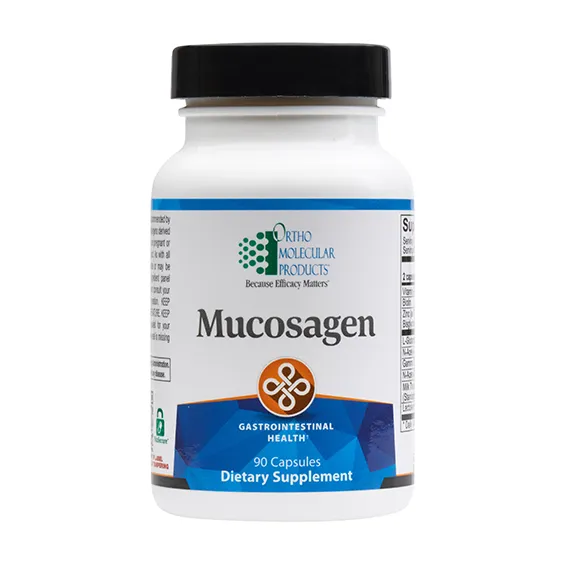
In the search for validating, science-backed strategies to manage these complex illnesses, the health of the gastrointestinal mucosal lining has emerged as a critical therapeutic target. Mucosagen, a comprehensive nutritional formula, is specifically designed to support this delicate barrier function. By combining targeted amino acids, specialized glycoproteins, and potent botanical extracts, it aims to repair the gut lining, maintain normal inflammatory balance, and support the liver's natural detoxification pathways. For patients navigating the unpredictable waters of chronic illness, understanding how to fortify the gut-liver axis may be a foundational step toward stabilizing symptoms and improving overall quality of life.
TL;DR
Mucosagen supports gut barrier function and the gut-liver axis in complex chronic conditions.
Ingredients like L-Glutamine and NAG help rebuild the intestinal mucosal lining.
A healthy gut barrier may help manage systemic inflammation, brain fog, and fatigue.
Always consult your healthcare provider before starting new supplements for chronic illness.
What is Mucosagen?
The Anatomy of a Healthy Gastrointestinal Barrier
To understand how a supplement like Mucosagen functions, we must first look at the natural architecture of a healthy gastrointestinal (GI) tract. The intestinal lining is a highly sophisticated, semi-permeable barrier that is only a single layer of epithelial cells thick. This microscopic wall serves a dual, seemingly contradictory purpose: it must be permeable enough to allow essential nutrients, water, and electrolytes to be absorbed into the bloodstream, yet secure enough to block unwanted food antigens, environmental toxins, and pathogenic microorganisms from crossing over. This selective permeability is regulated by complex protein structures known as tight junctions, which act like dynamic gates between the epithelial cells.
Above these epithelial cells lies a thick, protective layer of mucus, primarily composed of heavily glycosylated proteins called mucins. This mucosal layer is the true first line of defense in the gut. It physically traps harmful bacteria, houses our beneficial microbiome, and contains secretory IgA (sIgA) antibodies that neutralize pathogens before they can even touch the epithelial cells. When this mucosal barrier is robust and the tight junctions are functioning properly, the gut operates in a state of homeostasis, communicating safely with the immune system and helping to prevent systemic inflammation.
The Synergistic Blend of Mucosagen's Ingredients
Mucosagen is not a single-ingredient supplement; rather, it is a carefully calibrated, synergistic blend designed to address multiple facets of gastrointestinal health simultaneously. It provides the raw structural materials needed to rebuild the mucosal layer, such as L-Glutamine and N-Acetyl-D-Glucosamine, which serve as the primary fuel and building blocks for intestinal cells. By supplying these exact molecular components, the formula actively supports the rapid turnover and repair of the epithelial lining, a process that is often stalled during states of chronic physiological stress or viral infection.
Beyond structural repair, the formula incorporates ingredients that modulate the local immune response and protect against oxidative damage. Compounds like Gamma Oryzanol and Lactoferrin work to soothe irritated tissues, balance the local microbiome, and maintain a normal inflammatory response within the gut-associated lymphoid tissue (GALT). This multi-targeted approach ensures that the gut barrier is not only physically rebuilt but also biochemically protected from ongoing inflammatory triggers that could cause further degradation.
The Gut-Liver Axis and Systemic Detoxification
A unique and critical aspect of Mucosagen's design is its inclusion of liver-supporting ingredients like Milk Thistle Seed Extract and N-Acetyl-L-Cysteine (NAC). The gastrointestinal tract and the liver are intimately connected via the portal vein, a major blood vessel that carries nutrient-rich—and potentially toxin-laden—blood directly from the intestines to the liver. This bidirectional communication network is known as the gut-liver axis. When the gut barrier is healthy, the liver receives a manageable load of metabolic byproducts to process and detoxify.
However, when the gut lining is compromised, the liver is bombarded with unfiltered toxins, bacterial endotoxins, and undigested proteins. By supporting both ends of this axis, Mucosagen helps to reduce the toxic burden on the liver while simultaneously providing the antioxidants necessary for phase I and phase II liver detoxification pathways. This comprehensive strategy is vital for patients with complex chronic conditions, as an overburdened liver can exacerbate systemic symptoms like severe fatigue, chemical sensitivities, and cognitive dysfunction.
How Long COVID and ME/CFS Impact the Gastrointestinal System
Viral Persistence and Intestinal Hyperpermeability (Leaky Gut)
In conditions like Long COVID and ME/CFS, the integrity of the gastrointestinal barrier is often severely compromised, leading to a state of intestinal hyperpermeability, commonly referred to as "leaky gut." Research has shown that the SARS-CoV-2 virus can directly infect the enterocytes (intestinal cells) by binding to ACE2 receptors, which are highly expressed in the gut. This direct viral assault, or the persistence of viral RNA fragments long after the acute infection, triggers localized inflammation that physically degrades the tight junction proteins holding the intestinal wall together. As these junctions widen, the barrier fails, allowing macromolecules to leak into the systemic circulation.
A 2023 review published in the International Journal of Molecular Sciences highlights that this leaky gut phenomenon is a major driver of the systemic inflammation seen in both Long COVID and ME/CFS. When bacterial endotoxins, specifically lipopolysaccharides (LPS), escape the gut and enter the bloodstream, they provoke a chronic, low-grade immune response. The immune system, already exhausted from fighting the initial infection, is forced into a state of constant hyper-vigilance, which drains cellular energy reserves and perpetuates the cycle of chronic illness.
Microbiome Dysbiosis and the Inflammatory Cascade
Alongside physical barrier damage, chronic illnesses are characterized by profound disruptions to the gut microbiome, a state known as dysbiosis. In a healthy gut, beneficial bacteria produce short-chain fatty acids (SCFAs) like butyrate, which nourish the intestinal lining and keep inflammation in check. However, patients with Long COVID and ME/CFS frequently exhibit a significant reduction in these protective bacterial strains and an overgrowth of opportunistic or pathogenic microbes. This imbalance strips the gut of its natural anti-inflammatory defenses and further weakens the mucosal shield.
This dysbiosis creates a vicious inflammatory cascade. Without sufficient SCFAs, the goblet cells in the intestines cannot produce enough mucin to maintain the protective mucus layer. Pathogenic bacteria are then able to anchor directly to the vulnerable epithelial cells, triggering the release of pro-inflammatory cytokines. This localized gastrointestinal inflammation can easily trigger mast cells—immune cells that line the gut—leading to the unpredictable food reactions and severe bloating commonly seen in patients with overlapping mast cell activation syndrome (MCAS).
The Gut-Brain Connection in Chronic Fatigue
The breakdown of the gut barrier has profound neurological implications due to the intricate gut-brain axis. When LPS and other neurotoxic metabolites, such as ammonia from bacterial fermentation, cross the leaky gut barrier, they travel through the bloodstream and can eventually compromise the blood-brain barrier. Recent studies on ME/CFS and fibromyalgia have found significantly elevated circulating markers of intestinal barrier dysfunction (like zonulin-1) and bacterial translocation, which correlate strongly with worsened autonomic symptoms and reduced mental health.
Once these gut-derived toxins reach the brain, they activate microglia, the brain's resident immune cells. This microglial activation results in neuroinflammation, which manifests clinically as profound brain fog, cognitive impairment, and the crushing exhaustion characteristic of post-exertional malaise (PEM). Therefore, the debilitating neurological symptoms experienced by patients with ME/CFS and Long COVID are often inextricably linked to the ongoing structural failure and microbial imbalance within the gastrointestinal tract.
Mucosagen: Supporting Gut Barrier Function and Liver Health
L-Glutamine and N-Acetyl-D-Glucosamine: Rebuilding the Mucosal Lining
Mucosagen addresses intestinal hyperpermeability by supplying the exact molecular substrates required for cellular repair. L-Glutamine, dosed at 750 mg per serving, is the most abundant free amino acid in the body and the preferred metabolic fuel for enterocytes. During severe physiological stress or viral illness, the body's glutamine stores are rapidly depleted. Supplementing with L-Glutamine provides these intestinal cells with the energy they need to rapidly divide, repair damaged tissue, and synthesize the tight junction proteins that seal the gut barrier. By acting as a primary fuel source, it helps reverse the structural degradation caused by chronic inflammation.
Working in tandem with L-Glutamine is N-Acetyl-D-Glucosamine (NAG). NAG is an amino sugar that serves as a fundamental building block for the complex glycoprotein chains (O-glycans) that make up intestinal mucins. Clinical research on inflammatory bowel conditions demonstrates that without sufficient NAG, the body cannot synthesize a thick, protective mucus layer. By providing 100 mg of NAG, Mucosagen directly supports the goblet cells in producing Mucin 2 (MUC2), effectively restoring the physical shield that helps prevent pathogens and toxins from contacting the vulnerable epithelial cells beneath.
Gamma Oryzanol and Lactoferrin: Calming Inflammation and Balancing Flora
To halt the inflammatory cascade that degrades the gut lining, Mucosagen includes Gamma Oryzanol (100 mg), a natural compound extracted from rice bran oil. Gamma oryzanol exerts powerful local anti-inflammatory effects by inhibiting the TLR4/NF-κB signaling pathway. Furthermore, it has been shown to upregulate the expression of critical tight junction proteins like ZO-1 and occludin, acting as the molecular "glue" for the intestinal wall.
Lactoferrin (25 mg as Bioferrin®) is a multifunctional glycoprotein that plays a crucial role in modulating the gut microbiome and local immunity. Lactoferrin has a high affinity for iron; it aggressively binds and sequesters free iron in the gut. Because many pathogenic bacteria (like E. coli and Salmonella) require free iron to proliferate, lactoferrin effectively starves these harmful microbes while leaving beneficial, iron-independent bacteria (like Lactobacilli and Bifidobacteria) unharmed. Additionally, in vitro studies have shown that lactoferrin directly increases transepithelial electrical resistance (TEER), a primary measure of gut barrier strength.
Milk Thistle and NAC: Empowering Liver Detoxification
Recognizing the critical importance of the gut-liver axis, Mucosagen incorporates Milk Thistle Seed Extract (standardized to 58% Silymarin) and N-Acetyl-L-Cysteine (NAC). Silymarin is a potent hepatoprotective complex that stabilizes liver cell membranes and dramatically increases intracellular levels of glutathione, the body's master antioxidant.
NAC (150 mg) serves a dual purpose in this formula. Systemically, it acts as a direct precursor to glutathione, providing the liver with the raw materials necessary to execute phase II detoxification and clear the metabolic backlog caused by a leaky gut. Locally within the gastrointestinal tract, NAC acts as a powerful mucolytic and biofilm disruptor. It helps break down the protective biofilms constructed by pathogenic bacteria and yeast, allowing the immune system and beneficial flora to reclaim the intestinal environment and restore a healthy microbial balance.
Vitamin A, Biotin, and Zinc: Essential Cofactors for Epithelial Repair
The structural repair of the gut lining cannot occur without specific micronutrient cofactors. Vitamin A (600 mcg) is absolutely essential for the maintenance of mucosal surfaces and the regulation of immune tolerance in the gut. It helps direct the immune system to tolerate harmless food proteins rather than launching an allergic attack, which is particularly beneficial for patients dealing with new food sensitivities post-COVID. Biotin (250 mcg) supports the rapid cellular division and energy metabolism required by the highly active epithelial cells as they constantly regenerate.
Finally, Zinc is included as TRAACS™ Zinc Bisglycinate Chelate (5 mg), a highly bioavailable form that is gentle on the stomach. Zinc is a critical trace mineral for maintaining the structural integrity of tight junctions. Deficiency in zinc is known to rapidly induce intestinal permeability and impair the function of the gut-associated lymphoid tissue (GALT). By providing these three essential cofactors, Mucosagen ensures that the biochemical machinery responsible for gut repair has all the necessary components to function optimally.
Symptoms Mucosagen May Help Manage
Gastrointestinal and Digestive Symptoms
By targeting the structural integrity of the gut lining and modulating local inflammation, Mucosagen may help alleviate a variety of localized digestive issues:
Severe Bloating and Distension: By supporting a healthy microbiome balance and reducing intestinal inflammation via Gamma Oryzanol, it helps minimize the abnormal bacterial fermentation that causes painful gas buildup.
Unpredictable Food Sensitivities: Vitamin A and L-Glutamine help restore immune tolerance and seal the leaky gut barrier, preventing undigested food proteins from triggering localized allergic or mast cell reactions.
Abdominal Discomfort and Cramping: The soothing properties of N-Acetyl-D-Glucosamine support the regeneration of the protective mucus layer, shielding sensitive nerve endings in the gut wall from irritating digestive acids and toxins.
Irregular Bowel Movements: By addressing the root cause of mucosal inflammation and supporting the gut-liver axis, the formula helps normalize gut motility and improve overall stool consistency.
Systemic and Neurological Symptoms
Because the gut barrier dictates what enters the systemic circulation, repairing it can have profound downstream effects on whole-body symptoms:
Brain Fog and Cognitive Dysfunction: By sealing the tight junctions, Mucosagen helps prevent neurotoxic bacterial byproducts (like LPS and ammonia) from entering the bloodstream and crossing the blood-brain barrier, thereby reducing neuroinflammation.
Severe Fatigue and PEM: L-Glutamine provides direct cellular energy, while Milk Thistle and NAC support the liver in clearing metabolic waste, reducing the systemic toxic burden that drains the body's energy reserves.
Systemic Inflammation: Lactoferrin and Gamma Oryzanol help suppress the chronic, low-grade immune activation that drives widespread joint pain, muscle aches, and general malaise in chronic illness.
Chemical and Environmental Sensitivities: By upregulating glutathione production through NAC and supporting phase II liver detox with Silymarin, the body becomes better equipped to process and eliminate environmental triggers.
Practical Considerations: Forms, Dosing, and Absorption
Understanding Bioavailability and Ingredient Forms
When dealing with compromised gastrointestinal function, the bioavailability of a supplement—how well it is absorbed and utilized by the body—is paramount. Mucosagen utilizes highly bioavailable forms of its key nutrients to ensure maximum efficacy. For example, the zinc in this formula is provided as TRAACS™ Zinc Bisglycinate Chelate. This chelated form binds zinc to two molecules of the amino acid glycine, allowing it to bypass the normal digestive processes that often inhibit mineral absorption. This means it is absorbed more efficiently and is significantly gentler on a sensitive stomach compared to standard zinc salts like zinc oxide or sulfate.
Similarly, the inclusion of Lactoferrin as Bioferrin® ensures a highly purified, biologically active form of this crucial glycoprotein. The N-Acetyl-L-Cysteine (NAC) and L-Glutamine are USP-grade, guaranteeing high purity and potency. Because the goal of Mucosagen is to act locally within the gut as well as systemically, the formulation is designed so that ingredients like L-Glutamine and NAG can be immediately taken up by the enterocytes lining the intestinal wall, while compounds like Silymarin and NAC are absorbed into the portal vein to directly support liver function.
Optimal Dosing Strategies and Timing
The suggested use for Mucosagen is 2 capsules three times per day, or as recommended by your healthcare professional. Because amino acids like L-Glutamine compete with other dietary proteins for absorption, it is generally most effective to take gut-repair formulas on an empty stomach—ideally 15 to 30 minutes before meals. This allows the active ingredients to coat the intestinal lining and be absorbed by the epithelial cells without interference from digesting food. Spreading the dose out three times a day ensures a steady, continuous supply of healing nutrients to the rapidly dividing cells of the GI tract.
Healing a compromised gut barrier is not an overnight process. The epithelial cells of the gut lining turn over every 3 to 5 days, but reversing chronic hyperpermeability and calming deeply entrenched inflammation takes time. Patients typically need to commit to a gut-healing protocol for at least 4 to 12 weeks before noticing significant reductions in systemic symptoms like brain fog or fatigue, though localized digestive relief may occur sooner. Consistency in dosing is critical for maintaining the structural integrity of the newly formed tight junctions.
Potential Interactions and Contraindications
While Mucosagen is generally well-tolerated, there are important clinical considerations. Because it contains Milk Thistle (Silymarin), which affects liver enzyme pathways (specifically the cytochrome P450 system), it could potentially alter the metabolism of certain prescription medications. Patients taking immunosuppressants, statins, or specific psychiatric medications should consult their doctor before starting this supplement. Additionally, while NAC is an excellent mucolytic, individuals with a history of bleeding disorders or those taking blood-thinning medications should use it with caution.
Furthermore, some patients with severe dysautonomia or ME/CFS may be highly sensitive to L-Glutamine, as excess glutamine can occasionally be converted into glutamate, an excitatory neurotransmitter, rather than the calming neurotransmitter GABA. If you experience increased anxiety, jitteriness, or insomnia after starting a glutamine-containing supplement, it is important to reduce the dose or discontinue use and consult your healthcare provider. Always introduce complex formulas slowly to monitor your body's unique response.
Follow the Science
Clinical Evidence on L-Glutamine and Intestinal Permeability
The scientific community has extensively documented the critical role of L-Glutamine in maintaining and repairing the intestinal barrier. A comprehensive review of the gut-brain axis highlights that glutamine depletion rapidly leads to villus atrophy and increased intestinal permeability. Clinical trials have consistently shown that supplementing with L-Glutamine directly upregulates the expression of tight junction proteins, specifically claudin-1 and occludin, physically tightening the gaps between epithelial cells. This is why L-Glutamine remains the foundational intervention in functional medicine protocols for managing "leaky gut" associated with post-viral syndromes.
Furthermore, research published in Frontiers in Immunology has established a direct correlation between elevated markers of bacterial translocation (such as LPS and sCD14) and the severity of autonomic and neurological symptoms in ME/CFS patients. By utilizing L-Glutamine to seal the gut lining, clinical evidence suggests we can significantly reduce the systemic leakage of these endotoxins, thereby lowering the neuroinflammatory burden that drives cognitive dysfunction and profound fatigue.
Research on Lactoferrin, Gamma Oryzanol, and Mucosal Immunity
The immunomodulatory effects of Lactoferrin and Gamma Oryzanol are supported by robust in vitro and in vivo data. A 2019 study published in MDPI Nutrients demonstrated that the addition of bovine lactoferrin to human intestinal epithelial cells significantly increased Transepithelial Electrical Resistance (TEER), the gold-standard metric for barrier strength. The study also proved that lactoferrin actively protects intestinal cells from the severe viability drop normally caused by exposure to bacterial endotoxins.
Similarly, research on Gamma Oryzanol has highlighted its potent ability to resolve gastrointestinal inflammation. By blocking this pathway, gamma oryzanol helps prevent the release of pro-inflammatory cytokines and restores the microscopic structure of the intestinal mucosa, proving its efficacy as a targeted intervention for gut-level immune dysregulation.
The Proven Efficacy of Silymarin in the Gut-Liver Axis
Historically viewed only as a liver protectant, recent clinical trials have redefined Milk Thistle (Silymarin) as a powerful modulator of the gut-liver axis. Fecal sequencing revealed an enrichment of beneficial bacteria, linking gut modulation directly to improved liver outcomes.
This bidirectional support is crucial for patients with chronic illness. By utilizing silymarin and NAC to boost hepatic glutathione levels, the liver is better equipped to handle the toxic load generated by a dysbiotic gut. Extensive meta-analyses confirm that silymarin reliably improves markers of oxidative stress, insulin resistance, and systemic inflammation, making it an invaluable tool for supporting the body's natural detoxification pathways during the long road to recovery from conditions like Long COVID.
The Path Forward
Integrating Gut Support into Your Chronic Illness Protocol
Living with the unpredictable and often debilitating symptoms of Long COVID, ME/CFS, or dysautonomia can feel incredibly isolating. It is validating to understand that your symptoms—whether they manifest as profound brain fog, severe fatigue, or sudden food intolerances—are not in your head. They are deeply rooted in physiological processes, and the health of your gastrointestinal barrier plays a central role in this complex web. Repairing the gut lining is not a quick fix, but it is a foundational step in calming systemic inflammation and giving your exhausted immune system the reprieve it desperately needs.
Tracking Symptoms and Consulting Your Care Team
As you consider integrating a comprehensive formula like Mucosagen into your routine, remember that supplements are most effective when used as part of a broader, holistic management strategy. Pacing, nervous system regulation, and meticulous symptom tracking are just as important. We encourage you to keep a detailed log of your digestive symptoms, energy levels, and cognitive clarity as you begin any new gut-healing protocol. Always discuss new supplements with your healthcare provider to ensure they align safely with your current medications and overall treatment plan.
Explore Mucosagen
If you are ready to support your gastrointestinal barrier and liver detoxification pathways, you can Explore Mucosagen to learn more about how this synergistic blend might fit into your path forward.